REVIEW · BUCHAREST
Bucharest: Relics of Communism 3-Hour Walking Tour
Book on GetYourGuide →Operated by MARA’S TOURS & TRAVEL · Bookable on GetYourGuide
Communism has a street-level soundtrack in Bucharest. In this 3-hour walk, you trace the ideas and people behind it, from the final Ceaușescu speech spot at Revolution Square to the hard authority of the Palace of the Parliament.
I especially like the way the guide connects politics to everyday life: ration cards, the black market, propaganda, and the secret police all show up as real, human details. I also like the range of stops: big monuments plus places the regime didn’t want remembered, like the hidden churches.
One thing to consider: this tour leans serious. You’ll be walking in the center city for about three hours, and the history is emotionally heavy even when it’s told clearly.
In This Review
- Key things you’ll notice on this Bucharest communist history walk
- Where Socialist Realism Still Rules the Streets
- Memorial of Rebirth to Revolution Square: the story starts in the open
- Piața 21 Decembrie 1989: connecting slogans to street life
- Michael the Voivode Church: what communists tried to erase
- Piața Unirii to the Civic Centre: watching the city get planned
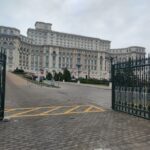
- Palace of the Parliament: the center of power in stone
- How the guide turns facts into a story you can remember
- What this tour includes, and what it doesn’t
- Who should book this, and who might want a different plan
- Practical tips for enjoying the 3-hour walk
- Should you book the Bucharest Relics of Communism 3-hour walking tour?
Key things you’ll notice on this Bucharest communist history walk
- Revolution Square start point: you begin at the Memorial of Rebirth and hit the exact ground tied to the 1989 uprising.
- Ceaușescu’s balcony moment: you hear what happened from the spot tied to his last speech.
- Socialist realism planning in real life: you’ll see how new districts were designed to project power, not comfort.
- Hidden religious spaces: you visit Michael the Voivode Church as part of the story of what communists tried to forget.
- Palace of the Parliament as an idea: more than a building photo stop, it’s explained as the center of authority made stone.
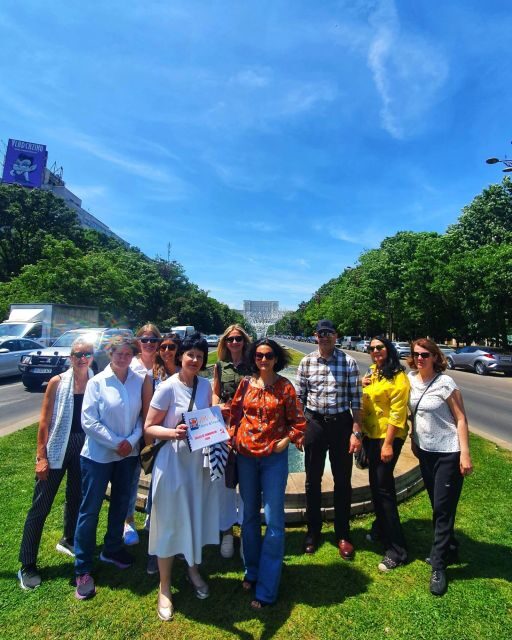
- Small group conversation: limited to 10 people, so questions don’t get lost in the crowd. Past guides (like Elena, Stephan, Tudor/Stefan) have been praised for answering in depth.
Where Socialist Realism Still Rules the Streets
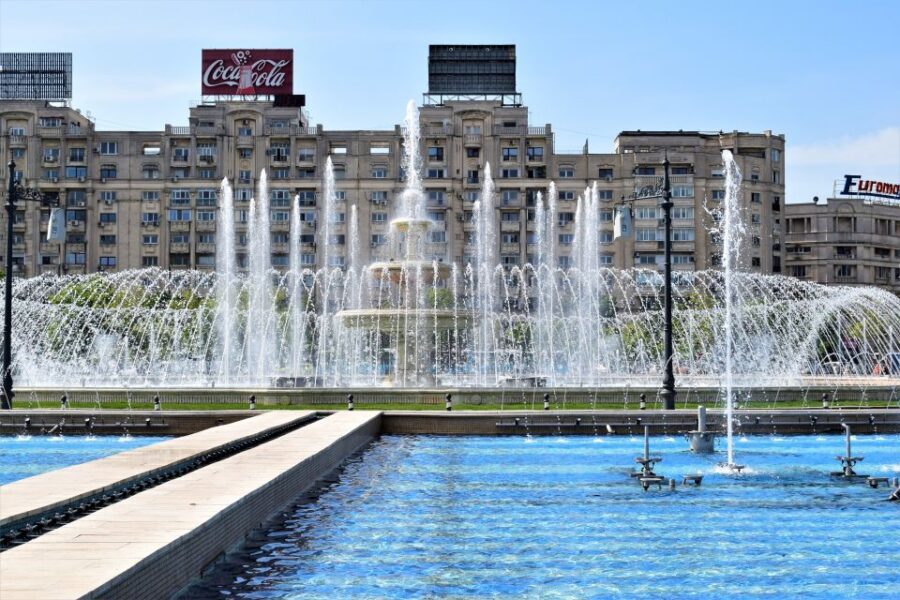
Bucharest can feel like two cities stacked on top of each other. On one side, you’ve got grand-looking boulevards and elegant old urban fabric. On the other, you see the blunt, controlled look of Socialist realism—architecture that tries to tell you who’s in charge before you even read a plaque.
That contrast is what makes this 3-hour tour work. You’re not just sightseeing buildings. You’re learning why Bucharest was reshaped during Nicolae Ceaușescu’s era, and what that reshaping did to ordinary people. The guide keeps the focus on how communism wasn’t only politics and ideology—it was also daily routines, shortages, fear, and the constant push of propaganda.
If you like history you can point to, you’ll enjoy this. The route touches power, repression, and resistance in the same afternoon. And since the group is capped at 10, it stays conversational rather than lecture-y.
You can also read our reviews of more walking tours in Bucharest

Memorial of Rebirth to Revolution Square: the story starts in the open
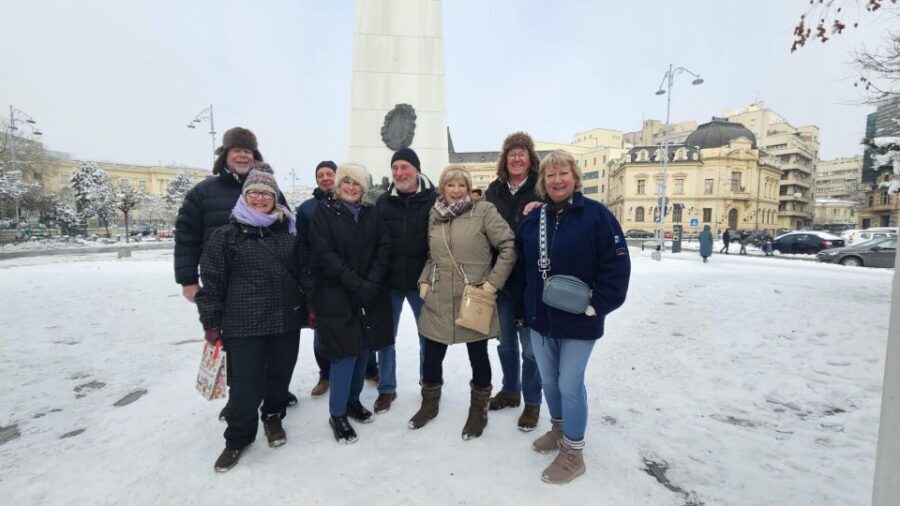
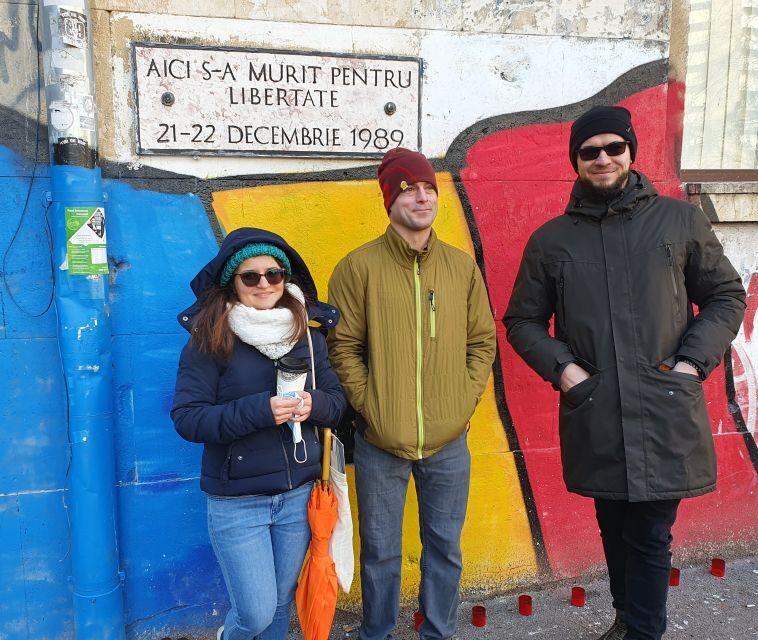
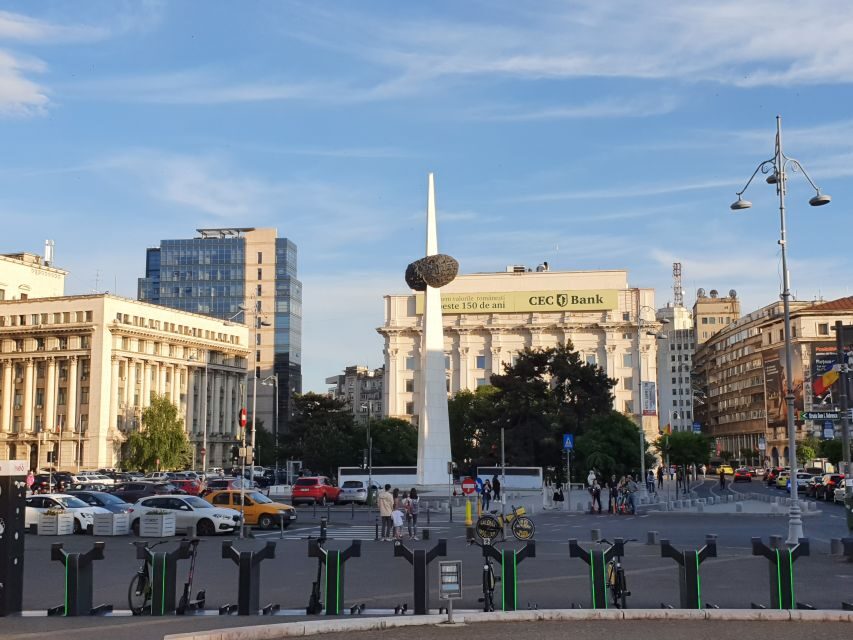
The walk starts at the Memorial of Rebirth in Revolution Square. Even before you start talking about 1989, the location sets the tone: this is not a tucked-away museum corner. It’s a public space tied directly to political change.
From there, the guide focuses on Revolution Square as a turning point. You’ll hear how the events of 1989 tied into Ceaușescu’s final days, including the balcony where he delivered his last speech. The point isn’t to memorize dates. It’s to understand why this square mattered—because the regime’s public theater and the revolution’s public outcry both played out here.
You spend about 20 minutes at this stop, which is a smart length. It’s long enough to learn the chain of events, but short enough that you don’t get stuck staring at the same vista for ages. And if you have questions about how the transition worked, this is one of the best places to ask, because the guide can connect what you’re seeing to what the country was experiencing at the time.
Piața 21 Decembrie 1989: connecting slogans to street life
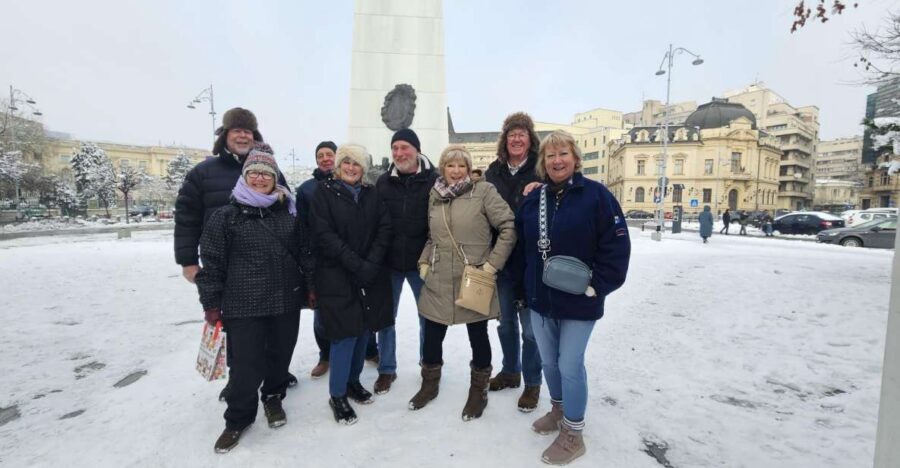
Next you go to Piața 21 Decembrie 1989 for about 15 minutes. This is where the tour shifts from the dramatic public stage to the lived reality behind the headlines.
Here’s what you should expect the guide to bring into focus: everyday life under communism wasn’t only about big speeches and official ceremonies. It included ration cards, the pressure of propaganda, and the ever-present reality of the secret police. The guide also talks about the black market—because when systems don’t work, people improvise, and improvisation becomes a way of surviving.
This stop is valuable because it helps you stop treating history as a clean timeline. Instead, you see how control shows up in daily behavior: what people buy, what they say, who they trust, and how they plan their day.
If you prefer your history told with cause-and-effect, this is where the tour starts clicking. The guide ties ideology to practical outcomes, not just abstract ideas.
Michael the Voivode Church: what communists tried to erase
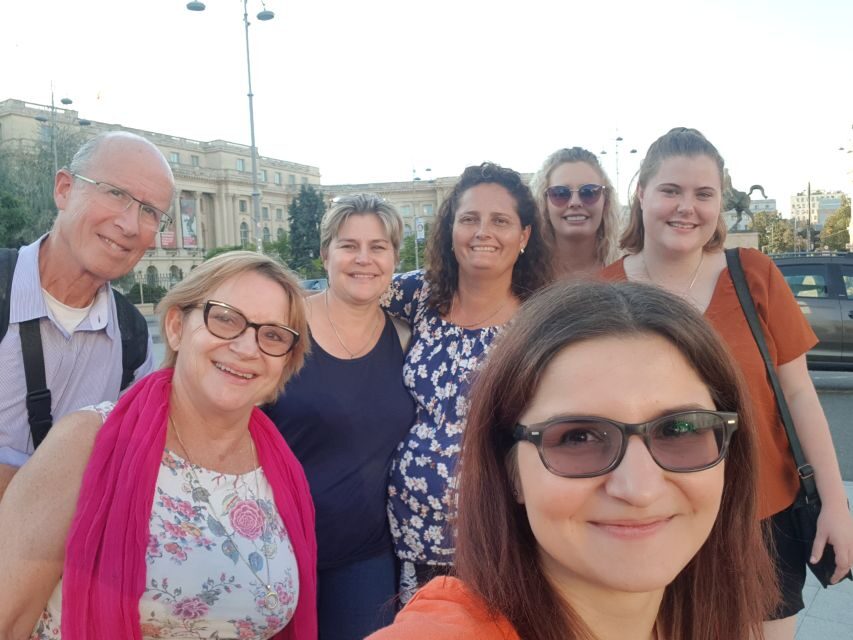
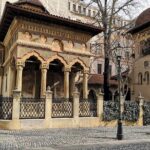
Then you move to the visit of Michael the Voivode Church, with a guided stop of about 15 minutes. This is one of the most interesting parts of the tour because it changes the mood without changing the theme.
Communism in Romania wasn’t only about replacing one government with another. It also tried to reshape culture—what gets remembered, what gets practiced, and what gets pushed out of public life. Churches like this become part of the answer to a painful question: what did the regime want forgotten, and why?
The church visit is a chance to see something tangible while you learn the story behind it. You’re not just hearing about repression in general terms. You’re standing in a real place where that pressure played out.
Practical note: this is a short visit, so treat it as orientation plus context rather than a slow deep church exploration. If you want to linger for photos or extra reading, plan to come back later on your own after the tour ends.
Piața Unirii to the Civic Centre: watching the city get planned
After the church, you head to Piața Unirii for another guided segment of about 15 minutes. This part of the walk helps you connect the history to the physical layout of Bucharest.
You’ll start noticing how planned spaces can feel like instructions. Under Ceaușescu, parts of Bucharest were rebuilt with a strong idea of what the city should represent. That idea shows up in Socialist realism: wide spaces, monumental forms, and geometry built to communicate dominance.
This is also where the story links to the Civic Centre area and the wider redesign impulse. You’ll learn how the regime’s vision created new districts and how the city’s look became part of political messaging. It’s not just that buildings were different. It’s that the regime used architecture as a language.
This section is a good bridge between emotional history (1989 and repression) and visual history (monuments and planned urban space). By now, you’ve got the background. Now you’re learning how to read the city’s shapes.
You can also read our reviews of more tours and experiences in Bucharest

Palace of the Parliament: the center of power in stone
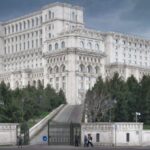
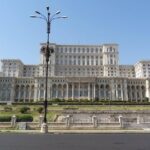
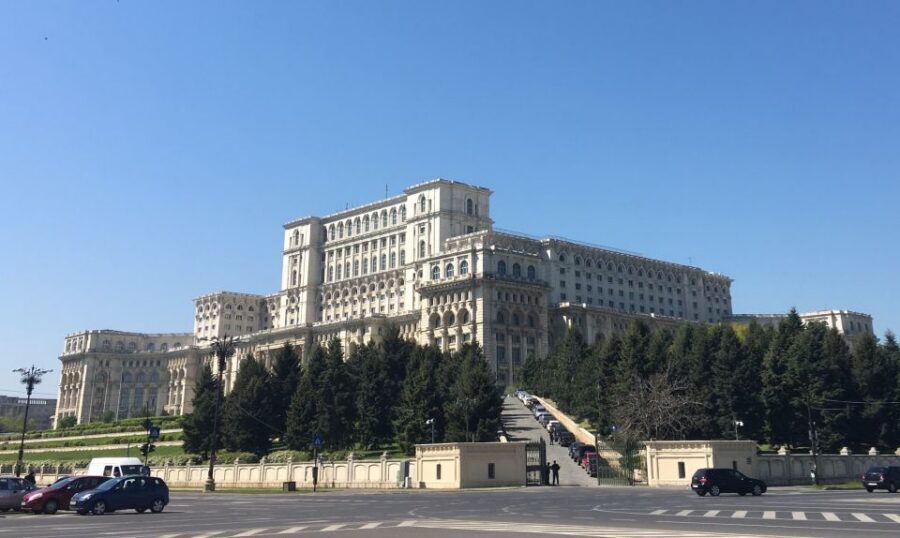
The tour then reaches the Palace of the Parliament for about 20 minutes. Even if you’ve seen photos before, it hits differently in person because of scale and intent. This building is tied to the concept of absolute power—an architectural statement that doesn’t ask for your opinion.
What makes the stop worth your attention isn’t only the building itself. It’s how the guide frames it: as part of the idea of an absolute center of power during Ceaușescu’s reign. When you understand that, the details start making sense. The monumentality stops being just impressive and starts being political.
A good guide also helps you see the contrast between the elegant older city feel and the communist blocks and planned areas around it. You’re looking at Bucharest’s identity being reorganized in real time.
One consideration: depending on your exact tour timing, your palace time may be focused on the guided portion rather than a full inside experience. If you want to do more inside exploration, build in extra time outside this 3-hour window.
How the guide turns facts into a story you can remember
A tour like this rises or falls on the guide. In the best versions of this walk, you don’t just get a list of sites—you get structure, pacing, and explanations that make the city feel understandable.
From past experiences with this tour, guides (including Elena, Stephan, Tudor/Stefan) are praised for answering questions and keeping the pace relaxed rather than rushing you from stop to stop. That matters here, because the subject needs time. When you’re learning about rationing, propaganda, and secret police, you don’t want to feel pushed like you’re checking boxes.
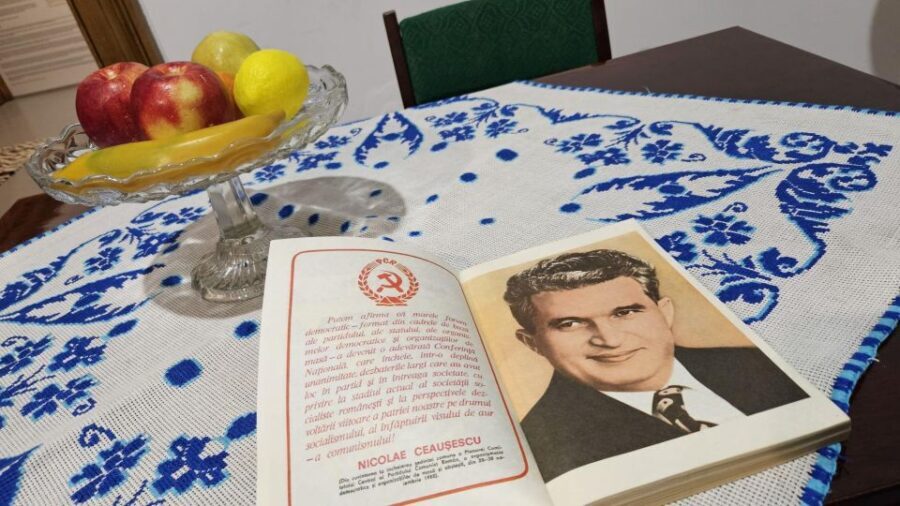
Many guides also use extra teaching tools. You might see physical or visual materials tied to the era, such as old communist-era school books, photos comparing old and new Bucharest, or even the kind of mandatory school scarf that symbolized daily life under the regime. Even if you don’t see every prop, the goal stays the same: turn the history into something you can picture.
There’s also a personal touch that shows up in how questions are handled. In a small group (max 10), you can ask what you’re actually curious about—how people behaved, what people feared, and how the revolution played out beyond slogans.
What this tour includes, and what it doesn’t
For $44 per person, you get a walking tour with an English guide, plus a Romanian snack souvenir. You don’t get hotel pickup or drop-off, so you’ll need to make your own way to the Memorial of Rebirth at Revolution Square.
In value terms, I think this is a fair price if you want context, not just photos. The route covers major sites tied to the 1989 story and Ceaușescu’s regime, and it also includes less obvious stops like the church that connects to cultural erasure. If you tried to self-tour, you could visit the same places, but you would likely miss the “why” that the guide supplies—especially the everyday-life parts like ration cards and the black market.
This also isn’t a long day. Three hours is a workable block of time in Bucharest, especially if you’re also doing other sightseeing. You’ll come away with a clearer mental map of the city—how the streets and buildings got their meaning.
Who should book this, and who might want a different plan
This tour fits best if you:
- enjoy history that explains how people lived, not only who won battles
- want the city’s architecture decoded through politics
- like a small group format where you can ask questions
- are curious about the Romanian Revolution of 1989 and the transition that followed
It may feel less ideal if you:
- dislike heavy themes (this is not a light overview)
- want a purely visual architecture tour with minimal context
- need lots of time inside buildings, because the palace stop is time-limited and focused on guided interpretation
If you’re the type who reads plaques and then asks why the plaque is there, you’ll be in your element.
Practical tips for enjoying the 3-hour walk
Bucharest’s center is walkable for a short time, but you should still plan for steady walking across urban streets and squares. Wear shoes you trust. Bring a light layer too—weather can shift, and you’ll be outside most of the tour.
Since the tour is limited to 10 people, it helps to arrive a few minutes early so the guide can start on time. You’ll begin at the Memorial of Rebirth in Revolution Square, so use that as your anchor point for meeting.
Also, think about what you want after the tour. If you’re interested in going deeper at the Palace of the Parliament, keep an extra chunk of time later for independent exploration. This walk gives you the political reading of the building; you can choose how far to take it afterward.
Should you book the Bucharest Relics of Communism 3-hour walking tour?
Yes—if you want Bucharest to make sense beyond postcards. This is a strong value way to connect the 1989 revolution story to the architecture and daily-life realities of Ceaușescu’s rule. The small group size helps you get answers, not just narration, and the route smartly pairs major power symbols with places communism tried to downplay, like hidden church spaces.
Book it if you’re curious, open-minded, and okay with a serious theme told in clear, human terms. Skip it only if you’re looking for a light, entertainment-first city stroll.