REVIEW · BUCHAREST
Bucharest: Bran & Peles Castle with Rasnov Citadel Day Trip
Book on GetYourGuide →Operated by TransVision Bucharest · Bookable on GetYourGuide
Medieval towers in the morning, a royal castle by lunch. This Bucharest day trip strings together Peleș Castle, Rasnov Citadel, and Bran Castle into one efficient Transylvania day. You get the big-ticket sights plus a real sense of why this region became so protective—and so legend-heavy.
I love how the day is built around smart pacing. You’re picked up from centrally located hotels, the guide keeps the story moving the whole way, and each stop has a guided layer so you’re not just walking and guessing. The main drawback to plan around is timing: the full day runs about 12 hours, and Peleș Castle rules change in October–November, so you may see outside views or a different castle depending on the day.
In This Review
- Key highlights you should care about
- Bucharest to Transylvania in one long, satisfying day
- Pickup in central Bucharest: easy start, clear meeting points
- The drive through Prahova Valley: when the scenery buys you time
- Peleș Castle in Sinaia: royal luxury with museum-grade detail
- A real-world timing warning for Peleș
- How to use your time at the museum-castle
- A mountain-pass lunch stop in a Romanian village
- Rasnov Citadel: defensive architecture that actually makes sense
- Bran Castle: Dracula’s Castle, plus real medieval design
- The courtyard wells and the underground network
- Getting value from the included guided tours
- Entrance tickets and meals: what to budget
- Who should book this day trip (and who might not)
- Should you book this Bucharest: Bran, Peleș & Rasnov day trip?
- FAQ
- What’s included in the tour price?
- Are entrance tickets included?
- What about meals during the day?
- Where does pickup happen in Bucharest?
- What language is the guide?
- What should I bring, and is anything not allowed?
Key highlights you should care about
- A small group (up to 8) keeps the day calmer and easier to manage on crowded castle days.
- Peleș Castle’s 19th-century royal opulence comes with real context, not just Dracula snacks.
- Rasnov Citadel’s defensive purpose explains why these towns built upward and fortified early.
- Bran Castle’s 14th-century layout (rock, towers, narrow corridors) fits the spooky reputation—without needing hype.
- Scenic Prahova Valley driving plus a village lunch stop makes the ride feel like part of the trip.
Bucharest to Transylvania in one long, satisfying day
This trip is the classic Bucharest to Transylvania shortcut. Instead of treating castles like separate day-long logistics problems, you stack three of the area’s most famous stops into one outing—about 12 hours total.
That structure matters. Castle days can be tiring. Here, the guide helps you make sense of what you’re seeing as you go: the royal world at Peleș, the defensive logic at Rasnov, and the labyrinth-style stone maze at Bran. It’s not only faster; it’s easier to remember.
The ride itself runs through Prahova Valley. You’ll spend real time on the road, which is why comfortable shoes are a must. If you’re hoping for a lazy day with minimal walking, you may find this one a bit brisk.
You can also read our reviews of more tours and experiences in Bucharest

Pickup in central Bucharest: easy start, clear meeting points
The smoothest part of the day starts before you even leave Bucharest. Your tour includes hotel pickup and drop-off from centrally located hotels, typically in the 7:00 AM–8:00 AM window. Two days before, you get the exact pickup time by email.
If your hotel isn’t in the center, you don’t get stranded. You’ll meet the group at Revolution Square in front of the Romanian Atheneum at 8:00 AM. That’s a solid landmark, and it keeps the morning organized.
One practical tip: if you’re on the fence about whether you qualify for pickup, contact the provider ahead of time. It’s not a guess-and-check kind of schedule.
The drive through Prahova Valley: when the scenery buys you time
The journey from Bucharest toward Sinaia is part of why this trip works. The route runs through one of Romania’s most beautiful valleys, and that changes the mood from “transfer day” to “scenic road trip.”
On top of that, you get the benefit of a guide who can talk while you’re driving. In a couple of the day’s best moments, the history starts before you arrive at the castle gates. You’ll be more ready for what you see next, instead of reading placards like a textbook.
Group size helps here too. With small-group limits (up to 8 participants), you’re not fighting crowds on the drive or in the vehicle. You can actually hear instructions and stay together.
Peleș Castle in Sinaia: royal luxury with museum-grade detail
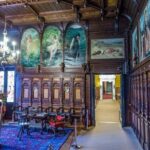
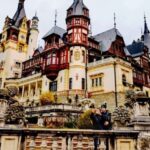
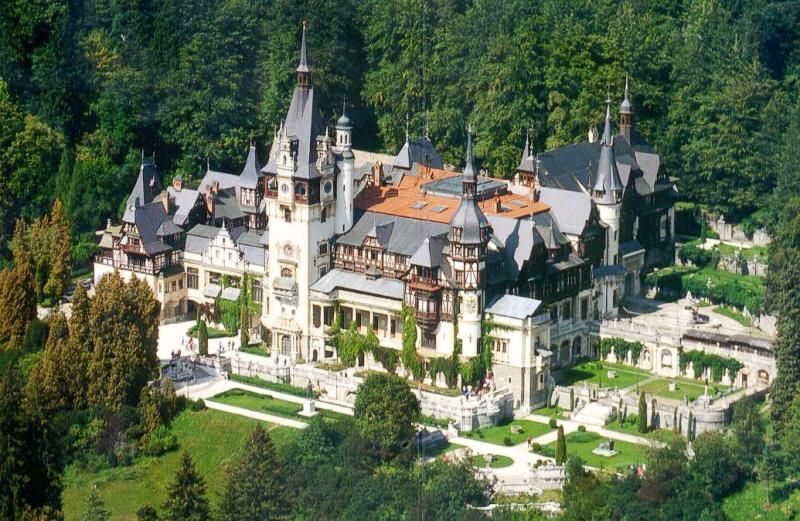
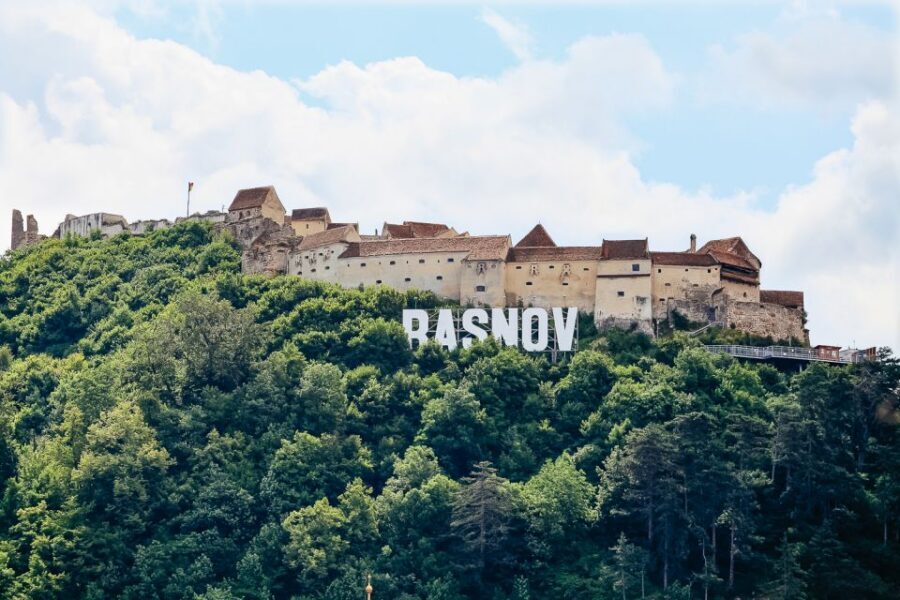
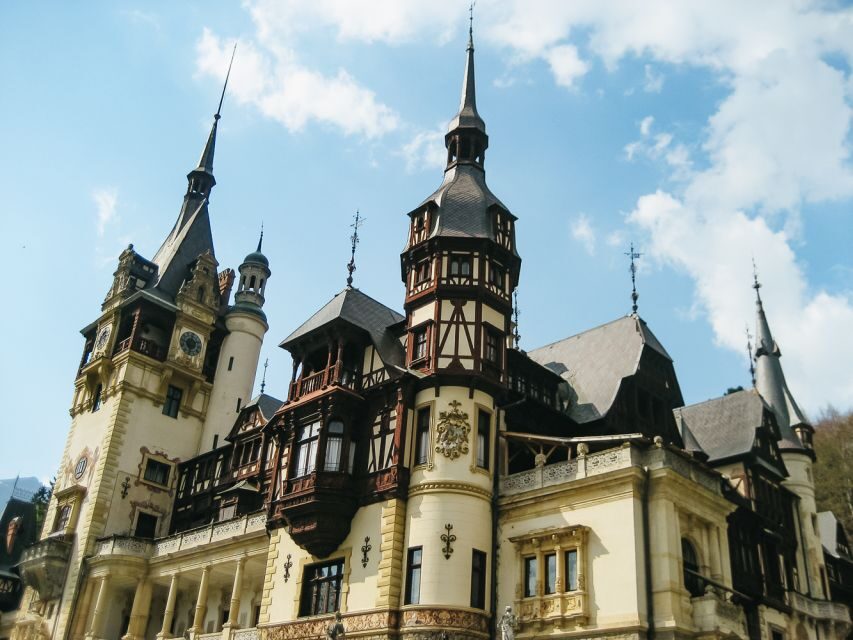
Peleș Castle is the emotional high point for many people on this itinerary, and it’s easy to see why. It’s the former summer residence of Romanian kings, now home to one of the country’s most important museums.
What you’re walking into is a 19th-century fortress with 160 decorated rooms. That number alone is a mind-bender, but the key for your visit is the feel: this isn’t a rough medieval hold. It’s a place built for taste, comfort, and power.
The guide’s framing also helps. Peleș is tied to royal history through figures like King Carol I (who died here in 1914) and also King Ferdinand and Queen Maria. When you connect rooms to lives, the visit stops being only architecture spotting.
A real-world timing warning for Peleș
Plan around Peleș closures. The tour information notes two seasonal issues:
- In November, Peleș may be closed for cleaning. During that month, you can usually see it only from outside and you’ll visit Pelisor Castle instead.
- From October to April, Peleș is closed on Monday and Tuesday. On Tuesday tours, you stop at Peleș but you’ll only see the outside including the castle yard.
This matters because Peleș is often the reason people book in the first place. If you’re traveling in those months, double-check your dates before you fall in love with the idea of a full interior visit.




How to use your time at the museum-castle
Peleș is popular, and it can get busy. The best move is to focus on what the castle is trying to do: show a world of royal craftsmanship and power—inside a very curated museum experience.
Since the trip includes a guided tour of Peleș, let the guide set the pace. You’ll want to leave room for your own wandering too. A good museum castle day is part listening, part looking, part letting a stairway or hallway do its thing.
A small practical note from real-world experience: there’s sometimes a camera-related permit fee. One useful tip from a visitor was that it may not be worth paying for, since the permit area can be dark and crowded, making photos harder than you’d hope. If you care most about good photos, it may be smarter to skip extra fees and shoot what you can comfortably.
If you qualify for discounts (like a student card), bring proof. People reported strong savings on ticket prices for Peleș and Bran.
A mountain-pass lunch stop in a Romanian village
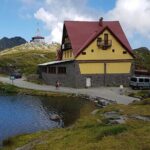
Between castles, you’ll stop at a mountain pass to buy lunch in a typical Romanian village. The setting here is part of the attraction: you’re looking over a small river while you eat.
This stop is more than food. It breaks up the day so you’re not forcing your brain to process royal and medieval history back-to-back without oxygen.
Meals aren’t included, so you’ll pay on your own. That said, the structure is valuable: it gives you a chance to eat like a local without turning your day into a restaurant hunt.
If you like to travel light, remember that the day is long and you’ll want to keep your hands free after lunch for site entrances and guided walking.
Rasnov Citadel: defensive architecture that actually makes sense
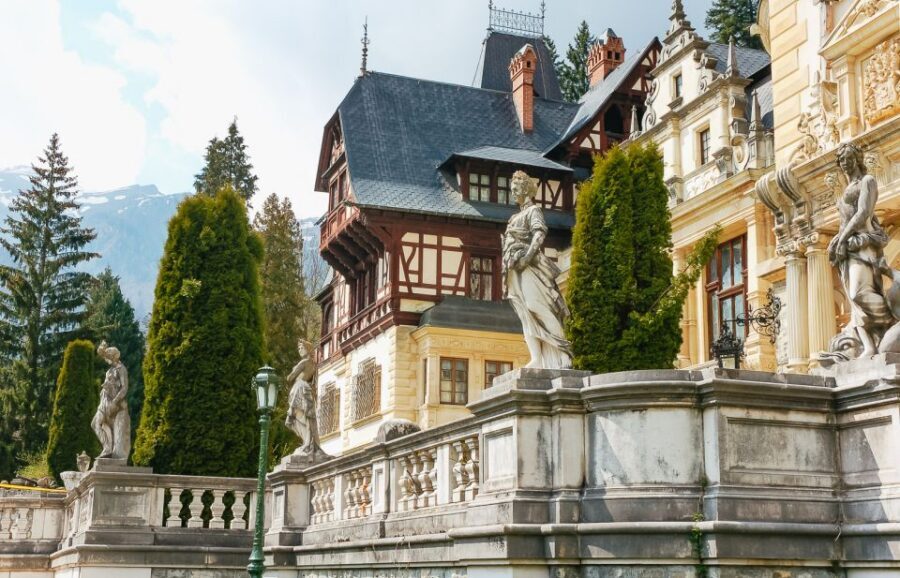
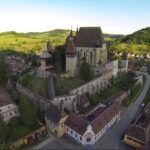
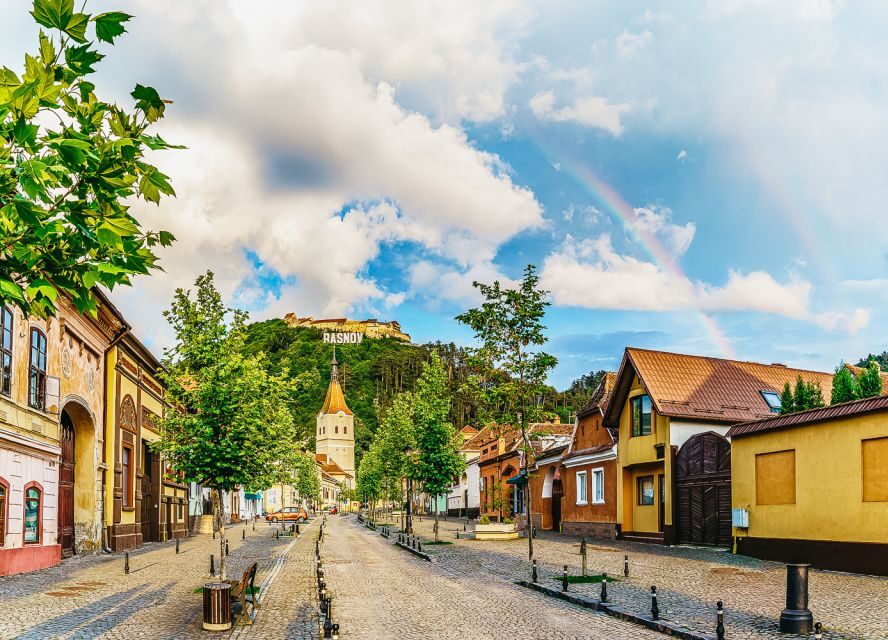
Next up is Rasnov Citadel, built to defend the Transylvanian villages. This is the part of the day where the story shifts from royal lifestyle to survival logic.
Rasnov is medieval and defensive by design. It’s easy to miss this if you only see castles as scenery. The guided tour helps you read the structure as a tool: walls for protection, layout for movement, and a stronghold built to endure.
If you enjoy learning how people adapted to geography and risk, this stop tends to land well. It’s also a nice contrast to Peleș. One place is about comfort and display. Rasnov is about staying alive.
Bran Castle: Dracula’s Castle, plus real medieval design
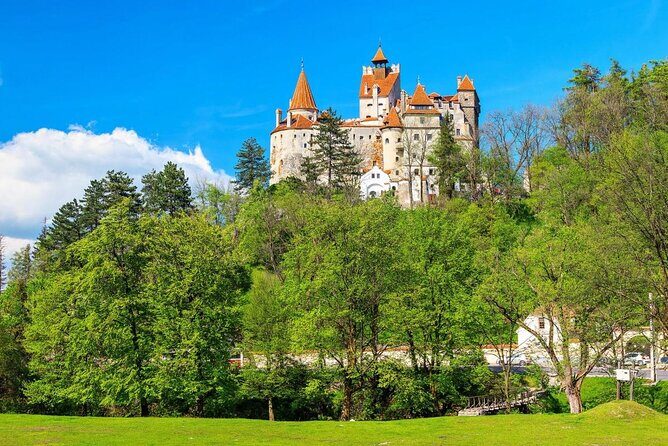
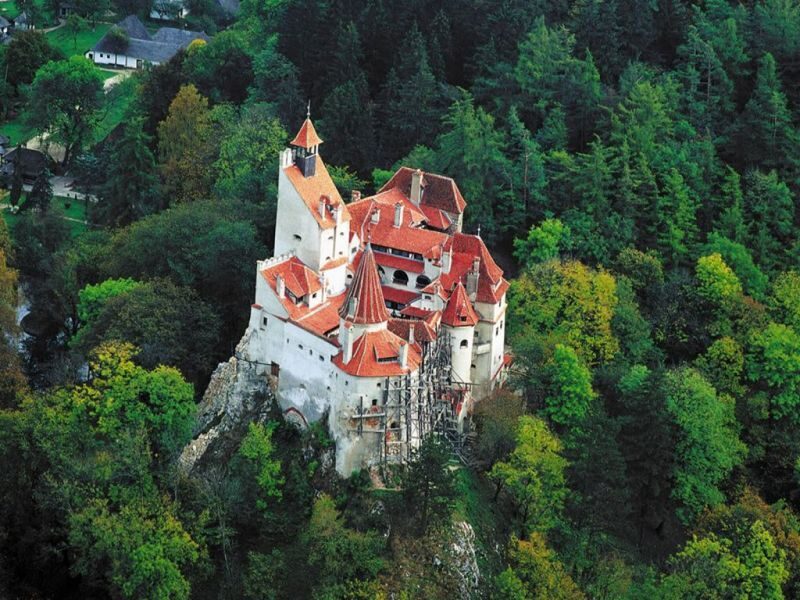
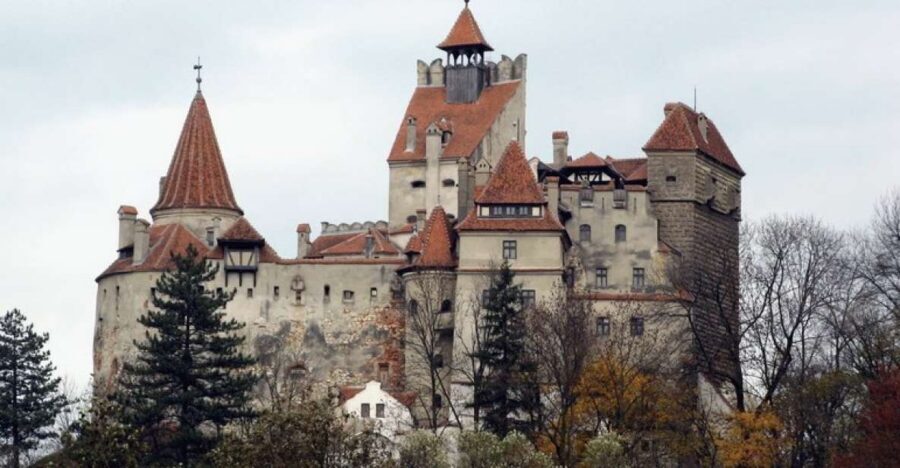
Then you get to Bran Castle, popularly known as Dracula’s Castle. Even if you don’t buy into all the spooky lore, you still get a medieval fortress with a strong visual impact.
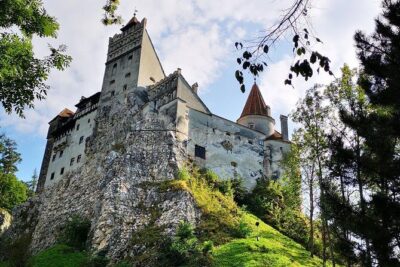
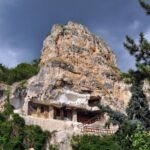
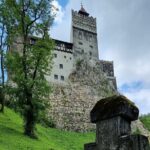
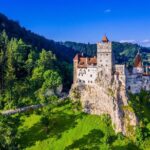
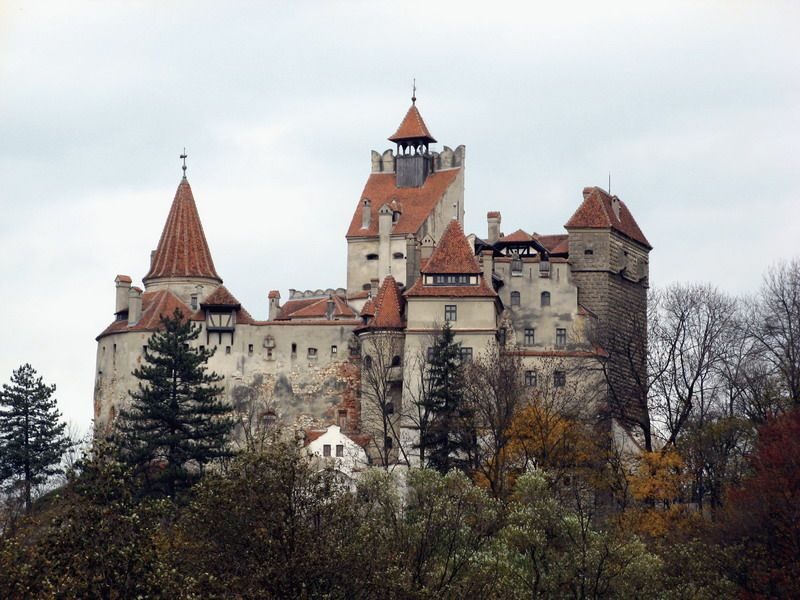
Bran Castle sits on a rock about 60 meters high, and it features four towers with walls made of stone blocks. The rooms and narrow corridors create that “labyrinth” feel people talk about.
The guide’s explanation is key here. Without context, Bran can feel like rooms lined up for photo ops. With context, it becomes a functioning fortress design: tight corridors, sudden turns, and defensive separation that makes sense for a castle built to control access.
The courtyard wells and the underground network
One of Bran’s most intriguing details is the presence of artesian wells connected to an underground network inside the courtyard. That’s the kind of detail that turns a spooky castle nickname into a smarter historical read.
If you like practical historical features—water, storage, access—spend a few minutes looking for how these elements connect to the layout. It’s not just “cool”; it’s the logic of living under siege conditions.
Getting value from the included guided tours
You’re paying for a full-day structure, not just transportation. The package includes:
- Transport by car
- A professional guide for the entire trip
- Guided tours at Bran Castle, Peleș Castle, and Rasnov Citadel
- Pickup and drop-off from central Bucharest hotels
The value comes from how much time you save and how much sense you make at each site. Ticket lines and wandering can eat hours. A guide helps you use the day’s limited time wisely.
Also, the small-group size means you’re not stuck in a moving stampede. Some people described the day as feeling close to private because the vehicle setup keeps things tight in a good way.
If you want to hear everything, consider bringing small hearing comfort. One visitor specifically recommended little headsets for clearer audio in the car and on site. Not every tour uses them, but it’s a good idea if your ears are picky.
Entrance tickets and meals: what to budget
Entrance tickets aren’t included. The tour notes approximately RON 70 per person for attraction entries, though the exact amounts can vary by season and castle access. Meals also aren’t included.
So, when you see the listed price (about $112 per person), it’s best to think of it like this: you’re paying for the guide time and the transportation between three major sites, with the heavy lifting handled. Then you top it up with entrance fees and lunch.
This is usually a good value choice if you’d otherwise struggle with timing, parking, and ticket-line chaos. If you’re the type who loves driving yourself and building your own schedule, you might not need this format. But if you want a clean, structured day, this one fits.
Who should book this day trip (and who might not)
This trip is ideal if you want a fast overview of Transylvania without spending days commuting. It’s also a strong match if you like your castles explained—especially the why behind the walls and corridors.
It’s a good fit for:
- First-timers in Romania who want the biggest sights from Bucharest
- People who like guided walking time, not solo guessing
- Anyone who wants a mix of royal luxury and medieval defense
It’s less ideal if:
- You’re traveling in the October–November window and Peleș interior access is your top priority
- You want a slow, low-walking pace (this is a full 12-hour day)
- You’re sensitive to schedule changes caused by site closures
Should you book this Bucharest: Bran, Peleș & Rasnov day trip?
Yes—if your dates give you a fair chance at Peleș (or you’d still enjoy the story even with outside views). The day is built well: pickup, scenic drive, real guided context at each stop, and a lunch break that keeps you from burning out.
Book it if you want value that’s more than transport. The guided tours at Bran, Peleș, and Rasnov are where the money turns into understanding. And the small-group format usually keeps the day from feeling like cattle herding.
Skip it or reconsider if you’re locked into dates when Peleș is likely limited to outside viewing, especially if interior rooms are your main goal.
FAQ
What’s included in the tour price?
The tour includes transport by car, a professional English guide for the entire trip, hotel pickup and drop-off from central hotels, and guided tours of Bran Castle, Peleș Castle, and Rasnov Citadel.
Are entrance tickets included?
No. Entrance tickets are not included and are approximately RON 70 per person.
What about meals during the day?
Meals aren’t included. The tour includes a stop at a mountain pass village where you can buy lunch.
Where does pickup happen in Bucharest?
Pickup is included from centrally located hotels. If your hotel isn’t in the center, you’ll meet at Revolution Square in front of the Romanian Atheneum at 8:00 AM.
What language is the guide?
The guide provides the tour in English.
What should I bring, and is anything not allowed?
Bring comfortable shoes for walking. Pets and smoking are not allowed.