REVIEW · BUCHAREST
Bucharest: 3-Hour Dark History Tour with a Local
Book on GetYourGuide →Operated by Asociația Coolturală Nouă ne pasă! · Bookable on GetYourGuide
Bucharest has a darker side. In just 3 hours, this Bucharest dark history tour with a local strings together cemeteries, revolution sites, and the scary parts of everyday life under dictatorship, using the city’s real streets and public transit. It’s history you can see, not just read about.
I especially loved the stop at Bellu Cemetery, where funerary architecture feels like an outdoor museum of grief, romance, and uneasy mysteries. I also like the way the tour moves by metro, so you cover major political locations without turning the afternoon into a nonstop grind.
The main thing to consider is that the tour doesn’t shy away from heavy themes, including prostitution-era stories and communist repression, and it involves a fair amount of walking.
In This Review
- Key highlights you should know before you go
- Meeting at the Ion Luca Caragiale National Theatre and setting the tone
- Getting around by metro without losing the plot
- The cemetery street: a compact map of Romania’s losses
- Bellu Cemetery: funerary architecture that tells stories
- University Square: the revolution in the middle of the city
- Little Paris and the interwar sex trade story you won’t see on postcards
- Vampire of Bucharest: a serial-killer story with real city stakes
- Revolution Square: Ceaușescu, the Securitate, and the cost of speaking up
- How long is the walk, and what to wear
- Price and value: why $55 can feel fair here
- Who should book this dark history tour
- Should you book the Bucharest dark history tour with a local?
- FAQ
- How long is the Bucharest dark history tour?
- What does the tour cost?
- Where do I meet the guide?
- How big is the group?
- Is the tour in English?
- What is included in the price?
- Do I need to bring anything?
- What main stops are part of the tour?
- Is this tour suitable for children?
- Are there extra meals or drinks included?
Key highlights you should know before you go
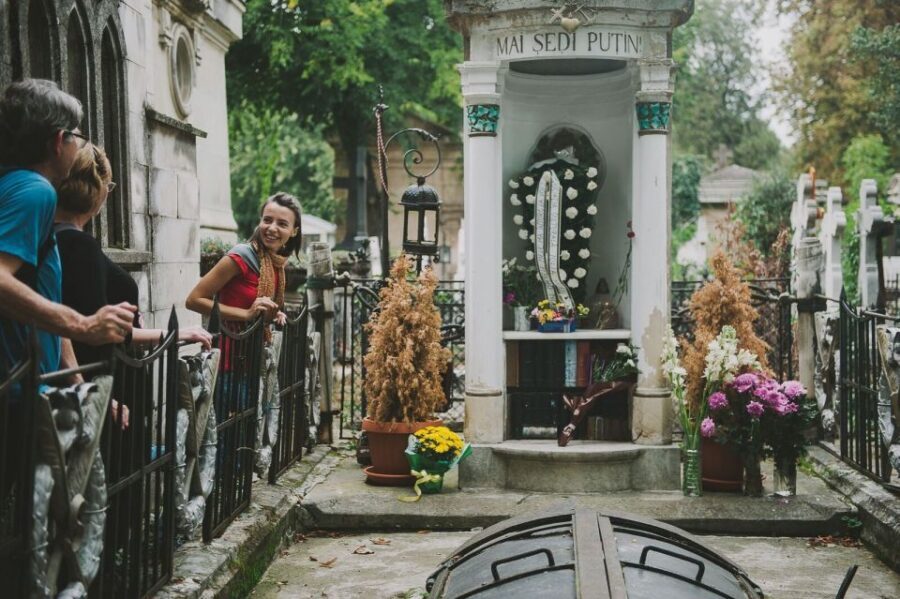
- Bellu Cemetery as a national historical monument with standout funerary monuments and stories
- A cemetery-heavy start on a single street that includes multiple historic burial grounds
- University Square and Revolution Square, tied to the 1989 upheaval and its violent aftermath
- Interwar “Little Paris” context, including what’s left of a brothel-era sex trade
- The serial-killer story nicknamed Vampire of Bucharest from the early 1970s
- Metro rides plus a traditional street snack to keep energy up during the walk
Meeting at the Ion Luca Caragiale National Theatre and setting the tone
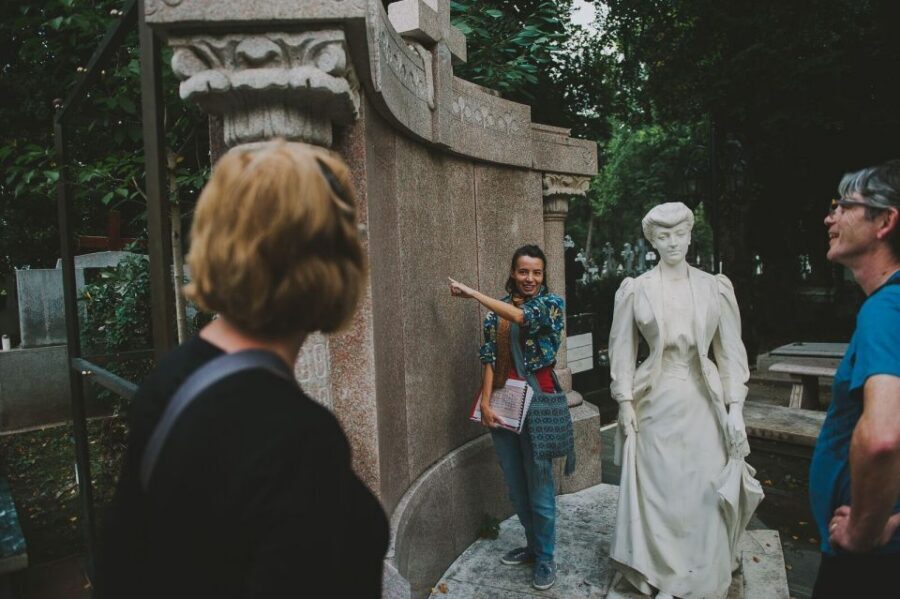
You meet at the main entrance of the Ion Luca Caragiale National Theatre, Bulevardul Nicolae Bălcescu 2. It’s a central, easy landmark to orient around, which matters when you’re about to start a walk that covers very different kinds of history.
From the start, the tour’s promise is clear: this is not a “pretty photos only” afternoon. The guide frames what you’re seeing with context on how Bucharest’s darkest chapters still shape the city.
If you like questions and back-and-forth conversation, this format fits. The group is kept small, with a maximum of 12 people, which helps the guide keep things moving without flattening the stories.
You can also read our reviews of more historical tours in Bucharest



Getting around by metro without losing the plot
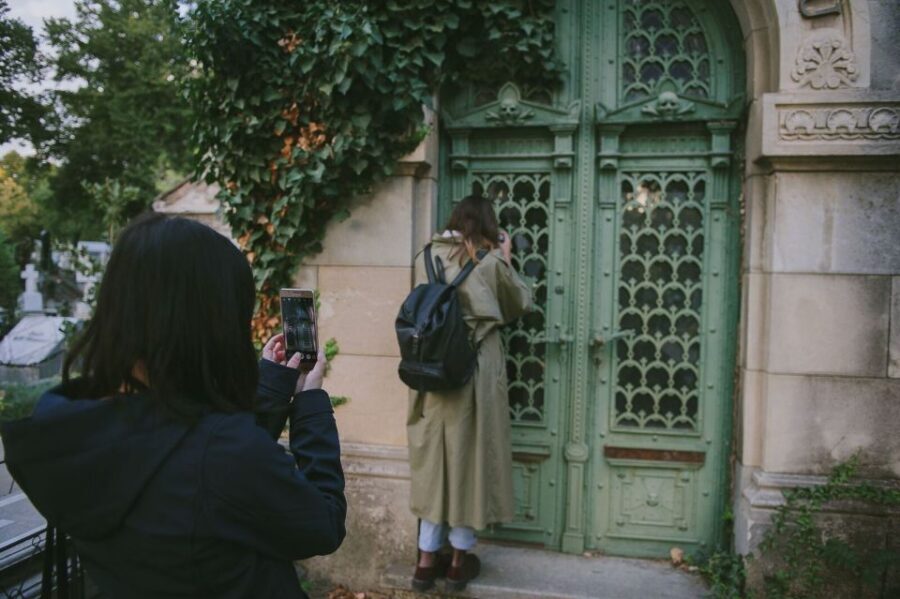
One of the smartest parts of this tour is that the city does some of the work for you. Metro tickets are included, and you’ll take public transit between major stops instead of only walking.
For you, that means less fatigue and more time on the points that matter: political squares, the cemetery complex, and the areas tied to crime and social life. For the guide, it means they can connect locations that feel separate on a map but belong to the same story.
Also, you get a traditional street snack as part of the experience. It’s not just a break, it’s a reminder that even in “dark history” tours, daily life is part of the narrative.
The cemetery street: a compact map of Romania’s losses
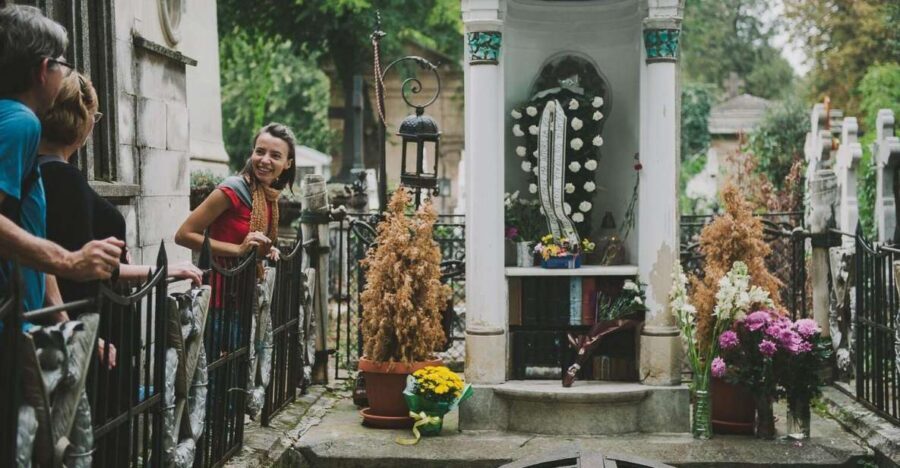
The tour starts on a street that hosts no fewer than six cemeteries, and that detail sets the emotional tone fast. You’ll see how Bucharest stacks layers of memory in a surprisingly tight area near the center.
Among the burial grounds you’ll hear about are the Cemetery of the Victims of the Revolution in 1989, the Jewish Cemetery, the Cemetery of the Russian Soldiers, and the older historic Bellu Cemetery. The guide uses this cluster to explain how different communities were affected differently, and how wars and regimes leave very physical traces behind.
This part works well if you’re the type of traveler who likes to understand what a place is “built on.” Instead of jumping straight to the famous landmarks, you get a foundation: mourning, conflict, and identity—mapped into stone.
Bellu Cemetery: funerary architecture that tells stories
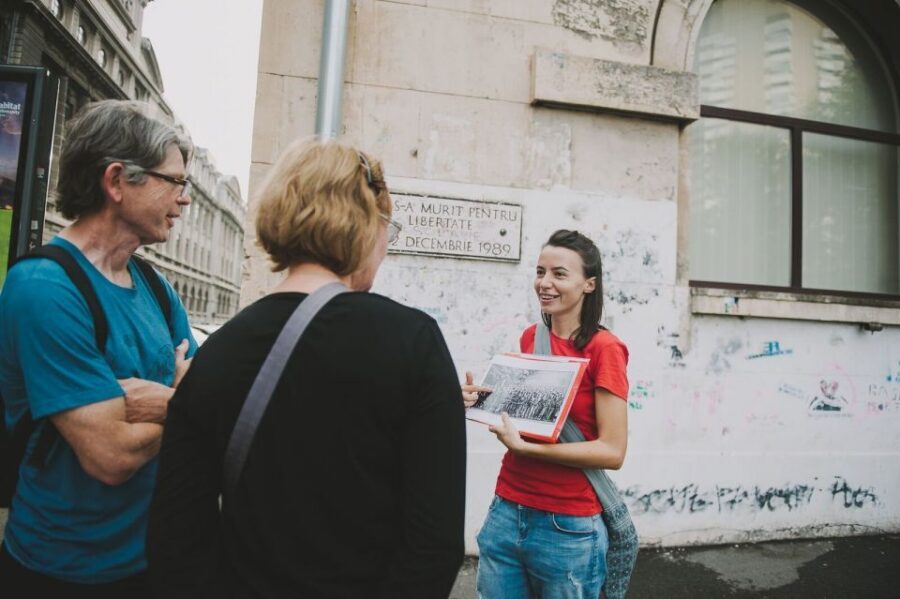
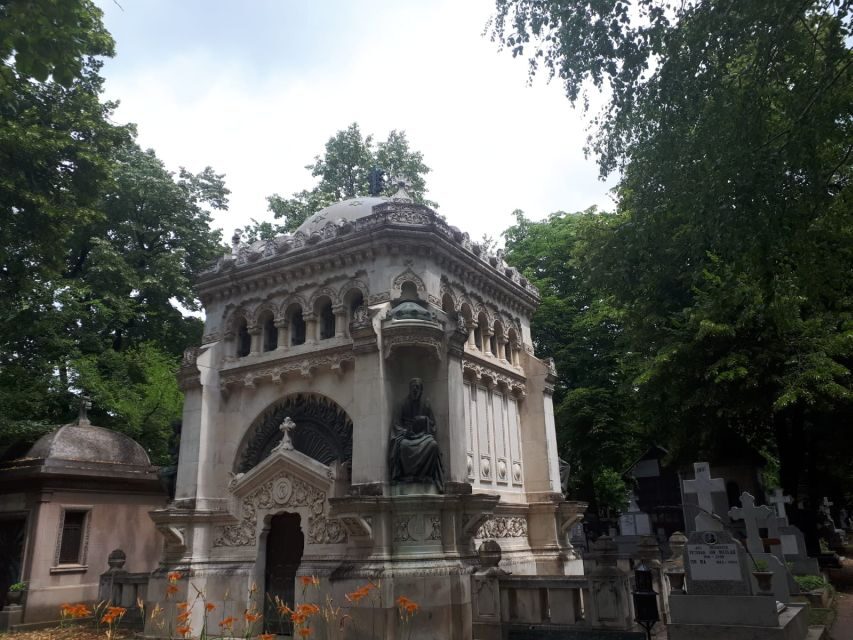
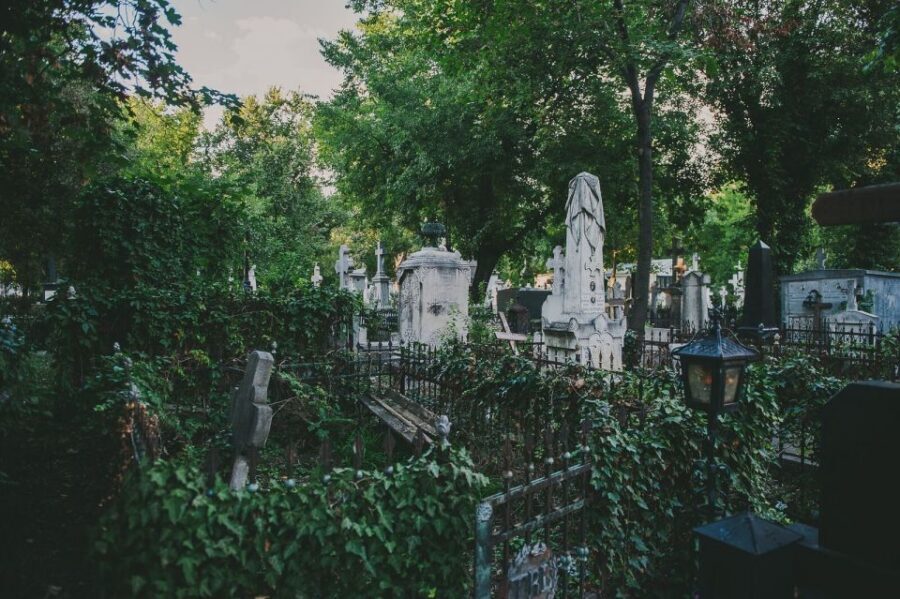
Bellu Cemetery is where the tour turns from “history overview” into something more atmospheric. It’s described as a national historical monument, packed with funerary architectural jewels and stories that range from sad love tales to sinister mysteries.
What I like about this stop is that it doesn’t treat tombs like static objects. The guide points out details you’d usually miss on your own, the kind that make a cemetery feel like a layered gallery.
You’ll also get that special kind of local life that shows up in unexpected places. From the tour experience accounts, many guides pay attention to the cemetery’s cats and dogs, and in some cases they even bring food or treats, so you feel the site is still “alive,” not sealed off as a relic.
A good practical tip: go slow. Bellu is where you’ll want to look up, scan crypt fronts and ornamentation, and let the guide’s timing land. If you rush, you’ll miss why the architecture matters.
University Square: the revolution in the middle of the city
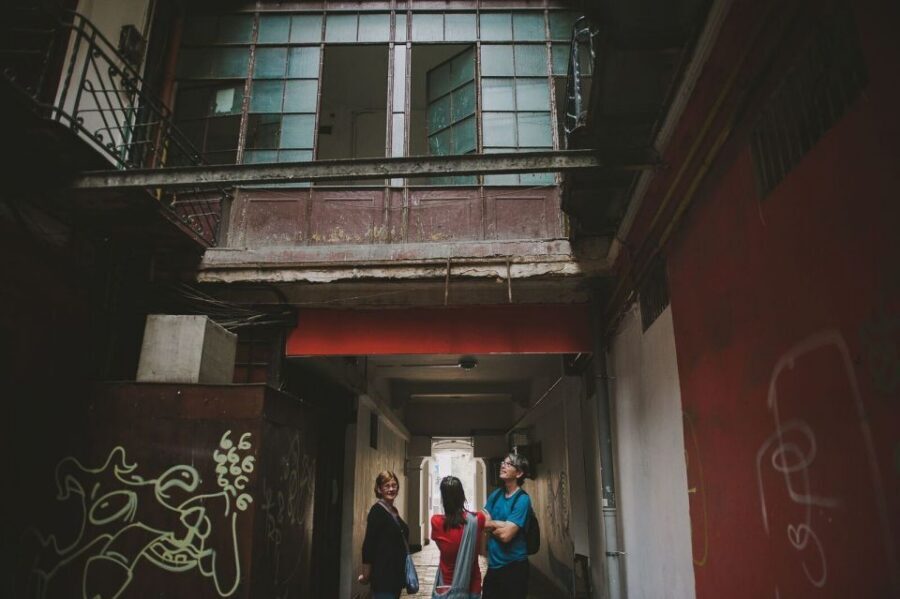
Next comes University Square, one of Bucharest’s key locations in the 1989 Revolution. The tour connects this square not only to the revolution itself, but also to anti-communist student protests in the 1990s that were marked by serious violence.
This is where the tour’s “dark history” label becomes concrete. You’re not just hearing about ideology—you’re standing in the kind of urban space where people gathered, confronted power, and paid for it.
If you enjoy street-level visual clues, you may notice small reminders of the past as the guide steers your attention. One reason the tour gets such strong feedback is that guides often point out subtle city details—street art, scars, and architectural cues—so the square doesn’t feel like a blank stage.
The takeaway for you: squares like this are more than backdrops. They’re built for crowds, and that makes them central to political change—and political punishment.
You can also read our reviews of more tours and experiences in Bucharest






Little Paris and the interwar sex trade story you won’t see on postcards
After the revolution sites, the tour jumps back to the “Little Paris” era and the city’s sophisticated-but-gritty atmosphere. Here, you’ll hear about the sex trade in interwar Bucharest and visit what’s left of a former brothel.
This section can feel uncomfortable, but it’s valuable because it explains how social life functioned under different moral and economic pressures. The guide’s job is to keep it historical, not sensational, and to tie the story to what Bucharest was becoming between the wars.
For me, the main value is how it widens your understanding of the city. If your Bucharest trip is only museums and old buildings, you’ll miss the human systems that powered nightlife, survival, and exploitation.
If you’re sensitive to adult-themed topics, this is the part where you’ll want to mentally brace yourself and stay with the guide’s framing.
Vampire of Bucharest: a serial-killer story with real city stakes
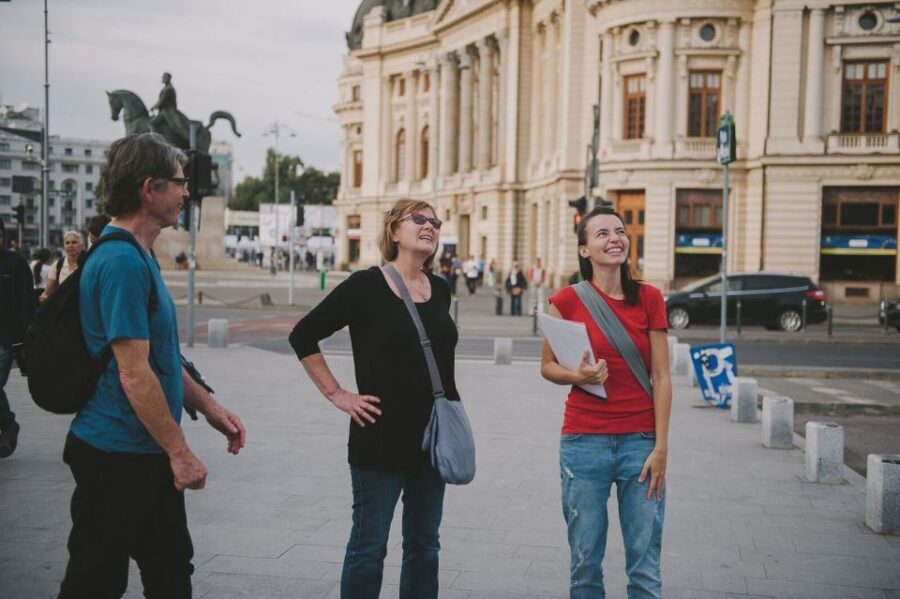
The tour then introduces a serial-killer narrative nicknamed the Vampire of Bucharest, terrorizing the city in the early 1970s. You’ll learn how this story fits into the broader atmosphere of fear and control that defined those years.
This stop is for you if you enjoy true-crime history, but the point here isn’t shock value. It’s a way to discuss how crime, authority, and public safety operate when a society is under strain.
Guides on this kind of tour tend to do well at connecting story to place: what the city looked like then, what people would have seen, and why a headline-grabbing case could still live on in local memory.
Revolution Square: Ceaușescu, the Securitate, and the cost of speaking up
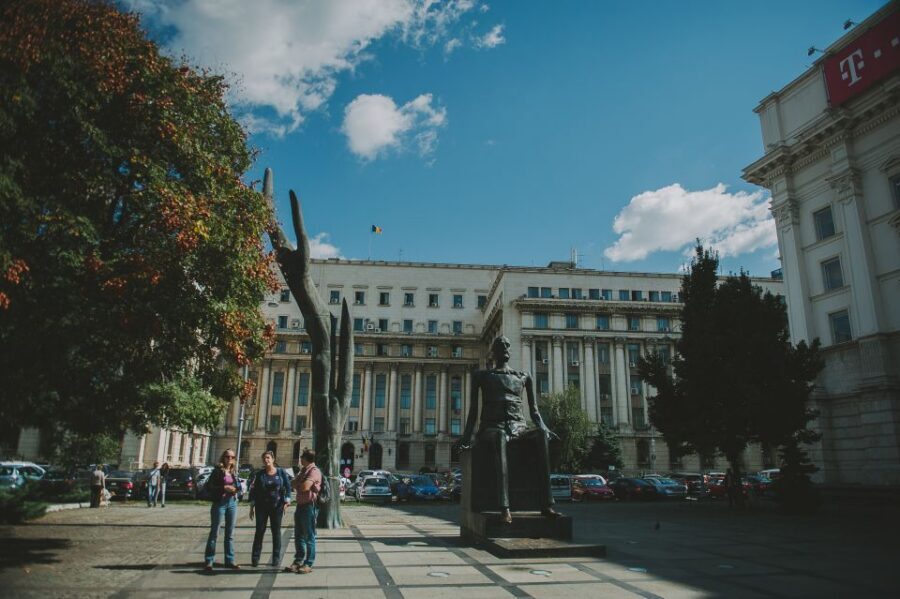
The final major anchor is Revolution Square, where the 1989 Revolution started in Bucharest. From here, the guide walks you through what the communist regime used to silence critics: prisons, labor camps, and torture methods.
You’ll also hear the story of Ceaușescu’s dictatorship and the terror created by the Securitate, described as Romania’s own KGB. Even if you’ve read bits of this before, hearing it mapped to specific places helps your brain connect the facts into a timeline.
For you, this section can be the most intense. It’s also where the tour becomes more than “dark attractions.” You start to understand what fear did to ordinary routines: who people trusted, how they behaved in public, and why certain conversations disappeared.
If you’re the kind of traveler who likes meaning, this is the moment to slow down and let it land. The city doesn’t just remember events. It remembers the system that made those events possible.
How long is the walk, and what to wear
This tour lasts 3 hours, and yes, it involves walking. One strong theme from the experience accounts is that the route can feel full because the guide packs in a lot, and you’ll stop often enough to listen.
Bring comfortable shoes. If you’re going in cooler months, dress warmer than you think you need. Several guides and tour experiences note that you can get chilly while stopping and standing around for context.
For comfort, also keep your phone ready for quick reference. Some guides share photos or extra research materials after the tour by message, and that can help you keep exploring on your own.
Price and value: why $55 can feel fair here
At $55 per person, this tour isn’t the cheapest way to tour Bucharest. But the value is pretty clear once you count what’s included and what you get for it.
You’re paying for a live English-speaking local guide, metro tickets, and a traditional street snack. You’re also getting a route that links multiple major locations that would take you longer to piece together on your own, especially if you want the historical context that makes them click.
The small group size matters too. With a maximum of 12 people, you’re more likely to get real answers to your questions instead of only hearing the standard script.
In short, if you want a structured afternoon with transport handled and stories tied to specific places, the price makes sense. If you want a relaxed self-guided stroll, you might prefer a cheaper option.
Who should book this dark history tour
This is a strong fit if you want your first Bucharest experience to go beyond tourist highlights. It suits you if you like:
- Cemeteries and architecture, especially when they come with stories tied to real eras
- The 1989 Revolution and how protests translated into violence on the streets
- Social history, including interwar nightlife and its underside
- True-crime style storytelling grounded in location and time
It’s less ideal if you’re traveling with kids, because travelers under 16 aren’t permitted. It’s also not the best choice if adult themes and political violence stories would ruin your day.
If you want something balanced, pick this tour on a day when you have enough energy afterward to digest what you learned.
Should you book the Bucharest dark history tour with a local?
I’d book it if you want one afternoon that feels like Bucharest, not just a checklist. The combination of Bellu Cemetery, the revolution squares, and the way the guide connects everyday fears to political power is exactly the kind of “why this city is like this” experience that makes a trip stick.
Just go in with the right expectations. This is a dark history tour, not a light stroll. Wear comfortable shoes, dress for weather, and be ready for stories that involve fear, repression, and crime.
If that sounds like your kind of travel, you’ll likely find it one of the most memorable parts of your Bucharest trip.
FAQ
How long is the Bucharest dark history tour?
It runs for 3 hours.
What does the tour cost?
The price is $55 per person.
Where do I meet the guide?
Meet at the main entrance of the Ion Luca Caragiale National Theatre, Bulevardul Nicolae Bălcescu 2, București 010051, Romania.
How big is the group?
The tour operates with a maximum group size of 12 people.
Is the tour in English?
Yes, it includes a local English-speaking guide.
What is included in the price?
Included are the local English-speaking guide, a traditional street snack, and metro tickets.
Do I need to bring anything?
Bring comfortable shoes. The tour involves walking.
What main stops are part of the tour?
You’ll visit major areas tied to Bucharest’s darker history, including Bellu Cemetery, University Square, and Revolution Square, plus stories connected to other nearby sights.
Is this tour suitable for children?
No. Travelers under 16 years of age are not permitted.
Are there extra meals or drinks included?
No, additional food and drinks aren’t included. Souvenirs and personal shopping aren’t included either.