REVIEW · BUCHAREST
Bucharest: Palace of Parliament Tickets and Guide
Book on GetYourGuide →Operated by Transylvanian Wonders SRL · Bookable on GetYourGuide
This is one of those Bucharest stops where the building does most of the talking. You’ll walk past the Honor Hallway torsos (including Vlad Dracula) and finish in Europe’s largest ballroom, all with a live guide handling the inside storytelling. My only heads-up: the rules are strict—especially no cameras—and your schedule can shift because this is a working state building.
You’re paying for something practical: guaranteed entry with a guide, instead of fighting for access on the day. You’ll also get guided stops in rooms with names tied to Romanian artists and writers, plus the Pink Room linked to ONU meetings.
Still, if you want to roam freely, take lots of photos, or travel heavy with luggage, this tour will feel more controlled than you might expect.
In This Review
- Key Highlights Worth Marking on Your Mental Map
- First Look at the Palace: What Your 1-Hour Visit Really Means
- Meeting Off-Site and Getting Through Security Without Losing Your Temper
- Honor Hallway and the King Torsos (Including Vlad Dracula)
- Grand Corridors and Rooms Named After Romanian Writers
- The Pink Room for ONU Meetings: A Color That Means Something
- Music Hall: Where Big-Name Performers Once Took the Stage
- Europe’s Largest Ballroom: The Final Wow Moment
- Guides in English or Italian: What Makes the Tour Actually Click
- Camera, Bags, and the Rules That Affect Your Day
- Price and Value: Is $38 Worth It?
- Is This Tour for You? Quick Fit Check
- Should You Book This Palace of Parliament Tour?
- FAQ
- How long is the tour?
- Where do I meet for the tour?
- What’s included in the ticket price?
- Is hotel pick-up or drop-off included?
- What languages are the guides?
- What ID do I need to bring?
- Are cameras allowed?
- Is the tour wheelchair accessible?
- Is free cancellation available?
Key Highlights Worth Marking on Your Mental Map
- Honor Hallway torsos: Romanian royal figures spanning Middle Ages to modern times, including Vlad Dracula
- Rooms named for cultural icons: corridors that reference Romanian artists, poets, and writers like N. Balcescu and M. Kogalniceanu
- Pink Room (ONU meetings): a standout room tied to international diplomacy
- Music Hall: a performance space where some of the world’s biggest artists performed
- Europe’s largest ballroom: the tour’s big finale, described as the size of four football fields together
First Look at the Palace: What Your 1-Hour Visit Really Means
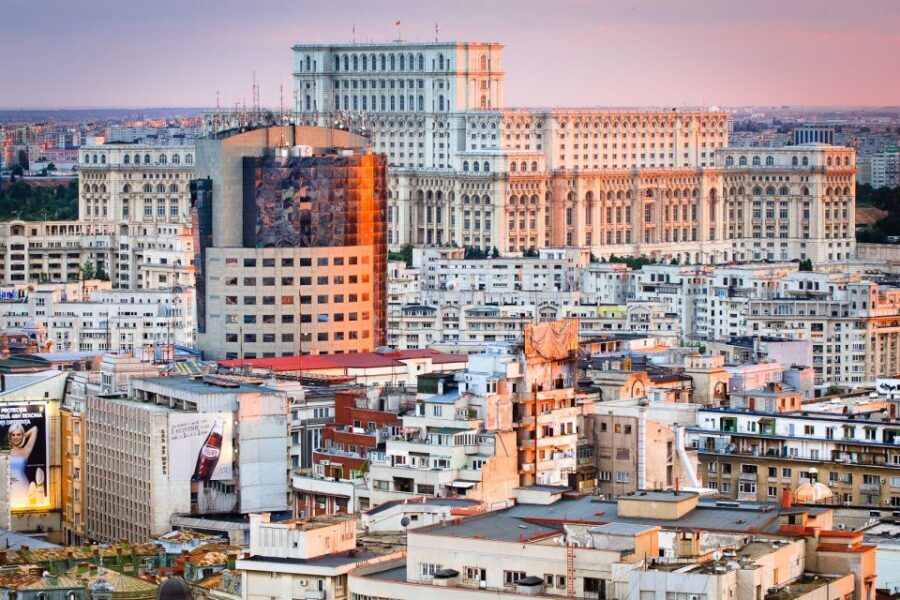
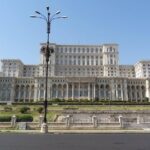
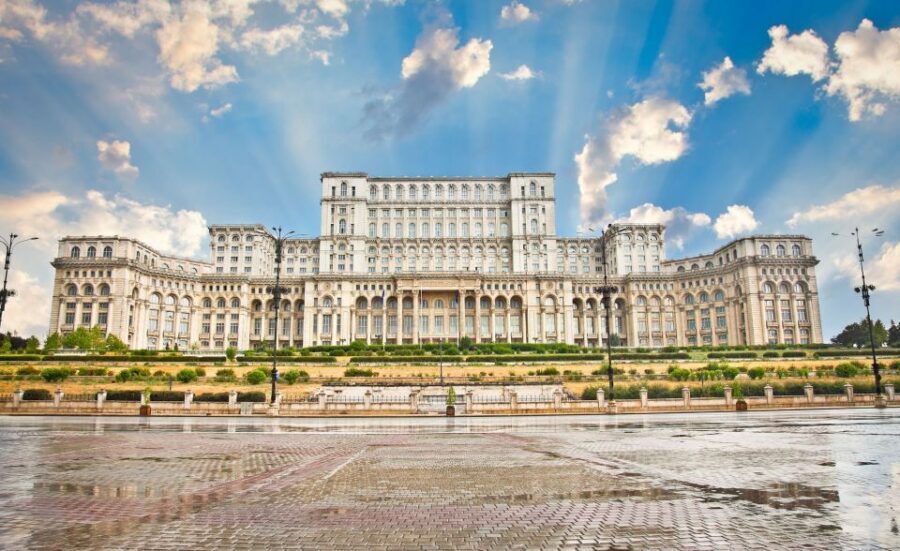
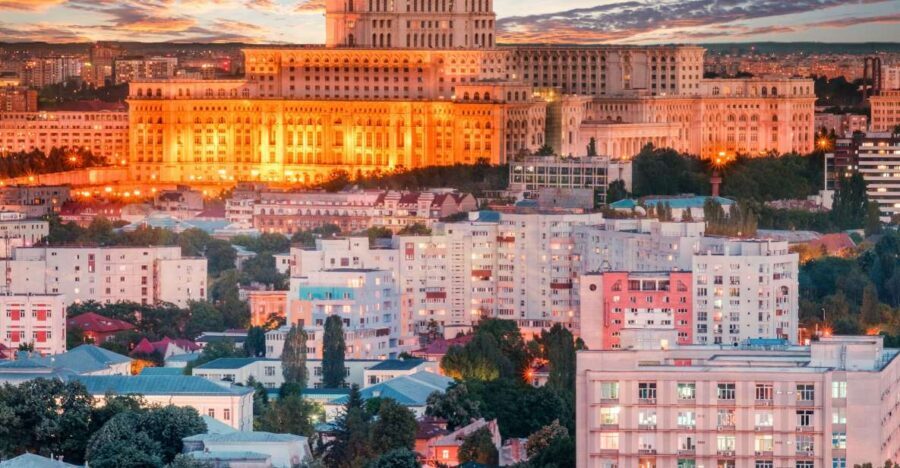
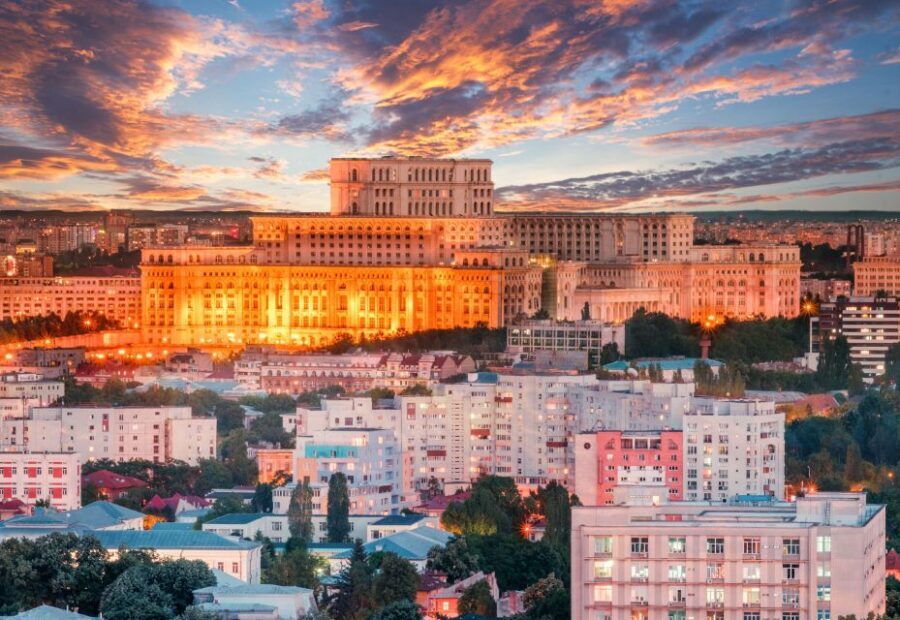
The Palace of Parliament is huge in every sense: size, symbolism, and the way your eyes keep getting pulled upward. Your guided portion is listed as 1 hour, but in real life you should think in terms of time for security and getting inside first.
What I like about this setup is that the guide helps you see the logic behind the chaos of scale. Instead of just standing in a giant room thinking, what now, you’re given a route with clear stops: Honor Hallway, named rooms, Pink Room, Music Hall, then the ballroom.
Here’s the trade-off. You’ll spend a lot of that hour moving efficiently through spaces that are dramatic, not necessarily spacious for lingering. If your dream is a long, slow, self-paced museum-style wander, this is a guided sampler—still very satisfying, just not endless.
You can also read our reviews of more tours and experiences in Bucharest
Meeting Off-Site and Getting Through Security Without Losing Your Temper
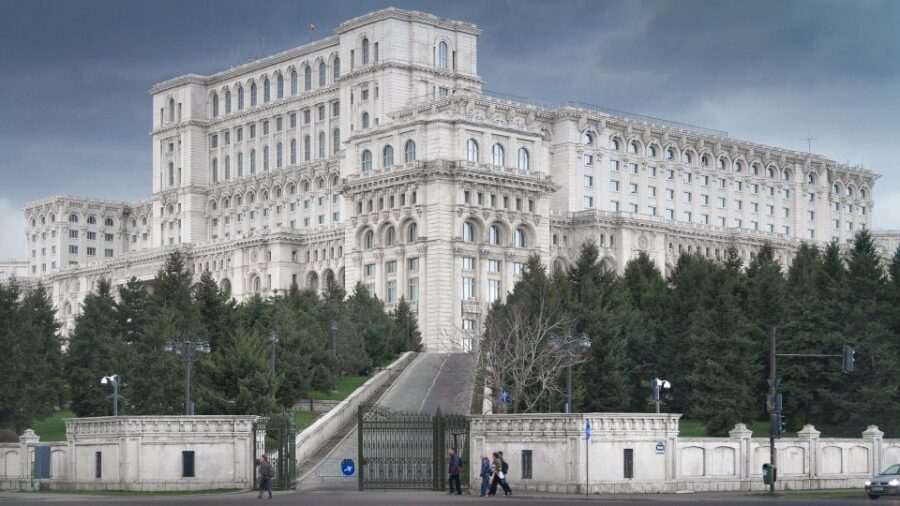
This tour isn’t a pick-and-go straight from your hotel. You meet at a meeting point that can vary by option booked, and you’ll be greeted by the operator’s staff, then introduced to the guide.
The building is so complex that the meeting point matters. One practical benefit is that your host helps you get oriented fast—where to enter, what to do next—so you don’t waste energy walking around a massive site trying to find the right entrance.
Then comes the part you can’t rush: the metal detectors. The palace is an active parliament, so expect security that’s more like a secure government facility than a normal attraction. If you show up with the wrong item (even something small like prohibited baggage), you’ll lose time. Plan light, move calmly, and follow instructions word-for-word.
Honor Hallway and the King Torsos (Including Vlad Dracula)
Your first major stop is the Honor Hallway, where you’ll see torsos representing some of the most representative Romanian kings. The description matters here: you’re not looking at one era. You’re moving through a story that stretches from the Middle Ages to more modern days, with Vlad Dracula included among the figures.
What I love about this start is how it sets the tone instantly. The palace is not just marble and size; it’s about legitimacy, identity, and power. By opening with these figures, the tour frames everything that follows as more than decorative. It’s political theater rendered in architecture.
One consideration: because the palace is high-security and tightly managed, you won’t get the kind of slow, close-in viewing you might want. Still, even in a faster pace, the torsos are striking and easy to track visually as the guide connects them to broader historical themes.
Grand Corridors and Rooms Named After Romanian Writers
After the Honor Hallway, you move through enormous hallways and into rooms named for key Romanian artists, poets, and writers. The examples given are N. Balcescu and M. Kogalniceanu, and the point is that the palace uses culture as a spotlight, not just politics.
This section is where the tour becomes more than a sightseeing checklist. The corridors can feel like they never end, so your guide’s job is to give you a way to interpret what you’re seeing. When you know that a room’s name isn’t random decoration, you start noticing the building differently—less like a giant, and more like a designed message.
Possible drawback: if you’re hoping for deep discussion in every room, this part can feel quick. It’s still worth it because it connects the dots between the palace’s grand scale and the way it tries to present Romanian identity as formal, official, and permanent.
The Pink Room for ONU Meetings: A Color That Means Something
Then you reach one of the tour’s most talked-about stops: the Pink room, dedicated to ONU meetings. The fact that this room is singled out tells you it carries special meaning in the building’s story.
Why this matters to you as a visitor: a room like this gives you contrast. Not every part of the palace is built for internal politics or ceremonial power. The ONU meeting connection brings an international layer into the design, and the tour framing helps you notice that the palace wasn’t only built for Romanian governance—it was also built as a symbol on the world stage.
The practical part: this is still a state building, so you’ll be guided in and out with controlled access. Don’t expect long photo sessions here. Expect to look, listen, and move on.
You can also read our reviews of more guided tours in Bucharest

Music Hall: Where Big-Name Performers Once Took the Stage
Another standout stop is the Music Hall. This room is described as a performance space where some of the world’s biggest artists performed.
I like this part because it shifts the palace from politics to culture and sound. Even without a performance happening that day, you can feel that these rooms were designed for public spectacle. The guide’s storytelling helps you understand why the palace includes spaces that aren’t only official government chambers.
If you’re the type who enjoys architecture with a purpose—rooms designed for what people will do inside—this Music Hall stop is a real payoff. It’s not just another room; it’s a reminder that the building was meant to host moments, not just decisions.
Europe’s Largest Ballroom: The Final Wow Moment
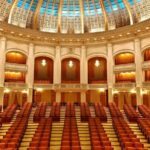
The tour ends in the final room described as believed to be Europe’s biggest ballroom. It’s compared to the size of four football fields attached one to the other.
That comparison is doing heavy lifting, and it’s accurate in spirit. When you’re in that space, your brain immediately struggles with scale. The guide’s job here is to keep it from turning into a one-note reaction of wow, wow, wow. You’ll be guided to look for what the room is built to do: impress, host, and function as a stage for ceremony.
This is where the palace lands emotionally. Not because it’s cozy, but because it’s built to make people feel small against the institution. You come out with that balance of awe and discomfort—which is honestly what a building with this kind of political weight should do.
Guides in English or Italian: What Makes the Tour Actually Click
Your guide language is listed as English and Italian, and that matters because this tour is story-heavy. You’re not just seeing rooms—you’re hearing how the palace was conceived and how it ties to Romania’s political chapters.
From the information given, the guides are not blank-lecture machines. You’ll likely hear vivid, memorable storytelling—names mentioned in this context include guides such as Francesco, Laurențiu, David, and Lorena. Your exact guide may differ, but the structure stays the same: you’ll be told what you’re looking at, why it’s there, and how the symbolism works.
This is also the section where you learn to ask better questions. The tour is structured around the spaces you can access, so if something grabs you—like the timeline of figures in the Honor Hallway or the international angle in the Pink Room—your guide can connect it to the broader narrative of the palace.
Camera, Bags, and the Rules That Affect Your Day
Read the rules before you pack. Then read them again. The list is strict, and missing one item can stop you at security.
Big-ticket items to note:
- Cameras are not allowed (and flash photography is also prohibited)
- Oversize luggage and large bags are not allowed, and luggage/large bags are specifically mentioned
- Drones are prohibited
- Smoking is not allowed
- Red wine is listed as not allowed
- Tripods are prohibited
- Audio recording and many kinds of electronic use are restricted (the rules list electronic devices as not allowed)
Also bring the right ID. You’re required to bring a passport or ID card (original). Driver’s license is not accepted, photocopies aren’t accepted, and without IDs your tour is canceled automatically.
My practical advice: treat this like an event pass, not like a museum visit. Bring only what you truly need for a 1-hour guided walk plus any security time.
Price and Value: Is $38 Worth It?
At $38 per person for a guided visit, the value depends on what you want from your day in Bucharest.
If you want guaranteed access with someone directing you through the most important parts, then yes, it’s strong value. The palace can be hard to access without a plan because access rules can change. This tour’s format—host meets you, guide takes over inside—reduces the uncertainty.
You’re also paying for more than entry. You’re paying for interpretation: the guide helps you understand why the Honor Hallway torsos matter, why rooms are named after specific Romanian cultural figures, and why the Pink Room and Music Hall are memorable stops.
When it might feel less worth it: if photography matters a lot to you, this is not that kind of visit. And if your ideal pace is slow and free, the controlled route and strict rules will feel limiting.
Is This Tour for You? Quick Fit Check
This tour is a great match if:
- you want one high-impact, guided way to see inside a major Bucharest landmark
- you care about the story behind the rooms, not just photos
- you’d rather pay for clarity and access than roll the dice at the gate
It’s a weaker match if:
- you need lots of camera time (cameras are not allowed)
- you want to bring bulky gear or travel heavy
- you use a wheelchair (the tour is listed as not suitable for wheelchair users)
Should You Book This Palace of Parliament Tour?
I’d book it if this is on your Bucharest “must-see” list and you like guided structure. The palace’s scale can be overwhelming, and a short, well-paced route with stops like the Honor Hallway, Pink room, and the final Europe-sized ballroom gives you a complete hit without burning your day.
Book it confidently, but do the prep. Pack to the rules. Bring your original passport or ID. Arrive early enough to clear security calmly. And if your schedule is tight, plan for extra time beyond the guided hour because security and entry procedures take time.
If you want a controlled, high-impact inside look at one of Europe’s most dramatic government buildings, this is one of the more straightforward ways to make it happen.
FAQ
How long is the tour?
The guided portion is listed as 1 hour. You should also plan extra time for security checks and entry procedures.
Where do I meet for the tour?
You meet at a meeting point that may vary depending on the option booked.
What’s included in the ticket price?
It includes tickets and a guided tour, plus a greater/host at the meeting point.
Is hotel pick-up or drop-off included?
No. Hotel pick-up and drop-off are not included.
What languages are the guides?
The live tour guide is available in English and Italian.
What ID do I need to bring?
You need a passport or ID card in original form. Driver’s license is not accepted, and photocopies are not accepted.
Are cameras allowed?
No. Cameras are not allowed, and flash photography is also prohibited.
Is the tour wheelchair accessible?
No. The tour is listed as not suitable for wheelchair users.
Is free cancellation available?
Yes. You can cancel up to 24 hours in advance for a full refund.