REVIEW · BUCHAREST
Bucharest: Ghost Stories & Romanian Mythology Walking Tour
Book on GetYourGuide →Operated by Bucharest by Foot · Bookable on GetYourGuide
Bucharest keeps its secrets after dark. This 2.5-hour walking tour mixes Romanian dark folklore with ghost stories tied to real city places, plus Dracula lore and a story about a real-life vampire terrorizing Bucharest in the 1970s. When guides like Tudor lead, the tone is equal parts chilling and grounded in the way Romanians talk about evil spirits and protection.
I love how the tour stays outside-only while still giving you haunting details: tragic deaths, unsolved murders, and the customs locals use to protect themselves. I also like the guide style, with stories that come with background and enough context to help you understand why the beliefs stuck. The main drawback: you will not enter haunted houses, so if you want an inside-the-creepy-building crawl, this is not that kind of tour.
In This Review
- Key highlights you will feel on this tour
- Start at the National Theatre: where the night walk begins
- What makes the stories Romanian, not just spooky
- Haunted sites you visit without going inside
- The 1970s vampire story: why it hits harder
- Romanian dark folklore meets everyday customs
- A guide-driven walk: Tudor, Rareș, Ali, Bogdan, and style differences
- Timing, pace, and comfort on a winter night
- Price and value: what $35 buys you in Bucharest
- Should you book this ghost and mythology walk?
- FAQ
- How long is the Bucharest Ghost Stories & Romanian Mythology walking tour?
- Where do we meet the guide?
- Does the tour include entry into haunted houses?
- What should I bring?
- Is the tour suitable for children or wheelchair users?
- Is the tour in English, and can I cancel for a refund?
Key highlights you will feel on this tour
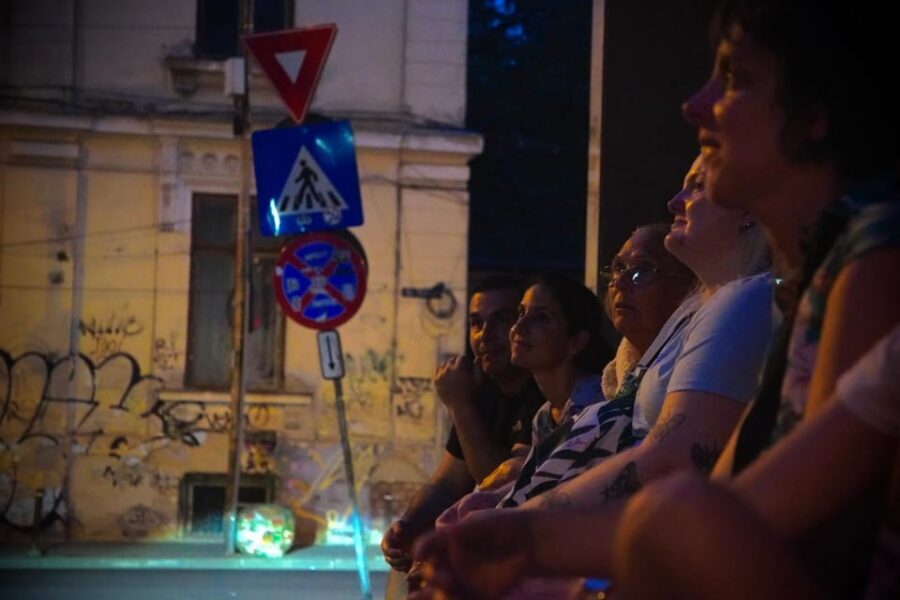
- Outdoor-only haunted sites: you hear the stories at the locations, without stepping into haunted houses
- Romanian protective rituals: learn how locals ward off evil spirits using traditions and customs
- Dracula connection: the city’s link to the legend is woven into the night’s storytelling
- A real 1970s vampire tale: the supernatural lore gets a modern, unsettling angle
- Guides who work the stories: guides like Tudor and Rareș are known for research-driven narration and Q&A
Start at the National Theatre: where the night walk begins
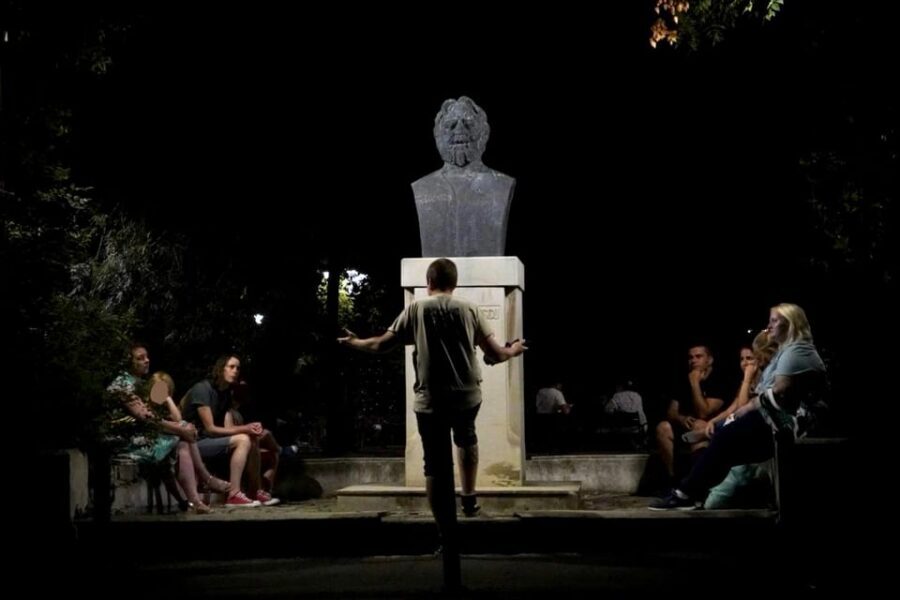
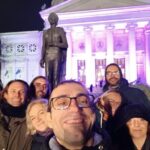
I like tours that start with an easy “find me here” point, and this one does. You meet next to the statues in front of the National Theatre, in central Bucharest-Ilfov. Plan to arrive a few minutes early so you can get your bearings before the group sets off.
Bring comfortable shoes first. Even if the walk is not long, you will be on pavement in the dark, and you will stop often to listen. Pack warm clothing too. Several past nights have been bitterly cold, and the tour still runs at a lively pace, with frequent pauses for the stories.
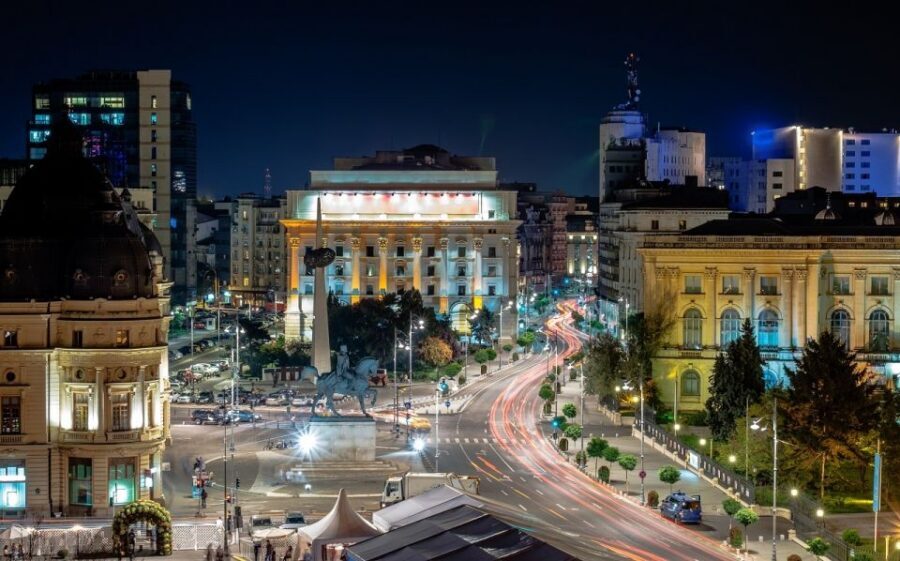
Also bring your camera if you like architecture and atmospheric street scenes. One of the joys of this tour is seeing Bucharest in a different mood: street corners, old facades, and even parks lit up in winter sparkle when the weather cooperates.
One practical note: the tour does not include transportation to the meeting point. So if you’re using taxis or buses, sort that part out before you go, and keep a little buffer for late night timing.
You can also read our reviews of more walking tours in Bucharest



What makes the stories Romanian, not just spooky
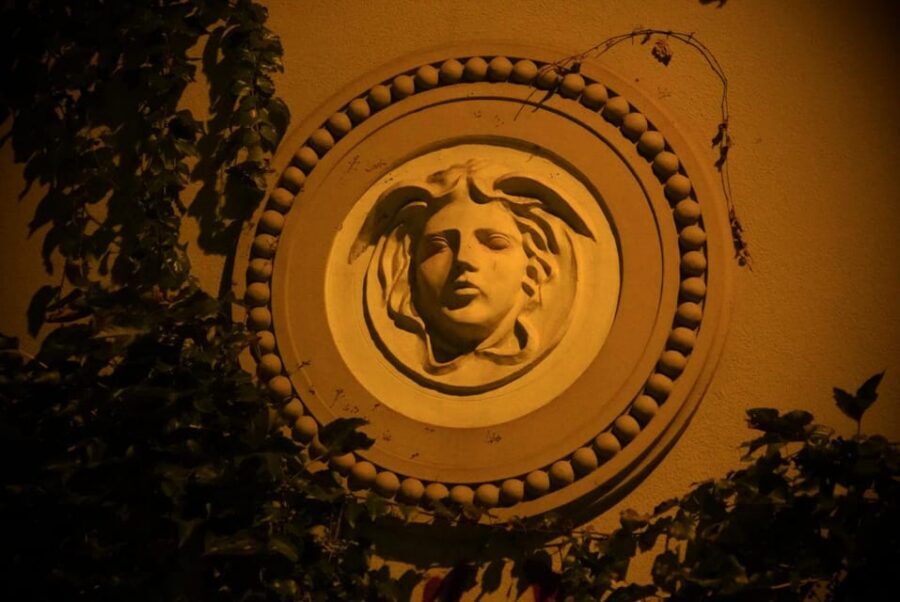
This tour is not only about ghosts floating by for entertainment. The heart of it is Romanian belief—how people explain tragedy, fear, and the unknown. You’ll hear stories of tragic deaths and unsolved murders, but you’ll also hear why those stories became part of local custom.
That matters because it changes how you experience the city. Instead of treating the supernatural as a movie prop, you start understanding it as a social tool. In places like Romania, stories of evil forces, bad luck, and protection rituals weren’t just for fun. They shaped everyday behavior, especially around funerals, omens, and places believed to hold danger.
The tour also connects myth to the modern world. You’ll hear Dracula as more than a title—how the legend clings to Bucharest’s identity. And then you get the unsettling extra layer: a real vampire story from the 1970s, which makes the whole theme feel less like fantasy and more like something that could happen in real time.
If you’re the type who likes to understand the “why,” this tour usually works well. Guides are praised for giving context and answering questions, so you can ask what’s folklore versus what’s reported history—or just what the belief system is trying to do for people.
Haunted sites you visit without going inside
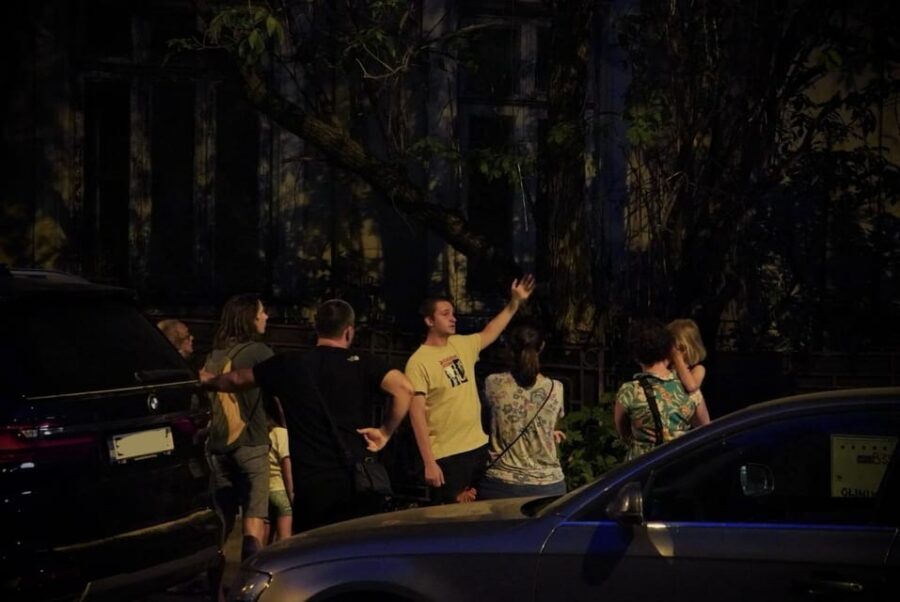
Here’s the clear line: you will not enter haunted houses. You’ll visit “haunted sites” in the sense that you stop near specific locations and hear what happened there and what locals believe about them. That keeps expectations honest and it keeps the experience safer and more weather-proof.
The outside format also changes the feel. Inside a building, the story depends on walls, sound, and theatrical effects. Outside, your senses take over. You notice the architecture. You hear nighttime traffic. You look at street-level details you might normally walk past. That gives the stories more room to breathe.
You’ll also get the sense that Bucharest’s folklore is still alive in small ways. The tour explains customs people still use to protect themselves from evil spirits, which is more interesting than jump-scare storytelling. Think of it as cultural anthropology, but with ghosts.
One thing to be aware of: the tour notes that you might get extra “uninvited locals” joining along the way. That could be street life or unexpected passersby, not a planned performance. Either way, just stay focused and keep close to the group when you’re moving between stops.
The 1970s vampire story: why it hits harder
Dracula is the headline. But the story about a real vampire who terrorized Bucharest in the 1970s is the reason this tour can feel extra unsettling. It bridges the gap between gothic legend and the way people talk about fear in everyday terms.
I like when a ghost tour does that. If every story is “once upon a time,” the theme turns soft. A more recent claim makes you pay attention to how rumor, trauma, and public fear can spread—and how a city absorbs these things into its stories.
This part of the experience works best if you are open to hearing the way locals connect events to spiritual explanations. You’re not just learning a scary tale. You’re learning how a belief system interprets danger and uncertainty, and why those interpretations stick long after the headlines fade.
Romanian dark folklore meets everyday customs
One of the strongest parts of this tour is how it blends ghost stories with Romanian dark folklore—mythological creatures and the darker edge of folk belief. You’ll hear about creatures that live in the cultural imagination, plus rituals meant to prevent harm.
What really makes this useful for you is the practical angle. Romanian protective traditions aren’t taught like trivia. They’re explained as responses to fear: what people do when something feels wrong, when someone passes away, or when a place seems to carry bad energy.
Some guides are especially strong on these cultural layers, and you’ll often see the group engaged with questions. That interaction is valuable because it helps you compare folklore from your own background with Romanian beliefs. If you’re traveling solo, it’s also a good way to meet other people who are equally curious about the darker side of culture.

A guide-driven walk: Tudor, Rareș, Ali, Bogdan, and style differences
The tour is built around a professional live guide, and the guide style matters a lot here. Names that show up in past tours include Tudor, Rareș, Ali, and Bogdan. While each guide brings their own personality, the common thread is storycraft plus background.
From what you should expect, guides tend to:
- Keep the pace moving without rushing the important parts
- Explain enough context to make the lore understandable
- Take questions, and sometimes shape the narration based on the group’s interest
Several guides are noted for banter and an engaging tone, but what I appreciate most is the “fact-based” approach. You’ll hear stories with supporting background when possible, instead of pure spooky theatre. That doesn’t kill the mood. It makes it feel more serious, which is often what you want from a ghost tour.
In cold weather, good guiding is also about logistics. Expect pit stops and time to settle in, like sitting down briefly on the pavement so everyone can hear. You’ll be grateful for that when you’re out for 2.5 hours.
Timing, pace, and comfort on a winter night
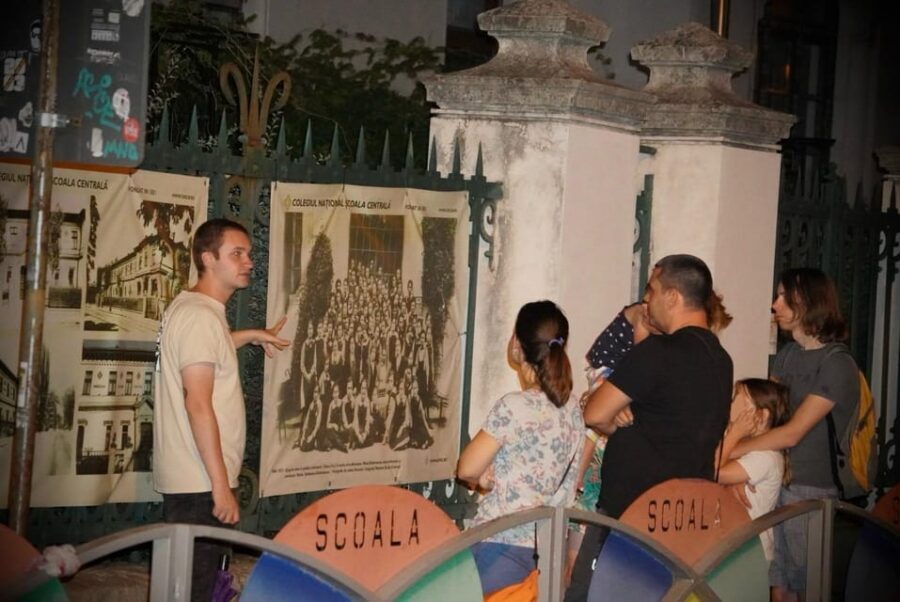
This is a walking tour that runs for about 2.5 hours. That’s long enough to see multiple parts of Bucharest after dark, but short enough that you can still do a normal dinner plan afterward.
The tour isn’t meant to be a fast “see it and go” route. It’s structured around stops for stories. That’s good if you want a slow, thoughtful experience. It can feel less ideal if you hate waiting around in the cold—so dress for the standing time.
You may also pass parks and scenic spots that look magical when winter turns the city quiet. That’s part of why the tour feels more than just creepy. You get atmosphere, architecture, and the sense that Bucharest has more going on under the surface.
Group size can vary. Some past experiences have been small and personal, with everyone engaged. With a larger group, you still get a guided flow, but you might not talk as much one-on-one. Either way, the key is to stay with the group and listen closely during each stop.
Price and value: what $35 buys you in Bucharest
At $35 per person, you’re paying for a lot more than a generic city walk. You’re paying for:
- A live, English-speaking guide
- Local storytelling tied to specific city places
- A structured experience lasting 2.5 hours
- The cultural layer: Romanian mythology, protective customs, and Dracula lore
If you compare this to a standard walking tour, the “value” is the themed payoff. A ghost tour is worth it when it gives you stories that help you read the city differently afterward. This one tries to do that by explaining folklore in a way that connects to how people lived and feared.
The price also feels reasonable given the effort behind the scenes. Guides are praised for doing research and presenting stories with background where available. That kind of work takes time, and it shows in how the tour holds together for the full walk.
What’s not included matters too. Meals and drinks are not part of the price, and transportation to the meeting point isn’t covered. So budget for a snack or warm drink before or after, especially in winter.
Should you book this ghost and mythology walk?
You should book if you want an evening in Bucharest that’s more cultural than gimmicky. It’s a great fit if you like folklore, enjoy understanding why people believe what they believe, and you’re okay with a chillier outside-only format.
I’d also book it early in your trip. A themed walk can act like a key for the rest of the city. After hearing about protective rituals and the Dracula connection, you’ll likely notice details you would have missed on a normal sightseeing loop.
Skip it if you strongly prefer tours that go inside haunted houses, or if you’re traveling with kids under 10. It’s also not suitable for wheelchair users based on the tour’s format and walking needs.
If you’re ready for a story-driven night walk that mixes Dracula, a 1970s vampire tale, and Romanian dark folklore into the streets around the National Theatre, this one is a solid bet.
FAQ
How long is the Bucharest Ghost Stories & Romanian Mythology walking tour?
The tour lasts 2.5 hours.
Where do we meet the guide?
You meet next to the statues in front of the National Theatre.
Does the tour include entry into haunted houses?
No. You will not enter any haunted houses on this tour.
What should I bring?
Bring comfortable shoes, warm clothing, and a camera.
Is the tour suitable for children or wheelchair users?
The tour is not suitable for children under 10 and not suitable for wheelchair users.
Is the tour in English, and can I cancel for a refund?
The guide gives the tour in English. There is also free cancellation up to 24 hours in advance for a full refund.