REVIEW · BUCHAREST
The Real tour of Communism
Book on Viator →Operated by BUSINESS TRAVEL SOLUTIONS · Bookable on Viator
Communism in Bucharest hits differently on foot. This 3-hour walking tour links major sites to real daily life, from palace power games to the last days of Nicolae Ceaușescu. I love the way the guide connects big architecture with how people lived, and I also love the human stories that guides like Octavian and Daniela share to make the era feel close, not distant. One thing to consider: the pace is steady outdoors, so if you’re not up for a bit of walking in cold or rain, plan accordingly.
You get a tight route with just five stops, a small-group size (max 15 travelers), and English guidance. The value is strong for $32.65 because you’re not just sightseeing—you’re getting context you usually have to hunt down in books. For the best experience, go in ready to ask questions and to keep your eyes on details like plaques, street layouts, and the scale of buildings.
In This Review
- Key points to know before you go
- 3 Hours in Bucharest: The Value of This Communist Walk
- Where You Start at Patriarhal Cathedral and How the Route Moves
- Stop 1: Catedrala Patriarhala and the Former Great National Assembly
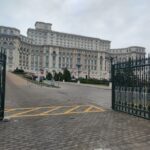
- Stop 2: Palace of Parliament and the Reality of Building Power
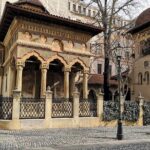
- Stop 3: Mihai Voda Monastery and the Story of Churches Saved by Moving Them
- Stop 4: Old Town Stops and the Communist Leadership’s Favorite Restaurants
- Stop 5: Revolution Square and the 1989 Turning Point
- Snacks, Warm-Up Time, and Staying Comfortable on a 3-Hour Walk
- Your Guide Makes the Difference: Octavian, Daniela, Andrea, John Sever
- Who This Tour Suits Best (and Who Might Prefer Another Plan)
- Should You Book This Bucharest Communist Walking Tour?
- FAQ
- How long is the tour?
- How much does it cost?
- Is the tour in English?
- What’s included, and what should I pay for separately?
- Where do I meet, and where does the tour end?
- Is the tour canceled if the weather is bad?
- What’s the group size?
Key points to know before you go
- 5 key Bucharest stops tied to communist power, daily life, and the 1989 break
- Small group (max 15) so your guide can actually answer questions
- Snacks included, plus a built-in pause so you’re not freezing the whole time
- Palace of Parliament admission not included, so expect to focus on story + exterior views
- All-weather operation, meaning you’ll walk in real Romanian weather
3 Hours in Bucharest: The Value of This Communist Walk
For $32.65, you’re buying time savings and context. Bucharest can be confusing: streets feel broad, buildings look “official,” and without a guide it’s easy to miss why certain places matter. This tour keeps the route short—about three hours—so you can fit it into a full sightseeing day without burning your whole morning or afternoon.
What you get for that price is practical. You’ll hear why Communist-era leaders built or used certain spaces, what people sacrificed day to day, and how the 1989 revolution played out in the city’s most symbolic locations. You’ll also get insider tips on other communist-related places to check later—useful if you want to go deeper after the tour.
One more plus: it’s offered in English and uses a mobile ticket. Also, it’s often booked around 22 days in advance, so if you’re traveling in a busy season, don’t wait until the last minute.
You can also read our reviews of more walking tours in Bucharest

Where You Start at Patriarhal Cathedral and How the Route Moves
Your walk begins at Catedrala Patriarhala, at Aleea Dealul Mitropoliei 25. The tour ends at Revolution Square, Piața Revoluției. That end point is a nice bonus because it naturally “hands you off” right where the big story turns toward freedom.
The tour operates in all weather conditions. That matters because communist Bucharest is mostly outdoor viewing. Bring layers, wear solid shoes, and treat the weather like part of the itinerary. This is also a moderate-fitness walk—nothing extreme, but you should be comfortable moving steadily.
In my opinion, starting near a major religious landmark also sets the right mental frame. You’re not only tracking politics. You’re seeing how regimes used institutions, architecture, and public space to shape ordinary life.
Stop 1: Catedrala Patriarhala and the Former Great National Assembly
At Catedrala Patriarhala, you’ll learn about the Patriarchal Palace’s earlier role as the former headquarters of the Great National Assembly during the communist period. This is one of those stops where the building’s current look doesn’t immediately explain its past. The guide’s job is to fill in the missing link.
What I like about this stop is that it puts power in perspective early. You start with a place that still feels anchored in the city, then you hear how it was once tied to state authority. And because entry is free at this stop, you can focus on the story without feeling like you’re being nickel-and-dimed.
Spend a short moment looking at the setting and the approach. Even in just 15 minutes, you’ll get the sense that Bucharest’s communist influence wasn’t only about grand monuments—it was also about repurposing institutions people already recognized.
Stop 2: Palace of Parliament and the Reality of Building Power
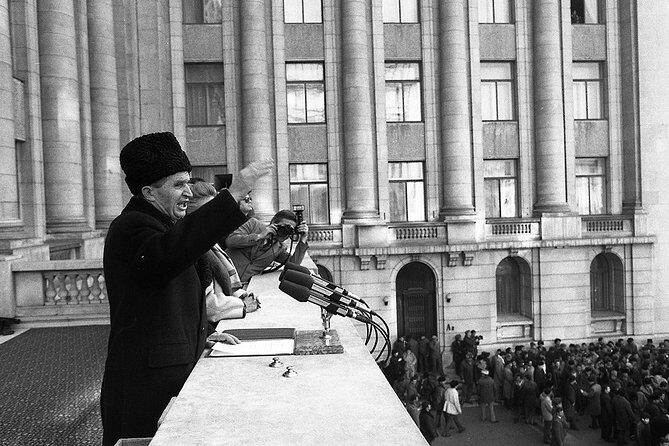
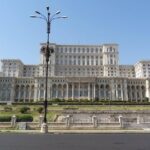
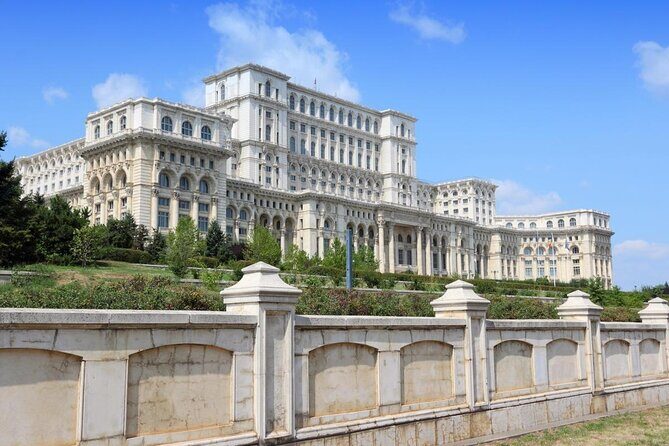
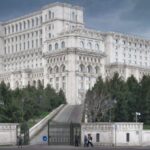
Next up is the Palace of Parliament, often discussed as the second largest building in the world. You’ll get the story behind that scale—why this kind of megaproject matters, and how it connects to Ceaușescu’s drive to show control.
Here’s the practical consideration: admission to the Palace of Parliament is not included. That means your time is better thought of as guided viewing and explanation rather than a full interior visit. If you want to go inside, you’d need to arrange that separately.
Even from the outside, this stop can feel intense. Communist power is often best understood through what it did to space. A building like this isn’t just impressive. It’s a physical claim: who had resources, who set priorities, and whose lives were rearranged to make it happen. In 15 minutes, you won’t leave with every detail—but you will leave with a clear frame for understanding why this structure still affects Bucharest today.
Stop 3: Mihai Voda Monastery and the Story of Churches Saved by Moving Them
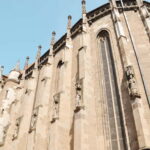
At Mihai Voda Monastery, the key theme is survival. You’ll hear how some churches from the 16th and 17th centuries were lucky enough to be literally moved/translated rather than demolished.
This stop is short (about 15 minutes), but it’s powerful because it shows a different side of change. Instead of only thinking about what was destroyed, you also think about what was preserved—even if preservation required relocation. It’s a reminder that history isn’t always one-way damage. Sometimes it’s messy compromise.
Another reason this stop works on a walking tour: it gives your brain a break from heavy political symbolism. You get a tangible, specific story about real structures and real decisions.
If you’re interested in architecture as evidence—who moved what, who decided what stayed—that’s exactly the angle you’ll come away with here.
Stop 4: Old Town Stops and the Communist Leadership’s Favorite Restaurants
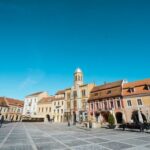
Old Town is where the tour gets more human-scale. You’ll connect communist leadership’s favorite restaurants in the old area to the broader story of power and privilege.
This is a good stop if you want more than dates and events. Food and social life are often where politics shows up indirectly. The idea is simple: who sat where, ate what, and enjoyed which spaces says a lot about the system.
Admission is free here, so you’re not paying extra to learn the meaning. The time on this stop is also intentionally brief, which helps keep momentum. In my view, it’s also a smart contrast after the big statements of the Palace of Parliament—Old Town brings the story closer to everyday reality, even though it’s still linked to elite life.
Stop 5: Revolution Square and the 1989 Turning Point
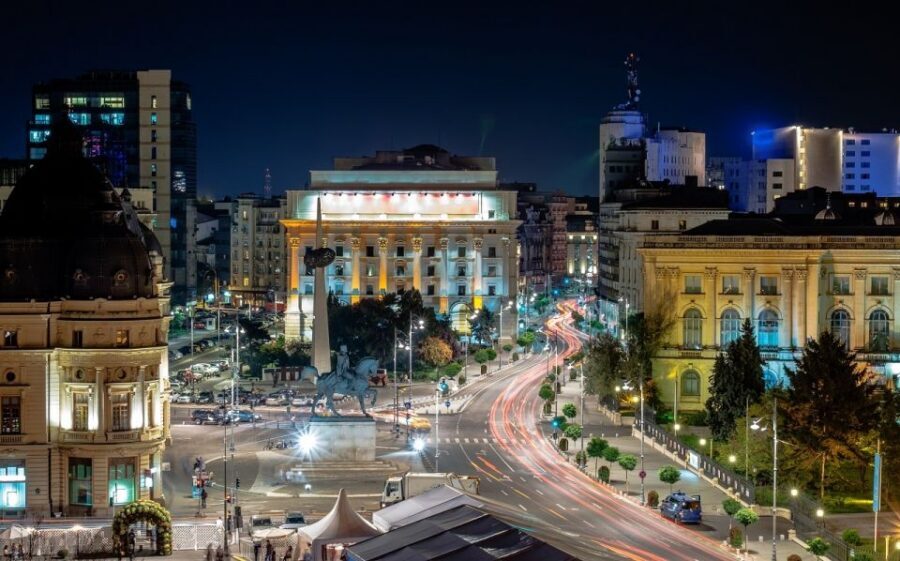
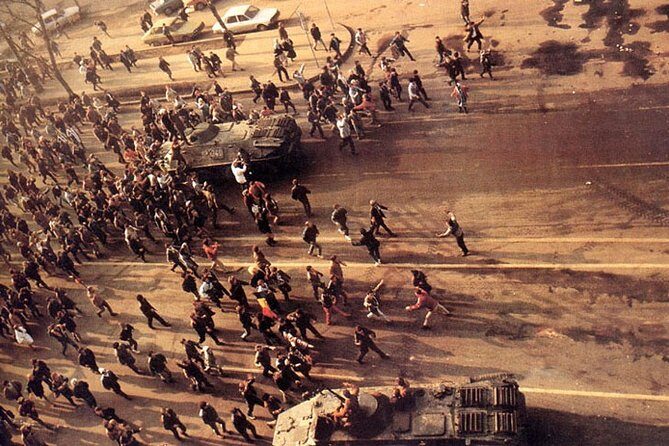
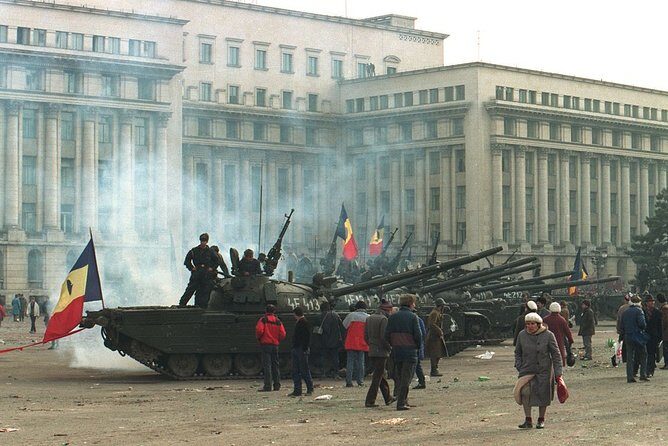
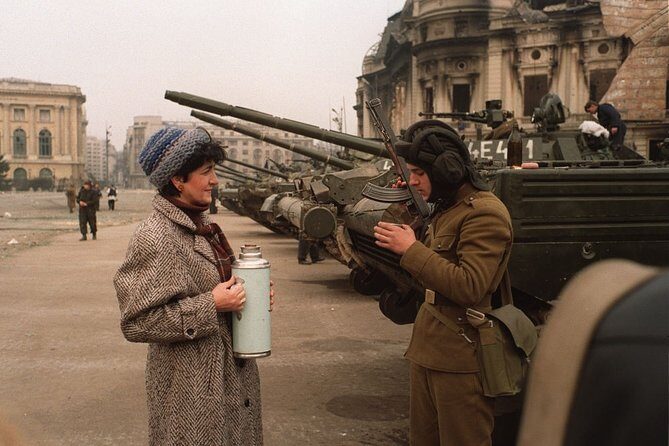
You end at Revolution Square, and the tour is clear about why. It was the only bloody revolution against the Romanian communist party in the former Iron Curtain. You’ll hear about the last days of Nicolae Ceaușescu in power and the first days of freedom after 40+ years of communist rule.
This stop is the emotional climax of the walk. Everything you’ve heard earlier—state buildings, institutional power, daily pressures—feeds into what you see here. It’s not just a “look at the monument” moment. It’s a guided explanation of why this place became the focal point for change.
Fifteen minutes can’t cover every detail of 1989, but it can give you the storyline you need to follow the rest of Romania’s post-communist journey. If you’ve read about Ceaușescu before, this stop helps you connect names and dates to the actual spaces where events unfolded.
Snacks, Warm-Up Time, and Staying Comfortable on a 3-Hour Walk
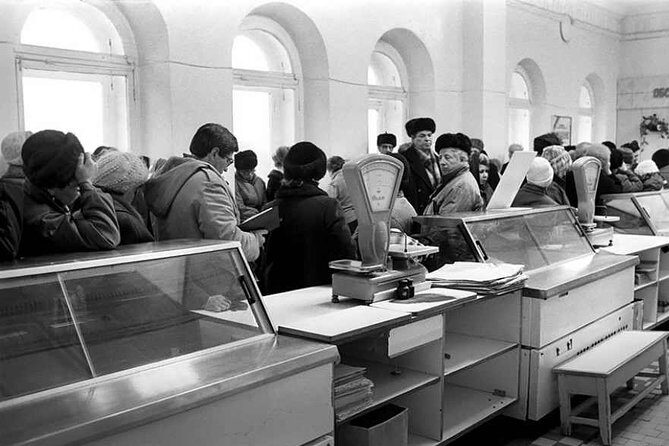
The tour includes snacks—described as something that survived to present days since communist times. That alone makes it more than a random refresh break. It’s a small, edible prompt: food wasn’t just about taste. It was also about availability, rationing, and daily coping.
Because the tour runs in all weather, comfort matters. You’ll want to plan for cold or rain, especially if you’re visiting outside summer. Some groups report a mid-walk stop for warmth (like a coffee break) along with the snack and a chance to reset.
Bring a water bottle if you like, even if drinks aren’t included. And if you’re the kind of person who gets cold fast, pack an extra layer. In a tour like this, you’ll learn more when you’re not busy shivering through the best stories.
Your Guide Makes the Difference: Octavian, Daniela, Andrea, John Sever
This tour earns its near-perfect rating for a reason: the guides don’t just recite facts. They use context and personal perspective to make communism feel like lived experience, not a textbook chapter.
Names you might encounter include Octavian, Daniela, Andrea (and variations of the name), Mihai, and John Sever. The common thread is storytelling with clear structure—big picture first, then details you can actually picture: architecture, daily routine, and the political mechanics behind the scenes.
One of the best parts of a guide-led walk is the question window. Guides actively encourage questions, and you’ll usually get straightforward answers tied back to what you’re seeing on the street. That’s how you avoid the classic problem of history tours: leaving with facts but no understanding.
If you care about politics, you’ll appreciate how the guides explain the Ceaușescu era in contrast to other communist systems. If you care about everyday life, you’ll appreciate rationing and daily constraints being brought into the conversation in plain language.
Who This Tour Suits Best (and Who Might Prefer Another Plan)
I think this tour is ideal if you:
- want a focused introduction to communist-era Bucharest in just a few hours
- like walking tours with clear context, not just photo stops
- enjoy asking questions and getting straight answers from a guide
- want a foundation for visiting other former communist sites later
It may not be the best fit if you:
- hate walking outdoors for stretches at a time
- need a fully indoor, museum-style experience
- expect Palace of Parliament entry to be included (it’s not)
The tour’s moderate physical requirement also matters. It’s manageable for many people, but don’t treat it as a casual stroll if you have mobility limitations.
Should You Book This Bucharest Communist Walking Tour?
Yes, if you want real context fast. For $32.65, you’re paying for a tight route, small-group attention, and guides who make the story human. The route hits the big symbolic places—Assembly-era power, the Palace of Parliament, church survival, leadership dining culture, and Revolution Square—so you get a complete arc of how communism shaped Bucharest.
Book it if you like history with specifics: what buildings meant, how daily life worked, and how 1989 changed the city. Skip it only if you’re mainly here for interiors and you want museum-style ticketing throughout. With a little planning for weather and comfort, this is one of the easiest ways to understand Bucharest beyond postcards.
FAQ
How long is the tour?
The tour lasts about 3 hours, with short stops along the way.
How much does it cost?
The price is $32.65 per person.
Is the tour in English?
Yes, it is offered in English.
What’s included, and what should I pay for separately?
The tour includes a 3-hour walking tour and snacks. Admission to the Palace of Parliament is not included, while other stops listed are free.
Where do I meet, and where does the tour end?
You start at Catedrala Patriarhala on Aleea Dealul Mitropoliei 25, Bucharest, and the tour ends at Revolution Square, Piața Revoluției.
Is the tour canceled if the weather is bad?
It operates in all weather conditions, so you should dress for the conditions. If it’s canceled due to poor weather, you’ll be offered another date or a full refund.
What’s the group size?
The tour has a maximum of 15 travelers.