REVIEW · BUCHAREST
Bucharest: Alternative Sightseeing 2.5-3h-Hour Guided Tour
Book on GetYourGuide →Operated by MARA’S TOURS & TRAVEL · Bookable on GetYourGuide
Bucharest tells stories on its walls. This alternative sightseeing tour uses street art and graffiti to explain everyday life, creativity, and activism in the city, in a way big-bus routes simply don’t. Expect your first signs of freedom of expression right near Izvor Metro Station, then a guided stroll through less-expected corners.
I love two things most: the small group size (up to 10), which keeps questions flowing, and the fact the guides like Elena and Anca treat the murals like living conversation—linking artwork to social issues and letting you form your own interpretation before they add theirs. That makes it feel like a friend showing you what most visitors miss.
One consideration: this is mostly a walking tour focused on public art, so if you’re hunting only major monuments and museums, you may feel a bit off-theme. Wear comfortable shoes, because you’ll be on your feet for the whole experience.
In This Review
- Key highlights worth the effort
- Why this Bucharest street-art tour feels different
- Starting at Izvor Metro Station: where the route finds its theme
- Facultatea de Sociologie și Asistență Socială: ideas show up on walls
- Epoque Hotel: the photo-and-story stretch
- Beans & Dots Specialty Coffee: the stop that keeps the tour human
- Kraft Market and the walk along Calea Victoriei
- The Bram Stoker and Dracula masonic mural: when theme turns specific
- Food Hood finish: end like a local, not like a ticket holder
- Price and what you’re really paying for
- Who should book this and who might pass
- How to get more out of the walk (and better photos)
- Should you book Mara’s Alternative Bucharest Street Art tour?
- FAQ
- Where is the meeting point?
- How long is the tour?
- How much does it cost?
- Is it a small group?
- What language is the tour in?
- What is the tour mostly about?
- What should I bring?
- Is free cancellation and reserve now, pay later available?
Key highlights worth the effort
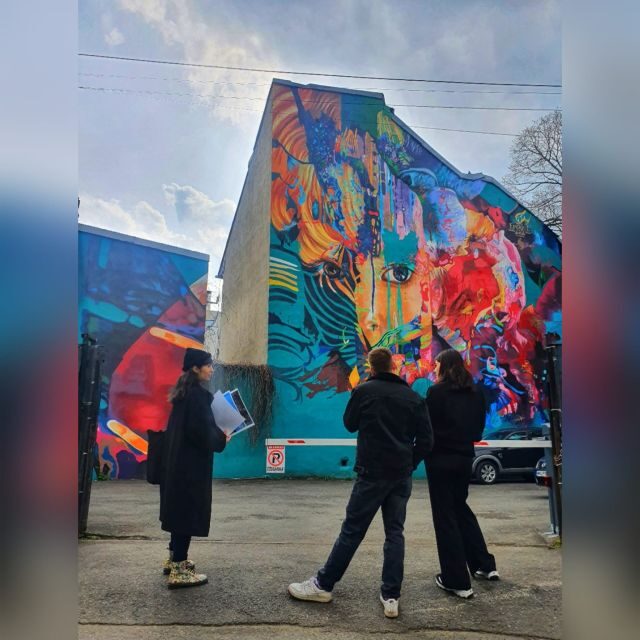
- Street art you can photograph: from stickers to big murals, you’ll learn where to look and how to frame the shots.
- Activism and public space made practical: the guide connects murals to freedom of expression and real local concerns.
- Small group pacing (max 10): more time for questions, less time herding people.
- Hands-on looking, not just listening: guides encourage you to share what you see, then build meaning around it.
- Photo stops across the city center: not one mural corner, but a route that keeps your eyes active.
- A strong local feel at the end: you finish at Food Hood for a more normal, city-day ending than a tourist drop-off.
Why this Bucharest street-art tour feels different
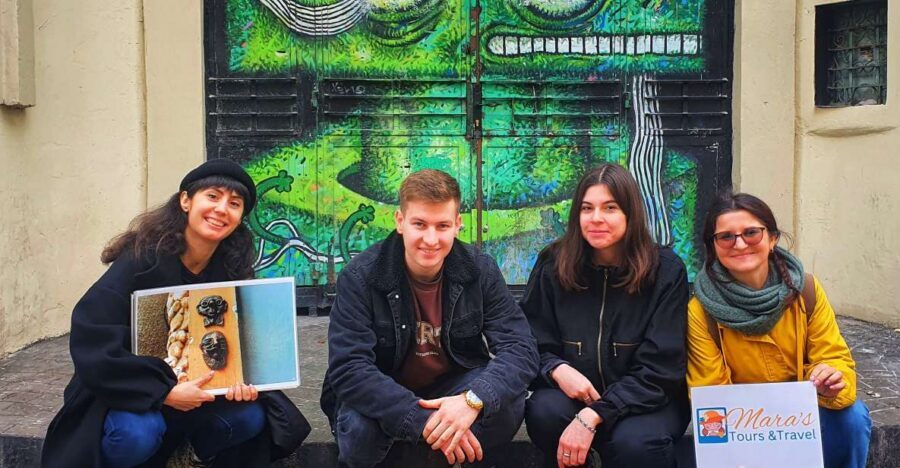
If you think graffiti is just noise, this tour is designed to change your mind fast. Not with lectures. With sights. You walk past walls, doors, and corners that most visitors would treat as background, then you hear what the art is saying about who gets heard in Bucharest and who doesn’t.
The big value is that it treats public art like a map to the city’s social life. Bucharest has a major, layered history, but this experience focuses on the present—how young artists and communities use visual language to comment on power, identity, and everyday frustrations. You’ll leave with a new habit: noticing signs of expression across the city instead of letting them blur into the scenery.
Also, the guide experience matters. In the past, guides such as Elena, Anca, Mara, and others have been described as warm storytellers who ask questions back. That interactive style is not fluff. It turns the walk into a dialogue, so you start looking harder instead of waiting for the next fact.
You can also read our reviews of more guided tours in Bucharest

Starting at Izvor Metro Station: where the route finds its theme
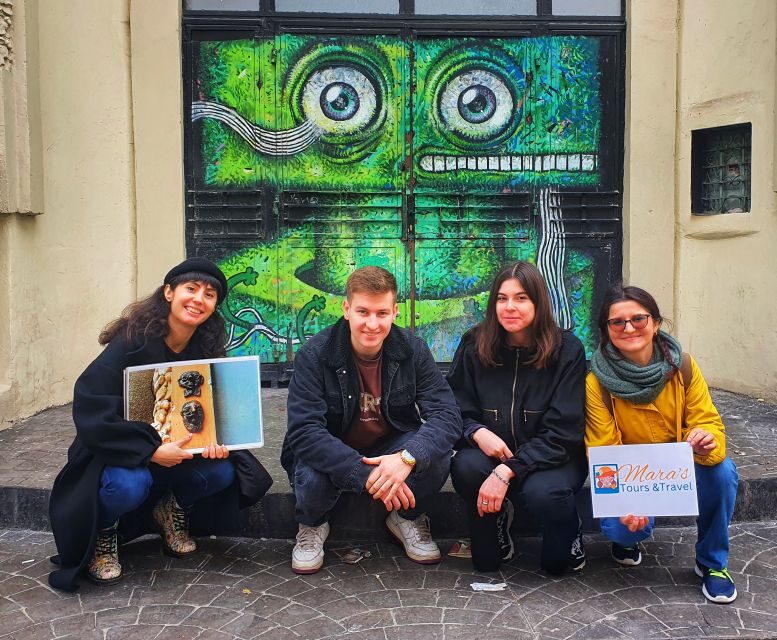
Your tour begins outside Izvor Metro Station, a practical meeting point because it’s easy to locate and it sets the tone immediately. Right away, you’re in the part of Bucharest where you can see signs of freedom of expression in the public space rather than inside a ticketed venue.
This is also a smart way to start: the metro hub keeps things real. You’re not beginning at some postcard square. You’re beginning where people actually move through the city, then stepping into side streets and focused areas from there. It helps you understand that street art isn’t only decoration—it’s part of how the city talks to itself.
Practical note: arrive a few minutes early so you can get settled before the group starts moving.
Facultatea de Sociologie și Asistență Socială: ideas show up on walls
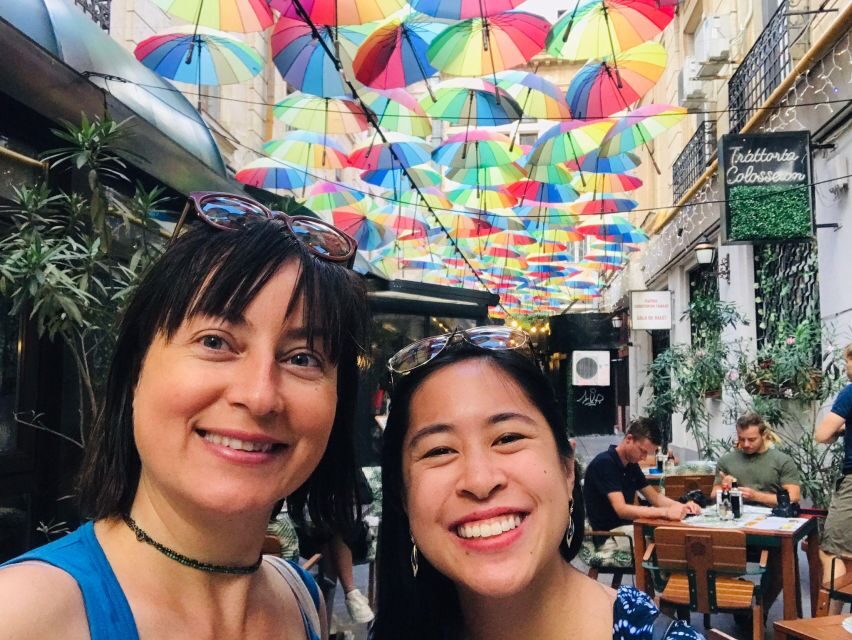
The first stop is Facultatea de Sociologie și Asistență Socială for about 15 minutes. Since this is a sociology and social work faculty, it’s a fitting starting point for the tour’s core question: why do people make art in shared public spaces?
Even if you’re not a history buff, this stop gives you a lens. You start connecting murals and graffiti to themes like youth voice, social pressure, and the urge to be visible. It’s the kind of place where the street art conversation makes sense because the surrounding environment already deals in people, institutions, and change.
What I like about this part: it sets expectations early. Instead of acting like street art is random, the guide frames it as communication. That makes the rest of the walk easier to follow.
Possible drawback: if you’re expecting a lot of time at one single wall with no context, this start is more of a setup than a photo spree. You’ll get photos later, but early on it’s about learning how to read what you’re seeing.
Epoque Hotel: the photo-and-story stretch
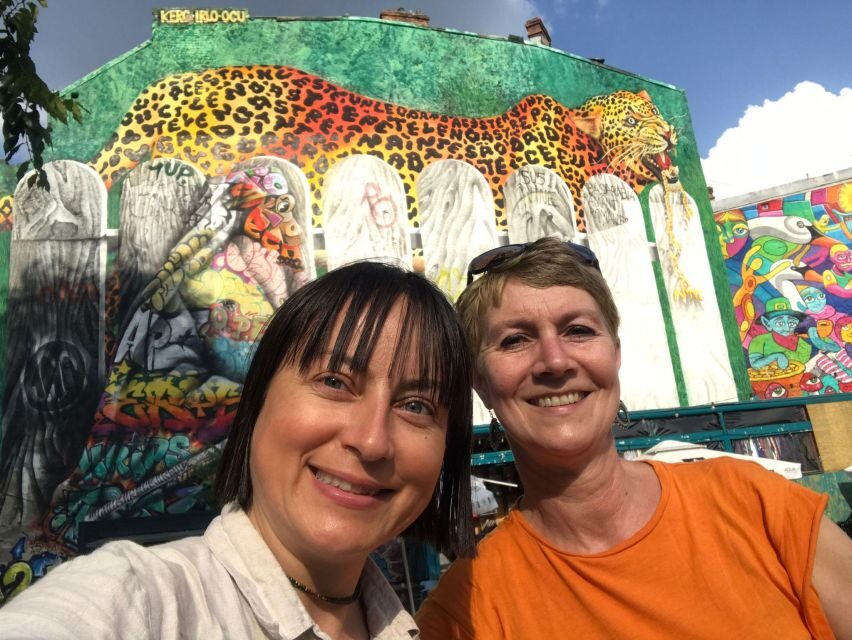
Next you’ll spend about 20 minutes at Epoque Hotel. This is one of those stops where the street art is close enough to notice details but still in the flow of a real city block. The guide’s job here is to train your eyes: how to spot small markers of expression and how to connect them to larger themes.
Expect a mix of storytelling and looking. The time window suggests a gentle pace—enough to pause, examine, and take pictures without feeling rushed. If you like street art for the artwork itself, this part can feel like visual warm-up. If you like it for meaning, this is where the guide starts tightening the link between what you see and what it might be reacting to.
Tip for better results: move slightly around the wall, not just straight-on. Even small shifts change how colors and shapes read through your phone camera.
Beans & Dots Specialty Coffee: the stop that keeps the tour human
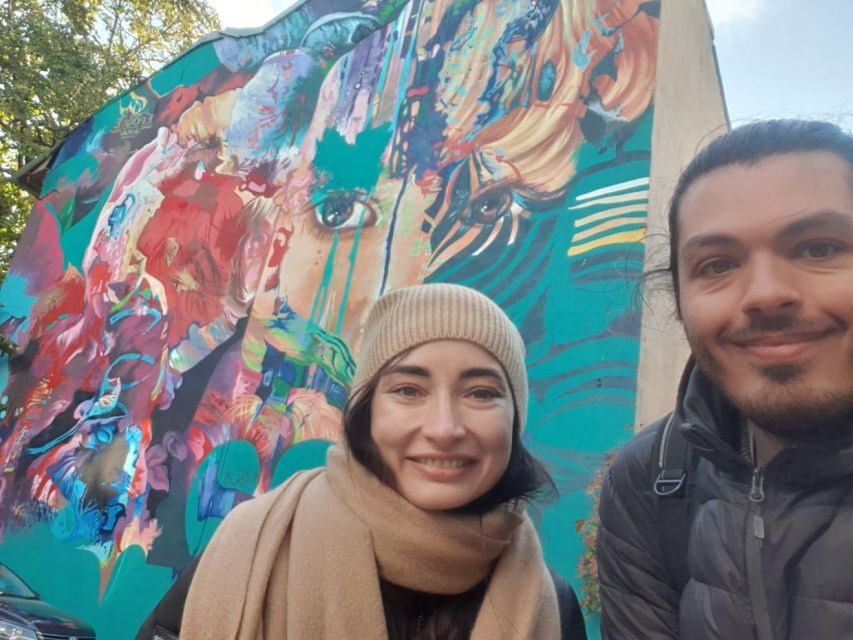
After Epoque, you’ll go to Beans & Dots Specialty Coffee for about 20 minutes. This isn’t just a break; it’s a chance to slow down and talk. A coffee stop does two things for a tour like this: it gives you a breather for your feet and it gives the guide a natural moment to respond to your questions.
You might also get recommendations for a local treat. Some past guests have mentioned a small family-run bakery add-on as part of that relaxed break time. Even if that doesn’t happen on every departure, the design of this stop is clear: art talk goes better when you’re not racing your own tired legs.
One thing to consider: coffee places can mean extra noise and chat at the start, depending on the moment. If you’re planning to take notes, keep your phone brightness down and be ready to write a few points quickly before your conversation moves on.
You can also read our reviews of more tours and experiences in Bucharest


Kraft Market and the walk along Calea Victoriei
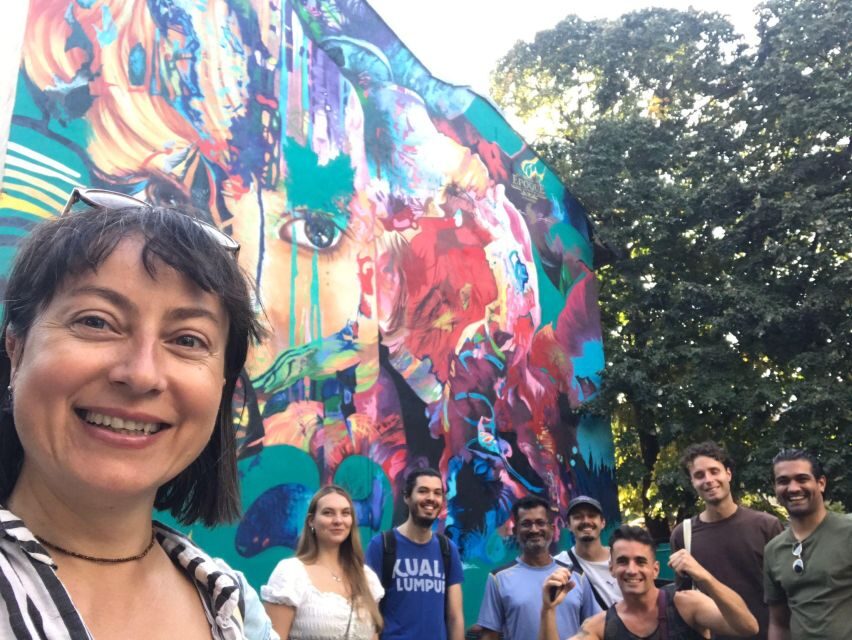
Then comes Kraft Market for about 10 minutes. This short stop is useful because it keeps you connected to everyday Bucharest culture. You’re not only seeing art on isolated walls—you’re seeing how creative spaces and city life overlap.
After that, you’ll head to Calea Victoriei for about 30 minutes, and this is likely where the route starts to feel like a proper city stroll rather than a sequence of stops. Calea Victoriei is a major avenue, so you get a mix: public art up close, plus the larger context of the city moving around it.
Why this matters: street art can look like a private conversation on a tiny street, but on a major avenue it has a different role. It becomes more visible, more exposed, and more likely to spark debate. The guide’s commentary here helps you understand what that visibility changes.
What to watch for as you walk: don’t just hunt for the biggest mural. The tour is built to teach you the “in-between” stuff—smaller marks like stickers or layered tags that show how people occupy and respond to the same spaces over time.
The Bram Stoker and Dracula masonic mural: when theme turns specific
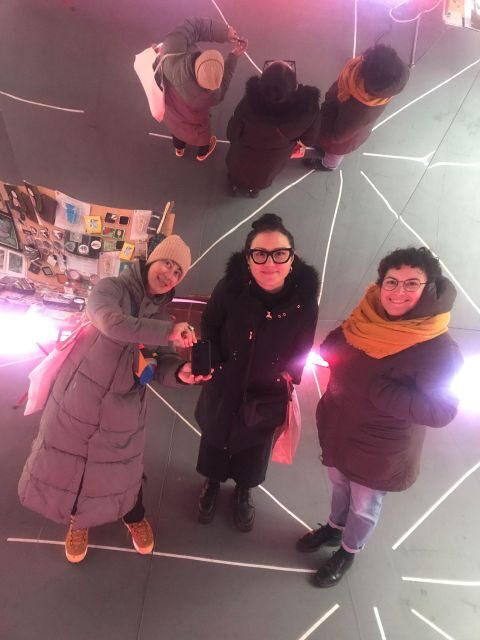
One of the most specific moments is the mural masonică Bram Stoker și Dracula, with about 15 minutes set aside for it. This is where the tour gets fun in a very Bucharest way: recognizable pop-culture names—Bram Stoker and Dracula—mixed with another layer of symbolism.
The value isn’t just spotting a dramatic image. It’s understanding how motifs and references get used in street art to create meaning. A guide can explain why themes like that resonate with local audiences and how the mural fits into the broader story of expression and identity in the city.
From a photography angle, this stop is also ideal because the subject matter is clear. You’ll likely have an easier time deciding where to frame, and you can spend a bit longer turning the art over in your head.
Food Hood finish: end like a local, not like a ticket holder
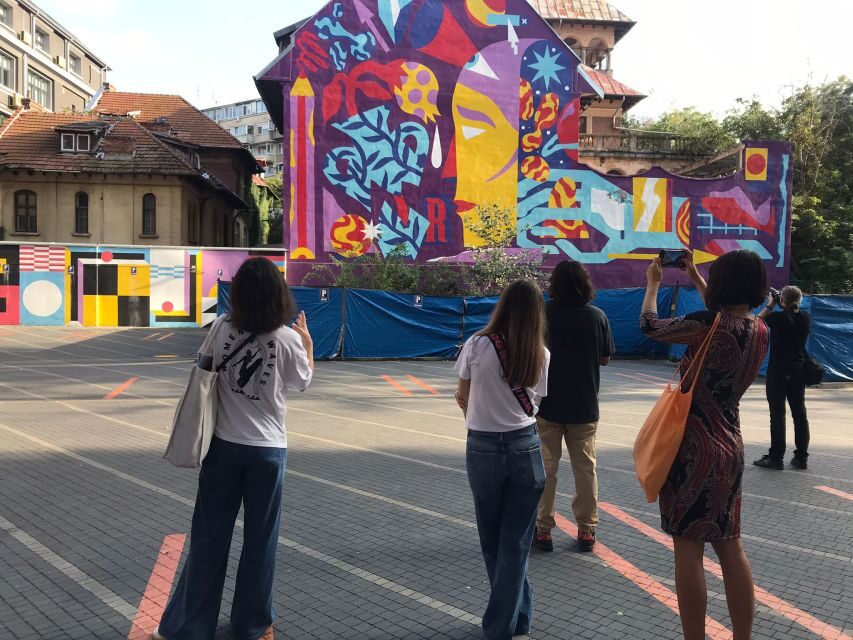
The tour ends at Food Hood. Finishing here feels like a smart design choice for an alternative sightseeing walk. After hours of noticing walls and symbols, you get a normal city ending: food, people, and the chance to keep the conversation going without a strict schedule.
This is also a practical move. You won’t be left wandering back to transport while your brain is still processing symbolism. Instead, you can sit, recharge, and decide what to do next in Bucharest with a clearer head.
Price and what you’re really paying for
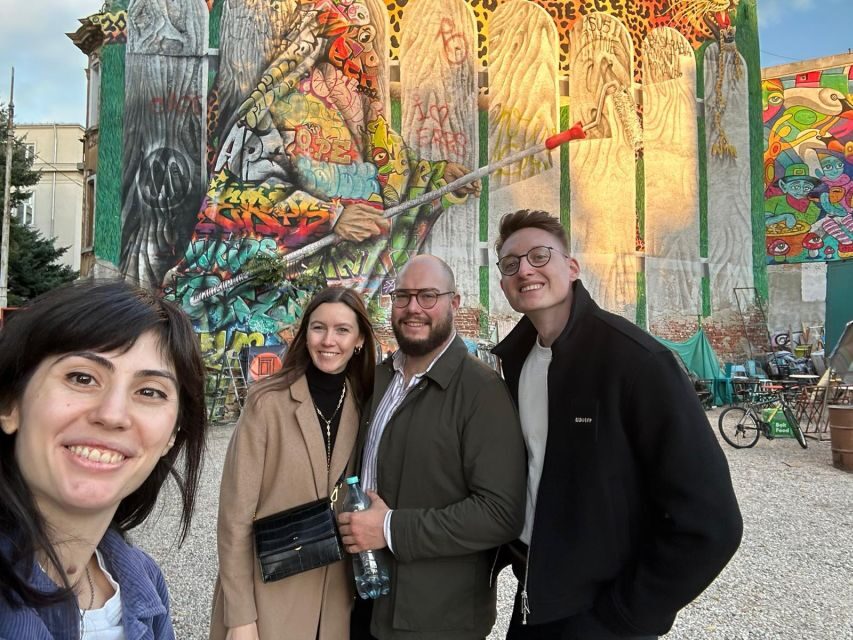
The tour costs $47 per person and runs about 2.5 to 3 hours, with a live English guide and a maximum of 10 participants. On paper, that can sound like “just a walk with a guide.” In practice, the value comes from three things you can’t DIY easily:
- You get a guide who reads the city’s public art like a system, not like random decoration.
- The group stays small enough for you to ask questions and get answers that fit your own reaction to what you’re seeing.
- You follow a route that connects multiple kinds of street art and cultural spots, so you understand how different spaces support expression.
If you’re visiting for the first time, this is also a smart way to orient yourself. People often come away saying they start seeing signs across the city after finishing. That’s the real value: it changes how you move through Bucharest next.
Who should book this and who might pass
This tour is a great fit if you like any of these:
- Street art fans who want meaning, not just aesthetics
- Travelers who prefer local voices over the top 10 tourist checkboxes
- People who enjoy walking tours as long as they come with real context
- Anyone curious about how youth culture and activism show up in everyday spaces
You might want something else if you:
- Only want famous landmarks and museums
- Don’t like walking for a couple of hours
- Want a strict, monument-by-monument schedule (this is theme-driven, not checklist-driven)
One more thought: if you’ve ever felt uneasy about graffiti or assumed it’s only vandalism, this tour is exactly the kind of experience that gives you a better framework to judge what you see.
How to get more out of the walk (and better photos)
A few practical habits make a big difference on a street-art route like this:
- Bring comfortable shoes and expect to walk and pause often.
- Take photos of both the main mural and the small details around it. Tags and stickers can add meaning.
- When the guide asks for your interpretation, answer honestly. The best part of the tour is that your reading of the artwork matters before the guide adds context.
- If you’re using a phone camera, try stepping a little left and right. Street art changes a lot with your angle.
- Pace your snacks and hydration. A coffee stop is planned, but your best photos will come when you’re not rushing to beat fatigue.
Should you book Mara’s Alternative Bucharest Street Art tour?
I’d book it if you want Bucharest in a new language—through street art, graffiti, and the people who use walls to speak. For $47, you get a focused route, an English guide, and a small-group format that makes the experience feel personal rather than performative.
Skip it only if your ideal trip is strictly landmark-based. If you’re open-minded and enjoy walking with context, this is one of the more memorable ways to understand how Bucharest thinks in public.
FAQ
Where is the meeting point?
Meet your tour guide outside the Izvor Metro Station.
How long is the tour?
The tour lasts about 2.5 to 3 hours.
How much does it cost?
The price is $47 per person.
Is it a small group?
Yes. The group is limited to a maximum of 10 participants.
What language is the tour in?
The live tour guide speaks English.
What is the tour mostly about?
It focuses on alternative sightseeing in Bucharest, especially street art and graffiti, with context about freedom of expression and local social realities.
What should I bring?
Wear comfortable shoes.
Is free cancellation and reserve now, pay later available?
Free cancellation is offered up to 24 hours in advance for a full refund, and you can reserve your spot and pay later.