REVIEW · BUCHAREST
Bucharest Jewish Heritage | Holocaust Memorial | Private Car Tour
Book on Viator →Operated by Discover Romania Tours · Bookable on Viator
Bucharest’s Jewish story is not on autopilot. This private car tour connects the dots between lived Jewish life, major synagogue landmarks, and the Holocaust memorial sites you can’t really grasp from a street map. I especially like the personal service with an English-speaking guide/driver, plus the respectful pacing that lets you actually take in what you’re seeing.
I also came away valuing the small, practical touches: WiFi on board, bottled water at the start, and written and photo testimonials to help the day make sense after you leave. One possible drawback is timing and tickets: the core stops include several places where entrance fees are not included (you’ll want to plan for about €12 per person for the Holocaust Museum and the Choral Temple).
In This Review
- Key things that make this tour worth your time
- Jewish Bucharest in 4–5 hours: what you’re really signing up for
- Private pickup and a guide who sets the tone
- Stop 1: Museum of History of the Jewish Community + the Great Synagogue
- Stop 2: Holocaust Memorial commemoration site (short but heavy)
- Stop 3: The Choral Temple, one of Bucharest’s older survivors
- Stop 4: Teatrul Evreiesc de Stat (State Jewish Theatre)
- Stop 5: Great Synagogue again, plus the Holocaust Museum
- Stop 6: Philanthropy Israelite Cemetery (Ashkenazi Cemetery) + WWI memorial
- Tickets and the €12 entrance-fee budget (so it doesn’t surprise you)
- What this tour is like on the ground (pace, walking, and focus)
- Weather and why it matters (yes, even for a heritage tour)
- Who should book this Jewish Heritage tour?
- Should you book it? My take
- FAQ
- How long is the Bucharest Jewish Heritage and Holocaust Memorial private car tour?
- What does the tour price include?
- Are entrance fees included for every stop?
- Is pickup available?
- What languages is the tour offered in?
- What’s the cancellation policy?
Key things that make this tour worth your time
- Private pickup in an air-conditioned car saves you from buses, taxis, and route stress across the city.
- Marius brings context, tying synagogue life to Romanian events and the WW2 story without rushing you.
- Holocaust memorial stops bookend the experience, so it hits in the right order emotionally and historically.
- The oldest remaining temple and an important cemetery give you texture beyond the big-picture museum panels.
- Short visits are intentional: you get a clear overview in 4 to 5 hours without turning it into a marathon.
Jewish Bucharest in 4–5 hours: what you’re really signing up for
This is the kind of tour where the route matters. Bucharest’s Jewish heritage isn’t one single museum or one famous building. It’s a chain of places: communal life, religious landmarks, remembrance sites, and a cemetery that quietly shows how time moves on.
The tour is built for a guided understanding rather than a checklist. You’ll spend time at key locations tied to the community’s past, then shift toward the darker chapter of the Holocaust and wartime persecution. The best part is that the guide doesn’t treat each stop like an isolated photo-op. Instead, you get the “why” behind each location—what it meant, what changed, and what was lost.
You can also read our reviews of more private tours in Bucharest

Private pickup and a guide who sets the tone

If you’ve toured before with a standard group bus, you already know the usual problem: everyone gets herded, and questions wait until the ride back. Here, your experience stays private, meaning it’s only your group in the car. That matters when the subject is sensitive, because you’ll naturally want to ask follow-ups like how the community lived here, how events unfolded, and what specific memorials are pointing to.
The guide/driver is English speaking for the full tour. In this case, many guests highlight Marius by name for being organized, focused, and thoughtful. People also note that his storytelling stays easy to follow, and that he adapts his pace so you don’t feel rushed between stops.
Practical comfort helps too. You’re in a spacious air-conditioned vehicle with high-speed WiFi on board, plus bottled water at the start and a sweet surprise. It’s a small thing, but it keeps energy up, especially since you’re visiting places that require both attention and emotional bandwidth.
Stop 1: Museum of History of the Jewish Community + the Great Synagogue
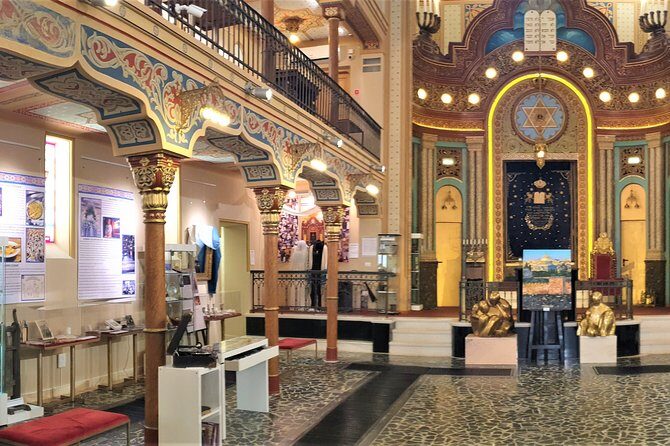
You start with the Museum of History of the Jewish Community and then move into the Great Synagogue area. This opening matters because it sets your baseline. Before you see memorials and cemeteries, you need a sense of who was here and how community life worked.
Expect about an hour at the first site. The admission ticket for the Museum of History of the Jewish Community isn’t included, so plan a few minutes for buying/handling the ticket when you arrive. After that, you head to synagogue landmarks where architecture isn’t just decoration. It’s tied to identity, religious life, and what the community built in Bucharest over generations.
The Great Synagogue is also where the day later connects to the Holocaust museum content. Think of the synagogue space as a kind of anchor: it gives the story a physical home, not just a timeline. If you like tours where you can understand a place’s role in real life—not only in history books—this is a good beginning.
One consideration: synagogue and museum timing can be strict. You’ll want to arrive ready to move through security or ticketing quickly, so you don’t eat into your guided time.
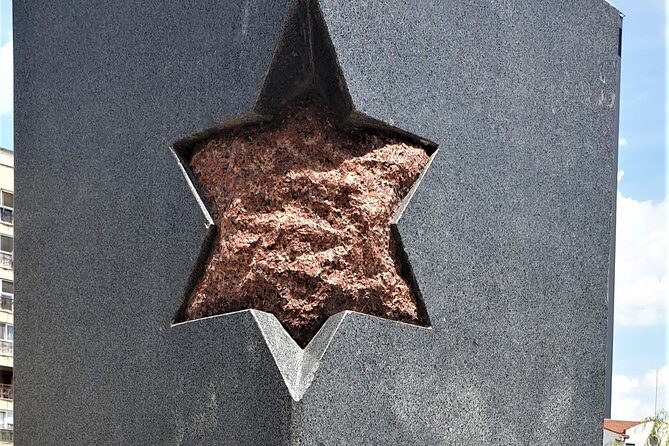
Stop 2: Holocaust Memorial commemoration site (short but heavy)
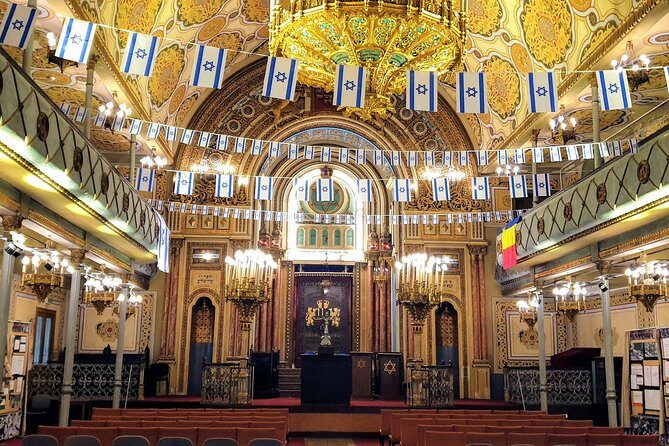
Next up is the Holocaust Memorial commemoration site. The scheduled time is only around 15 minutes. That sounds brief, but it’s often the right length for a remembrance stop. The goal isn’t a long museum style session—it’s a moment of recognition that frames the rest of your day.
This is where you feel the emotional “turn” in the itinerary. Many visitors describe this part as moving and sobering. The key for you is not to treat it like another stop. Use it as your mental gear shift: from learning about community life to confronting what happened during World War II.
If you’re sensitive to memorial sites, it helps to know you won’t be trapped there for hours. You get a meaningful visit with time to regroup before the next landmark.
Stop 3: The Choral Temple, one of Bucharest’s older survivors
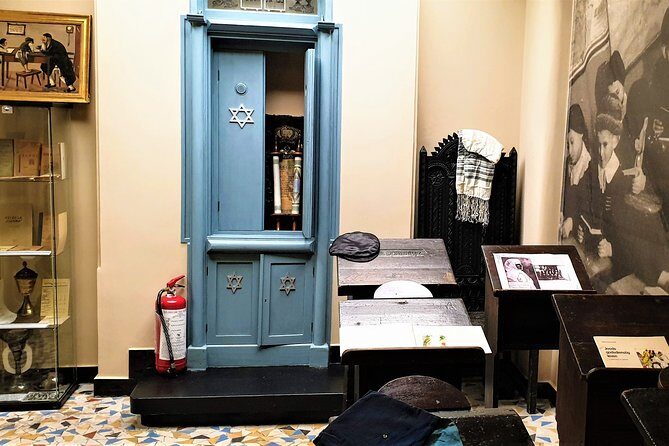
Then you’ll visit the Choral Temple, described as one of the oldest remaining temples in Bucharest. The time here is about 15 minutes. It’s not long, but short visits can be effective when the building’s story and features are the point.
The Choral Temple admission ticket isn’t included, so this is part of that extra-pay portion for the day. Still, it’s a valuable stop because you’re not just looking at history from a distance. You’re standing in a place that survived, which adds weight to everything you learned earlier.
A good way to get more out of this stop: slow down when you first enter and notice details like the layout and the way the space feels. Even without a deep architectural background, the building’s survival tells a story of resilience—and then, by contrast, the rest of the day tells you what resilience couldn’t prevent.
You can also read our reviews of more historical tours in Bucharest



Stop 4: Teatrul Evreiesc de Stat (State Jewish Theatre)
You’ll also pass by Teatrul Evreiesc de Stat, the State Jewish Theatre. This is a shorter stop (about 5 minutes), and it’s not going to replace a longer walking tour of the city’s cultural sites. But that quick glance is meaningful.
Jewish heritage in Bucharest wasn’t only religious. It also included arts and public life—music, theater, and the social world that made community more than just worship. Even a short stop here helps you keep that full picture in mind while you move toward cemetery ground.
Stop 5: Great Synagogue again, plus the Holocaust Museum
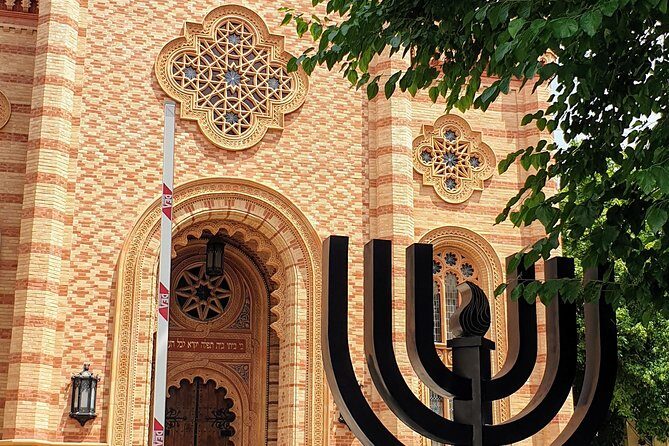
The itinerary returns to the Great Synagogue area to help you connect the physical landmark to the Holocaust museum content. This stop is scheduled for about 30 minutes. Admission for the Holocaust Museum isn’t included, so again, budget for that extra ticket cost.
This is often a highlight for people because it ties the earlier memorial moment to documented learning. Instead of only feeling the tragedy, you also get structure: what happened, how it unfolded, and how Bucharest fit into the larger wartime story for Romanian Jews.
If you prefer tours that explain the “so what,” this is the part that tends to satisfy. You’ll get historical meaning behind the site rather than just reading labels at your own speed.
Stop 6: Philanthropy Israelite Cemetery (Ashkenazi Cemetery) + WWI memorial
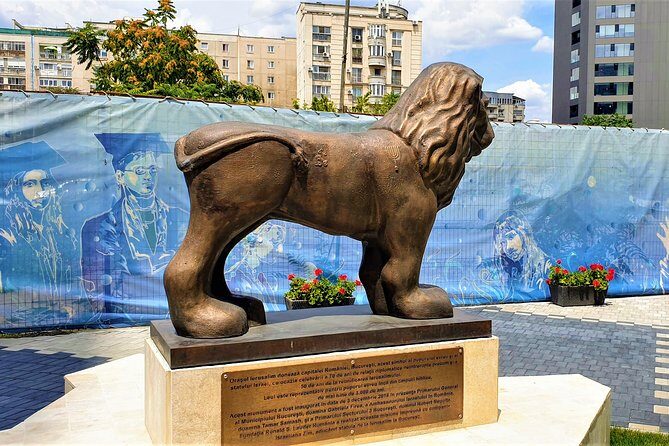
Finally, you visit the Philanthropy Israelite Cemetery, also identified as the Ashkenazi Cemetery. Expect about 30 minutes here, and unlike some other stops, the cemetery admission is listed as included.
Cemetery visits can be complicated. They’re quiet, and they force you to slow down whether you feel ready or not. Some guests note the cemetery can look overgrown and unkempt. If that bothers you visually, I’d treat it as part of the reality the cemetery reflects: a community has shrunk over time, and upkeep doesn’t always match the historical importance.
This stop can be especially moving for personal reasons too. One of the best examples from guest experiences: a guide helped arrange searching for family names with the cemetery caretaker. Even if you don’t plan anything personal, this tells you the tour’s attention to respect and detail is real, not just promotional.
The cemetery also includes a WWI memorial, which adds another layer: it ties Jewish presence in Bucharest to broader European history, not only to one era. That helps you understand how deep roots ran before the community was disrupted.
Tickets and the €12 entrance-fee budget (so it doesn’t surprise you)
Here’s the part you should plan for up front. The tour includes the vehicle and the guide time, but entrance fees are not included for the Holocaust Museum and the Choral Temple. The total listed is €12 per person for those two. The cemetery is included.
On a value level, this is fairly normal for synagogue and museum visits in major cities. The price you’re paying ($113.84 per person) covers the private logistics and guided storytelling, which is the expensive part in most cities—time, transport, and an English guide who knows where to go and what to explain.
My advice: keep a bit of cash/backup payment available on the day for those entrance fees. Also, don’t assume every stop will be the same length inside, because ticketing and permissions can shape how quickly you move through the building.
What this tour is like on the ground (pace, walking, and focus)
The scheduled duration is about 4 to 5 hours. In practice, that kind of timeline can work well if you like structured city history without feeling like you’re burning an entire day.
Walking is not the main factor here. The bigger “work” is mental. You’ll be switching between community life, remembrance, and the Holocaust museum content. That means you’ll want to pace your attention: listen, look, then take a breather at the next stop rather than trying to absorb everything at once.
Also, since this is a private tour, your guide can better handle moments where you want extra time. One review specifically mentioned help with mobility issues. I can’t promise special accommodations beyond what the guide can physically manage, but if you have mobility needs, it’s smart to flag them early so your route timing works.
Weather and why it matters (yes, even for a heritage tour)
This tour requires good weather. That doesn’t mean you’re hiking in the mountains. It means the visit includes outdoor elements (especially around the cemetery area), and the operator may adjust or cancel if conditions are poor.
If you’re visiting Bucharest in a season with sudden rain, consider building flexibility into your schedule. The tour’s structure is easier to enjoy when your feet and focus aren’t fighting bad weather.
Who should book this Jewish Heritage tour?
This one fits best if you:
- Want an organized overview of Bucharest’s Jewish landmarks without coordinating transport.
- Care about the story behind buildings—how community life connects to wartime events.
- Prefer a private guide who can answer questions and set the tone for sensitive topics.
- Appreciate tours that end with a cemetery visit that gives weight to what you learned earlier.
You might look elsewhere if you:
- Want a long, independent museum-only day.
- Don’t feel comfortable with Holocaust and memorial sites, even with a short, respectful visit.
- Prefer a self-guided audio tour format where you control every minute.
Should you book it? My take
I’d book this tour if you want the highest impact route in limited time. The blend works: synagogue landmarks, a Holocaust memorial stop, and the cemetery as the emotional close. The private car reduces friction, and the guide experience—especially with Marius’s organizing and storytelling—seems to be the main reason people rate it so highly.
The only real reason to hesitate is the entrance-fee add-on and the fact that some stops are brief by design. But if you’re okay budgeting €12 for the Choral Temple and Holocaust Museum, you’ll likely feel you got a lot of meaning in your 4 to 5 hours.
FAQ
How long is the Bucharest Jewish Heritage and Holocaust Memorial private car tour?
It runs about 4 to 5 hours.
What does the tour price include?
The price includes a private air-conditioned vehicle, an English-speaking guide/driver for the full tour, high-speed WiFi on board, bottled water at the start, and written and photo testimonials.
Are entrance fees included for every stop?
No. Entrance fees are not included for the Museum of History of the Jewish Community, the Holocaust Memorial-related museum stop areas, and the Choral Temple, with the Holocaust Museum of Bucharest and Choral Temple listed as totaling €12 per person. The Philanthropy Israelite Cemetery entrance is included.
Is pickup available?
Yes. Pickup is offered from centrally located hotels or other accommodation.
What languages is the tour offered in?
It’s offered in English.
What’s the cancellation policy?
There is free cancellation up to 24 hours in advance for a full refund. The tour also requires good weather, and if it’s canceled due to poor weather, you’ll be offered a different date or a full refund.