Bucharest gets tasty at dusk. This Old Center walk works because it ties big sights to small bites, with history explained in a way you can actually remember. I especially like the Dan and Patricia two-guide team format and how the food moments feel linked to what you’re seeing, and I like the small-group size capped at 6. One drawback to plan for: the stops are short, so this is not a slow, linger-everywhere kind of evening.
This runs about 2 hours 30 minutes starting at 5:00 pm, with an English mobile-ticket experience that starts on Strada Benjamin Franklin and ends at Piaţa Sfântul Anton 66. You’ll move between highlights like the Romanian Athenaeum, the Memorial of Rebirth, the Stavropoleos Monastery, Manuc’s Inn, a quick stop at CEC, and then finish with a candy tasting at Capsa.
In This Review
- Key Tour Highlights at a Glance
- What you really get: history you can taste, not just look at
- Dan and Patricia guide style: a history + food team
- Route at 5:00 pm: short stops that add up to a full evening
- Romanian Athenaeum inside, ticket included (if open that day)
- Memorial of Rebirth: Royal Palace, the Revolution Balcony, and King Carol
- Stavropoleos Monastery: nuns, stone, and short visits inside
- Manuc’s Inn courtyard: the oldest-restaurant story in one stop
- CEC headquarters: a 5-minute French-style banking pause
- Capsa pastry tasting: sweet finale at an old Bucharest confectionery
- Price and pacing: is $108.02 worth it for what you get?
- Who should book this Bucharest historical food tour
- Should you book this Bucharest historical food tour
- FAQ
- How long is the Bucharest Historical Food Tour in Old Center?
- How much does the tour cost?
- What time does the tour start, and where do I meet?
- Is the tour offered in English?
- Is a mobile ticket provided?
- Which stops have admission tickets included?
- Can I go inside the Romanian Athenaeum?
- How many people are in the group?
- Can I cancel and get a full refund?
- Is the tour suitable for most travelers?
Key Tour Highlights at a Glance

- Small-group evening (max 6): easier questions, better pace, and a more personal feel
- Romanian Athenaeum ticket included: visit inside if entrance is allowed that day
- Stavropoleos Monastery visit: one of the oldest monasteries in Bucharest, with active nuns
- Manuc’s Inn courtyard stop: the oldest-restaurant vibe plus Bucharest stories tied to the place
- Capsa finish: sweet candy tasting at one of the city’s oldest confectioners
What you really get: history you can taste, not just look at
If you’re trying to get your bearings in Bucharest, this tour is built for that exact problem: you arrive, the city feels layered, and you need a simple path to connect it all. Here, you don’t just stare at buildings. You stop, listen, then taste something that fits the story of the neighborhood.
I also like that the “food” part isn’t treated like a random snack break. The route is organized around landmarks that shaped modern Romania, including Revolution-era references and older religious sites. That makes the tasting feel earned, not bolted on.
The practical upside: you get a lot of meaning in a short time. The “downside” is equally practical—most stops are around 10 to 15 minutes, so if you want long museum-style visits, you’ll likely want to pair this with another activity later.
You can also read our reviews of more food & drink experiences in Bucharest


Dan and Patricia guide style: a history + food team

From what shows up again and again in guest feedback, this is guided like a real duo: Dan leans into Romanian history and architecture, while Patricia focuses on the food side. That split matters. It keeps the evening from turning into a facts-only lecture or a food-only walk where you don’t understand what you’re eating.
The tone also tends to be warm and responsive. In one case, a group of six turned into a more private feel when the headcount became smaller, which shows how flexible the guides can be when the pace changes. With a max of 6 people, you’re not stuck competing for attention.
Another practical note: plan to ask questions. The route is short enough that the guide can’t spend forever on any one detail, but they can still tailor answers if you raise something you care about—Communism-era life, architecture, or what to try next when you’re back on your own.
Route at 5:00 pm: short stops that add up to a full evening
You start at 5:00 pm at Strada Benjamin Franklin and end at Piaţa Sfântul Anton 66. The total time is about 2 hours 30 minutes and includes travel between stops. That time budgeting is a big deal in cities where cross-streets can eat your evening.
The walking is manageable for most people, because the tour is paced through a sequence of compact sights. You’re not doing long stretches with only one stop every hour. Instead, you get a rhythm: look, listen, step in (when allowed), taste, and keep moving.
If you’re using your phone map, double-check the start pin before you leave. One guest had the map route them to the end area instead, and communication sorted it out quickly. Still, it’s smart to verify the meeting point location early so you don’t lose time on a cold evening.
Romanian Athenaeum inside, ticket included (if open that day)
The evening kicks off at the Romanian Athenaeum, often described as Bucharest’s most beautiful building, built in 1888. You’re there for about 15 minutes, and the tour includes the admission ticket. That’s one of the best value moves in the pricing: you’re paying once, and one of the biggest stops has its entry covered.
You’ll also get the practical expectation set early: you’ll visit inside only if entrance is allowed that day. That matters because it prevents frustration. Even if you can’t get in, the exterior is a major “wow” moment and the guide’s explanations still give you a framework for what you’re seeing.
What I like about starting here is the immediate context. The Athenaeum isn’t just a pretty façade—it’s a marker for how Bucharest expressed culture and ambition. When you can later connect it to Revolution-era landmarks and older monasteries, the city feels less random.
Dress tip: the tour starts in the evening. If you’re visiting in shoulder season or winter, bring layers. Even when the walk is short, waiting outside a landmark can be chilly.
Memorial of Rebirth: Royal Palace, the Revolution Balcony, and King Carol
Next is the Memorial of Rebirth, a stop that lasts about 15 minutes and has no admission fee. This is where the tour’s “modern Romania” thread becomes obvious. The guide’s focus includes references to the Royal Palace, the balcony where the Revolution started, and the statue of King Carol.
This is a useful stop even if you don’t know Romanian history right now. The explanations give you named anchors—Royal Palace, balcony, King Carol—so you’re not trying to remember vague lessons from a guidebook. It turns the area into something you can discuss and connect later.
The potential drawback here is time. With only about 15 minutes, this isn’t meant to replace a full history tour. Think of it as a clear “map legend.” It helps you interpret what you see on your own afterward, and it makes later stops click.
You can also read our reviews of more tours and experiences in Bucharest
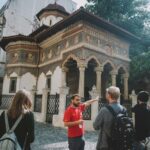




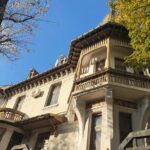
Stavropoleos Monastery: nuns, stone, and short visits inside
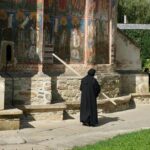
The Church of the Stavropoleos Monastery is one of those places that makes you slow down a bit, even if you only have 10 to 15 minutes. Admission here is free, and the tour includes a chance to go inside. This monastery is described as one of the oldest and most beautiful in Bucharest, and it’s not a dead site—you can see nuns and the monastery interior.
That active-life detail is what makes the visit feel real. You’re not just touring an artifact. You’re stepping into a functioning religious space, which tends to change how people behave and how the moment lands.
One practical consideration: because this is a short stop, you’ll want to move efficiently once inside. Bring your phone for quick photos, but don’t let photography steal your attention. If you stay present for a few minutes, the guide’s context is easier to absorb.
This stop also balances the route. After Revolution-era themes and palace-area references, you get a calmer environment. It’s the kind of contrast that keeps the evening from feeling heavy.
Manuc’s Inn courtyard: the oldest-restaurant story in one stop
Manuc’s Inn (Hanul lui Manuc) is where the evening leans into the “food and city identity” side. You’ll spend about 15 minutes here, focusing on the interior garden at one of Bucharest’s oldest restaurants.
This stop is special because it’s about place and tradition, not just a meal. Even if you’ve never heard of Manuc’s Inn, it’s the sort of historic dining room that helps you understand how cities socialize over time—where visitors, locals, and stories meet.
The guide also frames it as a landmark that many visitors end up seeing, which matters because it gives you a reference point. After your tour, you’ll recognize the courtyard vibe when you walk past again or when you come back for dinner.
I will add one note: you’re here for a short time, and you may find yourself wanting to linger. That’s not a flaw in the tour—it’s a sign you found a worthwhile setting. If you want a longer sit, this is a great place to revisit after the walk.
CEC headquarters: a 5-minute French-style banking pause

After Manuc’s Inn, there’s a quick 5-minute stop at CEC headquarters. It’s described as the oldest bank in Romania, built in the 19th century in French style.
This is a small time slot, but it’s a smart one. It widens your view of Bucharest beyond palaces and monasteries. Banks and institutions help explain how money, power, and modern life grew in the city.
Because the stop is short, don’t expect a deep architectural seminar. Instead, treat it as a “texture” stop: another reminder that Bucharest has many layers of European influence, and not all of them show up in the places most people photograph.
Capsa pastry tasting: sweet finale at an old Bucharest confectionery
The last stop is Capsa pastry, where you’ll do a candy tasting. It’s only about 5 minutes, but it’s a satisfying way to end because it gives your brain a simple, memorable finish.
Capsa is presented as one of the oldest and most elegant confectioneries in Bucharest. That’s the kind of detail that helps a dessert stop feel like part of the city’s story, not just a sugar break.
From past guest experiences, the tastings on this kind of tour can include sweet-and-savory bites and dessert-style items such as donut-like pastries, plus fruit-forward fillings. You shouldn’t assume a specific menu every night, but the pattern is clear: quick tastes, enough variety to sample, not enough to send you into a food coma.
If you have a strict dietary requirement, keep it in mind before you book. The tour includes multiple food moments, so it’s worth checking with the operator about options. The tour data doesn’t list specific dietary accommodations, so you’ll want to confirm.
Price and pacing: is $108.02 worth it for what you get?
At $108.02 per person for about 2.5 hours, this isn’t a bargain-basement walk. But it also isn’t overpriced for what’s included—especially because the Romanian Athenaeum admission ticket is covered, and you’re also receiving guided stops at multiple major landmarks.
The small group cap at 6 helps justify the cost. When a tour is small, the guide can explain more clearly and answer questions without rushing people out. That shows up in the feedback quality—this tour has a 5-star rating and a strong recommendation rate.
The bigger question is pacing. This isn’t an all-day slow tour where you eat a full dinner and then take your time. It’s a structured evening with short visits. If you like city-walking tours where you leave energized and ready to explore on your own, this fits well.
If you prefer long museum interiors, extended tasting menus, or lots of downtime, you might feel like you’re moving quickly. In that case, you might pair this with a separate dinner reservation later at your own pace.
Who should book this Bucharest historical food tour
Book it if you want a first-night (or first-2-days) introduction that blends history with edible moments. It’s ideal for people who like architecture and political history but don’t want a dry format. It also works well for couples and small groups because of the max 6 size and the guide’s interactive style.
You might skip it if you hate short stops and constant movement. You’re not getting hours inside any single place. Also, if you’re very sensitive to stairs, cramped interiors, or standing time near monuments, you’ll want to consider your comfort—while the tour says most travelers can participate, there’s no detailed accessibility breakdown provided.
If you’re a foodie who wants big restaurant meals, consider this a tasting-focused tour, not a full culinary tour with a sit-down course-by-course dinner.
Should you book this Bucharest historical food tour
Yes, if you want an efficient evening that turns Bucharest into a story you can actually picture. The combination of Romanian Athenaeum context, Revolution-era landmarks, Stavropoleos Monastery atmosphere, and a classic finish at Capsa gives you a well-shaped route through the Old Center.
I’d book it soon rather than later. The tour is often booked about 62 days in advance on average, which suggests it’s popular and scheduling can fill up.
Before you go, do two quick things: confirm the meeting pin on Strada Benjamin Franklin, and plan for short stops rather than long lingering. If you’re okay with that pace, you’ll likely leave with both a fuller sense of the city and a few tastes that make the memories stick.
FAQ
How long is the Bucharest Historical Food Tour in Old Center?
It lasts about 2 hours 30 minutes, and that total includes travel time and the food stop where you eat.
How much does the tour cost?
The price is $108.02 per person.
What time does the tour start, and where do I meet?
The tour starts at 5:00 pm. The meeting point is Strada Benjamin Franklin, București, Romania.
Is the tour offered in English?
Yes, the tour is offered in English.
Is a mobile ticket provided?
Yes, you’ll receive a mobile ticket.
Which stops have admission tickets included?
The Romanian Athenaeum includes an admission ticket. Other mentioned stops list admission as free.
Can I go inside the Romanian Athenaeum?
You’ll visit inside if entrance is allowed that day.
How many people are in the group?
The tour has a maximum of 6 travelers.
Can I cancel and get a full refund?
Yes. Free cancellation is available up to 24 hours in advance for a full refund.
Is the tour suitable for most travelers?
Most travelers can participate, but the tour description does not list specific accessibility details beyond that.