REVIEW · BUCHAREST
Bucharest: Small Group History, Art & Secrets Tour
Book on GetYourGuide →Operated by ArtistaTours · Bookable on GetYourGuide
Bucharest has a dark side, and a pretty one. This small-group walk mixes big-deal architecture with street-level stories, from the Romanian Athenaeum to the Palace of the Parliament. Expect sharp facts, visual stops, and a guide who knows how to connect buildings to the people who lived through them.
I love the expert guide factor. Names like Stefan, Elena/Helen, Alessandro, Alexandra, and Elvis show up again and again in the guide lineup, and at least one guide (Elvis) is described as holding a PhD in theoretical physics from the UK, which makes the politics and Cold War context feel more than just memorized dates. I also love the variety: you’re not only looking at major monuments, you’re also spotting old churches, theater façades, hidden-in-plain-sight passageways, and street art along the way.
One thing to plan around: it’s a lot of walking over a short time, and large bags or luggage aren’t allowed. Wear comfortable shoes, bring water, and if you have mobility limitations, double-check what will work for you on the ground.
In This Review
- Quick Hits: What Makes This Bucharest Walk Different
- From the Athenaeum to the Royal Palace: Bucharest’s Formal Opening
- Quick practical note
- Churches, Passageways, and Umbrellas: The City’s Personality in Motion
- The short, sharp break
- Passages, Banks, and Monasteries: Bucharest’s Serious Side
- National Museum, Manuc’s Inn, and Antim Monastery: Short Stops With Long Echoes
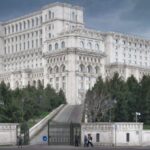
- Palace of the Parliament: Why This Building Is Both a Monument and a Controversy
- Price and Value: $22 for 3 Hours That Actually Makes Sense
- What to Pack, How to Walk, and Where You’ll Want Good Photos
- Who This Tour Fits Best
- Should You Book This Bucharest History, Art and Secrets Tour?
- FAQ
- How long is the tour?
- Where do I meet the guide?
- What languages are available?
- Is it wheelchair accessible?
- Are meals included?
- Are entrance fees included?
- What should I bring?
- Is there free cancellation?
Quick Hits: What Makes This Bucharest Walk Different
- Start at the Romanian Athenaeum, a neoclassical landmark tied to George Enescu and the city’s music culture
- A guided look at the Palace of the Parliament’s controversy, not just the photo from the sidewalk
- Small “in-between” stops like Kretzulescu Church, Pasajul Englez, and Umbrellas Street that add real local texture
- Passageways and old interiors you might miss without someone steering you there
- A break for tea or coffee to reset in the middle of the walk
- A finish at the Palace of the Parliament, so you end with the biggest story in sight
From the Athenaeum to the Royal Palace: Bucharest’s Formal Opening
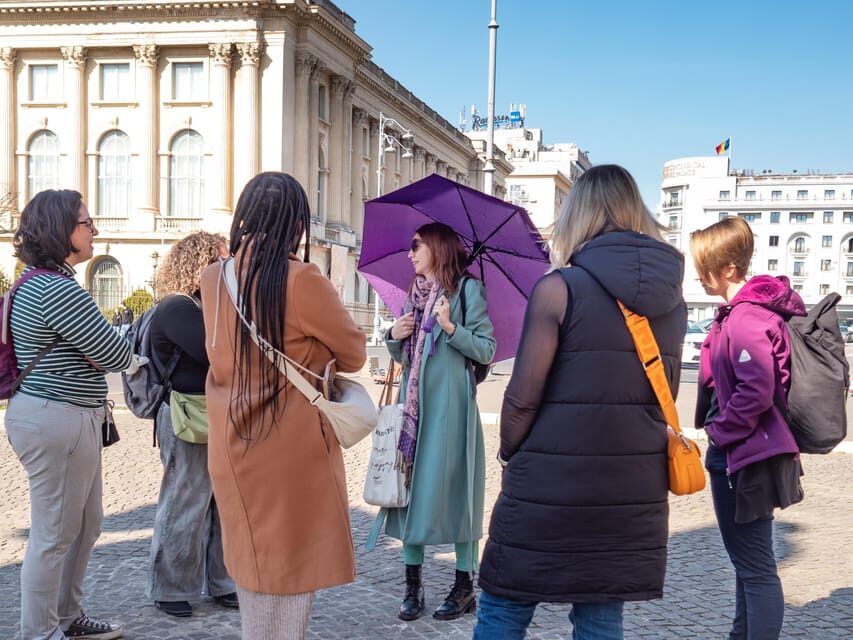
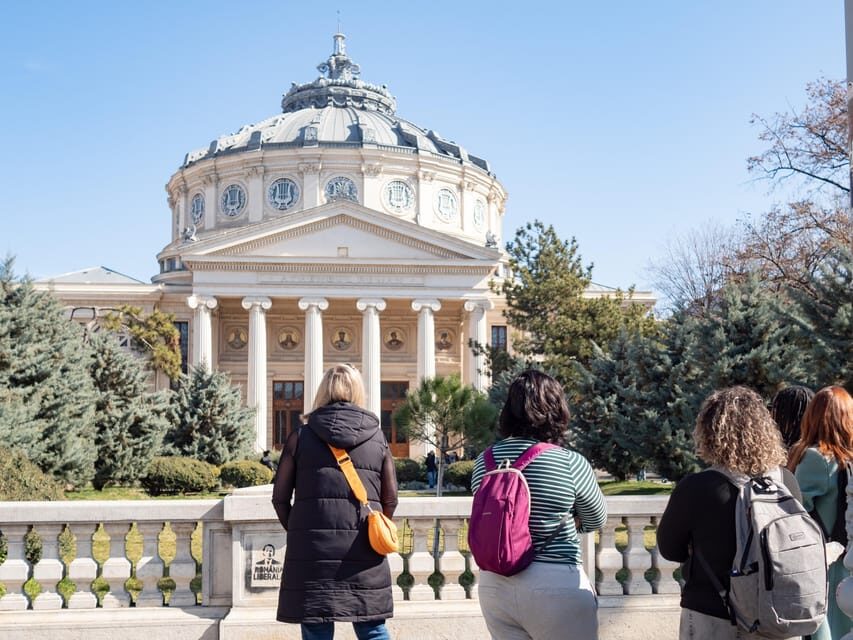
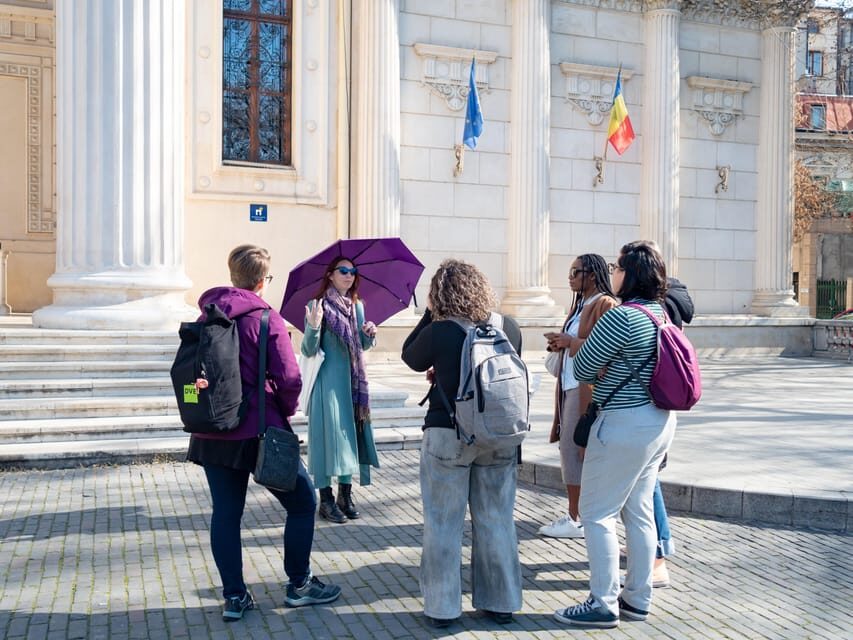
Most walking tours start with a generic meet-and-go. This one starts with a statement: the Romanian Athenaeum, right by the columns with a purple umbrella. Even if you’ve never been to Bucharest, you’ll recognize the building as soon as you see it—big, formal, and meant to signal culture.
The value here is how the guide frames the city immediately. You don’t just get a photo stop. You get context for why this kind of neoclassical architecture mattered, and how it connects to Romania’s cultural image. The Athenaeum is also the home of the George Enescu Philharmonic Orchestra, which gives you a quick, memorable link between the stones in front of you and the sound you’d hear inside.
From there, the route shifts to power and spectacle with the Royal Palace of Bucharest. You’ll get a photo stop and guided tour time, but the real payoff is in the explanation: how royal authority translated into urban space, and how the city’s center became a stage for major political chapters.
Next comes Revolution Square. This is one of those places where your brain wants to treat it like a single scene. The guide helps you treat it like a timeline—what changed, what stayed, and why the square became such a reference point for modern Bucharest identity. If you like history that feels tied to real streets, this part lands well.
You can also read our reviews of more historical tours in Bucharest
Quick practical note
The meeting point can be a little tricky to find if you’re relying on a taxi drop-off right at the entrance. I’d plan to arrive a bit early and confirm exactly where the purple umbrella is.
Churches, Passageways, and Umbrellas: The City’s Personality in Motion
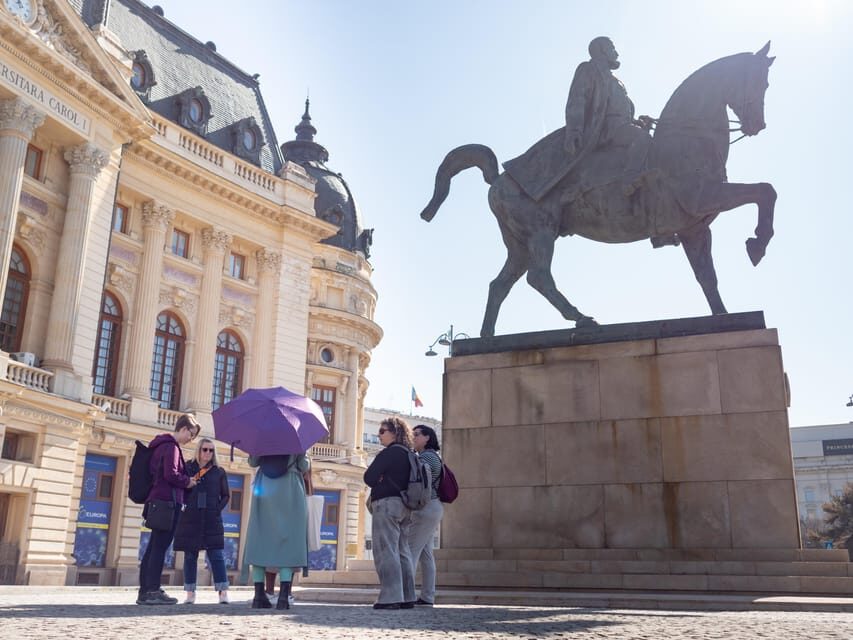
After the formal opening, the tour gets more human. You move from big monuments into places that feel lived-in, religious, artistic, and surprisingly playful.
First, you’ll stop at Kretzulescu Church. Churches in Bucharest aren’t only about worship; they also act like time capsules. The guide’s job is to help you notice what’s different about this one—details you’d normally skip when you’re just passing by.
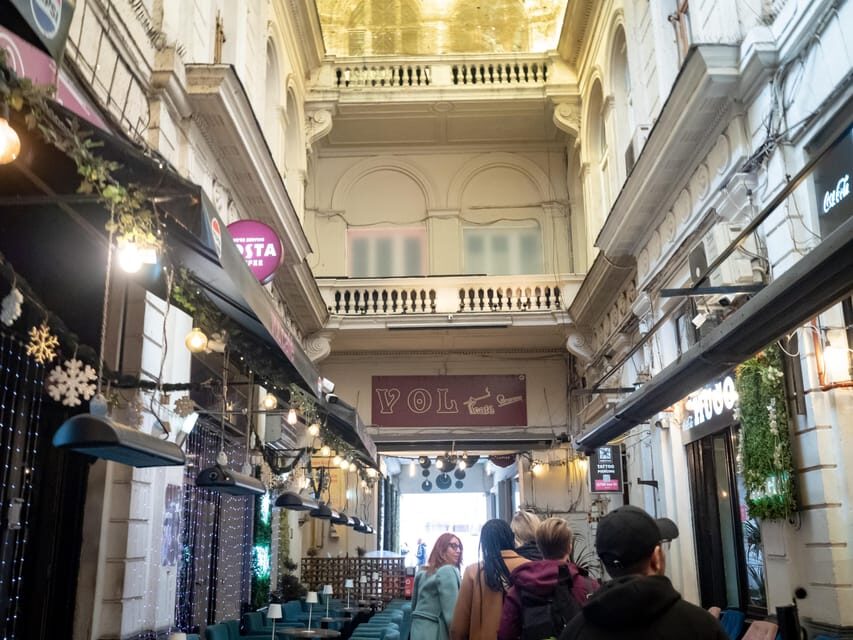
Then the route turns into architecture you can walk through without paying for a museum. Pasajul Englez is one of those passageways that makes you wonder why it isn’t on every first-timer map. Even with a short stop, you’ll get a clear sense of how these covered or semi-covered corridors shaped everyday movement—shopping, shortcuts, and social life tucked into the city’s fabric.
From there, you’ll hit Umbrellas Street. This is the “light in your pocket” stop—bright, visual, and easy to photograph. But the point isn’t only the cute look. It’s that street art and small-scale color changes are part of Bucharest’s ongoing conversation with itself. If you care about modern expression, this stop gives you a quick read on how the city updates its mood.
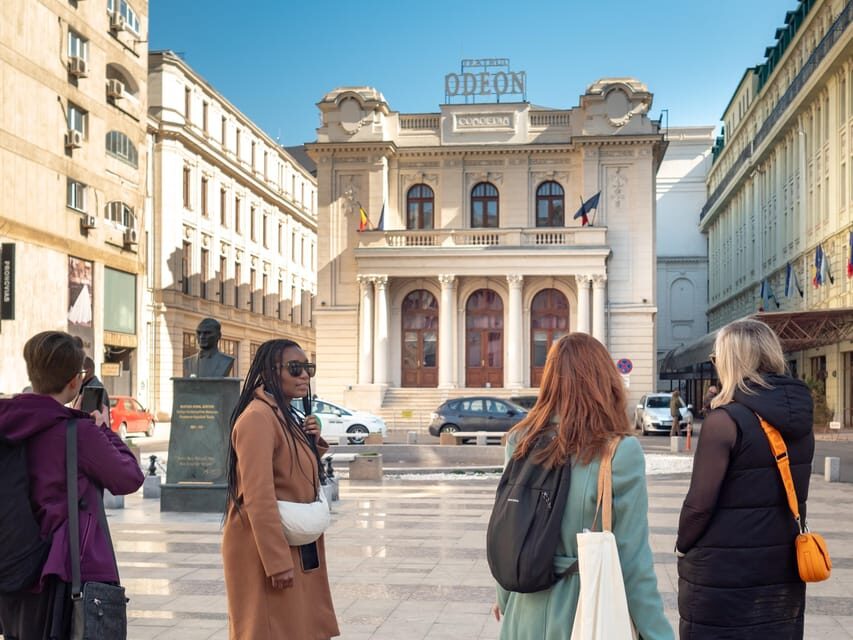
You’ll also see Odeon Theatre and National Military Circle. Theatre façades help you connect culture to architecture, while the military-related building helps you connect architecture to authority and public image. Both are quick photo-and-walk moments, but the guide’s storytelling turns them from just backdrops into clues.
The short, sharp break
There’s a local café break (25 minutes) in the middle. This matters more than you might think. Three hours on foot moves fast, and a real pause helps you regain your attention before the route picks up again.
Passages, Banks, and Monasteries: Bucharest’s Serious Side
Now the tour brings you to some heavier hitters—still on foot, but with plenty of visual payoff.
One highlight is Macca–Vilacrosse Passage. Passageways like this are perfect for a short guided stop because they reward curiosity. You’ll see the kind of design that makes people slow down. And since the time is limited, the guide tends to point out what’s most noticeable and most meaningful—so you come away feeling like you understood more than you looked at.
After that, you’ll stop at the National Bank of Romania. A bank sounds dull until it’s placed in context. When the guide links financial power to political control, the building becomes less about money and more about how a state presents itself. It’s a great example of why architecture tours work: the stones tell a story if someone gives you the key.
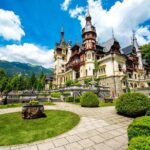
Next is Stavropoleos Monastery. Monasteries add spirituality, but here they also add atmosphere. This stop is a reminder that Bucharest didn’t become modern overnight. The guide helps you see why old religious spaces still matter in a city that has changed dramatically over the last century.
Then the route goes more everyday again with Caru’ cu bere. Even if you don’t go inside (entrance fees aren’t included), the building is famous for a reason. You’ll get guided commentary that helps you place it in the city’s culture of dining, gatherings, and “people-watching.”
You’ll also see CEC Palace. Think of it as the tour’s “power building with a face.” This kind of grand institutional architecture is where you can really feel the ambition of earlier eras—how governments and organizations wanted to look permanent and in control.
National Museum, Manuc’s Inn, and Antim Monastery: Short Stops With Long Echoes

By this point, you’ll have already built a mental map: culture at the Athenaeum, power in squares and palaces, faith and craft in churches and monasteries, and everyday life inside streets and passageways.
The tour then places you near the National Museum of Romanian History. You’ll have a photo stop and guided tour time, which is ideal because museums can eat your time if you go in with no plan. Here, you get enough orientation to understand why the museum matters and how it fits the broader narrative the guide is building.
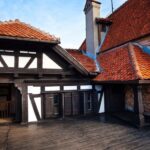
After that, there’s another small reset at Manuc’s Inn with a break/photo moment. Inns like this aren’t just buildings; they’re nodes in the movement of people and trade. Even without going deep inside, the guide’s explanation helps you read the structure like an old meeting point where different stories could cross.
Finally, you end with Antim Monastery before the big finish. A monastery at the end of a walk can feel like a quiet exhale. It also gives the tour a strong emotional arc: after the high-pressure and high-volume energy of big central buildings, you get a slower, reflective stop.
Palace of the Parliament: Why This Building Is Both a Monument and a Controversy
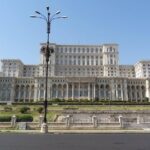
Every Bucharest tour eventually faces the question: what do you do with the Palace of the Parliament? A photo from outside is easy. Understanding why it looks the way it does—and what it did to the city around it—is the harder part.
On this tour, you get both: a break/photo stop (15 minutes) at the Palace of the Parliament, plus a finish at the Palace itself. The guide’s focus is the building’s scale and its controversial history—and how it shaped Bucharest’s landscape through decisions made by power.
Here’s the practical value for you: if you’re going to see the Palace anyway, doing it with a guide saves you the time of piecing together competing stories on your own. You’ll walk away with a clearer sense of what the building meant at the time it was rising, and why people still talk about it when they’re trying to describe Romania’s past.
Price and Value: $22 for 3 Hours That Actually Makes Sense
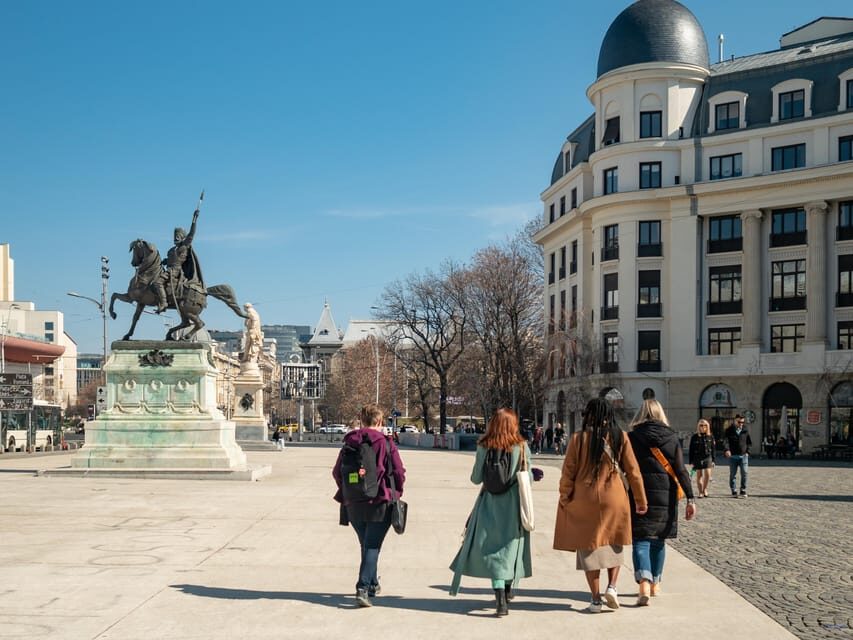
At $22 per person for about 3 hours, this is priced like a high-value orientation walk rather than a ticketed attraction day. You’re paying for a local professional artist guide, structured route planning, and expert insights into history and architecture—things that usually cost more when done as separate museum guides or private tours.
Here’s what you should know about value:
- It includes guided stops and interpretation, but entrance fees aren’t included, so if you decide to go inside anything later, you’ll pay separately.
- Meals and drinks aren’t included, but the tour does include a tea/coffee break partway through, which helps you not burn your energy before the final stretch.
- The route is compact. That matters because Bucharest sights are spread out enough that a poorly planned day can waste time commuting.
If you’re a first-timer, this tour helps you build a base map fast. If you’ve been in town a day already, it helps you connect the dots so landmarks stop feeling random.
What to Pack, How to Walk, and Where You’ll Want Good Photos
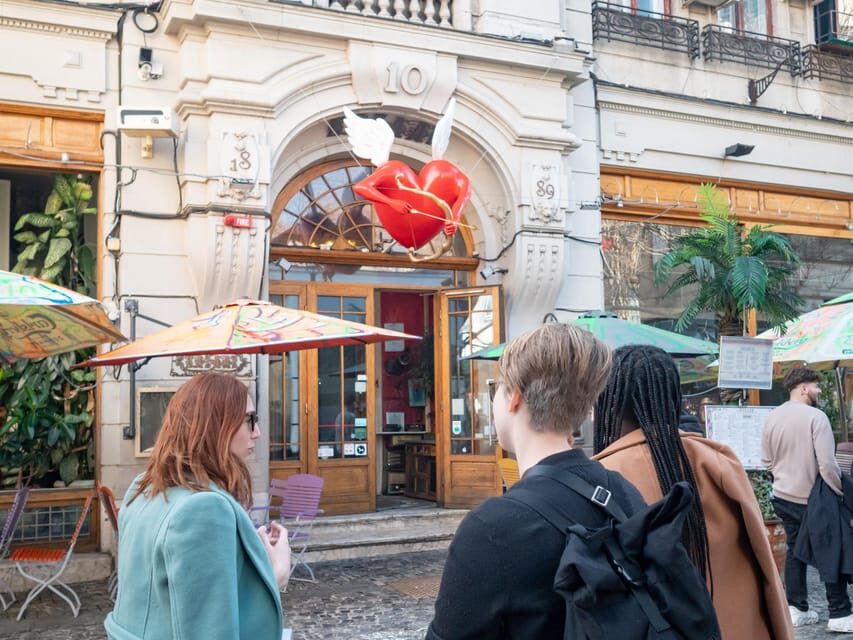
This tour is built for people who like to see a city on foot without turning it into a marathon.
Bring:
- Comfortable shoes
- Water
- A camera (and your phone, of course) because several stops are made for photos—Athenaeum, Umbrellas Street, and the big final frame near the Parliament.
Not allowed:
- Luggage or large bags
Timing-wise, the stops are short and focused: many moments are photo stop plus guided sightseeing at roughly 10 minutes each, with breaks added so your legs (and attention) can keep up. If it rains, you’re still moving, so having water-resistant footwear and a light layer is smart.
Who This Tour Fits Best
This tour is best for:
- First-time visitors who want a fast, guided understanding of central Bucharest
- People who enjoy mixing big monuments with smaller street-level stops
- History and art lovers who like stories tied to buildings
- Anyone who wants a local guide who can answer questions beyond the basic facts
If you’re someone who hates walking, or if mobility limitations make longer stretches hard, you’ll want to think carefully. The info notes wheelchair accessibility, but it also states it’s not suitable for people with mobility impairments, so this is one of those cases where you should confirm with the operator before you book.
Should You Book This Bucharest History, Art and Secrets Tour?
I think you should book it if you want the quickest route to understanding Bucharest’s contradictions: culture and power, old churches and new street art, quick visual stops and a guide who ties them together.
Skip it if you want a slow, museum-style day with long indoor visits, because this tour is set up as an on-foot orientation (and entrance fees aren’t included). Also skip it if you can’t do steady walking for three hours or you need to bring large bags.
If you do book, pick this up early in your trip. It gives you context for the rest of your days, so when you spot something you didn’t plan to see, you’ll already know what to look for.
FAQ
How long is the tour?
The tour lasts 3 hours.
Where do I meet the guide?
You meet in front of the Romanian Athenaeum, by the columns, with a purple umbrella.
What languages are available?
The live guide is available in Italian, Spanish, French, and English.
Is it wheelchair accessible?
The activity information says wheelchair accessible, but it also notes it is not suitable for people with mobility impairments. If this affects you, check with the provider before booking.
Are meals included?
No. Meals and drinks aren’t included, though there is a coffee or tea break during the tour.
Are entrance fees included?
No. Entrance fees to attractions aren’t included.
What should I bring?
Bring comfortable shoes and water. A camera is also a good idea for photos.
Is there free cancellation?
Yes. Free cancellation is available up to 24 hours in advance for a full refund.