REVIEW · BUCHAREST
Slavery in Romania,Myths and Truths on Gypsies, Walking Tour
Book on GetYourGuide →Operated by I TRAVEL IN ROMANIA · Bookable on GetYourGuide
Bucharest tells hard truths on a city walk. I love how this tour ties Roma myths and history to specific Bucharest places, from the former slave market site to the Holocaust memorial. I also like the option to finish with an optional jewelry workshop in a traditional setting, so the story isn’t only street-level talking.
One thing to consider: this is mainly a guided, site-focused experience. If you’re hoping for more direct two-way conversation with Roma community members, you might feel it stays more explanatory than interactive, even when it’s clearly delivered with care (and real humor from guides like Daniela, Andreea, and Mihai).
In This Review
- Key things I found especially good
- Roma myths, slavery, and resilience: what this tour is really about
- Meeting at Ion Creangă Theatre and how the 3-hour route feels
- The former slave market stop: where Bucharest history hits the street
- Passing the Romanian Athenaeum: arts, status, and public perception
- Cișmigiu Park: myth-correcting facts in Bucharest’s oldest garden
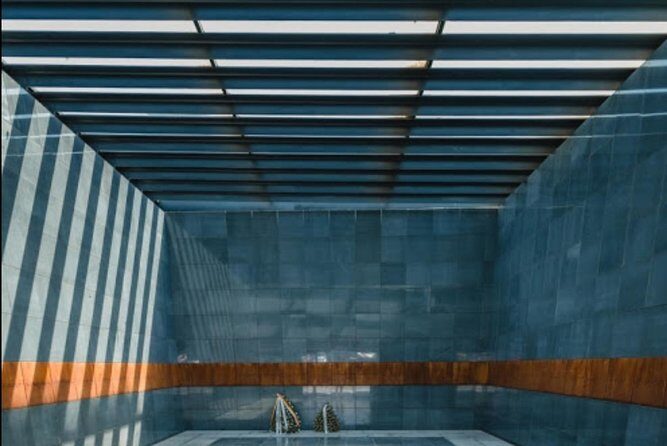
- Holocaust memorial in Romania: remembering Roma victims with clarity
- Communist-era traces and the social pressure behind policy
- From Piața Kogălniceanu toward MBQ: finishing where craft meets identity
- The optional jewelry workshop at Mesteshukar ButiQ (MBQ)
- Price and value: why $29 can make sense for this topic
- Who should book this tour, and who might skip it
- Should you book this tour?
- FAQ
- How long is the tour?
- What does the tour cost?
- Where is the meeting point?
- Is the tour offered in English?
- What are some of the main places you visit?
- Is there a break during the walk?
- Are food and drinks included?
- Can I add the jewelry workshop?
- What is the cancellation policy?
- Is reserve now, pay later available?
Key things I found especially good
- You start near Piata Romana at Teatrul Ion Creangă (Sala Mare) for an easy first-or-last stop in Bucharest.
- You see the Romanian Athenaeum area and talk about how art and culture can shape public perceptions of Roma life.
- Cișmigiu Park is built into the route as a calm reset while the guide corrects myths on the move.
- The Holocaust memorial stop centers Roma persecution in Romania, not just a generic WWII overview.
- You get communist-era context tied to visible city traces and social pressures that affected Roma communities.
- The optional jewelry workshop uses a traditional Roma crafts setting (with workshop time and included transportation).
Roma myths, slavery, and resilience: what this tour is really about
This isn’t a generic “Bucharest highlights” walk. It’s a focused history lesson on the Roma community in Romania, with an emphasis on the gap between what people think they know and what history shows.
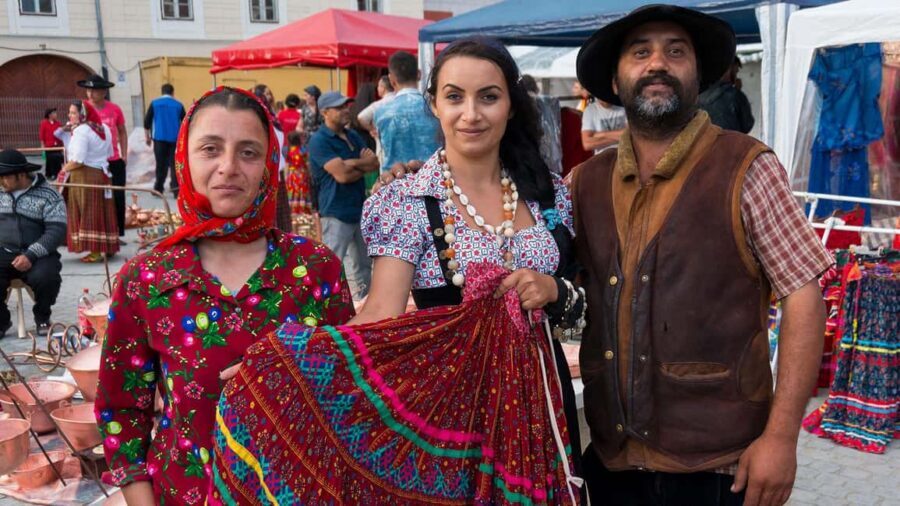
You’ll hear how Roma identity in Romania was shaped by centuries of prejudice, including the reality of slavery in Romanian territories and the long after-effects on family memory, social status, and public narratives. The tour also works to separate myths from facts—especially the lazy “gypsy” stereotypes that float around Europe.
The best part is the balance of tone. Several guides associated with this walk are praised for being empathetic and candid, with enough humor to keep the conversation human instead of heavy-handed. That matters here, because the subject is painful, and you want a guide who can explain it clearly without turning Roma people into a museum display.
You can also read our reviews of more walking tours in Bucharest


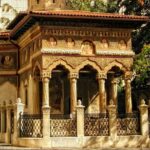
Meeting at Ion Creangă Theatre and how the 3-hour route feels
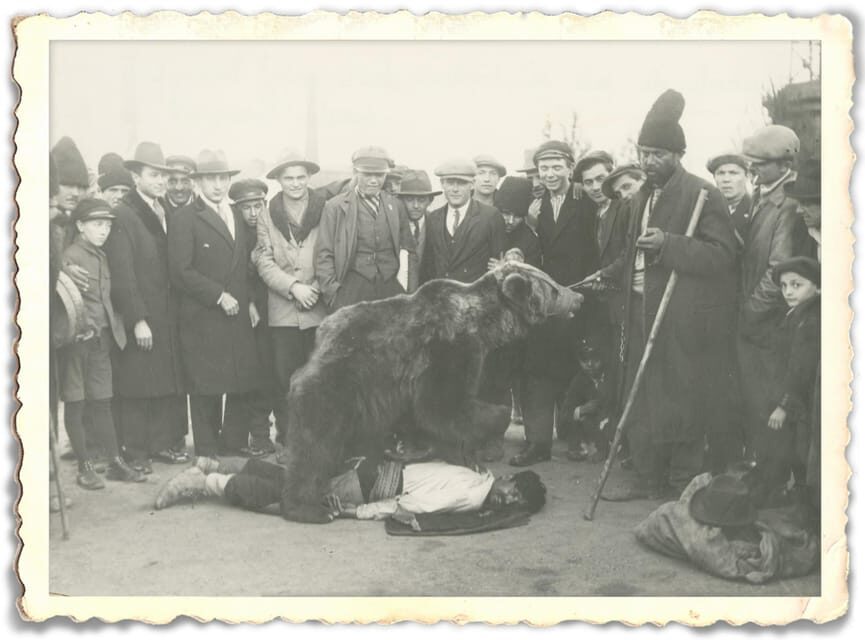
You meet at the small square in front of Teatrul „Ion Creangă” (Sala Mare). It’s about a 3-minute walk from Piata Romana metro, which is a nice setup if you’re already moving around Bucharest by subway.
The tour runs about 3 hours, with a live guide in English. Expect an organized pace: a mix of short guided segments and longer walking stretches, with a break built in so you’re not trapped in constant standing-and-listening mode.
Along the way, you’ll also get repeated “pause moments” to take photos and ask questions. One of the practical details that shows up in the experience is that guides pace for real people—hot weather included—by sharing shade, water moments, and enough time to absorb new info without rushing your brain.
If you’re the type who likes context as you walk—rather than only at the end—this format fits well. If you prefer purely visual sightseeing with minimal discussion, you’ll likely find this tour more talk-and-history than expected.
The former slave market stop: where Bucharest history hits the street
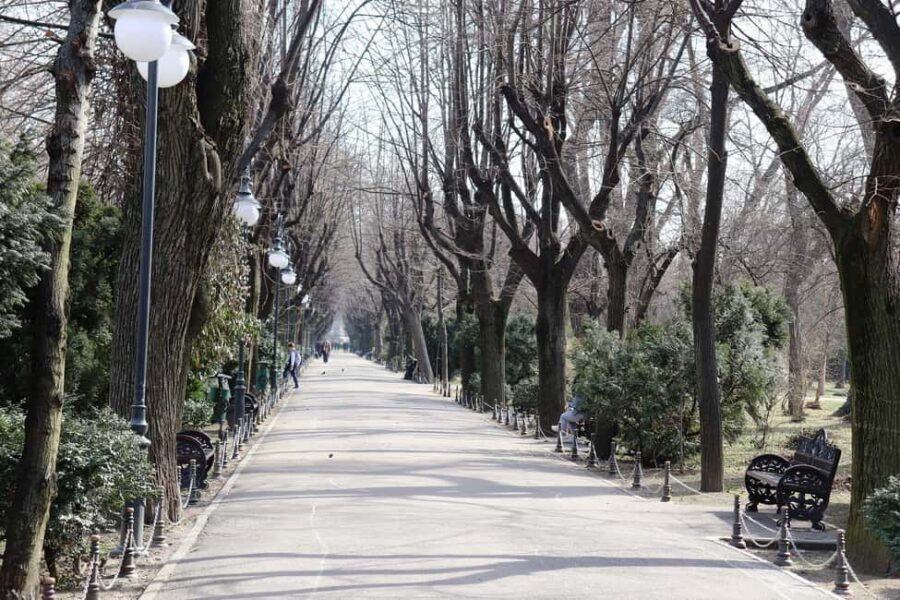
The tour begins the serious historical thread at an early stop: the site of a former slave market. It’s described as a haunting reminder of Romania’s complex history with Roma people, and you’ll get the context behind how human trafficking and enslavement operated—and how that shaped Roma identity long after abolition.
This part of the walk matters because it reframes stereotypes. Instead of treating prejudice as a vague attitude problem, you see it as something institutional and material: laws, markets, and social systems. That helps you understand why distrust and stigma didn’t vanish overnight, even when the formal rules changed.
The guide then connects that past to what you see in present-day Bucharest—how buildings, social patterns, and public perceptions have roots. Even if your brain wants to move on quickly, that early stop is the anchor: it tells you what story the rest of the walk is built to explain.
Passing the Romanian Athenaeum: arts, status, and public perception
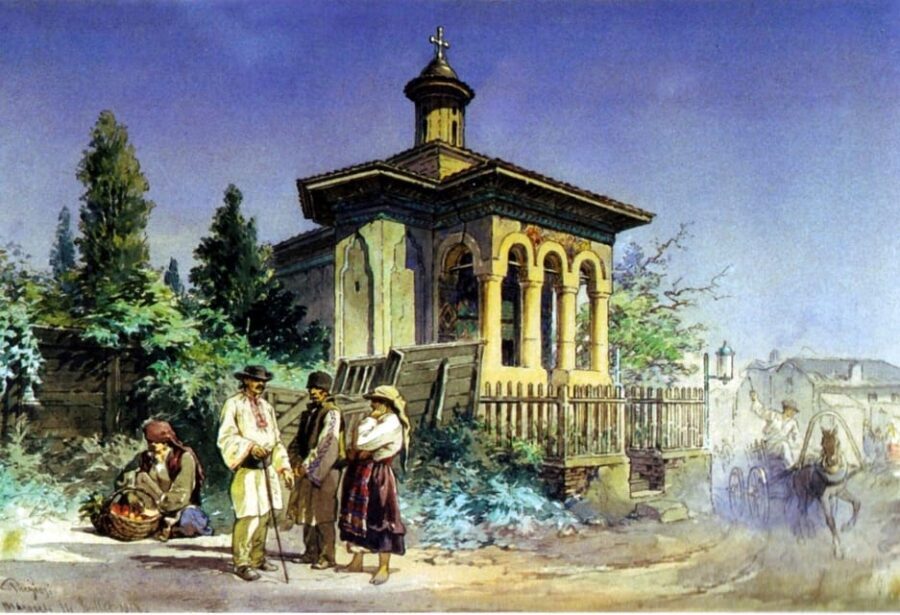
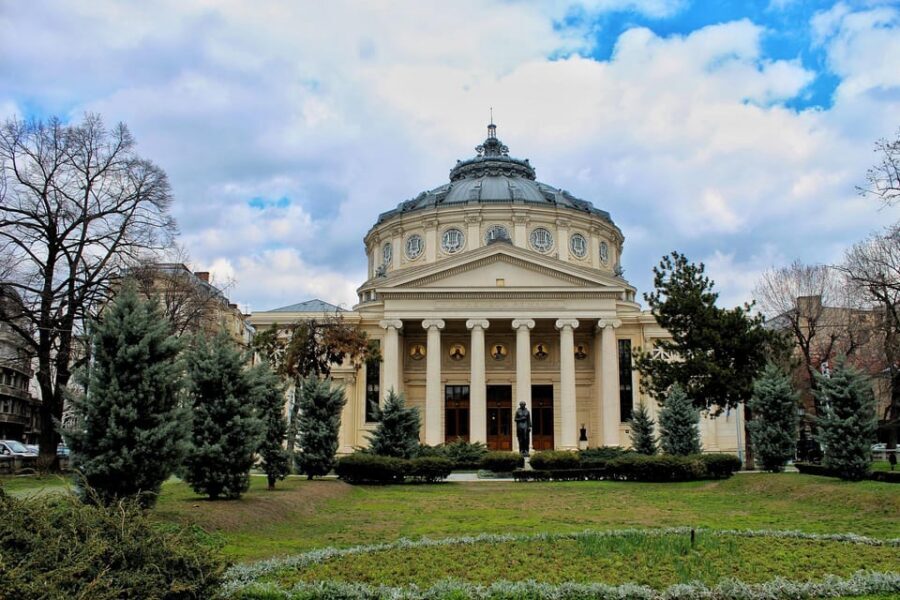
Next, you pass by the Romanian Athenaeum, one of Bucharest’s most recognizable landmarks. It’s not just architecture here—your guide uses it to discuss how art and cultural institutions can shape public perceptions of Roma people.
The idea is simple and useful: when culture is controlled or filtered by dominant narratives, the Roma community gets “explained” by outsiders. That can lead to myths, caricatures, and the kind of cultural shorthand that sticks.
You’ll likely notice how the tour uses big, famous spaces (like the Athenaeum) to talk about social power. It’s a reminder that Roma history isn’t only a side chapter—it intersects with national identity, public memory, and who gets to be seen as part of the story.
If you like seeing how monuments connect to politics and culture, this stop will feel rewarding. If you only want the pretty façade and nothing else, you’ll need to adjust your expectations because the guide will turn the spotlight back onto society, not sightseeing.
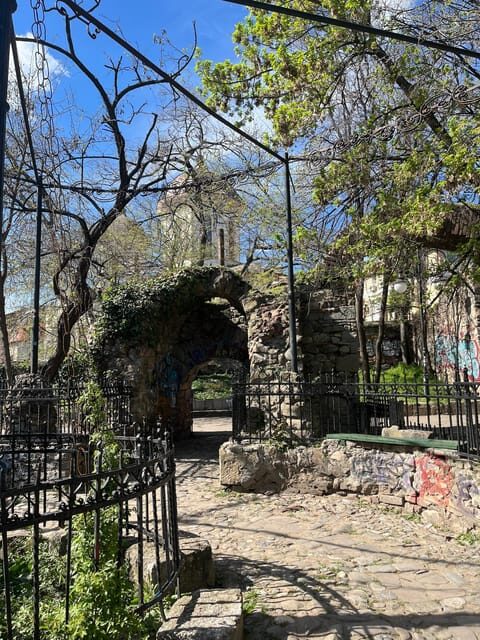
Cișmigiu Park: myth-correcting facts in Bucharest’s oldest garden
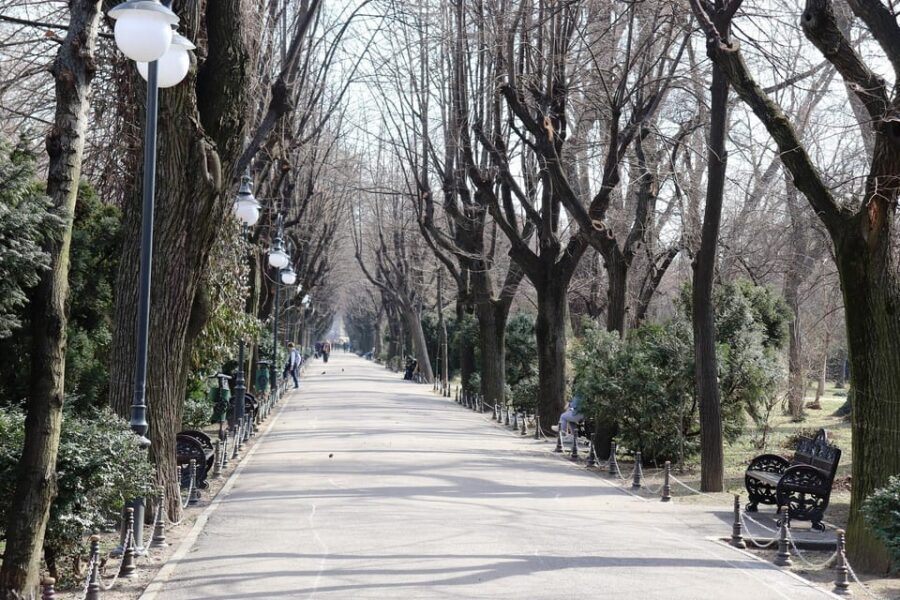
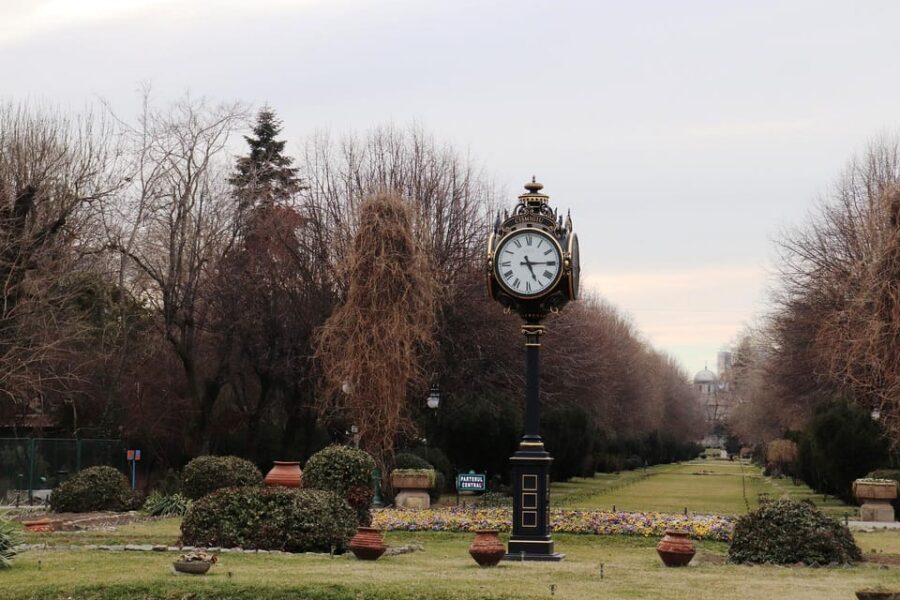
Between heavy topics, you get a breather at Cișmigiu Park, described as Bucharest’s oldest and largest garden. The route slows down for a more leisurely walk, and this is where the tour’s “myths and truths” theme often becomes easiest to process.
Walking in greenery changes the feel of the conversation. You’re not sitting in a classroom; you’re in a real public space where people live their daily lives, and the guide can keep the discussion grounded.
This is also one of the places where the tour’s tone comes through: correcting misconceptions without humiliating anyone, and using history to explain why prejudice survives. In practice, this stop works because it lets you absorb complicated ideas without feeling trapped in them.
It’s also a practical win. Parks help with pacing, photo breaks, and that mental reset you want after earlier, darker stops. If you’re traveling in warm weather, this section can make a difference in comfort.
Holocaust memorial in Romania: remembering Roma victims with clarity
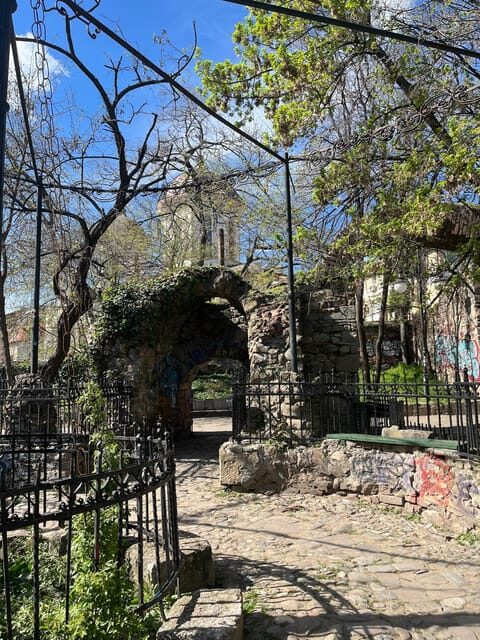
A key moment on the route is the Holocaust memorial in Romania. You’ll stop for photos and learn about the victims of this dark chapter, including the thousands of Roma lives lost to persecution and genocide.
This stop is important not only for historical accuracy but for respect. The tour frames Roma suffering as part of the broader story of WWII atrocities in Romania, not as an add-on footnote.
What I’d take from this section as a practical traveler: if you’re visiting Bucharest to understand modern Romania, you can’t skip the sites tied to mass persecution. They explain how propaganda and state violence were able to turn neighbors into targets.
Also, the route structure helps you emotionally. The Holocaust stop comes after you’ve already learned about the slave market site and social prejudice. That sequence makes the memorial feel less abstract, because you’ve seen how Roma were treated across different periods, under different regimes.
Communist-era traces and the social pressure behind policy
As you navigate the city streets, the guide connects what you see today to Romania’s communist past. You’ll pass areas including Piața Kogălniceanu and Revolution Square and learn how the regime’s policies affected Roma communities.
One theme that comes through in the tour’s storytelling is that communism wasn’t only about politics at the top. It influenced daily life: who got resources, who was targeted by discrimination, and how property and rebuilding shaped neighborhoods after the war.
You may also hear how postwar disputes and damage fed into long-running prejudice, including why some buildings and communities remained run down. This connects well to what you’re doing in the street: you’re learning to read the city as evidence, not as decoration.
If you want a Bucharest walk that gives you more than five-minute photo stops, this is a standout section. It shows the link between ideology and lived inequality—without pretending the story is simple.
From Piața Kogălniceanu toward MBQ: finishing where craft meets identity
Later in the walk, the route keeps moving through central areas, including a guided segment near Piața Kogălniceanu and a pass through Revolution Square. You get short bursts of context, and the guide uses the city’s layout to keep the narrative flowing.
The tour ends at Mesteshukar ButiQ [MBQ]. Depending on your chosen option, this is where the experience can turn from walking-and-talking into hands-on craft time.
Important practical note: the tour notes that the activity ends back at the meeting point, even though it also lists MBQ as the finish point. In real life, that usually means the route brings you back through central points so you’re not stranded across town afterward. Either way, you’ll end within the same general central area.
MBQ as a finish location also fits the tour’s overall theme. It gives you a physical place tied to Roma crafts and creativity, so the story doesn’t end at tragedy.
The optional jewelry workshop at Mesteshukar ButiQ (MBQ)
If you add the optional workshop, you’ll craft your own jewelry with an authentic Roma craftsman in a traditional workshop setting. The workshop and transportation are listed as included when this option is selected.
This is more than a souvenir pit stop. It’s a chance to see skills and traditions as living culture. You get to participate, ask questions, and leave with something you made yourself, not something you bought from a rack.
The workshop can be a smart choice for a different reason too. After a history-heavy route, hands-on time gives your brain a place to land. You’re still learning, but the learning switches from facts-on-stories to touch-and-process.
Timing-wise, it’s also a way to make the 3-hour experience feel “complete.” You leave with memory plus an object—both of which help the history stick.
Price and value: why $29 can make sense for this topic
At $29 per person, this walking tour is priced for a focused, guided experience rather than a long excursion with multiple paid attractions. You’re paying for:
- a live English-speaking guide
- guided walking and site context across central Bucharest
- a break at a local café (food and drinks not included)
- and (if you choose it) a jewelry workshop plus transportation
For a topic this heavy, having a guide who can explain slavery, persecution, and discrimination with respect is the real value. You’re not paying for comfort or luxury; you’re paying for interpretation, clarity, and a route that takes you to specific sites tied to Roma history and suffering.
If you love history tours but hate when they become dry, this one has the right ingredients: walking, visible landmarks, and story-driven explanations. If you’re only in Bucharest for a quick “greatest hits” day, you might decide this is too narrow. But if you want something real—something that helps you understand the country beyond postcards—this price can feel fair.
Who should book this tour, and who might skip it
I’d recommend this tour if you:
- want Roma history in Romania tied to actual Bucharest locations
- like structured walking tours with context at each stop
- care about understanding myths and stereotypes with facts and sensitivity
- prefer English guides who can keep a thoughtful tone
You might consider skipping if you:
- want mostly visual sightseeing with minimal conversation
- plan to visit under tight time constraints and need a flexible itinerary
- strongly prefer interaction-heavy formats (this one is mostly guided storytelling)
In general, this is best for travelers who enjoy learning by walking through the city’s layers—social, political, and human.
Should you book this tour?
Yes, you should consider booking if you’re open to a guided, respectful discussion about difficult history and modern prejudice, tied to meaningful Bucharest sites. The mix of major landmarks, a break in Cișmigiu Park, and the option of a hands-on MBQ jewelry workshop makes it more than a lecture.
If you’re worried about it being too heavy, don’t be. The route includes pacing and breaks, and the storytelling is designed to be clear and humane. Just go in ready to learn, and you’ll come away with a much sharper understanding of Romania—and of how myths become real-world harm.
FAQ
How long is the tour?
The tour lasts about 3 hours.
What does the tour cost?
The price listed is $29 per person.
Where is the meeting point?
Meet in the small square in front of Teatrul „Ion Creangă” (Sala Mare), about 3 minutes’ walk from Piata Romana metro station.
Is the tour offered in English?
Yes. The live tour guide speaks English.
What are some of the main places you visit?
You pass or stop at places including the former slave market site area, the Romanian Athenaeum, Cișmigiu Park, the Holocaust Memorial, and areas such as Piața Kogălniceanu and Revolution Square. The tour ends at Mesteshukar ButiQ [MBQ].
Is there a break during the walk?
Yes, there is a local café break time built in (15 minutes).
Are food and drinks included?
No. Food and drinks are not included.
Can I add the jewelry workshop?
Yes. There is an optional jewelry workshop. If you select it, the workshop and transportation are included.
What is the cancellation policy?
Free cancellation is available up to 24 hours in advance for a full refund.
Is reserve now, pay later available?
Yes. You can reserve now and pay later, with the option to pay nothing today.