REVIEW · BUCHAREST
Walking tour of Bucharest
Book on Viator →Operated by Mihnea Toncescu · Bookable on Viator
Bucharest rewards slow walking. This 3 to 4 hour group stroll links the French Institute in Romania area with parks like Ioanid Park and Icoanei green spaces, then finishes at the Biserica Icoanei, with English commentary along the way.
I like the professional guide part most. The guide Mihnea Toncescu (called Mihai in one review) is described as passionate, humorous, and strong with French, which makes the history feel like a story instead of a lecture. I also like that the listed stops have free admission tickets where applicable, so your money goes to interpretation, not entry fees.
One thing to consider: the French Institute stop includes an inside look only if it’s operating on working days. On some days, you may get more of an exterior view, and you’ll still be walking through parks, so dress for the weather.
In This Review
- Key things to know about this Bucharest walking tour
- The vibe: a guided walk that teaches you how Bucharest grew
- Starting at the French Institute in Romania (Bulevardul Dacia 77)
- Parcul Ion Voicu: where the city’s urban story begins
- Gradina Icoanei: another park, a different feel
- Biserica Icoanei: a quieter church with a bigger story
- How the guide makes the walk feel worth the money
- Price and value: why $24.19 can work well here
- Logistics that matter for your comfort
- Who should book this Bucharest walking tour
- Should you book this walk of Bucharest?
- FAQ
- What is the meeting point for the tour?
- What time does the walking tour begin?
- How long is the walking tour?
- Is the tour offered in English?
- What’s included in the price?
- Are entrance tickets included?
- Is the cancellation policy flexible?
- Can service animals join the tour?
Key things to know about this Bucharest walking tour
- English-led (with flexibility): Offered in English, and the guide may be multi-lingual.
- Small group size: Maximum of 50 people, which keeps the pace manageable.
- Start at the French Institute: You meet at Bulevardul Dacia 77, right near public transport.
- Parks + architecture in one loop: You connect Parcul Ion Voicu, Gradina Icoanei, and Biserica Icoanei.
- Free entry for the listed stops: Admission tickets are free where applicable, and the guide handles the flow.
- 3 to 4 hours, starting 10:00 am: Plan to be on your feet for most of the time.
The vibe: a guided walk that teaches you how Bucharest grew
This is the kind of Bucharest tour that helps you read the city as you walk. You’re not just ticking off landmarks. You’re getting explanations for why these places sit where they do, and what changed as Bucharest expanded around the late 1800s into the early 1900s.
The route is built around a simple idea: move from a major cultural institution, into neighborhood parks, and end with a church that tells you something about local importance and architecture. Between stops, you get the benefit of a guide pointing out details you’d likely miss if you walked on your own.
If you’re a first-timer, this is a practical way to build a base map. If you like culture and design—especially how daily life, parks, and religious buildings shape an area—you’ll enjoy the mix.
You can also read our reviews of more walking tours in Bucharest


Starting at the French Institute in Romania (Bulevardul Dacia 77)
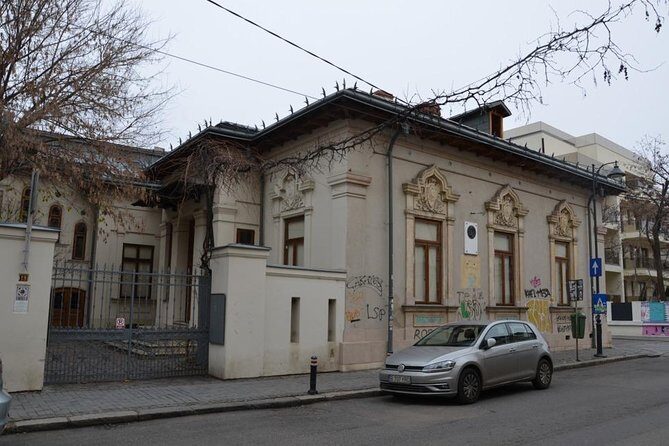
You begin at the French Institute in Romania in Bucharest, at Bulevardul Dacia 77. The timing is set for a 10:00 am start, and the tour loops back to the same meeting point at the end.
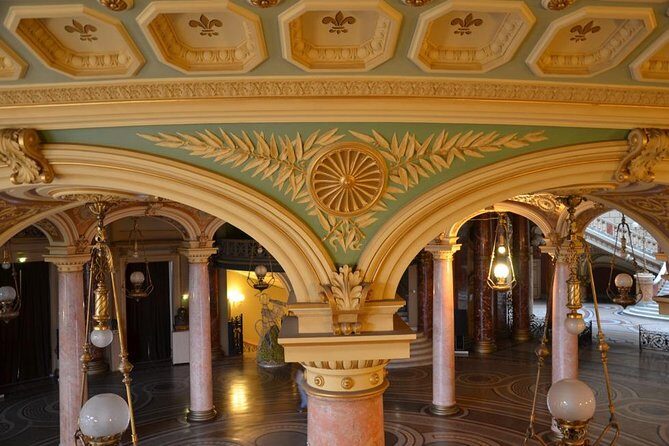
On working days, you may be able to look inside the Reception Hall. It’s a small window into the building’s role as a cultural hub, and it’s also where exhibitions often take place. Even if you don’t get full access to the interior, standing at the entrance with commentary still gives you context: France’s cultural presence in the city is part of the bigger story of Bucharest as an international crossroads.
Practical note: because the inside visit depends on working days, I’d treat the French Institute stop as a bonus when it’s available—not as a guaranteed museum moment.
Parcul Ion Voicu: where the city’s urban story begins
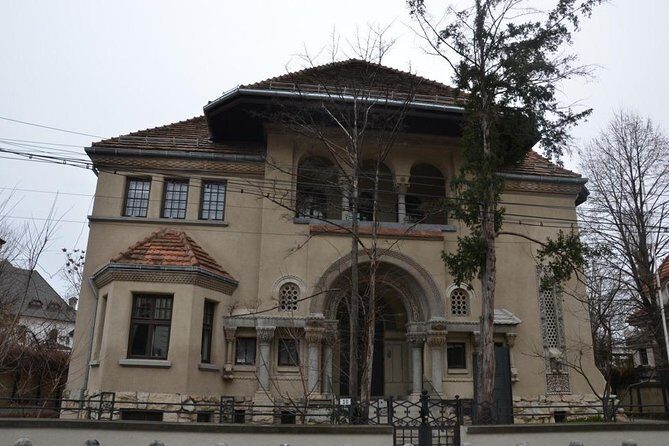
Next up is Parcul Ion Voicu. This is one of those stops that works best when you slow down and look at what’s around you, not just at a single landmark.
You’ll hear how urbanisation in Bucharest started here at the end of the 19th century and the beginning of the 20th. That matters because parks like this don’t just look nice. They often sit within the transition zones where a city’s layout shifts from older patterns into newer neighborhoods.
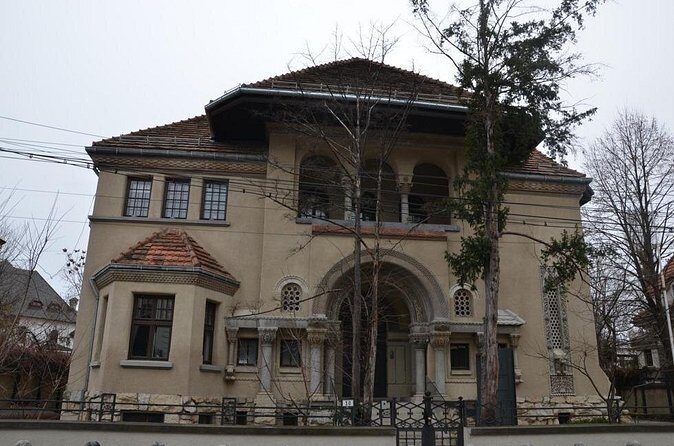
The guide also points out the houses and shares interesting histories connected to the area. That’s the value of including this park: you get a clearer sense of why the neighborhood looks the way it does, instead of treating it like a scenic break.
A small drawback: parks are exactly what they sound like. If the weather is wet, you’ll want proper shoes. This is walking-first, comfort-second—plan accordingly.
Gradina Icoanei: another park, a different feel
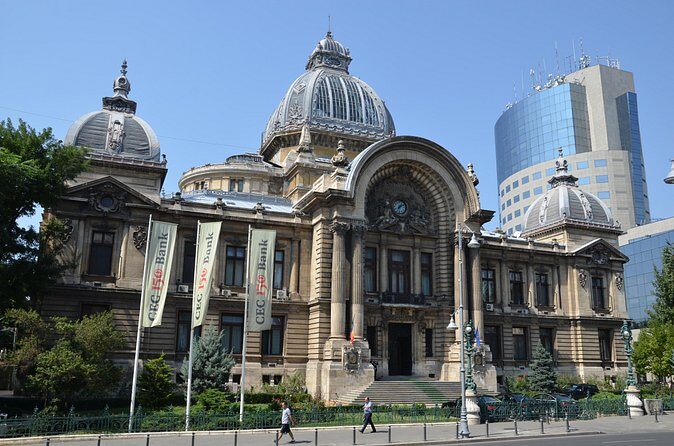
From Parcul Ion Voicu, you head to Gradina Icoanei. The tour keeps the focus on green space, but it frames this stop as different from what you saw before.
It’s positioned next to Ioanid Park, and the point isn’t just geography. It’s comparison. The guide sets you up to notice how parks can shape a district in different ways—through layout, surrounding buildings, and the atmosphere you experience as you move between them.
Think of this as your reset moment. After the urbanisation talk at Parcul Ion Voicu, Gradina Icoanei helps you absorb the area as a lived environment. You’re learning Bucharest by walking through it, not by staring at a brochure view.
Biserica Icoanei: a quieter church with a bigger story
The final big cultural stop is Biserica Icoanei, the Icoanei Church. This is the portion of the tour that feels most local and characterful—one of those places that isn’t trying to be famous, and that’s exactly why it’s worth your time.
You’ll hear that this church was once the most important church of the area. That detail changes how you look at it. You’re not just observing architecture. You’re imagining what the neighborhood looked like when this church mattered most to everyday life.
The stop is also built for people who like buildings and design. The guide highlights the church’s architecture as a reason to pay attention even if you’re not usually a church-person. The surrounding setting and the contrast between park space and sacred space makes the explanation land better.
If you want a deeper takeaway, here it is: the tour uses this church as a symbol for how community focus shifts over time. A church that used to anchor a district can still tell you a lot about the district’s earlier priorities.

How the guide makes the walk feel worth the money
The tour includes a professional guide, and this is where the reviews strongly line up. Mihnea Toncescu (also mentioned as Mihai) is described as enthusiastic, well-versed, and funny, with exceptional mastery of French. Even though the tour is offered in English, that level of control usually shows up in how clearly the story gets told.
What I like about this kind of guiding style is that it respects your attention span. You get enough background to make the details meaningful, but you’re still moving from stop to stop.
Also, with a maximum of 50 people, you’re not stuck behind a wall of shoulders. It doesn’t feel like you’re rushing to keep up with a crowd.
Price and value: why $24.19 can work well here
At $24.19 per person for about 3 to 4 hours, the price can feel like a bargain if you judge it the right way.
Here’s why: you’re paying mainly for the guide and the structure, not for paid entry sites. The listed stops include free admission tickets where applicable, including the French Institute reception hall access on working days. Food and drinks are not included, but the tour itself doesn’t load you up with extra ticket costs.
If you’ve ever tried to DIY Bucharest’s neighborhoods, you know how easy it is to miss the why. This tour gives you the why in a time-efficient package.
One more value factor: it’s a small-group format with a mobile ticket, so it’s low friction once you’re there.
Logistics that matter for your comfort
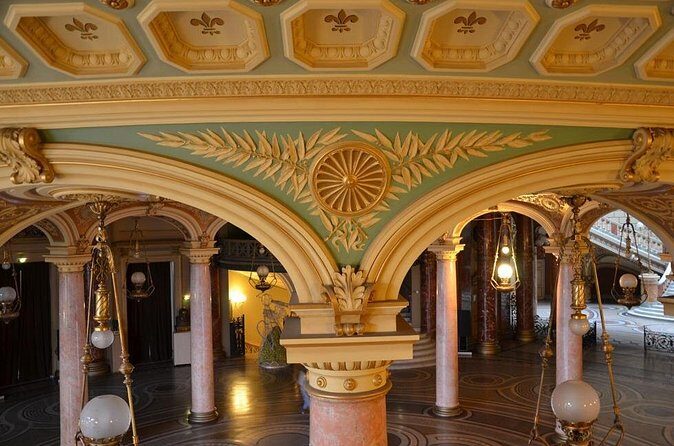
This walk starts at 10:00 am at the French Institute in Romania (Bulevardul Dacia 77, București 020051). It ends back at the same meeting point, so there’s no complicated end-of-tour navigation.
The tour is near public transportation. That’s useful because parks and churches don’t always sit right on the most obvious tourist routes. You can get yourself in and out without needing a taxi for every leg.
Service animals are allowed, and most people can participate. The tour is designed for a normal walking pace, but it’s still a few hours outdoors and between stops.
What I’d do before you go: wear comfortable shoes and bring a small bottle of water. Since food and drinks aren’t included, plan to eat before or after.
Who should book this Bucharest walking tour
You’ll get the most out of this if you fit one of these profiles:
- You’re in Bucharest for the first time and want a guided foundation around cultural landmarks.
- You like parks plus architecture, not just museums.
- You want an English tour with a guide who can bring personality into the storytelling.
- You’re curious about how Bucharest expanded around the late 1800s and early 1900s.
It’s also a good pick if you want something that isn’t overloaded with entry fees. The route uses free access where possible, so you can spend time looking and listening without adding costs at each stop.
If you’re only interested in the most famous sights with long interior visits, you might find this more of a neighborhood-and-context experience. That’s not a flaw—just a mismatch of expectations.
Should you book this walk of Bucharest?
I’d book it if you want a guided, cultural walk that helps you understand the city’s growth and local importance without turning your day into a museum sprint. The best part is the mix: French Institute context, park-based neighborhood urbanisation, and a church stop that explains why the Icoanei area mattered.
Two reasons to feel confident: the guide quality looks consistently strong, and the stops shown are largely free where applicable. Plus, it runs at a sensible length for a half-day plan.
The only real hesitation is availability of the French Institute interior on working days. If you’re traveling on a day when access isn’t possible, you’ll still get the rest of the walk—just treat the Reception Hall look as a bonus, not a guarantee.
FAQ
What is the meeting point for the tour?
The tour starts at the French Institute in Romania in Bucharest, located at Bulevardul Dacia 77, București 020051, Romania. It also ends back at the same meeting point.
What time does the walking tour begin?
The start time is 10:00 am.
How long is the walking tour?
The duration is about 3 to 4 hours.
Is the tour offered in English?
Yes. The tour is offered in English.
What’s included in the price?
A professional guide is included. You’ll also get a mobile ticket.
Are entrance tickets included?
Entrance tickets are not included in the price, except where the listed stops have free admission tickets where applicable.
Is the cancellation policy flexible?
Yes. You can cancel up to 24 hours in advance for a full refund.
Can service animals join the tour?
Service animals are allowed.