REVIEW · BUCHAREST
Transylvania: Cultural Full-Day Trip by Minivan
Book on GetYourGuide →Operated by CT&T, Romania · Bookable on GetYourGuide
Three castles in one day, and you leave satisfied. I like how the route pairs fairy-tale royal grandeur at Peles Castle with real Gothic mood at the Black Church. It’s also a fast way to escape Bucharest’s noise and get into the Carpathian scenery with an English-speaking guide. The main drawback is simple: it’s a long day, with a lot of time on the road and walking once you get there.
What makes this one feel worth it is the way it’s run. You get a hotel-area pickup, a modern air-conditioned vehicle, and a guide who handles the story behind each stop, not just the postcard views. Plus, the tour includes help with crowded entrances, and guides like Claudiu Cirjan (and other multilingual staff such as Alex) have a reputation for staying on schedule and managing ticket lines smartly.
In This Review
- Key highlights worth planning for
- Why this Transylvania circuit works in 12 hours
- Bucharest pickup and the Carpathian drive you’re actually paying for
- Sinaia and Peles Castle: royal showpieces, not just a name on a map
- Important timing note for Peles
- Sinaia Monastery: late-17th-century architecture and the art inside
- Bran Castle and the Dracula link: myth meets a real building
- Bran Castle opening note for Mondays
- Brasov old town walking highlights you’ll feel in your legs
- The Black Church: Gothic at full volume
- The Schei district pass-by: a quieter history layer
- Timing, pacing, and what to watch for on a long day
- Price and value: $441 per group up to 2
- Who should book this tour, and who might want a different plan
- Should you book this full-day Transylvania trip?
- FAQ
- How long is the Transylvania trip from Bucharest?
- What’s included in the price?
- Are meals or entrance fees included?
- Which languages is the live guide available in?
- What should I know about closures on Mondays?
- Is this tour suitable for wheelchair users or pets?
Key highlights worth planning for
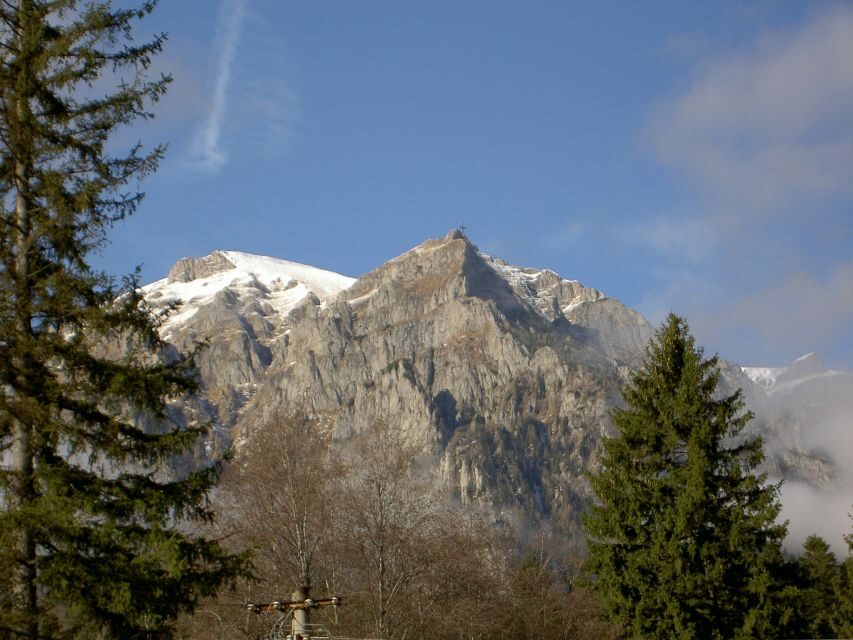
- Skip-the-line help when crowds spike, especially at the castle sites
- Peles Castle in Sinaia, plus the late-17th-century Sinaia Monastery visit
- Bran Castle and the Dracula connection, with a guided explanation tied to the place
- Old Brasov walking highlights, including Council Square and Council Tower
- The Black Church, described as the largest Gothic church in Southeast Europe
- Schei Romanian District pass-by, including St. Nicholas Orthodox Church
Why this Transylvania circuit works in 12 hours
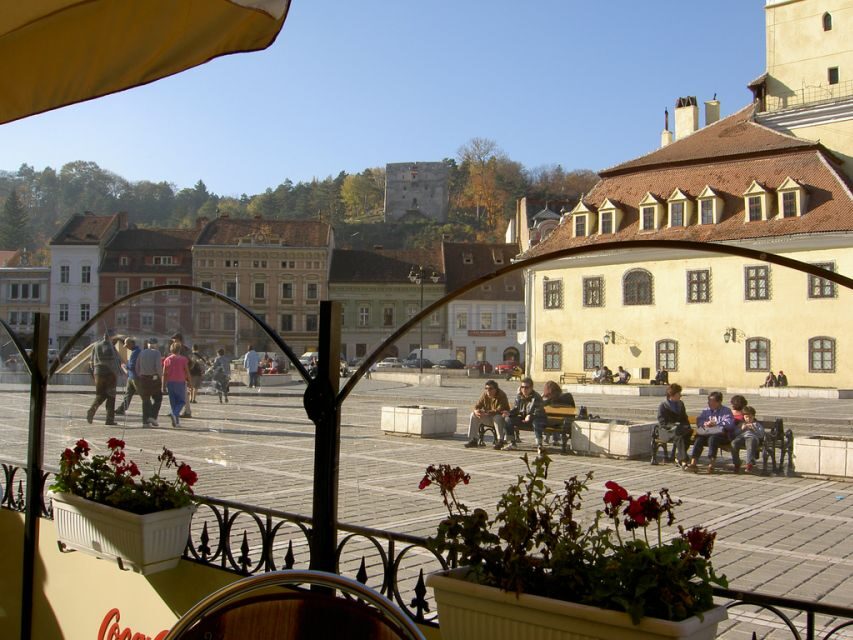
This tour does something practical: it clusters the most famous Transylvania names into one efficient loop. You’re not spending the day “between” sights—you’re moving through a sequence that makes geographic and historical sense: Sinaia first (royal era and architecture), then Bran (legend and castle drama), then Brasov (medieval town life and major church sights).
The timing matters too. You leave Bucharest in the morning, get your castle-heavy stops done before late afternoon, then finish with Brasov’s older center and its standout church before returning to the city around 8 pm.
If you enjoy history that feels grounded in real buildings—chapels, towers, church interiors, palace rooms—this format is a good fit. You can also treat it like a “taste test” for Transylvania. After one day, you’ll know which town and style you’d want to return to for more time.
You can also read our reviews of more tours and experiences in Bucharest
Bucharest pickup and the Carpathian drive you’re actually paying for
The day starts with pickup from your hotel or a central address in Bucharest. That’s not just convenient. It also helps the day stay calm: you avoid transit planning and you’re already seated in a modern air-conditioned minivan or car.
Once you’re out of the city, the Carpathian Mountains route becomes part of the experience. You’re not looking at Transylvania from one flat viewpoint—you’re traveling through it. And with a live guide, the drive isn’t dead time. Expect commentary as you pass through towns and terrain, which helps the later stops land better when you get out to walk.
The tour is set for about 12 hours total, so build in the reality that you’ll spend a decent chunk of the day traveling. Comfortable clothes and good shoes matter more than people think on these “big day” itineraries.
Sinaia and Peles Castle: royal showpieces, not just a name on a map
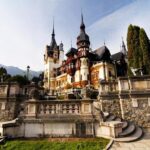
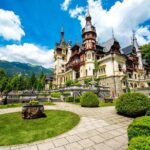
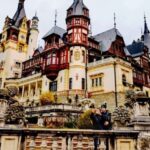
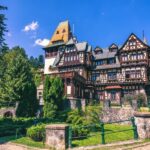
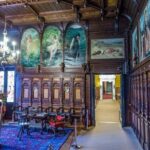
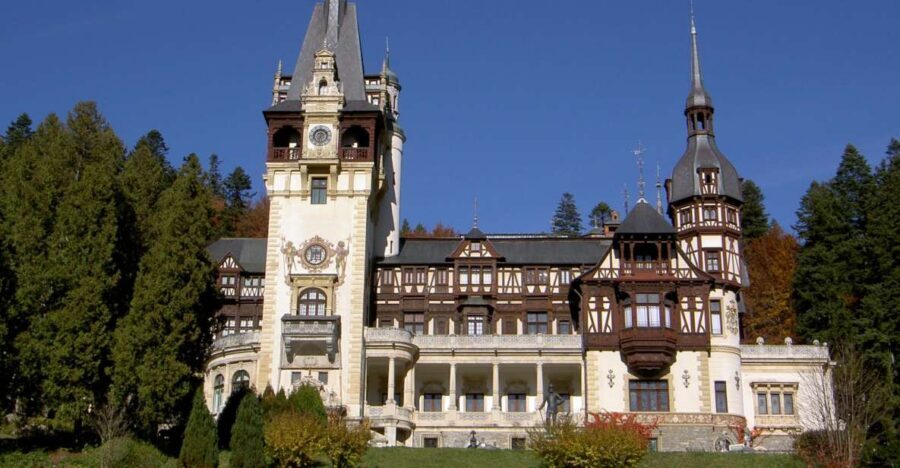
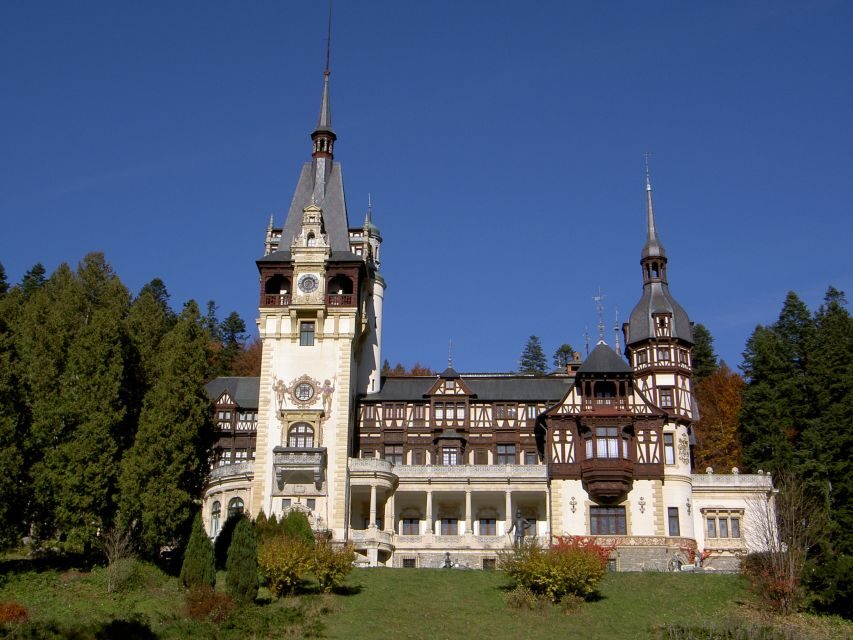
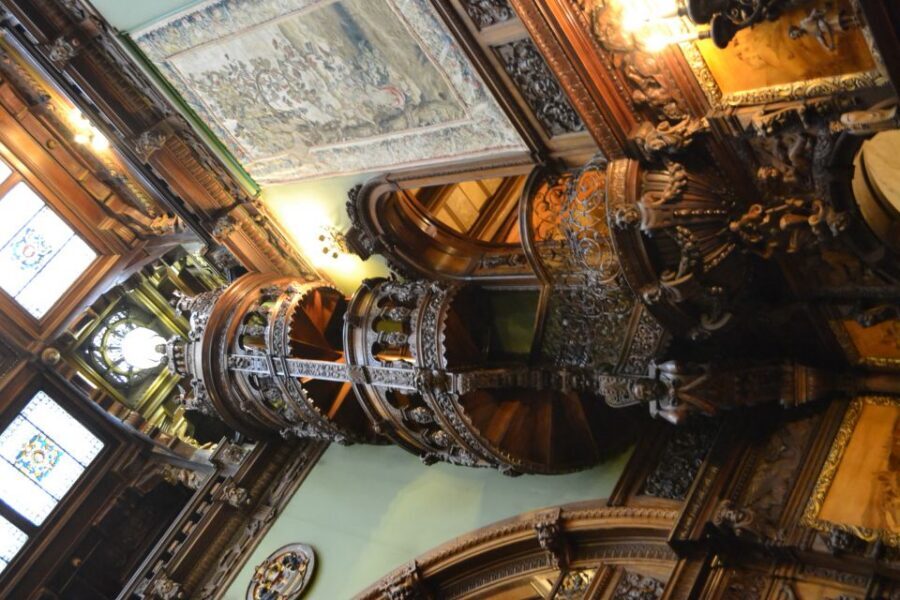
Sinaia is a mountain town known for its royal connections, and the centerpiece is Peles Castle. When you arrive, you’ll explore the castle with a guided visit, which is key here. A palace like this can look like pure spectacle if you wander alone, but with a guide you learn what you’re seeing—how the building works, what it represents, and why it’s treated like a major stop in Romanian cultural life.
Peles Castle is also one of the most photogenic places on the trip, with the kind of architectural detail that rewards slow attention. Even if you only have a few hours at this stop, it’s usually the part people remember most.
Important timing note for Peles
Plan around closures:
- Peles Castle is closed on Mondays and Tuesdays.
- During summer, it may open on Tuesday for a shorter program.
- In November, Peles Castle is replaced by Pelisor Castle.
That replacement is useful to know, because it changes the “feel” of the day. Pelisor still fits the royal theme, but it’s not the same building you might be picturing from photos.
Sinaia Monastery: late-17th-century architecture and the art inside
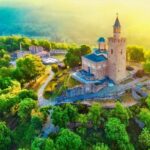
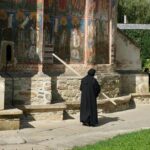
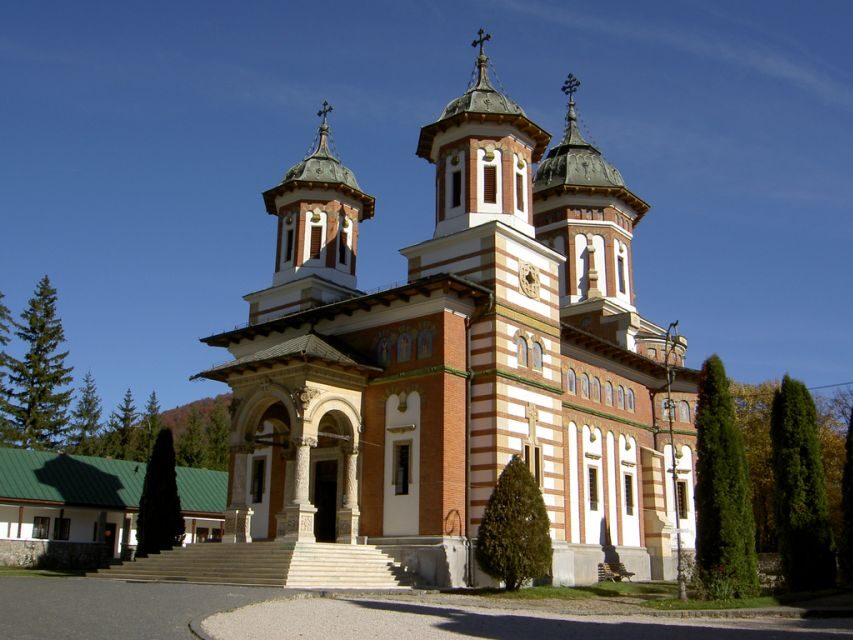
After Peles, the tour continues to Sinaia Monastery, a strong follow-up because it shifts you from royal residence to religious art and architecture. This stop is described as an excellent example of late-17th-century design, and it’s also known for the important art it contains.
What I like about adding the monastery here is pacing. After the palace rooms, your eyes get a different kind of detail: stonework, sacred spaces, and art that changes how you understand the region. It’s a chance to slow down for a more reflective visit, even if you’re still on a packed schedule.
If you’re thinking of photos, this is one of the more “inside-world” stops of the day. Wear layers—these churches and monasteries can feel cooler than outdoor light.
You can also read our reviews of more tours and experiences in Bucharest

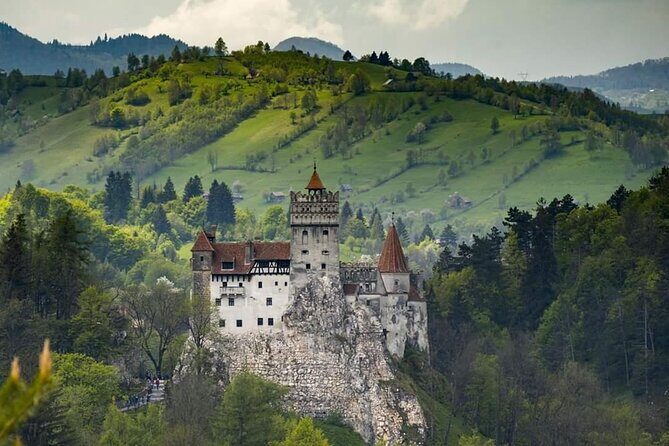
Bran Castle and the Dracula link: myth meets a real building
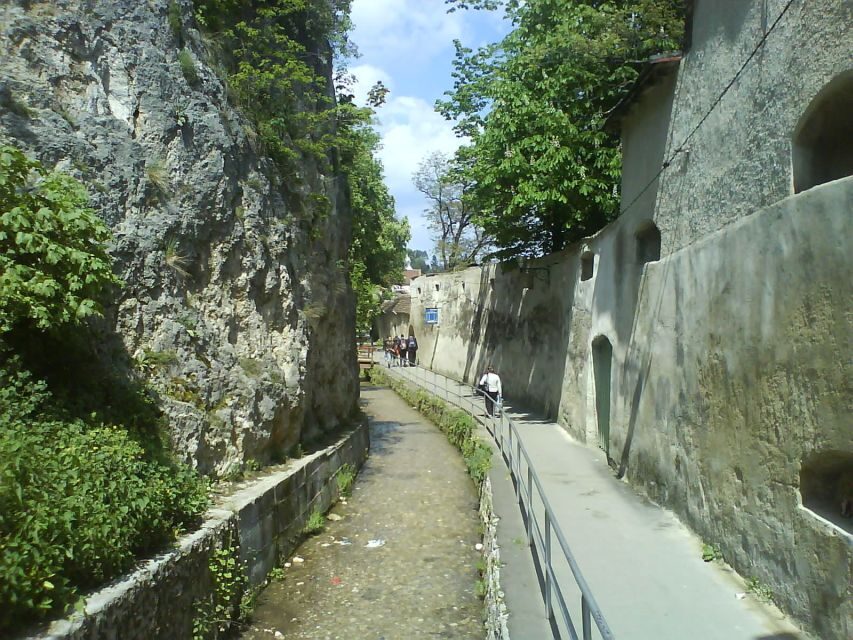
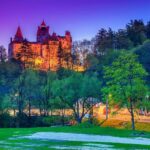
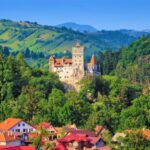
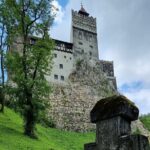
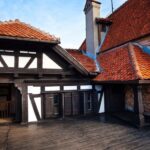
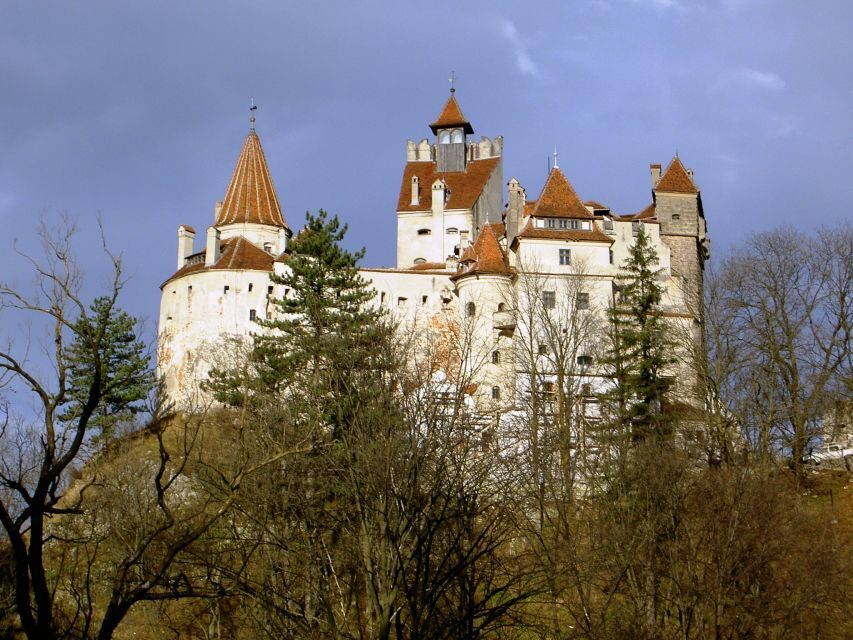
Bran Castle is often called Dracula’s castle, and the tour makes that connection part of the story. You’ll visit with a guide who explains why the legend stuck to this place, and how Bram Stoker’s novel became tied to the castle image people expect.
Here’s the practical point: Bran Castle is famous, which means it can be crowded. That’s exactly where the tour’s included skip-the-line help when it gets too crowded becomes valuable. You lose less time fighting with queues and more time inside the castle grounds where you actually want to be.
Bran Castle opening note for Mondays
Museums in Romania are often closed on Mondays, with an exception: Bran Castle opens at noon. If you’re booking for a Monday, keep in mind your timing may shift around that fact.
If you’re doing this day trip as a “Dracula day,” the guided explanation helps more than you’d expect. A castle visit can become surface-level fast if you only look for spooky vibes. With a guide, you get the cultural and architectural story that makes the legend feel less random.
Brasov old town walking highlights you’ll feel in your legs
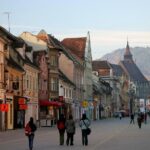
After Bran, you’ll have lunch time and then drive to Brasov for the main old-town sightseeing. Brasov works well at the end of a long day because it’s a compact historic center with walkable highlights.
Expect guided walking around key spots such as:
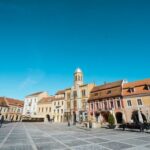
- Council Square
- Council Tower
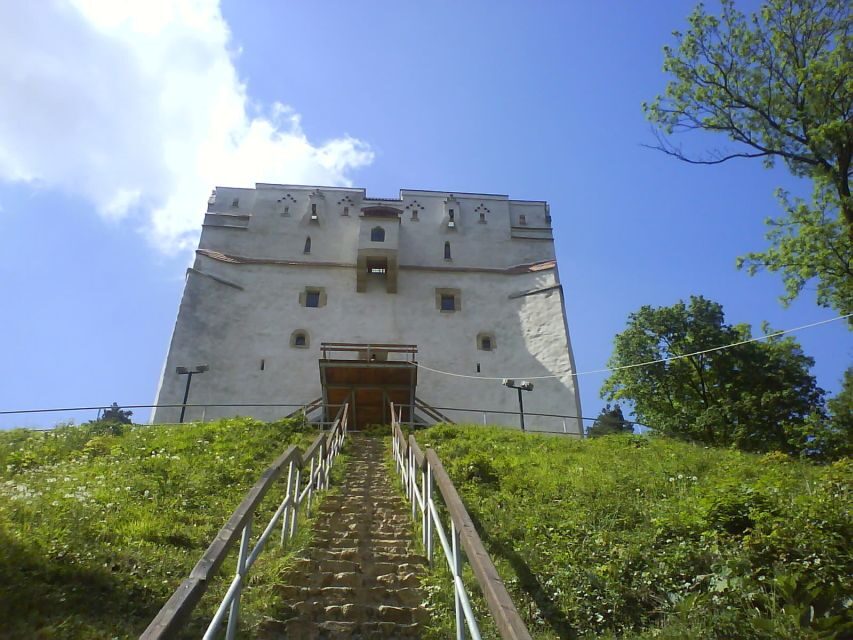
- Weavers’ Bastion
- The Black Church
This is also where the tour stops being “castle-only.” You start seeing a living medieval city layout: squares, towers, and defensive features that reflect how Brasov functioned over time.
The walking here is real. This isn’t a sit-on-a-bench stop. The tour also isn’t suitable for mobility impairments or wheelchair users, so comfortable footwear and a realistic expectation about pace are important.
The Black Church: Gothic at full volume
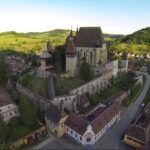
The star of Brasov is the Black Church, described as the largest Gothic church in Southeast Europe. The size and Gothic style matter, but the deeper value is how the church works as a historical focal point for the town.
If you like architecture that feels dramatic—high lines, strong forms, and big interior space—this is your payoff. It’s the kind of stop where you pause without noticing you’re pausing. You’ll likely see how locals (and visitors) treat it as a defining landmark.
The Schei district pass-by: a quieter history layer
The tour can also include a pass by the Schei Romanian District, plus St. Nicholas Orthodox Church. This is a nice add-on because it adds another layer of identity to Brasov beyond the central medieval core.
You’re not promised a full deep tour of the district, but you will have time to connect the dots: schools, faith communities, and older Romanian presence in Transylvania. It’s an angle that often gets skimmed when people focus only on the castles.
If you care about how different communities shaped a place, this pass-by helps you leave with a more complete picture.
Timing, pacing, and what to watch for on a long day
This is a full-day loop, and the schedule runs about 12 hours with return to Bucharest around 8 pm. That means you’ll want to protect your energy.
Here’s what helps most:
- Eat early or plan for snacks so lunch doesn’t become a life-or-death priority.
- Bring a light jacket or layers for the return drive. Weather can shift in mountain regions.
- Keep your ID accessible, since you need a passport or ID card for the day.
Also, check the weather forecast. The tour notes that you should dress appropriately, and I’d take that seriously. Rain, wind, or cold can change how comfortable your walking stops feel.
Finally, remember the closure pattern:
- Museums are usually closed on Mondays in Romania (with exceptions like Bran Castle opening at noon).
- Peles is closed Monday and Tuesday (with the summer Tuesday note).
If your travel dates fall close to a closure, you’ll want to double-check before you go.
Price and value: $441 per group up to 2
At $441 per group up to 2, this day trip can look pricey until you break down what’s actually included.
You get:
- Transportation by a modern air-conditioned car or minivan
- Driver and guide services
- Free hotel pickup
- Skip-the-line tickets when crowds are an issue
- A live guide in multiple languages (English, French, German, Italian, Spanish)
What you don’t get is also important:
- Meals are not included
- Entrance fees and photo fees are not included
So the value comes from reducing friction. A day like this is a chain reaction: if you get stuck in traffic or ticket lines, the whole schedule collapses. The built-in ticket help and the guided flow are where you feel the money pay off.
And the guide quality seems to be a real strength. The experience has a strong average rating (4.8 out of 5 based on 57 reviews). Names like Claudiu (including Claudiu Cirjan) show up repeatedly, along with praise for communication and keeping the day moving efficiently.
Who should book this tour, and who might want a different plan
This tour is a good match if:
- You want maximum Transylvania highlights in one day
- You’re interested in architecture, churches, and the Dracula connection
- You’d rather have a guide handle logistics like crowds and timing
It may not be a great match if:
- You need wheelchair access or have mobility limitations (the tour is not suitable for that)
- You don’t like long days on the clock
- You’re traveling with pets (pets are not allowed)
If you’re the kind of traveler who likes a clear plan and hates “we’ll figure it out later,” you’ll probably enjoy the structure.
Should you book this full-day Transylvania trip?
I’d book it if your priority is to see the big icons—Peles Castle, Bran Castle, and Brasov’s Black Church—without turning the day into a stressful scavenger hunt. The combination of royal architecture, Gothic church drama, and the Dracula-shaped story gives you a well-rounded Transylvania first impression.
I’d think twice if your travel dates land on closures like Mondays or Tuesdays, or if you’re sensitive to long walking and long road time. Those are the two practical reasons people end up disappointed on day trips: wrong day for your must-see, or energy running out halfway through.
If you’re flexible with dates and you show up ready for a full 12-hour schedule, this tour is likely to feel like a strong value: you’re paying for time saved and interpretation delivered, not just transportation.
FAQ
How long is the Transylvania trip from Bucharest?
The tour runs for about 12 hours, with return to Bucharest at approximately 8 pm.
What’s included in the price?
Included are transportation by a modern air-conditioned car or minivan, driver and guide services, free pickup from your hotel/location, and skip-the-line tickets when it’s too crowded.
Are meals or entrance fees included?
No. Meals, entrance fees, and photo fees are not included.
Which languages is the live guide available in?
The live tour guide is available in English, French, German, Italian, and Spanish.
What should I know about closures on Mondays?
Museums in Romania are usually closed on Mondays, except that Bran Castle opens at noon time. Peles Castle in Sinaia is closed on Mondays and Tuesdays (with a shorter Tuesday opening in summer).
Is this tour suitable for wheelchair users or pets?
No. It isn’t suitable for people with mobility impairments or wheelchair users, and pets are not allowed.