Bucharest tells its story best on foot. This private 2-hour walking tour maps the city’s major eras through places like Manuc’s Inn and Cismigiu Park, with an English-speaking guide who helps you connect the dots fast. I especially loved the way the route mixes money, religion, and street-level trade in just a couple of hours.
Two things really make this work: you get real guidance at each stop, not just photo time, and you also receive practical advice for what to do next in Bucharest. In guides I saw listed like Alexandra, Augustin, Karim, Zoé, Irina, and Camélia, the common thread is clear explanations plus a friendly, question-friendly pace.
One possible drawback: this is short and mostly walk-based, so if you want a long sit-down museum day, you’ll still need another plan. Plan for walking comfort and bring water, since food or drinks aren’t included.
In This Review
- Key things you’ll notice on this Bucharest walk
- Where this walk starts: Lipscani, the old-town hub
- First stop: Cismigiu Park for quick context and an easy start
- The Macca–Vilacrosse Passage: Bucharest as a story of commerce
- CEC Palace: money, institutions, and why Bucharest got rich in its own way
- Stavropoleos Monastery: Orthodox culture in the middle of the city
- Hanul Gabroveni: a surviving relic of the mercantile past
- Manuc’s Inn: where hospitality and trade meet
- Royal Palace and Sala Palatului: monarchy, politics, and big Soviet-era geometry
- How the guide changes the whole experience (in the best way)
- Walking + public transport: keep it efficient for only 2 hours
- Timing and pacing: enough time for photos, and room for questions
- Price and value: why $29 can make sense here
- Who this tour suits best
- Possible drawbacks to factor in
- Should you book this Bucharest highlights walk?
- FAQ
- FAQ
- What is the duration of the Bucharest walking tour?
- Where does the tour start?
- Is this tour private?
- What languages are available?
- Does the tour include transportation?
- Is food or drink included?
- Is there help with tickets for visits?
- Is it wheelchair accessible?
Key things you’ll notice on this Bucharest walk
- Private, customizable format so the focus can shift to what you care about most
- English-speaking guide (also French and Spanish options) with plenty of time for questions
- Cismigiu Park + Lipscani old-town feel from the first minutes to the last stop
- Trade-to-finance-to-politics storyline through places like Hanul Gabroveni, BNR-area sights, and the CEC Palace
- Orthodox culture stop at Stavropoleos Monastery in the middle of a busy historic district
- Ticket help for major sights when you want to go beyond the walk, including guidance mentioned for Palace of the Parliament
Where this walk starts: Lipscani, the old-town hub
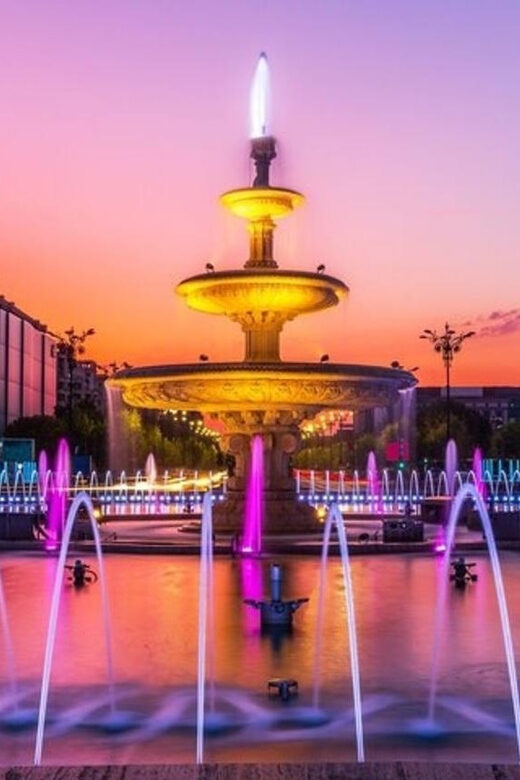
You begin at Str. Franceză 60, right in Bucharest’s historic Lipscani area. That matters more than you’d think. Lipscani is the part of town where you can step from one era to the next without a lot of travel time, and it’s packed with cafes and cultural stops if you want to keep going after the tour.
This kind of location also makes the tour feel practical. You’re not stuck far out on the edge of the city. Instead, you’re positioned close to major attractions like the Palace of the Parliament and the Old Town (Centrul Vechi). And since the guide can share ideas for what to do next, starting here gives you options immediately after the walk.
You can also read our reviews of more walking tours in Bucharest

First stop: Cismigiu Park for quick context and an easy start
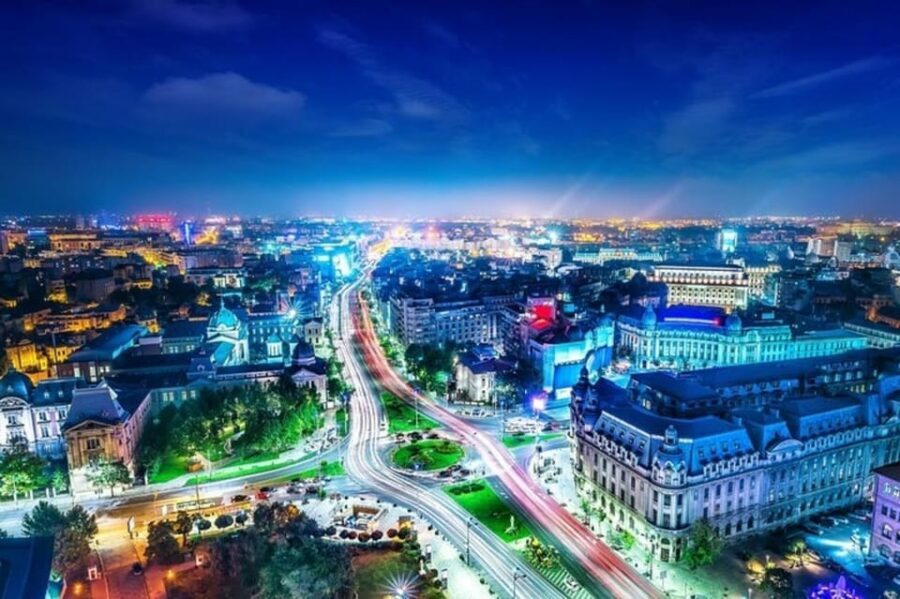
You start (and you also finish) in the area of Parcul Cismigiu. This is Bucharest’s oldest park, and even if you’re not a “park person,” it’s a smart introduction. It gives you a breath of calm before the streets become history lessons.
At the park you’ll have time for a photo stop and a guided look. The point isn’t to do a long stroll. It’s to set the tone: Bucharest is a city that survived political pressure, rebuilding, and change—so it makes sense to begin in a place that feels rooted and steady.
Practical tip: if you’re sensitive to sun or wind, the park can be a nicer first hour than starting straight into narrow streets. Use it to get your bearings.
The Macca–Vilacrosse Passage: Bucharest as a story of commerce
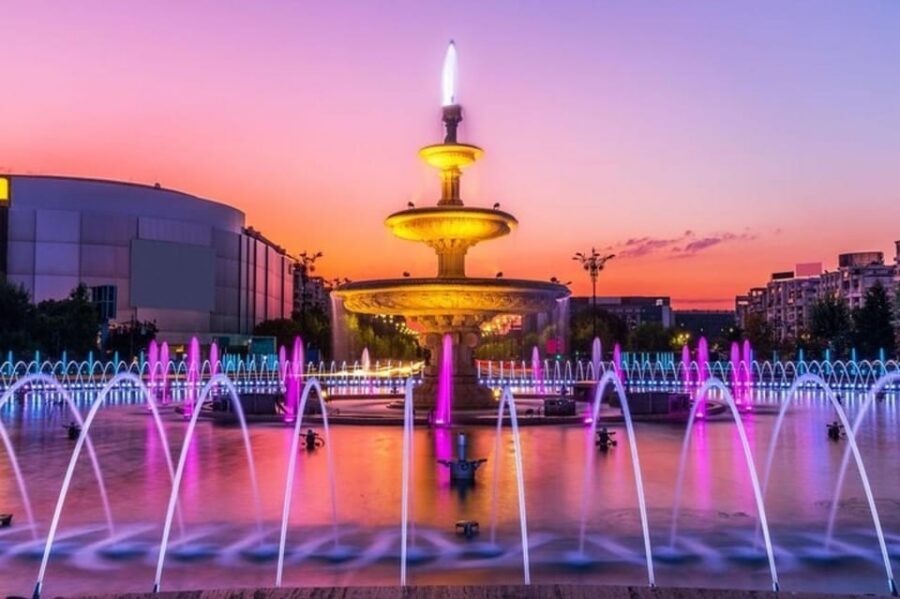
Next comes the Macca – Vilacrosse Passage, a place that feels like a little “in-between” world. You’ll stop for photos, walk through, and get guided context. This is where Bucharest starts to feel like a city built on movement—goods, money, and people flowing through spaces like passages and markets.
Why I like this stop: it bridges the gap between architecture and daily life. You learn to read the city beyond the big monuments. Even if you’re only passing through, you start noticing how commerce shaped the streetscape.
If you’re traveling with someone who only half-pays attention to “history,” this is a good moment. Passages are visual. You don’t need a lecture to understand why they mattered.
CEC Palace: money, institutions, and why Bucharest got rich in its own way
Then you head to Palatul CEC (often called the CEC Palace). Here the focus is on Bucharest’s financial evolution—how institutions grew and how power showed up in buildings.
Again, the value is interpretation. This isn’t just a pretty façade stop. You’re walking with a guide who can explain what the building represents and how it fits into the city’s overall shift from monarchy-era structures to later political realities.
If you care about architecture and the way governments and banks leave physical marks, you’ll likely enjoy this. It’s one of the stops that makes the “what you see is connected to why it exists” feeling click.
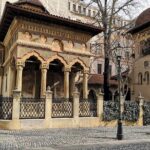
Stavropoleos Monastery: Orthodox culture in the middle of the city
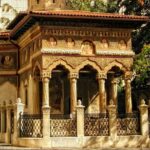
After the civic and financial storyline, you reach Stavropoleos Monastery. This is an Orthodox culture stop, and the setting helps you feel how spiritual life sits right alongside urban life.
Expect a photo stop, guided tour, and a chance to take in the details. Even if you don’t follow Orthodox traditions, you can still appreciate the architecture, the atmosphere, and the fact that Bucharest holds multiple layers in one tight area.
This is a good moment to slow down. Listen for the guide’s framing about how faith and community have changed over time here. The monastery becomes more meaningful when you already know what trade and institutions have been doing across the previous stops.
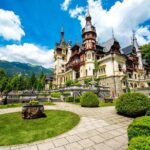
Hanul Gabroveni: a surviving relic of the mercantile past
Next is Hanul Gabroveni, described as a relic of Bucharest’s mercantile past. If you’ve ever wondered how a city functioned before modern malls and office towers, this is the kind of place that answers it without needing a textbook.
You’ll have time for photos and a guided look. The guide’s job here is crucial: they help you see what you’re looking at—what a trading venue meant, who used these spaces, and why it shaped the Old Town feel.
I love stops like this because they don’t demand that you already know the history. You’re standing in a place that explains it for you. It’s also a great contrast to the palace-and-monument parts of the city.
Manuc’s Inn: where hospitality and trade meet
Then you reach Manuc’s Inn. This is an anchor point of the tour because it connects Bucharest’s origins and trading heritage in one memorable stop.
You’ll pause for photos, then get a guided visit and sightseeing walkthrough. The tour framing around Manuc’s Inn is especially helpful if you want a clear timeline. You hear how older Bucharest worked, and you can see why these venues mattered to travelers and merchants long before today’s tourism.
If you’re the type who likes real-world details—where people stayed, how goods moved, how the city welcomed outsiders—this stop will feel satisfying. It also sets up what comes next conceptually: Bucharest never stops changing, it just reuses the same geographic stage.
Royal Palace and Sala Palatului: monarchy, politics, and big Soviet-era geometry
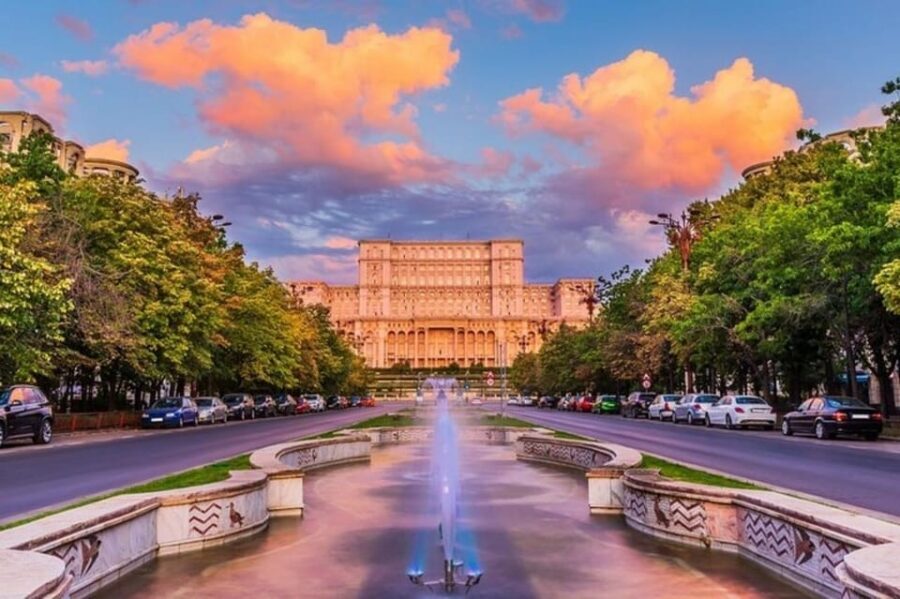
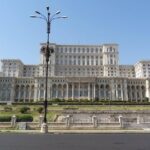
As the walk continues through the historic core, you’re also meant to marvel at the Palatul Regal / Royal Palace and contemplate the Stalin-era architecture of Sala Palatului. Even when your time is limited, these stops matter because they show you how the city’s political story is written into its skyline.
This is where the tour’s value shifts from “see places” to “understand why the places changed.” You’ll gain insight into the nation’s path from monarchy to communism to democracy, and you’ll see why Bucharest’s architecture can feel like a series of political chapters.
A quick note on expectations: your exact amount of time at each large building may depend on the walking flow and the guide’s pacing, but the emphasis on political transformation is built into how the route is explained.
How the guide changes the whole experience (in the best way)
One of the most consistent themes in the tour experience is how much the guide personalizes the day. The tour is private and exclusive, so you’re not dealing with a big group rhythm. It’s also described as customizable, which means if you care more about religious sites, architecture, or political history, you can steer the conversation.
I also like that you’re not left on your own after the walk. The guide gives lots of practical advice about other things to do in Bucharest. And for something big like the Palace of the Parliament, you can get help booking or figuring out tickets—this came up in guide-specific feedback from named guides like Alexandra, along with other guides who were praised for being warm and engaging.
If you want a tour that feels like a helpful conversation with someone who genuinely knows how to explain what you’re seeing, this format is a strong fit.
Walking + public transport: keep it efficient for only 2 hours
This is a 2-hour experience, so efficiency matters. The plan includes a walking tour and public transport in the standard setup, with an exception if you select an option that changes the transport approach.
That balance is smart. Pure walking in the center can work, but Bucharest distances and street angles can chew up time. Using public transport when appropriate helps you see more without turning the tour into a slog.
What to do as a traveler: wear comfortable shoes and accept that 2 hours means shorter stops. The payoff is that you leave with a mental map and a list of follow-ups.
Timing and pacing: enough time for photos, and room for questions
The stop structure suggests a photo stop plus guided time at each major place. That’s ideal for most people: you get time to take photos, and you still hear the story behind the setting.
The pacing is also set up to be question-friendly. Multiple guide notes in feedback mention engaging conversation, explanations, and a comfortable walking pace. In practical terms, that means you should come with at least a couple of questions, like what changed most after communism or which sites are worth seeing again at night.
Price and value: why $29 can make sense here
At $29 per person for a private 2-hour tour, value depends on what you want from the city.
This price makes sense if:
- you want your time focused in the center,
- you care about understanding the layers (trade, institutions, faith, politics),
- and you’d rather pay for guidance than spend your limited time “guessing” what you’re looking at.
It’s less likely to feel like a win if you already have a deep personal interest and you’re happy self-guiding with minimal guidance. But even then, the guide’s ability to help with ticket planning for big sights can save time and stress, especially around major attractions.
Also, the tour includes English-speaking guidance and help booking tickets for the visits you want. Those add-on services can turn a short tour into a longer trip advantage.
Who this tour suits best
This tour is a great match if you:
- want a first-time orientation to Bucharest,
- like architecture but also want the “why” behind it,
- enjoy walking through Old Town spaces that show everyday life,
- want help planning follow-up visits to bigger sites.
It also fits groups of mixed interests because the route covers several themes: commerce (Hanul Gabroveni, Manuc’s Inn), finance (CEC Palace, BNR-area focus), Orthodox culture (Stavropoleos Monastery), and political transformation (Royal Palace, Sala Palatului).
Possible drawbacks to factor in
Keep these in mind:
- It’s only 2 hours, so you’ll want another activity the rest of the day.
- It’s mostly walking (and sometimes public transport), and no food or drink is included.
- The tour focuses on major stops and guidance; if you’re expecting a deep museum-style session, you’ll likely prefer adding a separate longer visit later.
If those points don’t bother you, the short format is actually a strength.
Should you book this Bucharest highlights walk?
I’d book it if you want to get your bearings fast and leave with a clearer sense of how Bucharest’s layers connect. The private format, short duration, and strong guide emphasis make it an efficient way to see key places in central Bucharest without spending your trip figuring everything out alone.
Skip it only if you’re already comfortable self-guiding through these specific sites and you don’t need ticket help or interpretation.
If you’re unsure, think of this as your history-and-architecture starter kit, with the bonus of practical advice you can use immediately after the walk.
FAQ
FAQ
What is the duration of the Bucharest walking tour?
The tour lasts 2 hours.
Where does the tour start?
The meeting point is Str. Franceză 60, in the historic Lipscani district.
Is this tour private?
Yes. It’s described as private and exclusive, meaning there won’t be anyone else in your group.
What languages are available?
The guide is available in English, French, and Spanish.
Does the tour include transportation?
It includes a walking tour and public transport, except if you select an option that changes the transport approach.
Is food or drink included?
No. Drink or Food is not included.
Is there help with tickets for visits?
Yes. The team provides help to book the tickets for the desired visits.
Is it wheelchair accessible?
Yes. The tour is wheelchair accessible.