REVIEW · BUCHAREST
Private: RedPatrol Bucharest Contrasts Tour in a Vintage Car
Book on Viator →Operated by Red Patrol · Bookable on Viator
Bucharest has two faces, and this tour shows both. You’ll cruise across the capital in a restored vintage Dacia, with a local guide driving the story from stately old Bucharest to the neighborhoods where 20th-century politics left very visible scars. It’s a quick, human way to understand why the city looks the way it does today.
I love two things most: the pickup and drop-off from your address so you don’t waste time getting across town, and the way the guide connects each stop to real changes in daily life—who lived where, and what got rebuilt or erased. The ride also comes with water, which sounds small until you’re doing a 3 to 4 hour circuit on the move.
The main consideration is comfort. The classic Dacia 1300/1310 doesn’t include modern basics like AC, ABS, GPS, or automatic transmission, so plan for a louder, older-car feel even though the cars are heated in winter.
In This Review
- Key highlights you’ll care about
- A 3–4 hour private ride that frames Bucharest fast
- Your restored Dacia 1300/1310: what it’s like in real life
- Stop 1: Academia Română and the Uranus area shaped by demolitions
- Stop 2: Fântână and Stop 3: Cotroceni Palace gardens, royal Bucharest to belle époque
- Stop 4: Drumul Taberei Park and the photo-worthy story of working-class blocks
- Ferentari’s fallen industrial corners and Piața Rahova’s peasant market stop
- Fosta Uzină Rocar and Broscuțe Park: factory ruins and Stalin-era living
- Palace of Parliament: the biggest civil building, built after demolition
- Guides, timing, and how to get the most out of short stops
- Price and value: is $126.43 worth it?
- Who should book this Dacia contrasts tour
- Should you book it?
- FAQ
- How long is the RedPatrol Bucharest Contrasts Tour in a Vintage Car?
- Is hotel pickup and drop-off included?
- What car do you ride in, and do you drive it?
- Is the tour private and available in English?
- Are admission tickets included at the stops?
- Are children or pets allowed?
- Can I cancel and get a full refund?
Key highlights you’ll care about
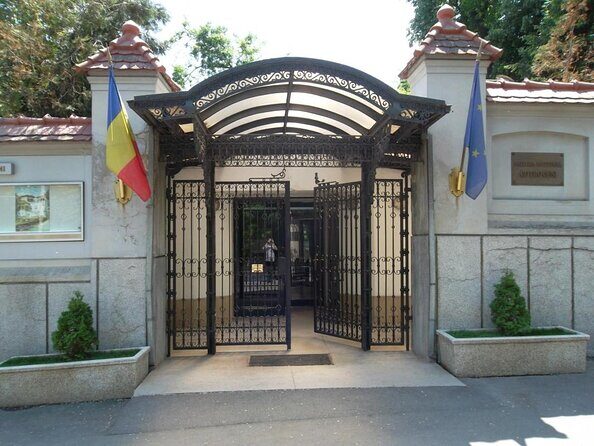
- Restored Dacia ride: vintage feel, with safety rules met and heated cars in winter
- Door-to-door pickup: pickup from all addresses in Bucharest, then drop-off at the end
- Contrast-focused route: royal palaces and bourgeois streets, then communist blocks and Soviet-era quarters
- Photo and market moments: you get a pause for photos and stories, plus a peasant market stop
- Tickets vary by stop: some entrances are included, some are free, others are not
- Private experience: only your group, English offered, led by a local guide and driver
A 3–4 hour private ride that frames Bucharest fast
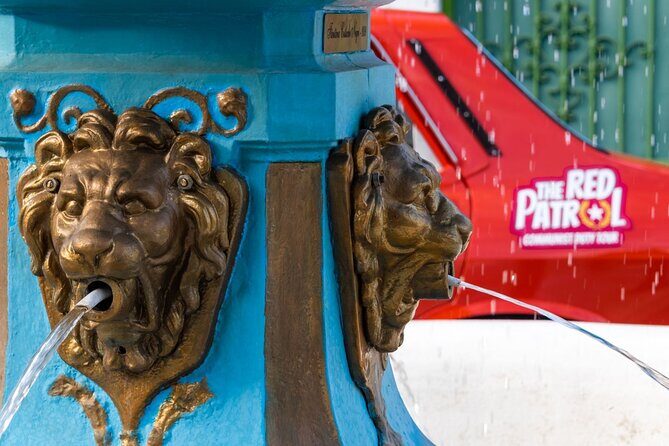
This is the kind of tour that helps you get your bearings quickly, because you’re not just seeing buildings. You’re seeing how power and money changed the city’s plan, its housing, and even its street-level mood. The route pulls you from the regal side of Bucharest—royal palaces and the bourgeois neighborhoods—toward areas shaped by communist industry, Soviet occupation-era living, and later post-communist realities.
The timing also matters. With a 3 to 4 hour duration, you’ll hit a lot of ground without the fatigue that can come from long bus days. Most stops are short and story-led, usually around 15 to 30 minutes, so the guide keeps things moving while still giving you a reason to look closely.
Because it’s private, you’re not sharing the experience with strangers. That makes it easier to ask practical questions and get your guide to tailor the explanations to what you care about—architecture, social change, or just how Bucharest got from one era to the next.
You can also read our reviews of more private tours in Bucharest

Your restored Dacia 1300/1310: what it’s like in real life
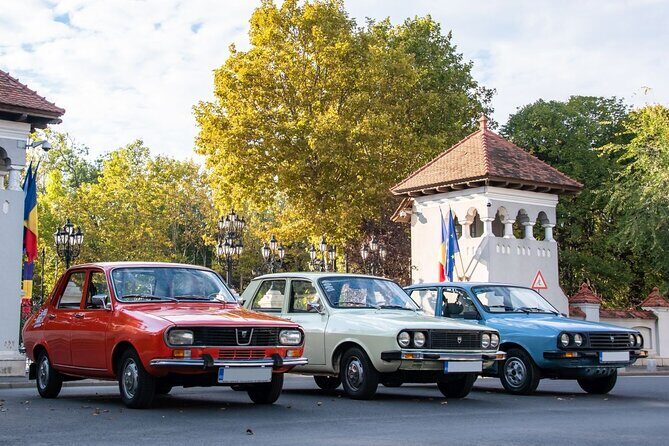
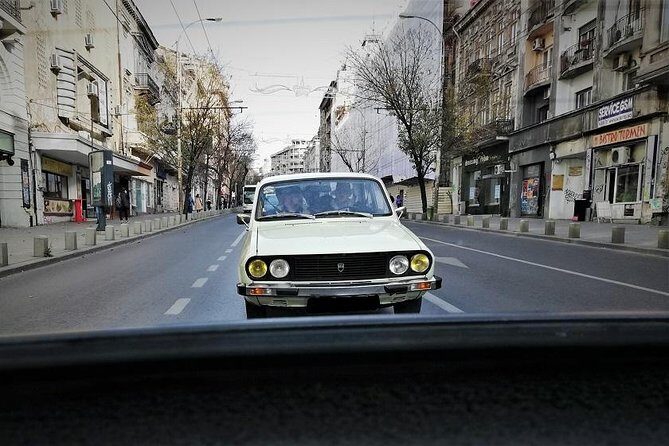
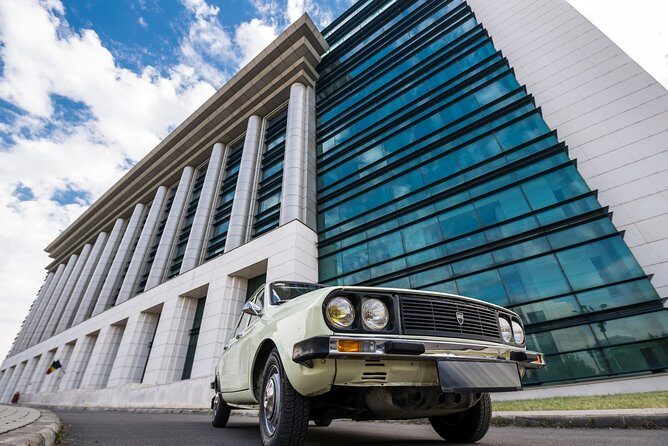
The big selling point is the car. You’re riding in a classic Dacia 1300/1310—an older model from the 70s to 80s—with the added bonus that Red Patrol restores these cars and keeps them within safety traffic regulations. You also won’t drive. Your guide and driver handle that.
Now for the tradeoff: the car doesn’t include modern tech like AC, ABS, GPS navigation, servo-direction, or automatic gear drive. That means you’ll likely notice more road noise, more engine character, and less climate control than you’re used to. In winter, though, the cars are heated, which makes a big difference for comfort.
Practical tip: bring a light layer for the ride, and if you get warm fast, don’t overpack. This isn’t a quiet, climate-controlled museum car—it’s part of the charm, and it fits the tour’s theme of taking you back into a different way of moving through the city.
Stop 1: Academia Română and the Uranus area shaped by demolitions
Your first stop is at Academia Română, in the Uranus area. This is where the guide frames one of Bucharest’s most brutal modern stories: in the 1980s, Ceaușescu-era plans for large-scale demolition began, and then the momentum stopped because of the Romanian Revolution.
Even if you only spend about 20 minutes here, the point isn’t a long visit. It’s orientation—helping you connect the look of the area to what was interrupted and what still echoes in the urban fabric. You’ll understand why certain zones feel cut, reshaped, or unfinished compared to the rest of the city.
Admission note: the stop lists an admission ticket as not included, so if there’s anything you want to enter, you’ll need to handle that separately.
Stop 2: Fântână and Stop 3: Cotroceni Palace gardens, royal Bucharest to belle époque
Next comes a shift in tone. Fântână is described as a bourgeois neighborhood that began in the 19th century, growing out of the first Royal Palace of Romania. You get a short 15-minute presentation—enough to grasp how wealth and power shaped the early city core.
Then you move to Cotroceni Palace gardens, tied to the modern monarchy era and the belle époque feel of Bucharest. Expect around 30 minutes for a guided look and explanation of the area’s role in the city’s more polished, royal chapter.
Why this matters: it’s easy to visit Bucharest and only see the communist-era blocks. This pair of stops gives you context for what came before. When you later look at working-class housing and industrial scars, you can see the contrast more clearly because you’ve already been shown how the city’s “before” looked and worked.
Admission note: Fântână is free, while Cotroceni Palace gardens lists an admission ticket as not included. So you’ll likely spend time on the parts you can access, unless you decide to pay extra for an entry option.
Stop 4: Drumul Taberei Park and the photo-worthy story of working-class blocks
Parcul Drumul Taberei (often called Park Camp Road) is where the tour leans hard into everyday life under communism and what happened after. The guide points you toward a working-class section of communist apartment blocks. There’s also an urban-change twist: a shopping mall built on the ruins of a communist canteen.
This is one of those stops where you don’t need big-ticket landmarks. You need perspective. In about 20 minutes, you’ll get photos and stories focused on how people lived—mass housing, routine spaces, and how later development repurposed or covered earlier structures.
Admission note: ticket not included. That’s fine here because the value is the guided walkthrough and the “why this looks like this” explanation, not a long ticketed museum moment.
If you like street-level contrasts—where old and new stack on top of each other—this is a good stop to slow down for photos.



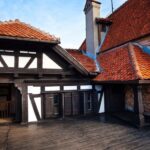

Ferentari’s fallen industrial corners and Piața Rahova’s peasant market stop
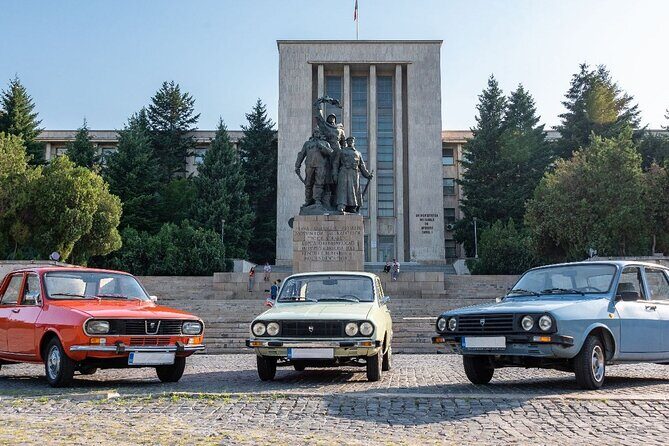
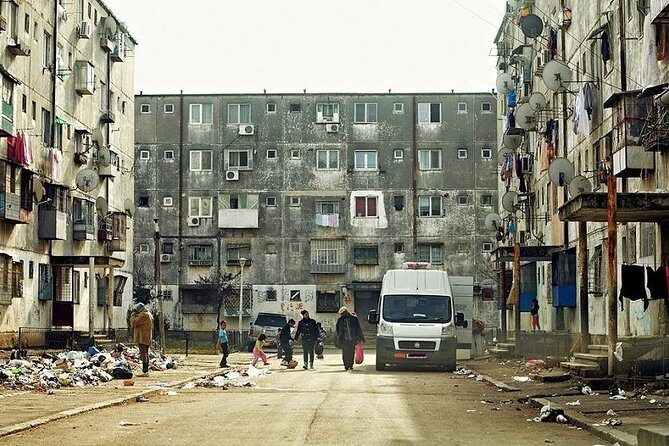
After the working-class apartment story, the tour moves into one of Bucharest’s most challenging and visually striking areas: Ferentari. First, you’ll get an exploration of a fallen industrial area built by communists in the 1970s. The tour keeps it brief, but the guide uses it to show the industrial roots of the neighborhood—factories and labor, then decline.
Then comes Piața Rahova, with about 30 minutes dedicated to exploring Ferentari blocks and understanding the post-socialist shift in the 1990s—from a workers area to something often described as a city ghetto. The tour also includes a pause for the peasant market, which adds a real on-the-ground human scale to the contrasts.
Admission note: ticket not included at this stop as well.
A balanced way to enjoy this part: treat it as a place people live and work, not a set. If you’re sensitive to heavy topics, you might still find this section important because it explains the social and economic why behind the city’s stereotypes. The market time is useful here because it turns “theory” into something you can actually see.
Fosta Uzină Rocar and Broscuțe Park: factory ruins and Stalin-era living
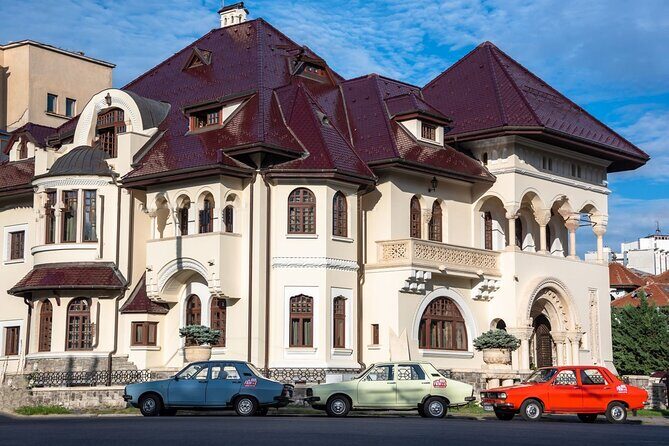
Two of the more impactful stops are the ones where tickets are included. That means you don’t have to keep track of extra entry decisions as you move.
First is Fosta Uzină Rocar, the ruined area of socialist times left behind after factories collapsed. The guide gives a brief exploration and stories about how the neighborhood rose and fell. You’re looking at remnants that explain the afterlife of industry—what stays, what decays, and how the area changed when the socialist economy broke down.
Then you head to Broscuțe Park, also included, connected to the Colonel’s Quarter—described as the first Soviet occupation era neighborhood. This stop focuses on how life worked during the Stalinist days in Bucharest.
Why these two stops pair well: they cover two different authoritarian footprints—communist-era industry and Soviet-era occupation living—without needing long museum hours. Even in about 20 minutes each, you get a physical sense of what changed in housing and work, and why those eras didn’t disappear just because the political labels changed.
Palace of Parliament: the biggest civil building, built after demolition
You end with one of Bucharest’s best-known symbols: the Palace of Parliament (House of the Parliament). The tour describes it as the biggest civil building in the world and focuses on the story behind how it came to be.
Here’s the key context: the house sits in a neighborhood of 20 square kilometers that was completely rebuilt after complete demolition. That’s a strong idea to keep in your head as you look around and listen—because it frames the building not just as architecture, but as a result of massive urban erasure.
This stop is about 20 minutes, and the admission ticket is not included. So you’ll likely get the outside/approach views and guide explanation. If you want to go inside, you’ll need to plan for the extra ticket yourself.
If you like political architecture—buildings shaped by power—this finale gives you a big visual anchor to connect back to the smaller, street-level contrasts earlier in the day.
Guides, timing, and how to get the most out of short stops
A tour like this lives and dies on storytelling. The guides and drivers are local, and the experience is led in English. In past rides, names like Mihai (noted for professional, friendly driving) and Ivan Crinu (mentioned for deep knowledge and humor) have shown up in the experience details. If those are your guides, you can expect the explanations to land with both facts and personality.
Timing is tight in the best way. Most stops are short, and that’s why the guide’s job is so important: they help you see what you’d otherwise walk right past. You’re not just waiting around for a long museum entrance. You’re collecting meaning every few minutes.
What to bring (practical, not fussy):
- A camera for the photo breaks, especially around contrast-heavy areas
- Comfortable shoes for short guided walks and standing time
- A light layer for the ride, since the Dacia doesn’t have modern climate comfort
Also, water is included in the car, and you’ll get a personalized tour gift, which is a nice touch if you like souvenirs that aren’t mass-produced.
Price and value: is $126.43 worth it?
At $126.43 per person, you’re paying for more than narration. You’re paying for:
- Private transport in a restored classic Dacia (not a generic shuttle)
- Hotel pickup and drop-off from any Bucharest address
- A local guide and driver in your circuit
- Water during the tour
- Heated winter cars (so the vintage experience stays usable)
- Admission coverage at certain stops (Fosta Uzină Rocar and Broscuțe Park), while other stops are free or not included
The value equation depends on you. If you want the “Bucharest in context” shortcut, where transport and interpretation come bundled together, this price can make sense—especially compared to piecing together a taxi plan plus separate guided time.
The main cost caveat is that several stops list admission as not included, and one stop is free. So your final spend may rise if you decide to enter ticketed sites at those points.
Who should book this Dacia contrasts tour
This fits best if you want:
- A first-look understanding of Bucharest’s social and political contrasts
- To ride in a restored classic car and treat the ride as part of the experience
- English commentary that ties neighborhoods to what happened in the 20th century
- A private tour with a clear route and short, focused stops
It might not be your match if you need modern comfort in every way. The vintage Dacia has no AC and limited modern driving aids. The tour is also not for everyone in terms of age and policies: pets aren’t allowed, and children under 10 can’t participate.
If you like your history light and purely scenic, this route may feel too grounded in politics and social hardship. But if you want the truth behind the city’s contrasts, you’ll likely appreciate how the tour frames both the beautiful and the difficult sides.
Should you book it?
I’d book this tour if your goal is to understand Bucharest quickly and honestly, with a vintage-car ride that doesn’t just “show” neighborhoods—it explains them. The private pickup, the restored Dacia experience, and the contrast-first routing make it a strong use of a half day.
I’d think twice if you’re hoping for a modern, low-sensation car comfort level, or if you’re unwilling to handle some extra admission decisions at certain stops. Otherwise, this is a smart way to see Bucharest with meaning, not just photos.
FAQ
How long is the RedPatrol Bucharest Contrasts Tour in a Vintage Car?
It runs about 3 to 4 hours, depending on timing and the flow of the stops.
Is hotel pickup and drop-off included?
Yes. Pickup and drop-off are included from all addresses in Bucharest.
What car do you ride in, and do you drive it?
You ride in a restored classic Dacia 1300/1310. You will not drive the car. The cars do not include AC, ABS, GPS navigation, servo-direction, or automatic gear drive, but during wintertime the cars are heated.
Is the tour private and available in English?
Yes, it’s a private tour with only your group. It’s offered in English.
Are admission tickets included at the stops?
It varies. Fântână is free. Some stops list admission as not included, while Fosta Uzină Rocar and Broscuțe Park include admission tickets.
Are children or pets allowed?
No. Pets are not allowed, and children under 10 years old can’t participate.
Can I cancel and get a full refund?
Yes. You can cancel for a full refund if you cancel at least 24 hours in advance. If you cancel less than 24 hours before the start time, the amount paid isn’t refunded.