Bucharest tells its story on foot. I love starting in Batistei with its 18th-century church and spending time in Casa Melik, the city’s oldest home with secret legends. Plan for a 3-hour pace: you’ll see a lot, but you won’t have hours to linger in one spot.
This is also a small-group walk, capped at 12 people, led in English by locals who clearly care about what they’re showing. I’ve seen guides like Elena, Andrei, and Livia mentioned for being energetic and good at steering you to the next stop, starting right on the stairs of the National Theater.
In This Review
- Key things that make this tour worth your time
- Starting in Batistei: mahalas, churches, and fast context
- The Armenian neighborhood stop: why this church feels like a specific place
- Casa Melik: the oldest home, a high cellar, and tunnel rumors
- Covrig break: where street food fits the story
- Mantuleasa Street: pretty architecture and Mircea Eliade’s favorite corner
- Ioanid block and Icoanei mahalla: a beautiful finish near the end
- Price and value: does $45 make sense for what you get?
- What to bring and how to pace your day
- Small group size: why a cap of 12 helps
- Who this tour is best for
- Should you book this Bucharest walking tour?
- FAQ
- How long is the Bucharest walking tour?
- What is the price per person?
- Where does the tour start?
- Where does the tour end?
- Is the covrig snack included?
- Is a guide included, and what language do they speak?
- Is this tour family-friendly?
- What is the maximum group size?
- What should I bring for the walk?
- Can I cancel and do I pay right away?
Key things that make this tour worth your time
- Batistei begins the story with a real 18th-century stone church and mahala history
- Armenian heritage on Bucharest streets at an early-1900s Orthodox church tied to a specific Armenian cathedral
- Casa Melik’s details: high cellar, glass-covered veranda, art collection, plus tunnel lore
- Covrig as a perfect break—a classic Romanian street snack tied to 19th-century trade theories
- Mantuleasa Street and Mircea Eliade: architecture styles and one of Romania’s key writer-philosophers
- A scenic finish near Ioanid block and Icoanei to cap the morning walk
Starting in Batistei: mahalas, churches, and fast context
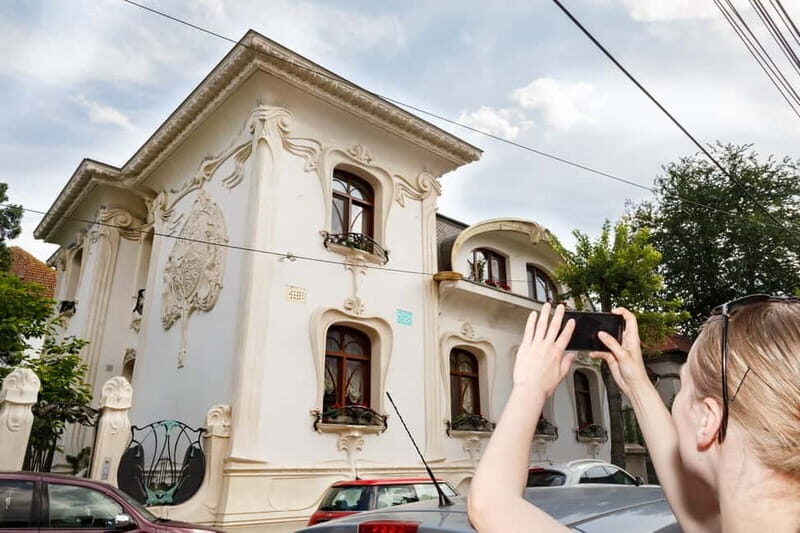
Bucharest can feel like it’s wearing multiple outfits at once. This tour helps you read the city the right way, starting in Batistei, one of the city’s well-known neighborhoods.
Here’s the basic idea of a mahala. In Bucharest, these neighborhoods often grew up around a religious building, then filled with people from similar ethnic, social, or religious groups. Over time, those areas took hits from modernization, earthquakes, wars, and the heavy-handed demolition projects tied to Nicolae Ceausescu. That context matters because you stop viewing buildings as random backdrops. You start seeing them as part of a living pattern.
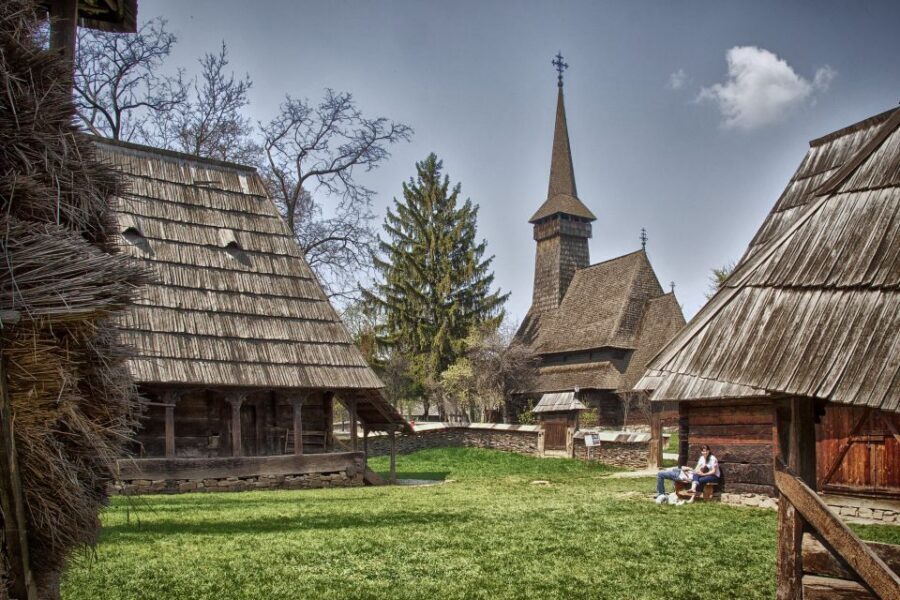
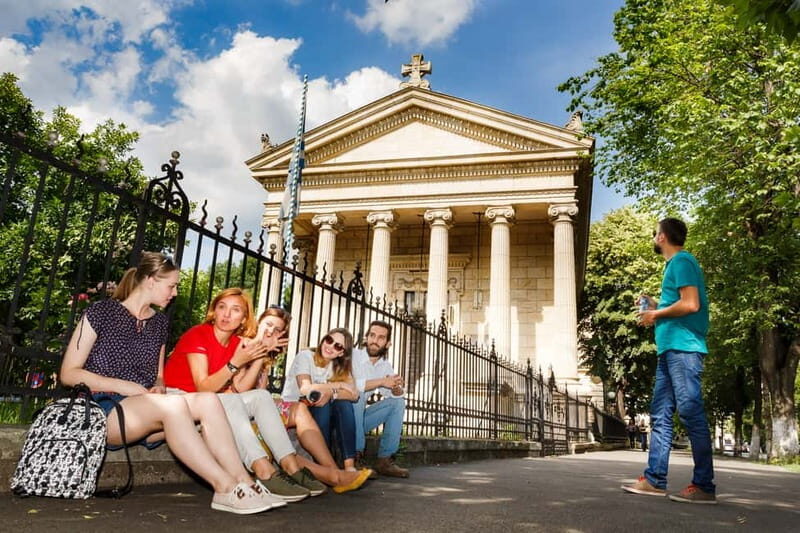
Your first big moment is the 18th-century stone church in Batistei. It’s listed as a historic monument by Romania’s Ministry of Culture and Religious Affairs. That’s not just a title; it usually means you’re looking at something with real staying power—something the city chose not to erase.
You’ll also get stories about daily life in the neighborhood before the Communist regime took over. Even if you’re not a history buff, these human-scale details are the glue that makes the photos make sense later.
You can also read our reviews of more walking tours in Bucharest


The Armenian neighborhood stop: why this church feels like a specific place

After Batistei, you head toward the Armenian neighborhood. The tour’s next highlight is an Orthodox church built in the early 20th century for Bucharest’s Armenian community.
What makes this stop extra interesting is the church’s design connection. It’s described as an exact replica of a cathedral in the Armenian city of Ecmiazin. That kind of detail turns a walk-by building into a cultural link. You’re not just seeing architecture; you’re seeing how one community carried a sense of home into a different country and city.
This also helps you understand Bucharest as a network, not a single storyline. In a few blocks, you move from Romanian mahala tradition into Armenian community history—then onward again.
Practical note: since this is a walking tour, you’ll want to keep your energy steady. Churches and old buildings can be cooler or dimmer than the street, but you’re still outside most of the time.
Casa Melik: the oldest home, a high cellar, and tunnel rumors
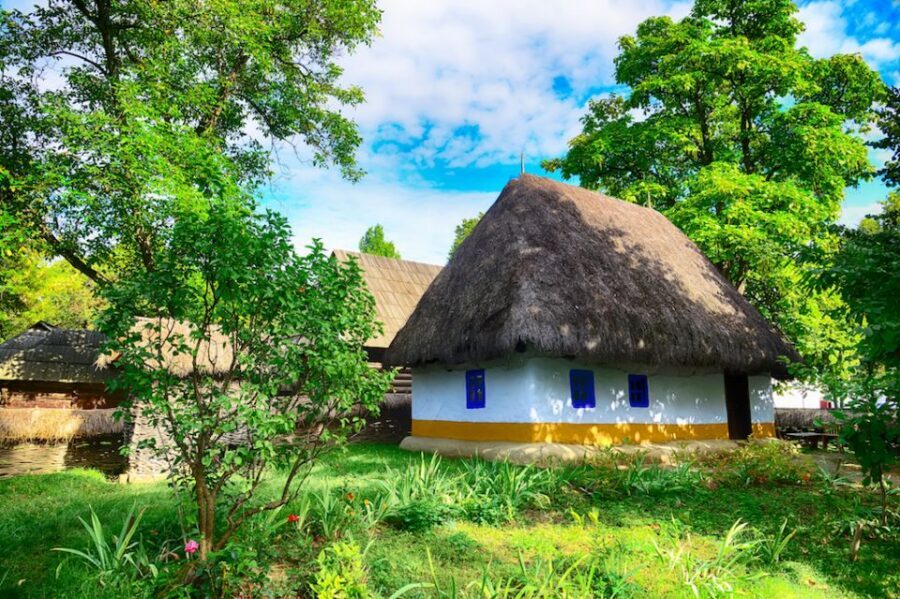
Next comes a real curiosity: the city’s oldest home, Casa Melik. This isn’t presented as a generic “old house” stop. It’s a traditional Wallachian peasant house, and the details are what make it fun.
You’ll notice features like the high cellar and the glass-covered veranda. Those aren’t only aesthetic. They point to how ordinary people lived, stored things, and managed daily life in a home designed for a different rhythm than modern apartments.
Casa Melik is also described as hiding a mass of secrets, including a striking art collection. Even better, there’s a legend that underground tunnels connect the house with local masonic lodges. Stories like that can be hard to verify, but that’s not the point. The point is that the house sits inside Bucharest’s habit of layering meaning onto physical spaces—especially for places tied to long-gone communities.
If you like architecture details you can actually see, this is the stop you’ll remember later. If you want a strict, fact-only museum vibe, just treat the tunnel lore as local storytelling and enjoy it for what it is.
Covrig break: where street food fits the story
After a couple neighborhoods and a lot of walking, you’ll hit snack time: covrig. This is one of Romania’s favorite historic street food snacks, and it’s the kind of break that doesn’t feel random because it connects to trade and tradition.
Covrig is described as salty and pretzel-like. There’s a theory that Greek merchants introduced it in the 19th century to encourage more wine consumption. But the snack’s similarity to German pretzels suggests Romanians may have been eating something like this long before that.
Either way, you get a useful lesson from a simple bite: food history often moves through borders even when the exact “first inventor” is hard to prove.
Good to know: covrig is included, so you don’t need to budget for the snack. You still may want extra food or drinks later, but those are not part of the included price.
Mantuleasa Street: pretty architecture and Mircea Eliade’s favorite corner
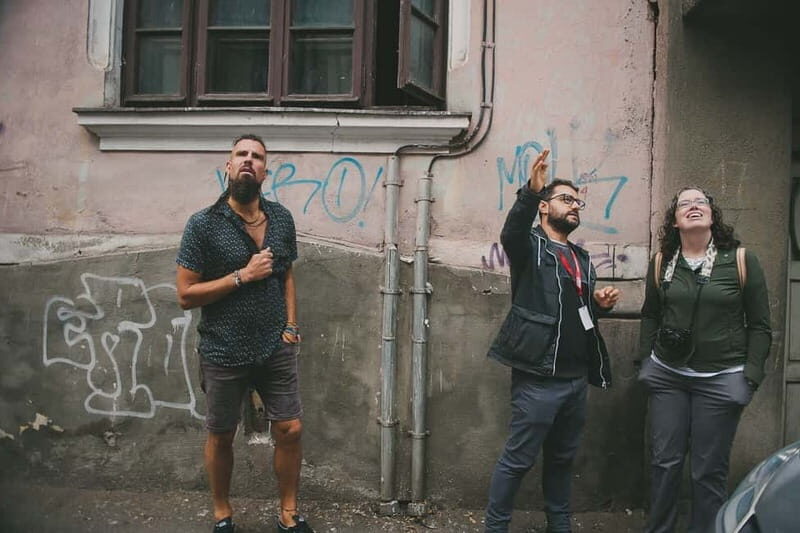
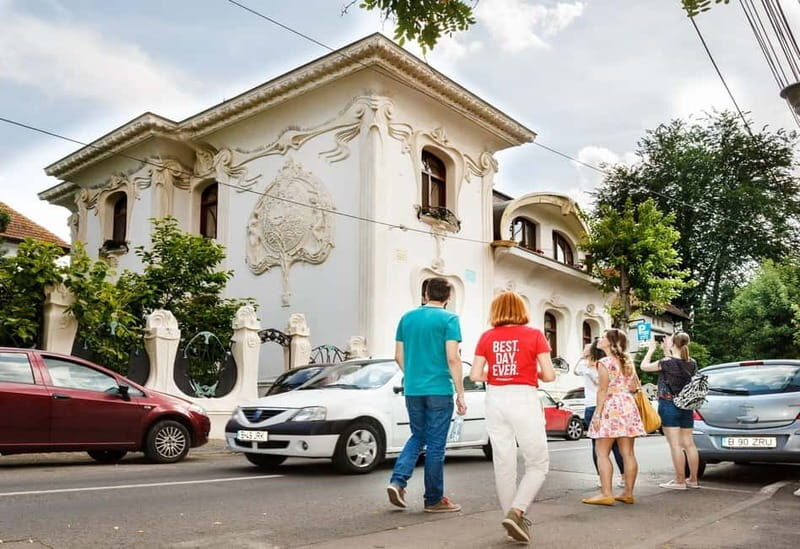
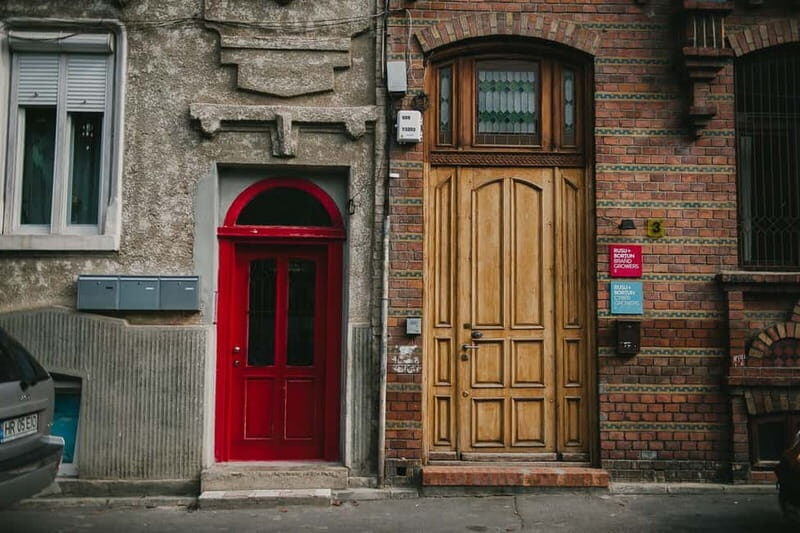
Mantuleasa Street is one of the prettiest areas you’ll cover on this route. The vibe shifts here from churches and house-history into something more stylish and architectural—an area that originally served as a mahala for rich merchants.
You’ll see an interesting mix of styles, described as combining neoclassical, Romanian, and modernist influences. That blending is part of what makes Bucharest so fun to walk. It doesn’t “commit” to one look. It collects looks.
This is also tied to Mircea Eliade, a major Romanian writer and philosopher. The tour treats him as more than a name on a plaque. You’ll learn about his life and work, including the fact that he was a professor at the University of Chicago until his death in 1986.
Why this matters for a walking tour: Mantuleasa isn’t just pretty. It gives you a location where big ideas and real geography overlap. You’re standing in a part of Bucharest that shaped (and reflected) a key intellectual figure.
If you take photos, this is a great stretch to slow down for a minute and get your framing right. Even with a guide keeping you moving, you’ll have chances to look closely.




Ioanid block and Icoanei mahalla: a beautiful finish near the end
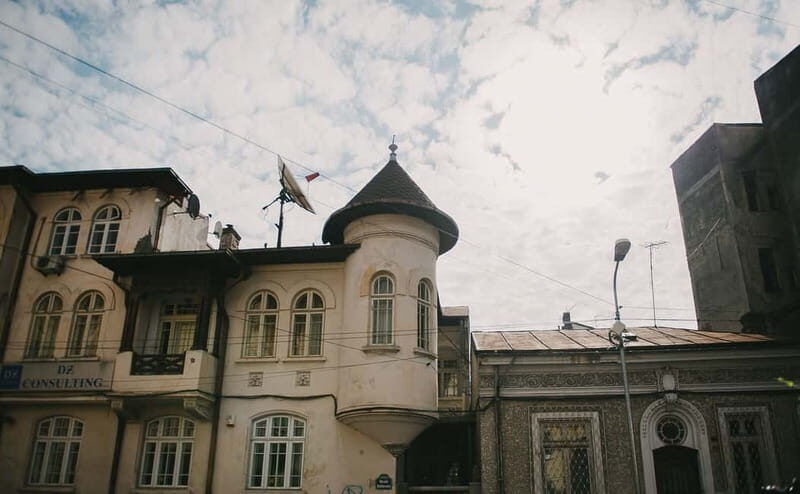
To wrap up, the tour moves toward the Ioanid block area and the Icoanei mahalla. The description here is simple and honest: it’s breathtakingly beautiful.
You end back at the original meeting point, so you don’t have to worry about getting stranded or figuring out a return route. That also makes this tour a good “morning grounding” option—one walk that leaves you oriented for later exploring.
Price and value: does $45 make sense for what you get?
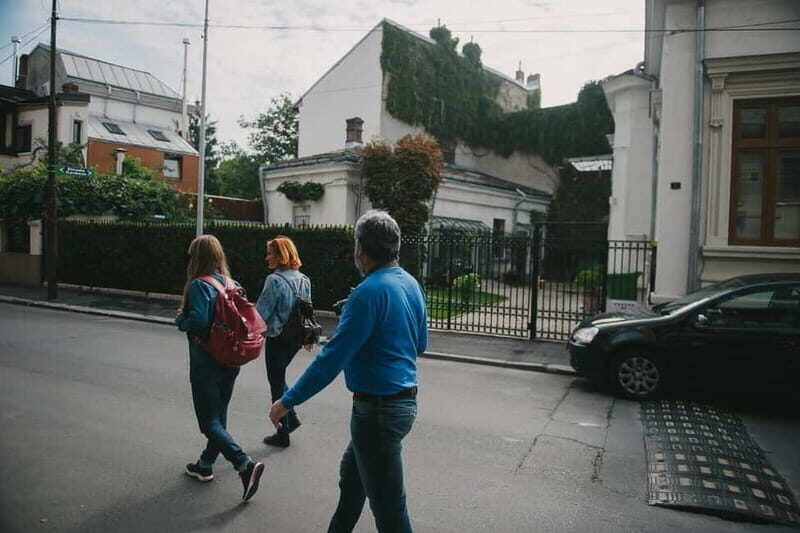
At $45 per person for about 3 hours, this walking tour sits in the mid-range for city walks—but it offers a lot of “why should I care” stops, not just photo opportunities.
Here’s where the value comes from:
- You get a local English-speaking guide, plus a snack (covrig) included. That alone knocks out one common extra expense.
- The route covers multiple neighborhood identities: mahala history, Armenian church heritage, and a house stop built around specific architectural features.
- You get a clear cultural anchor with Mircea Eliade, plus a food moment that ties to historical trade stories.
The only reason the price might feel high is if you’re the type who wants museum-level time at fewer sites. This tour is designed to show you connections quickly. It’s paced for seeing and learning, not for deep, long-form exploration.
What to bring and how to pace your day
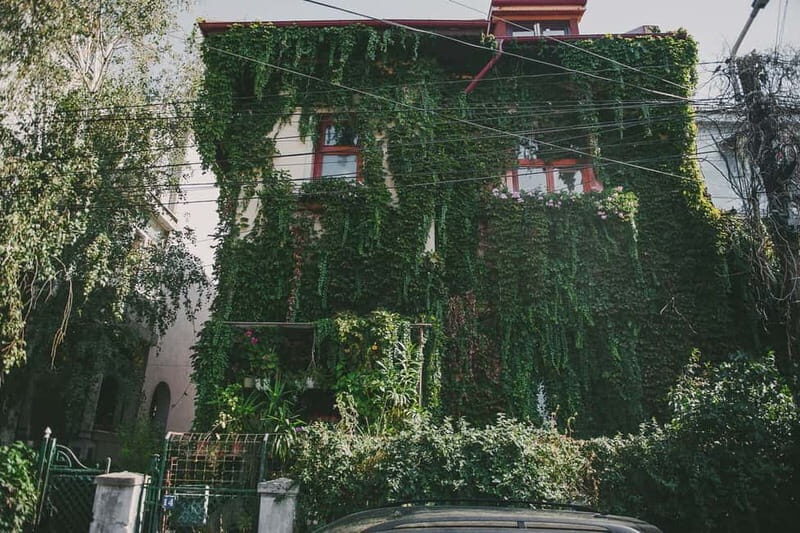
This is a walking tour, and Bucharest sun can be intense in summer. The tour advice is straightforward: bring comfortable stuff for walking, sunscreen, and something to cover your head.
Also think about your rhythm. You’re outside through multiple neighborhood segments. If you’re coming from breakfast, you may want to eat something before the tour so the covrig snack feels like a bonus, not a rescue.
If you’re sensitive to heat, plan a lighter afternoon after the tour. You’ll likely feel like you’ve done a lot (because you have), even if each stop is only part of the bigger story.
Small group size: why a cap of 12 helps
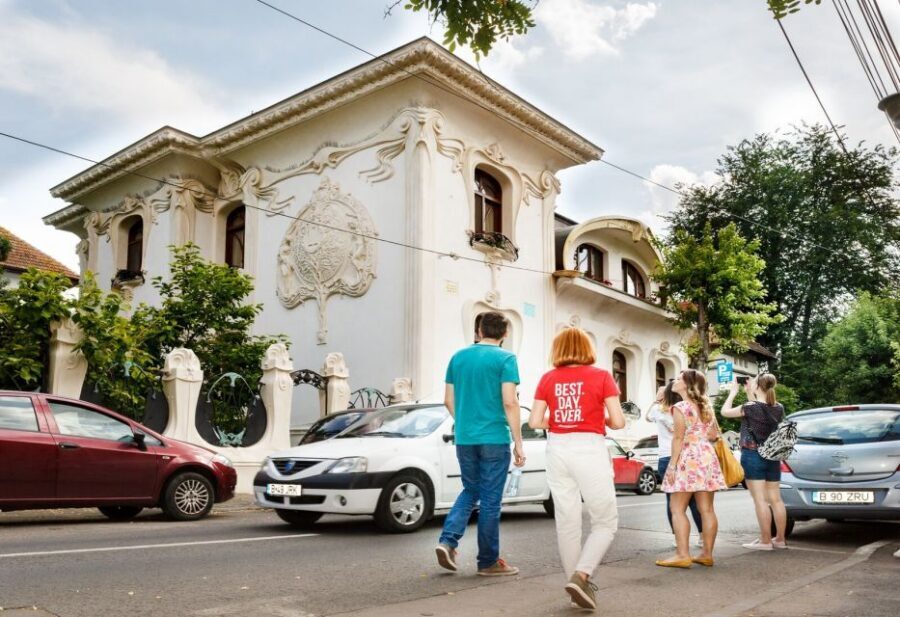
The maximum group size is 12 people. That matters more than it sounds.
With a smaller group, it’s easier to hear the guide, especially during story-heavy stops like Casa Melik and the Mantuleasa/Eliade segment. It’s also easier to keep momentum without feeling like you’re part of a street parade.
And if you have questions about where to go next, you get something that big-coach tours usually don’t: the guide’s local tips at the end. The tour specifically encourages you to ask for suggestions on where else to visit and where to eat and drink.
Who this tour is best for
This tour is a strong match if you want:
- a guided introduction to Bucharest beyond the main landmarks
- a route that mixes neighborhoods, architecture, and a named cultural figure
- a snack included that’s actually part of the story (covrig)
It’s also child-friendly. Children ages 6 to 11 can join at the listed child rate (you’ll select child when booking). Children under 6 join free of charge if you inform the provider during booking.
Should you book this Bucharest walking tour?
Book it if you want an efficient, story-driven walk that gives you real orientation fast. The mix of Batistei church history, Armenian community heritage, Casa Melik’s distinctive home details, covrig street-food context, and the Mircea Eliade connection is a smart combo for first-timers.
Skip it (or consider a different format) if you hate walking, you want long stays inside a handful of places, or you prefer self-guided museum time over neighborhoods and streets.
If you’re visiting Bucharest for the first time and you’d rather understand the city than just sample it, this is a solid place to start.
FAQ
How long is the Bucharest walking tour?
It runs for about 3 hours.
What is the price per person?
The price is $45 per person.
Where does the tour start?
You meet on the stairs of the National Theater, in front of the main entrance.
Where does the tour end?
The tour ends back at the meeting point.
Is the covrig snack included?
Yes. The covrig street snack is included.
Is a guide included, and what language do they speak?
Yes, you get a local English-speaking guide.
Is this tour family-friendly?
Yes. Children ages 6 to 11 are permitted (choose child when booking). Children under 6 are permitted free of charge if you inform the provider at booking.
What is the maximum group size?
The group size is capped at a maximum of 12 people.
What should I bring for the walk?
Bring comfortable items for walking, sunscreen, and something to cover your head, since the sun can be intense in summer.
Can I cancel and do I pay right away?
You can cancel up to 24 hours in advance for a full refund. You can also reserve now and pay later (you pay nothing today).