REVIEW · BUCHAREST
Bucharest: Dinner at the Museum of Communism & tour after closing
Book on Viator →Operated by Bucharest by Foot Tours · Bookable on Viator
You come for communism history, you stay for the food.
This Bucharest dinner at the Museum of Communism (Undeva in Comunism) is interactive in a way most museums never are, with time to touch, try, and ask questions rather than just stare. I like the way the guide storylines the exhibits through real-life details, and then the dinner continues the same conversation in the museum setting. One thing to consider: the dinner is described as Romanian and traditional, but if you expect a huge, heavy restaurant-style main course, you might find the meal more “home-style sampling” than “big plated feast.”
The meeting point is easy to find, and the whole event runs about 2 hours 30 minutes starting at 6:30 pm. If your guide is Ali, Catalina, Katerina, or Alexandra (names I’ve seen), you’re in for a guided experience that mixes museum facts with personal context and food talk at the table. The only real drawback is that the topic can feel intense, since this museum doesn’t treat communism like distant trivia.
In This Review
- Quick hits
- Entering Undeva in Comunism after-hours style (without the crowds)
- The 2-hour museum tour: touch, try, and ask (about life under communism)
- The living-room experience: where exhibits become part of the meal
- Dinner at the Museum of Communism: Romanian starters, a traditional main, and desserts you won’t easily recreate
- What’s served
- About the main course (and the one drawback to plan for)
- Drinks and the extra flavor of the conversation
- Are there extra drinks?
- Group size and guide energy: why it feels personal, not staged
- Price and value: $59.03 for museum + dinner, not just one or the other
- Timing and how to plan your evening in Bucharest
- Who should book this (and who should reconsider)
- Tips to get the most out of your night
- Should you book the Dinner at the Museum of Communism?
- FAQ
- How long is the Museum of Communism dinner experience?
- What time does it start in Bucharest?
- Is the tour offered in English?
- How large is the group?
- What’s included with dinner?
- Are additional drinks available?
- Where do we meet?
- What happens if the tour can’t run due to weather or group size?
- Can I cancel for a full refund?
Quick hits
- Interactive exhibits where you can touch items, try on clothes, and even drink from old cups
- Small groups (max 12) so your guide can actually answer your questions
- Dinner inside the museum living room with Romanian starters, a typical main course, and desserts that aren’t common in regular restaurants
- Romanian drinks included: two alcoholic drinks plus one non-alcoholic drink
- Powerful guiding style: guides often connect the exhibits to personal family stories and everyday life
- Plan for an evening: this is a 6:30 pm experience that blends history and dinner, not a daytime museum visit
Entering Undeva in Comunism after-hours style (without the crowds)
Your evening starts right where you need to be: Strada Soarelui 1, Bucharest (the Museum of Communism). The start time is 6:30 pm, and the whole thing loops back to the same meeting point when it’s over. That matters because you’re not hunting for transportation after dark. It’s also close to public transportation, so you can keep your plan simple.
This is not a quick “look at a few rooms” museum stop. The setup is meant to feel like you’re stepping into a lived-in environment from the communist period. A bunch of standard museum barriers get removed. You’re not just photographing glass cases; you’re given the chance to interact with parts of the display, which changes how you experience the history.
And yes, the title includes tour after closing. Even if you don’t think about that detail in your day planning, it usually means a calmer, more focused museum experience than typical daytime entry.
You can also read our reviews of more museum experiences in Bucharest

The 2-hour museum tour: touch, try, and ask (about life under communism)
The museum portion lasts about 2 hours, and it’s built around interaction. The most memorable part is that the museum bills itself as interactive in the real sense: you can touch exhibits, try on clothes, handle objects, and even eat or drink in the museum’s living-room style area. That turns abstract political history into something physical.
You’ll start with a guided overview—enough structure to help you understand what you’re seeing before you wander on your own. The pace tends to be practical: you get an organized introduction, then time to explore. If you like museums but hate getting lost in them, this format helps.
Here’s why this matters for your understanding. Communism can sound like a theory. In this museum, it comes across as daily routines, shortages, propaganda, and how people adapted. The exhibits are powerful because they’re arranged like a home and like a life—so the message lands faster than a textbook explanation.
If you’re lucky enough to have a guide like Ali, Catalina, Katerina, or Alexandra, expect more than a list of dates. In the experiences I’ve seen described, guides use personal context too, including how communism affected parents or grandparents. That doesn’t just add emotion; it helps you connect policies to real consequences you can picture.
Also, guides often connect the dots between the era and other parts of Romanian and regional history. Topics that came up include figures like Vlad the Impaler, and broader references such as the Ottomans, which helps you place communist Romania in a longer story.
The living-room experience: where exhibits become part of the meal
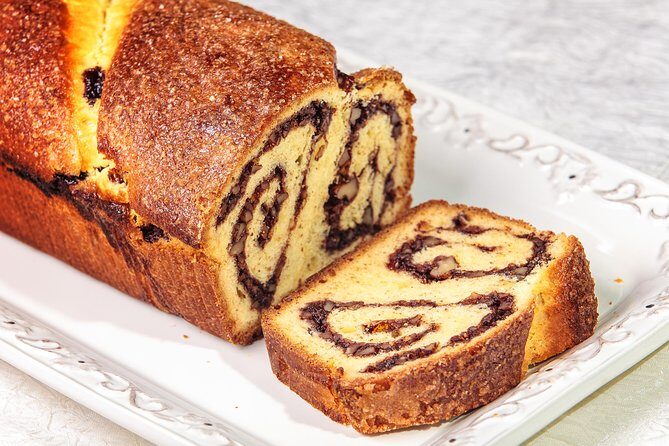
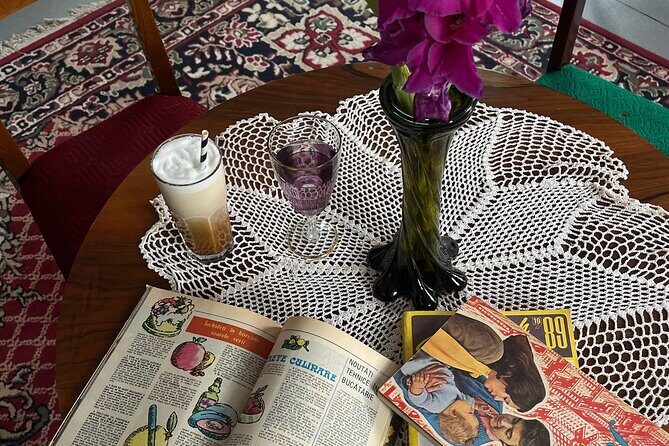
One reason this doesn’t feel like a typical dinner-and-a-museum combo is that the museum has a “home” logic. During the experience, you’re not only touring exhibits; you’re also stepping into a room designed for conversation and eating, which keeps the evening coherent.
This is where you’ll spend time after the guided portion, and it’s also where the museum’s theme becomes more visceral. There’s a small “wait, I’m actually doing this” factor when you’re allowed to interact. I find that kind of direct contact sticks better than passive viewing.
You’ll also likely notice recurring symbols and details, including references to Ceaușescu that appear in display items around the museum. It’s the kind of detail that rewards paying attention, not just moving through.
Dinner at the Museum of Communism: Romanian starters, a traditional main, and desserts you won’t easily recreate
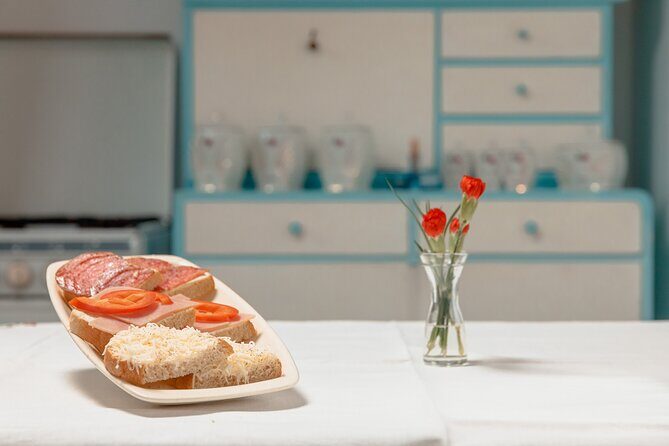
After the museum tour, dinner kicks in. The food is described as Romanian in a traditional style, and it’s served as part of the museum experience rather than in a separate restaurant where the museum connection disappears.
What’s served
Your dinner includes:
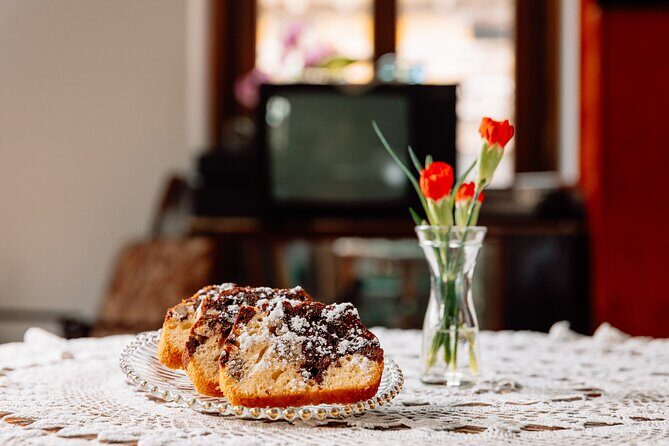
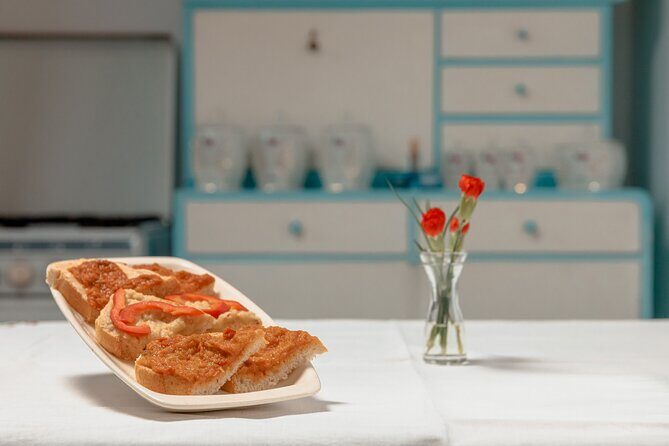
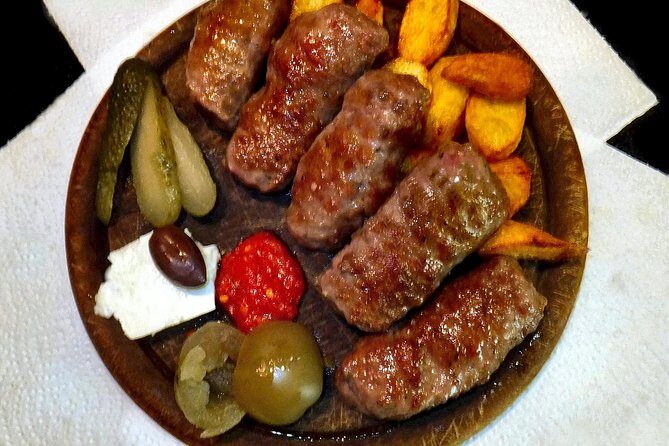
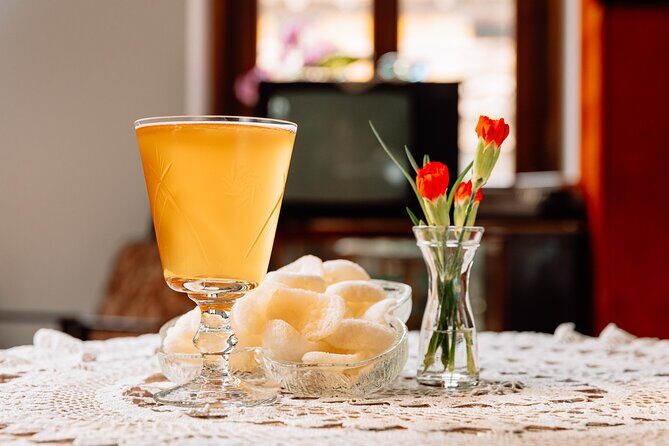
- Romanian starters, most of them homemade
- A typical Romanian main course
- Romanian desserts you won’t find in many regular restaurants
- Two alcoholic drinks and one non-alcoholic drink
The “homemade” angle is important. This isn’t meant to be fine-dining presentation; it’s meant to feel like food from kitchens and households. If you care more about authenticity than Michelin plates, you’ll enjoy this.
You can also read our reviews of more tours and experiences in Bucharest

About the main course (and the one drawback to plan for)
Here’s the balanced note: one experience described the dinner as well-represented Romanian food, but also said the meal felt like it lacked a substantial main course. So if you’re the type who needs a heavy, clearly defined “main” to feel satisfied, keep your expectations flexible.
For me, the bigger value is the total package: you’re learning while you eat, and the food is part of the story rather than a break from it.
Drinks and the extra flavor of the conversation
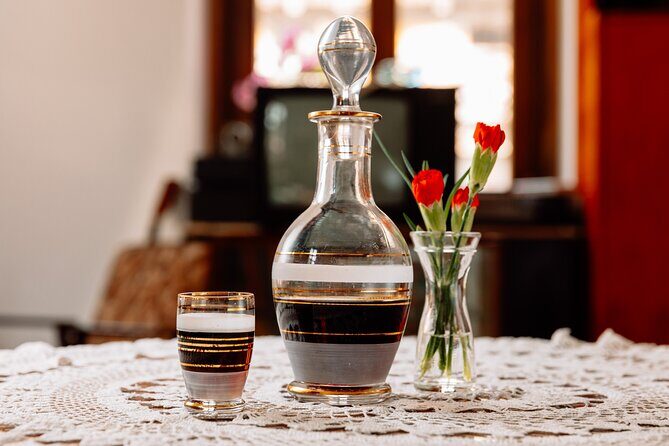
You’ll get two alcoholic drinks, plus one non-alcoholic. Some guides mention Romanian staples like palinca (a fruit brandy) and Romanian red wine as part of the alcohol portion. You’ll also hear explanations tied to the meal—what you’re drinking, what people ate, and how customs linked to the food.
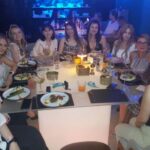
The best part is how often the guide joins the table. In the descriptions I’ve seen, the guide doesn’t just pass through right after the tour. They sit with you, explain what you’re eating, and share food traditions. That’s what turns dinner into a learning moment without turning it into a lecture.
If you want a meal where you can ask questions and get direct answers—about food, customs, even history—this format is built for that.
Are there extra drinks?
Other drinks aren’t included, but you can get them at your wish of the customer. So if you’re the type who drinks a lot beyond what’s included, you’ll want to allow for extra cost.
Group size and guide energy: why it feels personal, not staged
This is capped at 12 travelers. That’s not a huge crowd, and it makes a difference. In smaller groups, your guide can respond to what you ask instead of tossing everyone the same script.
The pacing also tends to work for real life. The museum guidance is typically described as around a 30-minute overview followed by additional time to explore. Then dinner becomes the highlight, especially when the guide stays engaged and chats with you at the table. That combination—structure, then freedom, then guided conversation—keeps the evening from feeling rushed or awkward.
Guide names you might encounter include Ali, Catalina, Katerina, and Alexandra. Different guides will have different storytelling styles, but the common thread is strong context: they connect objects to how people lived and how that life changed after 1989.
Price and value: $59.03 for museum + dinner, not just one or the other
The price is $59.03 per person. For that you get:
- Admission for the museum tour (included)
- A guided museum experience with interactive elements
- Romanian starters, a typical main course, and unique Romanian desserts
- Drinks: two alcoholic plus one non-alcoholic
When I look at value, I don’t just ask what’s included. I ask what would cost money separately in Bucharest. If you tried to book a comparable museum guided visit and then add a full meal with drinks, the dinner portion alone would usually get expensive fast. Here, you’re paying for the combined experience and the hosting.
Also, English is offered, which can matter if you’re traveling without Romanian. A small-group, English-guided, interactive museum visit plus dinner is a lot for one ticket—especially at a late-evening start time that also saves you on planning.
Timing and how to plan your evening in Bucharest
This tour begins at 6:30 pm and lasts roughly 2 hours 30 minutes. That means it’s a great fit if you’re trying to avoid daytime crowding or if you want an evening plan that keeps you close to one area.
Because the experience ends back at the meeting point, I’d treat it as your anchor activity for the evening. Eat before you go only lightly, since dinner is part of the program. And if you’re planning other stops afterward, double-check travel time; you’ll be finished and back at the start point when it wraps.
Since it requires good weather, it’s best to keep your schedule flexible on the day you book. If Bucharest gives you rain, you might need a different date if the operator cancels.
Who should book this (and who should reconsider)
You’ll probably love this if:
- You want a Bucharest experience that teaches history through real objects and real routines, not just dates and names
- You like small groups and guides who answer questions
- You’re excited by Romanian food and want desserts and flavors beyond the usual tourist restaurant menu
- You enjoy interactive museums where you’re allowed to participate
You might think twice if:
- You expect a big, heavy restaurant-style dinner with a very substantial main course. The meal is described as traditional and homemade, but at least one experience mentioned the main course felt lighter than expected.
- You’re sensitive to intense subject matter. This museum focuses on communism in a way that can feel visceral.
Tips to get the most out of your night
Here are practical moves that help you enjoy the experience more:
- Go in ready to ask questions. The format is designed for conversation during the museum and during dinner.
- Pay attention to the details (like recurring symbols connected to the era). Those are the things that make the museum feel like more than a walkthrough.
- If you’re a foodie, treat dinner like part of the program: ask what you’re eating, not just what it is.
- Expect the evening to run like a hosted experience, not a self-guided “museum then dinner somewhere else.”
Should you book the Dinner at the Museum of Communism?
If you want Bucharest in a single, memorable evening, I think this is a strong choice. The combination of an interactive museum experience and a sit-down Romanian meal is exactly the kind of “learning you can taste” plan that makes travel stick.
Book it if you like history explained with everyday life, small group pacing, and food that feels like it belongs to the story. If your top priority is a traditional restaurant dinner with generous portion sizes, you may want to compare meal expectations elsewhere.
For most people, though, this is great value: one ticket, English hosting, small group size, and dinner included, served in a place that actually matches the theme.
FAQ
How long is the Museum of Communism dinner experience?
It’s about 2 hours 30 minutes total, with around 2 hours for the museum tour and the dinner included as part of the same event.
What time does it start in Bucharest?
The experience starts at 6:30 pm.
Is the tour offered in English?
Yes, it’s offered in English.
How large is the group?
The tour has a maximum of 12 travelers, so it stays small.
What’s included with dinner?
Dinner includes Romanian starters (most are homemade), a typical Romanian main course, Romanian desserts you can’t find in restaurants, plus two alcoholic drinks and one non-alcoholic drink.
Are additional drinks available?
Yes. Other drinks are not included, but you can get them at your wish of the customer.
Where do we meet?
You meet at the Museum of Communism in Bucharest, Strada Soarelui 1, București 030167, Romania. The tour ends back at the meeting point.
What happens if the tour can’t run due to weather or group size?
The experience requires good weather. If canceled due to poor weather, you’ll be offered a different date or a full refund. It also requires a minimum number of travelers, and if that minimum isn’t met, you’ll be offered a different date/experience or a full refund.
Can I cancel for a full refund?
Yes, you can cancel for a full refund if you cancel at least 24 hours before the experience start time. Cancellation less than 24 hours before start time isn’t refunded.