REVIEW · BUCHAREST
3h Bucharest Private Tour by Car
Book on Viator →Operated by Supplier · Bookable on Viator
Big landmarks, tight timing. This 3-hour private car tour packs Bucharest’s most recognizable sights into one easy route, with a personal driver and onboard Wi‑Fi so you’re not stuck hunting for buses. I love the private car setup because it keeps the day calm and lets your guide steer you between major stops without hassle.
I also love the hotel pickup/drop-off convenience plus the onboard Wi‑Fi. Even when traffic slows things down, you still feel like the tour is running on rails, and you can keep your own plans synced.
One possible drawback: with about 15 minutes per stop, you’ll get the highlights and great photo angles, not time to wander at your own pace for long stretches—especially at the biggest buildings.
In This Review
- Key Points to Know Before You Go
- A Private Car Tour That Gets You Oriented Fast
- Your 3-Hour Route: Bucharest’s Power, Faith, and City Life
- Palace of Parliament: The Europe Giant
- Romanian People’s Salvation Cathedral: Huge Orthodox Ambition
- Parcul National Vacaresti: A National Park Inside the City
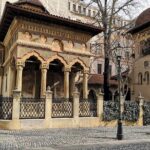
- Biserica Bucur: Where the City’s Story Began
- University Square: A Meeting Place for Young Bucharest
- Victoria Palace: Where Romania is Ruled
- Ceaușescu Mansion: Communism Up Close
- Triumph Arch (Arcul de Triumf): A First World War Victory Monument
- House of the Free Press: Propaganda’s Former HQ
- Calea Victoriei: Bucharest’s Main Historic Street
- Ateneul Român: The 1888 Philharmonic Hall
- What Makes It Feel Personal: Guides, Flex Stops, and Wi‑Fi
- Price and Value: Is $107.17 Per Person Worth It?
- Practical Tips for Getting More From Short Stops
- Decide what you want most: stories or photos
- Use the flex-stop idea
- Wear shoes for quick transitions
- Don’t ignore the one risk
- Should You Book This Private Bucharest Tour?
- FAQ
- How long is the private Bucharest car tour?
- Is this tour private?
- Do you pick you up from your hotel?
- Is there Wi‑Fi in the vehicle?
- Is the tour offered in English?
- Do we pay admission at the stops?
- How many stops are included?
- Can you add stops that you personally want to see?
- What’s the cancellation policy?
- Is the tour suitable for most travelers?
Key Points to Know Before You Go
- Private driver + private vehicle means you’re not sharing a schedule with strangers.
- Onboard Wi‑Fi helps when you’re jumping between landmarks fast.
- Free admission stops at every listed site cut out one of the biggest travel hassles.
- A short, planned route gives you a smart first look at Parliament, churches, parks, and government buildings.
- Your guide can add stops if there’s something you personally want to see.
- English-friendly experience with guides praised for clear communication.
A Private Car Tour That Gets You Oriented Fast
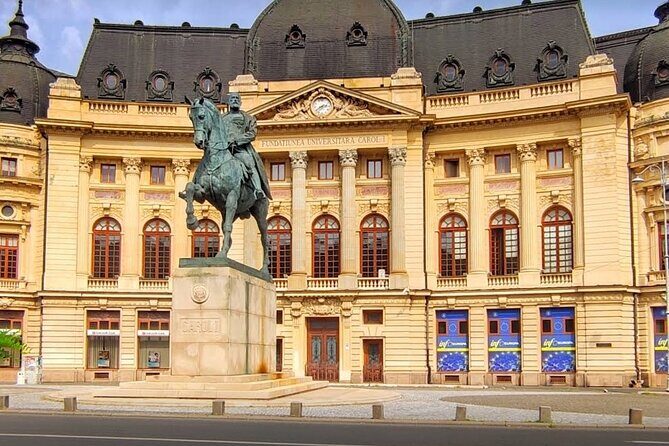
Bucharest can feel like two cities at once: bold monuments from different eras, and everyday neighborhoods that don’t care about your itinerary. This tour is built for the reality of a short stay. In roughly three hours, you’ll roll through the city with a driver who handles the movement, while your guide connects each stop to the story of Romania—politics, religion, and propaganda included.
What makes it work is the rhythm. You’re not trying to do everything. You’re doing the right things close together, with quick stops that are long enough to get oriented, take photos, and ask questions. And because it’s private, the guide can respond to what you actually care about instead of sticking to one rigid script.
You can also read our reviews of more private tours in Bucharest

Your 3-Hour Route: Bucharest’s Power, Faith, and City Life
Here’s what you can expect, stop by stop. Each listed stop is timed at about 15 minutes, and the admission for the stop is marked as free, which helps keep the tour moving.
Palace of Parliament: The Europe Giant
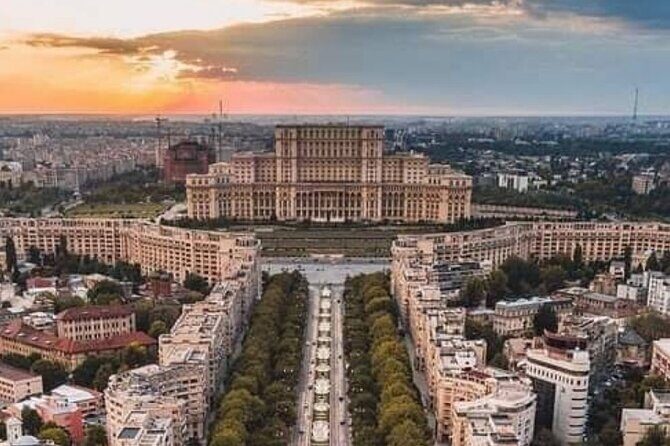
You start at the Palace of Parliament, described as the largest administrative building in Europe and even the heaviest building in the world. Even if you only have a few minutes, the scale hits you right away. The façade and the sheer mass are the point here—this is a place built to be seen from far away and remembered for a long time.
Watch for: how the building dominates the surrounding streets. In short time, your best value is taking in proportions and getting a solid exterior perspective.
Romanian People’s Salvation Cathedral: Huge Orthodox Ambition
Next is the Romanian People’s Salvation Cathedral, listed as the largest Orthodox church in the world. Again, the timing is brief, so you’ll get a first impression rather than a slow, worship-style visit. Still, for architecture lovers, this is one of those stops where the size and presence can change how you read the city.
Watch for: the way such a massive church changes the feel of the neighborhood around it—suddenly everything feels oriented toward it.
Parcul National Vacaresti: A National Park Inside the City
Then you head to Parcul National Vacaresti, known as the only national park inside Bucharest. This is the contrast stop: from monumental buildings to a natural space where people often simply come to observe and breathe for a minute.
What you’ll likely enjoy here: quick walks, photo opportunities, and the sense that the city can hold surprisingly green pockets.
You can also read our reviews of more tours and experiences in Bucharest




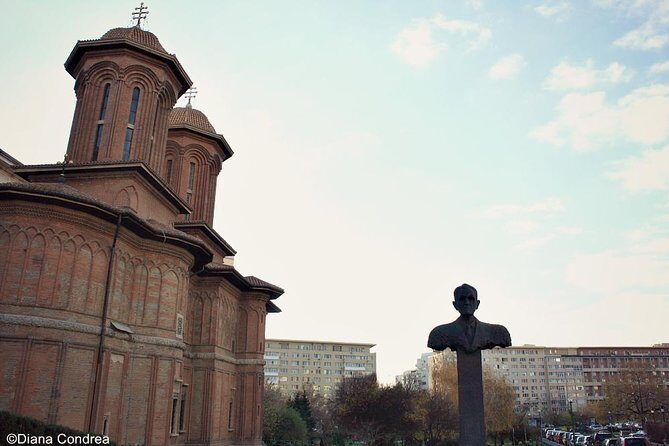
Biserica Bucur: Where the City’s Story Began
At Biserica Bucur, you’re told this is where the first building in Bucharest was built. That’s a neat idea for a short stop: you’re not only looking at an attraction—you’re landing on a starting point.
Watch for: details around the church that connect to the idea of the city’s earliest footprint. In 15 minutes, your best move is to ask your guide what makes this site historically meaningful, not just visually interesting.
University Square: A Meeting Place for Young Bucharest
You’ll move on to University Square, described as a meeting place of young people. This is your people-watching break. It’s less about a single monument and more about feeling the city’s energy in a public square.
Good use of your time: ask your guide how locals typically use the space and what makes it feel different at different hours.
Victoria Palace: Where Romania is Ruled
At Victoria Palace, the focus is political power. The tour describes it as the building from which Romania is ruled. If you’re looking for a quick, high-impact stop, this is it: government architecture tends to be more about authority and presence than charm.
What to do in limited time: take in the building’s role in the street view and ask how it connects to the country’s modern governance.
Ceaușescu Mansion: Communism Up Close
Next comes Ceaușescu Mansion, the house of communist dictator Nicolae Ceaușescu. This stop turns the volume up on the 20th-century story. It’s the kind of place where you can feel the tension between what was built for power and what everyday life had to live with.
In short time, focus on: what your guide explains about why the building matters and how it’s interpreted today.
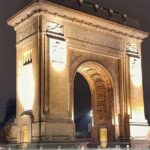
Triumph Arch (Arcul de Triumf): A First World War Victory Monument
Then you reach Triumph Arch, or Arcul de Triumf, a monument built in honor of the Victory of the First World War. It’s a classic photo stop and a useful way to “reset” after heavier history. Arches like this often become part of city navigation, and that’s true here too.
Photo tip: spend a moment stepping back and checking the sight lines rather than just snapping close-up.
House of the Free Press: Propaganda’s Former HQ
At the House of the Free Press, the key detail is that it was the headquarters of the main propaganda newspaper during communism. This is another stop where context makes the difference. In a short visit, you want your guide to point out what the building represented in its time.
What to ask: how the building functioned, not just what it looks like.
Calea Victoriei: Bucharest’s Main Historic Street
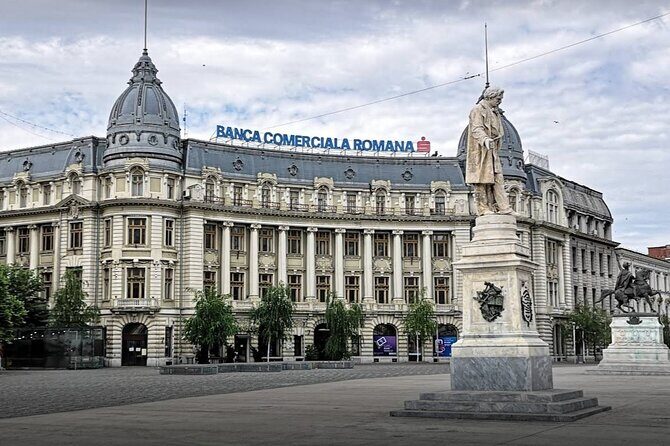
Now you’re on Calea Victoriei, described as Bucharest’s main street, lined with many historical monument buildings. This part is great for linking the dots between sites. You’ll see how the city’s “grand addresses” connect into a broader historical picture.
How to make this stop count: take photos of building façades you might want to revisit on your own later.
Ateneul Român: The 1888 Philharmonic Hall
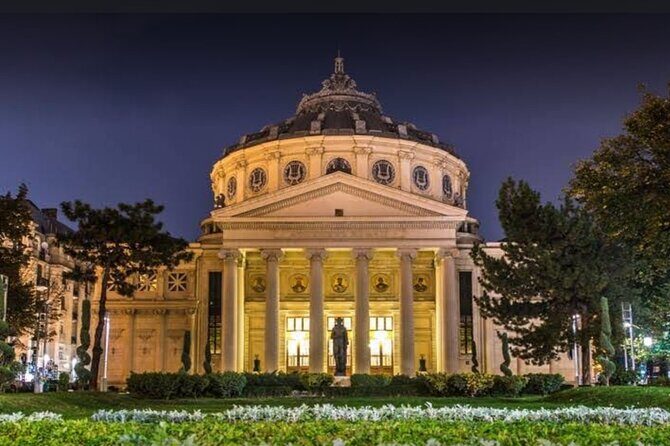
Finally, there’s the Ateneul Român, the philharmonic concert built in 1888. It’s a fitting end because it shifts you from political and ideological landmarks to the arts. Even if you’re not attending a concert, the building is a strong example of Bucharest’s cultural identity.
Best use of your 15 minutes: pause long enough to notice architectural details rather than rushing for one perfect shot.
What Makes It Feel Personal: Guides, Flex Stops, and Wi‑Fi
This isn’t just a “drive-by” sightseeing list. It’s a private setup, and that matters. Guides such as Roxana are praised as easygoing and strong on the history of the city and country. Others—like Catalin—are noted for humor at the right moments and for showing sites where buses don’t go. Julian gets mentioned as especially effective at making the information land, and Radu is described as friendly, attentive, and competent with excellent English.
A couple standout details also tell you what kind of experience this can be: one guide, Constantin, is credited with answering questions thoroughly and even arranging entry to a public building that was closed due to the time. That’s the difference between a checklist and a guide who can read the day and adapt.
And yes, the onboard Wi‑Fi is genuinely useful. When you’re bouncing between stops quickly, you’ll often want to look up a detail, check transit for after the tour, or just coordinate your next meal plan without draining your phone battery.
Price and Value: Is $107.17 Per Person Worth It?
At $107.17 per person for about 3 hours, you’re paying for three things: private transport, a personal driver, and an organized route that hits key landmarks in a short window. The math improves because the stops are listed with free admission tickets.
So where does the value come from?
- You’re not spending time and energy figuring out transport across multiple high-profile sites.
- You’re getting a guided connection between sites instead of just looking at buildings.
- Your route is built for efficiency—about 15 minutes per stop—so you can cover major themes quickly: power (Parliament and Victoria Palace), religion (Salvation Cathedral), and the city’s evolution (Vacaresti, Bucur, and Calea Victoriei).
This tour can feel especially fair if you care about having a guide explain context while you move. If you only want to stroll and you love spending an hour per site, you might prefer a slower, more self-guided approach. But for a first-time Bucharest orientation, this is priced like a practical city starter.
Practical Tips for Getting More From Short Stops
Because the timing is tight, your success depends on how you prepare your questions and your photo plan.
Decide what you want most: stories or photos
If you want stories, tell your guide early what you’re most curious about—communism, religion, architecture, or just how daily life fits into the city’s big monuments. Guides here are praised for handling questions and even adding relevant context on the fly.
If you want photos, do this: take one wide shot first, then one closer detail shot, then stop. That simple rhythm keeps you from spending your whole 15 minutes circling for the perfect angle.
Use the flex-stop idea
The experience notes that you can add stops that personally interest you. That’s your chance to correct course. If, for example, you have a building you’ve researched or a neighborhood you want to see, ask early so the schedule can be adjusted without turning the tour into a sprint.
Wear shoes for quick transitions
With multiple stops in a few hours, you’ll likely do short walks and frequent movement. Comfortable shoes make it easier to stay focused and not feel rushed.
Don’t ignore the one risk
The clear upside is smooth organization. The clear downside to keep in mind: there’s at least one account of a last-minute cancellation and then a no-show even after rescheduling. That’s not the normal expectation, but it’s a reminder to double-check communication and stay reachable around the start time.
Should You Book This Private Bucharest Tour?
I’d book it if you want an efficient first look at Bucharest—especially if you like guided context and want to avoid the stress of hopping between far-flung landmarks on your own. The combination of private transport, onboard Wi‑Fi, and free admission stops makes it feel like a solid way to cover big-name sights without burning your whole day.
Skip it (or pair it with extra time elsewhere) if you hate short visits. You’ll see a lot, but you won’t slow down enough to “live” inside each site. Also, if your schedule is ultra-tight and missing the tour would ruin your day, consider booking with some buffer and staying alert to day-of updates.
If you want a practical, guide-led sampler platter of Bucharest’s power structures, religious monuments, and city streets, this is a strong match.
FAQ
How long is the private Bucharest car tour?
It’s approximately 3 hours.
Is this tour private?
Yes. It’s a private tour/activity, and only your group participates.
Do you pick you up from your hotel?
Pickup is offered, and the experience includes hassle-free hotel pickup and drop-off.
Is there Wi‑Fi in the vehicle?
Yes. The private vehicle includes onboard Wi‑Fi.
Is the tour offered in English?
Yes, it’s offered in English.
Do we pay admission at the stops?
The listed stops show admission tickets as free.
How many stops are included?
The route includes 11 stops.
Can you add stops that you personally want to see?
Yes. You can add stops to the itinerary that personally interest you.
What’s the cancellation policy?
Free cancellation is available. You must cancel at least 24 hours in advance for a full refund.
Is the tour suitable for most travelers?
The experience says most travelers can participate. It also notes it’s near public transportation.