REVIEW · BUCHAREST
3-Day Explore Transylvania from Bucharest
Book on Viator →Operated by One Excellence Tours · Bookable on Viator
Castles show up fast here.
This 3-day Transylvania trip is interesting because it hits the big-name sites in a smart loop, with enough stops to feel like you actually learned something. I especially like the door-to-door pickup setup (central pickup) and the small-group size that keeps the day feeling human. One drawback: entrance fees and meals aren’t fully included, so you’ll want to budget extra on top of the tour price.
The ride matters on a trip like this. You’ll travel in a private sedan or minivan with live commentary along the way, and that turns long stretches of driving into useful time instead of just seat hours.
By the end, you’ll have a clear picture of Transylvania’s medieval towns and the Dracula connection tied to Vlad the Impaler. I also like that you get 4-star lodging in Brasov and Sibiu, so your nights aren’t a compromise.
In This Review
- Key Highlights That Make This Trip Worth It
- The Real Advantage: Small Group + Pickup That Cuts Stress
- Day 1: Peleș Castle, Bran Castle, and a Brașov Walking Start
- Peleș Castle: German Renaissance Elegance Without the Noise
- Bran Castle: Fortress on the Valley and the Vlad Connection
- Brașov Center: Your Orientation Walk
- Day 1 Bonus: Village Food and Photo-Ready Carpathian Moments
- Day 2: Biertan Fortified Church and Sighișoara’s Clock Tower Views
- Biertan Fortified Church: Why Fortified Faith Worked
- Sighișoara Medieval Citadel: Vlad’s Birthplace and a Climb for the View
- Sibiu Evening Walk: A Second Old Town, Same Good Vibe
- Day 3: Monastery Stops Depending on the Route Back to Bucharest
- Cozia Monastery Option: If Transfăgărășan Road Is Closed
- Curtea de Argeș Monastery: A Major Romanian Faith Center
- Back to Bucharest
- How the Transportation and Lodging Actually Affect Your Experience
- Price and Logistics: Where Your Money Goes
- What You’ll Learn (Beyond Dracula)
- Pacing, Fitness, and What to Wear
- Who This Tour Suits Best
- Should You Book This 3-Day Transylvania Tour?
- FAQ
- What time does the tour start?
- How big is the group?
- Are castle and church entrance fees included?
- Where does the pickup happen each day?
- Is food included?
- What happens if Transfăgărășan Road is closed?
Key Highlights That Make This Trip Worth It
- Peleș Castle and Bran Castle in one focused Day 1, timed so you can enjoy both without rushing yourself crazy
- UNESCO-listed stops like Biertan Fortified Church and the UNESCO medieval citadel of Sighișoara
- A home-cooked village meal and regional food sampling, not just tourist snacks
- Small-group feel (max 8 people) with a guide who can answer questions as you go
- Carpathian views and photo moments built into the drive, not left to chance
- Comfortable transport (private sedan/minivan) with live commentary
The Real Advantage: Small Group + Pickup That Cuts Stress
This tour is built for people who want the highlights but don’t want to wrestle with schedules and transfers. With a max group size of 8, you’re not disappearing into a crowd. You still get a plan, but you also get time for questions and small adjustments.
Pickup is a big part of the value. You’re picked up from the central area (and you start from the meeting point at 8:00 am), so you don’t burn your morning on finding public transport or figuring out where a bus is supposed to meet you. The vehicle is a private sedan or minivan, which also helps on narrow roads and quick stops.
You’ll have a professional English-speaking guide with live commentary on board. In tours where the guide is strong, it changes how you see the sights: you stop treating castles like postcards and start noticing why they’re built the way they are and how the region worked.
You can also read our reviews of more tours and experiences in Bucharest
Day 1: Peleș Castle, Bran Castle, and a Brașov Walking Start
Day 1 is the big “wow” day. You leave Bucharest in the morning and drive toward Transylvania, taking in that slow change from city to countryside.
Peleș Castle: German Renaissance Elegance Without the Noise
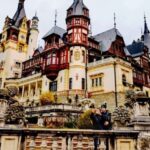
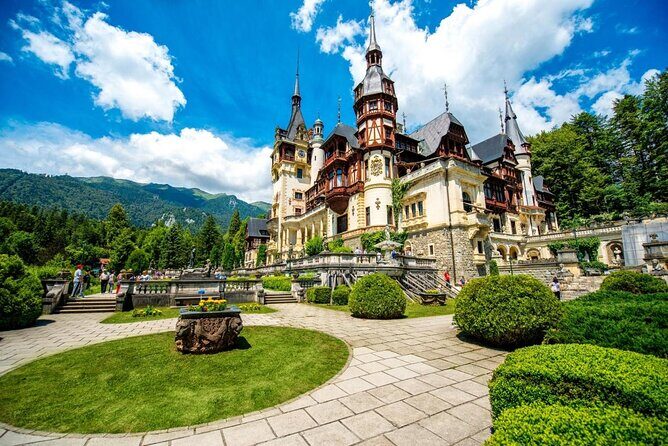
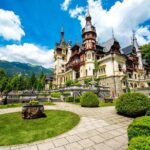
Peleș Castle is a 19th-century royal palace, known for its German Renaissance styling. It’s not just a fortress look-alike; it feels like a refined showcase of the era’s design and craftsmanship. Plan on spending enough time to notice details, not just take the first best photo from the main vantage.
Entrance is not included, so budget for the ticket. Still, the castle’s reputation and the way it’s designed make it one of the strongest first-day anchors on this itinerary.
Bran Castle: Fortress on the Valley and the Vlad Connection
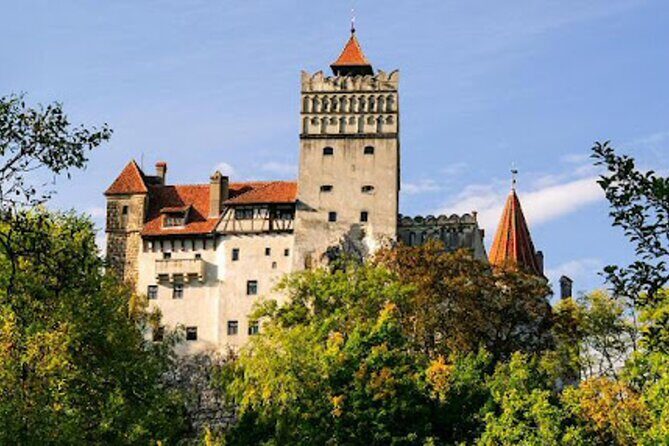
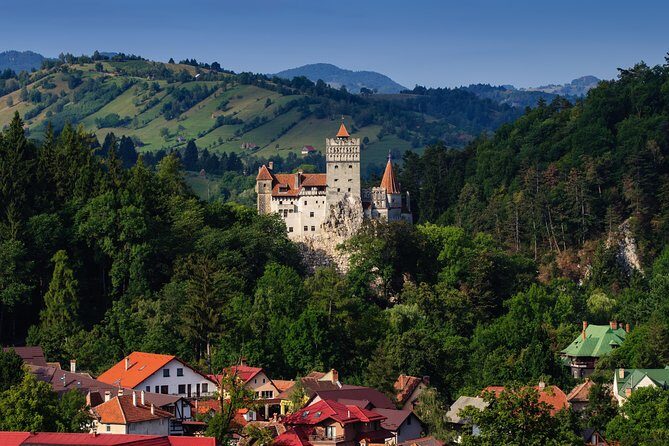
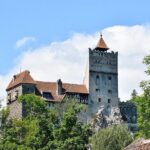
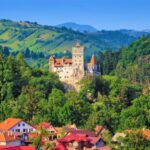
Then you head to Bran Castle, often marketed as Dracula’s castle. It’s an imposing structure that watches over a valley from a strategic position. Historically, it began as a fortress at a former border between Wallachia and Transylvania.
The key thing here is context. This tour ties the legend of Vlad the Impaler to the Dracula story, helping you connect what’s myth and what’s based on the real historical figure. If you only focus on the Dracula branding, you’ll miss the more interesting part: how borderlands and power shaped these places.
Entrance fees aren’t included here either. If you’re the type who hates surprise costs, this is where you’ll feel it, so it’s worth planning ahead.
Brașov Center: Your Orientation Walk
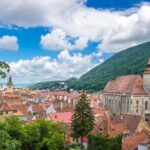
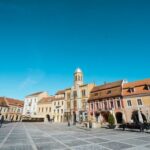
In the afternoon you reach Brașov and get a walking tour in the historical center. The walking time is short, but it’s enough to give you bearings—where the streets lead, what the old center feels like, and what to aim for on your own time later.
One practical note: you’ll have some walking, and you’re starting the trip already in motion. Wear shoes you trust.

Day 1 Bonus: Village Food and Photo-Ready Carpathian Moments
Transylvania is more than castles. This trip includes regional food sampling and a home-cooked meal in a quaint Transylvanian village. That kind of meal is often the best part of a “highlights” itinerary because it’s real, not staged.
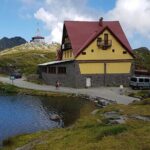
You’ll also get camera-ready panorama moments over the Carpathian Mountains during the drive. These are the times when the scenery helps the story make sense—why people built strongholds where they did and how routes shaped trade and travel.
Meals and drinks aren’t fully included unless specified, so treat the food parts as a strong perk rather than a guarantee that every meal will be covered.
Day 2: Biertan Fortified Church and Sighișoara’s Clock Tower Views
Day 2 is quieter in a good way. You trade the castle frenzy for UNESCO heritage sites and medieval streets.
Biertan Fortified Church: Why Fortified Faith Worked
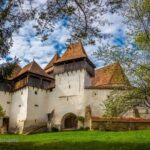
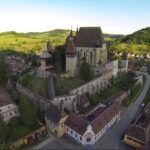
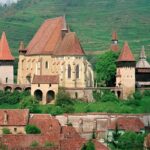
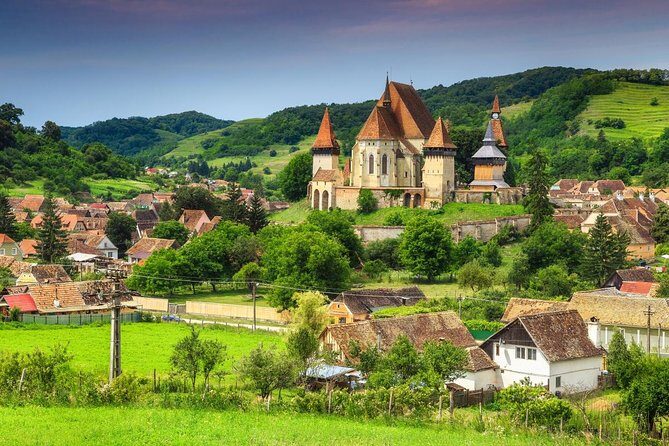
After breakfast, you visit Biertan Fortified Church, a UNESCO Heritage site. This is one of the most important fortified churches in Transylvania, and it’s exactly the kind of place that makes you understand the region’s security concerns.
Entrance isn’t included, so again: budget for tickets. The payoff is how the church’s fortified design changes your perspective. It’s not only a spiritual building; it was built to protect a community.
Sighișoara Medieval Citadel: Vlad’s Birthplace and a Climb for the View
Next comes Sighișoara’s medieval citadel, one of the very few permanently inhabited citadels in Europe. That detail matters. Many historic towns feel like museums; Sighișoara has lived-in streets.
You’ll see the birthplace house connected to Vlad Dracula. Then you’ll climb to the top of the 500-year-old clock tower for views over the town. This is where moderate physical fitness shows up in real life: it’s not a mountain hike, but you should be ready for stairs and some effort.
The walking time and guided focus make the citadel feel coherent instead of random streets and photo angles.
Sibiu Evening Walk: A Second Old Town, Same Good Vibe
In the afternoon you reach Sibiu and set out for another historical center walking tour. It’s another “you get the feel fast” stop: enough time to grasp the layout, see key sights, and understand why Sibiu is often praised for its charm.
Entrance is marked free for the walking portions listed, but always double-check any add-on costs on the day.
Day 3: Monastery Stops Depending on the Route Back to Bucharest
Day 3 is about finishing strong without cramming in one more mega-castle. You’ll also have an alternate plan built in if road conditions change.
Cozia Monastery Option: If Transfăgărășan Road Is Closed
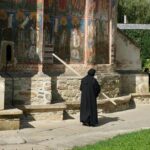
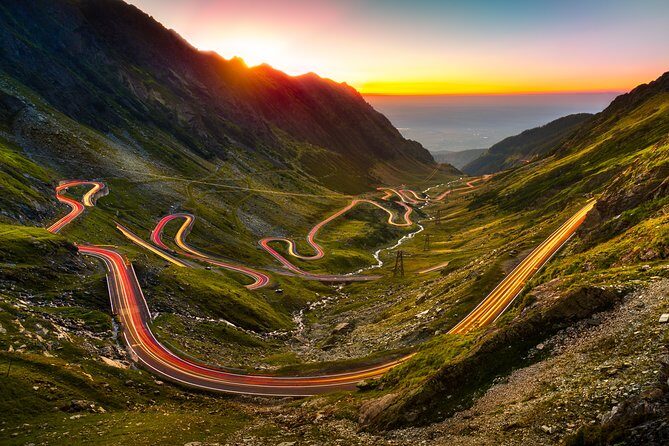
If Transfăgărășan Road is closed, the route shifts to the Olt River Valley area, with a stop at Cozia Monastery. That monastery stop is typically a good change of pace—less ticket drama, more atmosphere.
It’s a short visit time-wise, so treat it as a focused stop: see it, learn the basics from your guide, and move on.
Curtea de Argeș Monastery: A Major Romanian Faith Center
Then you visit Curtea de Argeș Monastery, described as one of the most important faith centers of Romania. This is a heavier “meaning” stop, where the guide’s explanation can make the details click.
Entrance is free in the schedule listed for this stop, which is nice after the paid castle tickets earlier in the trip. You get to concentrate on the place rather than your wallet.
Back to Bucharest
You return to Bucharest in the afternoon and the service ends back at the meeting point. Because the trip is door-to-door within central areas, you should be able to plan your evening without guessing about the last transfer.
How the Transportation and Lodging Actually Affect Your Experience
This is where value shows up in plain terms.
You’re riding in a private sedan or minivan with live commentary. That means fewer awkward gaps between locations and less time stuck figuring out logistics. On days that start early, that matters more than people think.
Lodging is included, and it’s 4-star accommodation in Brasov and Sibiu. That does not mean luxury resorts, but it usually means good locations and comfortable rooms so you can recover. These are the two nights where fatigue can creep in, and staying centrally helps you walk out of the hotel and keep exploring if you want.
Also, this is the kind of itinerary where being able to rest between days isn’t optional. If you’re the type who always wants one more thing on your own schedule, having a solid base makes it easier.
Price and Logistics: Where Your Money Goes
$592.92 per person for three days may sound like a lot until you break down what’s included. You’re paying for the guide, transport, fuel surcharge, and the two included nights in 4-star hotels. You’re also paying for the convenience of covering multiple towns in a set circuit.
What’s not included is equally important: entrance fees for castles and certain sights, plus food and drinks unless specifically noted. If you’re going to Peleș, Bran, and the paid sites, that can add a chunk.
One small detail that affects daily comfort: the tour notes that pickup only applies in central areas. So you’ll want to pick a hotel that’s workable for central pickup, or at least be ready to reach a central meeting spot if you’re staying a bit farther out.
For communication, several guides and operations around this kind of tour commonly use WhatsApp, so download it before you go. It makes last-minute coordination easier when timing matters.
What You’ll Learn (Beyond Dracula)
This tour earns its keep when you see it as more than a monster hunt.
You’ll get a structured way to understand the region: border history at Bran, royal-era design at Peleș, and fortified community life at Biertan. Then you finish with Romania’s faith traditions at the monastery stops.
The Dracula connection is included, but it’s framed as a cultural thread tied to Vlad the Impaler. That’s the smart approach, because it keeps the story anchored to real people and real power, not just costume-level myths.
Pacing, Fitness, and What to Wear
The itinerary is action-packed but not marathon-level. Walking tours are listed as short bursts (about 45 minutes in Brașov and Sibiu, for example), and the clock tower climb in Sighișoara adds a little stamina demand.
You should have moderate physical fitness, especially if stairs feel annoying. Bring comfortable shoes and plan for some uneven historic paving.
Also, start the day early. The service starts at 8:00 am, and you’ll be traveling most of the morning on driving days.
Who This Tour Suits Best
This tour is a great fit if you want:
- A high-efficiency route that still includes walking and guided context
- Castles plus UNESCO heritage, without planning every transfer yourself
- Comfort and reduced stress, thanks to a private vehicle and 4-star stays
- A guide who can explain the why behind the what
It’s less ideal if you love unstructured days and prefer to roam without a schedule. This trip is designed to hit the main targets and keep moving.
Should You Book This 3-Day Transylvania Tour?
If you want Dracula-themed highlights but you also care about the real region—fortified churches, living medieval streets, and the way castles connect to borders and power—this is a strong booking.
I’d book it if you appreciate small-group guidance, value the included 4-star nights, and don’t mind paying separate entrance fees on top of the tour price. I’d hesitate only if surprises stress you out, since castles and major sights require additional tickets and food can add up.
If you want Transylvania without turning your vacation into a spreadsheet, this one makes it easier.
FAQ
What time does the tour start?
The tour starts at 8:00 am, with pickup from the central meeting point area at Hilton Garden Inn (Strada Doamnei 12).
How big is the group?
This experience has a maximum of 8 travelers, keeping it small-group rather than crowded.
Are castle and church entrance fees included?
Entrance tickets are not included. Entrance fees are listed as not included for stops such as Peleș Castle and Bran Castle, and there are also sights where admissions are marked as not included.
Where does the pickup happen each day?
Pickup service applies only in central areas. The guide also sets the departure point for the second and third days in the central parts of Brașov and Sibiu.
Is food included?
Food and drinks are not included unless specified. The tour does include sampling regional dishes and a home-cooked meal in a Transylvanian village.
What happens if Transfăgărășan Road is closed?
If Transfăgărășan Road is closed, the tour takes an alternative route via the Olt River Valley and includes a stop at Cozia Monastery instead.