REVIEW · BUCHAREST
3-Day Tour of Transylvania’s Landmarks from Bucharest
Book on Viator →Operated by Boutique Romania · Bookable on Viator
Castles with fewer myths and more stone. This 3-day Transylvania route from Bucharest strings together fortress towns and Carpathian mountain drives with an experienced guide and door-to-door comfort, so you spend your energy looking, not coordinating. You also get a private-group setup where your day stays organized from start to finish, including pickup and a smooth vehicle plan.
What I love most is the pacing. The itinerary is built to keep a steady rhythm (enough time to actually enjoy each stop) instead of turning it into a sprint. I also like the comfort layer: air-conditioned, Euro 6 vehicle transport, parking handled, and the same guide across the journey—plus guides such as Ovidiu Botoni (with occasional colleague support like Vio, Octavian, or Julian, depending on dates) help the history feel clear and human, not like a textbook.
The main drawback to plan for is practical: entrance fees are not included, so your final bill can rise fast at major stops like Peleș and Bran. You’ll also do a moderate amount of walking, including stairs at Sighişoara, so bring shoes you can trust.
In This Review
- Key highlights you’ll actually feel
- Why This Transylvania Landmarks Tour Works from Bucharest
- Peleș Castle: Neo-Renaissance, Gothic Revival, and a very serious interior
- Bran Castle: The Dracula connection is weak, but the fortress story is strong
- Brasov: Where you re-center after two big castles
- Sighişoara: Hilltop citadel walls, the Clock Tower, and the 180 steps
- Biertan Fortified Church: A Lutheran bishop seat inside stone defenses
- Sibiu Old Town: German-looking streets, the Bridge of Lies, and towers you can still see
- Transfăgărășan Highway (or Olt Valley): Mountain driving that changes your mood
- Curtea de Argeș Monastery: Georgia-Armenia-influenced lines with legend attached
- Price and Logistics: What the cost includes and how to budget entrances
- Who should book this tour (and who might not)
- Should you book this Transylvania landmarks tour?
- FAQ
- What time does the tour start?
- Is pickup available?
- Is this a private tour?
- Are entrance tickets included?
- Is there a single room supplement?
- How much walking is involved?
- What happens if the weather is bad?
- When will I receive confirmation after booking?
Key highlights you’ll actually feel
- Royal-meets-Gothic Peleș Castle: expect a stunning interior, not just a photo stop
- Bran Castle with the Dracula myth corrected: still historic, still worth it
- Sighişoara’s 180-step Covered Staircase: views and good built-in exercise
- Biertan Fortified Church’s bishop-seat role (1572 to 1867): history with weight
- Transfăgărășan Highway or Olt Valley: scenery depends on the season and road access
- Private group with consistent guidance: less waiting, fewer logistics headaches
Why This Transylvania Landmarks Tour Works from Bucharest
This is the kind of trip that makes sense if you want the big Transylvania names without the stress of planning. You’ll start in Bucharest at 10:00 am, then spend most of your time in the Carpathian mountains, bouncing between medieval towns and fortified church sites.
The value is in the “in-between” details. Transport and parking are handled, you ride in an air-conditioned, Euro 6 vehicle, and you don’t have to spend time figuring out schedules, tickets, or where to park. When the driving days are built into the plan, you arrive with more energy for the actual sights.
It’s also a private setup, so the experience stays focused on your group’s pace. If you’re traveling with kids, older parents, or a mixed group, this matters—your day doesn’t depend on strangers’ timing.
You can also read our reviews of more tours and experiences in Bucharest
Peleș Castle: Neo-Renaissance, Gothic Revival, and a very serious interior
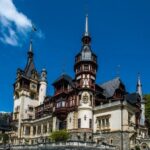
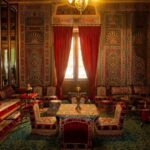
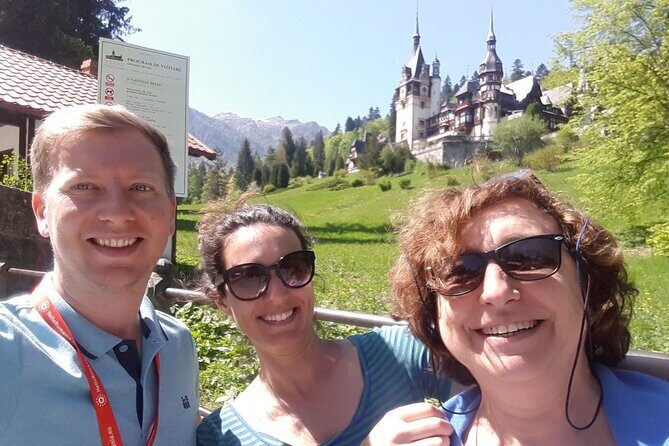
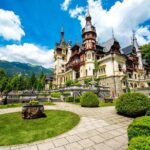
Peleș Castle is your first major “wow” moment, set in the mountain resort town of Sinaia. The castle dates to the 1870s and blends Neo-Renaissance and Gothic Revival architecture, with an interior that leans heavily Baroque in style—think ornate carved woodwork and rooms designed to impress.
You’ll get about 1 hour 30 minutes here, which is a workable amount of time if you like interiors as much as exteriors. The key thing: admission isn’t included, so check your budget early. If you’re the type who hates rushed museums, arrive with a calm mindset and use that time to slow down—Peleș rewards attention to detail.
Practical tip: if you’re sensitive to crowding, aim to move through the first rooms steadily and save the photos for after you get your bearings. The castle’s value is in what’s inside, not just the front facade.
Bran Castle: The Dracula connection is weak, but the fortress story is strong
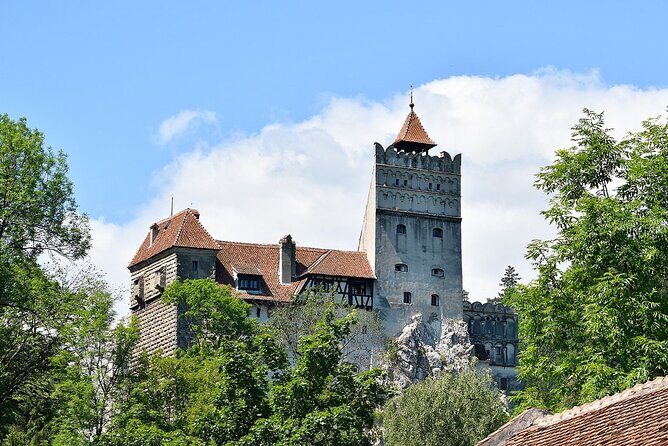
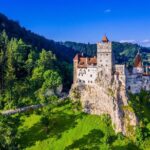
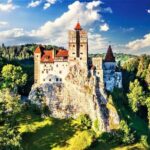
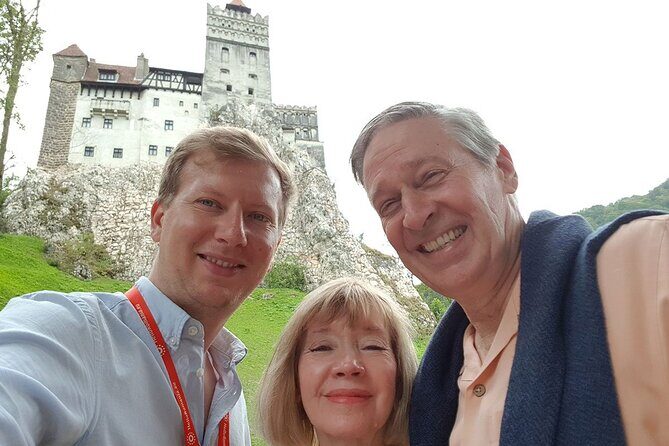
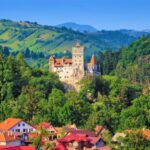
Bran Castle is famous for a reason—even if the popular Dracula link is shaky. The association with Vlad Țepeș doesn’t have solid proof, and the Bram Stoker influence story also lacks evidence. Still, you’ll be visiting a real medieval fortress with a documented timeline.
Here’s what makes Bran more than a costume-drama stop:
- The site’s early fortress is said to date back to the early 1200s
- Mongols destroyed an earlier wooden structure in 1242
- A stone castle was built later with local Saxon authority and effort, around 1377
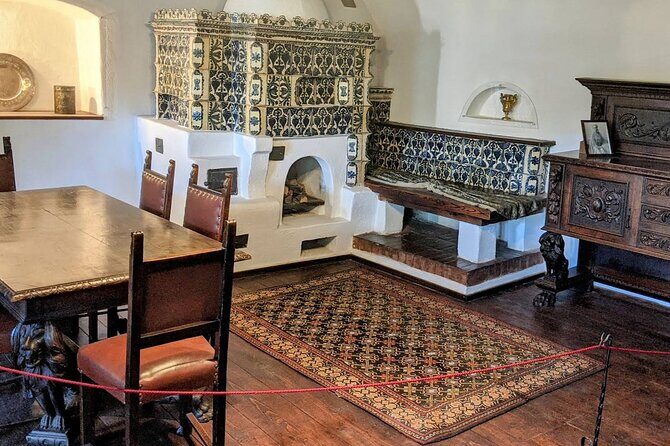
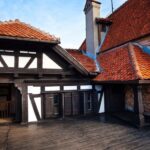
You’ll get another about 1 hour 30 minutes at Bran, and it’s worth using that time to notice how it functioned as a stronghold—not just how it looks on postcards. Queen Marie’s furniture and art collection is housed in the museum portion, so this is a mix of fortress history plus royal-era objects.
Again, admission isn’t included, so plan for ticket costs before you go. If your main goal is Vlad the Impaler mythology, you may leave slightly disappointed; if your goal is old stone and real context, you’ll be happy.
Brasov: Where you re-center after two big castles
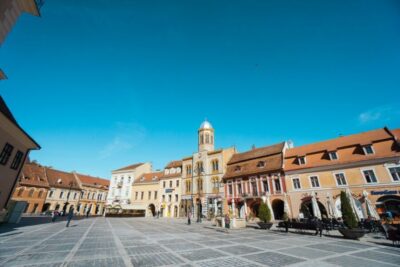
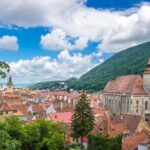
Brasov is the bridge between “royal castles” and “old Saxon towns.” The city sits framed by the Carpathians and mixes architectural styles—Gothic, Baroque, and Renaissance—so even when you’re just walking, the town keeps offering visual cues.
Brasov was founded in 1211, and the city’s older layers connect to the Teutonic Knights and the Saxon period. It also became one of Transylvania’s walled citadels, part of the seven fortified towns of Siebenburgen.
You’ll have around 1 hour 30 minutes here, and the best use of that time is simple: get your bearings. Use the stop to re-orient yourself on the geography and layout so Day 2 feels even more meaningful. If you want extra snacks or a quick drink before the next day’s forts and churches, Brasov is a good moment to do it.
Tip: the exterior architecture is impressive, but you’ll get more out of a short Brasov stop if you pick one or two areas you want to focus on instead of trying to cover everything.
Sighişoara: Hilltop citadel walls, the Clock Tower, and the 180 steps
Day 2 starts with Sighişoara, a medieval citadel on a hill with defensive walls and towers. This is one of those places where the physical structure tells the story: a roughly 930-meter ring of walls, multiple defense towers, and bastions.
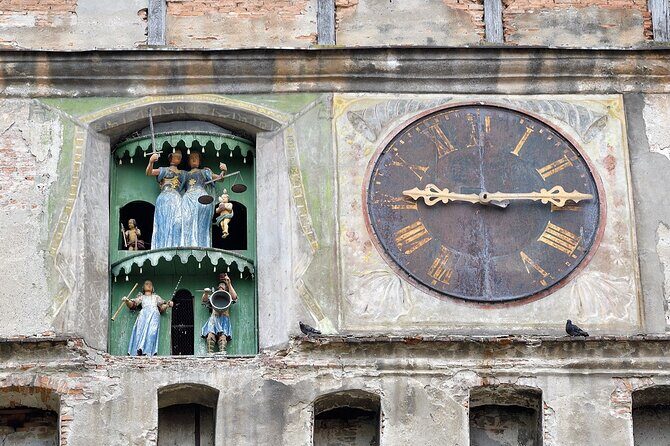
Sighişoara’s Historic Center is known for well-preserved merchant houses in pastel tones, along with German-style architecture and active local craft scenes. The Clock Tower is the landmark you’ll notice first if you’re approaching the citadel from below, and it dates back about 700 years.
Your walking time is about 2 hours, and you’ll climb the 180-step Covered Staircase (Scholars’ Stairs / Scara Școlarilor). That climb is the practical reason this tour asks for moderate physical fitness—but it’s also why Sighişoara feels special. You earn the viewpoint and you feel the vertical layout.
During the walk, you’ll also see the Church on the Hill (Biserica din Deal) and the Saxon Cemetery. And yes, there’s a Vlad Tepes connection too: the visit includes the 1431 birthplace that’s linked to the Dracula legend.
Practical advice: wear shoes with grip and go slow on the stairs. This isn’t a race, and you’ll get more from the day if your legs aren’t already cooked before the photos.

Biertan Fortified Church: A Lutheran bishop seat inside stone defenses
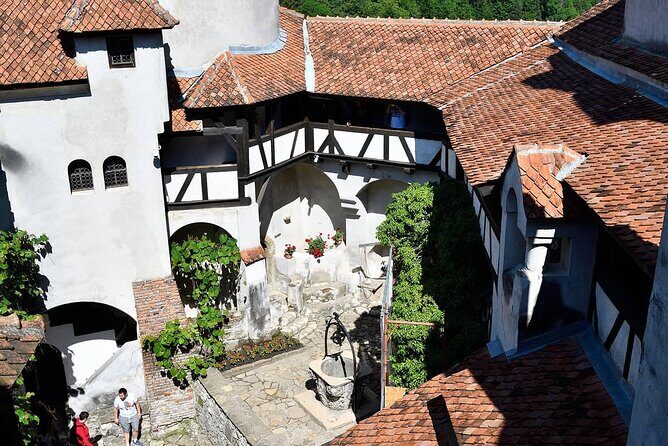
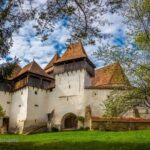
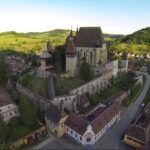
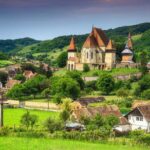
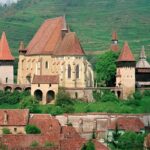
Biertan is a different kind of Transylvania stop: quieter, more architectural, and strongly tied to Saxon community life. The fortified church here is one of the best-known examples of a Saxon village protected by church fortifications.
You’ll spend about 1 hour at Biertan, which is enough time to understand the purpose of the walls and how the church functioned beyond worship. One standout detail is the church’s role as the Lutheran Evangelical bishop’s seat from 1572 to 1867. That’s a big time window, and it explains why this wasn’t a casual rural building—it was a center of authority.
Biertan’s Saxon origins are tied to the period between 1224 and 1283, and the village later lost some importance when nearby cities grew. That shift in power helps you see Biertan as part of a changing regional network, not a standalone postcard.
Admission isn’t included, so budget for tickets if you plan to go inside. If you like architecture and historical function, you’ll enjoy the way the site forces you to think about protection, community, and religious administration all at once.
Sibiu Old Town: German-looking streets, the Bridge of Lies, and towers you can still see
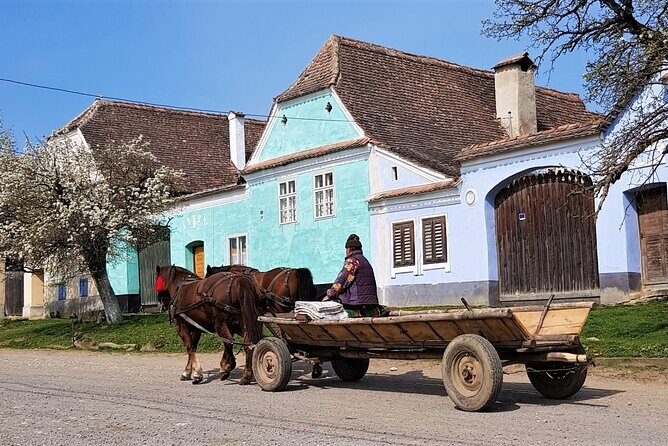
Sibiu is the kind of city where your first impression sticks: the Old Town still looks distinctly German, with surviving portions of the medieval wall. You’ll also see that some towers from the original 39 still remain standing, which is a helpful way to understand how defensive the city once was.
You’ll have about 2 hours here. That’s enough time to hit the top sights without feeling like you’re constantly checking a map.
Key stops you’ll cover include:
- Great Square
- Brukenthal Palace, a late-Baroque masterpiece housing a major museum
- Podul Minciunilor (Bridge of Lies)
- Haller House with distinctive window design
- Multiple churches and other historical landmarks
Even if you’re not a museum person, the architecture alone makes Sibiu worth slowing down for. The Bridge of Lies is fun, but don’t treat it like a joke-only stop—use it as a quick reset before you head back into the older city blocks.
Tip: this is another place where shoes matter. You’ll likely walk more than you expect because the Old Town is compact and pleasant to explore on foot.
Transfăgărășan Highway (or Olt Valley): Mountain driving that changes your mood
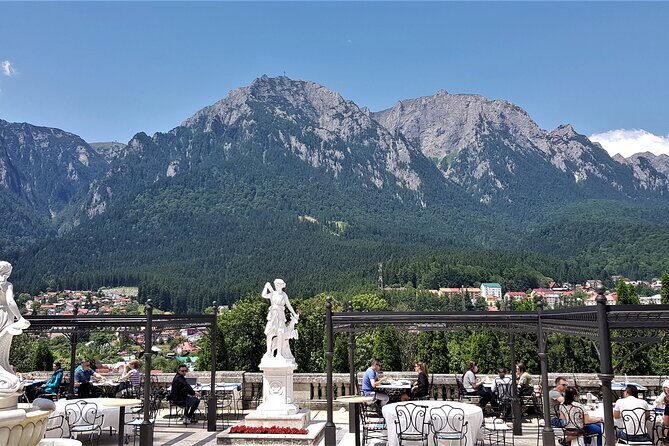
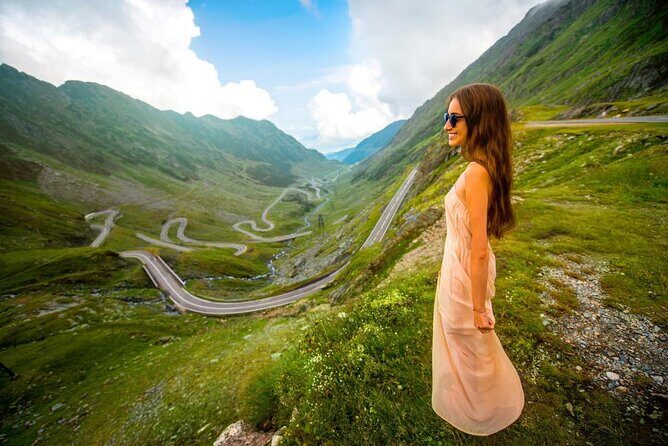
Day 3 is built around road time and views, but the exact route depends on when you travel. If your dates fall between July and September, you’ll travel through the Transfăgărășan Highway, one of Romania’s most famous mountain roads. It cuts through the southern Carpathians and connects Transylvania and Wallachia, crossing near peaks like Moldoveanu and Negoiu.
If the highway isn’t open, your guide takes you through the Olt Valley instead, between the Căpăţânii, Lotru, and Făgăraş mountains. This route matters because it follows a longer story: Romans forged a trade route here, and later merchants used it too.
You’ll have about 2 hours for this part, which is a sensible amount—enough time to enjoy the drive without turning the day into a constant sit-and-stare session.
Practical advice: bring something to help with motion sickness if you’re sensitive, and pack for changing mountain weather. This tour also requires good weather; if conditions are poor, you’ll be offered a different date or a full refund.
Curtea de Argeș Monastery: Georgia-Armenia-influenced lines with legend attached
The final major stop is Curtea de Argeș Monastery, a distinctive Orthodox site in Romania’s tradition of church architecture. What makes it special is the style mixing: influences from Georgia and Armenia, plus Islamic geometric motifs.
Construction dates are 1515 to 1517, and the site is surrounded by stories about its creation. Two names anchor the legend: Meșterul Manole (Masterbuilder) and Prince Negru Voda, also known as Radu Negru. There are said to be many versions of the tale, which is exactly the kind of cultural detail you want at your last stop—it makes the place feel lived-in, not just historical.
You’ll have about 45 minutes here, and because it’s a short window, you’ll get the most out of it by focusing on the architectural patterns rather than trying to cover everything.
Admission isn’t included, so plan your budget. If you’re traveling for architectural variety and meaning behind the shapes, this is a strong closing act.
Price and Logistics: What the cost includes and how to budget entrances
This tour is priced at $1,089.92 per person for roughly three days. That’s not a low-cost day trip, so you should look at what you’re paying for: the vehicle, the planning, and the fact you don’t have to manage the transport yourself across multiple mountain stops.
What’s included is practical:
- Air-conditioned vehicle
- Private transportation
- Parking fees
What’s not included is where your money needs attention:
- Entrance fees (at major sites like Peleș Castle and Bran Castle, plus others)
- A single room supplement of €60 per person
There’s also a “comfort plus” element in the way the tour is set up: pickup is offered, you get a mobile ticket, and the tour is designed for a private group experience. That matters if you want fewer waits and less confusion at each stop.
A heads-up: because entrances are extra, your total cost will depend on how many indoor sites you choose to enter. If you know you want to go inside everything, check ticket prices ahead of time so you’re not surprised.
Who should book this tour (and who might not)
This tour fits best if you want a guided “greatest hits” route with real context—castle architecture, fortified towns, and church-fortresses. You’ll also like it if you prefer comfortable transit and a steady guide over a self-guided driving puzzle.
It’s a good match for couples, small groups, and anyone who wants to travel efficiently from Bucharest without renting a car. It’s also helpful for first-time visitors to Romania who want the highlights with historical framing, not just photo spots.
Consider skipping or swapping to a more flexible plan if you hate stairs or you’re dealing with mobility limits. The Sighişoara 180-step climb means you need to be ready for walking and elevation changes. Also, because the tour depends on good weather, you should be comfortable with the possibility of date adjustments.
Should you book this Transylvania landmarks tour?
If your goal is to see big Transylvania names—castle interiors, Saxon citadels, fortified churches—and you want the trip handled end-to-end, I think this is a strong choice. The included comfort (private, air-conditioned transport, parking handled, same guide across the days) is exactly what makes the mountains feel easy instead of exhausting.
Book it if you’re excited by the real history behind the sites—especially the Dracula myth correction at Bran and the fortified-community structure you’ll see at Sighişoara and Biertan. I’d especially recommend it if you want someone to help you connect what you’re seeing with why it matters.
Hold off if you’re trying to keep costs tight, since entrance fees are not included and indoor ticketing can add up quickly. Also, pack for walking and stairs—this isn’t just a sit-on-a-bus photo tour.
FAQ
What time does the tour start?
It starts at 10:00 am.
Is pickup available?
Yes, pickup is offered.
Is this a private tour?
Yes. Only your group will participate.
Are entrance tickets included?
No. Entrance fees are not included.
Is there a single room supplement?
Yes. There is a single room supplement of 60 E/person.
How much walking is involved?
Moderate physical fitness is recommended, and the route includes a walk with stairs in Sighişoara, including the 180-step Covered Staircase.
What happens if the weather is bad?
The experience requires good weather. If it’s canceled due to poor weather, you’ll be offered a different date or a full refund.
When will I receive confirmation after booking?
Confirmation is received within 48 hours of booking, subject to availability.