REVIEW · BUCHAREST
3-Day Medieval Transylvania Package Tour
Book on GetYourGuide →Operated by TravelMaker · Bookable on GetYourGuide
Three days can feel like a sprint through Transylvania, but this route keeps it fun and focused. I like the way it strings together fortified churches and medieval towns, then finishes with royal architecture in Sinaia. I also like that you get central lodging and breakfast included, so you’re not constantly starting your day from scratch. One possible drawback: it’s a lot of time on the road, and popular stops like Bran and Peleș can mean waiting in lines.
Quick take: what makes this tour click
- Small group (16 max) means you’re more likely to get real conversation, not just a bus lecture.
- Moorish Curtea de Argeș + Cozia Monastery on Day 1 gives you a strong medieval start beyond the usual Dracula stuff.
- Biertan fortified church is a rare “wow” sight: huge, intact, and still makes sense when you stand inside.
- Sighișoara’s living citadel feels different from other museum towns because people still live there.
- Bran + Black Church + Brasov streets pack Gothic beauty and legends into one compact arc.
- Peleș Castle + Sinaia Monastery finish with two very different styles: royal Neo-Renaissance and quiet pilgrimage-era faith.
In This Review
- Day 1: Curtea de Argeș’s Moorish twist, Cozia’s medieval art, then Sibiu’s Old Town
- Sibiu’s old walls and why that evening walk is worth it
- Day 2: Biertan’s fortified church and Sighișoara’s still-alive citadel
- Brasov’s Gothic core and the drive rhythm you should expect
- Day 3: Black Church, Bran Castle and the Dracula-shaped story
- Sinaia’s Peleș Castle and the quiet end at Sinaia Monastery
- Price and logistics: what you’re paying for at $588 per person
- Who this tour is best for (and who should skip it)
- Should you book the 3-day Medieval Transylvania package?
- FAQ
- What is the price and what’s included in the 3-day package?
- Where does the tour start and is pickup included?
- How many people are in the group?
- What language is the guide?
- Are meals included during the tour?
- Is there an extra fee for single travelers?
- Are there any closures I should know about?
- Is the tour suitable for children or people with mobility issues?
Day 1: Curtea de Argeș’s Moorish twist, Cozia’s medieval art, then Sibiu’s Old Town
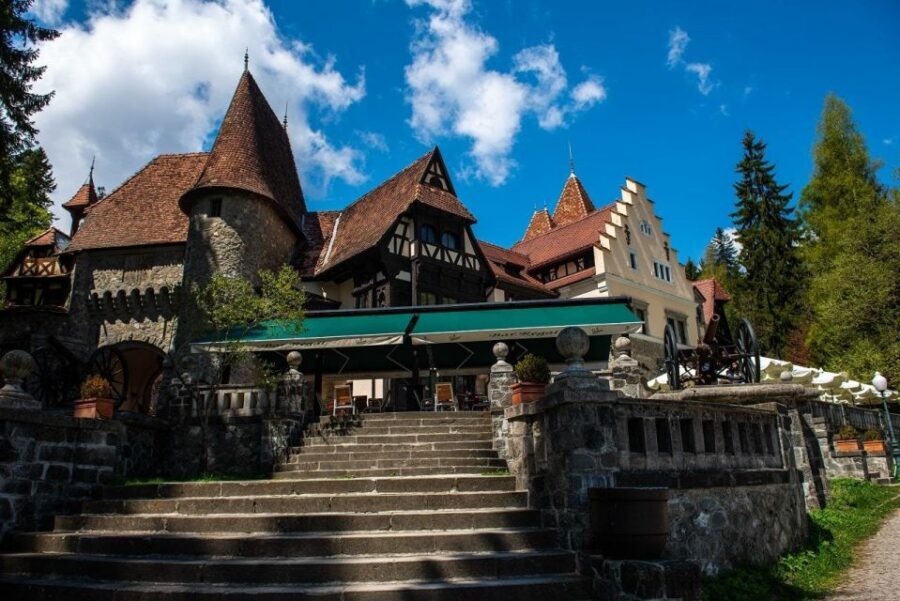
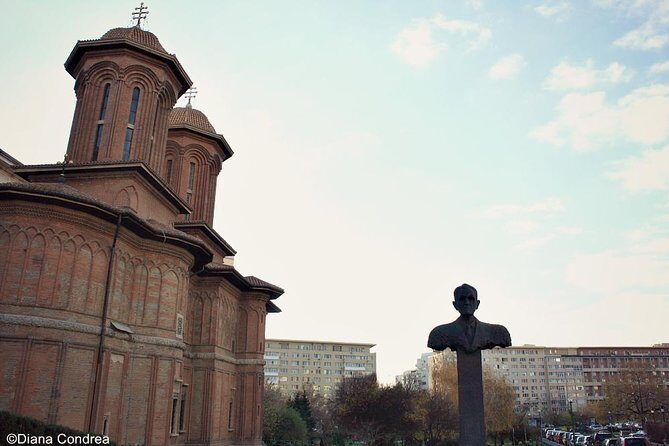
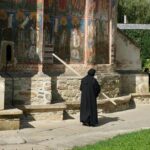
Day 1 starts with a two-monastery hit that sets the tone for the whole trip. First up is the Moorish Monastery of Curtea de Argeș, built in 1514 by Wallachia’s ruler Prince Neagoe Basarab. The key here isn’t only the age. It’s the look: the name Moorish can make you expect the usual Romanian church shape, but you’ll see a more unusual, decorative vibe. It’s a great way to get your bearings before you head deeper into Transylvania’s layers.
Next you’ll visit the nearby Cozia Monastery, known as one of Romania’s important monuments of national medieval art. Even if you’re not the type to read every plaque, it helps you “see” the region’s medieval identity as something more than castles and legends. This is church art and craftsmanship—less theme park, more lived-in culture.
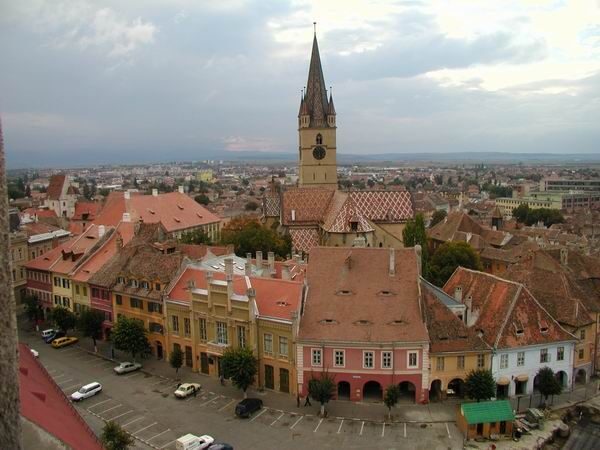
After that comes lunch at a traditional Romanian restaurant (your cost), then the drive to Sibiu, historic capital of the Principality of Transylvania. Sibiu’s old story is one reason this stop feels rewarding: documents trace the town to 1191, and the historic core still looks like a medieval city rather than a modern reenactment.
You’ll finish Day 1 with a guided walking tour of Sibiu’s Old Town, then dinner (also not included) and an overnight stay in the town center. I love this setup because you’re not spending the entire day in a vehicle and then getting stuck looking for dinner in an unfamiliar area at night.
Practical note: bring comfortable shoes. You’ll be walking on uneven old-street surfaces and you’ll want to stay steady without rushing.
Sibiu’s old walls and why that evening walk is worth it
Sibiu is easy to underestimate if you’ve only seen photos. The guided walk matters because the streets and buildings connect in a way that’s hard to guess without someone pointing out what you’re looking at. This is the “former German medieval citadel” side of Transylvania—an atmosphere of fortified urban life rather than open countryside.
In the Old Town, you’ll get that classic mixture: stone facades, old civic spaces, and narrow lanes that make the town feel compact even though it’s full of sights. After a long day of monasteries and driving, the walk gives you a softer landing. You can actually enjoy the place rather than just ticking boxes.
A small group helps here too. With fewer people, your guide (English-speaking, and in past departures even driving with calm confidence) can spend a little time on questions instead of rushing everyone through.
You can also read our reviews of more tours and experiences in Bucharest
Day 2: Biertan’s fortified church and Sighișoara’s still-alive citadel
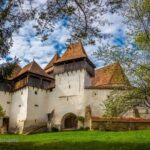
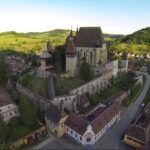
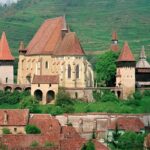
Day 2 shifts from big-name monuments to places that feel almost “built to last.” You start at the Biertan commune and visit one of the most important Saxon villages of fortified churches in Transylvania. This isn’t a quick photo stop. You’ll see the largest fortified church in Transylvania, built between 1490 and 1524.
What I like about this sight is the logic of it. Fortified churches weren’t only about faith—they were about protection, community planning, and survival. When you stand there, the thick structure and defensive feel make more sense than when you only hear the name.
After Biertan, the schedule continues to the medieval citadel of Sighișoara (dating back to 1280). This is the only medieval citadel in Europe still populated, and you feel that immediately. Instead of an empty “historic zone,” you get a living neighborhood: ancient houses, steep lanes, and everyday life happening inside the medieval shell.
During your walking tour, the landmark stop is the Clock Tower, where you can get panoramic views across the citadel houses. Even if you don’t spend ages at the top, the view helps you understand the town’s layout. You see the steep geometry and why these defenses and streets worked where they did.
From a practical standpoint, Day 2 also means travel time. You’ll drive onward after lunch to Brasov, in the Southern Carpathians. Brasov is often the next big step for most Romania trips, but it lands better after Sighișoara. You’ve already trained your eyes for medieval street patterns, Gothic silhouettes, and town walls.
Brasov’s Gothic core and the drive rhythm you should expect
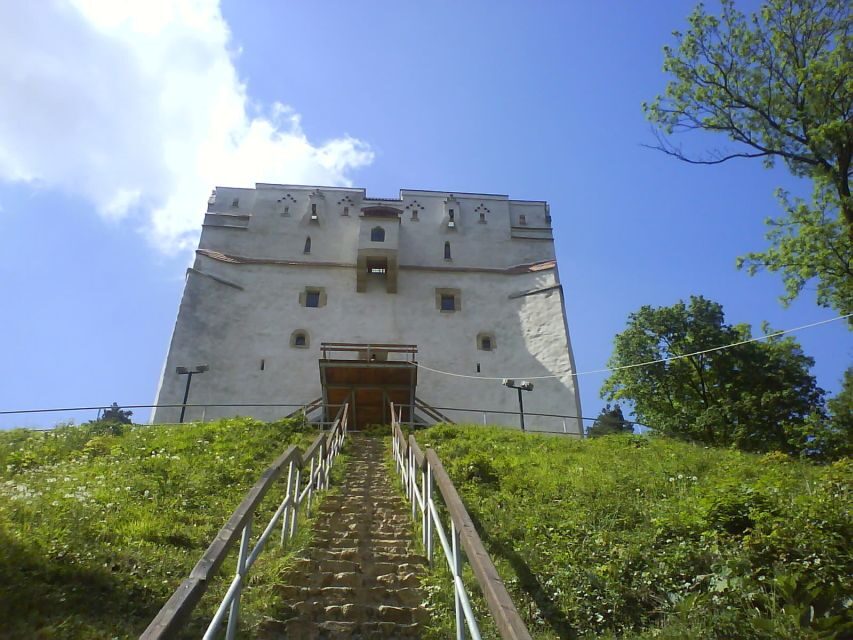
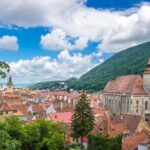
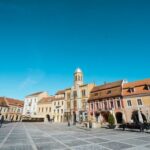
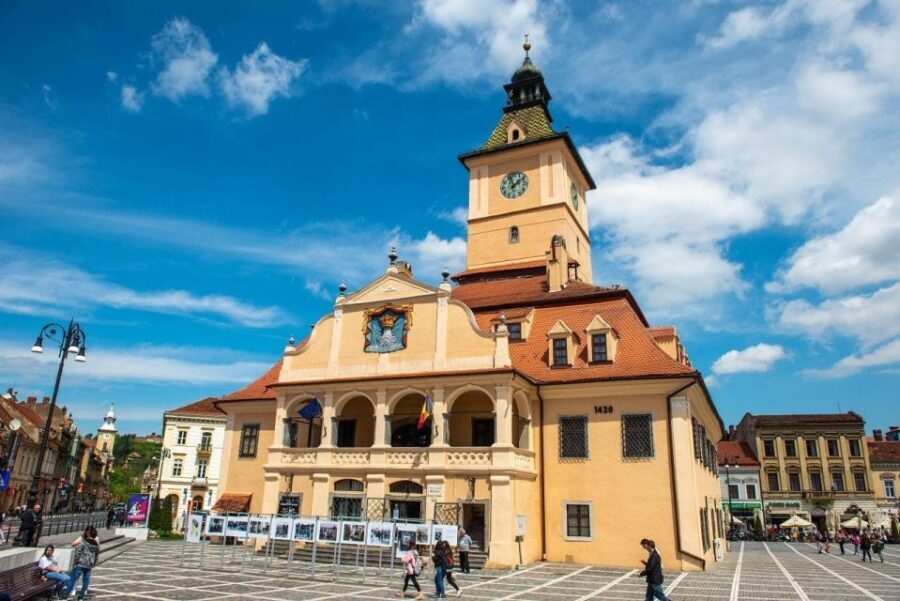
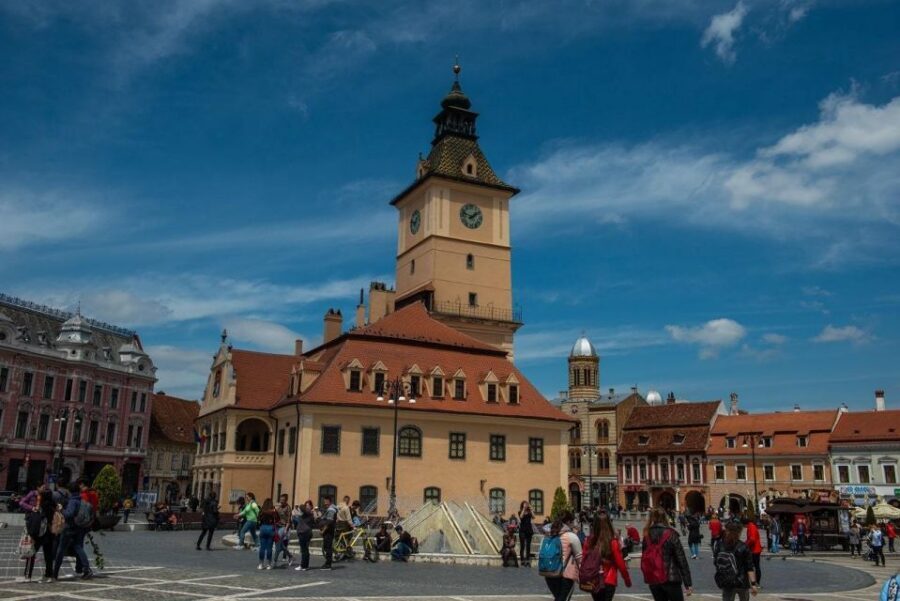
Brasov is well documented from 1235, and it has layers from different eras. It even has a claim that catches people off guard: it’s the birthplace of the Romanian national anthem, and at one point during the Communist era it was briefly renamed Stalin City. That kind of historical pivot is part of what makes Brasov more than a pretty stop.
The tour focus here is on the city’s medieval and Gothic feel, including highlights from guided walking time. You’ll hear about the town’s narrow street—yes, it’s one of Romania’s narrowest—and you’ll walk through parts of the medieval fabric rather than only getting a bus-side glance.
One thing to plan for: long car days. I’d treat the vehicle time like part of the experience, but keep your expectations realistic. You’ll be standing in lines for restrooms and waiting to enter major sites on busier days. It’s not unusual, but it can affect how relaxed you feel, especially at Peleș and Bran later in the trip.
Day 3: Black Church, Bran Castle and the Dracula-shaped story
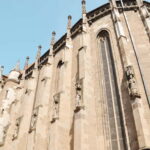
Day 3 begins in Brasov with the Black Church, built in 1383. It’s the most important tourist site in Brasov, and it gives you a strong Gothic anchor right out of the gate. Even if you’re not chasing religious architecture, it’s one of those buildings that makes the town’s history feel concrete.
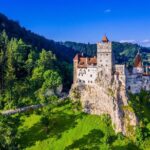
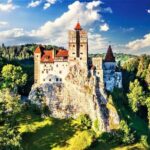
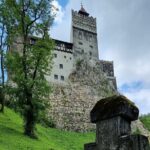
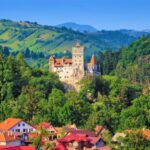
Then it’s on to Bran Castle, often called Dracula’s Castle. Bran sits on the border between Transylvania and Wallachia, which is one reason it became such an effective legend stage. You’ll explore the castle grounds and museum and then have traditional lunch (your cost).
A quick reality check that still helps: Bran’s Dracula association is more literary and cultural than it is about the exact historical person named in modern pop culture. Still, the castle experience is worth it if you treat it as a story location—medieval setting, dramatic views, and that specific “legend tourism” energy people come for.
From a comfort standpoint, this is one of the moments where queues can show up. If you hate waiting, bring a flexible mindset: the castle is popular for a reason, and the lines are part of the price of seeing it.
Sinaia’s Peleș Castle and the quiet end at Sinaia Monastery
After Bran, you drive to Sinaia, a mountain resort in the Prahova River valley. This is where the trip changes mood. The air and the feel shift toward something more scenic and refined, especially after the medieval density of Brasov and Sighișoara.
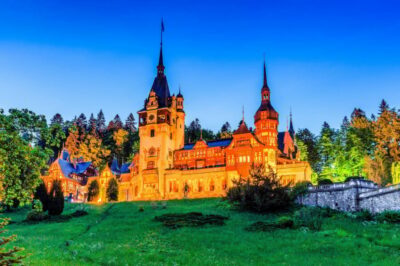
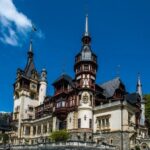
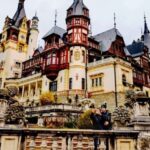
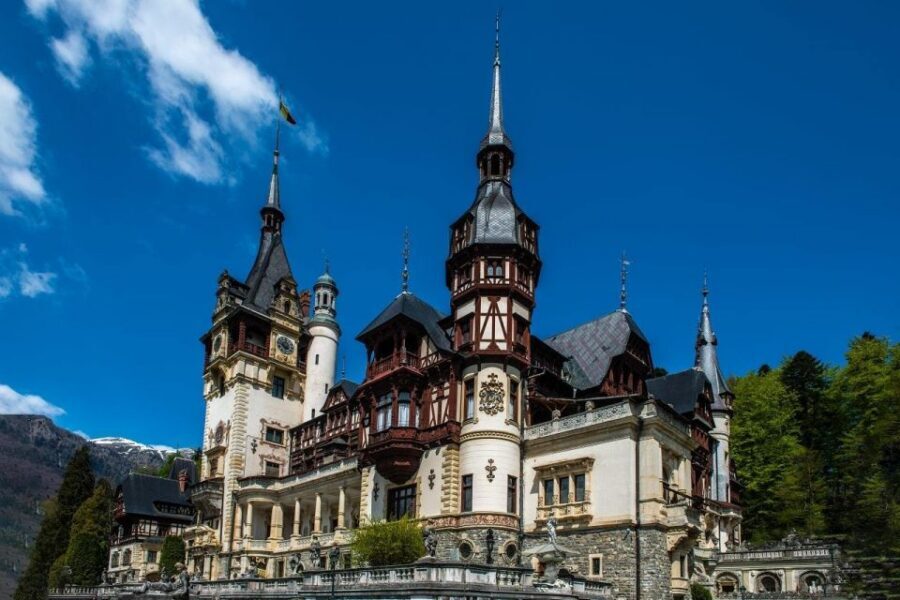
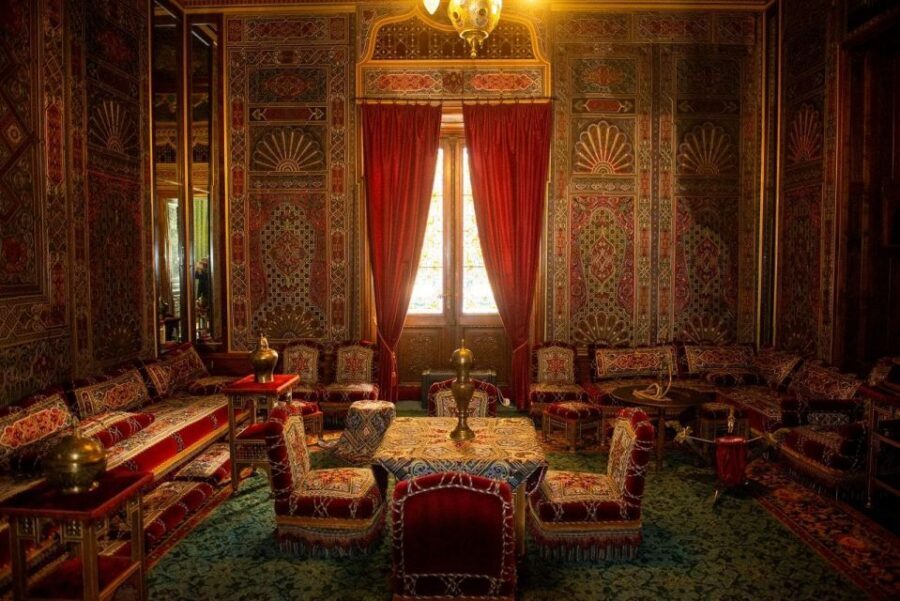
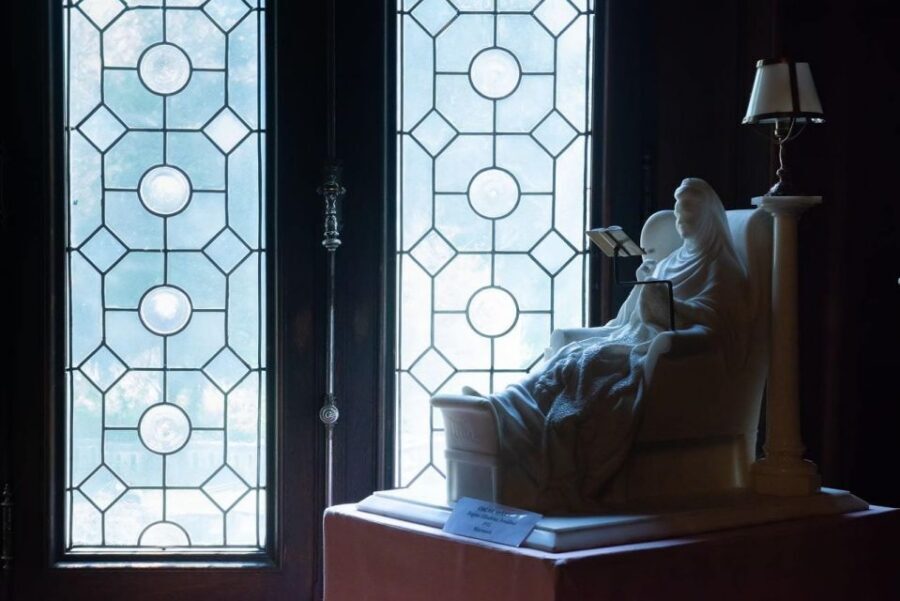
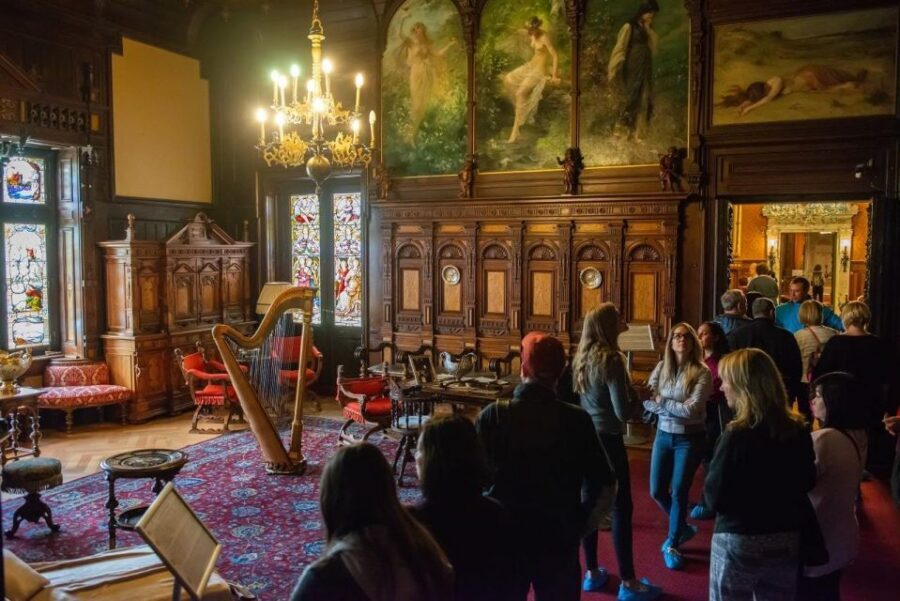
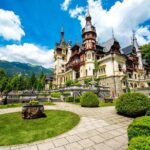
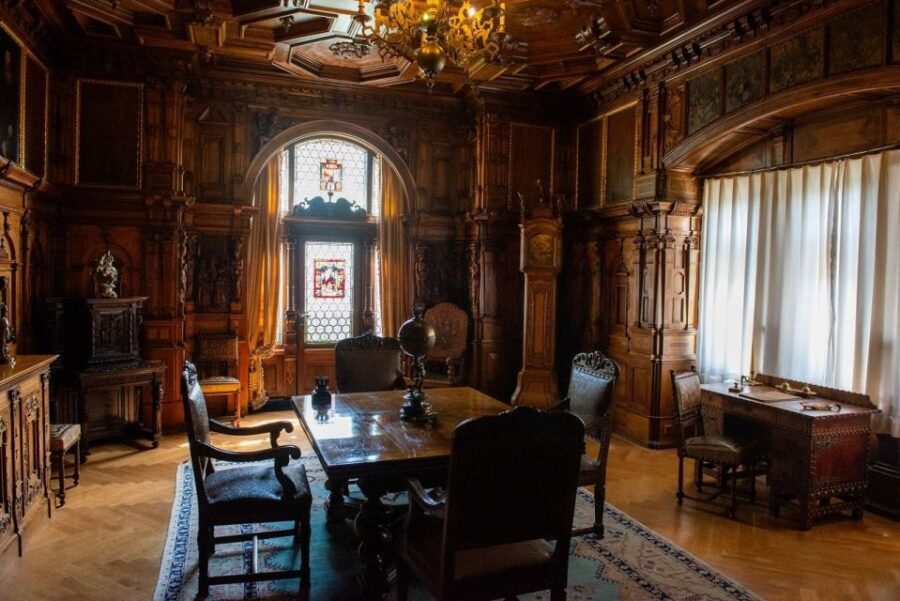
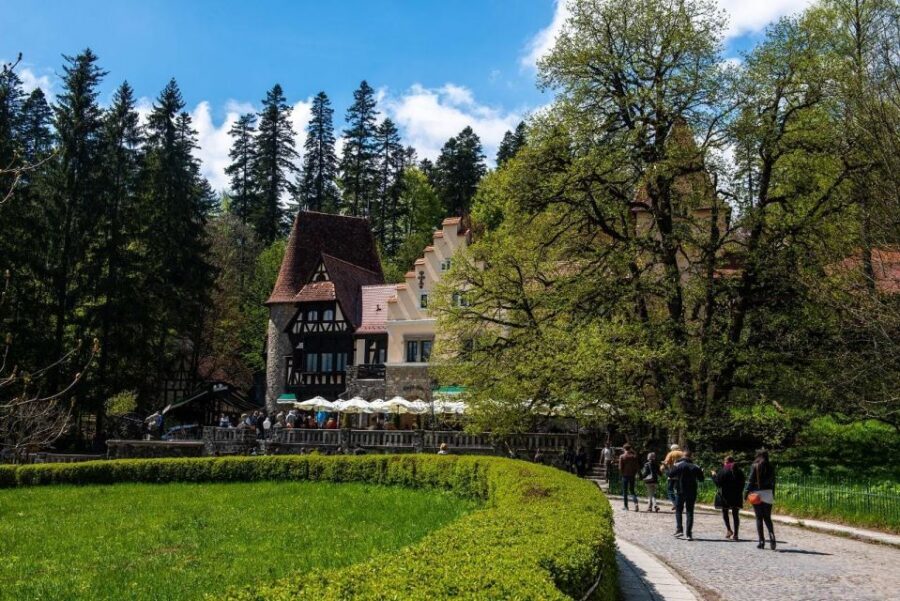
Peleș Castle is the headline. Built by Carol I, the first king of Romania, it’s a Neo-Renaissance masterpiece constructed between 1875 and 1914. You’re not just looking at stone walls here—you’re seeing architecture meant to impress. I love the contrast: Bran is jagged legend in a dramatic setting; Peleș is design and craftsmanship made for royalty.
Then comes Sinaia Monastery, founded in the 17th century by Prince Mihail Cantacuzino after a pilgrimage to Mount Sinai. That origin matters. It gives the monastery a sense of religious continuity rather than only being another castle-shaped stop. After lots of “big attractions,” it’s a calm finish: the monastery side of Romania shows you faith as something local and ongoing.
Important scheduling detail: Peleș Castle is closed on Mondays and Tuesdays. If your departure falls on those days, the route timing may change, so keep an eye on what your exact day offers.
Price and logistics: what you’re paying for at $588 per person
At $588 per person for a 3-day package, the real value is in what’s bundled: transportation by car/minibus, parking and fuel, an English-speaking driver/guide, and two nights in a 3-star hotel with breakfast. Entrance fees and lunch/dinner are not included, so your final spend will depend on ticket costs and how many sit-down meals you choose.
What you’re really buying is time-saving and route control. You’re covering Curtea de Argeș, Cozia, Sibiu, Biertan, Sighișoara, Brasov, Bran, and Sinaia without having to coordinate intercity rides, parking, and day-to-day logistics. For a short trip from Bucharest, that’s the core advantage.
A couple more practical considerations:
- Single travelers should expect an additional fee of €60 paid in cash to the guide at the start.
- The tour can run in reverse order on Saturday and Sunday departures. If you care about seeing certain places on certain mornings, plan to be flexible.
- Pacing includes long stretches of driving and walking, so good shoes matter more than you think.
One note on guide style: in prior departures, the driver-guide was praised for safe driving, humor, and giving history where possible. At the same time, one experience report suggested less commentary during roadside travel and more focus on arriving at sites. The takeaway for you: if you want more context while you’re on the road, ask questions early and don’t wait for the stop-by-stop moment.
Who this tour is best for (and who should skip it)
This tour fits best if you want a “greatest hits” Transylvania loop with minimal planning stress. It’s especially good for adults and couples who enjoy medieval towns, church architecture, and that specific Romanian blend of fortress life and folklore.
It’s not suitable for:
- Children under 7
- People with mobility impairments
If you’re traveling for maximum freedom, you might prefer independent travel. But if you want a tight route from Bucharest with a live guide and a small group, this does the job.
Also, there are no pets allowed, so plan for that if you’re coming with an animal companion.
Should you book the 3-day Medieval Transylvania package?
I’d book this tour if you want a structured Transylvania experience that hits the big medieval checkpoints—Biertan’s fortified church, Sighișoara’s living citadel, and Bran plus the Peleș finish—without worrying about buses, schedules, or where to stay each night.
I’d think twice if you strongly dislike lines, long vehicle time, or you’re hoping for a highly customizable day. This route is efficient, which means you’ll spend time in transit and then move quickly once you arrive.
My final advice: if you book, pack for the physical reality (comfortable shoes), bring some patience for popular entrances, and be ready to ask your guide questions. With that mindset, this is a satisfying 3 days that gives you both legends and real medieval places, in a way that’s hard to replicate on your own in such a short window.
FAQ
What is the price and what’s included in the 3-day package?
The tour costs $588 per person. It includes transportation by car/minibus, parking and fuel, an English-speaking driver/guide, and 2 nights in a 3-star hotel with breakfast. Entrance fees and lunch and dinner are not included.
Where does the tour start and is pickup included?
Pickup is included from hotels in Bucharest. The itinerary runs for 3 days with departures based on availability.
How many people are in the group?
The group is small, limited to 16 participants.
What language is the guide?
The tour includes an English-speaking driver/guide. Other languages are available on request.
Are meals included during the tour?
Breakfast is included with the 3-star hotel stays. Lunch and dinner are not included.
Is there an extra fee for single travelers?
Yes. Single travelers pay an additional fee of €60 in cash to the guide at the beginning of the tour.
Are there any closures I should know about?
Peleș Castle is closed on Mondays and Tuesdays. The Clock Tower in Sighișoara is closed on Mondays.
Is the tour suitable for children or people with mobility issues?
No. The tour is not suitable for children under 7 or for people with mobility impairments.