REVIEW · BUCHAREST
Private 8 Day Romania UNESCO Tour
Book on Viator →Operated by Visit Transilvania Travel · Bookable on Viator
Romania goes from big-city drama to quiet village life fast.
This private 8-day UNESCO-focused route gives you a guided sweep of highlights, from Bucharest’s Revolution Square to Transylvania’s medieval towns and the painted monasteries of Bucovina. I like that it’s built around private time with one guide, not a loose bus schedule, and I also like the balance of big sights and small hands-on moments like craftsmen stops and local food. One thing to plan for: entrance tickets aren’t included (budget about 85 euro) and some days run full, so you’ll want a comfortable pace of walking and photo stops.
You’ll spend real time in the regions that make UNESCO make sense.
A major strength is the “why” behind what you see: wooden churches in Maramureș, colorful cemetery storytelling, and monastery frescoes you can actually understand in context. I also appreciate the thoughtful inclusion of breakfasts for 7 days and dinners for 3 days, which helps keep you from hunting for food every night. The only consideration I’d flag is logistics: the tour is private and organized, but it still involves lots of driving days and early starts, so energy management matters.
If you want Romania with fewer hassles and stronger storytelling, this one fits.
In This Review
- Key things that make this UNESCO Romania tour work
- Bucharest orientation plus a UNESCO launchpad
- Sibiu Old Town and Sibiel village dinner night
- Corvin’s Castle and Alba Iulia: power and defense in two hits
- Cluj-Napoca walk plus Maramureș wooden church day
- Merry Cemetery and Sapanta-Peri: storytelling in wood and color
- Bucovina painted monasteries: art, theology, and fortress feel
- Voroneț and the Carpathians drive: blue fresco focus and big nature breaks
- Sighișoara UNESCO citadel, then Prejmer’s fortified church
- Bran and Peles: legends and real royal architecture
- Price and value: what $2,315.49 buys you here
- Who this tour is best for
- Should you book this Romania UNESCO tour?
- FAQ
- FAQ
- Where does this private tour start and when?
- Is transportation included?
- Is the tour really private?
- How long is the tour?
- How many nights and what kind of lodging is included?
- What meals are included?
- Are entrance tickets included?
- Which UNESCO sites are included in the plan?
- What experiences are included beyond sightseeing?
- Can I get a full refund if I cancel?
Key things that make this UNESCO Romania tour work
- Private guide all the way: you’re not stuck with a crowd rhythm; your guide can answer questions on the spot.
- UNESCO density without feeling rushed: wooden churches, painted monasteries, and medieval city centers are a core theme.
- Village nights, not just hotel nights: you’ll sleep in countryside guesthouses/pensions tied to regional traditions.
- Food and craft stops are real activities: horse wagon time near Sibiu, plus craftsmen visits and jam tasting.
- Big-sight highlights stay on the list: Corvin’s Castle, Sighisoara, Prejmer, Bran, and Peles all appear.
- Clear end-to-end flow from Bucharest: pickup in the morning and drop-off around mid-afternoon on the last day.
Bucharest orientation plus a UNESCO launchpad
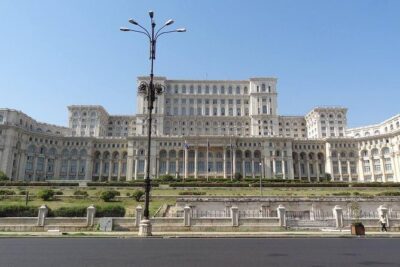
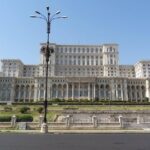
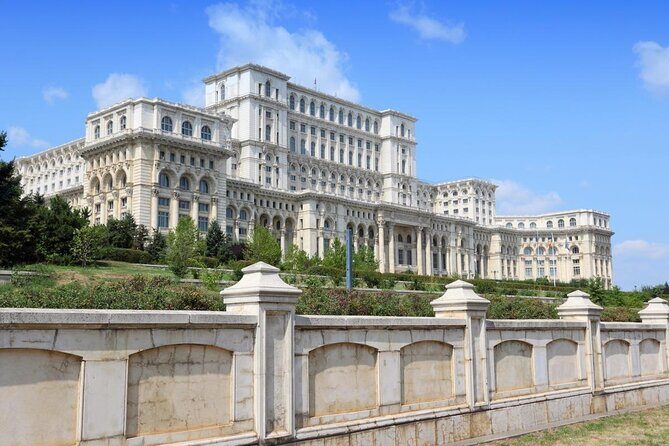
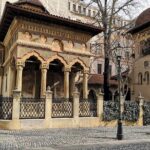
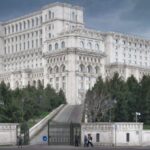
Day 1 starts with a hotel pickup around 9:00 AM, then a panoramic pass through the essentials of Bucharest. You’ll cover the big landmarks—the Parliament Palace, Revolution Square, the Athenaeum, the Royal Palace, Triumph Arch, and major avenues—so you get bearings quickly.
The history here isn’t abstract. Revolution Square is the 1989 anti-communist starting point, and the guide’s job is to connect the dots between monuments and what happened there. That matters because Romania’s UNESCO sites later on aren’t only about architecture; they’re also about identity, power, and change across centuries.
Then you get an early cultural hit with Cozia Monastery (free admission ticket listed). Built at the end of the 14th century, it’s tied to Wallachian history and the burial place of Mircea the Old. If you like tracing how regions developed their own styles, Cozia is a strong opener.
You can also read our reviews of more private tours in Bucharest

Sibiu Old Town and Sibiel village dinner night
From Bucharest you head toward Sibiu, stopping in the old district for a walking tour. Sibiu’s old center is the kind of place where medieval urban planning still feels readable: you’ll see the Big Square and Small Square, the Staircase Tower, the Liar’s Bridge, and church variety that reflects Transylvania’s layered communities.
The bonus here is not just walking—it’s getting small, specific stops inside the walking loop, including churches listed in the plan (like Biserica Romano-catolica Sfanta Treime and Catedrala Ortodoxa Sfanta Treime). In a private tour, those “quick looks” become moments for your guide to explain what you’d otherwise miss.
Later you drive to Sibiel for a more rural shift. You’ll do a horse-driven wagon tour through the old village area, then enjoy a home-made dinner with local products, and sleep in a local guesthouse. This is one of the smartest parts of the itinerary because it turns your UNESCO trip into a living culture trip—Romania’s traditions show up in daily rhythms, not only on protected stone.
Practical note: bring something easy for evening village dinners. You’ll want a layer for cooler nights depending on season.
Corvin’s Castle and Alba Iulia: power and defense in two hits
Day 2 starts with Corvin’s (Hunyad) Castle near Hunedoara. It’s described as the biggest medieval castle from Romania, dating to the 15th century, once tied to Transylvanian governors. Even if you’re not a “castle person,” it’s a good stop because the scale is the story. Gothic medieval fortress energy, with the kind of sightlines you can imagine from the days of defense and politics.
Admissions aren’t included here, so budget accordingly.
Next is Alba Iulia, a city with ancient Roman roots and major Romanian history, especially as the city of the Union. You’ll see the Orthodox Cathedral, Catholic Cathedral, the fortification system in “Vauban” style, plus Roman ruins. It’s the kind of place where UNESCO logic becomes clear: multiple eras layered into a single spot.
You then end the day in Cluj-Napoca (4-star or similar), so the overnight shifts you back toward city comfort after two heavy history stops.
Cluj-Napoca walk plus Maramureș wooden church day
Day 3 begins with a walking tour in Cluj-Napoca. The key points in the plan include St Michael’s Cathedral, Union Square, Museum Square, Orthodox Cathedral, National Theatre, and the Matei Corvin statue. This isn’t a random stopover; it’s meant to position you in Transylvania’s modern heart before you head toward the northern wooden-church region.
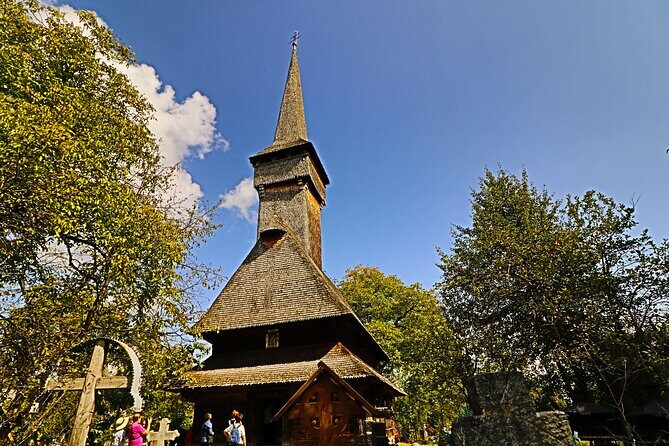
Then you go north to Maramureș, home to UNESCO-listed wooden churches and traditions that still feel strong. You start with Surdesti Wooden Church (UNESCO listed; admission not included in the plan). Built in 1766 on a wood structure, it’s noted for having a 54-meter tower—tall enough to make the idea of “wood” feel almost impossible at first glance.
After that is Desesti wooden church (also UNESCO listed), followed by craft and village life elements. The itinerary mentions visits to craftsmen like a weaver and a wood carver, plus a water mill and traditional household setups. Even short visits work well in a private format, because your guide can connect patterns and tools to everyday life rather than presenting them as museum objects.
You end in Botiza, staying in a local pension, with time for a local household visit and possibly a sheepyard depending on season. Maramureș in this itinerary isn’t only about buildings—it’s about how people made work, faith, and community part of the landscape of daily life (and yes, there’s the exact word “wood” doing heavy lifting here).
Merry Cemetery and Sapanta-Peri: storytelling in wood and color
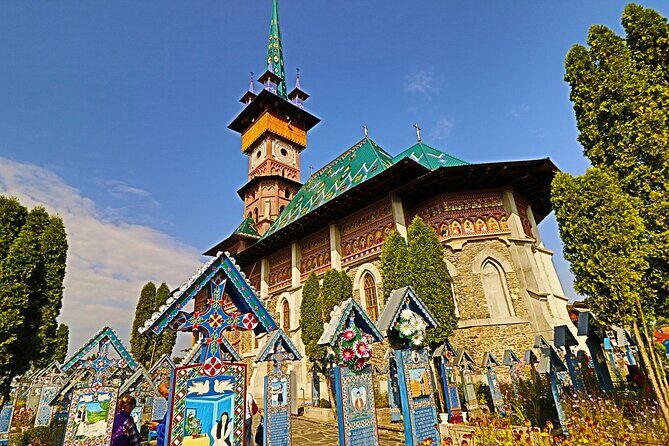
Day 4 leans into UNESCO in a different way: not just architecture, but how people remember. You visit Sapanta Merry Cemetery (UNESCO listed). The plan calls out colorful tombstones with funny poetries. This is one of those stops where the emotional tone is different from typical graveyards, and that contrast is the point. It helps you understand a culture’s voice—sometimes gentle, sometimes sharp, always human.
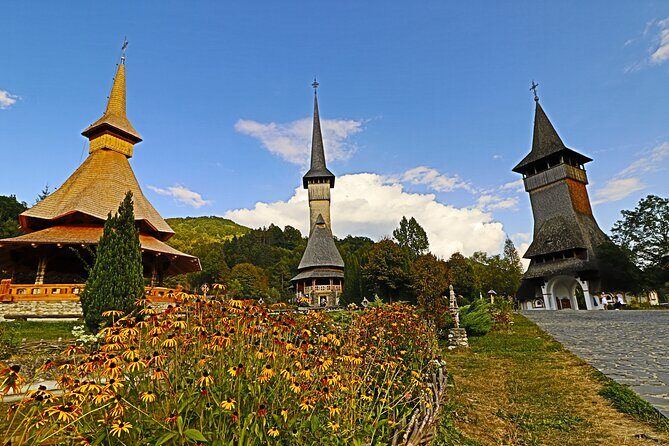
Then you see Sapanta-Peri Monastery (with the new monastery founded in 1997, and notes about its 78-meter tower and Guinness Book mention for the tallest wooden church in the world). Again, the value isn’t only the sight; it’s the explanation your guide can provide about revival of traditions and the meaning of the architecture.
There’s also an optional stop in Sighet at the Communist Prison Museum, so you can decide how much modern history you want to fold into the day.
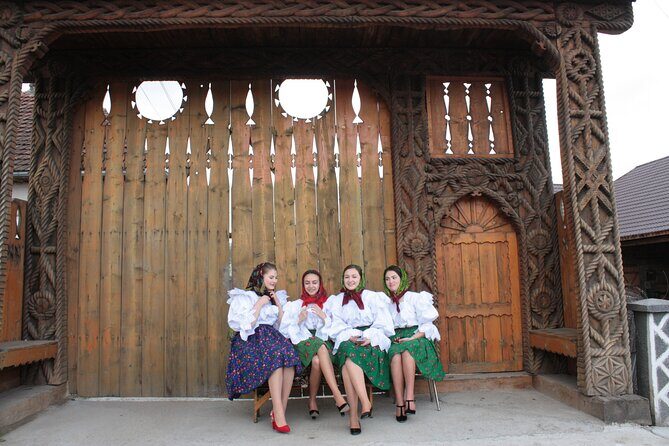
In the afternoon you visit Maramures Woman Museum in Dragomiresti. The plan highlights it as a small museum with an impressive wooden gate at the entrance, decorated with symbols your guide explains. That’s a great example of why a private guide is useful: you can go past the gate and think it’s just pretty—or understand the message carved into it.
You finish with Bogdan Voda Wooden Church (UNESCO listed; admission free in the plan), then return to Botiza for another night in a local pension. This “two nights in a single village base” style is underrated. It gives you time to slow down instead of bouncing every single day.
Bucovina painted monasteries: art, theology, and fortress feel
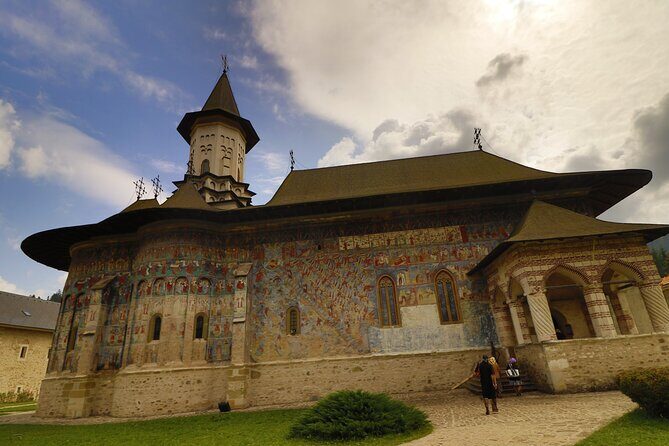
Day 5 is the pivot from Maramureș wood culture to Bucovina’s painted monasteries. You cross the Carpathians via a scenic drive, passing through Ciocănești, known for decorated houses and painted eggs traditions. There’s an optional local museum stop, so if you like cultural side-quests, you’ll have that option.
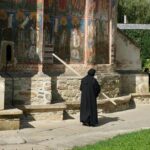
Next comes Moldovița Monastery (UNESCO listed). The plan emphasizes that frescoes are preserved and that it dates back to 1532 under Prince Petru Rares. It also notes that the monastery has an almost fortress-like aspect with imposing towers and thick walls. That detail matters: these aren’t soft religious icons; they’re spiritual art built inside a defensive worldview.
You can also visit the museum dedicated to painted eggs (Lucia Condrea). The point here is technique and design—how patterns become tradition.
Then you visit Sucevița Monastery, described as the most magnificent painted monastery achievement, with towers, buttresses, and watch roads. It’s presented as a fortress-looking complex, so expect that the story is partly about safety and power as well as religious expression.
Finally, Marginea for a workshop producing black pottery using old technology. This is the kind of craft stop that makes the trip feel “grounded.” You’ll see how old methods still produce objects people use, not only souvenirs.
Voroneț and the Carpathians drive: blue fresco focus and big nature breaks
Day 6 starts with Voroneț Monastery. It’s founded in 1488 by Stephen the Great and is famous for frescoes with the blue background color, plus a well-preserved representation of the Last Judgment. If you’re trying to remember the painted-monastery theme across multiple stops, Voroneț is where that theme becomes the clearest.
Then comes a nature break through the Bicaz Gorges and the Red Lake area. The itinerary lists both as free admission stops. These breaks are important. After two days of temples and frescoes, a few hours of dramatic scenery helps your brain reset before Transylvanian towns kick in again.
You end the day in Sighișoara, which is a perfect place to close a travel day: it’s medieval, and the scale of history is visible in town form.
Sighișoara UNESCO citadel, then Prejmer’s fortified church
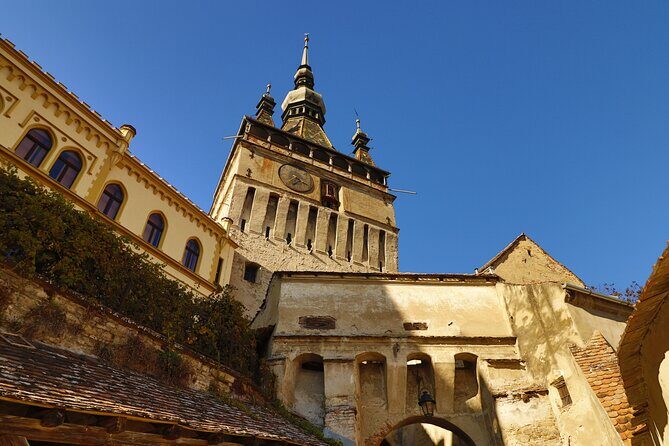
Day 7 begins with a walking tour of Sighișoara’s medieval center (UNESCO listed), also called The Pearl of Transylvania. The plan points to a medieval atmosphere and notes that the citadel dates to the 13th century with German (Saxon) settlers, and that the old town is among the best preserved medieval towns in Europe.
You’ll spend about two hours walking, which is enough time to see key points without turning into an endurance event. In a private setting, that also means you can adjust pace when the group wants photos or when your guide points out architectural quirks.
Then you drive to Saschiz for jam, chutney, and syrup tasting from a natural home-made producer shop. The tasting is included, and it’s a small but meaningful hit: it connects to a broader idea of regional flavors you’ll keep noticing later in villages.
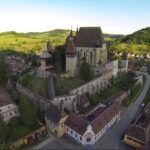
Next is Prejmer Fortified Church (UNESCO listed). Fortified churches are a major theme in Transylvania, and this one is called a unique sample of defensive and religious structure dating to the 13th century. It’s a good reminder that safety and faith often lived in the same walls.
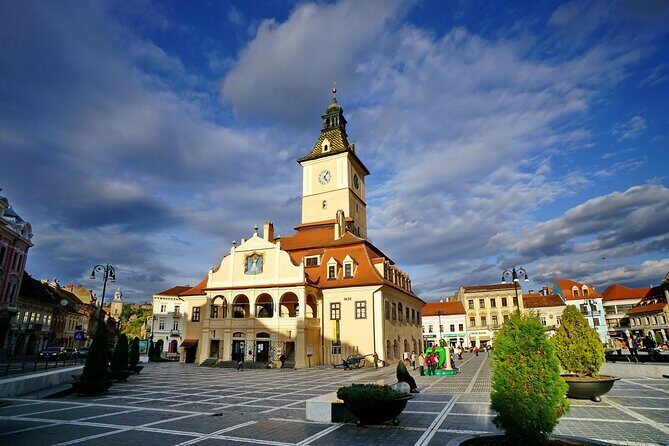
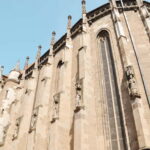
In the afternoon you go to Brașov for a walking tour in the medieval center. Highlights listed include Council Square, Black Church, White and Black Towers, Weaver’s Bastion, and Ecaterina’s Gate. You’ll also visit Black Church (Biserica Neagră), and then Weavers Bastion as part of the defensive system.
This day is ideal if you enjoy towns where every street seems to have a reason.
Bran and Peles: legends and real royal architecture
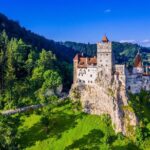
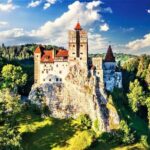
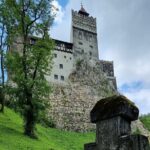
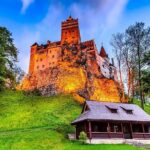
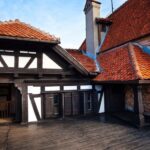
Day 8 is the final shift into “Romania you’ve heard about.” You start with Bran Castle, often linked with the Dracula story. The plan describes it as a 14th-century gothic castle controlling access in Transylvania. The admission isn’t included, so this is another place to budget.
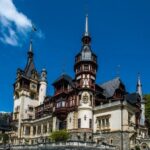
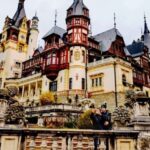
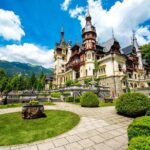
Then you move to Peles Castle in Sinaia, described as the former summer residence of Romanian kings and called one of the nicest royal residences in Europe. This is a smart pairing with Bran: one is legend-driven and defensive in image, the other is royal refinement and architectural beauty. Even if you don’t care about Dracula, Peles is the kind of stop that makes people understand why Romania has such dedicated fans among history and art travelers.
Finally, you return to Bucharest and end around 16:00, with drop-off at the airport or to your hotel.
Price and value: what $2,315.49 buys you here
At $2,315.49 per person, this tour isn’t budget travel. But it also isn’t just a checklist of places. You’re paying for a private guide, private transport in a car or minibus, and the time saved from figuring out how to link UNESCO sites across multiple regions.
Value wise, the included parts matter:
- 7 nights in double/twin rooms
- 7 breakfasts and 3 dinners, including a countryside dinner in the Sibiu area and village-style meals later
- craft and food experiences (horse wagon tour, local craftsmen visits, jam tasting, black pottery workshop)
- the ability to move as one group with a guide who can explain what you’re seeing, especially across art-heavy sites like the painted monasteries
The main cost add-ons to plan for are entrance tickets (about 85 euro) and tips. If you’re trying to stretch budget, you can keep the optional stops selective (like the Communist Prison Museum mention), but the core UNESCO visits are the point.
Who this tour is best for
This private route is a great fit if you want:
- UNESCO sites with context, not just photos
- a mix of historic cities and rural tradition
- a guide who can answer questions while you’re on the move
- comfort upgrades like city hotels for part of the trip, plus real countryside lodging for the rest
It may be less ideal if you want minimal driving, zero early starts, or very loose “wander whenever you feel like it” scheduling. The itinerary is active and designed for full days.
Should you book this Romania UNESCO tour?
I’d book it if you want a smart, region-by-region journey where UNESCO isn’t treated like a photo trap. The combination of wooden churches in Maramureș, colorful cemetery storytelling, painted monasteries in Bucovina, and medieval Transylvanian towns hits a good balance between “big famous sights” and the details that make them matter.
I would hesitate only if you’re very price sensitive or if long driving days and paid entrances will stress your travel style. If you’re okay budgeting for tickets and you value a private guide, this is a strong way to understand Romania’s cultural map in one trip.
FAQ
FAQ
Where does this private tour start and when?
It starts at 9:00 AM with pickup in your Bucharest hotel. The tour is designed to begin in the morning and end back in Bucharest later.
Is transportation included?
Yes. You travel by car or minibus with your private guide.
Is the tour really private?
Yes. It’s a private tour/activity, meaning only your group participates.
How long is the tour?
It runs for 8 days (approximately) and ends in Bucharest.
How many nights and what kind of lodging is included?
The tour includes 7 nights in double/twin rooms.
What meals are included?
You get breakfast for 7 days and dinner for 3 days. Other meals are not listed as included.
Are entrance tickets included?
Not in the package price. Entrance tickets are listed as about 85 euro as per the itinerary, depending on the sites.
Which UNESCO sites are included in the plan?
The itinerary includes UNESCO-listed sites such as Cozia Monastery, wooden churches in Surdesti and Desesti, Sapanta Merry Cemetery, Moldovița Monastery, Sucevița Monastery, Voroneț Monastery, Sighișoara, and the fortified church at Prejmer.
What experiences are included beyond sightseeing?
You’ll have a horse-driven wagon tour in the Sibiu area, visit local craftsmen, and enjoy jam, chutney, and syrup tasting.
Can I get a full refund if I cancel?
Yes. You can cancel up to 3 days in advance for a full refund, based on local time cut-offs.