REVIEW · BUCHAREST
Traditions in Bucharest: Village Museum and Wine Tasting
Book on GetYourGuide →Operated by Unveil Romania Travel Planner · Bookable on GetYourGuide
A village in Bucharest feels real. This private tour strings together the National Village Museum and a relaxed Romanian wine tasting in one smooth half-day. I like how it turns big ideas into something you can point at: peasant homes, church woodwork, and the kinds of folklore objects people still make today.
The other big plus is practical: you get hotel pickup plus private transport, so you’re not wrestling buses after a museum visit. One thing to consider: the craft stop includes time for shopping, so if you want zero shopping energy, you’ll need to treat that segment as a quick browse.
In This Review
- Key highlights to look for
- National Village Museum: an 18th–19th century village inside King Michael Park
- What you’ll see on the walking route
- A practical note on comfort
- Wooden churches, painted eggs, and ie blouses: how the guide turns folklore into something visual
- The types of crafts to pay attention to
- How to use this stop without wasting time
- A quick pass by the Romanian Athenaeum: why the photo stop still counts
- Wine tasting at a local bar: three Romanian wines with cheese and charcuterie
- What varietals you may taste
- The regions the guide connects to the wine
- What about food?
- Timing and logistics: how the day flows without feeling rushed
- Price and value: why $153 per person can be a fair deal
- Who this tour suits best (and who might want to skip it)
- Tips to get more out of it
- Should you book Traditions in Bucharest: Village Museum and Wine Tasting?
- FAQ
- How long is the tour?
- Where does hotel pickup take place?
- Is the Village Museum visit guided?
- What’s included in the wine tasting?
- Where does the tour end?
- What languages is the tour offered in?
- Can I cancel or pay later?
Key highlights to look for
- National Village Museum as a time capsule with 300+ preserved buildings gathered and reassembled inside King Michael Park
- Folklore through everyday objects like traditional blouses (ie), painted eggs, pottery, and wooden masks
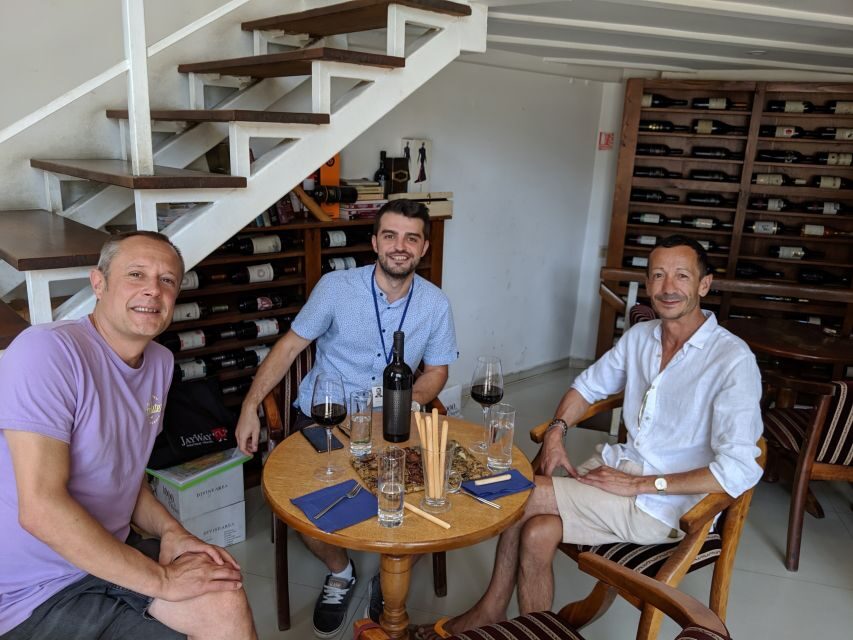
- A real wine bar tasting with 3 glasses plus cheese and charcuterie
- Romanian varietals you may not know yet such as Feteasca Neagra and Negru de Dragasani
- A guide-led, private format in English or Romanian with licensed narration
- City-center ending near Old Town after a photo stop by the Romanian Athenaeum
National Village Museum: an 18th–19th century village inside King Michael Park
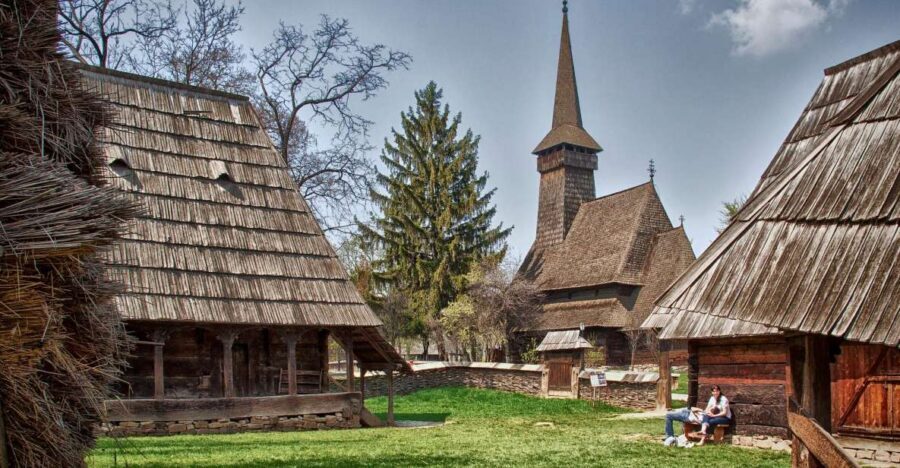
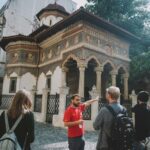
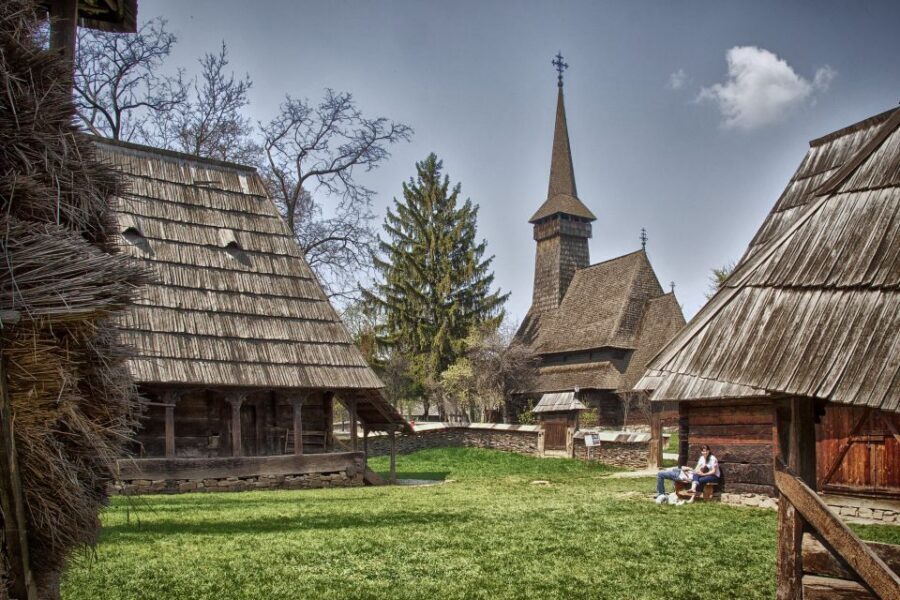
If you’ve only seen Bucharest from the street, this tour gives you a sharp contrast. The National Village Museum is an open-air museum with a simple promise: you’ll walk through an authentic Romanian village scene from the 18th and 19th centuries, without pretending it’s a movie set.
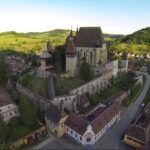
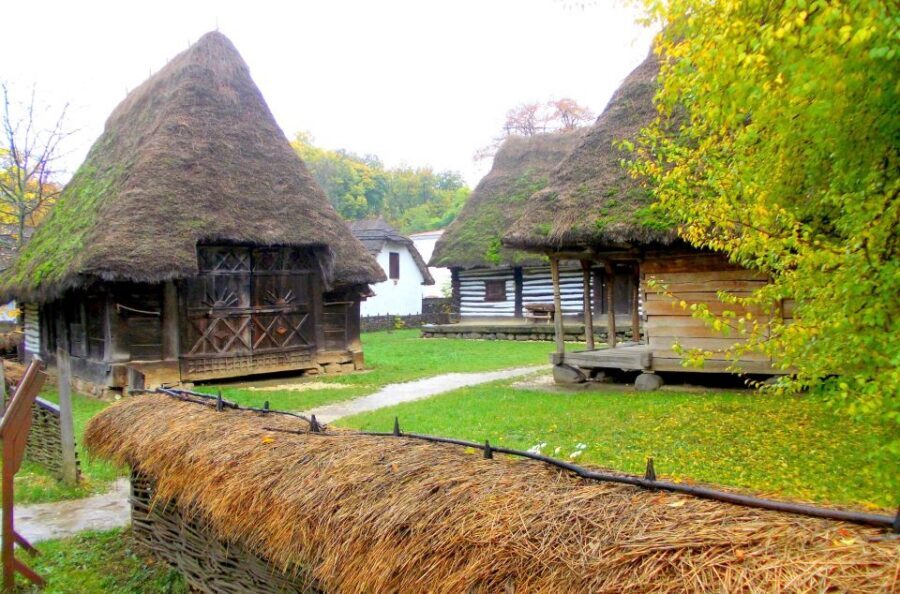
The museum is set in King Michael Park and built in 1936. What makes it special is the scale and the preservation approach. You’re looking at 300+ buildings that were brought here from all across Romania and reassembled on spot. That matters, because it means you’re not just seeing one region’s style. You’re getting a map in architecture form.
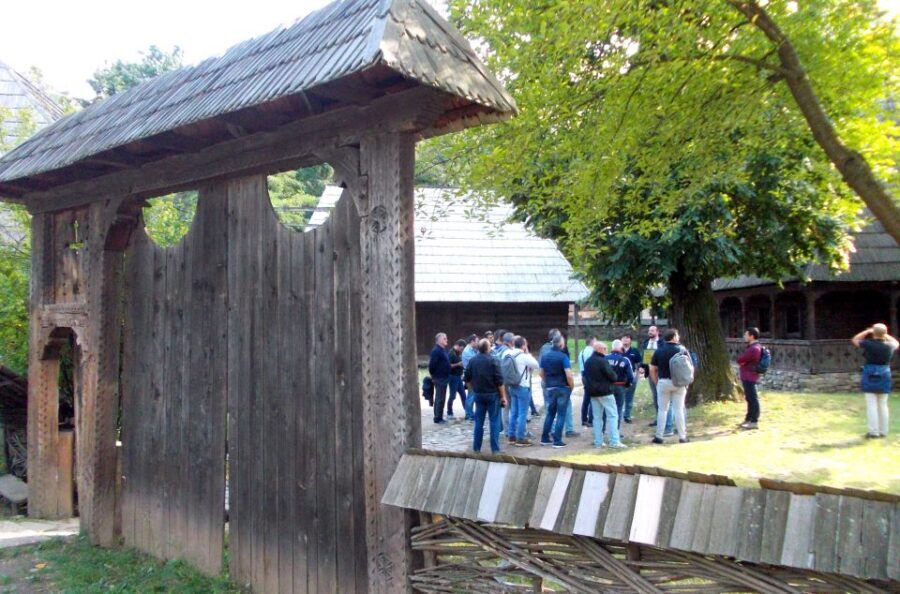
You’ll enjoy a guided visit here for about 1.5 hours. I like guided museum time when it’s focused and story-driven. In this case, the guide helps connect the buildings to real cultural patterns: where people lived, how they farmed, and what traditions they carried into daily life.
You can also read our reviews of more food & drink experiences in Bucharest

What you’ll see on the walking route
The museum is known for steep-roofed peasant homes, thatched barns, and wooden churches. Expect to spot building styles that look different depending on where they came from in Romania.
A few of the region-to-region contrasts you can actively look for:
- Transylvania: think wooden churches and mountain-style cabins
- Wallachia and Moldavia: larger inns and mansions, with a different sense of comfort and organization
- Danube Delta / near the Black Sea coast: windmills and thatched roof houses, where local materials shape the look
Even if you’re not a detail-chaser, you’ll start noticing how geography affects design. Roof shape changes with weather. Materials change with access. And the “why” comes through more clearly when you have a guide talking as you walk.
A practical note on comfort
This is an outdoor museum with lots of buildings and walking. Wear shoes that handle uneven paths and take a small water bottle if you’re the type who likes to sip often. The wine tasting includes water, but the museum portion is still on your feet.
Wooden churches, painted eggs, and ie blouses: how the guide turns folklore into something visual
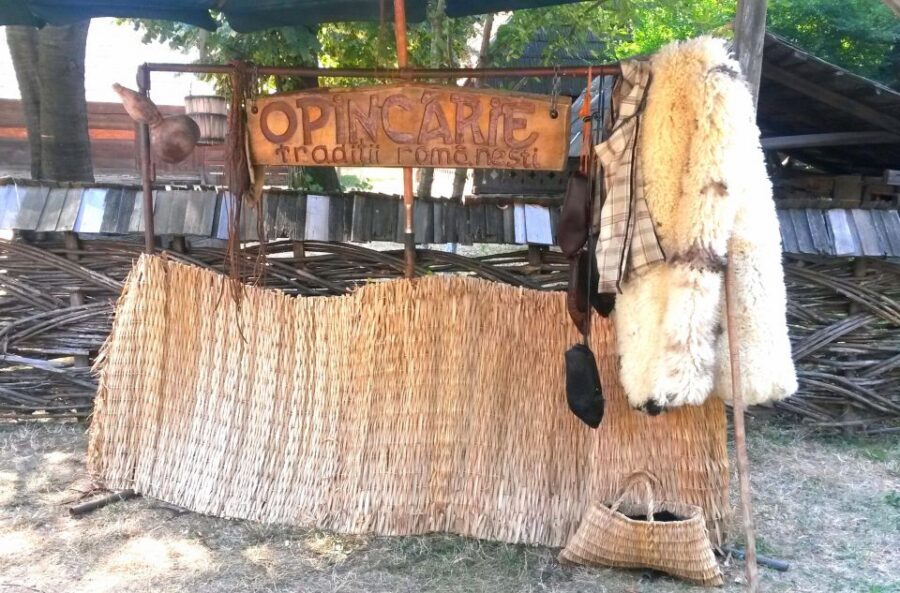
After the museum, you shift from architecture to culture-as-craft. The next stop is a local art and craft shop where items are handmade. This is where you’ll start seeing Romania’s traditions as objects you can hold in your head later, not just photos in a guidebook.
You’ll have about 30 minutes here. That’s enough time to look closely without turning it into a marathon shopping trip. What I like is the range: textiles, religious imagery, decorative art, and ceramics all show up in one place.
The types of crafts to pay attention to
Here are examples mentioned for what you can expect to see:
- traditional Romanian blouses called ie
- glass painted icons
- painted eggs from Moldavia (Easter traditions)
- famous Horezu pottery from Wallachia
- wooden masks and trinkets from Transylvania
- Dracula-themed souvenirs and books
- traditional sweets like knot cookies and chocolate nuts
That list matters because it reflects something real: traditions can be both sacred and playful. Wooden masks and icons sit alongside lighter souvenir items. The point isn’t which ones are “authentic enough.” The point is you’ll leave with a better sense of how creativity and identity travel together.
You can also read our reviews of more museum experiences in Bucharest





How to use this stop without wasting time
If shopping isn’t your main goal, treat it like a focused viewing gallery. Look for:
- stitching styles on the ie blouses
- the technique on painted eggs
- the glaze and shape language on Horezu pottery
If you do want to buy, go slowly. Handmade items can vary a lot in quality and detail, and you’ll likely get better choices when you give yourself a moment to compare.
A quick pass by the Romanian Athenaeum: why the photo stop still counts
In between village culture and wine culture, there’s a short photo stop at the Romanian Athenaeum. You’ll pass by for around 10 minutes.
This part of the tour isn’t about a long museum visit. It’s more like a punctuation mark: Bucharest’s famous landmark reappears in your mind right after you’ve been in a rural setting.
You also end your tour in the city center, at the Athenaeum area. From there, you’re within walking distance of the Old Town zone. So the day doesn’t just drop you off somewhere random—it sets you up to continue exploring on foot.
Wine tasting at a local bar: three Romanian wines with cheese and charcuterie
Now for the part that makes this tour feel like more than a museum day: the wine tasting.
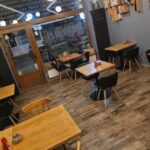
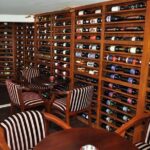
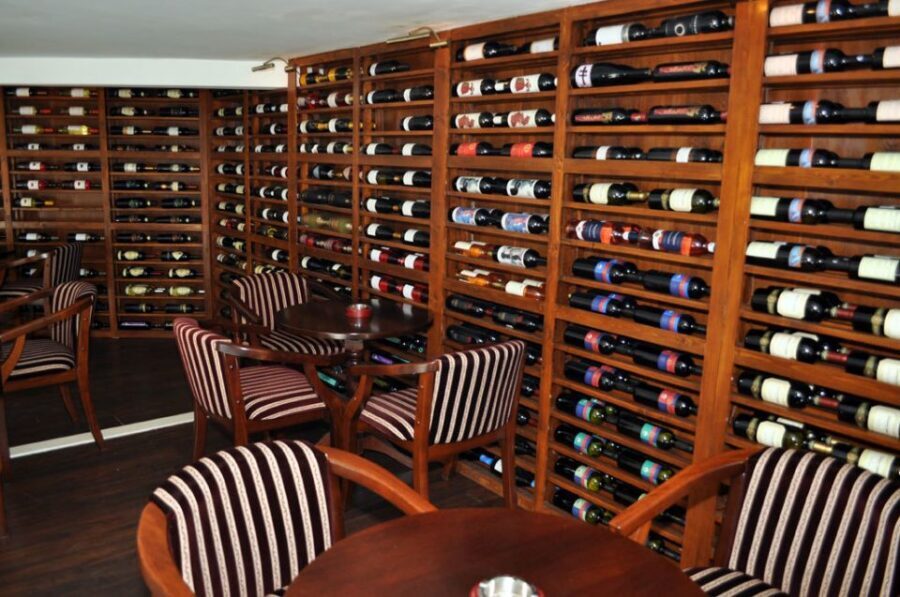
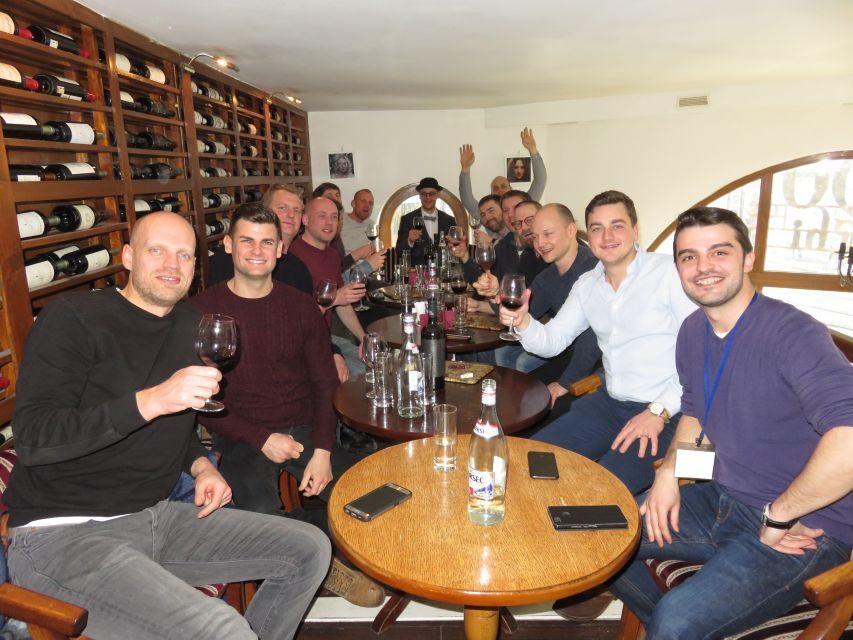
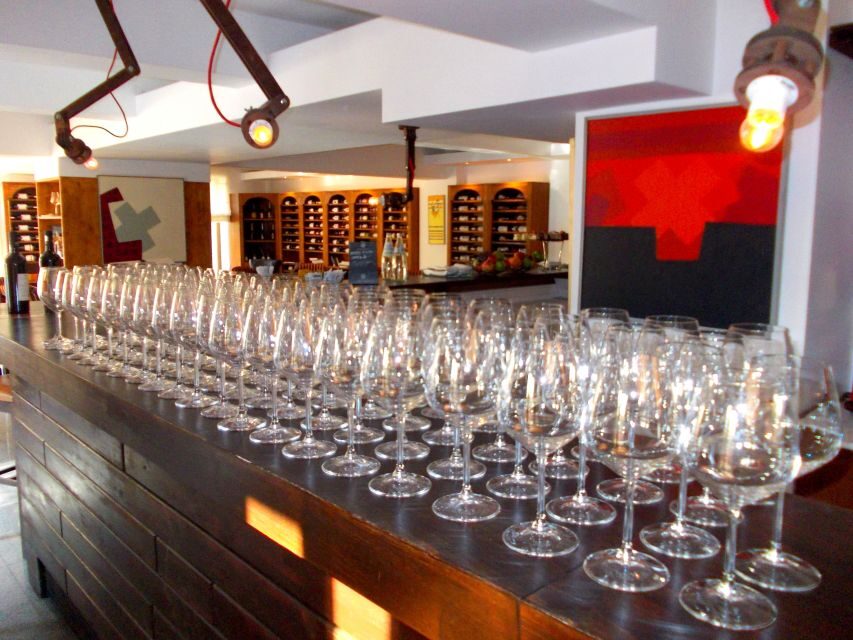
You’ll spend about 1.5 hours at a local wine bar with a tasting of three glasses of Romanian wine, plus a small plate with cheese and charcuterie. The guide also explains the story behind the industry and helps you understand how the “terroir” shows up in the glass. Even if you’re not a wine nerd, this is the kind of explanation that makes a tasting stick.
What varietals you may taste
The tasting is designed to help you try endemic Romanian varieties. Examples included in the tour description are:
- Feteasca Neagra
- Negru de Dragasani
- and also potentially other local names like Tamaioasa Romaneasca
The point here isn’t to memorize labels. It’s to train your palate to recognize Romanian character. If you’re used to international grapes, you’ll likely notice that these wines have their own rhythm—different fruit impressions and texture patterns—based on where they’re grown.
The regions the guide connects to the wine
The guide points out famous wine regions such as Dealu Mare, so you can connect what you taste to where it comes from. That’s useful, because it turns your tasting into a future planning tool. You can walk into a shop later and think, okay, this style makes sense from that area.
What about food?
You’re not getting a full meal—just cheese and charcuterie sized for tasting. That’s fine if you plan a proper dinner after. If you get hungry easily, consider eating beforehand or adding something after the tour ends.
Timing and logistics: how the day flows without feeling rushed
The tour lasts about 4.5 hours, and it’s private. That private format is a real comfort factor. You’re not sharing headphones, you’re not waiting on a crowd to move, and the guide can adjust pacing if the day is hot.
Pickup is included. The guide meets you at your accommodation in the hotel lobby near reception. If your place doesn’t have a lobby, they wait downstairs at the building entrance.
Transportation is private (car, van, or taxi), and that’s a big part of the value. Bucharest can be busy, and museum hopping without a car can eat up time. Here, you trade that friction for a calmer route.
The day’s sequence works well if you like variety:
1) village museum (guided walking)
2) brief city landmark photo stop
3) craft shop browsing time
4) short on-foot transition
5) wine bar tasting
6) finish near the Athenaeum and within walking distance of Old Town
You’re not stuck in one place for too long, which keeps attention from dropping.
Price and value: why $153 per person can be a fair deal
At $153 per person, this isn’t a budget snack tour. But the price does include several things that add up fast on your own:
- hotel pickup and private transport
- museum entrance fees
- a guided visit at the village museum
- wine tasting with 3 wine glasses and water
- cheese and charcuterie
- a licensed tour guide
Where this becomes good value is in the combination. You’re paying for expertise and sequencing: architecture, folklore objects, and wine explanation in one day. A lot of “single topic” tours force you to choose one kind of experience. This one gives you two culture tracks plus a third that’s social and easy to enjoy.
Also, tasting three wines is usually the kind of thing people end up doing multiple times on a trip. Here, you get it rolled in right after the museum, while your brain is still in Romanian-heritage mode.
If your schedule is tight and you only have half a day to get beyond standard Bucharest sights, the package format helps.
Who this tour suits best (and who might want to skip it)
This tour is a strong fit if you want a balanced culture hit:
- You like history, but you also like practical, visual learning
- You’re curious about regional Romania, not just the capital
- You enjoy wine but don’t want to spend a full day finding places
It’s also a good option for couples or solo travelers who like private attention. The guide-led museum portion is where that shines most: you can ask questions without waiting in line with a big group.
Who might not love it:
- If you dislike shopping at craft shops, you’ll want to keep your expectations realistic and treat the stop as a short browse
- If you need wheelchair access, this tour isn’t suitable (it’s listed as not for wheelchair users)
- If you’re traveling with very young kids, it’s not suitable for children under 3
Tips to get more out of it
A few small moves make the day smoother:
- Bring comfortable shoes for walking through an open-air museum area
- If you’re sensitive to heat, dress lightly and plan to pace yourself during the museum portion
- In the craft shop, decide in advance if you want to buy. If not, focus on looking and learning
- At the wine bar, pace your sips. The tasting includes three glasses, plus food, so you’ll feel it
One more thing: guides often do well when you’re up front about what you care about most. If you’re more interested in architecture than wine, say so early. If wine is your top goal, ask the guide to connect the varietals to what you’re seeing during the day.
Should you book Traditions in Bucharest: Village Museum and Wine Tasting?

Book this tour if you want one day that actually connects Romanian culture instead of listing random stops. The National Village Museum delivers real atmosphere—steep roofs, thatched barns, wooden churches—and the guide helps you read what you’re seeing. Then the craft shop turns folklore into objects: ie blouses, painted eggs, pottery, and icons. Finally, the wine tasting makes the whole experience feel relaxed and social, with three Romanian wines and food to match.
Skip it if you only want classic Bucharest sightseeing and zero walking, or if you’re firmly anti-shopping and won’t enjoy browsing handmade items for a short time.
If you’re open to a mix of architecture, tradition, and wine, this is a solid use of limited time in Bucharest.
FAQ
How long is the tour?
The tour lasts 4.5 hours.
Where does hotel pickup take place?
The guide picks you up from your accommodation. They meet you in the hotel lobby near reception, or downstairs at the entrance if there is no lobby.
Is the Village Museum visit guided?
Yes. You get a guided tour at the Dimitrie Gusti National Village Museum, along with time to walk around.
What’s included in the wine tasting?
You’ll taste 3 wine glasses plus 1 water, and you’ll also get a cheese and charcuterie platter.
Where does the tour end?
The tour ends at the Romanian Athenaeum area in the city center, within walking distance of the Old Town.
What languages is the tour offered in?
The licensed guide speaks English and Romanian.
Can I cancel or pay later?
Yes. You can cancel up to 24 hours in advance for a full refund. You can also reserve now and pay later.