REVIEW · BUCHAREST
Communism in Bucharest – Landmarks, Museum & Communist Appetizers
Book on Viator →Operated by Bucharest by Foot Tours · Bookable on Viator
Parliament-sized stories start here. This small-group tour strings together the big symbols of communist Romania and the turning points in 1989, with stops on foot and a visit to the interactive Museum of Communism in Bucharest. You’ll see the Palace of Parliament from the outside, plus the places tied to Ceaușescu’s last speech and the revolution’s start.
What I like most is the tight format: a max of 15 people keeps the pace human and the questions flowing. I also love the payoff at the end, because the museum isn’t just walls and labels. You’ll get to interact with exhibits, try on clothes, and score a communist snack plus communist coffee.
One thing to consider: you won’t go inside the Palace of Parliament. If you’re hoping for interior rooms and official palace highlights, this tour focuses on context outside, then goes hands-on at the museum instead.
In This Review
- Key Highlights You Should Care About
- What This 3-Hour Communist Bucharest Walk Really Covers
- Palace of Parliament From the Outside: Stories Bigger Than the Building
- Manastirea Antim: When Older Bucharest Survived the Bulldozers
- Bloc 6 and the Planning Behind the Boulevard
- Revolution Square and University Square: Where 1989 Turned Into History
- Undeva in Comunism Museum: Interactive Exhibits, Clothes, and Snack Time
- Price and Value: Why $48.37 Can Actually Be Fair
- Pace, Group Size, and Why the Guide Matters
- Practical Tips Before You Go (No Guesswork Needed)
- Should You Book This Communist Bucharest Tour?
- FAQ
- How long is the tour?
- Where does the tour start, and what time does it begin?
- Where does the tour end?
- Is the Palace of Parliament included inside the visit?
- What’s included in the Museum of Communism stop?
- What if the weather is bad?
Key Highlights You Should Care About
- Small group size (up to 15) means you can actually hear the guide and ask questions.
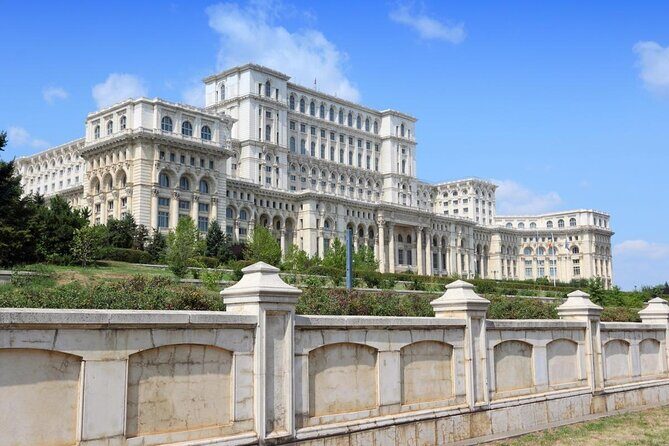
- Outside-only Palace of Parliament view still comes with the stories about why it was built and Ceaușescu’s grand vision.
- Antim Monastery survival + relocation shows how communist plans clashed with older history.
- Revolution Square + 21st of December marker ties the fall of the regime to specific street-level locations.
- Museum of Communism is interactive, including clothes to try on and a snack/coffee inside.
What This 3-Hour Communist Bucharest Walk Really Covers
This is a 3-hour walking tour in Bucharest with a small group (up to 15). The whole idea is simple: you cover major landmarks tied to communism and the 1989 revolution, then you finish with a museum visit that focuses on everyday life under the regime—through objects, costumes, and participation, not just speeches.
The tour starts at Bulevardul Unirii 1-3 and runs until Revolution Square (Piața Revoluției). You begin at 10:00 am, and the order of stops is designed so your mind connects the dots: power and propaganda architecture first, then the religious and urban oddities that survived, then the streets where things changed in December 1989.
Language-wise, it’s offered in English, and it’s guided by an English-speaking guide. Based on guide examples I’ve seen referenced for this tour, you might get someone like Ali, Maria, Gabriela, or Gabi, each described as friendly and professional—useful if you want explanations that land even when you’re not a Romania- or communism-expert.
If you’re short on time in Bucharest but want a coherent story instead of random sightseeing, this format is a strong fit. You get movement on foot, a clear arc, and a final hands-on museum stop.
You can also read our reviews of more museum experiences in Bucharest


Palace of Parliament From the Outside: Stories Bigger Than the Building
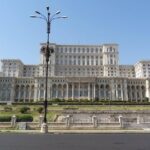
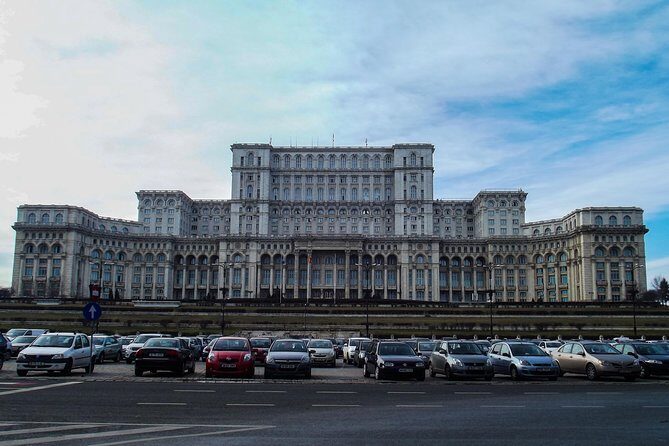
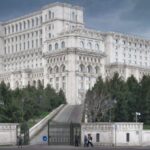
The first stop is the Palace of Parliament—and you’ll be standing outside, not entering. That matters, because the payoff here is interpretive. The guide explains why and how it was built and ties it directly to Ceaușescu’s dream, so the building becomes more than a photo-op.
Even without interior access, I like the logic of starting here. The palace is the kind of landmark that can feel abstract until someone puts it in context. With this tour, you’ll learn what this project represented in communist power and planning, and you’ll also hear how its presence shaped what came next on the streets around it.
Stop time is about 20 minutes, which is enough to get the main ideas without dragging. Still, if you’re the type who needs time to wander on your own, you might want to plan a separate visit later—this tour is built for explanation and momentum.
Practical note: because it’s the biggest magnet in the area, the surrounding views can be crowded. The guide’s pacing helps you get the meaningful angles and the story beats without turning the entire experience into traffic-watching.
Manastirea Antim: When Older Bucharest Survived the Bulldozers
The second stop is Manastirea Antim, a monastery built in the 18th century. This stop feels like a reset after the palace’s scale. Here, the key theme is survival: the monastery escaped the demolition carried out during communism, and the tour also highlights that part of it was moved entirely to fulfill the dictator’s plans.
That combination—ancient faith structures and forced relocation—makes for a powerful contrast. You can see how regimes don’t just build new symbols; they also collide with what already existed. If you like history that shows cause and consequence at human scale, this monastery stop gives you that.
Time here is about 15 minutes, so you won’t get a long, slow religious visit. But you will get the story that makes the place make sense. It’s the kind of stop where, even if you’re not religious, you’ll still appreciate the physical reminder of what got protected and what got rearranged.
Bloc 6 and the Planning Behind the Boulevard
Next comes Bloc 6, described as the boulevard built in front of the Palace of Parliament and its secrets. This is one of those stops that can be easy to skip if you’re only chasing famous buildings. But it’s exactly the kind of place where you learn how urban planning becomes political messaging.
You’ll spend around 10 minutes here, which sounds short—until you realize this is mostly a meaning stop. The guide connects the street-level reality to the larger palace project and explains what’s hidden in plain sight. That quick focus helps keep the tour moving while still giving you real insight.
If you tend to enjoy tours where the guide points out details you’d miss, Bloc 6 is a good example of the tour’s strengths. You won’t just walk; you’ll understand what you’re looking at.
Revolution Square and University Square: Where 1989 Turned Into History
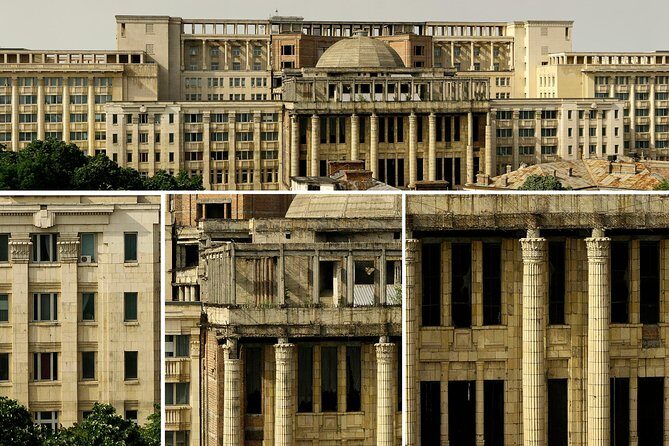
Then you pivot from communist architecture and urban planning to the decisive moments of the revolution.
The fourth stop is Piața Revoluției (Revolution Square), where Ceaușescu had his last speech and where the revolution started in Bucharest on December 21, 1989. Expect around 20 minutes here. This time length is right: it gives you enough to understand the sequence and why this square matters beyond the date on a plaque.
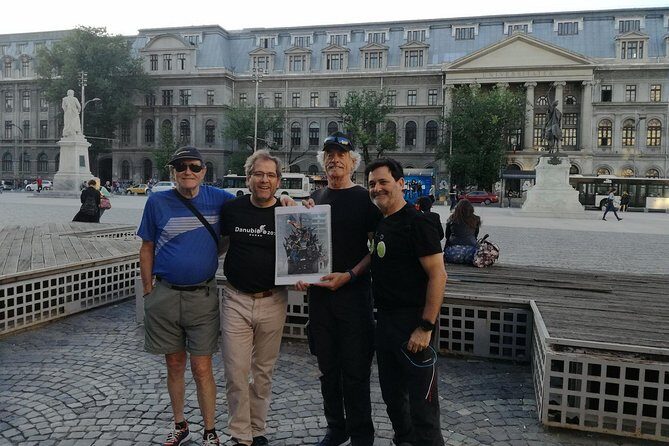
The final stop is the University of Bucharest area. The small square near it bears the name 21st of December 1989, because this is where much of the Romanian revolution took place. The tour also discusses what happened afterward—post-communist Romania and the mistakes made along the way to democracy.
I like that ending choice. It keeps the tour from becoming purely a nostalgia trip. You come out with a sense of both the trigger moment and the messy aftermath, which is usually what people actually want when they ask what communism changed—and what the transition did wrong.
You’ll finish right in the Revolution Square area, which also helps if you want to keep exploring on your own afterward.
Undeva in Comunism Museum: Interactive Exhibits, Clothes, and Snack Time
The highlight for many people is the final stop: Museum of Communism Bucharest – Undeva in Comunism. This is where the tour shifts from walking explanations to active learning.
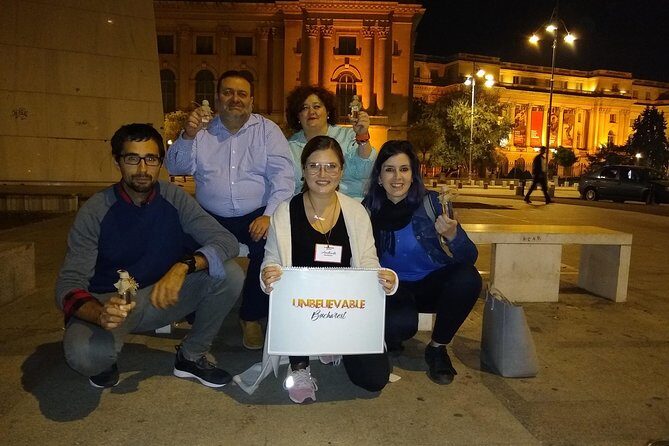
You’ll spend about 40 minutes inside, with entry included and skip-the-line. The museum experience is interactive: you can try on clothes and engage with exhibits. And yes, you’ll also get food—there’s a communist snack provided inside the museum living-room area, and you’ll have communist coffee too.
The snack can be sweet or salty depending on availability. That’s a small detail, but it also signals something practical: don’t treat it like a guaranteed specific item. What matters is that you’re not leaving the museum hungry or stuck with just vending-machine choices.
This is also one of the best spots for families. Guides on this tour have been described as explaining things in a way that works for kids, which makes sense because interactive museums do some of the teaching for you. If you’re traveling with younger people, this is the part where their attention usually holds.
If you want a souvenir, this museum is also the kind that leaves you with mental images, not just photos of buildings. It’s about how everyday objects and routines communicated power.
Price and Value: Why $48.37 Can Actually Be Fair
At $48.37 per person, this tour isn’t cheap enough to ignore, but it also isn’t just paying for someone to walk around with you. Most of the value is in the combination of outside landmarks plus a paid museum visit that includes extras.
Here’s what you’re getting that affects the value equation:
- English-speaking guide
- Museum admission included with skip-the-line
- Communist snack (sweet or salty depending on availability)
- Communist coffee
- All fees and taxes included
- Group discount and mobile ticket
What you should budget extra for:
- Other drinks beyond the communist coffee
- Gratuities for the guide
And one more value note: several of the landmark stops don’t require paid admission time from you, since the tour lists free admission ticket free for the outside stops. The real “ticket value” sits at the museum, and that’s why the tour ends there.
If you’re deciding between this and a pure landmark tour, I’d steer you toward this one if your goal is to understand how communism shaped both the official face of power and the personal, everyday experience.
Pace, Group Size, and Why the Guide Matters
This tour caps at 15 people and is designed for a small group experience. In practice, that means the guide can manage the walking rhythm and still give you context at each stop without shouting over a crowd.
Duration is about 3 hours, and the stop timing is balanced: quick but meaningful windows for street-level landmarks, then a longer museum block to absorb the ideas. If you’ve ever tried to “power read” a city in one day, you know why this structure helps. It keeps you from getting lost in facts with no emotional storyline.
Guide quality is a big part of why the tour works. I’ve seen multiple guide names connected with this experience—Ali, Maria, Gabriela, and Gabi—and the recurring theme is that they’re friendly, professional, and able to set a pace that feels right. When you get a guide who adds personal stories, the museum and street facts connect faster, and you come away with a clearer mental picture.
If you like learning that feels grounded—what it looked like, what it meant, and why it mattered—this tour tends to deliver that.
Practical Tips Before You Go (No Guesswork Needed)
A few practical details will help you enjoy the walk more.
First, it runs with good weather in mind. If weather is poor, the tour may be canceled and you’ll be offered another date or a full refund. So if you’re planning tightly around forecasts, keep some flexibility.
Second, it’s near public transportation, and service animals are allowed. Most people can participate, but it’s still a walking tour, so wear comfortable shoes.
Third, timing matters. The tour starts at 10:00 am, and you’ll be moving between landmarks rather than staying in one spot for long. Arrive a little early so you can settle and start without rushing.
Finally, keep the ending in mind. You finish at Revolution Square, which is handy for onward plans. You can connect to other Bucharest sights without needing to backtrack.
Should You Book This Communist Bucharest Tour?
Book it if you want:
- A small-group walk with a clear story arc
- Major landmarks like Palace of Parliament and Revolution Square explained in context
- A hands-on, interactive stop at Museum of Communism – Undeva in Comunism, with clothes to try on plus a snack and coffee
Skip it or choose a different option if:
- You’re specifically looking for Palace of Parliament interior access
- You want a long, slow museum experience without scheduled time blocks
My take: this tour is good value because the museum isn’t an add-on—it’s the teaching engine. You get the symbolism of communist power outdoors, then you get the everyday-life perspective indoors, and you leave with a clearer understanding of both the regime and the shift that came after.
FAQ
How long is the tour?
The tour lasts about 3 hours.
Where does the tour start, and what time does it begin?
It starts at Bulevardul Unirii 1-3, București 040101, Romania at 10:00 am.
Where does the tour end?
The tour ends at Revolution Square (Piața Revoluției), București, Romania.
Is the Palace of Parliament included inside the visit?
No. You will see the Palace of Parliament, but the tour does not enter inside the building.
What’s included in the Museum of Communism stop?
Museum admission inside the Museum of Communism Bucharest – Undeva in Comunism is included, with skip-the-line access. You’ll also get a communist snack (sweet or salty depending on availability) and communist coffee.
What if the weather is bad?
The experience requires good weather. If it’s canceled due to poor weather, you’ll be offered a different date or a full refund.