REVIEW · BUCHAREST
Bucharest: Entry ticket at the Museum of Communism
Book on GetYourGuide →Operated by Museum of Communism in Bucharest · Bookable on GetYourGuide
Communism has a museum in Bucharest. I like this ticket because you can touch and try items while learning what daily life looked like. I also appreciate that a guide stays available so your questions don’t float in the air. One note: it’s a small museum, so if you expect a huge multi-building complex, you may feel slightly shortchanged.
It’s located right in the Old Town, which makes it easy to pair with other sights without “commuting” across town. For a very reasonable entry price, you get a guided-questions setup inside a compact experience. And yes, there’s a coffee spot inside the museum if you want to pause and regroup.
In This Review
- Key points to know before you go
- Museum of Communism: a hands-on way to understand everyday life
- Where You Go First: showing your online ticket at the bar
- Interactive exhibits that reward curiosity (clothes, books, objects)
- How the museum presents communist Romania, from Ceaușescu onward
- The guide Q&A that turns labels into answers
- Downstairs coffee and drinks: plan a breather
- Price and value: about $9 for a 1-day experience
- Timing, pacing, and what to pair it with in Bucharest
- What to watch for: small scale, touch exhibits, and photos
- Should you book? My take on who this fits
- FAQ
- FAQ
- How much is the Museum of Communism entry ticket?
- How long is the visit?
- Where do I show my ticket when I arrive?
- Is this entry ticket only, or is a guided tour included?
- Can I buy coffee or drinks during my visit?
- Is the museum accessible for wheelchair users?
- Is there free cancellation?
- Can I reserve now and pay later?
- Are photos allowed?
Key points to know before you go
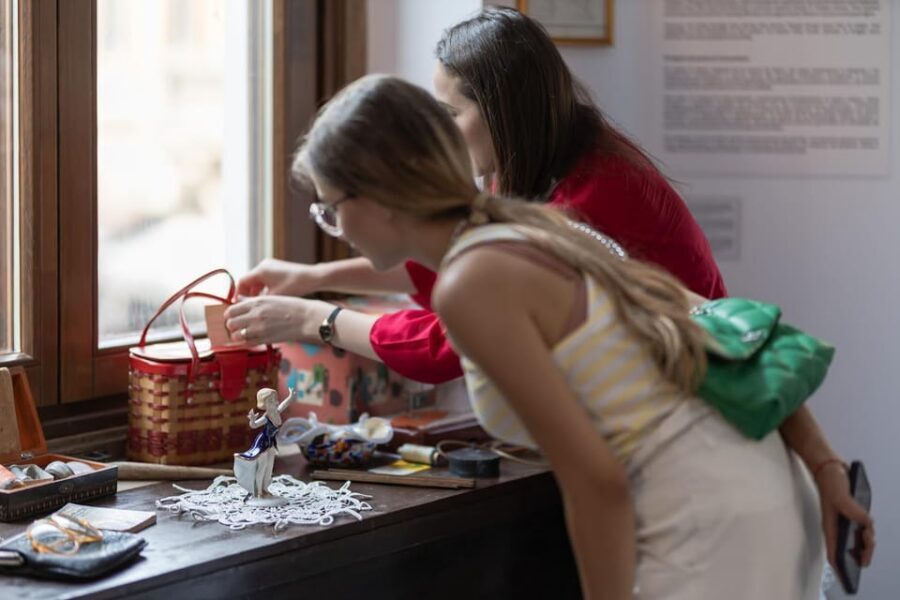
- Try-on clothes and old books: hands-on exhibits keep you awake and curious
- Guide available throughout: ask questions when something feels confusing
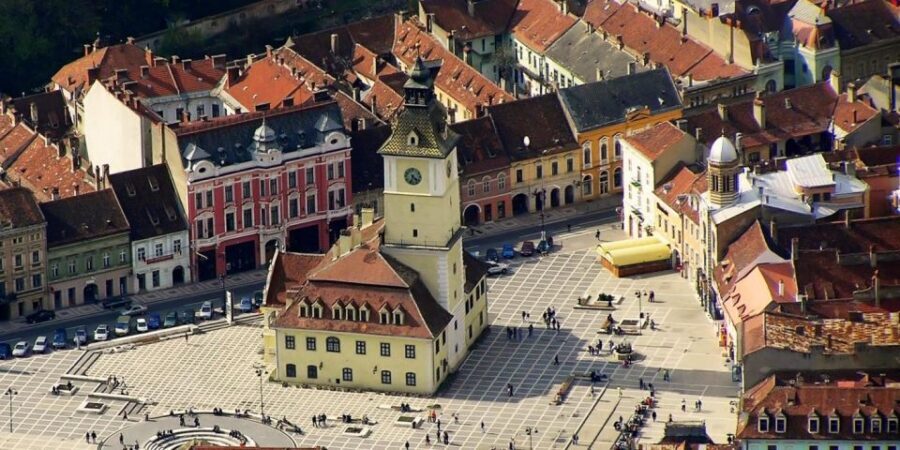
- Old Town location: easy to slot into a day of Bucharest walking
- Downstairs coffee and drinks: snack/drink break is part of the experience
- Small scale: plan to enjoy quality and interaction more than sheer size
Museum of Communism: a hands-on way to understand everyday life
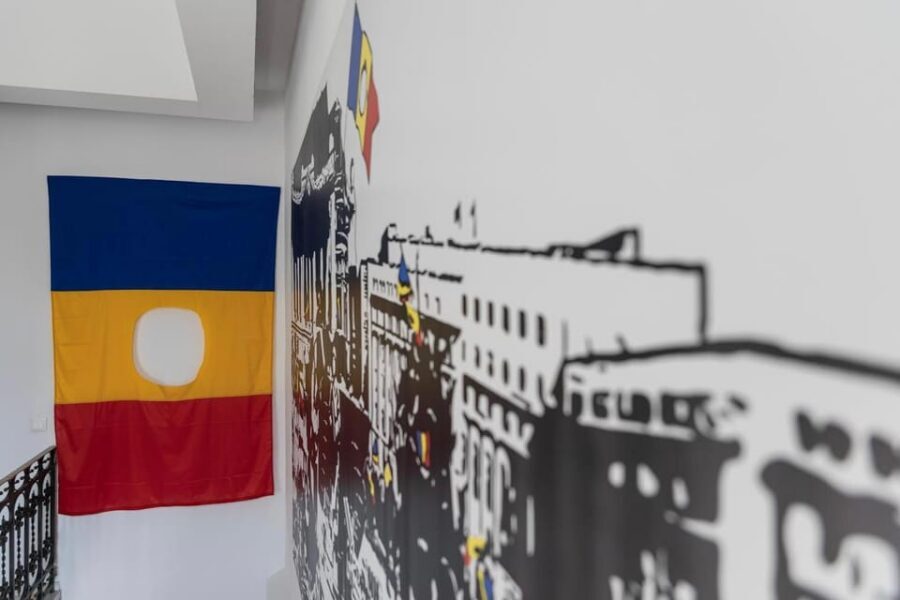
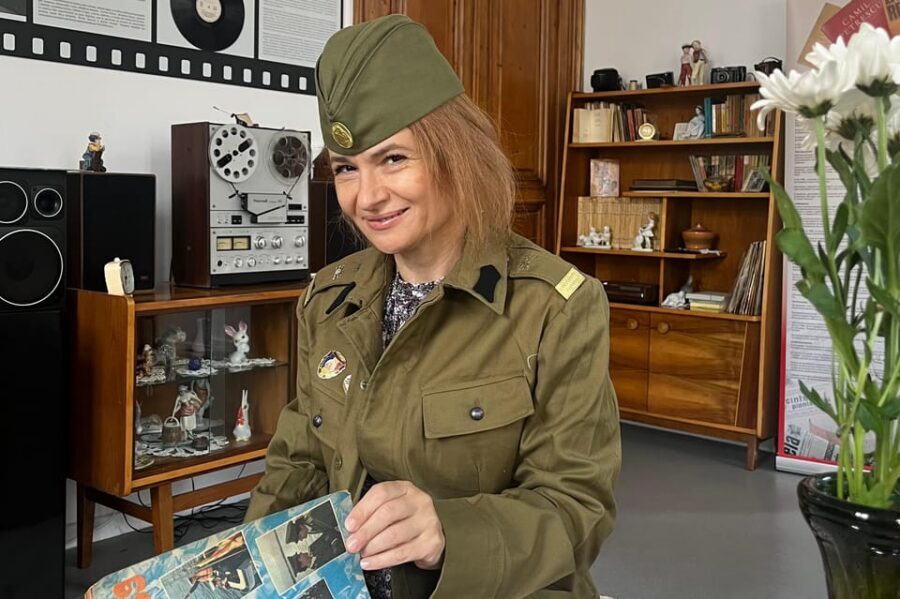
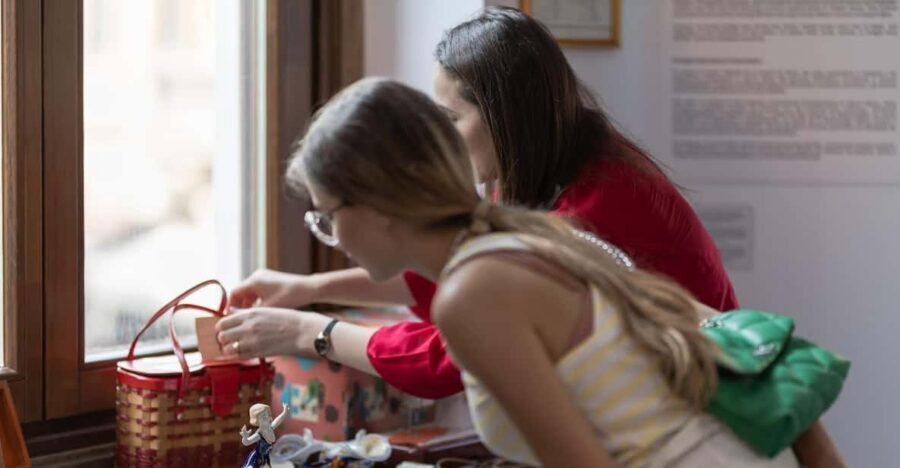
This isn’t just a hallway of photos. The Museum of Communism is built around objects and human-scale details, so you don’t only read labels—you interact. You can try on items and handle things like old books, which turns abstract history into something more concrete.
I also like that the tone stays practical. You’re shown how systems affected real routines: what people wore, what they read, and what “normal” looked like under communist rule. And because there’s a guide on hand for questions, you can ask the stuff that usually bothers you but you forget later.
The main tradeoff is size. At least based on visitor expectations, it can feel smaller than some people want. So go with the goal of engaging with exhibits and asking questions, not with the expectation of a massive collection.
You can also read our reviews of more tours and experiences in Bucharest



Where You Go First: showing your online ticket at the bar
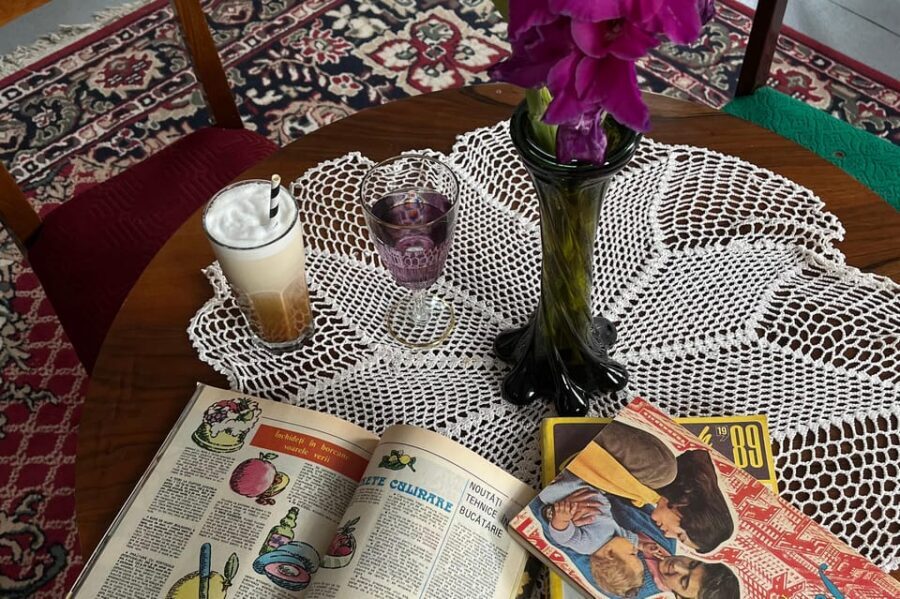
Your entry starts in the Old Town area, and the practical bit matters: you show your online ticket at the bar when you arrive. That means you’ll want to arrive a few minutes early, not right at the edge of your plans.
This is a straightforward setup, but it’s also one of the easiest ways to avoid wasting time. Once you’ve checked in, you can move into the museum and use the guide while your questions are still fresh.
If you’re doing Bucharest on foot, this is a big plus. Being in the Old Town means you’re not burning time on transit before you even start learning.
Interactive exhibits that reward curiosity (clothes, books, objects)
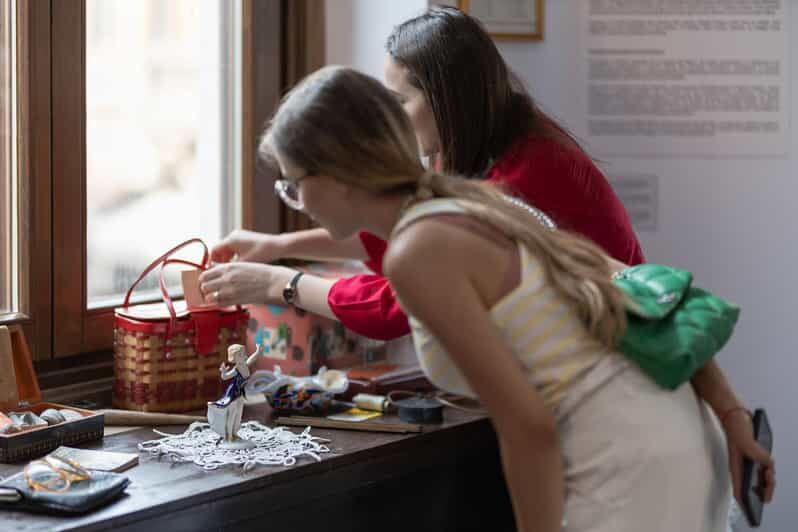
One of the best parts is the “hands-on” feel. You can try on clothes and read old books, which changes how you process the information. Instead of just imagining what those years were like, you’re using your senses—how a garment fits, what a book looks like, how it feels to handle something from that era.
I love experiences where your body participates a little. Here, that participation makes the exhibit messages stick better. It’s also a fun way to keep kids and teens engaged if you’re traveling with them—though the museum is not suitable for wheelchair users, so accessibility is a separate consideration.
A small but important tip: take your time in the interactive zones. When something is touch-friendly, you get one best chance to do it. If you rush, you’ll miss the point of having interactive exhibits in the first place.
How the museum presents communist Romania, from Ceaușescu onward
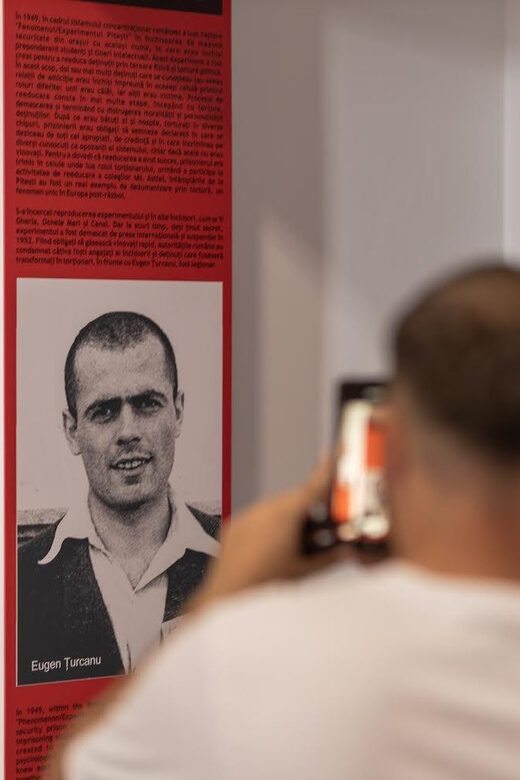
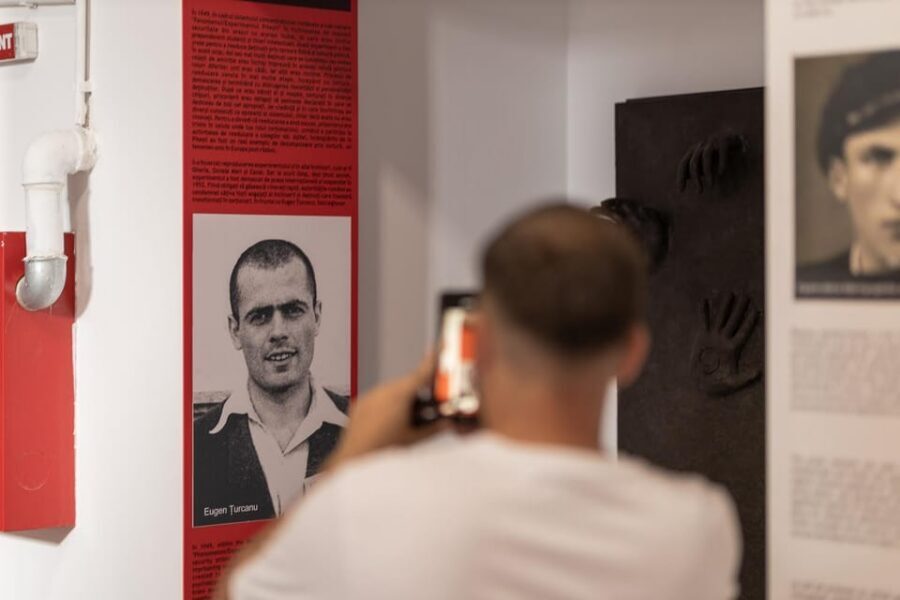
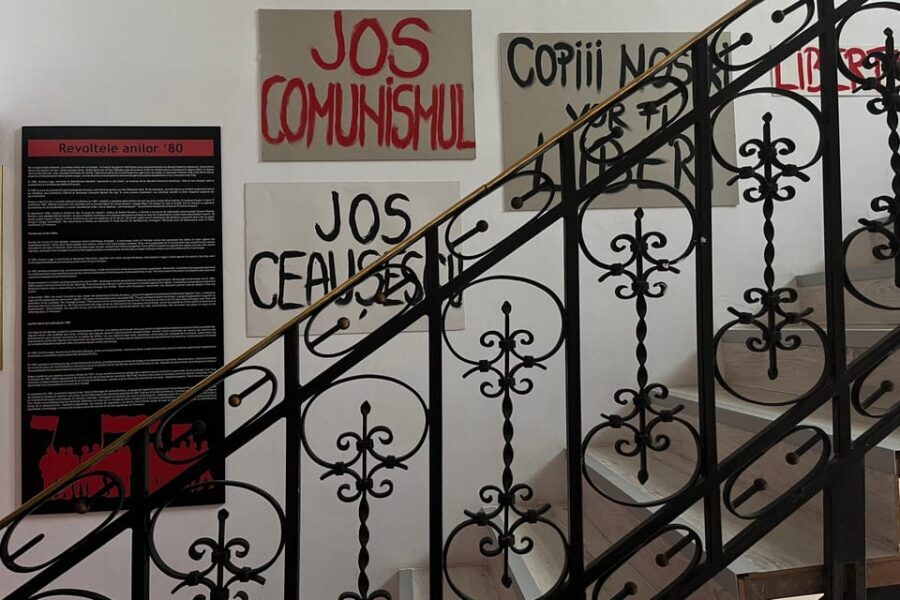
The museum covers key decades of communist Romania, and it carries you through major periods up to Ceaușescu. The experience is arranged so you can follow the timeline through “then and now” style displays—images, artifacts, and themed sections that show both public life and private life.
From what people highlight, the museum is especially detailed through the Ceaușescu era. That’s useful because it’s a period many visitors arrive knowing the name of, but not the day-to-day details behind the headlines.
You might notice two things while walking through:
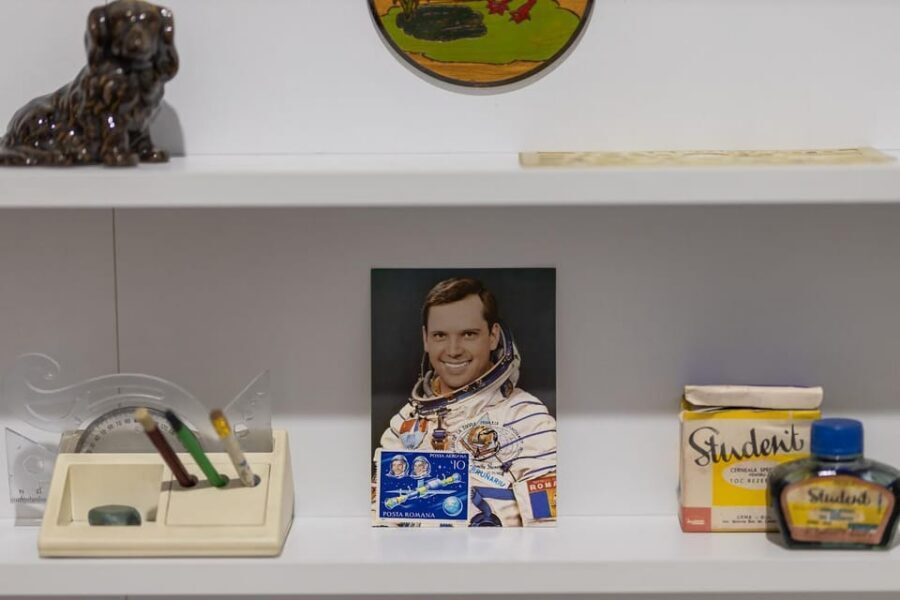
- The exhibits focus on everyday objects as proof of how the system shaped life.
- The atmosphere leans toward realism, not just abstract politics.
If you already know some Romanian history, you’ll probably enjoy seeing the specific objects that connect big events to daily experience. If you don’t know much, you’ll still have enough context to make sense of the arc—especially once you start asking questions.
The guide Q&A that turns labels into answers
This visit includes a museum tour format where the guide is available for questions. That might sound minor, but it’s actually the difference between reading and learning.
I’d treat the guide like a live resource. If you hit a display that feels unclear—why something was done, what it meant socially, or how ordinary people navigated it—ask right then. You’ll often get a sharper answer while you’re still looking at the exact exhibit in front of you.
Because this is entry ticket with guide availability (not a separate paid guided tour included), your best strategy is to be proactive. Don’t wait for a perfect moment. If a question pops into your head, ask it while you’re standing there.
Also, if you’re the type who loves context, this part can be surprisingly satisfying. It turns the museum from a static stop into a conversation about how regimes affect behavior and choices.
You can also read our reviews of more museum experiences in Bucharest






Downstairs coffee and drinks: plan a breather
There’s a small coffee shop inside the museum, downstairs. You can buy specialty coffee, soft drinks, and traditional alcoholic drinks, including house beer with a very original label.
This is more than just convenience. Museums like this can be emotionally heavy, even when the tone is educational. Having a built-in place to pause keeps you from rushing through. It also makes the visit feel more complete—like you’re allowed to take your time.
Food and drinks aren’t included in the ticket price, so bring a little cash or card comfort. But having this option on site is a real win, especially if you’re pairing the museum with other Old Town stops.
Price and value: about $9 for a 1-day experience
At $9 per person, the value is strong—especially because the exhibits aren’t only visual. You get interactive components, plus a guide available for questions.
For that money, you’re paying for:
- time inside a themed museum experience,
- the chance to interact with certain exhibits,
- and access to a guide for additional context.
The only real value risk is the scale. If you’re expecting a sprawling museum with huge galleries, you might feel you paid for a short stop. But if you’re happy with a compact, interactive visit where you engage actively, the price-to-experience ratio makes sense.
In other words: this is less about covering everything in communist Romania and more about learning through objects and interaction.
Timing, pacing, and what to pair it with in Bucharest
The ticket is valid for 1 day, and you’ll want to check available starting times. Since it’s an entry ticket with guide support, you can use the visit flexibly within your day.
In practice, I suggest planning this as a committed stop—not a quick hallway detour. The museum works best when you linger in the interactive areas and when you actually talk to the guide.
Because it’s in the Old Town, you can pair it with nearby walking. This is ideal if you like your sightseeing to stay on foot and want a museum that doesn’t require long transit logistics.
Group-wise, the setup feels designed for small-to-normal museum crowds rather than huge coach operations. That tends to make interaction easier, especially in touch-friendly zones.
What to watch for: small scale, touch exhibits, and photos
Let’s set expectations honestly. Some visitors come in expecting a bigger museum and are surprised by the size. If you need a large multi-gallery museum day, you might find it too short.
That said, the smaller scale can be a plus. You can move from area to area without fatigue, and you can spend more time interacting where it matters.
On the interact-and-document side, one highlight from past visitors is that you can touch items and take photographs. I’d still follow whatever staff guidance you see at each exhibit. If something looks like a strict no-touch area, respect it.
Finally, note that the museum is not suitable for wheelchair users. If accessibility is part of your planning, you’ll want to choose another option or confirm any route details in advance—because the statement here is clear.
Should you book? My take on who this fits
Book this if you want a compact, hands-on way to understand communist Romania in Bucharest. You’ll likely enjoy it most if you:
- like interactive museums where you can try on objects and handle items,
- enjoy asking questions when context is missing,
- want something different from standard architecture and church stops,
- and you’re comfortable with an exhibit theme that covers a heavy political period.
Skip it if you’re chasing sheer size or exhaustive coverage. Also skip if accessibility needs are an issue, since it’s not suitable for wheelchair users.
FAQ
FAQ
How much is the Museum of Communism entry ticket?
The price is $9 per person.
How long is the visit?
The experience is listed as valid for 1 day. Exact time inside the museum isn’t specified.
Where do I show my ticket when I arrive?
Enter and show your online ticket at the bar.
Is this entry ticket only, or is a guided tour included?
A museum visit is included, and a guide is available for questions. A separate guided tour is not included.
Can I buy coffee or drinks during my visit?
Yes. There is a coffee shop inside the museum downstairs, with coffee, soft drinks, and traditional alcoholic drinks. Drinks are not included in the ticket price.
Is the museum accessible for wheelchair users?
No. It is not suitable for wheelchair users.
Is there free cancellation?
Yes. You can cancel up to 24 hours in advance for a full refund.
Can I reserve now and pay later?
Yes. There is a reserve now and pay later option.
Are photos allowed?
One visitor noted that taking photographs is possible. Still, follow any rules or instructions you’re given inside.