REVIEW · BUCHAREST
Bucharest: Museum of Communism Ticket with Communist Coffee
Book on GetYourGuide →Operated by Museum of Communism in Bucharest · Bookable on GetYourGuide
Communism tastes better than you think. In Bucharest, the Museum of Communism turns recent history into something you can actually do, plus there’s a real ’80s-style coffee moment.
I love the way this visit stays interactive. You can touch plenty of exhibits, like typing on an old typewriter, reading original magazines, and trying on period clothing—so the museum doesn’t stay trapped behind glass. I also like that you’re not just reading: you can ask questions to a guide available inside the museum, which helps you connect the facts to what everyday life felt like.
One thing to consider: depending on what you want, some of the explanations may feel simplified, and the experience may be short and fast-moving if you’re expecting a deep, academic-style museum marathon.
In This Review
- Quick hits before you go
- Interactive exhibits that make the period feel real
- The guide Q&A is where the museum becomes useful
- Nechezol communist coffee: the included tasting you’ll remember
- A simple 1-day flow inside the museum
- Price and value of a $10 ticket with coffee
- What to expect from the museum’s presentation style
- Who this ticket suits best (and who might want a different plan)
- Practical tips to get the most from your visit
- Should you book the Museum of Communism ticket with communist coffee?
- FAQ
- How long is the Museum of Communism ticket valid for?
- What’s included with the ticket?
- Is there an English-speaking host or guide?
- Where does the communist coffee experience take place?
- Is the museum interactive?
- Is free cancellation available?
- Is the museum wheelchair accessible?
Quick hits before you go

- Touch-first exhibits: Type on an old typewriter and try on original-looking clothes
- Ask-your-own-questions guiding: A guide is available for Q&A during your visit
- Nechezol coffee is part of the ticket: You’ll get a cup included
- Living room stop with a communist couch: Coffee comes with a strong sense of scene
- Quick stop friendly: Many people finish in about 45 minutes to 1 hour
Interactive exhibits that make the period feel real
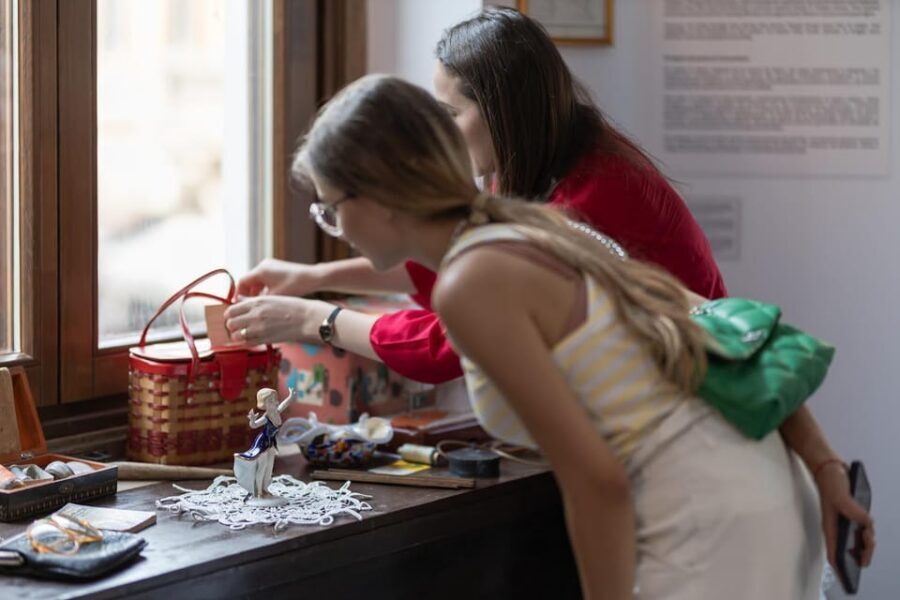
The Museum of Communism in Bucharest is built around the idea that memory sticks when you do something, not when you just read labels. The ticket experience leans into hands-on, photo-friendly moments: you can engage with exhibits and interact in ways that are unusual for museums like this.
In practical terms, this means you’ll spend time in different room setups where you’re encouraged to handle items, explore displays up close, and move at your own pace. One highlight is the chance to sit with an old typewriter and type—simple, but it immediately gives you a feel for how slow, deliberate communication could be compared to today. Another standout is the chance to look at original magazines up close, which tends to land differently than secondhand summaries.
And clothing matters here. Trying on period-style outfits gives you a physical sense of the era’s look and texture. It also makes the visit more playful, and that can be a good thing. You’re learning, but you’re not stuck in a stiff, lecture-only mode.
You can also read our reviews of more tours and experiences in Bucharest



The guide Q&A is where the museum becomes useful

Most museum tickets give you an experience. This one gives you a chance to interact with a person while you’re there. There’s a guide available inside the museum, and you can ask questions during your visit.
This is one of the best “value multipliers” for a ticket like this. When you can ask follow-ups, you don’t have to guess what certain displays are trying to communicate. You can clarify the context of what you’re seeing, and you can steer your own learning toward what you care about most—daily life, propaganda, or how the city changed.
It’s also the part you’ll feel most strongly if you’re traveling with someone who likes to talk things through. Even if you’re solo, having a guide available keeps you from walking out with unanswered questions you didn’t know you had.
One caution: not all museum text will satisfy everyone. Some visitors point out that certain explanations can feel broad or overly simple. If you’re the type who wants a deeply academic museum, you’ll still benefit from the exhibits, but you may want to rely more on the guide Q&A for the nuance.
Nechezol communist coffee: the included tasting you’ll remember
The special twist on this Bucharest ticket is the included taste of nechezol—often described as communist coffee from the late years of the regime. When coffee is scarce, people don’t just stop drinking it; they adapt, and the museum uses that shift to tell a story about how small imports and substitutions shaped everyday life.
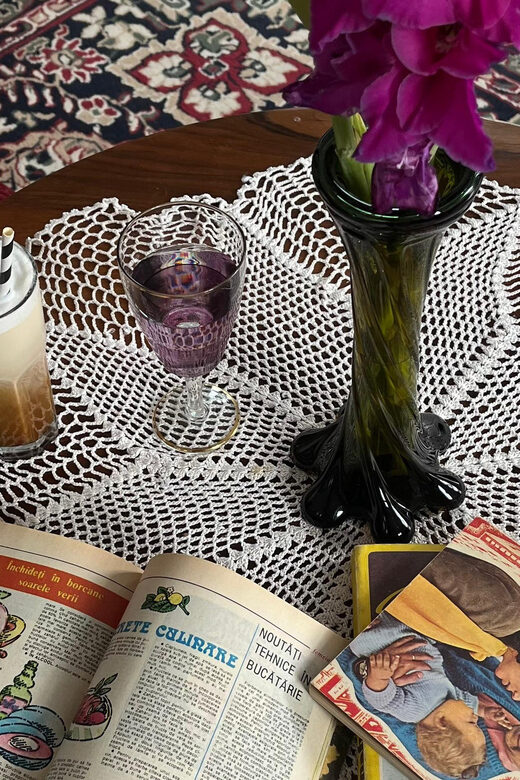
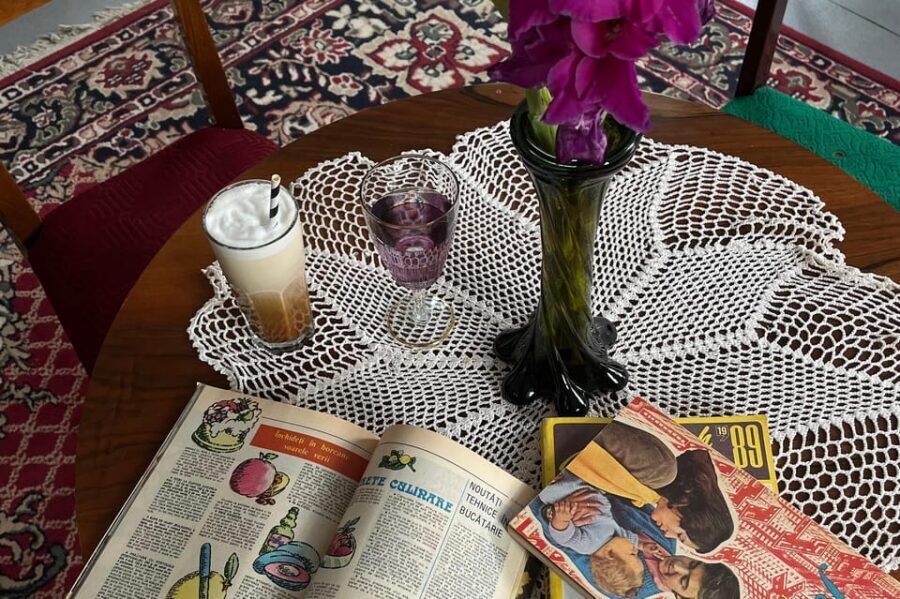
Here’s what makes the coffee stop more than a gimmick: you don’t just get a cup placed in your hand. You drink it in the museum’s living room setting, from an original old cup, and you sit on a communist couch. It’s staged in a way that matches the rest of the museum: you’re part of the environment, not just observing it.
In terms of flavor expectations, don’t go in hunting for gourmet detail. Many people describe it as similar to common instant coffee. I’d treat it as a novelty tasting with historical context. The value is in the experience of how the museum frames it—why nechezol appeared, how scarcity played a role, and what that meant for the people living under those conditions.
If you’re the kind of traveler who enjoys quirky, time-period-themed details, this coffee moment is the part that turns the visit from informative to memorable.
A simple 1-day flow inside the museum
You don’t need a complex plan for this visit. The ticket is valid for 1 day, and the museum is designed for a smooth, self-paced walk-through where you can also pause for interaction.
Typically, your best flow looks like this:
1) Start with the rooms that invite hands-on interaction
Begin where you can touch, try, and test things first. Typing on the typewriter and trying on clothing tends to work best early, before you’ve “warmed up” to the layout and mood of the museum.
2) Pause often for the original documents
Spend time with original magazines and older printed materials. Even if you’re not a reader of every caption, these items help you visually anchor the era. Look for what was printed, how it was formatted, and what kind of messages were repeated.
3) Use the guide time when you care most
If you want deeper context, save a couple of questions until you’re settled in and you’ve seen the full set of rooms. Asking after you’ve seen the exhibits is more satisfying than asking at the start, because you’ll have clearer references.
4) Finish with the nechezol tasting
Don’t rush the coffee stop. The “living room” scene is part of the story. Take a moment to notice the setting, sit down, and treat it like a short break inside the museum rather than a quick add-on.
Timing-wise, plan for roughly 45 minutes to 1 hour if you’re moving steadily and don’t linger too long in each room. If you read everything and interact with multiple exhibits, you may run longer—but it’s still a compact visit, which makes it easy to fit into a day of Bucharest sightseeing.
Price and value of a $10 ticket with coffee
At about $10 per person, this ticket is priced like a small, focused experience rather than a long guided tour. The big question is whether that’s good value.
For me, the math works because the ticket includes two things that usually cost time and attention separately: museum entry plus a cup of nechezol coffee. Many museums have “one themed activity” on top of the exhibits. Here, the coffee is integrated into the setting, which makes it feel like part of the concept instead of a separate purchase.
Also, the hands-on exhibits reduce the “museum time tax.” You’re not only walking through display cases; you’re doing small activities that make the visit feel active. That matters when you’re on a busy schedule and want something you’ll actually remember.
Where the value could feel weaker is if you expected a larger collection or a longer deep dive. If your dream is a slow, text-heavy, highly academic museum experience, this may feel short. But if you want an efficient stop with memorable moments, it’s a decent deal.
You can also read our reviews of more museum experiences in Bucharest






What to expect from the museum’s presentation style
The Museum of Communism is interactive and designed for participation. That said, you should know what kind of presentation style you’re signing up for.
Based on typical visitor reactions, there’s a mix of tactile exhibits and lots of explanatory text. Some of that writing may feel simple or generalized. You may see straightforward portrayals of what communism did to everyday life in Romania and how the city changed. That can be useful for quick orientation.
Just keep your expectations aligned with the format:
- You’re getting a guided, hands-on sense of how people lived.
- You’re also getting an emotional snapshot—how scarcity, rules, and daily routines might have shaped ordinary life.
- But you may not get the deepest academic treatment on every point.
The guide Q&A is your best lever if you want more nuance. Ask about what you notice as you go—especially anything that feels contradictory, confusing, or too neatly explained by the labels.
Who this ticket suits best (and who might want a different plan)
This experience is a good fit if you:
- like museums where you can touch and interact, not just look
- want a quick Bucharest stop that still feels like more than sightseeing
- enjoy playful historical details—especially period-style photo moments and dressing up
- travel with curiosity and questions, since the guide Q&A can adjust your experience
It may be less satisfying if you:
- expect a large museum with lots of objects and minimal reading
- need a long, deeply academic presentation to feel “complete”
- need full accessibility support (this one is not suitable for wheelchair users)
If you’re visiting with friends, this kind of museum tends to work especially well because the dressing up and photo-friendly moments give the group shared memories. Solo travelers can still have a good time, but you may want to treat it like a short, active stop rather than a long, reflective one.
Practical tips to get the most from your visit
A few small choices can make the experience better.
- Arrive with one or two questions ready. You’ll get more out of the guide Q&A if you already have a topic in mind, like everyday life, culture, or how shortages affected routines.
- Use the interactive exhibits strategically. If you want photos or time in costume, do those early before you’re tired. Also, typing on the typewriter is easier to enjoy when you have a little patience for it.
- Don’t rush the coffee scene. The living room setting and communist couch are part of the theme. Sitting down makes it feel like a short “period break,” which is the point.
- Plan for a compact visit. It’s typically completed in under two hours, so schedule it as a flexible piece of a Bucharest day, not as the only major plan.
Should you book the Museum of Communism ticket with communist coffee?

Book it if you want a short, hands-on Bucharest experience that blends interactive exhibits with a genuinely memorable included tasting. The nechezol coffee stop in a period living room is the kind of detail you’ll talk about later, and the guide Q&A can turn a simple visit into something more meaningful.
Skip or reconsider if you’re the type who needs a long, detailed museum with lots of scholarly depth, or if you rely on wheelchair accessibility. In those cases, you might prefer a different style of museum visit.
If you’re flexible and curious, this ticket offers solid value: museum entry plus a period-themed coffee moment, delivered in a way that’s easy to fit into your day and hard to forget.
FAQ
How long is the Museum of Communism ticket valid for?
The ticket is valid for 1 day. You can check availability to see the starting times.
What’s included with the ticket?
Your ticket includes entry to the Museum of Communism and a cup of nechezol (communist) coffee.
Is there an English-speaking host or guide?
Yes. The host or greeter is English-speaking, and the museum offers a guide you can ask questions to during your visit.
Where does the communist coffee experience take place?
You taste nechezol in the museum’s living room, drinking it from an original old cup and sitting on a communist couch.
Is the museum interactive?
Yes. You can touch most exhibits and try activities like typing on an old typewriter, reading original magazines, and trying on old clothes.
Is free cancellation available?
Free cancellation is available up to 24 hours in advance for a full refund.
Is the museum wheelchair accessible?
No. It is not suitable for wheelchair users.