REVIEW · BUCHAREST
The Real Story of Gypsies – Slavery in Romania
Book on Viator →Operated by BUSINESS TRAVEL SOLUTIONS · Bookable on Viator
Bucharest gets real fast. This 3-hour walking tour traces Roma history through major landmarks tied to slavery, public power, cultural memory, and remembrance, from Platoul Piata Amzei to the Holocaust memorial, then finishes with hands-on crafts at Mesteshukar ButiQ. It’s a compact route with enough stops to understand the big picture without rushing.
I especially like the English-language guidance and the way the tour stays answer-friendly, with the guide (Mihai is named in past runs) making time for questions. I also like that the sights are marked as admission-free, so your money goes mostly to the story and the walking pace.
The main drawback is the subject matter. Expect heavy stops covering slavery and genocide, including Roma victims remembered at the Holocaust memorial. If you want only light sightseeing, you may find this tour emotionally weighty, even though there are calmer breaks like Cismigiu Park.
In This Review
- Key things I’d bet you’ll notice on this tour
- Why this Roma history walk in Bucharest hits hard, but helps
- Price and value: $30.04 for a story-heavy route
- Meeting point by Teatrul Ion Creangă and how the timing really works
- Stop 1: Platoul Piata Amzei and the site of an old slaves market
- Stop 2: Palatul Stirbei (built in 1835) and a turning point tied to ownership
- Stop 3: Ateneul Roman (Romanian Athenaeum) and arts that shaped perceptions
- Stop 4: Cismigiu Park and the shift from hard history to needed air
- Stop 5: The Holocaust Memorial and remembrance for Roma victims
- Stop 6: Iuliu Maniu statue, a moment when Roma were called Gypsies
- Stop 7: Mesteshukar ButiQ and Roma copper craftsmanship you can see up close
- Guide style: what makes this tour feel work-without-being-tough
- Who should book this, and who should think twice
- Should you book The Real Story of Gypsies in Romania?
- FAQ
- How long is The Real Story of Gypsies – Slavery in Romania?
- Where does the tour start?
- What time does the tour begin?
- Where does the tour end?
- Is the tour in English?
- How much does it cost?
- How big is the group?
- Is there a lot of walking?
- Are there admission fees for the stops?
- What is the cancellation policy?
Key things I’d bet you’ll notice on this tour
- A short, focused 3-hour route with about 1 hour 20 minutes of actual walking time
- English offered with a guide who answers questions in a clear, practical way (Mihai is specifically mentioned)
- Multiple admission-free landmarks, so the cost mostly covers guided context
- A balance of memory and craft, ending at Mesteshukar ButiQ to see Roma copper work directly
- A small group size (max 15), which makes it easier to keep questions from getting lost
Why this Roma history walk in Bucharest hits hard, but helps
This tour is built around a simple idea: you learn faster when you connect stories to real places. In Bucharest, that means walking from a site tied to an old slave market context to nearby historic buildings, then stepping into remembrance at the Holocaust memorial. It also means not treating Roma history like an add-on. It’s treated as central to the city’s past.
At the same time, the route is not only about tragedy. You end with Roma craftsmanship at Mesteshukar ButiQ, so you leave with an image of continuity, not just loss. That craft stop also gives your brain a place to rest after the somber memorial themes.
You can also read our reviews of more tours and experiences in Bucharest.
Price and value: $30.04 for a story-heavy route
At $30.04 per person for about 3 hours, this is priced like a guided walking tour rather than a museum ticket experience. What boosts the value is that the itinerary lists all stops as admission-free, so you’re not paying extra just to stand in front of the buildings and memorials.
You’re also getting a route that covers seven distinct stops, with enough time at each to absorb what matters. The small group limit of 15 is another value marker: you’re less likely to get pushed along, and your questions have a better chance of being answered in real time.
Meeting point by Teatrul Ion Creangă and how the timing really works
The tour starts at Teatrul „Ion Creangă” – Sala Mare, at Strada Piața Amzei 13, 030167 București, with a start time of 10:00 am. You finish at Mesteshukar ButiQ (MBQ), Bulevardul Mihail Kogălniceanu 12, 030167 București.
Two timing details matter for your planning:
- The total duration is about 3 hours
- The “walking time” is listed as about 1 hour 20 minutes, with the remaining time used for the stops and explanation
It’s also marked as near public transportation, which helps if you’re arriving from another neighborhood. And you’ll get a mobile ticket, so you’re not fumbling for paper while you’re trying to join the group.
Stop 1: Platoul Piata Amzei and the site of an old slaves market
Your first major stop is Platoul Piata Amzei. This is where the tour sets its tone, because you’re looking at the place connected to an old slaves market linked to Romania’s history with the Roma community.
What I like about starting here is that it anchors the entire tour in a specific, local reality. Instead of floating in theory, you begin with a concrete site, then follow how that past echoes into identity and community memory.
A practical consideration: this first stop is the most likely to feel heavy and direct. If you’re the kind of person who likes to ease into serious topics, you might want to mentally prepare for that right away.
Stop 2: Palatul Stirbei (built in 1835) and a turning point tied to ownership
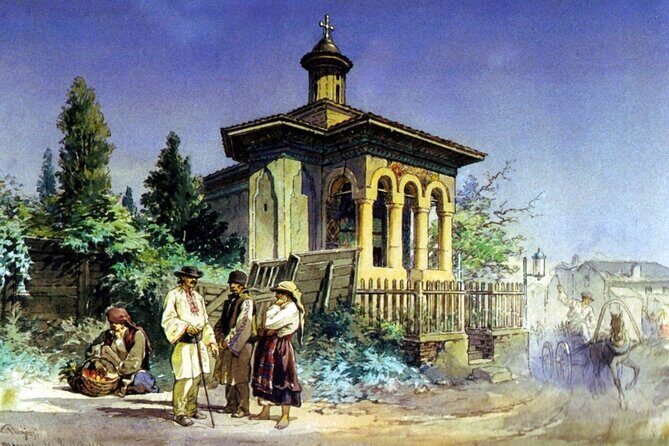
Next comes Palatul Stirbei, described as a beautiful Bucharest palace built in 1835. The tour connects the building to an important moment in Roma history in Romania through its owner.
This stop is a reminder of something you might miss if you only think about history as laws and politics: power and property show up in architecture. A palace is not neutral. It’s a physical clue that wealth and control shaped real lives.
The drawback is simple: palaces are visually impressive, and it can tempt you to treat the stop like sightseeing. Try to keep your attention on what the guide is connecting to it, especially since the tour’s goal is historical honesty, not only pretty views.

Stop 3: Ateneul Roman (Romanian Athenaeum) and arts that shaped perceptions
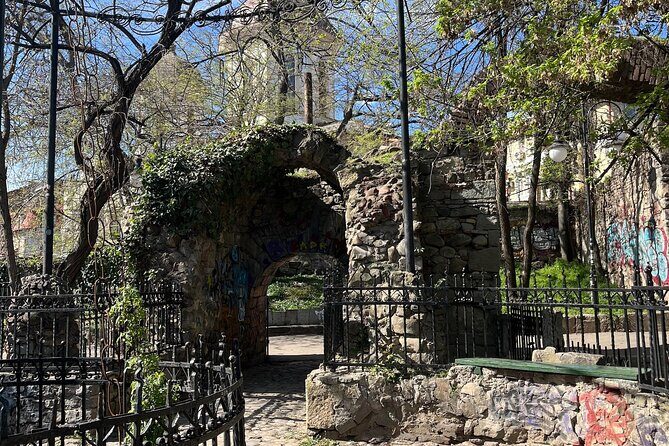
The route continues past the Romanian Athenaeum, one of Bucharest’s iconic landmarks. At this stop, the tour connects architecture and national culture to the way arts influenced perceptions of the Roma community across history.
This is one of the more interesting contrasts on the walk. You’re moving from palace-linked power to a national cultural symbol. It’s a good way to see how narratives can be reinforced through art, ceremonies, and public pride.
If you love photography or landmark spotting, you’ll likely enjoy this section. Just keep your focus on the story the guide frames around the arts and representation, not only the building’s look.
Stop 4: Cismigiu Park and the shift from hard history to needed air
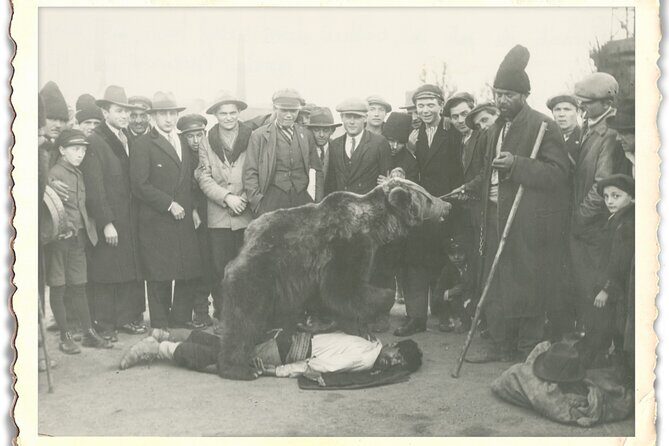
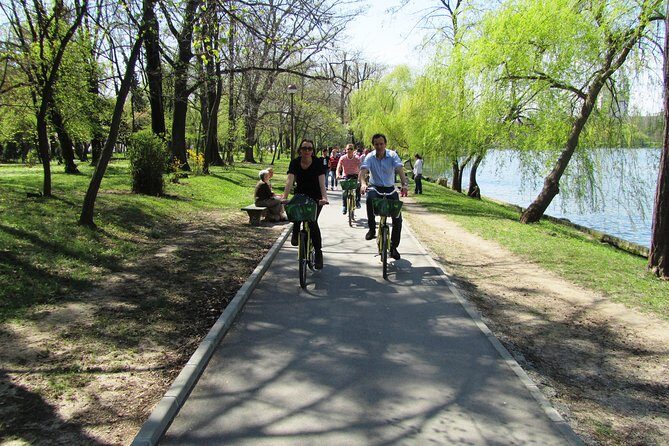
Then you get a calmer break in Cismigiu Park, noted as the oldest and largest garden in Bucharest. The tour uses the greenery as a pause point to share more truths and myths about Roma history.
I like that this stop gives your body a rest while your mind stays engaged. You’re still learning, but the environment helps you absorb without feeling like every minute is another memorial or another painful site.
A small consideration: because it’s a park, you may want to bring whatever you need for comfort (weather layers, shoes you can trust). The walking overall is not extreme, but the day can still feel longer if your legs get cold or wet.
Stop 5: The Holocaust Memorial and remembrance for Roma victims
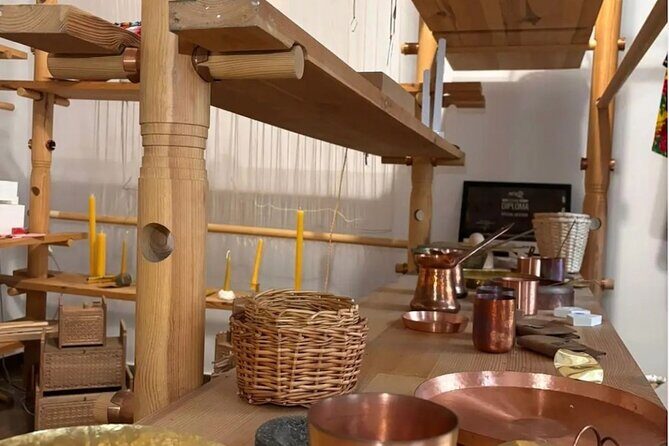
After the park, the tour turns somber at the Holocaust Memorial. This is presented as an important landmark in Romania’s commemoration of the Holocaust, including thousands of Roma lives lost to persecution and genocide.
This stop is not about spectacle. It’s about honoring victims and understanding that Roma people were included among those targeted in the machinery of genocide. If you’re sensitive to memorial settings, keep that in mind before you join.
Practical advice: use this moment to slow down mentally. Don’t rush to the next stop. Let the guide’s context land. The pacing here matters more than speed.
Stop 6: Iuliu Maniu statue, a moment when Roma were called Gypsies
Next is the Iuliu Maniu Statue, used by the tour to point to another significant moment in Roma history, specifically when Roma were still very much called Gypsies.
This is an important kind of stop because language is part of power. Even without getting into extra details beyond what the guide explains, the statue context helps you notice how labels change how societies think, classify, and treat people.
If you’re the type who likes to understand how terms evolve, you’ll probably appreciate this. It’s short, but the point is sharp.
Stop 7: Mesteshukar ButiQ and Roma copper craftsmanship you can see up close
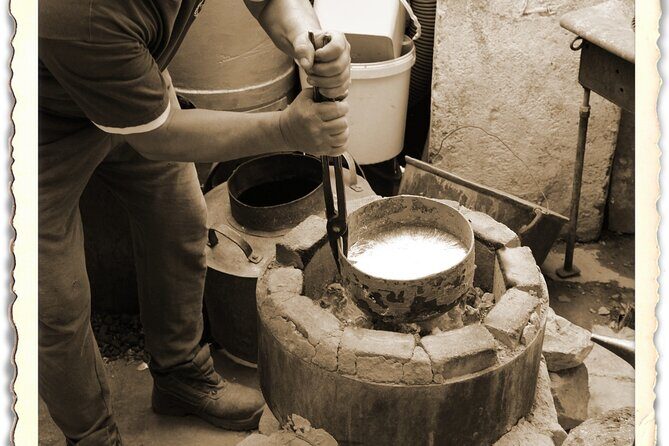
The tour ends at Mesteshukar ButiQ (MBQ), a shop described as selling products manufactured only by Roma craftsmen. The stop highlights Roma craftsmanship with copper, and you get a chance to see artisans’ skill in action through their work.
This final stop is smart planning. After heavy themes, you’re not left empty. You walk out with a tangible reminder that culture survives through craft, family skills, and daily creation.
Keep it practical: if you’re interested in buying something, budget a little time and money. If you’re not shopping, that’s fine too. At minimum, you’ll leave with a better sense of what Roma craftsmanship looks like beyond photos and stereotypes.
Guide style: what makes this tour feel work-without-being-tough
The best version of this kind of tour depends on the guide. In past experiences tied to this walk, the English has been described as strong, and the guide is said to be willing to answer questions and spend time with people who want clarification. Mihai is specifically mentioned as taking time for questions and making conversation easy.
Here’s how to make the most of that in practice:
- Bring 1 or 2 questions you truly care about. Don’t worry if you don’t know the right vocabulary.
- Ask for connections between stops. For example, how a palace stop connects to what you saw earlier at the old market context.
- If something feels unclear or you want terms explained, ask on the spot. Memorial and history tours work best when questions happen in the moment.
The group size limit (max 15) helps. You’re less likely to get lost in the crowd.
Who should book this, and who should think twice
This tour is a good match if you want:
- A focused walking route with multiple meaningful stops in Bucharest
- Roma history told through place-based context, not just an overview talk
- A final stop that connects memory to living culture via craft
It may not be the best choice if:
- You prefer light, purely scenic sightseeing
- You’re avoiding heavy subject matter related to slavery and genocide
- You want long museum-style breaks (this tour is mostly walking plus explanations at stops)
If you’re comfortable walking about 1 hour 20 minutes across city streets and you can handle serious historical themes, you’ll likely appreciate how the route builds understanding step by step.
Should you book The Real Story of Gypsies in Romania?
I think it’s worth booking if you want your Bucharest day to mean something. The route is short enough to fit easily, but it covers the essentials: an old slaves market context, historic buildings linked to power, a cultural landmark tied to perceptions, a park pause, and a Holocaust memorial dedicated to Roma victims—then it ends at Roma-run copper craft at Mesteshukar ButiQ.
Book it if you’re ready for a thoughtful, not-cutesy history walk and you value an English-speaking guide who will actually talk with you. Skip it only if you know you want a lighter day or you’re not up for memorial and persecution topics right now.
FAQ
How long is The Real Story of Gypsies – Slavery in Romania?
The tour is about 3 hours.
Where does the tour start?
It starts at Teatrul „Ion Creangă” – Sala Mare, Strada Piața Amzei 13, 030167 București, Romania.
What time does the tour begin?
The start time is 10:00 am.
Where does the tour end?
It ends at Mesteshukar ButiQ [MBQ], Bulevardul Mihail Kogălniceanu 12, București 030167, Romania.
Is the tour in English?
Yes, English is offered.
How much does it cost?
The price is $30.04 per person.
How big is the group?
The maximum group size is 15 travelers.
Is there a lot of walking?
The tour is about 3 hours total, with 1 hour 20 minutes allotted for walking time.
Are there admission fees for the stops?
The itinerary indicates admission tickets are free for the listed stops.
What is the cancellation policy?
You can cancel for a full refund up to 24 hours in advance of the experience’s start time.