REVIEW · BUCHAREST
A Journey Back in Time: Countryside from Transylvania and Maramures – 15 Days
Book on Viator →Operated by Touring Romania · Bookable on Viator
Romania feels like a time machine on wheels. This private route strings together castles, fortified churches, and mountain villages with real guide talk (not just a photo stop list). You’ll also get traditional stays and an included breakfast rhythm that makes the countryside days actually enjoyable.
I especially liked how the trip pairs big-name sites with lesser-seen places you’d struggle to organize. And the balance of stone castles (Bran, Corvin) with wooden church culture (Maramures) keeps the story moving from dynasty to village life.
One thing to keep in mind: the schedule is packed and long-distance drives are part of the deal. If you hate early starts, tight walking windows, or seasonal closures (some sights can be closed Mondays and public holidays), you’ll want to plan your expectations accordingly.
In This Review
- Key things to know before you go
- A time-travel route that actually connects the dots
- Day 1 Bucharest walking tour: get your bearings fast
- Sinaia’s Peles Palace and the mountain reset at Fundățica
- Bran Castle, Rasnov Citadel, and a bear sanctuary day
- Viscri’s Saxon charm, Sighișoara’s UNESCO citadel, and Malancrav’s remote church
- UNESCO fortified churches: Biertan, Valea Viilor, and Alma Vii
- Cluj-Napoca to Maramureș: the shift from stone to wood
- Sapanta’s cemetery, Desesti’s wooden church, and Barsana Monastery
- The Mocănița Maramureș steam train: the slow day you’ll remember
- A relaxed Breb day, then Rimetea and an ethnographic museum
- Alba Iulia’s fortress story, Corvin Castle’s gothic drama, and Sibiu’s medieval walk
- Transfăgărășan Highway views: road trip vs cable car
- Curtea de Argeș Monastery before returning to Bucharest
- Price and value: what you’re really paying for
- Practical notes that can affect your day-to-day comfort
- Should you book this Transylvania–Maramureș time machine?
- FAQ
- What type of tour is this?
- Where does the tour start and what time?
- How long is the trip?
- Are meals included?
- Is Peles Palace included?
- Are there any included ticket costs?
- How does the Transfăgărășan route work depending on dates?
- Can sights be closed on certain days?
- Is the tour refundable if I cancel?
Key things to know before you go
- Private group experience means only your party joins you, with a dedicated driver/guide setup
- Real countryside nights in places like Fundățica, Breb, and Saxon village stays (including a traditional old house in Malancrav)
- UNESCO fortified churches across multiple villages (Biertan and others) instead of just one big stop
- Maramures wooden church circuit plus Orthodox monastery time and the Mourning-with-a-smile at Sapanta cemetery
- Mocănița steam train ride through Maramures with old steam locomotives for a slower, scenic break
- Transfăgărășan seasonal routing: road by car in the summer window, cable car outside it
A time-travel route that actually connects the dots
This is the kind of tour that feels built for first-time visitors who still want depth. You start in Bucharest, then move into Transylvania’s Saxon and royal-world history, and finally land in Maramures where wooden churches and Orthodox monasteries shape daily life. The value here isn’t just “seeing a lot.” It’s the way the route keeps explaining why these places matter, while your transportation and most meals are handled.
A key plus for you is that it’s set up as a private tour with a dedicated driver/guide and air-conditioned vehicle. That matters because rural Romania can mean long roads, weather changes, and tight timing between churches, viewpoints, and museum hours. Also, you get breakfast included across the trip, plus dinners included for most evenings—so you’re not constantly hunting for food after a long day.
If your guide is George, you’ll want to lean in. Past trips highlighted how he customizes and keeps the whole thing smooth while sharing Romanian history that makes the stops feel connected instead of random.
You can also read our reviews of more tours and experiences in Bucharest.

Day 1 Bucharest walking tour: get your bearings fast
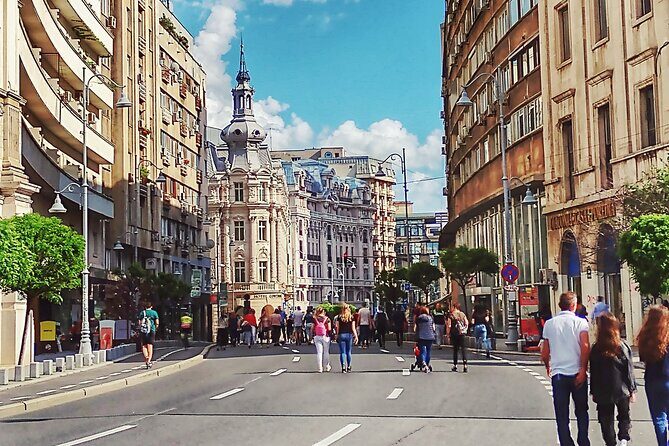
Your day begins with a Bucharest walking tour focused on the most important sites. It lasts about 3 hours, with admission described as free for this stop. This is a good way to start because Bucharest can feel confusing if you jump straight into museums without any grounding.
You’ll want comfortable shoes here. Walking tours in a city can be straightforward, but cobblestones and longer stretches than you expect happen. If you’re jet-lagged, bring water and keep an eye on where your group meets—your start time is 9:00 am, so a calm morning helps.
This first day also sets expectations for the rest of the trip. Bucharest is your “big city” contrast before the route turns into castles, villages, and forested valleys.
Sinaia’s Peles Palace and the mountain reset at Fundățica
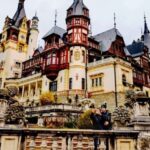
Next comes Peleș Castle in Sinaia, Romania’s royal showpiece. You’ll spend about 2 hours here, and admission is included. The palace is described as the former summer residence of the royal family, which helps you understand why it looks like it does: it was built for summer stays, tastes, and status—not defense.
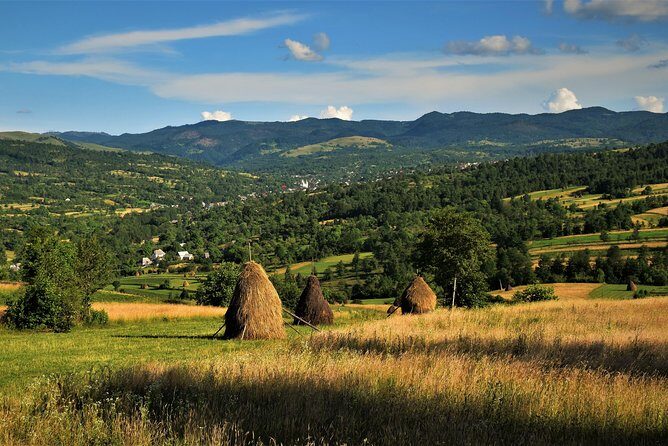
After the palace, you shift into the mountains with Fundățica, one of Romania’s mountain villages. You spend 2 nights here, with the emphasis on scenery and a real countryside feel. This is exactly the kind of pause you need after concentrated sightseeing. It also helps you sleep better before the more intense castle-and-fortress days.
Consideration: Fundățica is “scenery time,” so don’t expect a packed program. If you want constant activities, you might find the rhythm slower than you hoped.
Bran Castle, Rasnov Citadel, and a bear sanctuary day
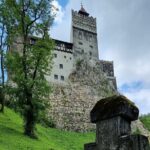
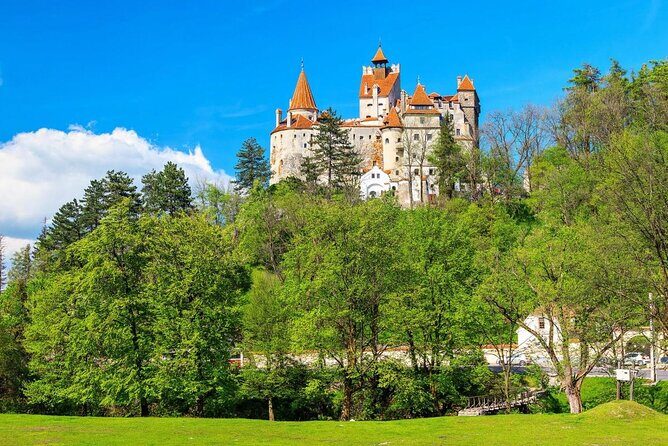
On day 3, you tackle the Dracula magnet first: Bran Castle. The visit is about 1 hour, with admission included. The stop is framed as a chance to separate legend from reality, which is smart. Bran can turn into a costume-party vibe if you go in without context. Here, you’ll get the castle story in a way that makes it feel less like a gimmick and more like a real medieval strongpoint.
Then you head to Rasnov Citadel, where you’ll get a garden and panoramic views. It’s described as an 800-year-old fortress, with admission included. This is one of those stops where the time is short, but the payoff is visual: you’ll see how the valley and approaches shape defense.
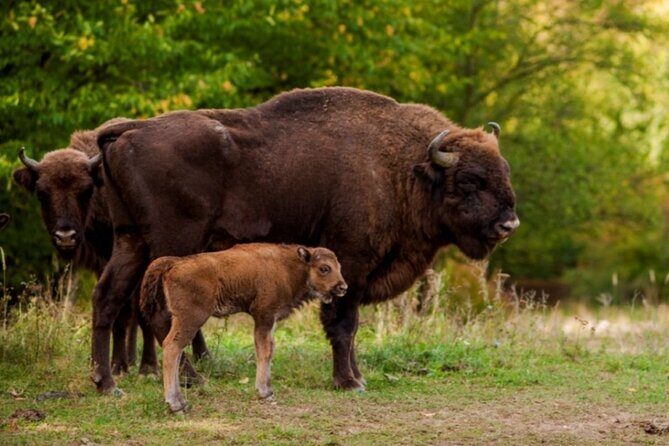
The day ends with nature: Liberty Bear Sanctuary in Zărnești, featuring about 80 bears living in a forest. The visit is around 2 hours, and admission is included. This is a different kind of experience than castles. You’re not chasing architecture—you’re learning about a conservation effort and spending time observing animals in a forested setting.
Practical note: if you’re sensitive to animal-care realities, you’ll want to accept that sanctuaries are about management and safety, not entertainment. This is still a strong day because it adds variety.
Viscri’s Saxon charm, Sighișoara’s UNESCO citadel, and Malancrav’s remote church
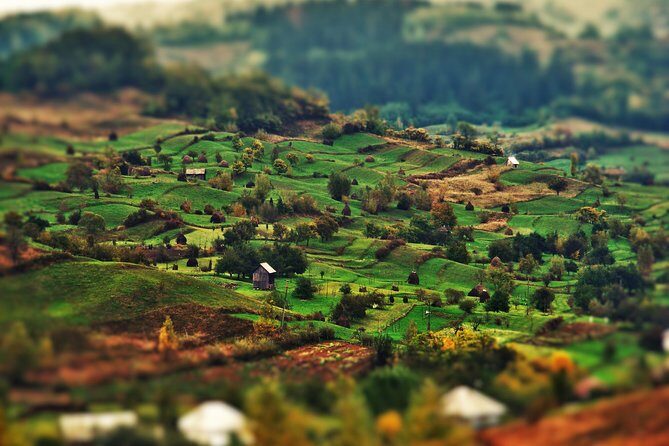
Day 4 centers on Viscri, a Saxon village where you spend 1 night. It’s noted as the favorite village of Charles, Prince of Wales. You’ll walk the village streets, visit the Fortified Church, and eat traditional food. For you, the value is simple: this is “living heritage,” not just a photo from outside a wall.
Then on day 5, you go to Sighișoara, described as one of the last inhabited citadels in Europe and a UNESCO site. The time is about 3 hours, with admission free. You’ll feel the medieval feel here because people still live in the citadel area. It’s one of the best places on this kind of route to understand how fortifications and daily life can overlap.
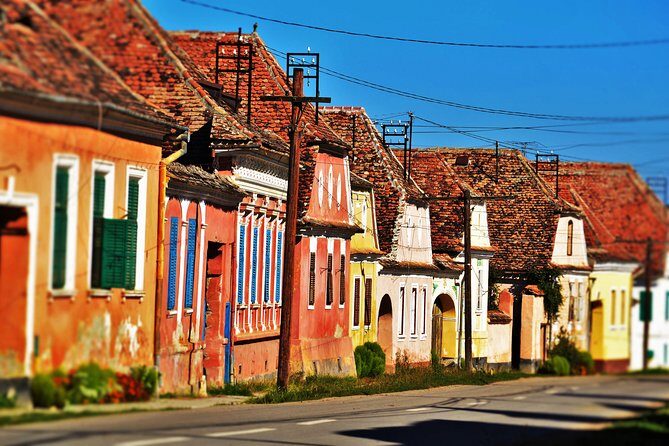
That same day includes Malancrav, where you spend 2 nights in a remote Saxon village. The stay includes accommodation in a traditional old Saxon house. You’ll also visit the Fortified Lutheran Church of Malancrav, around 700 years old. This is the part of the tour where you slow down and get a genuine village rhythm—because the village is the main event.
Potential drawback: these Saxon village days involve walking and old-town streets. If you have mobility limits or dislike uneven surfaces, you’ll want to factor that in.


UNESCO fortified churches: Biertan, Valea Viilor, and Alma Vii
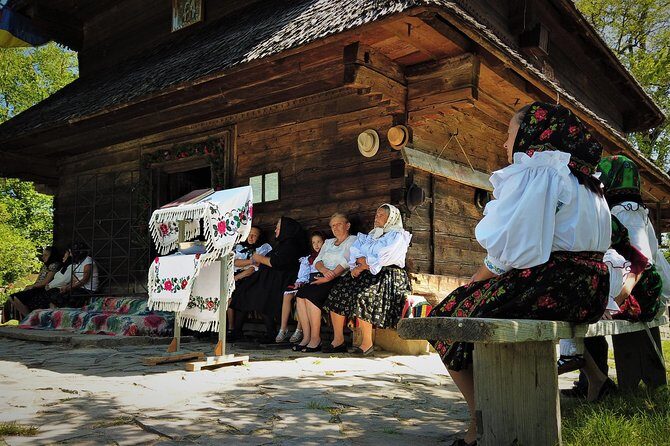
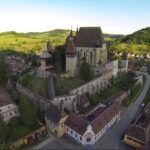
Day 6 is another heritage-heavy day, but it’s paced with multiple stops instead of one long slog. You’ll visit Biertan Fortified Church (about 1 hour, admission included) in a UNESCO-listed setting. Then there’s Valea Viilor Fortified Church for about 45 minutes, also UNESCO-listed.
Next is Alma Vii, described as a remote Saxon village. It includes a traditional lunch, and you’ll spend about 2 hours at this stop. This is a smart design: you get architecture, then you get the food and everyday village experience that explains why these forts mattered. People needed protection because they lived here, farmed here, and worshipped here.
If you’re the type who loves structure and consistency, this day will suit you. You’re building a mental map of how Saxon communities organized their faith and defense.
Cluj-Napoca to Maramureș: the shift from stone to wood
On day 7, you pass through Cluj-Napoca with a walking tour (about 2 hours). It gives you a Transylvanian city stop before the road climbs into Maramureș.
Then you visit Surdesti Wooden Church, described as the first wooden church from Maramureș and among the tallest wooden churches in the world. The stop is about 45 minutes, admission included. This matters because Maramureș church architecture isn’t “lesser” than stone. It’s a different solution to building tradition with local materials and skills.
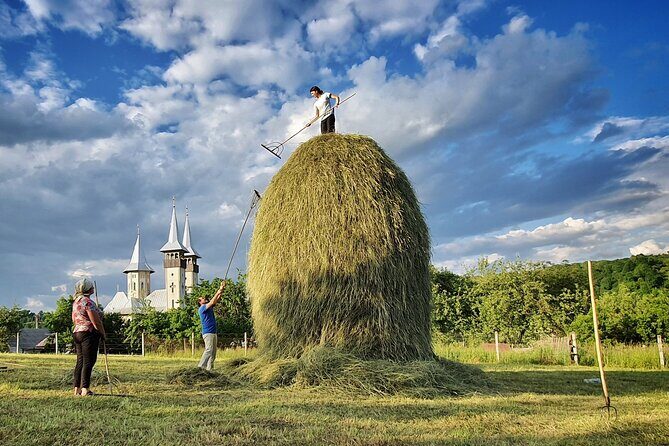
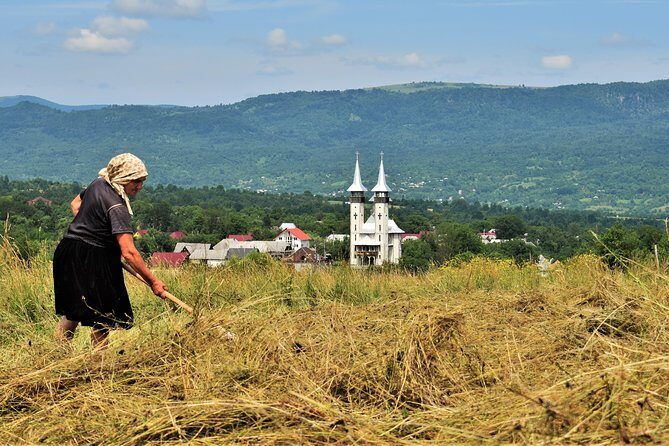
After that, you reach Breb, where you spend 4 nights. The focus here is walking the village, meeting locals, and enjoying local food, with a relaxed “settle in” feel.
Consideration: four nights in Breb is a big block. It’s great for slowing down, but you’ll want to be mentally ready for fewer “headline” attractions and more village-style days.
Sapanta’s cemetery, Desesti’s wooden church, and Barsana Monastery
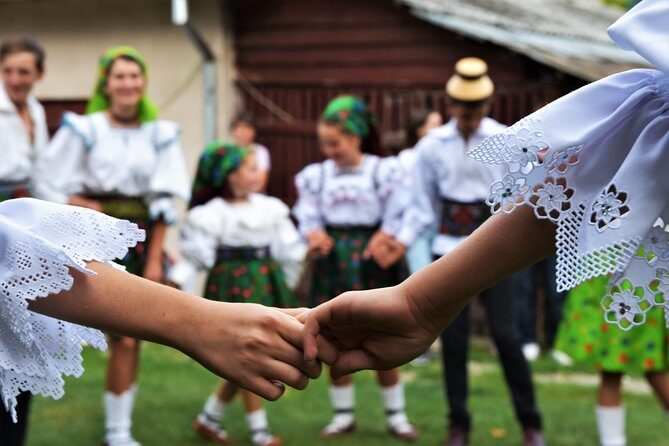
Day 8 includes three very different cultural stops. First is Merry Cemetery in Sapanta, where you see a different perspective over death. It’s described as unique, and you’ll spend about 30 minutes with admission included.
Then you go to Desesti, visiting the wooden church that’s described as the best preserved in Maramureș, with a cemetery context and the church placed around 250 years old. This stop is about 45 minutes, with admission free.
Finally comes Barsana Monastery, one of Maramureș’s most famous Orthodox monasteries. The time is about 45 minutes, admission included. If you want a spiritual and historical anchor during the wooden church and village days, this is one.
This combo works because each stop teaches a different side of Maramureș: folk culture, preservation, and Orthodox religious life.
The Mocănița Maramureș steam train: the slow day you’ll remember
On day 9, you get Mocănița Maramureș, a train ride described as powered by old steam locomotives. You’ll spend about 6 hours on this experience, with admission included.
This is one of the best “breathing space” days on a packed itinerary. A train ride lets you sit, watch, and absorb the countryside without constantly stepping on and off buses. It’s also a nice break from the stone-and-wood sightseeing rhythm: this time, the journey is the attraction.
Tip for you: bring a layer. Even when the weather looks fine at departure, train days can feel cooler, especially if the ride involves open or semi-open sections.
A relaxed Breb day, then Rimetea and an ethnographic museum
Day 10 is intentionally quieter: you spend about 8 hours in Breb with a relaxed day and the chance to walk the village. If you’ve been craving constant sights, this is your “stop and breathe” reset. For many people, it’s the day that makes the rest of the trip click, because you finally absorb what a place feels like without a checklist.
Then day 11 shifts gears with a drive to Rimetea (about 8 hours) and an ethnographic museum visit (about 45 minutes, admission included). You spend 1 night in Rimetea. This is a good bridge between Maramureș rural life and the more monument-heavy days coming next.
If you dislike museum time, you might find this shorter stop a relief. You get a taste without turning the whole day into indoor viewing.
Alba Iulia’s fortress story, Corvin Castle’s gothic drama, and Sibiu’s medieval walk
Day 12 starts with Cetatea Alba Iulia (Alba Iulia Citadel), described as the most important historical site of Romania. You’ll spend about 2 hours, admission included.
Next comes Corvin Castle (Castelul Corvinilor), described as the biggest gothic castle from Romania, built in the 14 hundreds. The stop is about 1 hour, admission included. If you want contrast, this is it: after fortified churches and village woodwork, you get a large gothic castle feel with dramatic architecture.
Then you arrive in Sibiu for a walking tour (about 1 hour). Admission is free for this stop, and you’ll see major attractions on foot.
This day is good for you if you like historical storytelling that spans centuries. It’s also a reminder that Romania’s “north and Transylvania” story isn’t only one style. It’s multiple styles, all layered.
Transfăgărășan Highway views: road trip vs cable car
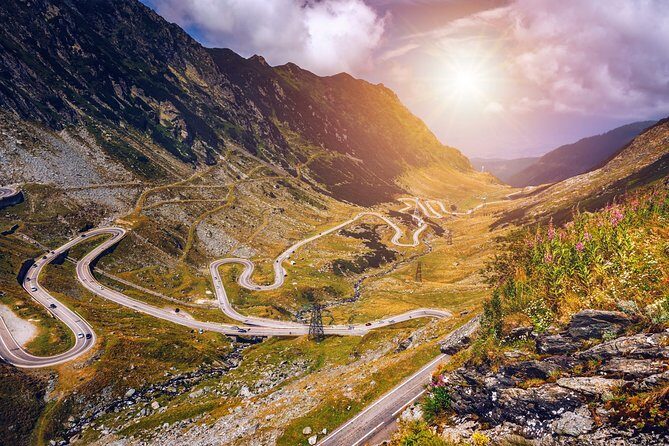
On day 13, you hit the big scenic driver: Transfăgărășan Highway. The approach depends on dates. In the window from July 1st to Nov 1st, the route says you drive by car. In other periods, it uses a cable car for mountain views.
You also get a timing heads-up: Transfăgărășan Road is open from July 1st to Oct 31st. That’s the kind of detail that can matter. If your trip falls outside the full road window, you shouldn’t expect the same access, but you should still get dramatic views via cable car.
Practical note: mountain view days can be windy and cooler than the city. Bring a light layer. Also, if you’re prone to motion sickness, mention it to your guide so seating and timing can be handled thoughtfully.
Curtea de Argeș Monastery before returning to Bucharest
On day 14, you stop at Curtea de Argeș Monastery on the way back. It’s described as about 500 years old and “probably the most beautiful Orthodox church from Romania.” The visit is around 45 minutes, with admission included.
This is a nice landing stop. After days of castles, forts, and wooden churches, the monastery provides a calmer finale—more spiritual architecture than military structure.
When you return, you’ve basically closed the loop: city start, royal palaces, medieval fortifications, remote villages, and mountain scenery, all tied together with transportation and guidance.
Price and value: what you’re really paying for
At $4,585.57 per person, this isn’t a budget trip. But you are paying for a lot that would cost you time and hassle if you tried to replicate it yourself.
Here’s the value logic for you:
- Private tour setup with a dedicated driver/guide, tour escort/host, and round-trip private transfers
- Air-conditioned vehicle for long drives between regions
- Traditional village accommodation, not just generic hotels
- Meals included: breakfast (15) and dinner (12), which reduces decision fatigue
- Most admissions are included, while photo fees are not
You might still find the price heavy if you’re mostly interested in one or two headline sites. But if you want an organized route that strings together many styles of Romanian heritage with minimal planning, it starts to look reasonable.
Also note the pricing structure: there’s a minimum of 2 people per booking. If you’re traveling solo, this may not fit. If you’re traveling as a pair, the private format often feels like the sweet spot.
Practical notes that can affect your day-to-day comfort
A few things to know so you enjoy the trip instead of wrestling it.
- Start time is 9:00 am. Build your mornings around that, especially after long drives.
- Some sights can be closed on Mondays and public holidays. If your dates land on those days, expect slight changes in what’s available.
- You’ll do a mix of walking tours (like Bucharest and Sibiu) and shorter site visits (like some churches and forts). Good shoes matter more than you think.
- You’ll spend several days in the countryside. Even with air-conditioned transport, you’ll still feel the day’s rhythm—eat your included meals and pace your sightseeing stops.
Should you book this Transylvania–Maramureș time machine?
Book it if you want a private, guided route that covers both the famous and the real “how people lived” side of Romania—castles, UNESCO fortified churches, Maramureș wooden churches, Orthodox monasteries, and even a steam train day. The best fit is for couples, families, or friends who enjoy history and don’t mind a schedule that mixes driving with walking.
Pass on it (or at least adjust expectations) if you want a super slow vacation with no long travel days, or if you’re very sensitive to partial closures on Mondays and public holidays. Also, if you’re only chasing a few famous landmarks and nothing else, you may feel the cost more than the value.
If your goal is to go beyond the postcards and understand why Transylvania and Maramureș look and feel the way they do, this one is built for you.
FAQ
What type of tour is this?
It’s a private tour, meaning only your group will participate. It also includes a dedicated driver/guide setup and tour escort/host services.
Where does the tour start and what time?
The start time is 9:00 am, in Bucharest, Romania, with hotel pick-up and drop-off included.
How long is the trip?
The itinerary is listed as 14 days (approx.).
Are meals included?
Yes. Breakfast is included (15 times) and dinner is included (12 times).
Is Peles Palace included?
Yes. Peleș Castle is listed with admission included.
Are there any included ticket costs?
Most admissions are included across stops, but photo fees are not included.
How does the Transfăgărășan route work depending on dates?
In the season window (July 1st till Nov 1st), you drive the road by car. In other periods, you take a cable car for mountain views.
Can sights be closed on certain days?
Yes. Some sights are noted as closed on Mondays and on public holidays.
Is the tour refundable if I cancel?
No. This experience is non-refundable and cannot be changed for any reason; the amount paid is not refunded.