REVIEW · BUCHAREST
The essence of Saxon Transylvania – 3-day tour of its citadels
Book on Viator →Operated by Transylvanian Tours · Bookable on Viator
Three days in Saxon Transylvania can feel unreal. You start from Bucharest by car and come home with medieval burgs, fortified churches, and a real sense of how German Saxons and local rulers shaped this corner of Romania, not just Dracula hype. I especially liked how the route builds toward Sibiu with its Council Tower climb and the squares you’ll recognize instantly once you’re there.
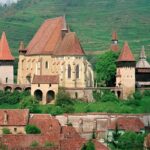
I also love the way this trip treats the “big names” as part of a bigger story. Biertan fortified church is UNESCO, and walking its fortifications makes it feel less like a postcard and more like a living defense system. Then Sighisoara’s Clock Tower and citadel bring the Vlad connection into focus without turning the whole day into a costume party.
One thing to consider: this is a tight 3-day schedule with lots of car time and walking on uneven medieval streets (and stairs). Also, meals aren’t included, so you’ll want to budget for lunch and snacks on the move.
In This Review
- Key things that make this Saxon Transylvania tour worth your time
- Entering Saxon Transylvania from Bucharest, the practical way
- Cozia Monastery first: Mircea the Elder and the Olt River Valley mood
- Sibiu old town walk: squares, towers, and a quick grasp of Saxon power
- Biertan fortified church: UNESCO defense walls you can actually walk
- Sighisoara citadel: a compact UNESCO walk and the Vlad connection
- Brasov historical center: Black Church, fortifications, and Rope Street
- From Dracula’s Bran to royal Peles: two castles, two moods
- What your guide adds: English, anecdotes, and story threads that connect stops
- Value and timing: is $914.51 per person a smart deal?
- Who should book Saxon Transylvania, and who might want something else
- Should you book this 3-day Saxon citadels experience?
- FAQ
- What does the tour price include?
- Are meals included in the tour?
- Do you offer pickup in Bucharest?
- Which major sights are part of this 3-day route?
- Is this a private tour?
- Can I get a full refund if I cancel?
Key things that make this Saxon Transylvania tour worth your time
- Council Tower views in Sibiu help you orient fast and understand the city’s layout
- UNESCO defense walls at Biertan give you more than great photos, you get context on why these places were built to resist
- Sighisoara citadel walk covers the Clock Tower, Church on the Hill, and the fortifications in one compact visit
- Brasov’s Black Church and Rope Street mix Gothic architecture with the kind of street you only see in older European towns
- Bran and Peles in one day lets you compare Dracula legend with royal-era Romania
Entering Saxon Transylvania from Bucharest, the practical way
This tour is designed for people who want the best of Transylvania without piecing it together on their own. You get picked up from your Bucharest hotel or the airport, and then you’re off by air-conditioned vehicle, usually the easiest way to handle long distances and tight timing.
You’ll spend real time in the medieval sites, not just drive past them. And because the tour is private for your group (even with group discounts), the pacing feels more manageable than the classic one-bus-fits-all day. I like that the stops aren’t random; they connect through geography and theme: Saxon towns, fortified religion, and the politics between empires.
Also, admission fees for key sights are included, so you’re not stuck doing math in the middle of your day. The trade-off is that your schedule is structured—so you’ll want comfortable shoes and a light layer for stair-heavy old towns.
You can also read our reviews of more tours and experiences in Bucharest
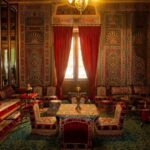
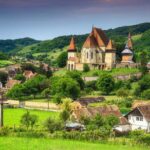
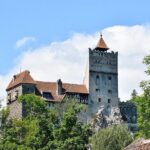
Cozia Monastery first: Mircea the Elder and the Olt River Valley mood
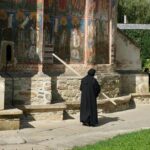
Day 1 starts with a scenic drive through the Olt River’s valley, then a quick but meaningful opening stop: Cozia Monastery. Founded in 1388 by Mircea the Elder, this is a great “warm-up” before the Saxon world takes over later. Mircea the Elder is also noted as the grandfather of Vlad the Impaler, so even this early stop quietly threads you into the larger story.
The visit is short—about 30 minutes—and admission is free. That makes it feel efficient rather than rushed. You’re not being asked to spend hours in one place before you’ve even begun the Transylvania itinerary.
Practical note: because you’ll likely be traveling from Bucharest in the morning, keep your first day flexible. The monastery is the kind of place where you’ll enjoy the quiet, but you don’t want to arrive already worn out.
Sibiu old town walk: squares, towers, and a quick grasp of Saxon power
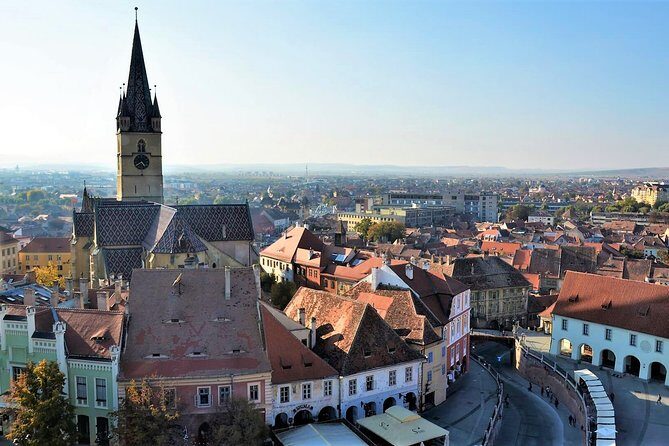
After lunch and a short rest, you go into Sibiu for a guided tour of the old city. This is where you get your bearings for the rest of the trip, because Sibiu’s medieval layout is still readable if you know what to look for.
One highlight is climbing the Council Tower for a view over Sibiu. That climb is the kind of effort that pays you back fast: once you’re above the rooftops, the streets and plazas make sense. You’ll also walk past the Grand Square, Small Square, and Albert Huet Square—the oldest, dating to the 12th century.
Then you hit the religious architecture side of the story with two major stops:
- the Orthodox Cathedral, which is described through similarities to the Saint Sofia Basilica of Constantinople
- the Evangelical Church, a strong marker of the Lutheran Saxon presence
Admissions are free for these stops, and that helps keep costs straightforward. Another good thing here: your guide’s explanations turn the buildings into history you can picture, not just dates.
Possible drawback: Sibiu is historic and hilly. If you’re sensitive to stairs or uneven stone, take your time on the ascent to the tower.
Biertan fortified church: UNESCO defense walls you can actually walk
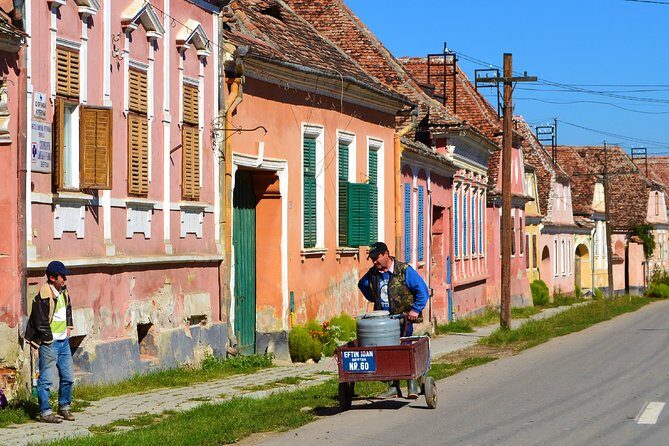
Day 2 starts with the drive from Sibiu toward Sighisoara through the Hartibaciu Valley road. The point of this leg is the transition: you cross areas with old Saxon villages and deep forests, so the region doesn’t feel like a string of random attractions.
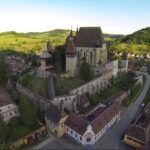
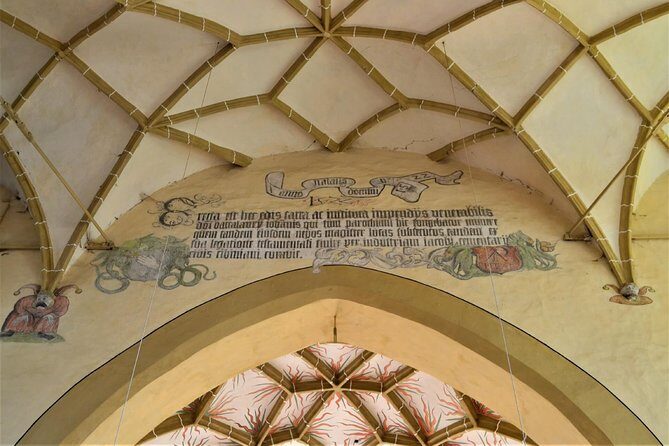
Your first major stop is Biertan fortified church, a UNESCO World Heritage monument. You get about one hour here, and the time is well-used. For centuries, Biertan was the seat of the Lutheran bishopric, which explains why this church has the kind of fortifications you usually expect from a fortress.
Built from 1486 to 1524, the fortified church includes defense walls around the complex, a beautiful nave ceiling, and a collection of tombstones of former bishops and notabilities. That mix matters. You’re not only seeing walls; you’re seeing how religious authority, community identity, and survival were linked.
This is also one of the stops where you learn why the Saxon story isn’t just about architecture. The fortification exists because people lived with threats close enough to shape building choices.
Tip for your visit: give yourself a few minutes to slow down and look at the walls from different angles. The defense layout makes more sense once you stop rushing for the next photo.
Sighisoara citadel: a compact UNESCO walk and the Vlad connection
Sighisoara’s medieval citadel is close to Biertan, and you spend about two hours there. It’s UNESCO, and the visit is designed to hit the main features without leaving you wandering.
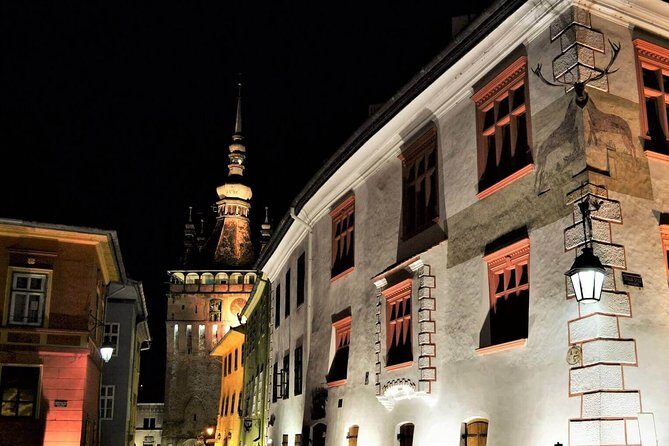
You’ll see the Clock Tower of Sighisoara, the Church on the Hill, the stairs, and the fortifications and towers. These elements are the backbone of what makes Sighisoara feel like a true medieval citadel rather than a museum set.
Here’s where the Vlad thread becomes personal. Sighisoara is described as the birthplace of Vlad the Impaler—connected as the grandson of Mircea the Elder. This doesn’t just add a Dracula hook. It ties together the Wallachian leadership you started learning about at Cozia Monastery with the Saxon-built urban stronghold you’re walking now.
After lunch in Sighisoara, you move on toward Brasov. That means your day ends with momentum rather than fading into late-afternoon boredom.
En route to Brasov, you also catch a look at two additional fortified landmarks:
- Saschiz fortified church, a UNESCO site built at the end of the 15th century, with a tower that reminds you of the Clock Tower you just saw
- Rupea fortress, one of Romania’s oldest fortifications, built over preexisting Roman and Dacian fortresses
These aren’t long stops, but they add layers. You start to see Transylvania as a place with many eras stacking on top of each other, not one “medieval only” timeline.


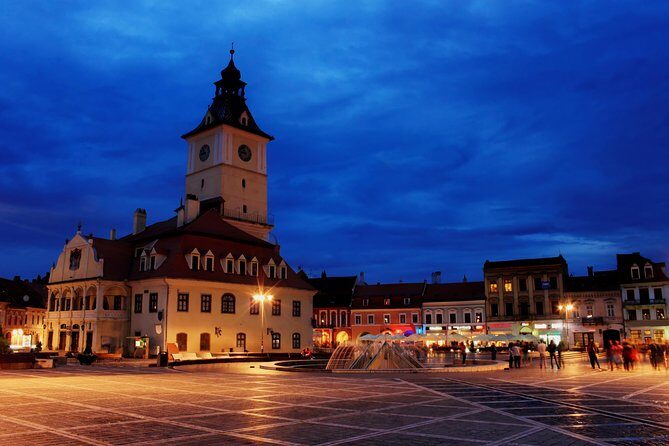
Brasov historical center: Black Church, fortifications, and Rope Street
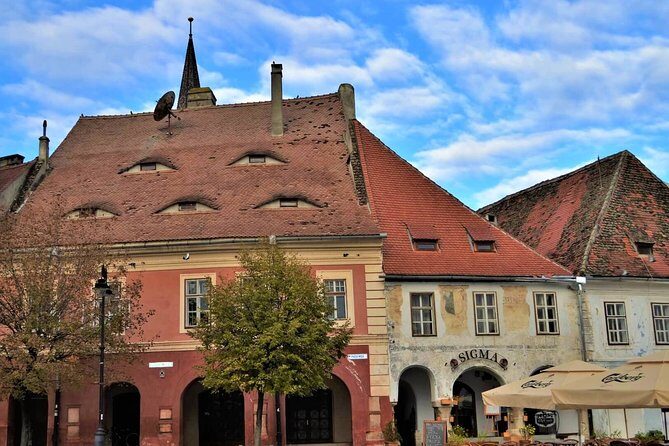
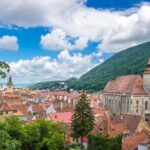
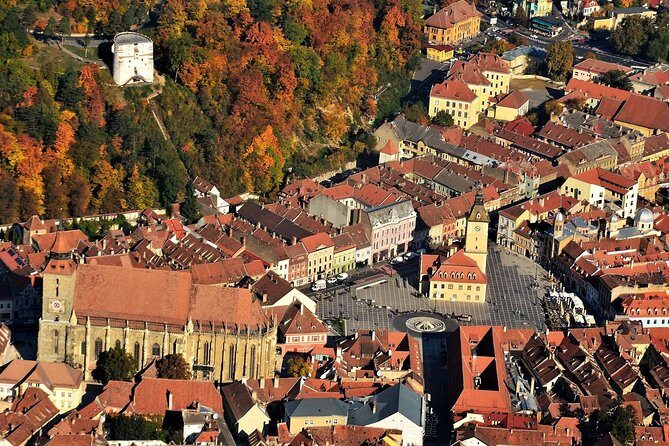
Brasov is where the trip switches from Saxon citadels to a larger, more modern-feeling city. The description here is that Brasov had strong industry and attracted people from across Romania, turning it into a lively city compared with the smaller fortified sites.
You check in to your hotel first, then get about two hours exploring the historical center. This is a good balance: you recover enough to enjoy the walking, but you still get your main sights before the day runs long.
Key stops include:
- the Black Church, a 14th-century Gothic monument
- the medieval fortress elements: fortifications, bastions, and towers
- Rope Street, described as the narrowest street in the world
Even if you’ve never heard of Brasov before, these details help you understand why people remember it. It isn’t only about a single castle. It’s about layers of city defense and the way different groups lived inside and around those walls.
Admission here is included, which is a big practical win. It helps you focus on the walk and explanations rather than whether you’re spending money on each stop.
Potential consideration: you’ll be moving through a dense old core. If you’re planning on buying snacks or water, keep a little cash on hand in case you spot a small shop that isn’t set up for card.
From Dracula’s Bran to royal Peles: two castles, two moods
Day 3 begins with views of Rasnov fortress from afar on the drive from Brasov to Bran. Rasnov dates to the 13th century, and it’s suggested it was built during the short rule of the area around Brasov by the Teutonic Knights (1211–1225). Even from a distance, you get the sense of how many fortifications were used to control this region.
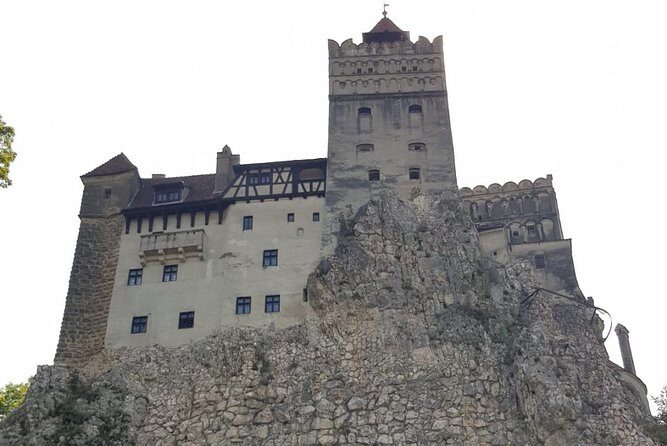
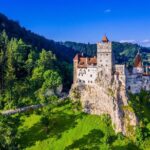
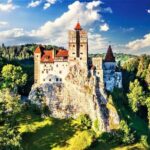
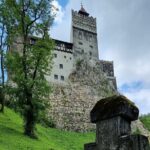
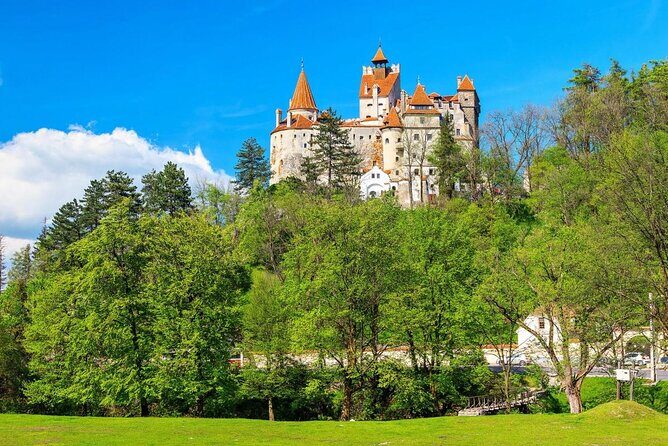
Then you visit Bran Castle, often called Dracula’s Castle. The important part is why it existed in the first place: it was built in the 14th century to guard a strategic commercial route between Walachia and Transylvania. The description emphasizes its defensive placement on a rock edge, with the castle shaped by the terrain and made harder to approach.
That’s the sweet spot of this stop. You can enjoy the legend, but the castle’s location and purpose anchor it in real medieval logistics.
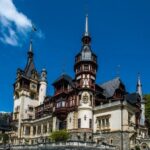
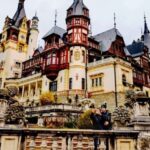
After Bran, you go to Sinaia for Peles Castle early afternoon. This one feels like the opposite of Bran in tone. Peles is a late 19th-century castle, described as flamboyant and built for a very different kind of authority than medieval fortress rulers.
Peles also helps you understand Romanian nation-building in a modern context. It was built by Carol I of Hohenzollern-Sigmaringen, the first King of Romania, who ruled for 48 years and is described as strongly committed to modernization. The contrast is the point: Bran is about guarding routes with stone and angles, while Peles is about royal identity and style.
You get about two hours at Peles. That’s enough time to see the main highlights without feeling like you’ve been trapped indoors all day.
What your guide adds: English, anecdotes, and story threads that connect stops
The trip leans hard on guiding, not just sightseeing. Based on guide feedback, Gelu stands out for English ability and for linking architecture and history with the kinds of anecdotes that make you remember details later.
That matters on a tour like this because the sights can blur together if you’re only collecting photos. When the explanation includes how different faiths and political pressures influenced traditions and culture, the day feels more coherent.
I also like that the experience is set up as a group you’re part of, not a silent queue. When you can ask small questions and hear extra context, you get more out of each stop.
And if you end up with a second guide (one review specifically mentions a guide named Vlad alongside Gelu), you can expect the team approach to keep the pace smooth.
Value and timing: is $914.51 per person a smart deal?
At $914.51 per person, this tour isn’t cheap on the surface. But value comes from how much is handled for you and what’s covered.
Here’s what you’re getting for the money:
- pickup from your Bucharest hotel or the airport
- air-conditioned vehicle and private transportation
- all fees and taxes
- 2 nights accommodation in a 3-star superior hotel or guesthouse with breakfast included
- included admissions at the fortified churches and castles during the itinerary
What’s not included:
- meals (you’ll budget for lunch and dinner)
- photo fees (if any apply)
- flights
For me, the biggest value is that you’re paying once for a curated route instead of doing the hard parts alone: transport between dispersed towns, figuring out which sites are best, and managing tickets. If you’d rather spend your time walking and listening than planning, this price starts to look reasonable quickly.
Timing matters too. The tour runs roughly 3 days, and the daily structure keeps you moving. If you want long free afternoons to wander at your own pace, this might feel tight. If you want an efficient overview that still covers major UNESCO sights, it’s a solid match.
Who should book Saxon Transylvania, and who might want something else
This tour suits you if you want:
- medieval architecture and city fortifications (not just one castle)
- a Dracula-related trip that also explains the real historical setting
- an easy, guided route between Sibiu, Sighisoara, and Brasov
- UNESCO stops that are tied to everyday community life in Saxon villages
It might be less ideal if:
- you dislike stairs and uneven old streets
- you want meals and stops to be fully open-ended
- you’re the type who hates car travel (even with air-conditioning and structured stops)
The good news is that the experience says most travelers can participate. Still, use common sense: if you have mobility limits, you should plan to take breaks and move slowly in places with steps and old paving.
Should you book this 3-day Saxon citadels experience?
If you’re aiming for a focused taste of Transylvania with major fortified sites—Biertan UNESCO, Sighisoara’s citadel, Sibiu’s old town, and two castles in one flow—this is a strong pick. I like that it connects the medieval Saxon world to Wallachian rulers and to the way religion and politics shaped daily culture.
Book it if you want structure, guiding that adds meaning, and admissions handled so you can stay in the moment. Skip it if your ideal trip is slow, meal-on-your-own-time, and built around one city at length rather than a circuit.
If you’re comfortable with walking, happy to budget for meals, and want a smart route from Bucharest, this tour is an efficient way to see the best of Saxon Transylvania without doing the guesswork.
FAQ
What does the tour price include?
The price includes air-conditioned vehicle and private transportation, all fees and taxes, and 2 nights of double-room accommodation with breakfast included. Admissions that are marked as included for the sites on the itinerary are also part of what you pay.
Are meals included in the tour?
No. Meals aren’t included, so you’ll want to plan for lunch during the day and any dinner outside the hotel.
Do you offer pickup in Bucharest?
Yes. The meeting point is your Bucharest hotel or the airport, and the tour starts from there by car.
Which major sights are part of this 3-day route?
You visit Cozia Monastery, Sibiu old town, Biertan fortified church, Sighisoara citadel, Brasov historical center, Bran Castle, and Peles Castle. Along the way, you also see Rasnov fortress from afar and pass by Saschiz fortified church and Rupea fortress.
Is this a private tour?
It’s described as a private tour/activity, meaning only your group participates.
Can I get a full refund if I cancel?
Yes. You can cancel up to 6 days in advance for a full refund, as long as you cancel at least 6 full days before the experience’s start time.