REVIEW · BUCHAREST
Bucharest City Tour – A Day to Remember
Book on GetYourGuide →Operated by COME & GO · Bookable on GetYourGuide
Bucharest is a city with opinions. In just 4 hours, you’ll walk major highlights that helped earn it the nickname Little Paris and get a simple, human take on how Romania’s story fits together. I especially liked the small group size and the fact that the guide focused on real context, not just dates. One thing to note: this is a walking-focused tour, and it’s not suitable for people with mobility impairments, people with epilepsy, people with a cold, or pregnant women.
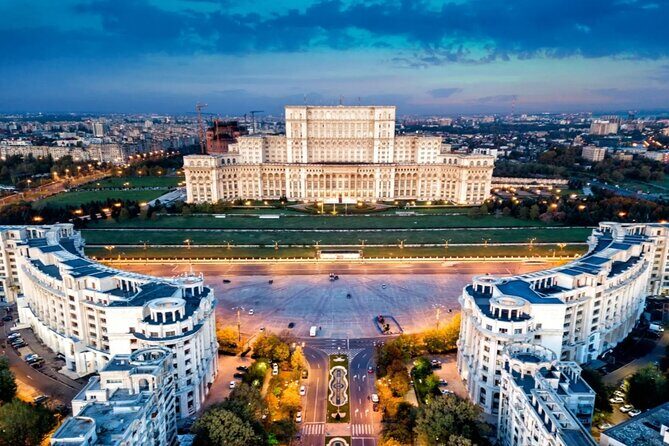
You start in the middle of town in front of the Romanian Athenaeum and then head along Calea Victoriei, described as the oldest road in the city. You’ll see big, eye-catching buildings and landmarks, including the Royal Palace area and Revolution Square, before reaching the Palace of Parliament, the largest administrative building in the world. The end of the tour includes time to share a drink together and ask your remaining questions, but drinks aren’t listed as included—so budget for that or confirm on the day.
In This Review
- Quick hits: what makes this Bucharest city tour work
- Meeting in front of the Romanian Athenaeum and getting oriented fast
- Walking Calea Victoriei: the city’s oldest road with standout architecture
- Royal Palace area, Revolution Square, and other landmark stops with meaning
- Palace of Parliament: the huge stop that explains modern Romania
- Old Princely Court: stepping from the big state back to older roots
- Romanian food moments: tasting culture, not just facts
- The guide experience: clear history in plain language
- How long is enough time for 4 hours, and what pace to expect
- Price and value: is $161 per person worth it?
- Who should book this Bucharest tour (and who should skip it)
- Practical tips for a smoother day
- Should you book this Bucharest City Tour?
- FAQ
- Where do we meet for the tour?
- How long is the Bucharest city tour?
- How big is the group?
- Is the tour guide available in English?
- What is included in the price?
- Are entrance fees included?
- Is lunch included?
- What should I bring with me?
- Is the tour suitable for people with mobility impairments or pregnancy?
Quick hits: what makes this Bucharest city tour work
- Small-group pacing (up to 8 people) means you can actually ask questions and keep up.
- English live guide with solid general knowledge and clear storytelling.
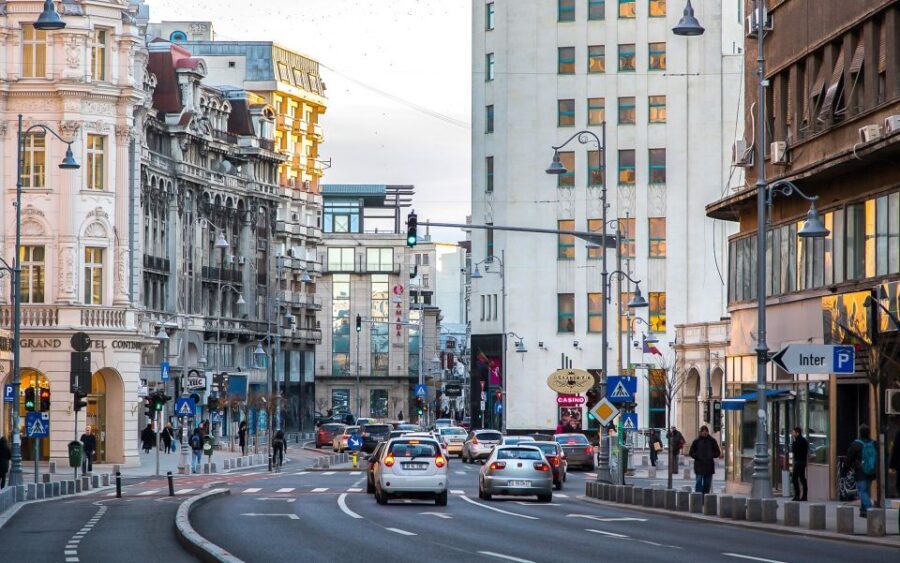
- Calea Victoriei as the spine of the walk, including landmark buildings along the way.
- Palace of Parliament viewing, with context on what it contains: Senate, Chamber of Deputies, three museums, and a conference center.
- Old Princely Court as a step back toward the older center of Bucharest.
- Romanian food culture woven into the experience so you don’t just collect photos.
Meeting in front of the Romanian Athenaeum and getting oriented fast
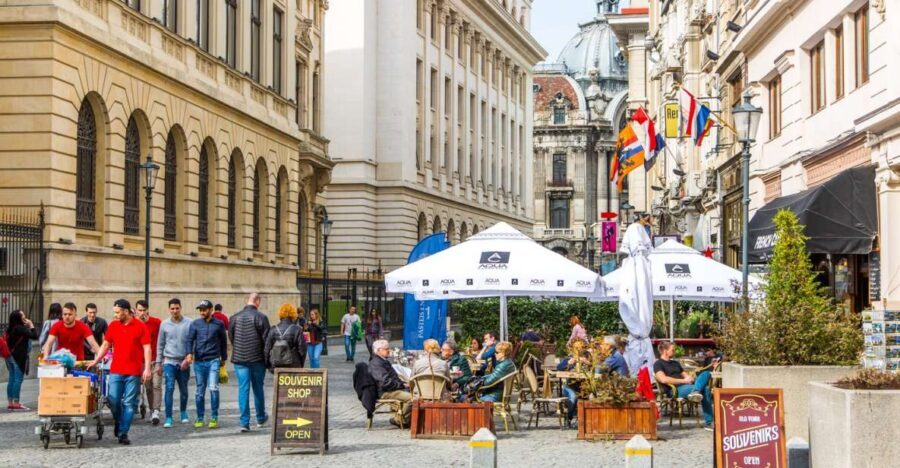
I like tours that start where your bearings already make sense, and this one does. You meet with the guide in the city center, right in front of the Romanian Athenaeum. That spot is easy to find and it sets the tone: this is an urban walk, not a bus-and-brief-stop kind of outing.
Because you’re meeting in the middle, you can plan around it without wasting half a day on transit. If you’re coming from a hotel nearby, you can keep your morning simple—grab coffee, wear shoes you trust, and be there a few minutes early.
You can also read our reviews of more city tours in Bucharest


Walking Calea Victoriei: the city’s oldest road with standout architecture

Calea Victoriei is the route the tour follows, and it’s a smart choice. It’s presented as the oldest road in Bucharest, and that matters because it turns your walk into more than sightseeing—it becomes a timeline of the city’s priorities and styles.
As you move along, the guide points out major stops and views. You’ll get a feel for why Bucharest was once compared to Paris, not just because of pretty buildings, but because the city shows layers of influence, ambition, and identity. The road also helps keep your brain engaged: you always know where you are, even when the details shift from one landmark to the next.
Royal Palace area, Revolution Square, and other landmark stops with meaning
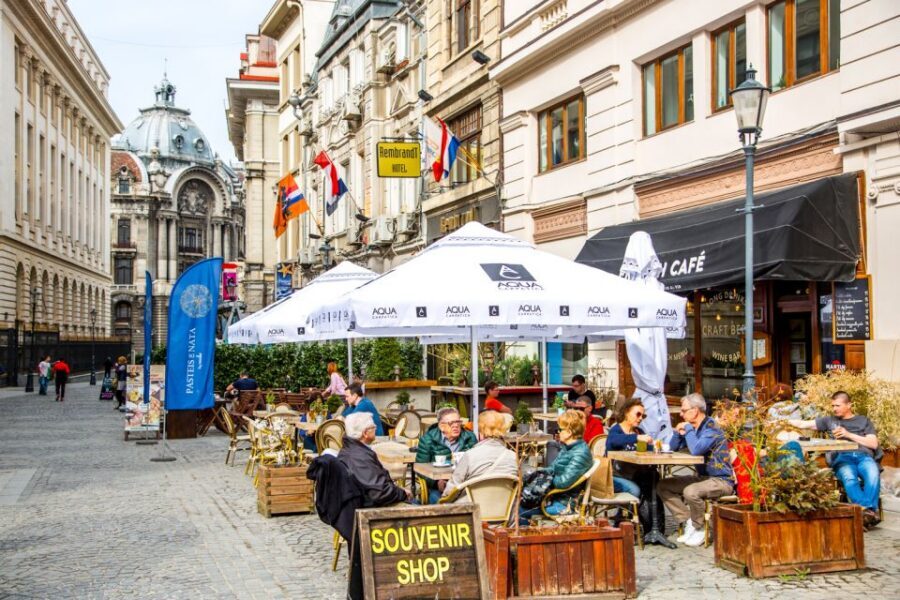
Your first stretch is packed with notable sights along Calea Victoriei: the Royal Palace, Revolution Square, the first saving bank, and the National Military Circle. Even if you’re not a formal-history buff, these names are useful because they tell you what kind of power structures existed here—royal, civic, financial, and military.
A practical way to enjoy stops like these is to think in functions. When you look at the Royal Palace area, you’re looking at the idea of monarchy and state authority. When you look at Revolution Square, you’re looking at a place meant for public change. The first saving bank and the National Military Circle add the everyday backbone—how institutions served people and how the country organized itself.
You’ll likely notice that the guide doesn’t treat these as isolated photo backdrops. The point is to connect the dots so you understand why Bucharest feels the way it does on the street, not just on postcards.
Palace of Parliament: the huge stop that explains modern Romania
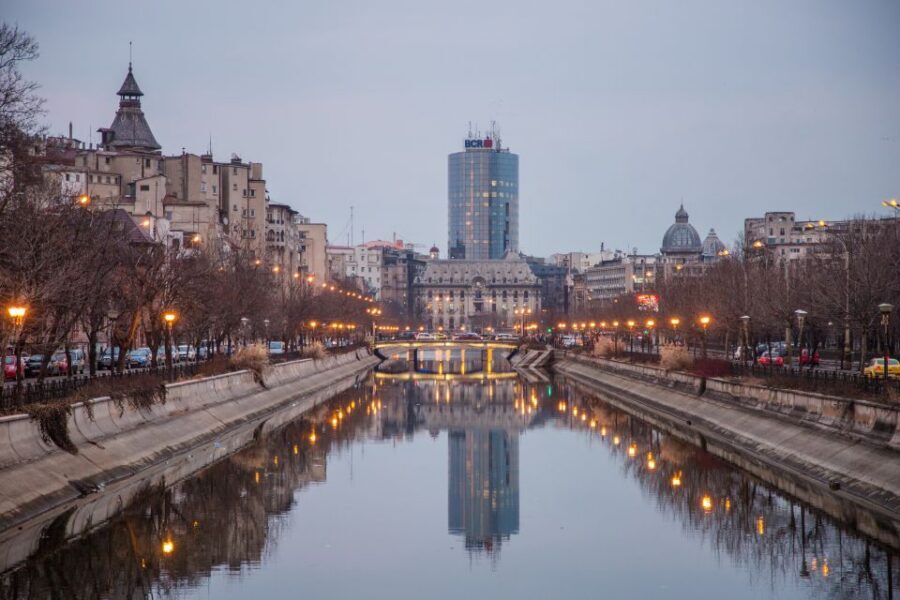
Then comes the main visual punch: the Palace of Parliament. The tour frames it as the largest administrative building in the world, and once you’re in the orbit of that scale, it’s hard to ignore. Even if you only get exterior or viewpoint time (entrance fees aren’t included), it’s still the kind of place that changes how you look at the city.
Here’s the key context you get on the tour: the building houses the Senate and the Chamber of Deputies, plus three museums and an international conference center. That means it’s not only about size—it’s about what the state uses it for now and what parts of it are meant for public-facing learning and events.
For me, the best value of a tour at a place like this is interpretation. You don’t just see a big government block. You understand the role it plays and why it’s built to dominate the skyline. That’s the difference between taking photos and actually learning how Bucharest works.
Old Princely Court: stepping from the big state back to older roots
After the Parliament stop, the tour continues with the Old Princely Court. This shift is important because it changes the energy. The Palace of Parliament is modern, heavy, and political. The Old Princely Court points you toward the older center of Bucharest, where “who ruled” and “where life happened” were likely more concentrated.
Even without a long museum-style visit promised in the details, the value here is perspective. You start to see the contrast: one part of Bucharest is built for administrative power today; another part reminds you that the city used to organize itself around princely authority and older civic life.
If you enjoy architecture, street-level history, and the way old and new sit side by side, this stop is where the tour becomes more than a highlight list.



Romanian food moments: tasting culture, not just facts
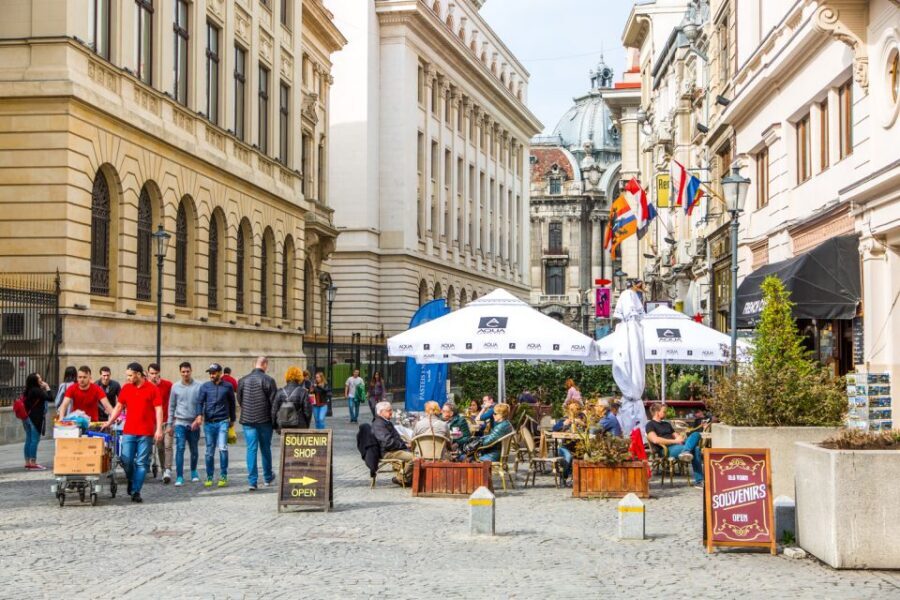
One of the tour highlights is that you’ll savor Romanian food flavors and learn about the Romanian people. The details don’t specify a particular restaurant or menu, so I can’t promise a set meal. But I can tell you the intent is clear: you’re meant to experience culture through what people eat and how they live, not only through buildings.
This is where small-group tours often win. With fewer people, the guide can point out what to notice and what to ask about while you’re walking and pausing. If you’re trying to figure out what to eat later in Bucharest, this kind of guided cultural nudge is useful. You leave with a better sense of what kinds of flavors are worth seeking out and how locals think about food as part of daily life.
The guide experience: clear history in plain language
The reviews attached to this tour lean heavily toward one thing: the guide. People praised the guide as friendly and full of information, with strong general knowledge and the ability to make the day feel like a time-traveling story.
That lines up with what the route is designed to do. You’re moving through major institutions—royal, civic, military, financial, and legislative. Without a good explanation, that can feel like a random set of landmarks. With a strong guide, it becomes a coherent walk through how Bucharest evolved and how Romanian identity shows up in the city’s buildings.
How long is enough time for 4 hours, and what pace to expect
This tour lasts about 4 hours. For a city like Bucharest, that’s a workable length: long enough to cover multiple neighborhoods and major sights, short enough that you don’t feel wiped out afterward.
Because it’s limited to a small group of up to 8 participants, the pacing is usually more flexible than big-group tours. Still, you should plan as if you’ll do real walking. Wear comfortable shoes, and bring comfortable clothes that handle uneven pavement and changing weather.
Also, the tour is in English, so you can rely on guided explanations rather than piecing everything together yourself. That’s a big part of the value if you don’t read Romanian well.
Price and value: is $161 per person worth it?

At $161 per person for a 4-hour, English, small-group guided walk, the price is not budget. But value doesn’t only mean low cost—it means what you get for your time.
Here’s what’s included: a tour guide. That matters because the route stacks major sights that are easier to enjoy with context than alone—especially the Palace of Parliament and the transitions between the grand state buildings and the older core around the Old Princely Court.
What’s not included is also part of your budgeting picture: entrance fees, lunch, and drinks are not included. You should treat entrance fees as an extra you may need depending on what access the group chooses that day. Lunch being excluded also means you’ll want to eat before or after, or plan for a snack stop based on your own schedule.
If you want a structured introduction to Bucharest’s big visual landmarks and you’d rather spend your energy learning than figuring things out, this price can feel fair. If you’re the type who prefers unguided wandering with a phone app, then you might feel like the cost is harder to justify.
Who should book this Bucharest tour (and who should skip it)
This experience is best for you if you want:
- A focused intro to Bucharest’s center and top landmarks
- Clear English explanations about Romanian people and history in a manageable time window
- A small group day where questions are welcome
It’s not suitable for:
- People with mobility impairments
- People with epilepsy
- People with a cold
- Pregnant women
If you’re traveling with limited stamina, or you can’t commit to steady walking, this is probably not the right fit.
Practical tips for a smoother day
Bring:
- Your passport or ID card
- Comfortable shoes
- Comfortable clothes
A couple of “don’t overthink it” notes:
- There are rules about no alcohol and no drugs during the activity.
- Pets aren’t allowed, but assistance dogs are.
And because the tour ends with a shared drink together (while drinks aren’t listed as included), I’d treat this as a nice extra you may pay for. If you care about that detail, ask the day-of so you’re not surprised.
Should you book this Bucharest City Tour?
If this is your first time in Bucharest and you want a guided route that actually connects landmarks to meaning, I’d say yes. The combination of Calea Victoriei highlights, the Palace of Parliament context, and the Old Princely Court shift gives you a balanced snapshot of how Bucharest presents itself from old roots to modern institutions.
Book it especially if you enjoy city walking tours and you like explanations that help you read architecture. Skip it if you need a seated or minimal-walking experience, or if your schedule requires lunch and extra breaks built in.
In short: this is a solid way to get your bearings fast, understand why the city is called Little Paris, and leave with more than just photos—without spending a whole day.
FAQ
Where do we meet for the tour?
You meet your guide in the center of Bucharest in front of the Romanian Athenaeum.
How long is the Bucharest city tour?
The tour lasts 4 hours.
How big is the group?
The group is limited to 8 participants.
Is the tour guide available in English?
Yes, the live tour guide speaks English.
What is included in the price?
The only listed inclusion is the tour guide.
Are entrance fees included?
No, entrance fees are not included.
Is lunch included?
No, lunch is not included.
What should I bring with me?
Bring a passport or ID card, and wear comfortable shoes and comfortable clothes.
Is the tour suitable for people with mobility impairments or pregnancy?
No. The tour is listed as not suitable for people with mobility impairments and pregnant women.