REVIEW · BUCHAREST
Communism Walking Tour from Lenin to Ceausescu in Bucharest
Book on Viator →Operated by Bike the City · Bookable on Viator
Revolution Square hits you with history. This communism walking tour in Bucharest connects major landmarks to the way power shaped everyday life, from big propaganda projects to the moments that cracked the system. You also get the odd-but-useful bonus of seeing how the city still carries those choices in its buildings and streets.
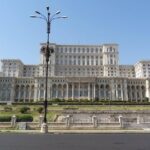
I especially love how the guide turns sights into stories you can actually follow. The Palace of Parliament alone is a visual shock, and the tour explains what kind of regime would commission something like that. I also like the mix of places you would otherwise skip—like Manastirea Antim—because it shows what communist redevelopment tried to erase.
One thing to consider: you are on your feet for about 2.5 hours, and some parts are about heavy themes. If you prefer light sightseeing with no political context, this may feel heavy.
In This Review
- Key Things I Think You’ll Enjoy
- Price and Logistics: What You’re Really Paying For
- The Palace of Parliament: Bucharest’s Megalomania in Plain Sight
- Manastirea Antim and Palatul Patriarhiei: Old Bucharest Meets New Intentions
- Piața Unirii and the Old Town: Symbols, Squares, and Abandonment
- University’s Square to the Royal Palace: What Ended Differently Than Expected
- Ateneul Roman and Piața Revoluției: From Moneyed Culture to Ceaușescu’s Last Speech
- Should You Book This Communism Walking Tour?
- FAQ
- Is the tour about Bucharest landmarks or mostly museums?
- How long is the Communism Walking Tour from Lenin to Ceausescu?
- What does the tour cost?
- What language is the tour offered in?
- What’s included in the price?
- Are meals included?
- Where do I meet the guide, and where does the tour end?
- Is there a mobile ticket?
- Is admission required for the stops?
- Can I cancel if my plans change?
- Is the tour suitable for most travelers?
Key Things I Think You’ll Enjoy

- From propaganda to protest: you connect the dots between state-building and the final break with Ceaușescu
- Landmarks in walking range: you see big statements of power without needing extra transport
- Free entry at the stops (where listed): several key buildings are covered with admission noted as free for the tour stops
- Guides who tell it straight: you might get guides like Alex or Lucia, known for making the era understandable
- Built for small groups: up to 25 people means the guide can keep the pace and answer questions
Price and Logistics: What You’re Really Paying For
At $24 per person, this tour is priced like a good-value city experience rather than a pricey “museum day.” You’re not just getting a route—you’re getting a local guide to explain why each place looks the way it does and what it meant under communism. Most stops are marked as free admission for your visit, which helps keep your costs down while you focus on the story.
It runs about 2 hours 30 minutes, starting at 10:30 am from Bulevardul Unirii 5, București. The ending point is Revolution Square (Piața Revoluției), which is convenient because you leave right where the political drama peaked. The ticket is mobile, the tour is offered in English, and the group maximum is 25—small enough to feel human.
A practical note: there’s no food or drinks included, so bring water and plan to eat after. Also, because it’s a walking tour with a political theme, wear comfortable shoes. Booking tends to happen well ahead (it’s often reserved around 50 days in advance), so if you travel in a busy season, lock in your date early.
You can also read our reviews of more walking tours in Bucharest

The Palace of Parliament: Bucharest’s Megalomania in Plain Sight
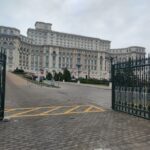
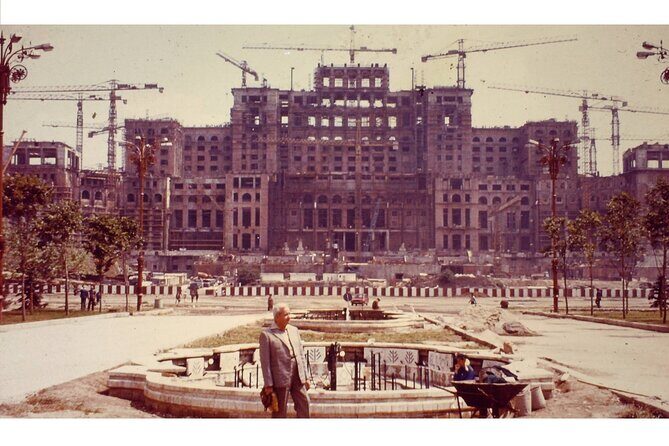
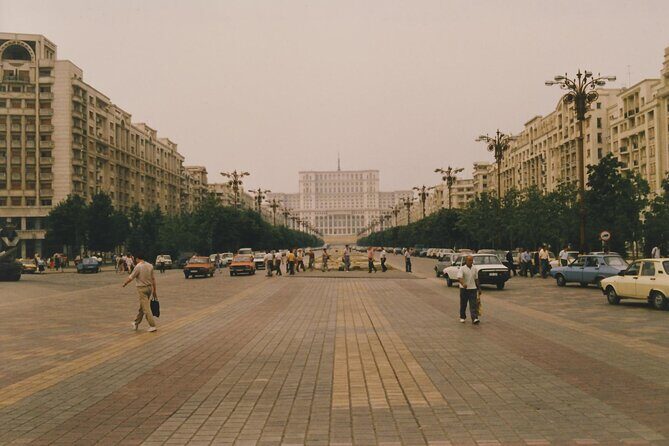
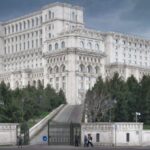
You start at the Palace of Parliament, where the scale already does half the explaining. This building is part of the last major “megalomaniac” communist project, and standing there, you can feel the intention: power made visible in concrete and size.
What I like about this stop on a guided walk is that you don’t just see a large structure—you get the logic behind it. Under the communist system, monumental architecture wasn’t only about office space. It was messaging: proof that the state was unstoppable, that the regime owned the future, and that citizens should measure their lives against the machinery of power.
Even if you have seen photos before, the “big” factor lands harder in person. The tour keeps you at the site for about 20 minutes, which is long enough to take in the scale and short enough that you’re not stuck staring while the story moves on. You’ll also notice the odd contrast between this huge administrative presence and the older fabric of the city you’ll be walking through soon.
The main drawback here is also the most obvious one: this is a “wow” stop, but it can feel emotionally heavy if you’re sensitive to how governments used architecture for control. If you’re ready for that context, it’s one of the best places to begin.
Manastirea Antim and Palatul Patriarhiei: Old Bucharest Meets New Intentions
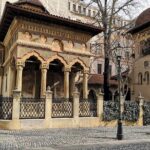
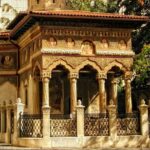
After the Parliament’s brute size, the tour shifts your perspective. You’ll walk toward Manastirea Antim, an old city landmark that was almost demolished to make room for the new Socialist Victory Boulevard. That one detail changes how you look at the street grid. It’s not only about what was built—it’s about what was threatened or removed.
This stop is brief—around 15 minutes—but it’s designed to do something important: show you the cost of redevelopment. Under communism, modernization was often a rewrite of the city, not a careful patchwork of old and new. When you see a religious site facing a boulevard planned for a new era, you understand that “progress” came with displacement.
Next comes Palatul Patriarhiei, a building inspired by Garnier Opera from Paris. That’s an unexpected thread: European style, Romanian adaptation, and then the way political movements attached themselves to major places. This stop is about 20 minutes, and it connects two timelines—democracy’s earlier roots and the start of the communist movement—so the building becomes a kind of timeline marker in your walk.
If you want a tour that doesn’t only scream about ideology but also shows how culture and power overlap in architecture, these are two strong stops. The only watch-out: because these are shorter visits, you’ll get the story faster than you might on your own, so keep your questions for the guide if you want deeper detail.
Piața Unirii and the Old Town: Symbols, Squares, and Abandonment
Then you reach Piața Unirii, built in the 1980s as part of the Socialist Victory boulevard project. Here, the tour points out how the 1980s produced a very particular kind of spectacle—dramatic public space meant to look modern, planned, and commanding. One detail that helps you picture it is the mention of the Dancing Fountains, which gives the square a stage-like feel.
You’ll spend about 20 minutes in this area, which is about right. You want time to take in the layout and still enough energy left to keep the story flowing. The guide’s job here is to keep you from treating it as just a pretty square. Under this system, public space was political space.
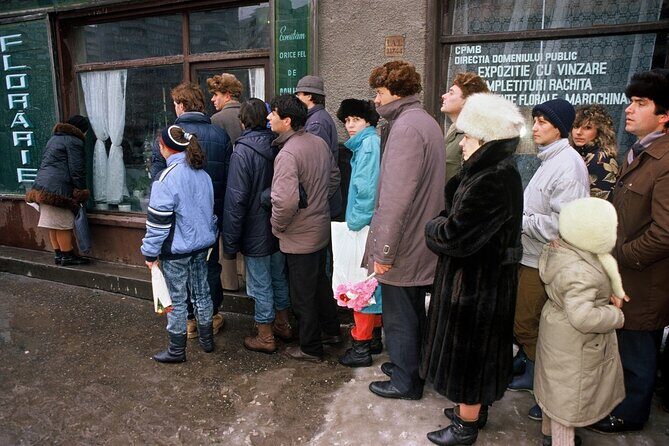
From there, the walk heads to the Old Town, described as a symbol of the old regime—and later, one that became abandoned during the communist era. This is the part where the tour gets emotionally sharp. You see how quickly a place can switch from “heritage and identity” to “not useful anymore” when a regime decides what the city should represent.
The Old Town stop is about 15 minutes, and it’s likely enough to leave you with a strong visual impression rather than a long sightseeing checklist. If you like quick, story-led stops, this format works well.
The possible drawback is pacing: the tour moves through squares and landmarks in a way that prioritizes context over lingering for photos. If your goal is purely photography time, you may want to plan a second short self-walk later.
University’s Square to the Royal Palace: What Ended Differently Than Expected
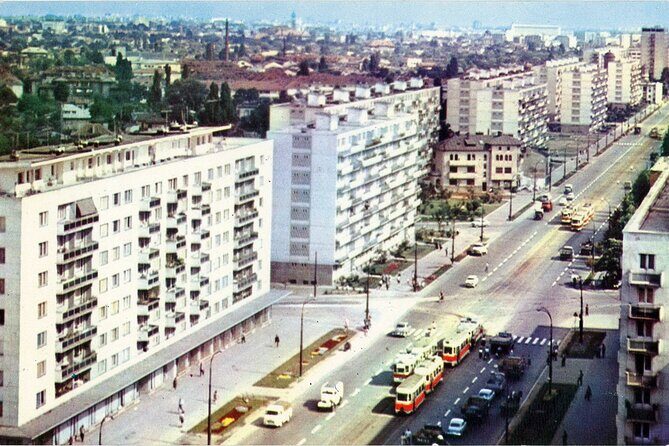
One of the tour’s most impactful segments is University’s Square, where the story includes the fact that Romania was the only country from the communist block that ended in a bloody revolution. The guide ties the square to the violence, noting that many victims were shot there.
This isn’t the kind of stop where you stand around and “enjoy the view.” You’ll want to treat it like a memorial moment, and the guide’s storytelling is what makes it understandable rather than vague. The stop is about 15 minutes, which keeps it from dragging, but it’s still long enough to get the meaning of the location.
Then you move to Palatul Regal / Royal Palace, which now functions as the National Art Museum. The tour frames this building as a place with changing identities: it was the winter residence of Romania’s royal family, and in the first years of communism it became the Palace of the Republic, plus a protocol building.
This is where I like the tour’s cause-and-effect approach. You start to see that communism didn’t only fight enemies—it also tried to control symbols. Taking over a royal palace and renaming it was a way to erase legitimacy and replace it with a new storyline.
The stop is short—about 15 minutes—so focus on the bigger picture: how political regimes reuse the past to legitimize themselves.
Ateneul Roman and Piața Revoluției: From Moneyed Culture to Ceaușescu’s Last Speech

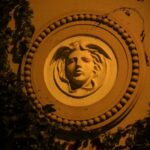
To close the emotional arc, the tour includes Ateneul Roman, one of Bucharest’s most representative buildings. The guide also points out that it appears on the 5 lei bill, which is a clever way to show how culture becomes part of everyday life—outside the politics, even when politics surrounds you.
This is a quick stop—around 5 minutes—but it acts like a breather between the heavy sites. You get one last “Bucharest identity” anchor before the final push.
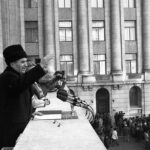
Then comes the climax: Piața Revoluției (Revolution Square). The tour highlights that the central building in this square was the Central Committee of the Communist Party, and that Nicolae Ceaușescu delivered his last speech in front of the Romanian people here. You’re not just finishing at a landmark—you’re landing at the moment the story turns.
You spend about 25 minutes at Revolution Square, which is important. Ending with enough time to understand the setting makes the whole walk feel coherent, not like separate photo stops.
If you’re wondering what kind of experience this is, it’s this: you start with the state’s biggest showpiece, then watch how older Bucharest was pressured, how public spaces were engineered, and how violence and power finally collided.
Should You Book This Communism Walking Tour?
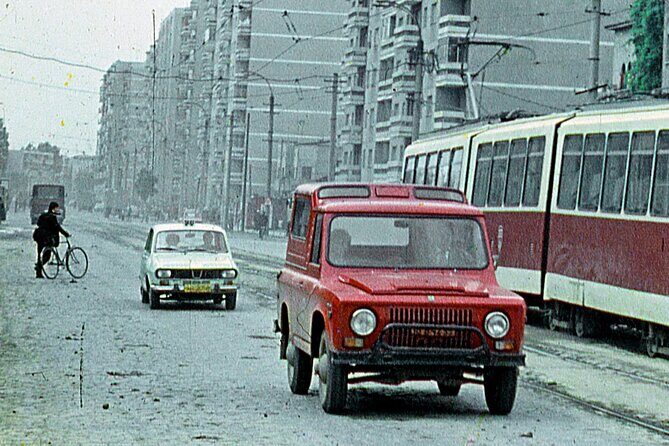
If you want a 2.5-hour walk that teaches you how communism shaped Bucharest’s streets and monuments, book it. The value is strong for the price: a local guide, a small group size, and a route that ties major landmarks to the human meaning behind them. The strongest reason to go is the way the tour turns buildings into explanations—especially if you like context that connects one site to the next.
Skip it only if you dislike political history, or if your pace is slow and you struggle with extended standing and walking. The tour includes no food, so plan snacks for before or after, and wear shoes that handle long city walks.
If you’re traveling with mixed ages and interests, it also seems like the format works well: it gives you “big sights” and a clear story thread, not a dry lecture. And with guides like Alex or Lucia, you’re likely to get storytelling that stays understandable even when the subject matter is heavy.
FAQ
Is the tour about Bucharest landmarks or mostly museums?
It’s a walking tour focused on key sights in central Bucharest, including major public buildings and squares, with a local guide explaining the communist-era context as you go.
How long is the Communism Walking Tour from Lenin to Ceausescu?
The duration is approximately 2 hours 30 minutes.
What does the tour cost?
The price is $24.00 per person.
What language is the tour offered in?
The tour is offered in English.
What’s included in the price?
The tour includes a local guide.
Are meals included?
No. Food and drinks are not included.
Where do I meet the guide, and where does the tour end?
You start at Bulevardul Unirii 5, București 040101, Romania and end at Revolution Square (Piața Revoluției), București, Romania.
Is there a mobile ticket?
Yes, the tour uses a mobile ticket.
Is admission required for the stops?
The tour notes that admission ticket entry is free for the listed stops.
Can I cancel if my plans change?
Yes. You can cancel for a full refund up to 24 hours before the experience start time.
Is the tour suitable for most travelers?
It’s listed as suitable for most travelers, and service animals are allowed. It’s also near public transportation.