REVIEW · BUCHAREST
Private Bucharest Communist Tour with the People’s House and Ceausescu Residence
Book on Viator →Operated by Rolandia · Bookable on Viator
Bucharest under communism is shockingly visible. This private tour pulls you into the machinery of power with a guided walk through Palace of Parliament scale, plus the Ceausescu Residential Palace museum visit that shows how privilege worked in Romania. I also like that it is practical in the way a good day tour should be: hotel pickup and drop-off, private transportation, and admission tickets built into the cost.
One thing to think about: this is not a light, casual stroll. You’ll spend hours on big-ticket sights and serious subject matter, and the Palace photography fee is not included, so you may want to plan a little extra cash.
In This Review
- Key things to know before you go
- Bucharest’s Communist Era, Up Close and Private
- Palace of Parliament: The World’s Biggest Administrative Statement
- What to watch for when you’re inside
- The Spark House and the Communist Press Machinery
- The Ceausescu Residential Palace (Spring Palace): Power in a Residential Shell
- Memorial Museum: Remembering Political Prisoners and Victims
- Lunch in Soviet-Era Atmosphere: A Real Break, Not a Tourist Trap
- Pacing, Timing, and How the 6 to 8 Hours Typically Feel
- A note on photos and comfort
- Price: What $261.65 Covers (and Why It Can Be Good Value)
- Guides That Make the History Click
- Who Should Book This Communism Tour in Bucharest
- Should You Book This Private Communist Tour?
- FAQ
- How long is the tour?
- What time does the tour start?
- Is hotel pickup and drop-off included?
- What are the main stops on the tour?
- Are entrance fees included?
- Is lunch included?
- Is photography included at the Palace of Parliament?
- Is the tour private?
- Is there a minimum age?
Key things to know before you go
- Hotel pickup and drop-off keeps the day smooth, especially if you’re staying outside the center
- Palace of Parliament visit includes admission, so you’re not juggling ticket lines
- Ceausescu Residential Palace (Spring Palace) is included with admission and works well for architecture and political history fans
- Spark House and Soviet-era vibes add context beyond the headline monuments
- Memorial museum time gives the story a human scale, not just grand buildings
- Lunch is on you, but you’ll stop at a local place with an older, Soviet-era feel
Bucharest’s Communist Era, Up Close and Private
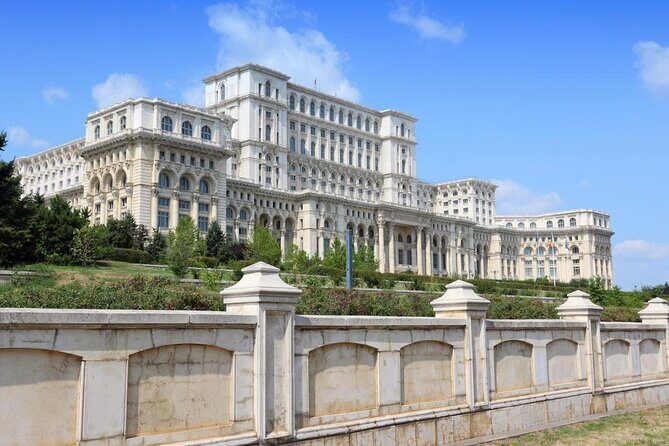
If you want to understand Bucharest, you can’t ignore what communism left behind. This tour takes you past the city’s most famous state-built monuments and into the parts of the story that explain why they were built, who benefited, and who paid the price. It’s a full-day outing that runs about 6 to 8 hours, starting at 10:00 AM, which is long enough to feel complete without turning into a marathon.
The private format matters. You’re with your own group only, moving with a guide who can pace the day around your interests and questions. I also like that the tour is designed for real sightseeing: professional English-speaking guidance, private transport, and the major entry tickets handled for the two main museum sites.
The tone is also important. The day is built around communist legacy, so expect monuments, political symbolism, and remembrance. If you’re in Bucharest for one day and want something more meaningful than a bus circuit, this is a strong fit.
You can also read our reviews of more private tours in Bucharest
Palace of Parliament: The World’s Biggest Administrative Statement
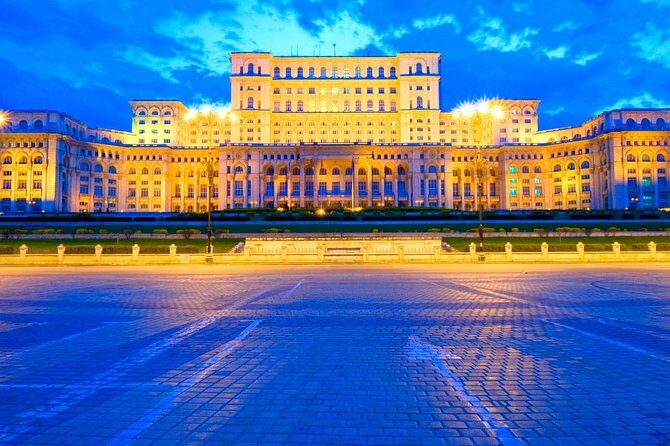
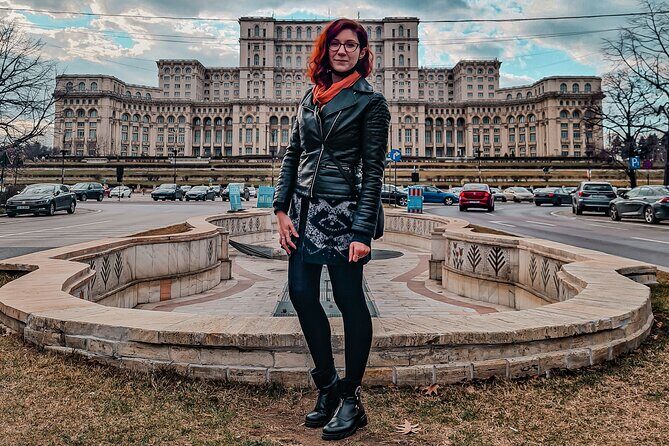
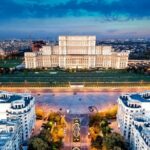
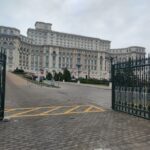
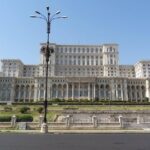
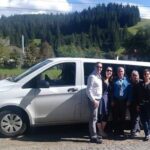
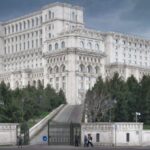
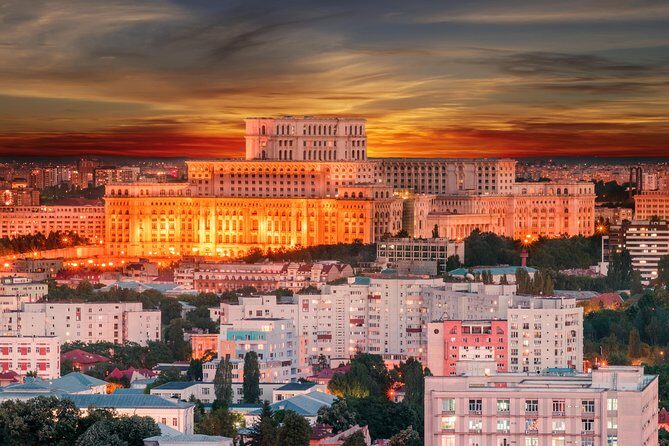
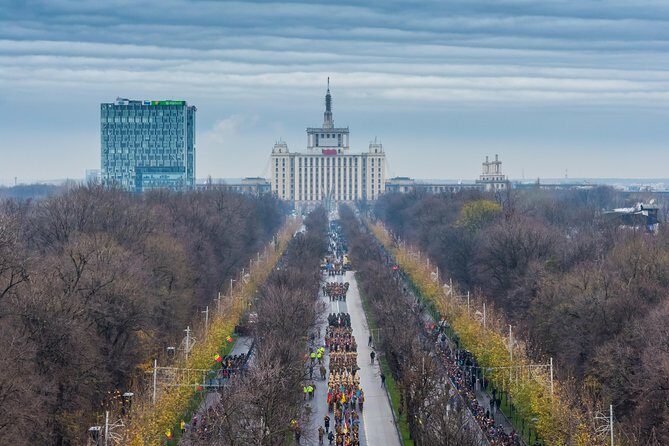
The Palace of the Parliament is the stop that people talk about because it’s hard to process once you’re standing in front of it. The building is also known as Ceausescu’s Palace, and it was originally named the House of the Republic. Built between 1984 and 1997, it later became known as the House of the People, which tells you a lot about how power liked to label itself.
Why this place grabs your attention isn’t just fame. It holds a Guinness World Record for the largest administrative building in the world, with rough dimensions of 240 meters long, 270 meters wide, and 84 meters high. In other words: it’s not a “cool old building” stop. It’s a planning, propaganda, and ego stop—then, later, a museum you can actually walk through.
You get about 1 hour here with admission included. That’s enough time to see the spaces your guide points out without turning it into a checklist sprint. One practical note: there’s a photography fee for the Palace of Parliament, and it’s not included. If photos matter to you, plan for it so you’re not surprised at the ticket counter.
What to watch for when you’re inside
- How the building’s scale changes how you feel physically—everything seems grander and slower
- The way the tour framing connects architecture to political control, not just construction trivia
- How your guide explains the difference between public messaging and private reality under the regime
The Spark House and the Communist Press Machinery
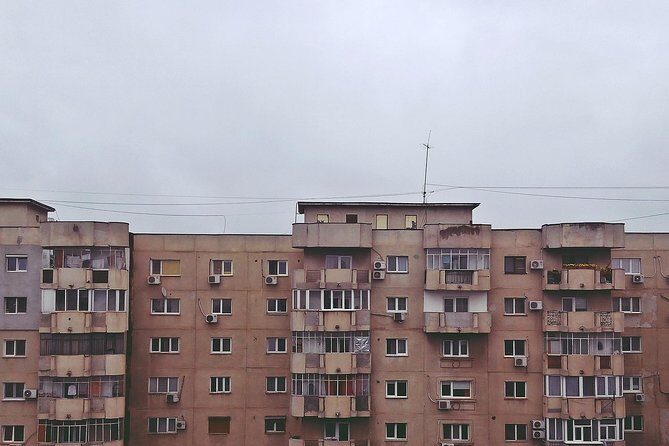
A communist tour in Bucharest shouldn’t stop at one building, and this one doesn’t. You’ll also see the Spark House, formally the headquarters of the Central Communist Press. Even if you don’t love architecture, this is a key piece of the puzzle because it explains how the regime shaped reality through media.
This kind of stop helps you connect dots. Palace-sized projects were about domination and permanence, but the press was about storytelling and control of what people believed. When you see the press HQ in the same day as the monumental government structures, the overall picture starts to feel coherent.
You’ll also travel through areas tied to the Ceausescu family—neighborhoods that were once restricted and are now part of what makes this tour feel different from a standard city day. That “you couldn’t just wander here before” feeling is exactly what makes the tour worth doing with a guide and vehicle.
The Ceausescu Residential Palace (Spring Palace): Power in a Residential Shell
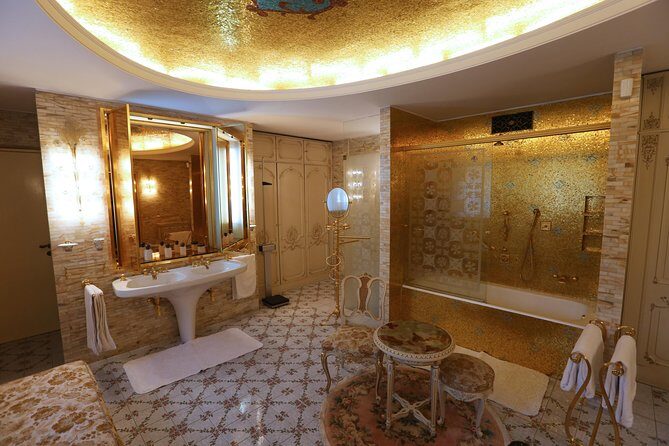
Next comes the Ceausescu Residential Palace, also called the Spring Palace. This estate was built in 1964 to 1965, and it hosted Elena and Nicolae Ceaușescu from 1965 until their deaths in 1989. That time span matters because the building isn’t just a backdrop; it was a lived-in seat of privilege during the era’s final years.
After the communist regime fell, the Spring Palace served as a VIP residence for official delegations and foreign presidents. Then, in 2016, it became a museum. So when you visit, you’re seeing the “before and after” layers at once: the original power function, followed by how Romania re-used the space once the old system ended.
Your visit here is also around 1 hour, with admission included. This is the stop that often surprises people. You expect grand state offices, but you see how luxury and control worked at household level too. It’s one of those visits where you catch yourself thinking about the gap between everyday life and what the regime reserved for itself.
Memorial Museum: Remembering Political Prisoners and Victims
This day includes time for remembrance, and I’m glad it does. The highlights mention a memorial museum where you pay tribute to political prisoners and other victims of the brutal regime. That part changes the emotional balance of the tour.
Big buildings can turn your brain into math and measurements. A memorial stop flips the focus back to people. It helps you understand that the point of all those structures wasn’t only administration—it was power backed by fear, repression, and the removal of human rights.
How much you get from this portion will depend on your guide’s pacing and tone. If you like history that includes the human cost, you’ll likely feel this stop is the most grounding one.
Lunch in Soviet-Era Atmosphere: A Real Break, Not a Tourist Trap
You’ll stop for lunch at a local restaurant where the atmosphere still reflects Soviet-era Bucharest. That matters more than it sounds. Food stops are where a tour can feel scripted or authentic, and this one aims for a restaurant vibe that feels period-adjacent rather than generic.
Lunch is not included, and the tour info estimates it at about €13 per person. That gives you some control, too. If you have dietary needs, you can tell your guide and choose accordingly.
Timing-wise, the day is long enough that the lunch break should feel like a reset. Use it to ask your guide about something you noticed earlier: for example, how the architecture was financed or how the regime used messaging. A good guide will connect lunch conversation to the sites you’ve seen.
Pacing, Timing, and How the 6 to 8 Hours Typically Feel
This is a 10:00 AM start full-day program, and it runs roughly 6 to 8 hours depending on timing and the flow between sites. You’ll get hotel pickup from any hotel in Bucharest, then private transportation between stops, and you’ll finish by dropping you back at your hotel after the final museum visit.
The main practical advantage is that you don’t spend your day negotiating transport. Bucharest can be easy to navigate when you’re on your own, but on a day like this—with museums, monuments, and more than one neighborhood—private transport saves both time and energy.
It also keeps the schedule realistic. You’re not trying to cram in the Palace, then scramble to the next site, then search for lunch. Instead, you get guided stops with included entry for the two biggest targets.
A note on photos and comfort
The Palace photography fee can affect what you bring home from the visit. And because it’s a day tour, comfortable shoes are a good idea even if your feet aren’t doing all the work. If you’re sensitive to crowds, the private format helps: only your group is moving through the experience.
Price: What $261.65 Covers (and Why It Can Be Good Value)
At $261.65 per person, you’re paying for more than two museum tickets. The price includes:
- a professional English-speaking guide
- hotel pickup and drop-off
- entrance fees for the Palace of Parliament and the Ceausescu Residential Palace
- private transportation
- a mobile ticket (which reduces friction on the day)
If you tried to DIY this, the cost would balloon fast once you include a guide for context. The Palace of Parliament is the kind of sight where explanations change everything. Without a guide, you still see the size, but you miss why it was built and how it operated as political messaging.
Is it expensive? It can be, depending on what you like. If you only want a quick exterior photo of the biggest monument and you’re happy to skip context, you could spend less. But if you want a coherent day that links press, power, and repression—and you want someone to keep the schedule moving—this price is easier to justify.
One small consideration: lunch isn’t included, and photography at the Palace isn’t included. Plan for those extra costs so the budget stays predictable.
Guides That Make the History Click
The big difference on a tour like this is often the guide. In the past, the experience has been led by guides such as Mihae, Claudia, Marcel, Ciprian, Bogdan, Nicole, and Alexandra, and the common thread is how they make complicated political history feel understandable.
A few practical things that stand out from guides who’ve led this route:
- They explain the rise and fall of communism in Romania in a way that connects directly to what you’re seeing.
- They use real details and sometimes old photos to show how the buildings looked in earlier eras.
- They keep you on track so you reach each major site with time for the main highlights.
In some cases, guides have added small extras like helping with a bit of walking around the historic center afterward, or offering extra help if you needed a pharmacy and market stop. Those extras aren’t something you should count on, but they’re a good reminder: if you like a guide who cares whether your day goes smoothly, this operator tends to deliver.
Who Should Book This Communism Tour in Bucharest
This is ideal if you’re drawn to political history, architecture tied to power, or you like tours with clear narrative structure. If you’re the type who wants one day to connect the dots—from propaganda buildings to the Ceausescu family’s residence to a memorial for victims—this will feel efficient and satisfying.
You’ll especially enjoy it if:
- you want a history-focused day that’s not just dates and facts
- you like big architecture but also want the story behind it
- you’re visiting Bucharest with limited time and want hotel pickup to remove stress
It’s also a good choice for travelers who value English-speaking guidance and a private format. The minimum age listed is 12, and children must be accompanied by an adult.
Should You Book This Private Communist Tour?
I’d book it if you want Bucharest in one coherent day and you don’t mind that the subject is heavy. The combination of the Palace of Parliament, the Ceausescu Residential Palace, and the memorial component gives you both the “systems of power” and the “human consequences” side of the story.
Skip it (or reconsider) if you’re after a light sightseeing day with minimal political context, or if paying extra for Palace photography would annoy you. Also, budget a bit for lunch since it’s not included.
Overall, this is a strong value when you factor in the private guide, pickup, private transportation, and included entry tickets. For many visitors, that single organized day becomes the trip’s most memorable history experience.
FAQ
How long is the tour?
The tour runs about 6 to 8 hours.
What time does the tour start?
The start time is 10:00 AM.
Is hotel pickup and drop-off included?
Yes. You’re picked up from any hotel in Bucharest and dropped back at the end of the tour.
What are the main stops on the tour?
You visit the Palace of Parliament and the Ceausescu Residential Palace (Spring Palace). The broader experience also includes sights such as the Spark House and a memorial museum.
Are entrance fees included?
Yes. Admission tickets for the Palace of Parliament and the Ceausescu Residence are included.
Is lunch included?
No. Lunch is not included and is estimated at about €13 per person.
Is photography included at the Palace of Parliament?
No. Photography fees at the Palace of Parliament are not included.
Is the tour private?
Yes. It’s a private tour/activity with only your group participating.
Is there a minimum age?
The minimum age is 12 years, and children must be accompanied by an adult.