REVIEW · BUCHAREST
Classic Romania Tour – small group in 8 days: Transylvania and Maramures
Book on Viator →Operated by Rolandia · Bookable on Viator
Transylvania can be a movie set, but Romania makes it real. This 8-day route mixes medieval towns with dramatic religious sites and Maramureș villages that feel untouched by time. You’ll also get a real feel for Bucharest, from communist-era architecture to lively Old Town streets.
I especially love how the tour is built around major landmarks (Bran Castle, Peles Castle, UNESCO-listed churches and fortresses) without turning everything into a rushed checklist. I also like the small-group size (max 6) paired with a professional English-speaking guide, which makes questions, pacing, and small schedule tweaks much easier.
One possible drawback to plan for: it’s not a no-steps day trip. You’ll do city walking tours, and there are some tougher climbs, including 300 wooden steps up to a church in Sighișoara. If you’re sensitive to that, you’ll want to think about your comfort level in advance.
In This Review
- Key things that make this tour worth your time
- A small-group Transylvania and Maramureș route that actually moves at human speed
- Day 1 in Bucharest: Palace of Parliament swap plus Old Town atmosphere
- Day 2: Curtea de Argeș Monastery, Olt Valley, and Sibiu’s Bridge of Lies
- Day 3: Sibiel, Alba Iulia’s star fortress, and the Turda Salt Mine wow factor
- Day 4: Cluj-Napoca cathedral views, then Maramureș with Breb and Săpînța
- Day 5: UNESCO wooden churches in Poienile Izei and Barsana, plus Târgu Mureș
- Day 6: Biertan fortified church, Sighișoara’s clock tower, and Prince Charles in Viscri
- Day 7: Brașov’s Black Church, Bran’s Dracula legend, and Peles Castle in Sinaia
- Day 8: Check out, breakfast, and airport transfer timing
- What you’re paying for: value in hotels, transport, and built-in experiences
- Who should book this tour, and who should think twice
- Should you book Classic Romania Tour: Transylvania and Maramures?
- FAQ
- FAQ
- How many travelers are on this tour?
- What time does the tour start?
- Is airport pickup and drop-off included?
- Is the Palace of the Parliament visit guaranteed?
- Will Cozia Monastery always be visited?
- Are breakfasts included?
- What meals are included besides breakfasts?
- Which UNESCO sites are included?
- Is the tour physically demanding?
- Can I cancel for a full refund?
- Are entrance fees to everything included?
Key things that make this tour worth your time
- Max 6 travelers with a professional guide and a modern car or minivan
- Bucharest first day with the communist-era Palace of Parliament area, swapped to Spring Palace if closed
- UNESCO stops everywhere: wooden churches in Maramureș, Biertan fortified church, and Sighișoara’s medieval fortress core
- Turda Salt Mine for a photo you’ll actually want to show people later
- Maramureș culture in Breb plus the famous merry cemetery in Săpînța
- Castles with context: Bran’s Dracula legend and Peles Castle’s royal-era story
A small-group Transylvania and Maramureș route that actually moves at human speed
This is a classic Romania tour built for people who want the highlights, but also want time to look, ask, and understand what they’re seeing. The cap is 6 travelers, and you travel in a modern car/minivan with your guide. That matters because long drives can either feel like punishment or like part of the story. Here, you get commentary and stops that break up the day.
You also start at 9:00 am, which keeps the itinerary sensible. And because the tour includes 7 nights in centrally located hotels plus airport pickup and drop-off, you avoid the usual stress of logistics.
One bonus from the guide experience: the tour has a reputation for adapting when possible. For example, guide Valentin Val Nan is noted for being knowledgeable and for accommodating schedule changes when suggestions fit.
You can also read our reviews of more tours and experiences in Bucharest.

Day 1 in Bucharest: Palace of Parliament swap plus Old Town atmosphere
Bucharest opens the trip in a way only Bucharest can: you’re not just seeing pretty buildings. You’re seeing the way power shows up in stone.
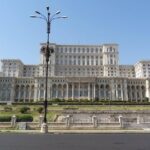
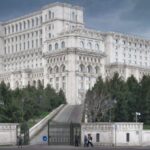
The star stop is the Palace of the Parliament area. Important note: it may be closed while you’re traveling, and when that happens it’s replaced with Spring Palace. Either way, you’ll learn the grim details around how the building went up and what that meant for the people in that era.
After that, you head to Bucharest’s Old Town, where the mix of styles feels like Western and Eastern Europe rubbing shoulders. This is the part where the city gets noisy and real. You’ll also get a guided run-through of key architecture in the Old Town area and then head to your hotel for the night.
Practical thought: Old Town is where you’ll want comfy shoes and a light plan for dinner afterward, since it’s also a nightlife hub.
Day 2: Curtea de Argeș Monastery, Olt Valley, and Sibiu’s Bridge of Lies
The day starts with a religious stop framed in context: Curtea de Argeș Monastery, set at the foot of the Carpathians. Monasteries here aren’t just buildings. They’re markers of how faith, art, and politics evolved in Romania over centuries.
Then it’s road time through the Olt Valley. You’re meant to enjoy the feeling of being outside the city—not a stop-and-go drive, but a moving window into the region.
Next comes Cozia Monastery, which reflects national medieval art and architecture. There’s a seasonal swap: in summer (mid June to early November), the trip to Cozia is replaced with a drive on Transfăgărășan. So you’re not stuck with one “same day, same route” approach.
Then you land in Sibiu, a city that’s often praised for balancing old streets and multicultural layers. You’ll walk around the Main Square, see the Brukenthal Museum building area, and visit the Roman Catholic Cathedral. You also cover Huet Square with its Evangelical Church and move through the famous passage of stairs, then cross the Bridge of Lies.
Why I like this day: it gives you different types of “history.” You get stone from the monarchy era, sacred medieval architecture, and then a living city square scene.
Potential drawback: Sibiu’s walk is part of the experience, but if you’re not a fan of cobblestones and stair-step movement, take it slowly.
Day 3: Sibiel, Alba Iulia’s star fortress, and the Turda Salt Mine wow factor
Day 3 is where the tour flexes variety: a rural village, a fortress with serious geometry, and then an underground space that feels like another world.
You start with Sibiel, described as a rural replica with an emphasis on being authentic and well preserved. The goal here is simple: meet the place. Expect a short walk and time to notice how village life and architecture differ from the city stops.
After that, you head to Alba Iulia, home to the largest fortress in Romania. The fortress is surrounded by about 12 km of walls and built in the shape of a star. The guide context is what makes it click: it has been a Roman fort, a medieval fortress, and later a Vauban-type citadel with bastions.
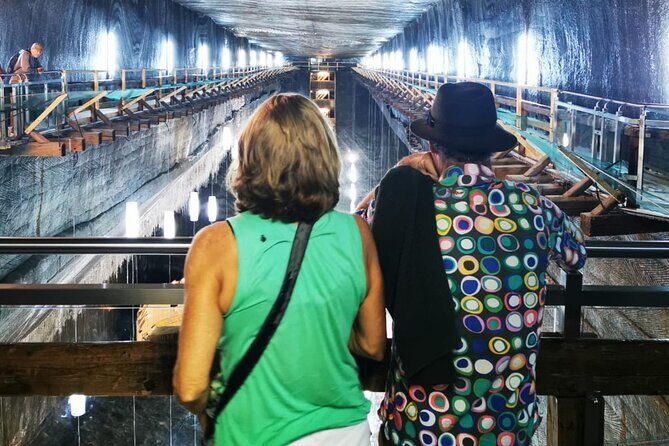
Then you go for the attraction people love for pictures: the Turda Salt Mine. You walk through huge galleries and halls, including one around 118 meters tall, with a lake at the bottom. You’ll get that classic “how is this even real?” moment because salt mining carved a whole subterranean world.
Finally, you reach Cluj-Napoca, the largest city in Transylvania, described as the city of arts. You’ll have a day of sightseeing in the broader region across the next day too, but this is your base for the Cluj portion of the journey.
Best part of Day 3: it moves from quiet village scale to fortress scale to underground scale. That rhythm keeps things interesting.
Day 4: Cluj-Napoca cathedral views, then Maramureș with Breb and Săpînța
This is the day that shifts the trip into “open-air museum” territory: Maramureș.
In the first hours, you tour Cluj-Napoca. Key stops include St Michael’s Gothic Cathedral over the central square, the Banffy Palace, and Mirror Street. It’s a solid urban setup before you trade city rhythm for rural traditions.
Then the drive north brings you to Maramureș, a region known for wooden architecture and deep local hospitality. Your key village visit is Breb, one of the best preserved traditional villages in the area. You’ll get to explore an authentic house and see everyday life up close.
Lunch is built around local ingredients. You’ll also have a chance to taste fruit liqueurs made as part of the local tradition.
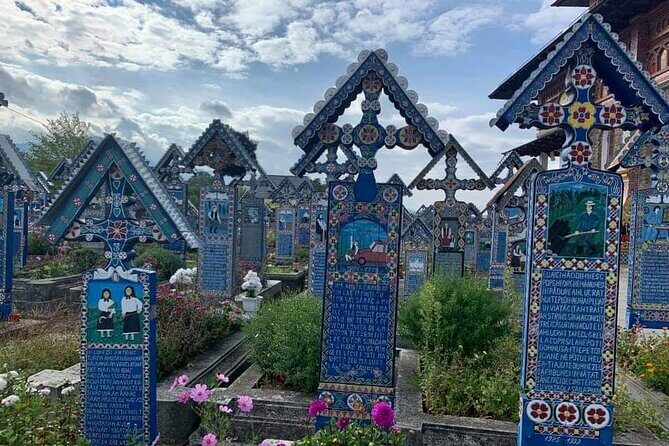
Late in the day, you arrive at Săpînța, famous for the merry cemetery. The wood-carved crosses are painted bright colors and carry humorous quatrains inspired by the lives of people who’ve passed. It’s oddly comforting and memorable, because it treats death with personality instead of solemn distance.
The evening includes a Romanian traditional dinner and folkloric show, then you overnight in Sighetu Marmatiei.
One consideration: this is the kind of day where you’ll want to pace yourself mentally. There’s a lot to absorb in Breb, then a strong emotional visual in the cemetery, then dinner and a show.

Day 5: UNESCO wooden churches in Poienile Izei and Barsana, plus Târgu Mureș
Day 5 is all about UNESCO architecture that’s harder to fake in your imagination.
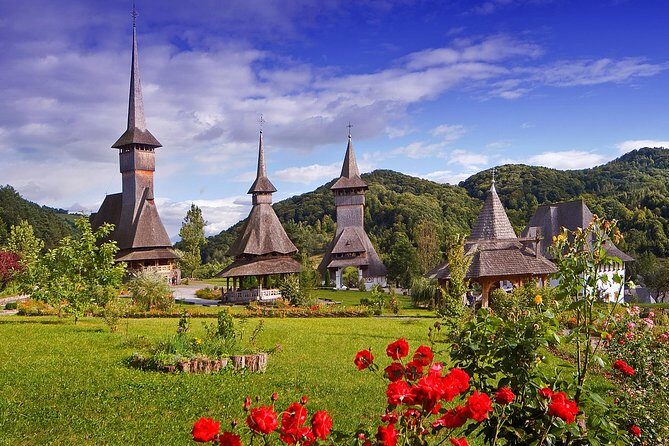
You visit two ancient wooden churches that are part of the UNESCO World Heritage Site: Poienile Izei (Iza Meadows) and Barsana. Barsana is noted for being one of the largest Orthodox architectural ensembles in Romania. The focus isn’t just on the buildings. It’s on how woodcarving skills carry the community’s identity.
You’ll also have workshop time with a local artisan. This is one of the few ways to see craft beyond a showroom, because you get the presentation first and then the chance to buy hand-made souvenirs.
After that, the day leans into taste again. There’s time to enjoy local products in a region that still uses garden harvest traditions.
In the evening, you reach Târgu Mureș and overnight there.
Practical note: wooden church stops can involve outdoor time and walking between viewpoints. If the weather is changeable, plan layers.
Day 6: Biertan fortified church, Sighișoara’s clock tower, and Prince Charles in Viscri
If your idea of Transylvania includes fortresses and fairytale old streets, Day 6 is your day.
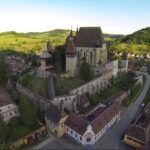
You start with Biertan, home to the largest fortified church in Transylvania. It was built by the Saxons in the 16th century and is listed as a UNESCO monument. This is the kind of place where you notice defensive design in a religious setting, and it helps explain the region’s past tensions.
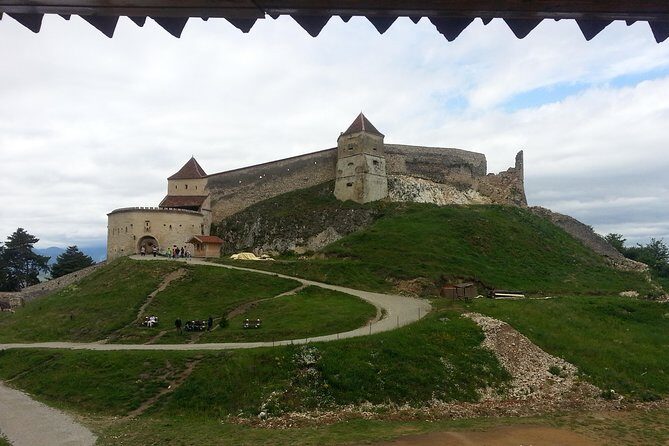
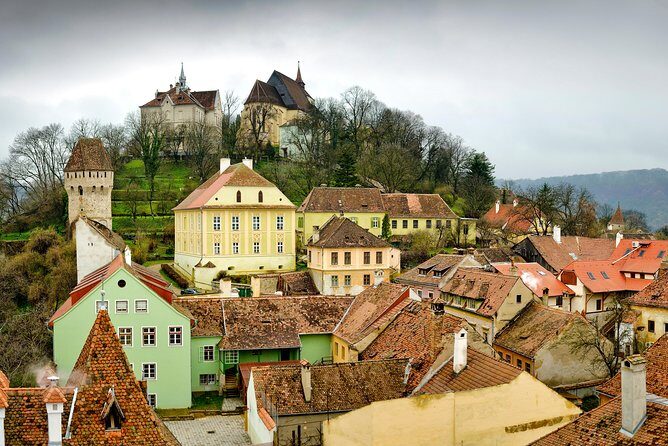
Next is Sighișoara, described as the only inhabited medieval fortress included in UNESCO. You’ll walk up winding cobblestone streets lined with historic buildings and reach the Clock Tower. Inside, there’s a museum of medieval weapons and a torture chamber. Then you climb 300 wooden steps to the Church-on-the-Hill, built in the 14th century.
From there, you head to Viscri, a village loved for its peaceful countryside feel and traditional architecture. Here’s a specific detail: Prince Charles is mentioned as having restored a traditional house there, and it’s the place where he returns every year in May. You’ll see Viscri houses, ride in a horse-drawn carriage, and stop to visit locals and enjoy some home-made cake.
Then you continue to Brașov for the night.
This day has a lot of “wow,” but it also has a physical cost: that climb in Sighișoara is real. If you’re booking with moderate fitness, you’ll still likely enjoy it, but plan to slow down when needed.
Day 7: Brașov’s Black Church, Bran’s Dracula legend, and Peles Castle in Sinaia
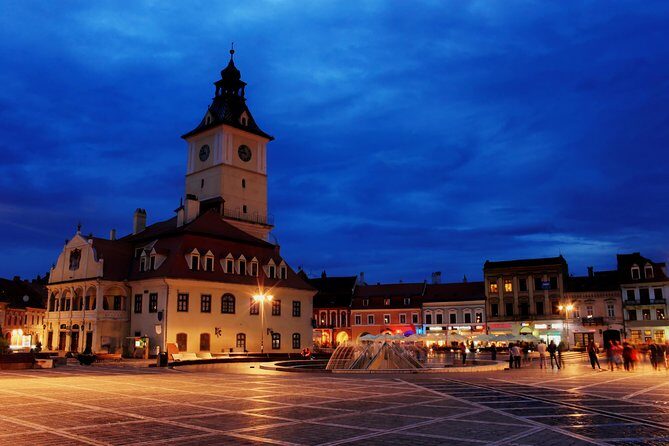
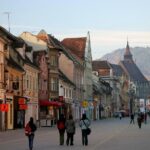
Brașov is your morning base, and you start with a walking tour covering some very Brașov-specific sights: Council Square, the famous narrowest street in the world, and the Black Church.
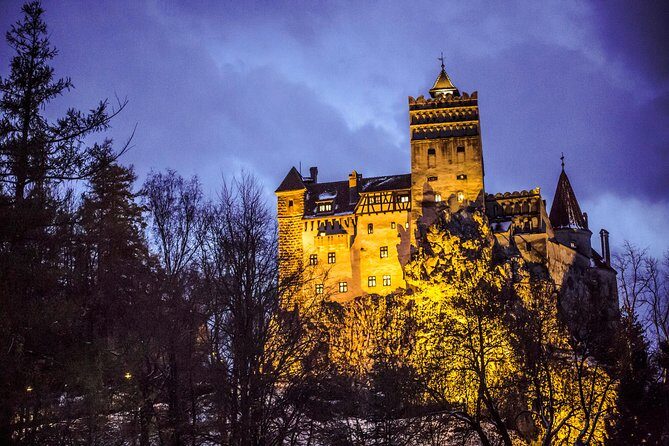
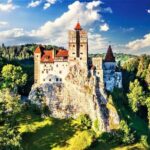
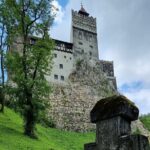
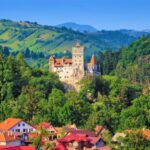
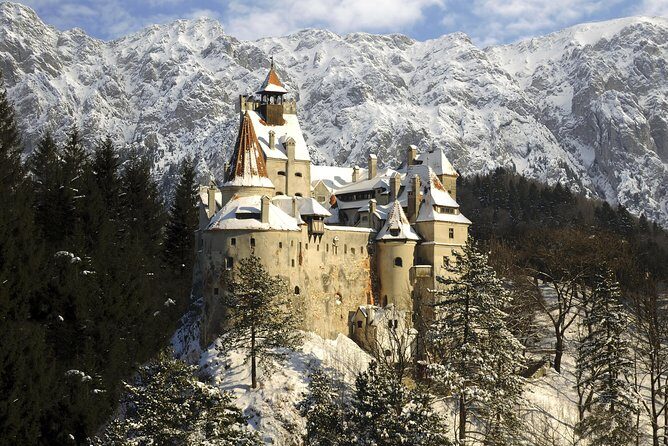
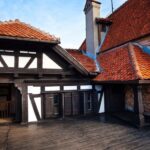
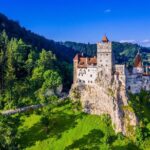
Then you head to Bran Castle for a guided tour focused on the legend people associate with Dracula. Even if you’re not a horror fan, the setting is striking: the castle is built atop a 60-meter cliff and sits over one of the key access routes into medieval Transylvania. You’ll learn the story in a way that connects castle power to geography.
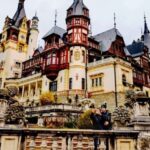
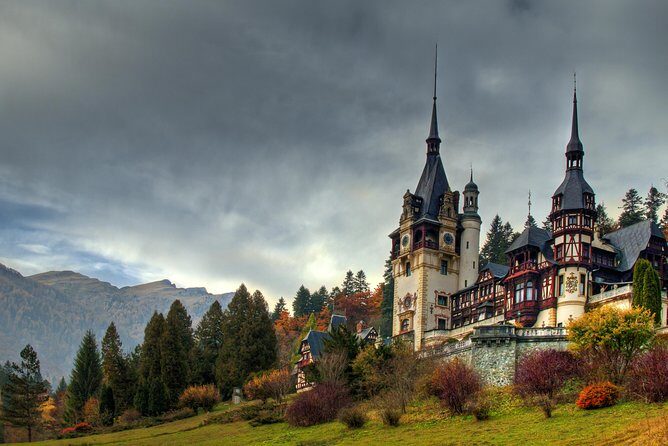
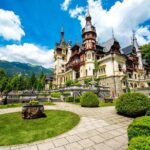
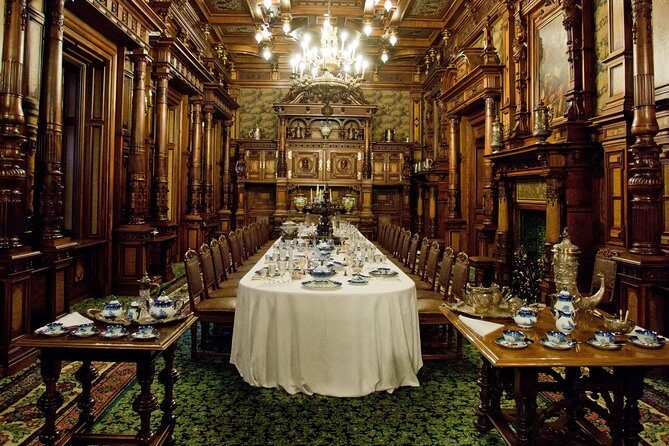
After Bran, it’s time for a different kind of castle: the royal residence vibe of Sinaia. You’ll stop at the Orthodox Monastery in Sinaia, then tour Peles Castle, described as Gothic style and built by the first king of Romania, Carol I of the Hohenzollern dynasty.
Why I like this pairing: Bran gives you medieval drama. Peles gives you wealth, craft, and the royal-era side of Romania.
Evening transfer returns you to Bucharest for your last night.
Day 8: Check out, breakfast, and airport transfer timing
Your final morning is straightforward. You have breakfast, check out, and your airport transfer takes place according to schedule. No final hustle tour. Just a clean landing back into real life.
This matters if you hate squeezing extra sightseeing into your departure day. Here, you’re not racing to fit in one last museum.
What you’re paying for: value in hotels, transport, and built-in experiences
At $2,339.64 per person for roughly 8 days, this tour isn’t cheap. But the price is doing real work for you. Here’s what’s covered based on the tour details:
- A professional English-speaking guide throughout
- 7 nights in centrally located hotels
- Modern private vehicle transport between towns
- Airport pickup and drop-off
- Breakfasts
- One folk show dinner
- One lunch with traditional local products
- Horse-drawn carriage ride (included)
- Tickets are marked as included on the days that list admission ticket coverage
You still should expect to pay some extra monument entrance fees for anything not explicitly included, since entrance fees to other monuments aren’t part of the package.
So is it good value? For me, it’s strongest if you want:
- a guided flow between major stops (instead of self-planning everything)
- someone to explain why each place matters
- included cultural moments like the folk show and carriage ride, not just photo stops
If you’re the type who prefers total independence, you might spend less DIY. But if you’d rather ride comfortably and focus on the experiences, this price is easier to justify.
Who should book this tour, and who should think twice
This fits best if you want to see a lot of Romania’s “big story” in 8 days without feeling like you’re stuck in a bus with no help.
I’d especially recommend it if you:
- like history plus a few strong surprises (Turda Salt Mine, merry cemetery)
- want UNESCO architecture without researching it for hours
- enjoy guided walking tours and can handle some steps
You might think twice if:
- you don’t do well with a physical climb like the 300 wooden steps in Sighișoara
- you get tired of back-to-back cities and want more downtime per stop
Should you book Classic Romania Tour: Transylvania and Maramures?
I’d book it if you want an efficient, story-driven route that covers Transylvania plus Maramureș in one plan, with a guide who can explain sites and keep the day organized. The inclusion of hotels, transport, breakfasts, and key cultural experiences makes it feel less like you’re paying for driving and more like you’re paying for access and context.
I’d hesitate only if step-heavy days are a dealbreaker for you, or if you’re hoping for a fully relaxing pace. This tour moves, and it includes some real sightseeing effort.
FAQ
FAQ
How many travelers are on this tour?
The tour has a maximum of 6 travelers.
What time does the tour start?
Start time is 9:00 am.
Is airport pickup and drop-off included?
Yes. Airport pickup and drop-off are included.
Is the Palace of the Parliament visit guaranteed?
No. The Palace of the Parliament cannot be visited at the moment because it is closed until June. The tour will replace it with the Spring Palace.
Will Cozia Monastery always be visited?
No. In summer (mid June to early November), the trip to Cozia Monastery is replaced with a road trip on Transfăgărășan.
Are breakfasts included?
Yes. Breakfasts are included (for the 7 nights).
What meals are included besides breakfasts?
You get one folk show dinner and one lunch with traditional local products. Other meals are not included.
Which UNESCO sites are included?
The tour includes UNESCO-listed stops such as the wooden churches in Poienile Izei and Barsana, the fortified church in Biertan, and Sighișoara as an inhabited medieval fortress.
Is the tour physically demanding?
It is listed for travelers with moderate physical fitness. Walking tours are included, and there is also a climb of 300 wooden steps in Sighișoara.
Can I cancel for a full refund?
You can cancel up to 6 days in advance for a full refund. For a full refund, you must cancel at least 6 full days before the experience’s start time.
Are entrance fees to everything included?
Not all of them. Entrance fees to monuments other than those included in the itinerary are not included.