REVIEW · BUCHAREST
Life in Communism
Book on Viator →Operated by BucharestGuide · Bookable on Viator
Bucharest turns into a time machine fast. This small-group walking tour guides you through Communist-era landmarks with clear explanations from people like Daniela, Andreea/Andrea, Augustin, and John, who bring the era to life without making it feel like a lecture. One heads-up: it’s still a 3-hour walk, so wear comfy shoes and expect some steady pacing.
What I really like is how the story connects policy to everyday reality—nationalization, the Secret Police, demolitions—and then back to what you see on the street today. You’ll visit around 15 stops, so you get the timeline without needing to study it first.
In This Review
- Key things to know before you go
- A 3-hour walk that turns landmarks into stories
- Price and logistics that make the tour feel like a deal
- Starting at the Patriarchal Cathedral: a smart first anchor
- Stop 1: Palace of Parliament and what power left in stone
- Stop 2: Calea Victoriei and the city reshaped by policy
- Stop 3: Piaka Revolukiei and the late-regime atmosphere
- The rest of the roughly 15 stops: the timeline stays coherent
- Guides who connect buildings to everyday life
- What’s included (and what to bring to stay comfortable)
- Who this tour suits best in Bucharest
- Should you book Life in Communism in Bucharest?
- FAQ
- How long is the Life in Communism tour in Bucharest?
- Where does the tour start and end?
- How many stops will we see?
- Is the tour offered in English?
- What is included in the price?
- Are alcoholic beverages included?
- Is there a break during the tour?
- How large is the group?
- What kind of fitness level do I need?
- Is there free cancellation?
Key things to know before you go
- Small group (max 15) means you can ask questions and not get swallowed by the crowd
- About 15 stops in ~3 hours gives you a clear Communist-era timeline across the city
- Start and end at the Patriarchal Cathedral makes it easy to fit into your day
- A mid-tour break helps you reset during colder weather or just busy schedules
- Themed snacks are included so you’re not walking on an empty stomach
A 3-hour walk that turns landmarks into stories

This isn’t a “big buildings only” tour. It’s a streets-and-stories format that helps you read Bucharest. You’ll see how the Communist regime changed architecture, shaped people’s daily lives, and left visible traces—then you’ll connect those changes to the city you can explore afterward.
The structure works well for first-timers. In a few hours, you get a framework for what you’re seeing. Without it, you can still wander around, of course. But with this, you’ll know what to look for and why it matters.
Also, the tone matters. Several guides are described as friendly and engaged, with explanations that are detailed enough to feel satisfying. And at least one guide (John) adds personal stories, which can make the history feel human rather than abstract.
You can also read our reviews of more tours and experiences in Bucharest.
Price and logistics that make the tour feel like a deal

At $31.24 per person for roughly 3 hours, you’re buying more than a walk. You get an English-speaking guide, a set route with about 15 stops, and snacks included. When a tour includes thematic snacks and a break, the “value math” gets better—especially if you’re the kind of traveler who likes not having to stop and hunt for food mid-plan.
The tour is offered with a mobile ticket, and it’s near public transportation, which is handy in a city where routes can be easier than expected once you’re on the move. And because it’s capped at 15 travelers, you get a more interactive feel than you would on a long, packed bus tour.
One practical point: alcohol isn’t included. During a short break, drinks are self supported (and cash is suggested). If you want something other than water, bring a bit of cash just in case.
Starting at the Patriarchal Cathedral: a smart first anchor
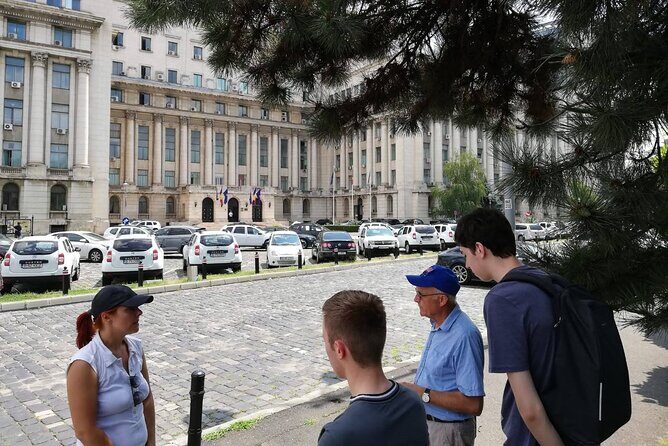
You meet at the Patriarchal Cathedral, Aleea Dealul Mitropoliei 25, Bucharest, and the tour ends back at the same spot. That “loop” format is more useful than it sounds. It reduces stress. You don’t need a second commute to get back, and it’s easier to plan lunch or your next activity right after.
This starting point also gives you a clear mental anchor. When you start from a well-known religious landmark, then walk into the Communist-era story, the contrast becomes easier to notice. You’re basically learning how political power left marks in the built environment.
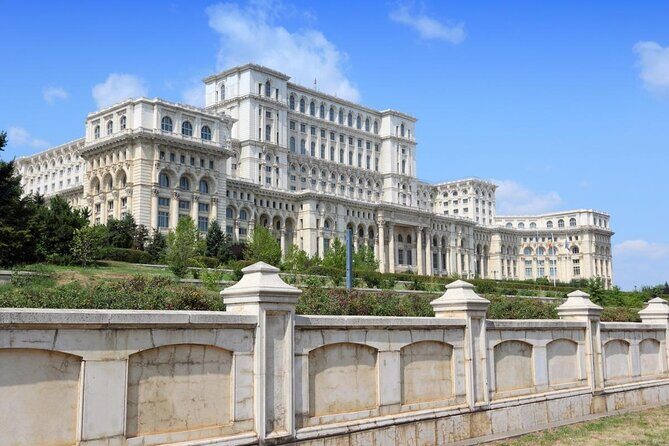
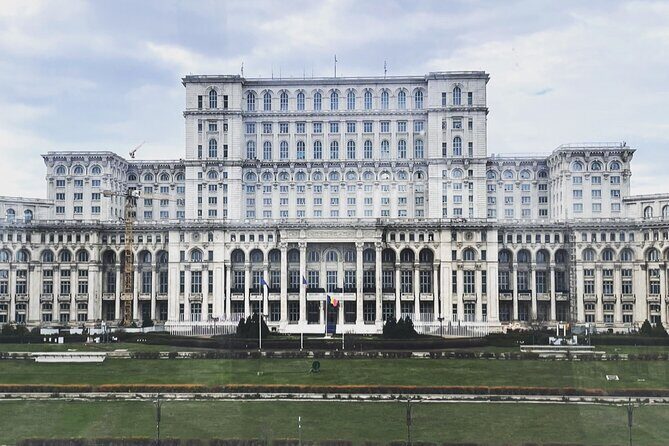
Stop 1: Palace of Parliament and what power left in stone
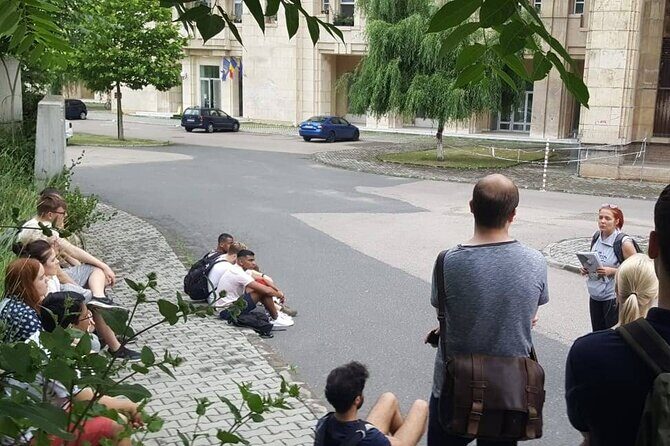
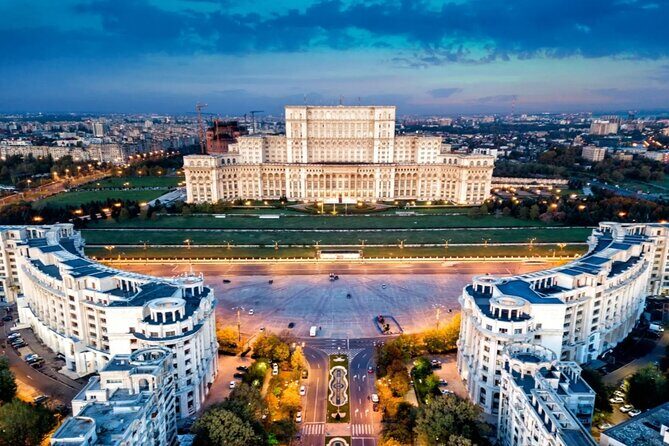
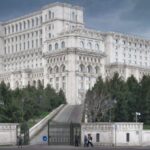
The tour kicks off with the Palace of Parliament. Even if you’re not an architecture nerd, this kind of stop does something important: it puts a “big symbol” on the timeline. Communist-era planning often shows up in monumental projects and decisive urban changes, and this is one of the most prominent places where you can sense that shift.
What you’ll likely focus on here is not just what the building is, but how regimes use scale and permanence. In other words, you’re training your eyes. The guide ties the structure into the larger themes of the tour: how the state reorganized ownership and priorities, how public spaces were shaped, and what that meant for the people moving through the city.
A drawback to know in advance: this is the kind of place where photos can eat time if you’re not careful. Keep moving when the group does, or you’ll feel behind for the rest of the route.
Stop 2: Calea Victoriei and the city reshaped by policy
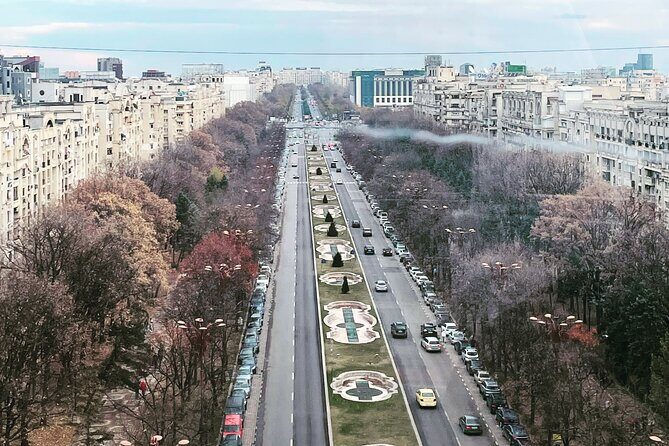
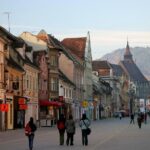
Next up is Calea Victoriei, a major corridor that helps explain how Communist-era decisions affected the city’s layout and feel. A boulevard isn’t just a view—it’s an experience. It’s where daily life happens, where people travel, and where the state’s influence becomes visible through what gets built, what gets emphasized, and what gets changed.
The value here is the guide’s linking. The tour isn’t only about walls and facades. It’s about how ideas like nationalization and demolitions translate into street-level reality: different kinds of buildings, different uses, and a different sense of space.
If you like walking tours that explain cause and effect, this is where you’ll feel it most. You’re not just collecting trivia; you’re building a mental map of how one era’s rules became the next era’s streets.


Stop 3: Piaka Revolukiei and the late-regime atmosphere
The third landmark is Piaka Revolukiei. The wording on the listing may be a little off, but the idea is clear: this stop connects you to the Communist timeline as it moves toward major change. Expect the guide to frame what happens in this era not as a single event, but as pressure building over time—cultural, political, and social.
What makes this kind of stop worthwhile is that you can compare emotions. A building like the Palace of Parliament can feel imposing. A square or public area can feel more exposed—more about what people could see, gather around, and react to.
One tip for your own experience: if you’re the type who likes to photograph, do it quickly here. Public areas can be windy or crowded depending on the day, and the tour’s pace is designed to keep you moving through the timeline.
The rest of the roughly 15 stops: the timeline stays coherent

Only three stops are named up front, but the tour plans around 15 objectives, each tied to a moment or change during the Communist regime. That’s the heart of the experience. You get a chain of “then and now” examples rather than a scatter of unrelated sights.
Here’s why that matters for you: Bucharest can feel layered, and it’s easy to get lost in architecture styles without understanding what changed and why. By walking a route built around the regime’s evolution—nationalization, Secret Police, demolitions, and more—you learn how to interpret the city instead of just looking at it.
The guides also seem to work hard on clarity. Multiple tours are described as having excellent detail at each stop, with explanations that build a clear picture of what life under the regime was like—and why those changes still show up in the present.
Guides who connect buildings to everyday life

The best walking tours aren’t only accurate. They’re also readable. This one has that going for it.
You might meet guides including Daniela, who is described as friendly and strongly focused on helping you understand life under the Communist regime. Andreea/Andrea is mentioned as passionate, with an English delivery that’s easy to follow, plus personal perspective mixed in with the history. Augustin is singled out for a nuanced approach to the complex story of Communism in Romania, which is exactly what you want if you’re tired of one-note narratives. And John is described as adding personal stories from experience, which can turn abstract events into something you can picture.
No matter which guide you get, the small-group size makes a difference. If something clicks or doesn’t, you can get the explanation adjusted to what you want to know. That’s how you end the tour feeling oriented, not overloaded.
What’s included (and what to bring to stay comfortable)
The tour includes Communist type snacks and features a short break in the middle. Drinks during the break aren’t included, so plan on self paying (ideally with cash). If it’s cold, you’ll be glad there’s a pause built in, not just a stop-and-go walk.
For you, the practical checklist is simple:
- Comfy walking shoes (it’s a moderate-fitness, city walking pace)
- A layer you can handle outdoors (you’ll be outside for the full ~3 hours)
- Cash for drinks at the mid-tour break if you want something other than water
- Your curiosity, because the tour is built around explanations tied to what you see
Also, the tour is listed in English, and service animals are allowed. The route is near public transportation, so getting to the start point is usually straightforward.
Who this tour suits best in Bucharest
This experience is a strong fit if you:
- want to understand the city beyond postcard sights
- like walking tours where the guide explains context at each stop
- prefer a small group over a large crowd
- care about how political systems shape architecture and public life
It also works well as an early visit. If you do it on day one (or close to it), you’ll explore afterward with a better sense of what you’re seeing. You’ll know which streets and buildings reflect Communist-era decisions and how those changes echo in the city today.
Should you book Life in Communism in Bucharest?
I’d book it if you want a focused, structured way to grasp Romania’s recent past through the streets of Bucharest. The combination of around 15 stops, English guide, small-group size, and snacks included feels like a good match for people who want real context without spending hours reading beforehand.
Skip it only if you know you want a lighter, purely scenic walk. This tour is thematic and interpretive—built around political history and its effects—so it’s not just about views. And if you’re very sensitive to walking time, plan around the moderate fitness requirement.
Overall, with a 5-star rating and a consistent pattern of strong recommendations, this is one of those tours that tends to land well because it does exactly what it promises: it helps you connect Communist-era changes to the Bucharest you can still experience today.
FAQ
How long is the Life in Communism tour in Bucharest?
It runs for about 3 hours.
Where does the tour start and end?
The tour starts at the Patriarchal Cathedral (Aleea Dealul Mitropoliei 25, București, Romania) and ends back at the meeting point.
How many stops will we see?
You’ll visit around 15 objectives tied to the Communist-era timeline.
Is the tour offered in English?
Yes, it’s offered in English.
What is included in the price?
Snacks in a Communist-style theme are included.
Are alcoholic beverages included?
No. Alcoholic beverages are not included, and drinks during the short break are self supported.
Is there a break during the tour?
Yes, there is a short break in the middle of the tour.
How large is the group?
The tour has a maximum of 15 travelers.
What kind of fitness level do I need?
You should have a moderate physical fitness level since it’s a walking tour.
Is there free cancellation?
Yes, free cancellation is available up to 24 hours in advance for a full refund.