REVIEW · BUCHAREST
3-Day Transylvania Tour with Dracula’s Castle
Book on Viator →Operated by Trip2Ro · Bookable on Viator
Romania’s castle trail can feel like a blur. This one is built for a steady pace, combining medieval Transylvania towns with two big-name royal stops. The route runs from Bucharest with round-trip transfer, then layers in guided walking time so you get context—not just photos.
I especially like that this trip includes 2 nights of accommodation and 2 breakfasts, so you’re not doing daily budget math. I also like the way the tour keeps the group small (up to 15), with a guide who’s there for the day and a driver who keeps logistics smooth. The one thing to watch: museum and castle entrance fees are not included, so you’ll want to plan for paid tickets at Bran and Peles.
In This Review
- Key highlights that matter in real life
- From Bucharest to Transylvania: how this 3-day route actually runs
- Pickup, transport, and small-group comfort (the real value)
- Day 1: Olt Valley at Cozia Monastery, then Sibiu’s medieval squares
- Cozia Monastery: the 14th century with Armenian-style decoration
- Sibiu: Saxons and Romanians in the same medieval streets
- Day 2: Sighisoara’s UNESCO citadel and Brasov’s Black Church
- Sighisoara: clock tower, ladder steps, and a hilltop church
- Brasov: fortified town energy and the Black Church
- Day 3: Bran Castle’s Dracula fame, then Peles Castle’s royal design
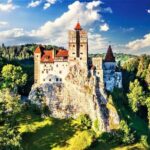
- Bran Castle (Dracula’s Castle): legend, border history, and a 2-hour slot
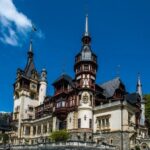
- Peles Castle: King Charles I’s summer residence and room-by-room character
- Price and value at $720.95 per person (what you really get)
- Tickets, museums, and how to avoid surprise costs
- Hotels, comfort level, and the freedom you’ll actually have
- Who this Transylvania tour from Bucharest suits best
- Should you book this 3-day Transylvania tour with Bran and Peles?
- FAQ
- What is the price of the 3-Day Transylvania Tour with Dracula’s Castle?
- How long is the tour?
- Where does the tour start in Bucharest?
- What time is pickup scheduled?
- What’s included in the tour price?
- Are entrance tickets included for Bran Castle and Peles Castle?
- Are some sights free to enter?
- Do I need to pay photo fees?
- What is the group size?
- Is there a single room supplement?
- Can I cancel and get a full refund?
Key highlights that matter in real life
- Small-group size (max 15 people): easier conversations, less waiting around, more flexibility during the day.
- Two nights + breakfasts included: fewer surprise costs once you arrive.
- Cozia Monastery in the Olt Valley: Armenian decorative details on a 14th-century Wallachian monument.
- Sibiu’s medieval squares and Saxon-Romanian mix: a walkable old town without needing a car.
- Bran Castle plus Peles Castle: Dracula legend day one side, royal architecture day the other.
From Bucharest to Transylvania: how this 3-day route actually runs
This is a road-focused Transylvania experience, the kind where you trade some “stay put” time for good coverage. You’re leaving Bucharest in the morning, then spending your days in historic towns and two major castles. It’s a smart choice if you want the highlights of Transylvania without stitching together multiple independent bookings.
The pacing is designed around guided time and breathing room. In practice, that means you’ll do concentrated sightseeing blocks in each place, plus enough pauses for photos and basic breaks. That matters because medieval centers can look close on a map but take time on the ground—cobbles, slopes, and lots of stairways add up fast.
You’ll also get a clear structure: the day starts with pickup, then moves city-to-city, with sightseeing windows that usually land around 2 to 3 hours per main stop. That structure is useful when you don’t want to spend your holiday “figuring it out.”
You can also read our reviews of more tours and experiences in Bucharest
Pickup, transport, and small-group comfort (the real value)
Pickup is from your selected Bucharest hotel in the morning. The start time is listed as 8:30 am, and the pickup window is described as around 9:00 am, so I’d plan to be ready in that early stretch. Either way, the point is simple: you’re not hunting taxis or navigating trains with luggage.
Transport is in an air-conditioned vehicle, which is a big deal on longer driving days. This route also caps at 15 people, which keeps things from turning into herding. A smaller group typically means you spend more time at the sights and less time waiting for everyone to find the same point on a street.
One more practical note: the tour uses a mobile ticket, so you’re not juggling printed vouchers. It’s a small thing, but it reduces friction when you’re moving quickly between towns.
Day 1: Olt Valley at Cozia Monastery, then Sibiu’s medieval squares
Day 1 has two very different flavors. First comes the countryside feel of the Olt Valley and a monastery with serious visual detail. Then you pivot to one of Transylvania’s most walkable medieval cities: Sibiu.
Cozia Monastery: the 14th century with Armenian-style decoration
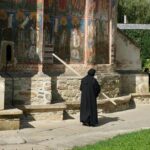
Cozia Monastery is a 14th-century Wallachian monument founded by Mircea Il the Old, and later restored in the 17th century by the Cantacuzino family. What I love about this stop is that it’s not just “old building.” You’re specifically told to look for the Armenian decorations on the façade and the frescoed interiors.
This is a good early stop because it sets the tone of the region: Transylvania isn’t only castles and legends—it has layered Christian art and changing historical rulers. The timing is also reasonable: about 30 minutes, with admission free.
Practical tip: this is the kind of place where good shoes help. If you’re the type who likes taking your time reading details and lingering near murals, 30 minutes can feel short—but it’s still a strong start.
Sibiu: Saxons and Romanians in the same medieval streets
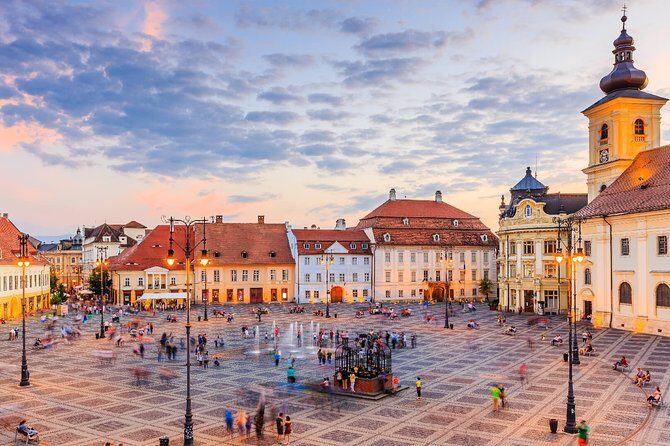
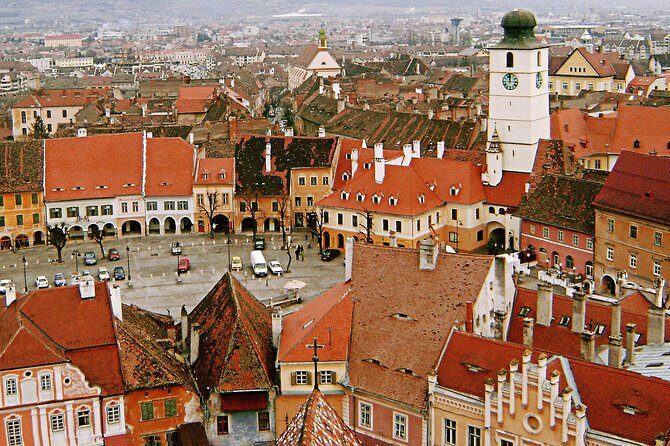
After Cozia, you head to Sibiu for a 3-hour visit. Sibiu’s story is one of coexistence: Romanians and Saxons lived peacefully for centuries, and the city’s religious buildings reflect that mix. You’ll see monuments tied to Catholic, Orthodox, and Protestant communities in one compact area.
Sibiu also brings Europe-in-the-culture angle. It was named European Capital of Culture in 2007 and hosts an annual theater festival. Even if you’re not visiting during the festival, that cultural energy helps explain why the city is so lively and why it feels cared for.
On the ground, the sights you’ll likely focus on are the three main squares—Big Square, Small Square, and Huet Square. These spaces are the best place to slow down and absorb the medieval layout. You’ll also see towers and 15th-century bastions, plus museums and the famous houses with the eyes (a signature feature for the city).
Sibiu ends with a big architectural draw: one of the largest Gothic evangelical churches in Transylvania. Admission is listed as free for this stop, which makes it one of the best “value-per-hour” parts of the trip.
A balanced expectation: Sibiu is visually rewarding but also a lot of walking. If you’re coming from a long day of driving, start the walk slowly and save energy for later.
Day 2: Sighisoara’s UNESCO citadel and Brasov’s Black Church
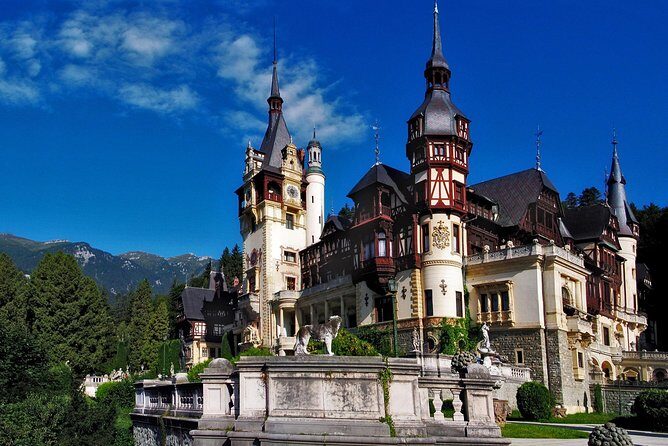
Day 2 is where Transylvania gets extra dramatic. You start at Sighisoara, a UNESCO-listed medieval citadel that’s still inhabited, and then move on to Brasov, a city where German-influenced architecture meets Romanian culture.
Sighisoara: clock tower, ladder steps, and a hilltop church
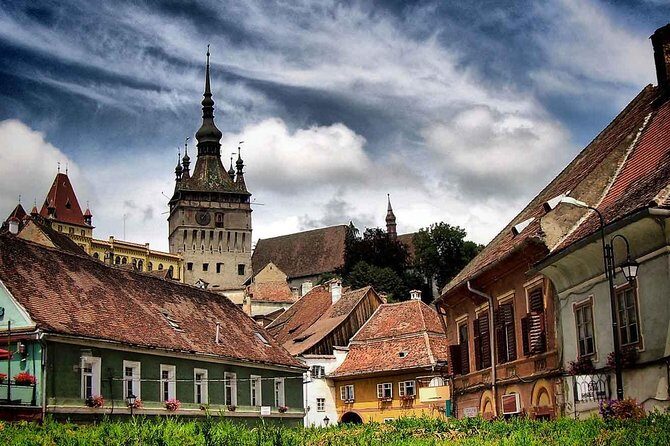
Sighisoara is the kind of old town you feel in your legs. The historic center dates back far, and it’s famous as one of Europe’s best-preserved citadels. You’ll see the Clock Tower and the fact that people still live inside the old walls.
The hilltop church is a must-do moment here. It’s reached by a wooden staircase called the schoolchildren’s ladder, and it’s one of those details you remember long after you’ve left the square.
You’ll also connect the town to broader regional identity. There’s a statue of the Hungarian national poet Petofi Sandor and, near it, a Catholic church reserved for the Hungarian community, plus the tower of the shoemakers. The point isn’t trivia dumping—it’s showing how multiple languages and communities shaped the same streets over time.
For food, there’s an optional angle: lunch is mentioned at the house where Vlad the Impaler was born, but it’s not included. If you care about that extra layer, I’d treat it as a bonus stop rather than a planned ticket cost.
Sighisoara gets about 2 hours with admission free for the stop, so you’ll want to pick a few priorities: view points, the hill church area, and one or two towers. You can’t do everything deeply in a short window, and that’s where having a guide helps you decide what’s worth time.
Brasov: fortified town energy and the Black Church
Brasov comes next for 3 hours, and this is where the tour leans into major, iconic architecture. Brasov was once fully fortified and became a cultural and commercial center. You’ll notice the city’s typically German architecture, where Gothic, Baroque, and Renaissance elements mix in the same overall vibe.
You’ll also visit the First Romanian School in the Schei district—an area that historically was inhabited exclusively by Romanians. The old medieval entrances into the city, including Catherine’s Gate and the Schei Gate, help you see how people moved in and out before roads and cars.
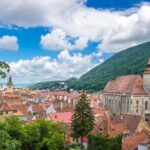
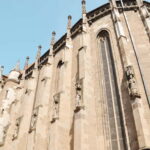
Then comes the headline church stop: the Black Church. It’s described as the largest evangelical Gothic church in Eastern Europe, with a 65-meter bell tower and about 90 meters in length. It also houses a major feature: a 19th-century mechanical organ.
After that, you’ll walk through restored palaces and historic-center houses around places like Council Square, which hosts a museum. The pedestrian Avenue of the Republic rounds things out.
This is a strong day mix: UNESCO-topped medieval mood first, then a larger city with landmark interiors and a bigger urban feel.
Day 3: Bran Castle’s Dracula fame, then Peles Castle’s royal design
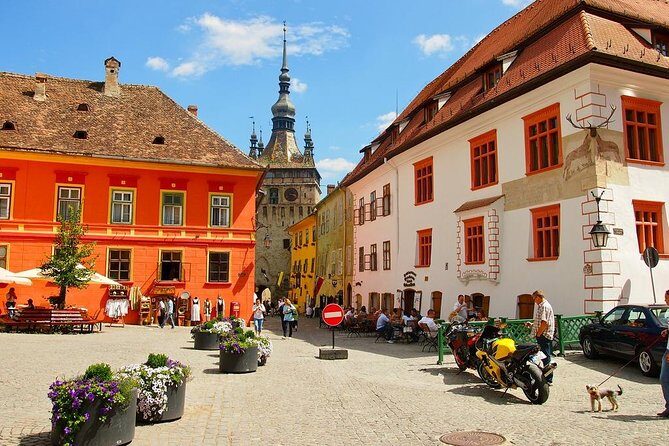
Day 3 is the “two castles, two styles” finale. Bran is the legend and drama stop. Peles is the craftsmanship stop—the kind of castle that makes you slow down and look at rooms.
Bran Castle (Dracula’s Castle): legend, border history, and a 2-hour slot
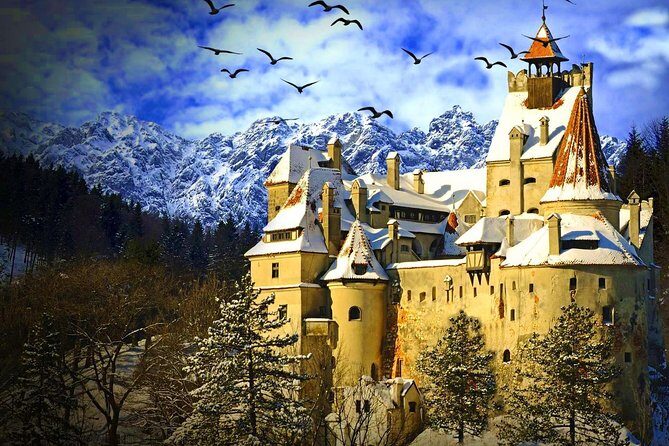
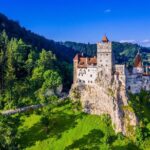
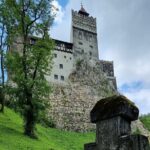
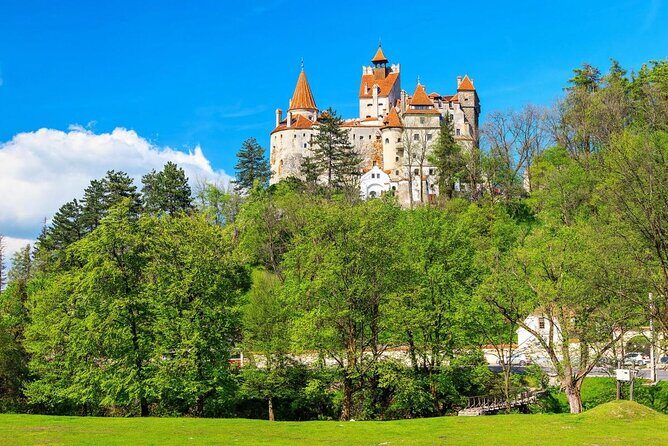
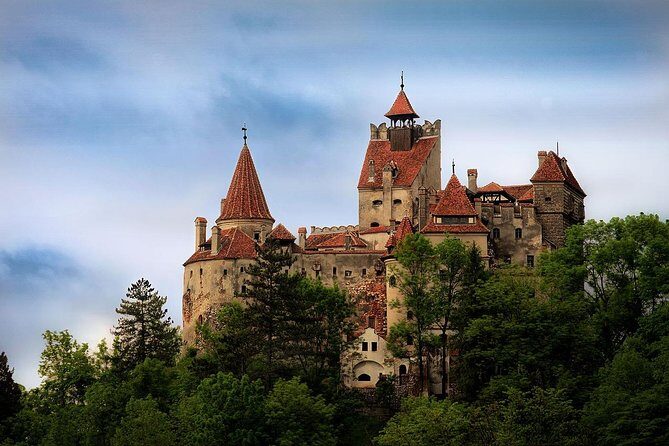
Bran Castle is near Brasov, about 25 kilometers away, at the Bran–Rucar passage. The Dracula connection is cultural: the legend was written in 1897 by Bram Stoker, and the castle later became widely known through film. Historical documentation traces Bran Castle back to 1377, and it also served a strategic role as a border between Transylvania and Wallachia.
You’ll get a quick sweep of who held it over time: it was under the Kingdom of Hungary’s Sigismund of Luxemburg, later associated with Mircea cel Batran and Vlad Tepes, and then under the jurisdiction of the City of Brasov. In 1912, Brasov’s municipality donated it to the Romanian royal family so it could become a residence.
This stop is about 2 hours, and entrance tickets are not included.
My take on how to make Bran pay off: treat it as a story-driven visit. If you only want architecture and ignore the legend, you might feel rushed. But if you like the idea of seeing how a real castle turned into a pop-culture magnet, this is exactly the kind of place where that connection becomes visible.
Peles Castle: King Charles I’s summer residence and room-by-room character
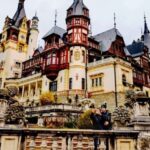
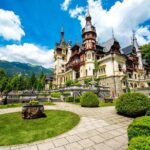
Then you head to Peles Castle, described as the summer residence of Romania’s first king, King Charles I of Hohenzollern. Designed by a Czech architect, the castle is famous for being modern for its era, built between the 19th and 20th centuries, with each room in a different style.
This is the stop where you can get the most out of paying attention. The tour highlights rooms like the Florentine room, which brings an Italian Renaissance atmosphere. If you enjoy interior design and want more than one “big view photo,” Peles is where you’ll want your camera time and your feet time.
As with Bran, entrance tickets are not included, and the castle visit is about 2 hours.
A practical expectation: castles can vary by season in crowd level. Even if your time is set, you’ll usually get a manageable route through rooms—so focus on a few rooms that match your taste, not on trying to see everything equally.
Price and value at $720.95 per person (what you really get)
At $720.95 per person, this tour isn’t the cheapest way to see Transylvania—but it’s not a luxury-only price tag either. The value hinges on what’s included versus what’s added later.
Included in the package:
- 2 nights of accommodation
- Driver and transport by air-conditioned vehicle
- Breakfast (2)
Then, some costs are clearly marked as not included:
- Entrance tickets (so you’ll budget for Bran and Peles)
- Food and drinks
- Photo fees at museums where requested
In a simple budgeting mindset, you’re paying for a bundled “getting around + staying + starting your day” package. That’s often what makes the difference between a smooth trip and a stressful one, especially when you’re crossing several towns in a short window.
One more thing: the tour notes group discounts and uses mobile ticketing, which usually translates into fewer surprise service charges and easier entry.
To judge if it’s worth it for you: if you’d otherwise spend time piecing together buses, private transfers, and hotels on short notice, the bundled format usually wins. If you’re a “DIY everything” person, you might find cheaper routes—but you’ll trade away the structure.
Tickets, museums, and how to avoid surprise costs
Here’s the clean rule for this tour: city walks and some monuments are listed with admission free, while the big castle interiors have tickets not included.
- Cozia Monastery: admission listed as free.
- Sibiu: admission listed as free for the stop.
- Sighisoara: admission listed as free for the stop.
- Brasov: admission listed as free for the stop.
- Bran Castle: admission not included.
- Peles Castle: admission not included.
Also, watch for photo fees. The tour lists photo fees at museums “where requested,” so if you’re the type who photographs everything, keep a little cash aside and don’t assume all photography is included.
Food and drinks are not included, which is normal for most multi-day touring. I’d plan to budget for at least one meal day-to-day, plus snacks and water during walking time.
Hotels, comfort level, and the freedom you’ll actually have
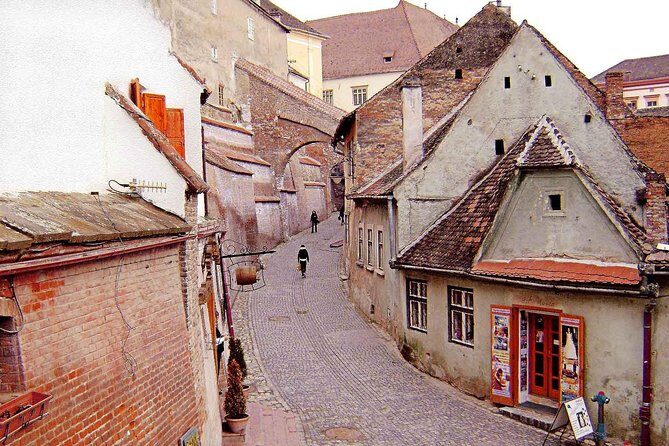
Accommodation is included for 2 nights, but the details you’ll care about are basically: it’s not described as ultra-upscale, and it’s practical. In the feedback you’ve got, hotels are mentioned as clean and basic, and the location is described as strategically placed, which usually means you’re not stuck far from the areas you’re visiting.
Room upgrades aren’t part of the base. If you need a single room, there’s a supplement of 50 euro, paid locally in cash.
As for the “freedom” factor: the tone of the trip suggests a flexible guide style—built-in stops for photos and bathroom breaks, and small detours when it makes sense. That kind of flexibility matters on castle days, because the reality is: views, weather, and crowds change how you want to spend your time.
And remember: the tour info also notes that no tour guide will be following this tour, with the option to offer local tour guides at extra costs. Translation: you’ll still have guidance and direction, but expect that castle and museum interior interpretation may be more self-paced unless you add local help.
Who this Transylvania tour from Bucharest suits best
This tour is a strong fit if you want:
- Major Transylvania highlights in 3 days without building your own schedule
- A small group experience with enough guidance to understand what you’re seeing
- A balance of guided time and free time so your day doesn’t feel scripted minute-to-minute
It’s also a good match if you’re not only into Dracula. The route includes monastery art, medieval city architecture, UNESCO-style heritage, and royal interior design.
It might be less ideal if you hate car time. This is a road trip. You will spend hours driving between stops, even though the structure breaks it into manageable blocks.
Should you book this 3-day Transylvania tour with Bran and Peles?
If your goal is to hit Sibiu, Sighisoara, Brasov, Bran, and Peles without the headache of sorting transport and lodging, I think this package is worth a close look. The best reason: 2 nights and breakfasts are included, and the small-group size keeps the day from turning into chaos.
I’d book it if you:
- Want the Dracula connection at Bran but also want the more detailed royal interior story at Peles
- Prefer a guided route that helps you know where to spend your short sightseeing windows
- Are okay budgeting extra for castle entrances and museum photo fees
I’d hesitate if you:
- Want a strictly DIY trip with only free sights
- Need a lot of paid-inside museum interpretation without extra cost (since local guide add-ons can be an option)
If that sounds like you, book it. Then pack comfortable shoes, expect early mornings, and treat paid castle time as your main “slow down and look” moments.
FAQ
What is the price of the 3-Day Transylvania Tour with Dracula’s Castle?
The price is $720.95 per person.
How long is the tour?
It’s listed as 3 days (approximately).
Where does the tour start in Bucharest?
Pickup is offered from your selected hotel in Bucharest.
What time is pickup scheduled?
The tour start time is listed as 8:30 am, and pickup is described as 09.00 a.m. from your hotel.
What’s included in the tour price?
It includes 2 nights accommodation, a driver, transport by air-conditioned vehicle, and breakfast (2).
Are entrance tickets included for Bran Castle and Peles Castle?
No. The tour lists Bran Castle (Dracula’s Castle) and Peles Castle with admission tickets not included.
Are some sights free to enter?
Yes. Cozia Monastery, Sibiu, Sighisoara, and Brasov are listed with admission free for those stops.
Do I need to pay photo fees?
Photo fees at museums are listed as not included and apply where requested.
What is the group size?
The maximum group size is 15 travelers.
Is there a single room supplement?
Yes. There is a 50 euro supplement for a single room, paid locally in cash.
Can I cancel and get a full refund?
You can cancel up to 6 days in advance for a full refund.
If you want, tell me your travel month and whether you prefer more time in one city (Sibiu vs. Brasov), and I’ll suggest how to prioritize your walking time on each day.