REVIEW · BUCHAREST
Transylvanian week
Book on Viator →Operated by Transylvanian Tours · Bookable on Viator
Transylvania is a lot easier with the planning done for you. This 6-day Transylvanian Week uses private, air-conditioned car time to connect big sights across the region, from Sibiu and Sighisoara to UNESCO-listed fortified churches and landmark castles tied to the Vlad the Impaler story.
What I like most is how the tour mixes places you’d never want to schedule alone with a licensed guide who helps the legends make sense on the ground. You also get real comfort built in: 6 nights in 3-star hotels or guesthouses with breakfast, plus lunch included.
The main catch is the pace. Days are packed with multiple stops and a fair bit of driving, and some sites involve climbing stairs or walking on uneven old-stone streets. If you want a slow, late-start vacation, you’ll feel it.
In This Review
- Key highlights worth circling
- Why Transylvania clicks better as one guided loop from Bucharest
- Price and logistics for 6 days, 6 nights, and mostly private driving
- Day 1: Cozia Monastery through the Olt Valley to Sibiu’s old-town stairs
- Day 2: Corvin Castle and Alba Iulia—John Hunyadi’s footprint across time
- Day 3: UNESCO Saxon towns—Biertan, Malancrav frescoes, and Sighisoara at sunset
- Day 4: From fortified churches to Brasov’s Rope Street and bastions
- Day 5: Poiana Brasov by cable car, Bran Castle, and then Brasov’s Black Church
- Day 6: Peles Castle on Prahova Valley drive, then Bucharest’s Stavropoleos Church
- What you’re really buying here: a guide-led story + fewer travel headaches
- Who should book Transylvanian Week (and who might want a lighter option)
- Should you book it? My honest call
- FAQ
- FAQ
- How long is the Transylvanian Week tour?
- Where does the tour start and end?
- Do you get hotel or airport pickup?
- What’s included in the price?
- Are meals included besides lunch and breakfast?
- What kind of lodging do you get?
- Is transportation private?
- Which major castles and churches are part of the route?
- Is the tour refundable if I cancel?
- What is the best kind of traveler for this tour?
Key highlights worth circling
- Licensed guiding with the Vlad the Impaler thread so castles and churches don’t feel like random photos
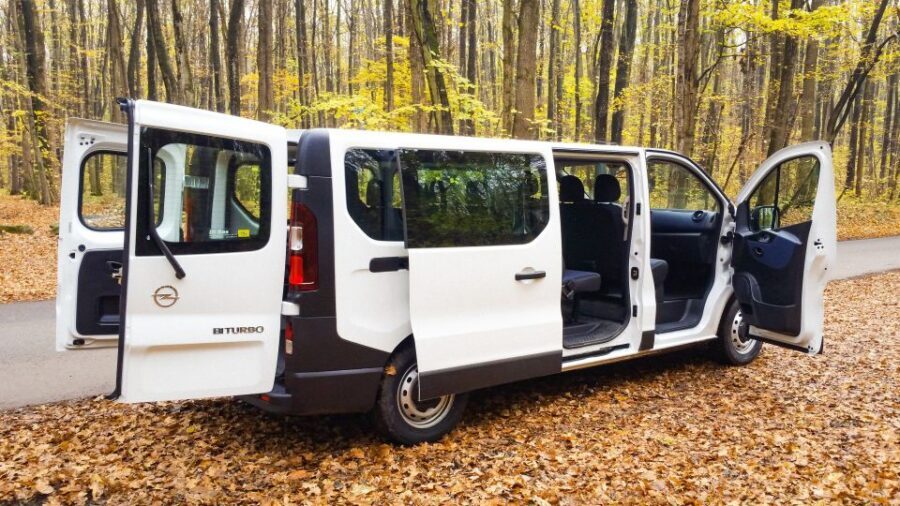
- Private transport in an air-conditioned vehicle for long stretches between towns
- UNESCO fortified church circuit (Biertan, Malancrav, Prejmer, and more) with standout visuals like frescoes
- Corvin Castle and Bran Castle for big-medieval and big-Dracula vibes, respectively
- Sibiu and Brasov old towns plus walkable landmarks like Council Tower and Rope Street
- Peles Castle + a Bucharest guided walk to bookend the trip with contrast
Why Transylvania clicks better as one guided loop from Bucharest
Transylvania sounds like one place, but it’s really a chain of towns, fortresses, and rural villages spread out over a wide area. Driving and booking all of that yourself would mean juggling transfers, ticket lines, and lodging availability—especially in popular areas.
This tour’s big value is that it stitches it together for you. You start in Bucharest, then the route fans out through the Olt Valley, Saxon towns, and the mountain region around Brasov before heading back down through Prahova Valley. You’re not just “seeing Romania,” you’re moving through a storyline: Wallachian princes, Ottoman pressure, Saxon fortifications, and the legends that got attached later.
And because it’s private—only your group—you can adjust your walking pace and time for photos without being dragged along.
You can also read our reviews of more tours and experiences in Bucharest
Price and logistics for 6 days, 6 nights, and mostly private driving
At about $2,166.68 per person for a 6-day trip, the headline cost looks steep until you break down what’s included. You get:
- 6 nights in 3-star superior hotels/guesthouses (double room occupancy)
- Breakfast included every morning
- Lunch included (plus the tour mentions built-in timing for meals)
- Air-conditioned private vehicle between stops
- All fees and taxes (while noting that photo fees and some extras are not included)
For me, the value comes from reducing the expensive hassle: independent transport between distant towns plus the coordination of entry times and accommodation. If you’ve ever tried to DIY a multi-day castle and UNESCO tour in Romania, you know the “small” problems add up fast.
One logistical thing to plan for: this is not a “sleep in every day” program. The best views and openings require movement, and the itinerary clearly prioritizes sightseeing blocks over free time.
Day 1: Cozia Monastery through the Olt Valley to Sibiu’s old-town stairs
Day 1 sets the tone by leaving Bucharest and heading into the Olt River Valley, a classic corridor for road trips in southern Romania. Your first stop is Cozia Monastery, founded in 1388 by Mircea the Elder—who’s also the grandfather link connected to Vlad the Impaler in the tour’s guiding narrative.
Why this works: monasteries are more than pretty walls. Cozia gives you a real historical anchor early, so when later castles and legends get mentioned, you don’t hear names in a vacuum. It’s also a “warm-up” stop in a schedule full of walking.
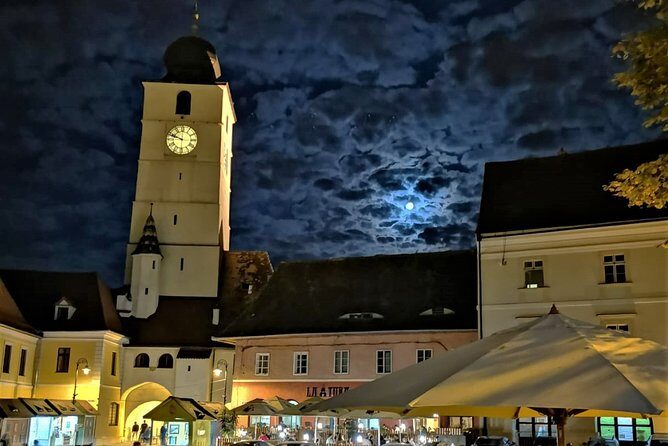
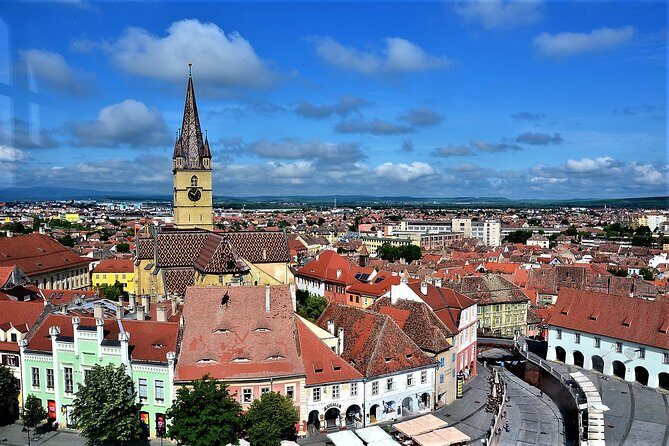
Then you reach Sibiu, one of the smartest bases in Transylvania. The tour includes a guided stroll of the historic core and the city’s key squares—Grand Square, Small Square, and Albert Huet Square—plus time at both the Orthodox Cathedral and the Evangelical Church. The highlight here is the payoff for effort: climbing up to Council Tower views over Sibiu.
Practical note: those medieval stairs and cobbled lanes can be slick and steep. Bring shoes you trust.
Day 2: Corvin Castle and Alba Iulia—John Hunyadi’s footprint across time
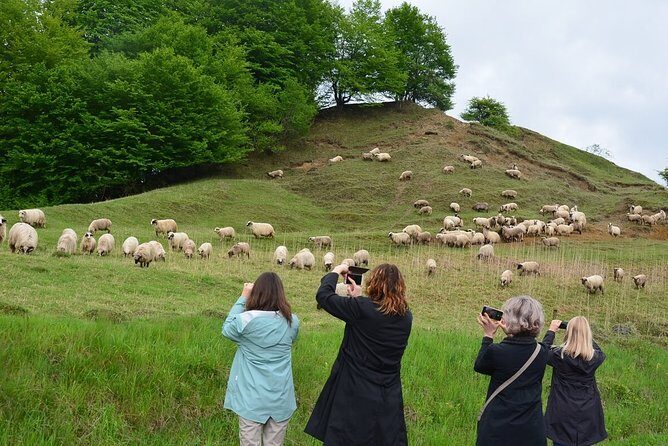
Day 2 swings into the “big personalities” side of the story. You first visit Castelul Corvinilor (Corvin Castle), tied to John Hunyadi (Corvin) and the broader medieval struggle between European powers and the Ottoman expansion. The itinerary frames how a knight received a castle in Hunedoara and how Hunyadi later became regent of Hungary, including a reference to his military reputation after defeating Mehmed II’s forces at Belgrade.
This stop is valuable even if you’re not a medieval nerd. Corvin Castle is the kind of place where architecture does the storytelling—towers, stonework, and scale help you understand why fortifications mattered.
Next is Cetatea Alba Iulia (Alba Carolina fortress). You’ll see the fortress setting and Saint Michael Cathedral, with construction starting in 1004, and you’ll also visit the Orthodox Coronation Cathedral plus Roman ruins from the elite Legion XIII Gemina.
Why this feels worth it: Alba Iulia gives you layers—Roman remnants, medieval sacred buildings, and a fortress layout all in one area. It’s also a good counterbalance to the Dracula-adjacent stops later in the week.
At the end of the day, you return for another overnight in Sibiu. That means you’re not constantly packing and unpacking.
Day 3: UNESCO Saxon towns—Biertan, Malancrav frescoes, and Sighisoara at sunset
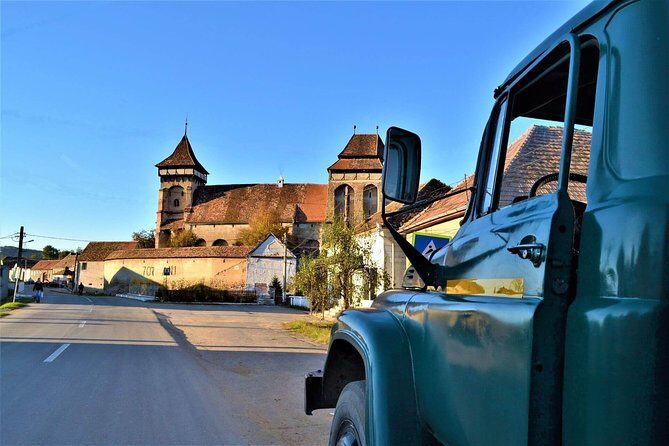
Day 3 is where Transylvania starts looking like it belongs in a history textbook. Starting from Sibiu, you travel toward Sighisoara through the Hartibaciu Valley, passing Saxon villages and forested stretches.
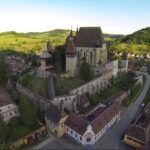
The first UNESCO stop is the Fortified Church of Biertan. Fortified churches are Transylvania’s signature survival tool: when threats were real, a church became a community stronghold. These sites also tend to look “photo-famous” for a reason—the geometry, thick walls, and defensive layout are unmistakable.
After Biertan, the tour adds a standout detail: Fortified Lutheran Church of Malancrav. The itinerary focuses on one big visual draw here: the largest Gothic church fresco in Transylvania. It also explains how frescoes survived under paint layers from earlier reforms and were uncovered during restoration.
That’s the kind of story you’ll remember because it changes how you look at the wall. This is also the day where you may find yourself slowing down for close viewing—frescoes aren’t quick roadside stops.
Then you arrive in Sighisoara, a UNESCO site and a medieval citadel. The tour includes time at the Sighisoara Clock Tower, and you spend late afternoon and evening in the citadel where the tour ties the location to the Vlad the Impaler birthplace legend.
Practical tip: Sighisoara’s evening energy is best enjoyed on foot, but parts of the area can be steep. Your camera strap will get a workout.

Day 4: From fortified churches to Brasov’s Rope Street and bastions
Day 4 keeps the UNESCO theme, then adds a city layer. On the way from Sighisoara to Brasov, you’ll view Saschiz fortified church—another UNESCO World Heritage monument—plus its tower that’s said to remind you of Sighisoara’s Clock Tower.
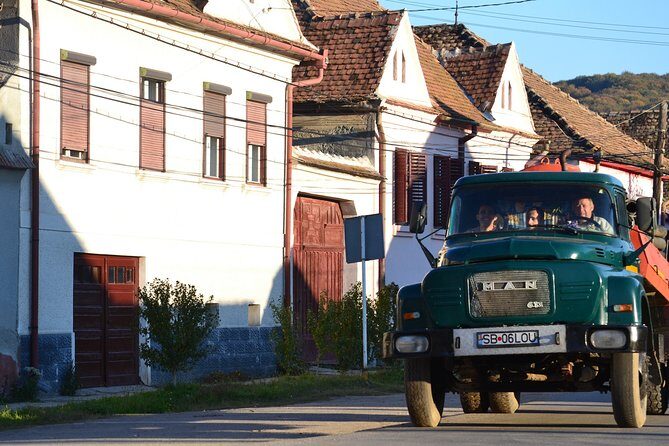
Next comes Viscri, a remote village tied to the kind of European attention that can quietly reshape a place. You have lunch time there, and the tour highlights how Prince Charles fell in love with the area and bought an old Saxon house in Viscri. Even if you don’t care about the celebrity angle, the point is the setting: Viscri’s fortified church area feels distinctly rural compared with bigger town centers.
After lunch in Viscri, you’ll see the Rupea fortress (built on preexisting Roman and Dacian fortifications). This helps you understand that the defensive instinct in Transylvania is older than the medieval era you’re seeing around it.
The UNESCO stop that caps the day’s “church circuit” is The Fortified Church of Prejmer. The itinerary explains the Teutonic Knights involvement and how later Saxon settlers finished the fortifications. If you like fortifications that show real engineering intent, Prejmer delivers.
Finally, you reach Brasov. The tour includes a guided visit to the historic center and especially the medieval fortress leftovers: fortifications, bastions, towers, and the famous Rope Street—described as one of the narrowest in Europe. That small street matters because it gives Brasov a physical texture you won’t get from a quick bus stop.
If you’re the kind of traveler who likes to “feel” how a city worked, Brasov’s mix of defense and street pattern is a smart way to spend a day.
Day 5: Poiana Brasov by cable car, Bran Castle, and then Brasov’s Black Church
Day 5 flips the mood toward mountains and famous castle stops. First you go to Poiana Brasov, using a cable car ride up to about 1,722 m near Postavaru Peak. The itinerary calls out that if the weather is fine, you’ll see Carpathians and the Transylvanian plateau views. This is one of those moments where you want clear skies—so if clouds roll in, keep expectations flexible.
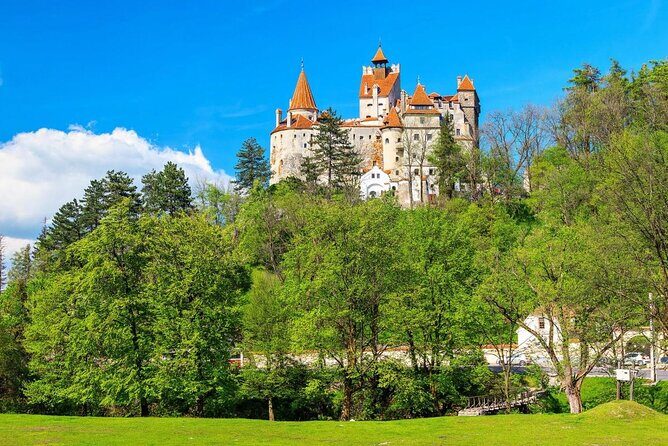
From the mountain view, you connect the scenery to the drama: you visit Bran Castle, built in the 14th century to protect a strategic commercial route between Wallachia and Transylvania. The tour also squarely addresses the Dracula association—so you’ll get the story framing as you walk the castle.
My take on Bran: it’s famous for a reason, but it’s also one of those places where you’ll enjoy it more if you treat it as legend-in-place rather than pure fact. The best way to handle it is to let your guide’s story thread make it coherent with what you learned earlier.
On the return to Brasov, you admire Rasnov fortress from afar. That’s a good compromise—enough to notice the fortified shape without turning the day into a marathon.
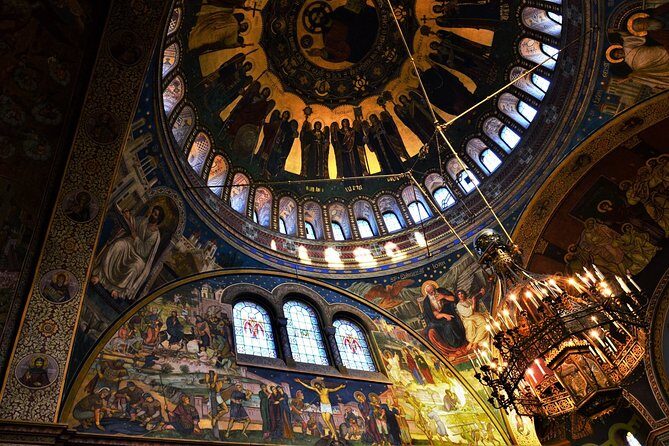
Then you end with Black Church (Biserica Neagra) in Brasov. You’ll visit the imposing Gothic church, with the afternoon schedule making it feel like a “sit-and-look” counterweight to the castle climb energy.
If you want a practical strategy: keep your museum energy for Black Church. Save your leg-burning for the outdoor segments.
Day 6: Peles Castle on Prahova Valley drive, then Bucharest’s Stavropoleos Church
On the final day, you head south from Brasov back toward Bucharest via the scenic Prahova Valley. This is a classic Romania travel trick: the drive itself becomes part of the experience, not just the transfer.
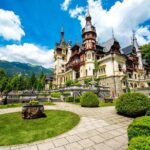
At Sinaia, you visit Peles Castle, built in the late 19th century. It’s described as flamboyant and in contrast to its founder, Carol I of Hohenzollern-Sigmaringen, who the itinerary frames as a sober modernizer of Romania who ruled for 48 years.
This is a nice change of pace from medieval fortresses. Peles Castle is about style, state power, and the way European monarchies expressed themselves in architecture.
Then you return to Bucharest. After check-in, the tour includes a guided visit to Stavropoleos Monastery Church, built in 1724, in the heart of the city. Day 6 matters because it anchors your Transylvania experience back in the capital. You get a sense of how the country’s story continues after the mountain legends end.
What you’re really buying here: a guide-led story + fewer travel headaches
Here’s how I’d frame the value as a decision you can feel:
- Licensed guiding turns stops into a connected narrative. You’re not just collecting sites; you’re learning why they mattered and how legends stuck. That’s a big upgrade over a pile of audio-guided entrances.
- Transportation is handled end-to-end. Private, air-conditioned transfers between far-apart regions is one of the most tiring parts to DIY. Here, you sit back and let the route do its job.
- Comfort is built in. Six nights in 3-star superior hotels/guesthouses with breakfast means you’ll spend less time hunting for “okay” lodging at the last minute.
- Admissions and fees are broadly covered. The itinerary repeatedly notes included admission tickets on stops that matter. You’ll still want to budget for extras like photo fees, since those aren’t included.
The only downside worth repeating: because you cover a lot, you need to be okay with a structured day. If you love slow mornings, this route may feel tight.
Who should book Transylvanian Week (and who might want a lighter option)
This tour fits best if you:
- Want Transylvania highlights without planning day-to-day logistics
- Like a mix of history and legend, not just castles as photo props
- Enjoy guided walking tours in old towns like Sibiu and Brasov
- Prefer comfort—breakfast in your room and lunch included—over “survive on snacks” travel
You might choose a different pace if you:
- Get cranky when schedules don’t leave room for long, unscripted wandering
- Have limited mobility for stair-heavy medieval centers and fortress steps
- Want only Dracula-themed sites. This tour also leans hard into churches and medieval political history, not only the myth
One thing I picked up from the overall feedback around the tour style: people praise the guide’s ability to handle details and adapt when the trip gets busy. The named guide in standout feedback is Gelu Trandafir, and the positive tone centers on helpfulness and making the week feel smooth.
Should you book it? My honest call
Yes, if your goal is a complete Transylvania highlights circuit with private driving, comfortable lodging, and a guide who ties it together. The price makes sense when you compare it to the cost and effort of building this kind of loop yourself.
I’d skip it if you’re trying to travel like a free spirit with no structure. This week has structure by design, and the “benefit” is also the “trade”: you’ll see a lot, and you’ll need to keep moving.
FAQ
FAQ
How long is the Transylvanian Week tour?
It runs for about 6 days.
Where does the tour start and end?
It starts in Bucharest, Romania. On the final day, you return to Bucharest for check-in and a guided tour of the city.
Do you get hotel or airport pickup?
Pickup is offered, with meeting at your hotel in Bucharest or at the airport.
What’s included in the price?
The tour includes 6 nights in 3-star superior hotel/guesthouse accommodations with breakfast, air-conditioned vehicle transportation, lunch, private transportation, and all fees and taxes.
Are meals included besides lunch and breakfast?
Only lunch and breakfast are included. Other meals are not included.
What kind of lodging do you get?
You stay for 6 nights in 3-star hotels or guesthouses, in double room occupancy, with breakfast included.
Is transportation private?
Yes. You travel by private transportation in an air-conditioned vehicle.
Which major castles and churches are part of the route?
The tour includes stops such as Cozia Monastery, Corvin Castle, Alba Iulia fortress and cathedrals, fortified churches (including Biertan, Malancrav, Viscri, and Prejmer), Bran Castle, Peles Castle, and Bucharest’s Stavropoleos Monastery Church.
Is the tour refundable if I cancel?
No. The experience is non-refundable and cannot be changed for any reason. If you cancel or request an amendment, the paid amount is not refunded.
What is the best kind of traveler for this tour?
It’s designed so most travelers can participate, and it works well for people who want the Transylvania highlights without planning, while still enjoying guided history and walking in old towns.