REVIEW · BUCHAREST
Snagov Monastery, Ceaușescu Mansion, & Village Museum – 6h
Book on GetYourGuide →Operated by Nicolas Experience Tours SRL · Bookable on GetYourGuide
A dictator, a monastery island, and humble village life. You’ll love the contrast of Snagov Monastery (reachable in about 40 minutes from Bucharest, on its own island) and the Village Museum model of traditional Romanian life in one place. The only catch: the schedule is full, so you’ll do plenty of guided walking and photo stops rather than lingering.
This is the kind of day that works best with a private guide/driver who can connect dots for you, from pre-communist symbols to the 1989 rupture. Expect a tightly run loop that mixes quiet lake-side spirituality with very loud political architecture and streetscapes.
In This Review
- Key things you’ll notice on this 6-hour contrasts tour
- Bucharest in one day: history with two speeds
- Dimitrie Gusti National Village Museum: Romanian traditions you can actually see
- Snagov Monastery: lake air, a surprise location, and the Dracula connection
- The Ceaușescu Mansion (Spring Palace): architecture tied to power and taste
- Victory Avenue and Revolution Square: contradictions you can walk past
- Romanian Athenaeum, CEC Palace, and the Palace of the Parliament
- Timing and pacing: why 6 hours can feel both full and fair
- What this tour is best for (and who should pair it with something else)
- Small tips that make a big difference
- Should you book this Snagov Monastery + Ceaușescu Mansion + Village Museum tour?
- FAQ
- What is the duration of the tour?
- Where does the tour start and end?
- What stops are included in this experience?
- Is this a private group?
- Does the price include entrance fees?
- Which languages are available for the guide/driver?
- Is pickup included?
- Is there any line-skipping?
- Can I cancel and get a refund?
Key things you’ll notice on this 6-hour contrasts tour
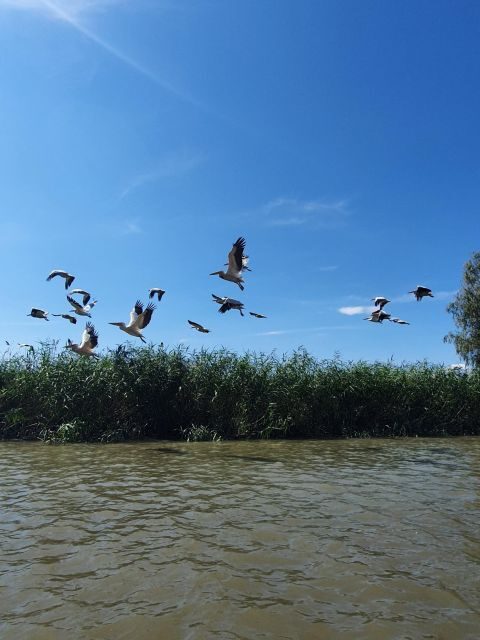
- Snagov Monastery on an island near Bucharest, with a guided visit and a photo stop
- Dimitrie Gusti National Village Museum and its model of Romanian village houses, churches, and daily life
- Ceaușescu Mansion, also called the Spring Palace with specific design and landscaping credits
- Victory Avenue contradictions: Royal Palace energy on one side, communist power buildings on the other
- Revolution Square context and the place tied to the start of December 1989
- Major Bucharest landmarks (Romanian Athenaeum, CEC Palace, Palace of the Parliament) within limited time
Bucharest in one day: history with two speeds
If you only have a few hours, this is one of the smarter ways to spend them. You’re not just ticking off buildings. You’re moving between two very different ideas of Romania: traditional village life versus state-controlled power, and religious calm versus political drama.
The private format matters here. You get a licensed guide/driver who stays with you, so explanations don’t get cut off every time you change locations. Also, the pace is built for a 6-hour window. That means you’ll cover more than you would on a slower walking tour, but you’ll need to accept shorter stays at some stops.
You can also read our reviews of more museum experiences in Bucharest


Dimitrie Gusti National Village Museum: Romanian traditions you can actually see
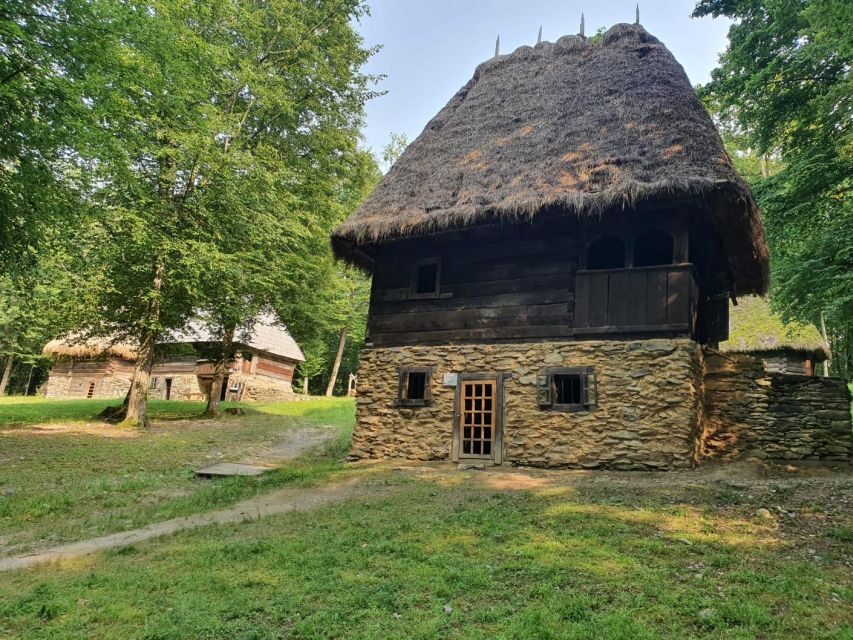
Your first stop is the National Village Museum, the kind of place that makes the phrase traditions feel real. Instead of reading about Romanian village life, you walk through a collection of homes and structures from different regions. The idea is simple: you can see how people built with local materials, lived close to their surroundings, and shaped daily life around community and faith.
You’ll likely notice:
- Houses made with wood and adobe, plus stone and other materials
- Simple village-scale structures that help you picture where daily routines happened
- National symbols in the setting, including a mill and a wooden church
Why this stop is worth it: it gives you a baseline. When later you look at the giant communist-era buildings downtown, you’re not seeing them in a vacuum. You’re seeing them after a contrast—one approach to life that feels communal and modest, and another approach that tried to reorganize society through power.
One practical consideration: this is a guided visit in a limited time block (about an hour). Wear comfortable shoes, and don’t expect to photograph everything perfectly—some corners will be busy, and your guide will steer you to the key houses and symbols.
Snagov Monastery: lake air, a surprise location, and the Dracula connection
Then you head out to Snagov Monastery, roughly 40 minutes outside Bucharest. The setting is part of the appeal: it sits on an island, so you get a different kind of quiet right away. Even if you’re not focused on legends, a monastery visit here feels like a pause button.
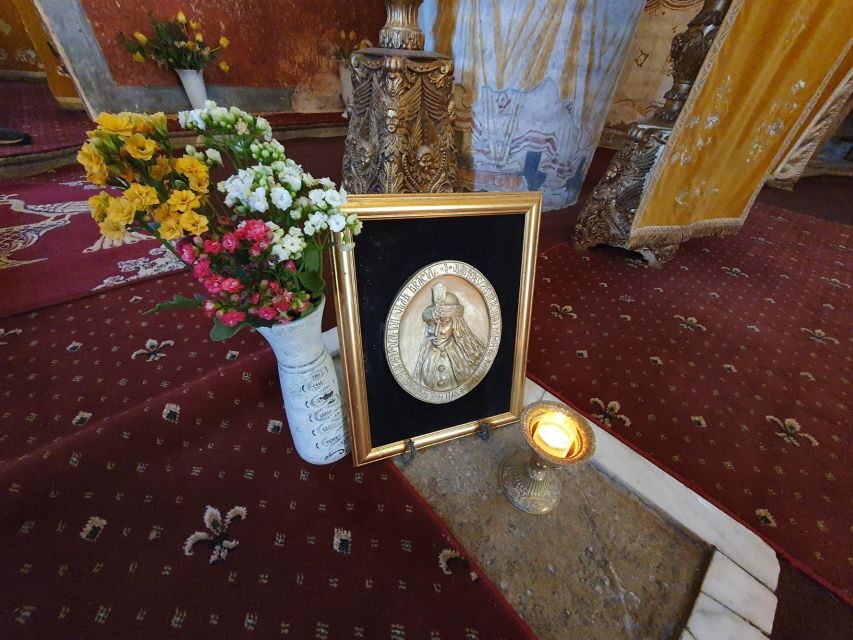
The big draw is straightforward. The site is known for the tomb associated with Dracula. Whether you’re into horror-story folklore or you just like the pop-cultural hook that brings people to real places, it gives your guide an easy entry point into what you’re looking at today—plus what the site means to visitors.
How to get more out of the stop:
- Treat it as both a religious site and a storytelling stop
- Take time for the photo stop, because the island setting is the visual payoff
- Ask your guide to connect the Dracula link to the broader site history and atmosphere (they’ll know how to frame it)
The one thing to keep in mind is timing. You’ll get about an hour total for the stop, including the visit and photos. You can enjoy it, but you can’t expect a slow, long wandering day here.
The Ceaușescu Mansion (Spring Palace): architecture tied to power and taste
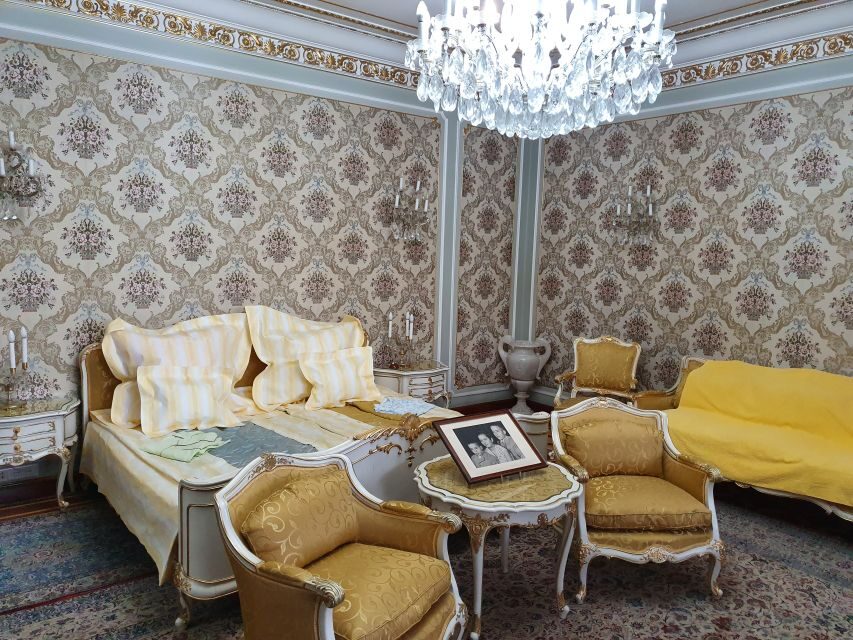
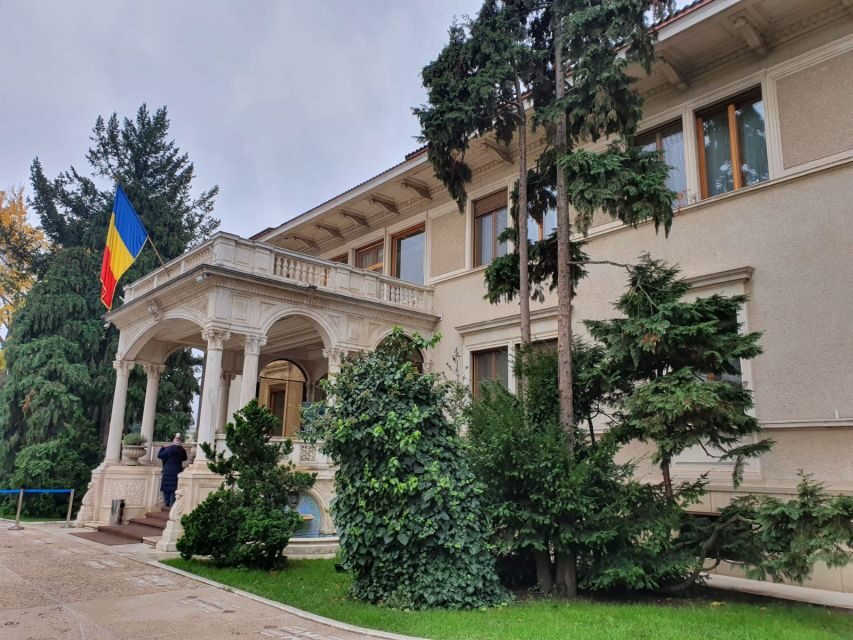
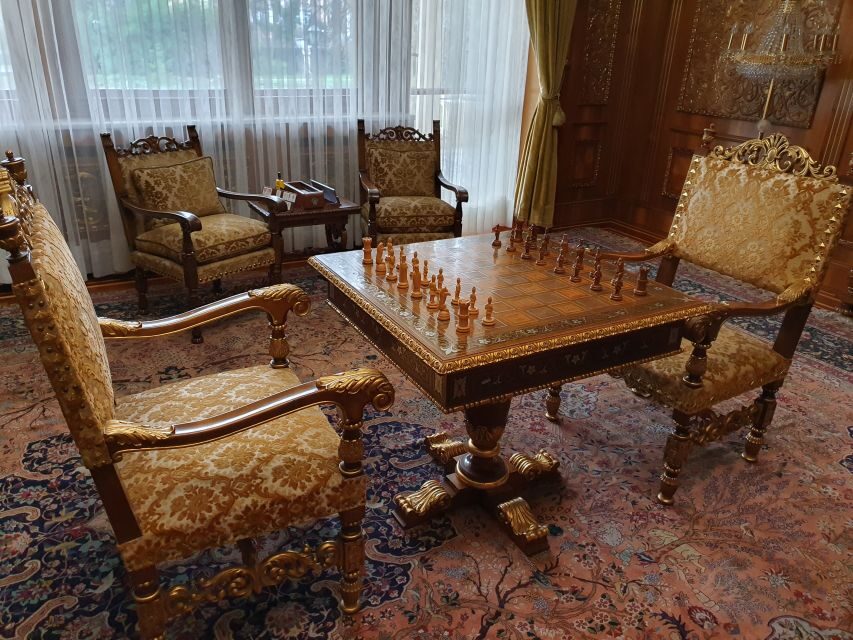
Next comes the Ceaușescu family residence: the “Ceaușescu Mansion,” built in the mid-1960s and originally known at the time as the Spring Palace. This is where the day gets sharp and specific.
What makes it interesting is the level of detail behind the building. You’re not just seeing rooms and corridors. You’re learning about the people who designed it and the choices they made:
- The preferred design was by Aron Grimberg-Solari
- The architecture is complemented by landscaping conceived by architect Robert Woll
- Robert Woll is also credited as the main furniture designer for the house
- Landscaping engineering is linked to Teodosiu
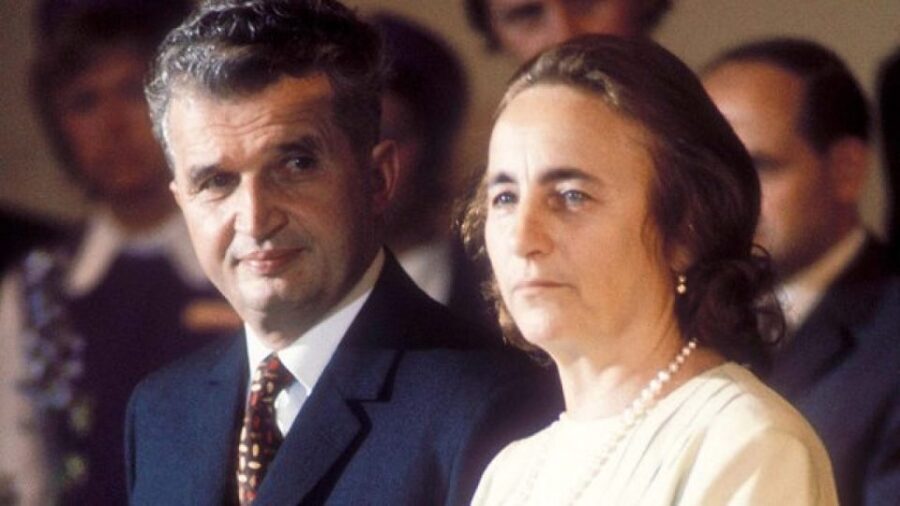
And you learn the human side too: it was the private residence of Nicolae and Elena Ceaușescu and their children, Nicu, Zoia, and Valentin, from 1965 to 1989.
Why I like this stop: it’s a controlled contrast. You’re looking at a home, but the scale and care behind it reflect how a regime wanted its story to look—about comfort, modernity, and permanence. Then you shift back into Bucharest streets later, and those symbols start to line up.
Potential drawback: since this is a guided visit with a set time window (about an hour), you’ll get the highlights rather than a deep architectural study. If you’re an architecture specialist, you might still enjoy it, but you’ll likely want more time on a separate visit.
Victory Avenue and Revolution Square: contradictions you can walk past
After the mansion, you return into the city’s story on Calea Victoriei (Victory Avenue). This is one of those streets that makes a point just by existing. On one side you have royal-era presence; on the other, you have the buildings tied to communist authority. It’s history staged in concrete and stone.
Your guide helps you read what you’re seeing:
- Old Orthodox churches tucked into the mix
- A music store and bohemian-feeling spots like restaurants, theatres, tea shops, and museums
- The “big picture” landmarks where power was administered and where official narratives were crafted
Then you hit Revolution Square, and the tone changes fast. The guide sets the scene around the moment dictator Nicolae Ceaușescu was ousted in December 1989. The square is tied to the Revolution story, and when you reach the Senate Palace area, you’ll see the building connected to the Central Committee of the Romanian Communist Party and where the revolution started.
One detail I found particularly useful here is the mention that Ceausescu fled by helicopter. That kind of specific imagery turns the historical event from an outline into a moment you can picture—especially when you’re standing near the relevant locations.
How to approach this part of the day: keep an open mind. This isn’t just sightseeing. You’re walking through the places where political power, surveillance systems, and the aftermath of dictatorship collided. A good guide will keep it factual and grounded.
Romanian Athenaeum, CEC Palace, and the Palace of the Parliament

Your next block is a concentrated tour of Bucharest’s landmark faces. You’ll walk and view several buildings with guided context and photo stops, plus short breaks.
Here’s what’s on your route:
- Romanian Athenaeum, approached on foot with guided sightseeing and quick walking time
- CEC Palace, where you’ll get a break time plus a photo stop and short guided visit
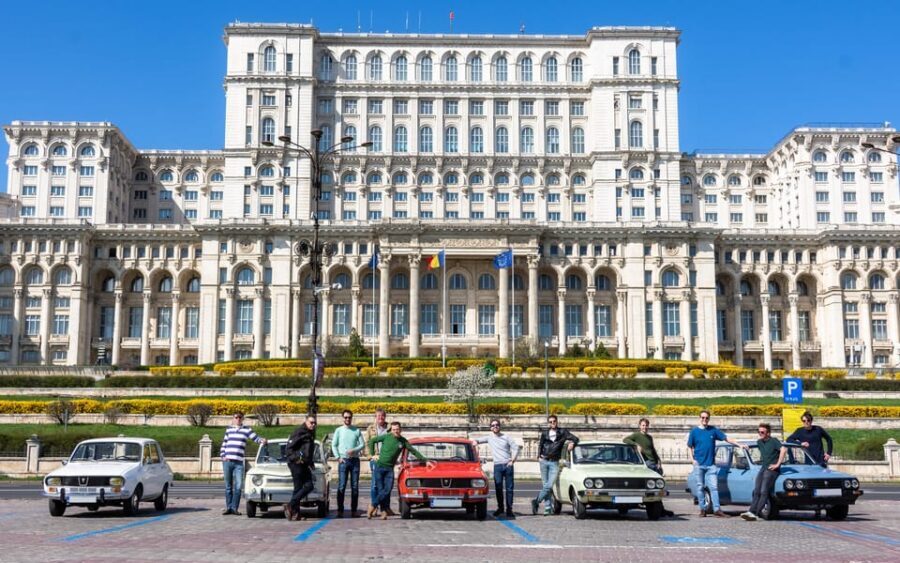
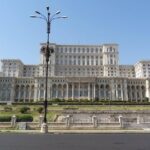
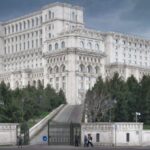
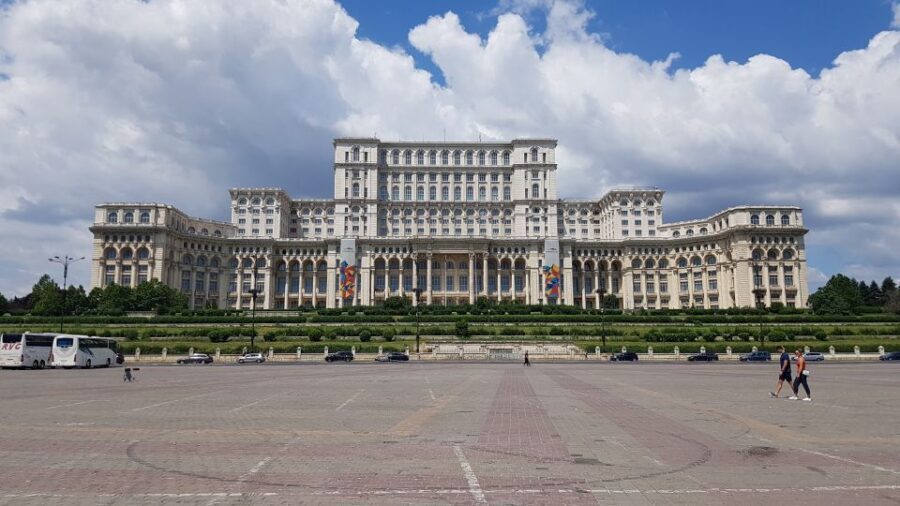
- Palace of the Parliament, another photo stop and guided sightseeing by walking nearby and taking in the scale
Why these stops work together: they show different styles and ambitions in a compact span. Even if you don’t catch every architectural nuance, you’ll feel the shift—how Bucharest looks when it wants to project culture, banking-era power, and later the sheer weight of parliamentary/administrative authority.
Practical advice: bring your phone camera but also look up. On a day like this, the “wow” often comes from proportions you notice only when you tilt your gaze from street level to façade level.
Timing and pacing: why 6 hours can feel both full and fair
At $254 per person for a 6-hour private tour, the value isn’t only about price—it’s about what’s included.
You get:
- A private car for your group only (tourism car or minibus)
- A private, licensed guide/driver who stays with you throughout
- Car expenses covered (gasoline, parking, road tolls)
- Pickup in Bucharest with the driver holding a sign with your last name
- Flexibility to adjust the day’s itinerary after it starts
- Skip-the-ticket-line listed as part of the experience
Entrance fees are extra. Budget about 17 euro per person for tickets, based on the plan.
Is the pacing too tight? It can be, if you hate quick photo stops. But that’s also the point of a 6-hour format. You’re not trying to do one site deeply; you’re trying to understand Bucharest as a set of contrasts—village life, Dracula lore at Snagov, the Ceaușescu household, then city-wide political architecture.
What this tour is best for (and who should pair it with something else)
This tour fits best if you want:
- A guided explanation that connects places, not just dates
- A mix of cultural, architectural, and political stops
- A one-day plan that doesn’t require you to arrange transportation across the city and beyond
You’ll probably enjoy it most if you’re traveling with someone who likes variety, too—because you’ll go from the calm of an island monastery to the intensity of Revolution Square, without needing to “switch gears” yourself.
If you’re the type who wants to spend 2–3 hours inside museums or purely stroll through neighborhoods, you might still have fun, but you may want to add separate time in the city center afterward. This tour is designed to be efficient.
Small tips that make a big difference
- Wear comfortable shoes. You’ll be walking in central Bucharest and around several buildings.
- Bring a camera with charged battery. The Athenaeum area, Revolution Square context points, and Snagov island views are the kinds of moments you’ll want to capture.
- Keep water handy for longer gaps between stops. Food isn’t included in the tour price.
- If political topics make you uneasy, tell your guide. A good guide can frame what you’re seeing in a way that stays factual and respectful.
Should you book this Snagov Monastery + Ceaușescu Mansion + Village Museum tour?
If you want one guided day that explains Bucharest through contrasts, I think this is an easy yes. You’re getting a rare pairing: traditional village life at the National Village Museum, the island setting of Snagov Monastery with its Dracula association, and the Ceaușescu residence—then back into the city for the buildings and squares tied to 1989.
The main reason to pass would be if you want a slow, unhurried day with lots of free time. This plan is full. It’s meant for people who like their sightseeing guided, structured, and time-efficient.
FAQ
What is the duration of the tour?
The tour lasts 6 hours.
Where does the tour start and end?
Pickup is in Bucharest, and the tour returns you back to Bucharest at the end.
What stops are included in this experience?
You visit the National Village Museum, Snagov Monastery, the Ceaușescu Mansion, Calea Victoriei (Victory Avenue), Revolution Square, the Romanian Athenaeum, the CEC Palace, and you also pass by the Palace of the Parliament.
Is this a private group?
Yes. It’s a private group with only you and your friends/family.
Does the price include entrance fees?
No. Entrance fees are not included and are about 17 euro per person.
Which languages are available for the guide/driver?
The guide/driver is available in Romanian, English, Italian, French, Spanish, and German.
Is pickup included?
Yes. The driver will pick you up in Bucharest and hold a sign with your last name.
Is there any line-skipping?
Yes, skip-the-ticket-line is listed as part of the experience.
Can I cancel and get a refund?
Yes. Free cancellation is available up to 24 hours in advance for a full refund.