REVIEW · BUCHAREST
Private 6-Day Dracula Tour in Transylvania from Bucharest
Book on Viator →Operated by Transylvania Discovery Tours · Bookable on Viator
One road trip in Romania can feel like a chapter of Dracula. You get a private 6-day drive from Bucharest chasing Vlad’s trail and pairing it with real UNESCO fortified churches. I love the way the route blends legend with medieval architecture you can actually walk inside. I also love the comfort math: hotel pickup, an air-conditioned vehicle, and line-skipping help you spend more time seeing and less time waiting. The main drawback to plan for is how much time you spend on the road, plus some stops involve serious walking and steep climbs.
This tour works because it doesn’t treat Romania like a photo stop circuit. You’ll see major sites, but you’ll also get time in the medieval towns themselves, with stays in smaller pensions rather than only big hotels. Depending on the season, you may swap routes for road access, which can change the feel of Day 1.
In This Review
- Key moments that make this tour click
- Dracula, fortresses, and UNESCO churches in one Bucharest-to-Transylvania route
- Day 1: Curtea de Argeș, Poienari’s 1,480 stairs, and the Transfăgărășan Top Gear road
- Day 2: Hunyadi Castle’s haunted reputation and Alba Iulia’s star-shaped fortress
- Day 3: Sibiu’s squares, Medias’ Saxon feel, and a night near Borgo Pass
- Day 4: Biertan’s UNESCO fortified church and Sighișoara’s Clock Tower
- Day 5: Prejmer’s thick walls, Bran Castle’s Dracula fame, and Rasnov’s panoramic fortress
- Day 6: Pelișor’s royal museum feel, Snagov’s Vlad legends, then back to Bucharest
- Price and logistics: does $2,078.18 per person feel worth it?
- Comfort, weather, and route changes you should plan for
- Who should book this Dracula tour from Bucharest
- Should you book this private 6-day Dracula tour?
- FAQ
- What time does the tour start in Bucharest?
- Where does the tour end?
- How long is the tour?
- Is the Transfăgărășan road included year-round?
- Are entrance fees included?
- What meals are included, and is vegetarian food possible?
- Can I cancel or change the booking?
Key moments that make this tour click
- UNESCO fortified churches at Prejmer and Biertan, built for survival, not just tourism
- Poienari’s 1,480-stair climb linked to Vlad the Impaler, with a renovation fallback to keep expectations realistic
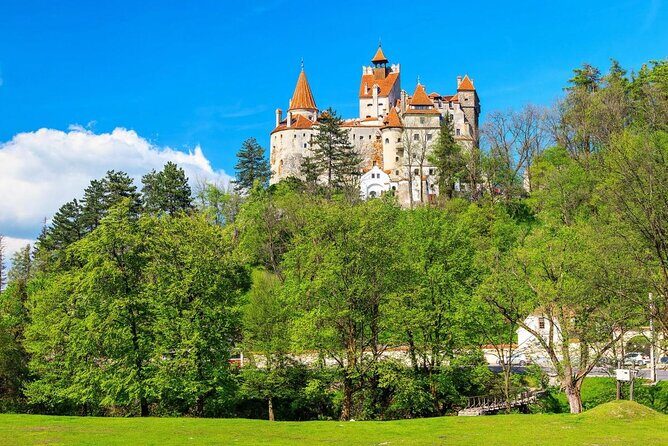
- Big Dracula stops like Bran Castle and a night in the Borgo Pass area tied to the Dracula story
- Mountain-road variety via Transfagarasan (seasonal) plus photo stops at dam, waterfalls, and lake viewpoints
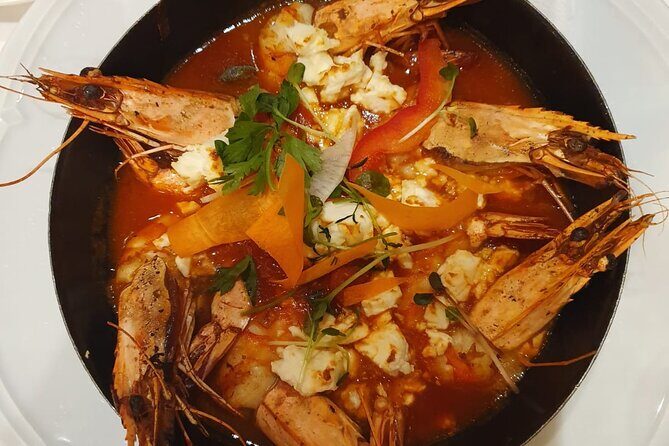
- Included meals that taste local: 3-course dinner with wine and Romanian plum brandy in Sibiel
- Private guide attention and guaranteed skip-the-line entry so your day stays on schedule
Dracula, fortresses, and UNESCO churches in one Bucharest-to-Transylvania route
If you want Dracula only as a costume-and-castle theme park, this isn’t that. This trip gives you the real medieval backdrop: Saxon towns, fortified churches, and defensive walls that explain why stories like Vlad’s spread the way they did.
You also get a private setup, so you’re not stuck in the same rhythm as a giant bus. It’s just your group and your driver/guide, traveling in an air-conditioned minivan or private vehicle. For many people, that’s the biggest “value” lever here: you’re paying to compress distance and logistics so you can focus on sights.
You can also read our reviews of more private tours in Bucharest
Day 1: Curtea de Argeș, Poienari’s 1,480 stairs, and the Transfăgărășan Top Gear road
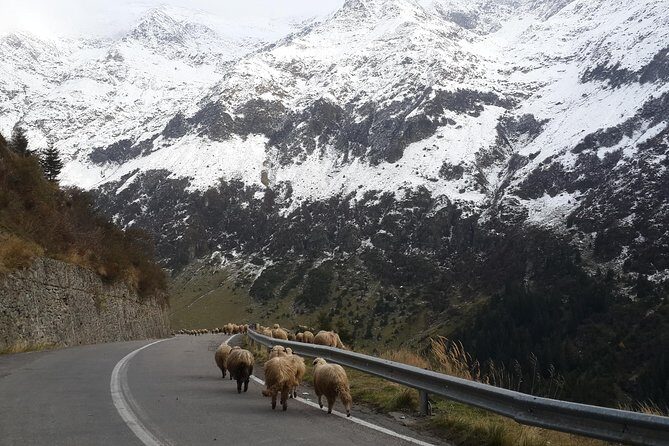
Day 1 is all about dramatic Romania. You leave Bucharest with city-center views, then start with Curtea de Argeș Monastery, one of the county’s most important pilgrimage and prayer places. It traces back to the time of voivode Neagoe Basarab (1512 to 1517) and is tied to the legend of master Manole. Even if legends aren’t your main focus, the monastery is a strong first stop because it sets the religious-medieval tone for the rest of the trip.
Then comes Poienari Castle. The story connects it to Vlad the Impaler, and the visit is famous for one thing: the climb. Plan for 1,480 stairs to reach the fortress on its hilltop, with views that make the effort feel worth it. One important consideration: Poienari is under renovation, and your plan can shift to seeing it from the bottom instead. That changes the experience from “epic exertion” to “quick, impressive viewpoints,” so I’d treat stairs as a conditional bonus.
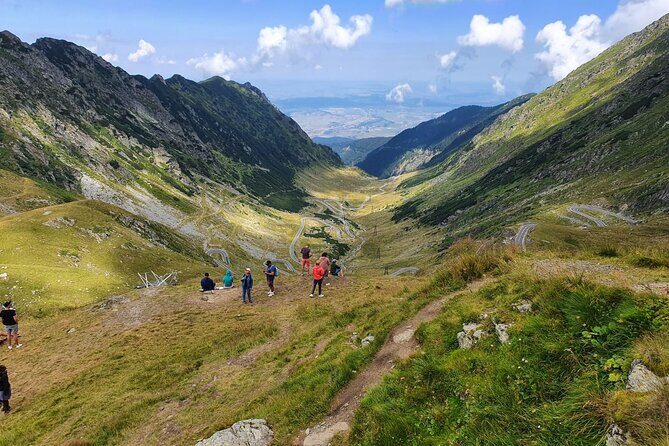
After that, the tour pivots into pure road-movie territory with Transfăgărășan Highway, often called the Top Gear road. This mountain route runs through the Făgăraș Mountains and was built between 1970 and 1974 by military forces. Expect sharp hairpin turns, tunnels, viaducts, and lots of places to stop for photos, including the Balea area around Lake Balea and Lake Vidraru.
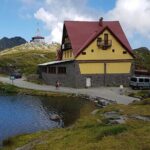
You’ll also pause at Vidraru Dam for skyline-and-lake views, then make time at Capra Waterfall. The day’s payoff is Le Lac Balea (Balea Glacier Lake) at an altitude of 2,042 meters. This is one of those stops where the “photos” are the point, and you can even grab coffee at Balea Chalet if you want a warm break while you take in the views.
From there, you transfer to Sibiel village and sleep at Ramona House, a home-stay style pension with en-suite rooms. That hotel choice matters. After a long day, you don’t want to arrive in some anonymous place with no atmosphere.
Seasonal heads-up: Transfăgărășan Road is only open from July to October. Outside that window, the tour crosses the mountains via Olt Valley, which changes the day’s driving feel.
Day 2: Hunyadi Castle’s haunted reputation and Alba Iulia’s star-shaped fortress
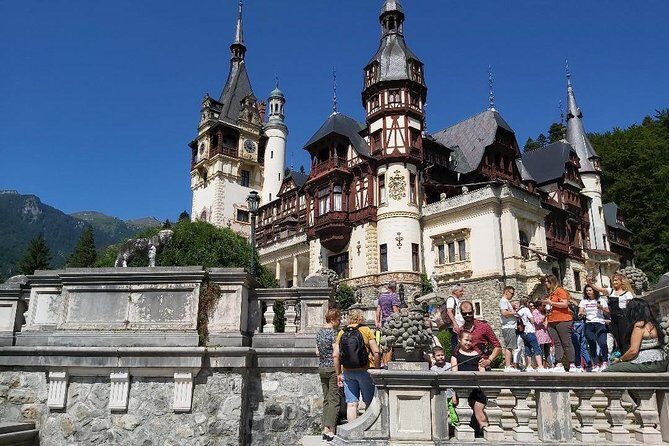
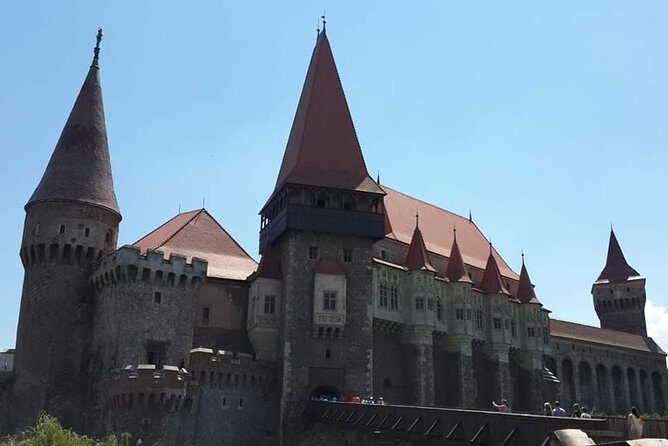
Day 2 starts with Castelul Corvinilor, also known as Hunyadi Castle. People love it because it doesn’t behave like a typical castle: it’s surrounded by stories, including a belief it’s cursed and even one of Europe’s most haunted castles. The darker note is the Bear Pit, where prisoners were reportedly thrown to animals after they were deemed no longer useful. Whether you take the legends literally or not, the site is visually dramatic and helps connect Dracula-era fear to real historical tension.
Then you head to Cetatea Alba Iulia. This citadel is star-shaped, exceptionally well preserved, and often overlooked compared to flashier stops. The walls enclose museums, churches, and archaeological treasures, so it’s more than a photo wall. If you like your medieval stops with context—who lived where, how cities defended themselves—this is a strong second-day anchor.
Sibiel is your base again for the night. The trip includes a hearty dinner here too, with wine and Romanian plum brandy added to the mix on Day 2. That’s one of those inclusions that adds value in a quiet way: you get to eat well without asking, comparing, and negotiating after a full day.
Day 3: Sibiu’s squares, Medias’ Saxon feel, and a night near Borgo Pass
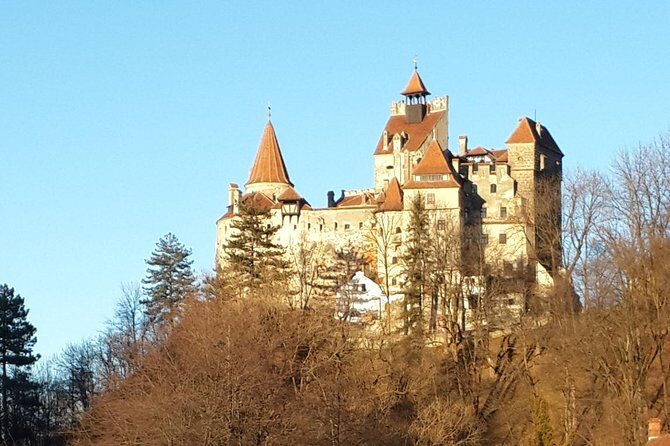
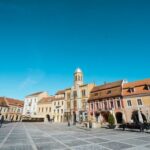
Day 3 is where Transylvania shifts from fortress-battles to town-walking. In Sibiu, you focus on the historic center: Big Square, Little Square, and Huet Square, anchored by the Evangelical Church. You’ll also see the Bridge of Liars, the Council Tower, the Evangelical Cathedral, and the oldest house in town. I like this style of town tour because it gives you a map in your head fast—you learn the key landmarks first, then the streets make sense.
Sibiu’s Germanic-Saxon heritage is a major part of the story here. The city’s fortified walls and medieval square network explain how this region carried power through design, not just kings and battles. After Sibiu, you move on to Medias old town for about an hour. Medias keeps a medieval feel with narrow lanes, centuries-old houses, and a pedestrian square with colorful facades.
In Medias, the fortified church of St. Margaret is the core around which the citadel developed. The area’s craft-guild history also matters: 33 guilds built, maintained, and defended the walled city. It’s a good reminder that “fortress” wasn’t only about armies—it was also about trade communities surviving raids and conflict.
Then you drive to Borgo Pass, the area tied to Dracula Castle in the Dracula story. Overnight is at Dracula Castle Hotel with en-suite rooms. Here’s the reality check: if you’re expecting the most interesting night of your trip simply from being at the hotel, temper that. In past feedback, the Borgo Pass hotel has been described as quite out of the way with limited nearby interest, and some visitors found it a bit rundown and kitschy. If you’re okay treating this as a themed location to sleep and reset, it can still work well—especially since the Dracula connection is part of the draw.
Day 4: Biertan’s UNESCO fortified church and Sighișoara’s Clock Tower
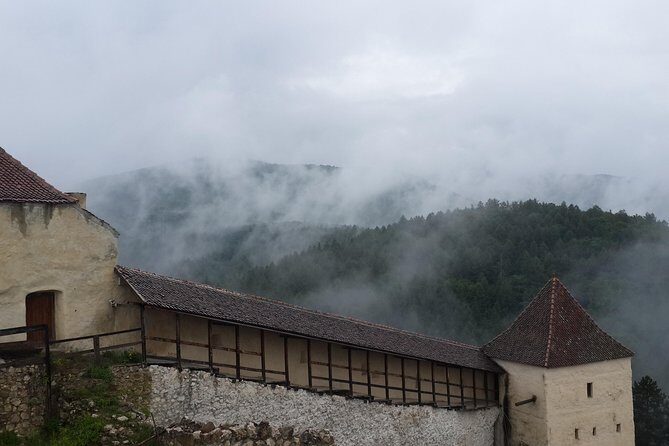
Day 4 is built around two UNESCO sites and a strong sense of scale.
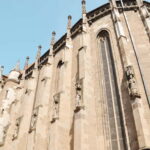
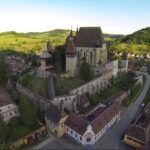
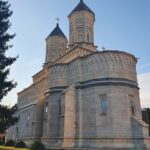
First is Biertan Fortified Church. From a distance, the church rises sharply above a cluster of Saxon-style buildings, and the whole scene reads like a small medieval world paused in time. The fortified church is UNESCO World Heritage, and the setting—inns, pastel-colored houses, and the fortified feel—makes it easy to understand how communities organized defense.
Then you go to Sighișoara, another UNESCO World Heritage town. This is one of Transylvania’s most memorable medieval centers, with pastel-colored buildings, stony lanes, and towers that make the walk feel like a film set. The walking tour in the citadel covers key landmarks, including the Clock Tower, the Church on the Hill, and the house where Vlad the Impaler was born.
You’ll have time for lunch. The tour notes that lunch can be arranged at Dracula House Restaurant in Sighișoara’s medieval town if you want to lean into the theme. After that, the rest of the day is yours for leisure. That free time is important. It lets you step away from “checklist energy” and just wander streets without counting minutes.
You can also read our reviews of more tours and experiences in Bucharest
Day 5: Prejmer’s thick walls, Bran Castle’s Dracula fame, and Rasnov’s panoramic fortress
Day 5 mixes high-impact sights with some of the best “fortress logic” in the region.
Start at Peasant Fortified Church at Prejmer. This is one of Eastern Europe’s best-preserved fortified churches, famous for its extremely thick walls—4.5 meters. Prejmer’s fortress traces back to the early 1200s, built by Teutonic knights. What I find most fascinating is the practical design: there are about 270 store rooms. During war, each family could retreat into its own room, turning everyday living spaces into a survival system. If you’re inside the defense corridors, you can feel how the building is meant to function under pressure.
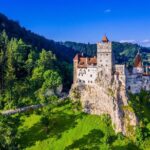
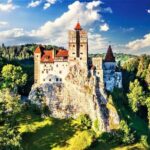
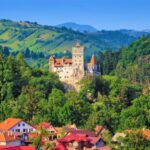
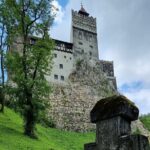
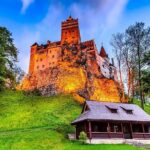
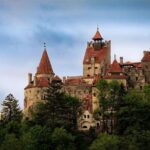
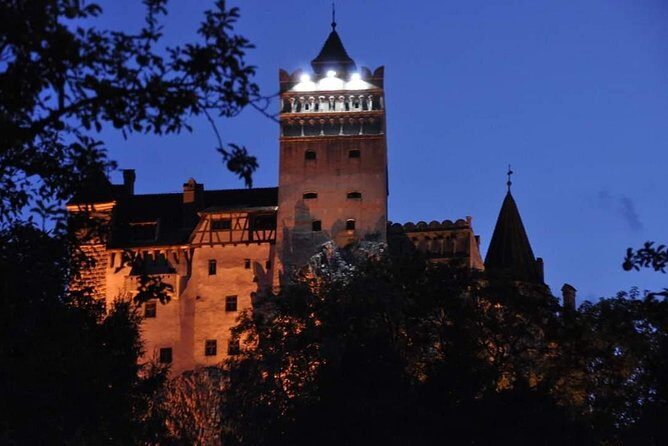
Next comes Bran Castle, often called Dracula’s Castle. You’ll travel through the Prahova Valley on the way there, with a spectacular view point at Bucegi Mountains from Bușteni. The day gives you space for the scenic drive, then a visit to Bran itself, where you can see how the legends line up with the reality of a fortress.
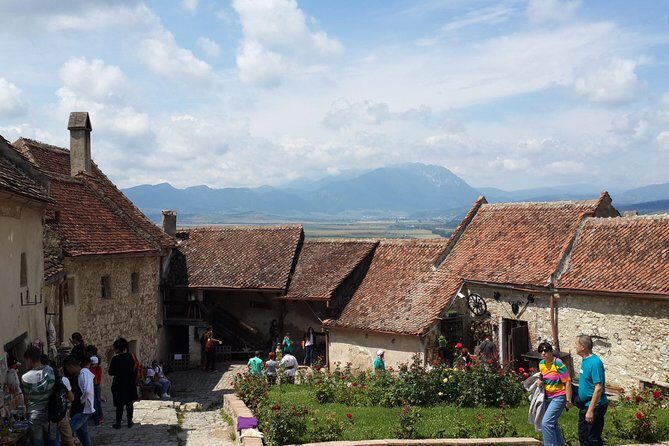
Lunch can be arranged in Bran village, and after that, you head to Rasnov Citadel. Rasnov Fortress is described as one of Transylvania’s best-preserved peasant fortresses, with medieval houses in town below and a panoramic view from the top. The panorama is over Barsa Land. It’s not just a view stop; it’s the kind of place where you understand why people built up here.
By late afternoon you transfer to Brașov, arriving around 6 pm. You stay overnight at Casa Timar Pension (or similar) with breakfast included. Brașov is a good landing point because it feels livelier after several days that lean heavier into fortress-and-church mood.
Day 6: Pelișor’s royal museum feel, Snagov’s Vlad legends, then back to Bucharest
Day 6 is a satisfying closer because it pairs royalty-era Romania with Vlad-era mythology.
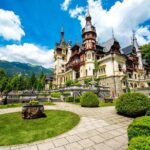
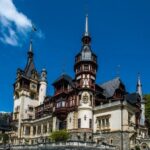
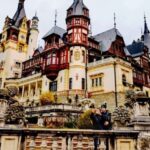
First: Peles Castle in Sinaia. This was the summer residence of Romania’s royal family, built by King Charles I over almost 40 years. The site is presented as one of the most beautiful museums in the world, and even if you aren’t a “museum person,” the castle’s reputation is enough to make it worth your time. You’ll also get another mountain view component around Bușteni, which is woven into how the day is scheduled.
Then you head to Snagov Monastery, a quieter stop that turns the tour back toward Vlad the Impaler. The legends are dark: it’s believed his body was found in the woods around Bucharest by monks and brought here for burial because Vlad and his father had donated money to the church. Another account links the monastery to punishment and torture, including a story about a small cell, a trap door, and stakes below—plus the idea that hidden treasures were stored in cast-iron barrels and later removed as the river flow was manipulated.
You also get a sense of how contested stories can become local “belief.” The tour notes that debate exists around the real tomb location, but the monastery is still worth a visit for the frescoes, some of which are said to go back to the 15th century. There’s also a local tale about a church steeple that fell into the lake during a storm and the sound people think you can hear when the wind blows.
After Snagov, you transfer back to Bucharest. The drive is about 40 minutes, ending at your hotel.
Price and logistics: does $2,078.18 per person feel worth it?
This is a premium-priced, private, six-day tour. At $2,078.18 per person, you’re not just paying for access to castles. You’re paying to compress distance and planning: hotel pickup and drop-off, transport by an air-conditioned vehicle, a driver/guide, five nights of accommodation (split across Sibiel, Borgo Pass, Sighișoara, and Brașov), and included breakfasts plus select dinners.
Two included dinners matter because they’re not generic. In Sibiel, you get a 3-course dinner with wine and Romanian plum brandy on Day 1 and Day 2. That’s the kind of inclusion that can otherwise cost real money once you’re out on your own, especially in tourist-heavy areas.
One thing to double-check: entrance fees are listed as not included, but the tour overview also mentions attraction entry. That likely means some sites’ ticket costs are handled, while others aren’t. Before you go, ask what exact entrances are covered versus what you’ll need to budget.
There are also quality-of-life perks. The tour promises guaranteed skip-the-long-lines entry, and private transport helps you avoid the “depart when full” chaos that can ruin a tight sightseeing day.
Comfort, weather, and route changes you should plan for
This trip runs in all weather conditions, so wear layers and expect rain or fog at mountain elevations. The tour notes that most travelers can participate, but your real decision point is physical effort.
Poienari’s stairs are the obvious hard part. If you’re not comfortable with steep climbs and lots of steps, plan for the possibility that you may only see the castle from the bottom due to renovation.
Timing also affects what you see. Transfăgărășan is only open July to October. Outside those months, the tour uses Olt Valley for the mountain crossing instead. On top of that, the Borgo Pass hotel can close, and the plan can change to stay in Bistrița or the Cluj Napoca area, including a possible stop at Turda Salt Mine. In other words: the tour is structured, but it’s not stubborn. It adapts.
Who should book this Dracula tour from Bucharest
Book this if you want Dracula-themed travel that doesn’t skip the medieval substance. You’ll be happiest here if you like fortifications, UNESCO sights, medieval towns with walkable centers, and long days where the scenery changes often.
You should think twice if:
- You want a relaxed, minimal-driving pace.
- You struggle with steep stairs and extended walking.
- You’re picky about hotel location. One past experience found the Borgo Pass hotel far from anything else with a mostly hotel-based night.
Also, if you have dietary needs, the tour says a vegetarian option is available if you request it when booking.
Should you book this private 6-day Dracula tour?
Yes, if your dream trip is Vlad-meets-real-medieval Romania, and you’re happy paying extra for private transport, guided town walking, and comfort-friendly inclusions like breakfasts and dinners in Sibiel. The UNESCO stops at Prejmer and Biertan alone give this tour credibility beyond the Dracula label.
Just go in with smart expectations: budget for entrance fees where needed, pack for mountain weather, and treat major physical climbs like Poienari as a conditional highlight rather than a guaranteed win. If that fits you, this is one of the cleaner ways to see a lot of Transylvania without turning your vacation into a logistics project.
FAQ
What time does the tour start in Bucharest?
It starts at 9:00 am. Pickup is offered from your Bucharest hotel or from OTP Bucharest Airport.
Where does the tour end?
The tour ends back at the meeting point in Bucharest, at your hotel.
How long is the tour?
It’s a private 6-day tour (about 6 days).
Is the Transfăgărășan road included year-round?
No. Transfăgărășan Road is only open between July and October. In the rest of the year, the route crosses the mountains via Olt Valley.
Are entrance fees included?
Entrance fees are listed as not included. The overview also mentions attraction entry, so it’s worth confirming which sites’ tickets are covered when you book.
What meals are included, and is vegetarian food possible?
Breakfast is included for 5 days, and dinner is included for 2 days. The tour also includes a 3-course dinner with wine and Romanian plum brandy in Sibiel on Day 1 and Day 2. Vegetarian option is available if you request it at booking.
Can I cancel or change the booking?
No. It’s non-refundable and cannot be changed for any reason.