REVIEW · BUCHAREST
6h Bucharest Communism Private Tour – Ceausescu Mainson
Book on Viator →Operated by Nicolas Experience Tours · Bookable on Viator
Communism in Bucharest feels real. This private, 6–7 hour Bucharest communism tour takes you to the big power-symbol stops and then walks it right down to the human scale, with a licensed English guide/driver and a car just for your group. I like the flexibility too, since the plan can be adjusted even after the tour begins.
Two things I really liked: the way the itinerary connects ideology to buildings, and the fact that you get a guide who can explain what you’re seeing without turning it into a lecture. You’ll spend time at landmarks like the Palace of Parliament (People’s House) and the Ceaușescu Mansion, but you also slow down at places that show everyday Romanian life.
One thing to factor in: entrance tickets aren’t included, and the tour notes roughly €20 for the paid sites, plus you’ll want to cover food and drinks on your own during the day.
In This Review
- Key highlights you will care about
- A private ride gives you control over a heavy subject
- Palace of Parliament: why the People’s House feels like a warning
- National Village Museum (Dimitrie Gusti): the quieter side of Romanian life
- Calea Victoriei: communist-era buildings meet French architecture
- Piața Revoluției: December 1989, explained where it happened
- Ceaușescu Mansion: from official power to private life
- Catedrala Patriarhala: a working landmark with civic and religious meaning
- Price and value: what $197.81 really buys in a private setting
- Timing, pace, and how to get the most from 6 to 7 hours
- Who this communism tour is best for
- Should you book this Bucharest Communism Private Tour?
- FAQ
- How long is the Bucharest communism private tour?
- Is this a private tour or a group tour?
- Do I need to buy entrance tickets?
- What does the tour include?
- Is pickup offered?
- What time period does the tour cover at Ceaușescu Mansion?
- Is food included?
- What kind of ticket will I receive?
- Is free cancellation available?
Key highlights you will care about
- Private car just for your group, with a licensed English-speaking guide/driver throughout
- Flexibility during the tour, so you can adapt the pace and priorities once you’re on the street
- Palace of Parliament + Ceaușescu Mansion, two heavy-hitters that explain the system with real walls and rooms
- Contrast stop at the National Village Museum (Dimitrie Gusti), where Romanian village life is front and center
- Street-level history at Piața Revoluției, a key location tied to December 1989
- A functioning Orthodox cathedral stop, adding civic and religious context near the Patriarchate area
A private ride gives you control over a heavy subject
The best part of this Bucharest Communism private tour is that you’re not stuck in a rigid group shuffle. You get a private car just for you and your friends or family, and you travel with a licensed English guide/driver who stays with you the whole time. That matters because communism-history sites can be emotionally intense, and being able to pause, ask, and adjust is a real comfort.
I also appreciate the practical side of “flexibility.” The tour explicitly allows changes to the daily itinerary even after it starts. So if you want a bit more time at a specific stop, or you notice you’re moving faster than expected, you have room to breathe instead of rushing out on autopilot.
And from the past experience shared by the tour operator, the guide has been Nicolas—described as friendly, polite, and professional. That kind of communication style helps a lot on a topic where details matter, and nuance is easy to miss.
You can also read our reviews of more private tours in Bucharest
Palace of Parliament: why the People’s House feels like a warning
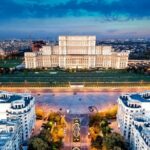
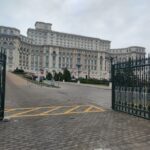
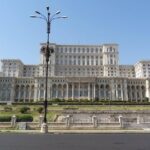
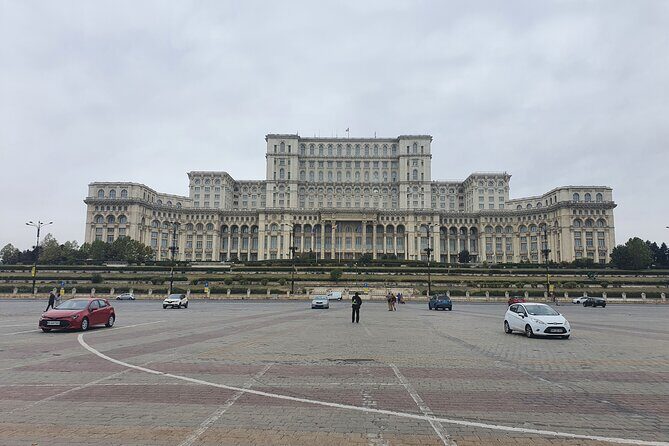
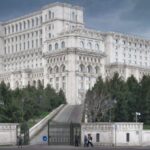
Your first big stop is the Palace of Parliament, also known as the People’s House. The tour frames it as a cautionary example: how a totalitarian regime can be dangerously damaging to a nation, and how power can turn into pointless opulence.
What you’ll likely feel when you arrive is exactly what the stop is designed to do. This building’s scale is so outsize that it makes you think about the cost behind the grandeur. The tour highlights the idea of megalomania—how the sleep of reason can produce structures meant more for self-image than for public good.
You’ll have about 2 hours, which is a smart amount of time for a place this big. If you only do a quick glance, it’s easy to miss why it matters. If you allow enough time, the building starts to tell its own story: dominance in stone, and how that kind of symbolism can crowd out reality.
A downside to plan for: the Palace of Parliament admission ticket is not included. The tour notes an entrance budget of roughly €20 for the paid attractions, so keep that in mind when you’re calculating your total day cost.
National Village Museum (Dimitrie Gusti): the quieter side of Romanian life
Next you’ll head to the National Village Museum Dimitrie Gusti. This stop is built for contrast. Instead of focusing on state power and monumental architecture, it brings you into a setting where Romanian traditions and everyday life take center stage.
The tour describes the museum as an embodiment of Romanian traditions, showing what it meant for village life to fit into a sustainable, ecological approach—almost like the village was built to live with the land instead of extracting from it. You also get a sense of a simple, modest lifestyle, plus the idea of social and spiritual harmony with surroundings.
This is a valuable break in the day because communism-history tours can start to feel like a parade of policies and buildings. The museum helps you remember that countries aren’t just political systems. They’re people, routines, homes, and local culture.
You’ll have about 1 hour here. That’s enough time to get the main feel of the place, especially if you’re moving with a guide who can connect what you see to the broader story of how regimes reshape daily life.
Entrance tickets also aren’t included at this stop, so your €20 planning estimate may cover this one, too, depending on what’s included for your specific itinerary.
Calea Victoriei: communist-era buildings meet French architecture
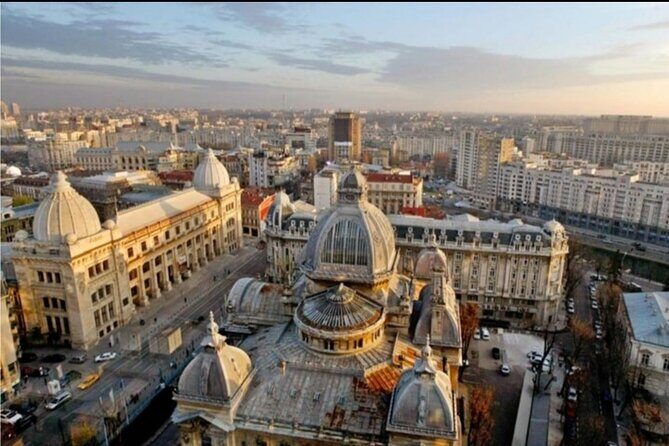
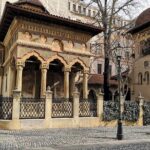
Then you travel along Calea Victoriei (Victory Avenue), a boulevard with buildings linked to communism-era development, but also with areas where you can admire French architecture.
Why this stop works in the middle of the tour: it teaches you how cities layer over time. Even when a government pushes one style or one agenda, older influences don’t vanish overnight. In Bucharest, you can still see different European tastes side by side—sometimes within walking distance.
You’ll have about 45 minutes, and this kind of timed stop is great for getting your bearings. It also gives you a visual sense of where power-era architecture lands in real neighborhoods, not just isolated museum pieces.
A practical note: this part of the day can include some walking and looking around outside. Wear comfortable shoes and keep your camera ready, because the mix of styles is the point.
Piața Revoluției: December 1989, explained where it happened
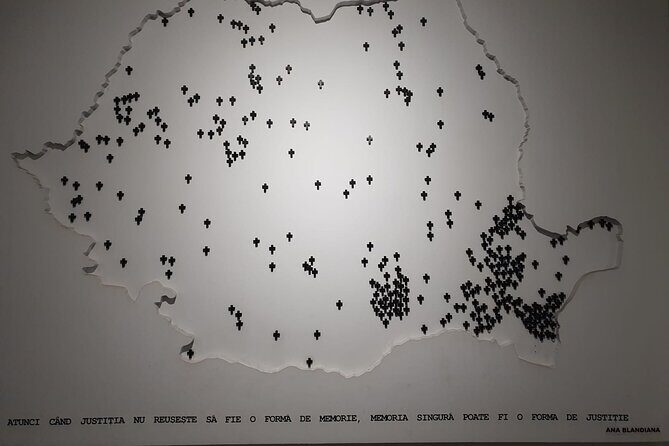
Next comes Piața Revoluției (Revolution Square). The tour flags it as one of the most important places tied to the Romanian Revolution in December 1989.
This is the street-level part of the story. After monumental buildings and curated exhibits, a square can feel more immediate—like history happened here in real time, not in a textbook. The value of having a guide is that the place becomes more than a backdrop. You get context for what the square represents and why the events mattered.
You’ll have about 45 minutes. That’s enough time to absorb the role of the location without losing momentum in the rest of the day.
And again, admission tickets aren’t part of this stop, which makes it a good pause before the next indoor-adjacent sites.
Ceaușescu Mansion: from official power to private life
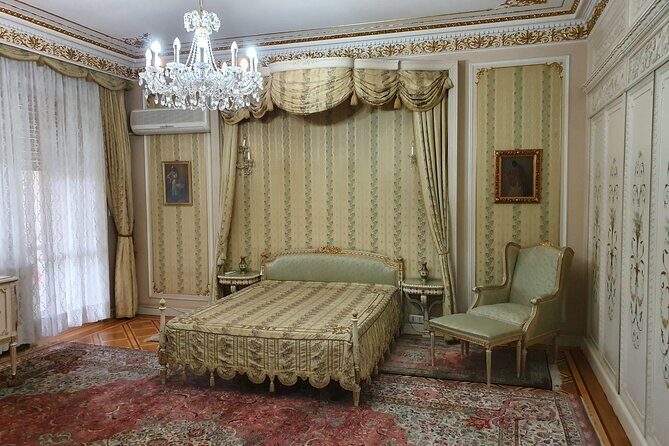
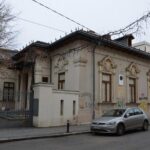
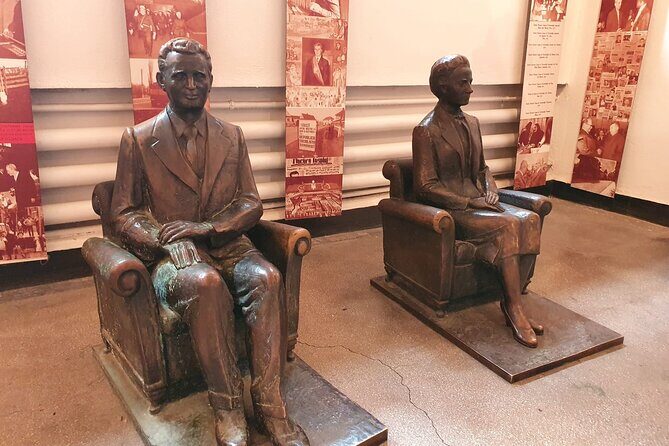
Your next stop is the Ceaușescu Mansion, and the tour gives you the key point right away: it was the private residence for Nicolae and Elena Ceaușescu and their children (Nicu, Zoia, Valentin) for roughly 1965 to 1989.
This is where the theme shifts from public symbolism to private life—though private here still sits inside a system of control. The fact that the tour sets aside about 1 hour 30 minutes is important. You’re not meant to breeze through. You need time to take in rooms and scale, and to understand what private luxury meant inside a political machine that claimed to serve the people.
A possible drawback? If you’re sensitive to political violence or heavy symbolism, this stop can feel unsettling because it makes power feel personal. That’s also why it’s effective. It answers the question you probably have in your head: what did the leadership actually live like, and how far removed were they?
As with the rest of the ticketed sites, entrance fees aren’t included.
Catedrala Patriarhala: a working landmark with civic and religious meaning
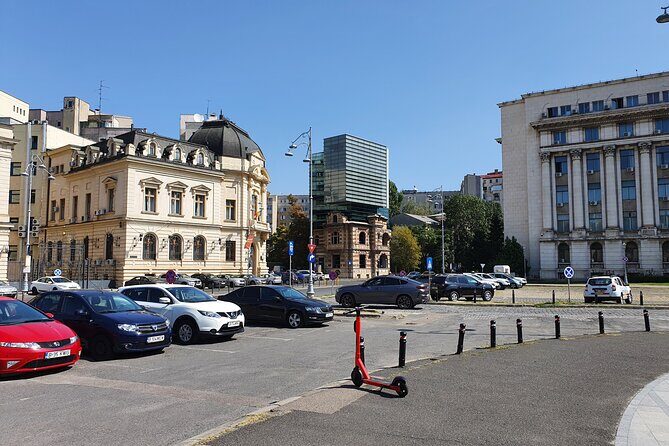
The tour ends with Catedrala Patriarhala (the Romanian Orthodox Patriarchal Cathedral), described as a functioning religious and civic landmark on Dealul Mitropoliei. It also sits near Patriarchate buildings, including the Chamber of Deputies of the Romanian Orthodox Church.
This stop matters because it adds a different lens. Even when communism is the main topic, Romania’s public life includes religion and civic identity too. The tour doesn’t treat the cathedral as a passive photo spot. It notes that it’s used for religious holidays and observances, including events like a Palm Sunday pilgrimage.
It also mentions something specific that makes this place feel distinct: Orthodox Divine Liturgy here is known for a cappella choir. Even if you’re not hearing a full service during your visit, you’re stepping into a site where that vocal tradition is part of the normal rhythm of worship.
You’ll have about 45 minutes, which is a comfortable amount of time for a working church. Dress and behavior here should be respectful and low-key, the same way you would in any religious setting.
Price and value: what $197.81 really buys in a private setting
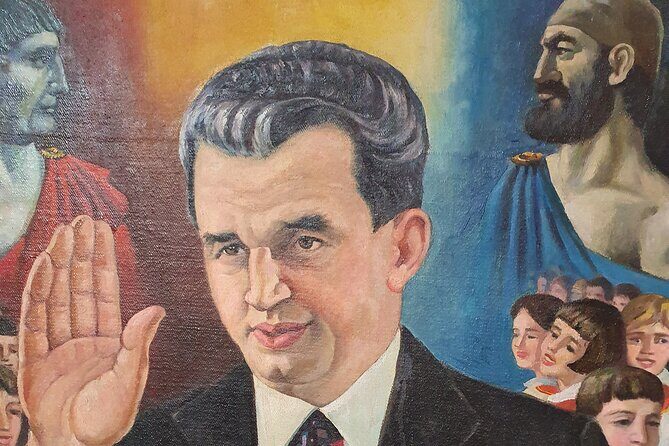
The tour price is listed as $197.81 per person, and it includes a private car, plus all car expenses like gasoline, parking, and road tolls. It also includes taxes and a private, licensed English-speaking guide/driver for the full day.
For many people, the biggest value question is this: am I paying for transport and time, or for real guidance? Here, you’re getting both. The guide isn’t just driving between stops; they’re part of the experience at each stop, helping you connect what you’re seeing—Palace of Parliament, the museum, Revolution Square, Ceaușescu Mansion, and the cathedral—to the broader story of communism and its effects.
What’s not included is the part you should budget up front. Entrance fees are not included, and the tour notes roughly €20 for the tourist attractions plus food and drinks. That means your total cost will depend on how much you eat and whether you choose to snack between stops.
If you’re traveling with 3–4 people, a private format like this can be a smart use of money because the cost of the vehicle is shared by the group, while you still get the same personal attention.
Timing, pace, and how to get the most from 6 to 7 hours
This experience is about 6 to 7 hours, with set time blocks that add up to a full day without being all-day misery. The stops are paced like this: about 2 hours at the Palace of Parliament, 1 hour at the village museum, then 45 minutes each at Calea Victoriei and Piața Revoluției, then 1 hour 30 minutes at the Ceaușescu Mansion, and finally 45 minutes at the cathedral.
Because it’s private, the real trick is your energy management. Long days are hardest when you feel forced to rush. Here, you can use that built-in flexibility to avoid burnout—especially on a heavy subject.
I’d also plan for the fact that the biggest cognitive work happens at the Palace of Parliament and Ceaușescu Mansion. If you try to treat the day like sightseeing, you can miss the point. If you slow down just a little at the main sites and ask questions, the day starts clicking into place.
Who this communism tour is best for
This tour fits best if you want Bucharest Communism history explained through physical places, not just abstract talk. It’s a good match for:
- People who enjoy guided storytelling tied to specific sites
- Couples or small groups who prefer a private pace
- Anyone who wants both the power-symbol stops and the contrast stop at the National Village Museum
It also notes that most people can participate, and it allows service animals, which is helpful if you need it. The tour is also listed as being near public transportation, which can help if you’re thinking about how to reach the pickup point.
Should you book this Bucharest Communism Private Tour?
Book it if you want a day that connects the dots from ideology to architecture to everyday life. The mix of stops is the strength: the Palace of Parliament and Ceaușescu Mansion show power up close, while the Village Museum (Dimitrie Gusti) reminds you that a country’s culture continues even under pressure. Adding Piața Revoluției brings you back to the turning point of December 1989, where history shifted fast.
Skip or consider another option if you’re not into political history sites or if long, emotionally heavy environments make you uncomfortable. Also, be sure you’re okay paying on top of the tour price for entrance tickets and handling your own food.
If you do book, you can feel good about the human element. Past experience notes a guide named Nicolas who brings a friendly, professional tone. That kind of guidance helps you stay focused when the subject matter is intense.
FAQ
How long is the Bucharest communism private tour?
The tour lasts about 6 to 7 hours.
Is this a private tour or a group tour?
It’s private. Only your group participates.
Do I need to buy entrance tickets?
Yes. Entrance fees are not included for the attractions on the itinerary. The tour notes entrance tickets at about €20 for the tourist attractions/person.
What does the tour include?
You get a private car for your group, a licensed English-speaking guide/driver during the tour, all car expenses (gasoline, parking, tolls), and taxes.
Is pickup offered?
Yes, pickup is offered.
What time period does the tour cover at Ceaușescu Mansion?
The Ceaușescu Mansion was the private residence of Nicolae and Elena Ceaușescu and their children from 1965 to 1989.
Is food included?
No. Food and drinks are not included.
What kind of ticket will I receive?
The tour includes a mobile ticket.
Is free cancellation available?
Yes. You can cancel up to 24 hours in advance for a full refund.