REVIEW · BUCHAREST
6 Days Transylvania and Bukovina Small Group Tour from Bucharest
Book on Viator →Operated by Trip2Ro · Bookable on Viator
Bucovina monasteries feel like a time machine. This small-group tour is built for story-first sightseeing, so you get the why behind Transylvania and Bukovina, not just photos of castles and churches. I especially like how the route packs UNESCO-painted monasteries with easy transport and a guide who ties the details together.
What I also like is the on-the-road flow: a licensed guide who drives, plus a maximum of 7 travelers, keeps things manageable when you’re moving city to city. One drawback to plan for: entrance fees are not included, and churches require a strict dress code (knees and shoulders covered), or you may be turned away.
In This Review
- Key highlights worth your attention
- Getting Your Bearings: what this Transylvania and Bukovina route delivers
- Small Group, Pickup, and the Role of a Licensed Guide
- Day 1 in Olt Valley and Sibiu: Cozia Monastery and medieval squares
- Day 2 in Sighisoara, Targu Mures, and Bistrita
- Day 3 in Bucovina: painted monasteries and Marginea black ceramics
- Day 4 through the Carpathians: Piatra Neamt, Bicaz Gorges, Red Lake, and Miercurea Ciuc
- Day 5 Brasov and Bran: fortified town streets and Dracula’s border fortress
- Day 6 Sinaia’s Peles Castle and Bucharest’s monument tour
- Price and value: what your $1,163.56 covers (and what it doesn’t)
- Dress code and entrances: how to avoid the most common tour-day headache
- Who this tour fits best (and who might want a different option)
- Should you book this Transylvania and Bukovina tour?
- FAQ
- What time does the tour start in the morning?
- Is pickup included?
- How big is the group?
- What’s included in the price?
- Are entrance fees included?
- Is there a dress code?
- Is there a single room option?
- What happens if weather is poor?
Key highlights worth your attention
- UNESCO-painted monasteries in Bucovina: Moldovita, Sucevita, and Voronet
- Small group size (max 7) for calmer touring and quicker problem-solving
- Dragon-myth context at Bran Castle, tied to its real border-history role
- A sculpted route through Transylvania towns like Sibiu, Sighisoara, and Brasov
- Carpathian scenery stops at Bicaz Gorges and Red Lake, with time for legends and views
- Guide George’s energy, including helping you when lines form
Getting Your Bearings: what this Transylvania and Bukovina route delivers
If your mental image of Romania is just Dracula and medieval rooftops, this tour is a helpful correction. You get Transylvania’s Saxon-and-Romanian mix, then shift into Bukovina’s famous monastery art and folklore. The “guided” part matters because a lot of these places are built to be read slowly.
The itinerary is also realistic in pacing: you’re not trying to sprint between far-flung sites on your own. Instead, comfortable air-conditioned transport and scheduled stops mean you spend energy on seeing, not on sorting routes.
One more practical point: the plan is structured around major highlights, so you come away with a clear map of the region instead of a scattered set of souvenirs and random facts.
You can also read our reviews of more tours and experiences in Bucharest
Small Group, Pickup, and the Role of a Licensed Guide
This is a small group tour (maximum 7 travelers), which I consider the sweet spot for a long sightseeing loop. You’re less likely to feel rushed, and you get enough flexibility for your guide to manage timing and questions while still keeping the day on track.
You also get a professional licensed tour guide who is also your driver. That’s not just a convenience; it usually means better coordination between what you’re seeing and where you’re going next. In the reviews, guide George is described as enthusiastic and proud to explain Romania, and that same energy is usually what keeps a day like this from feeling like a checklist.
A final small win: there’s a mobile ticket, and pickup is offered. If you’re trying to travel light and avoid extra paperwork, that helps.
Day 1 in Olt Valley and Sibiu: Cozia Monastery and medieval squares
Day one starts with the Olt Valley and the very different vibe of Cozia Monastery. Cozia is a 14th-century Wallachian monument, founded by Mirco Il the Old and restored in the 17th century by the Cantacuzino family. What makes it memorable is the façade details: you’ll get to look for the Armenian decorations, then move inside to see richly frescoed interiors.
Then you shift into Sibiu, one of the best cities in Romania for walking. The medieval feeling is real, helped by the city’s three squares: Big Square, Small Square, and Huet Square. You’re also likely to notice the “houses with the eyes,” a famous visual quirk that turns a normal street walk into something more playful.
Sibiu’s background is also a big part of why this stop works. You’re shown how Romanians and Saxons lived together for centuries, and you’ll see religious monuments for Catholics, Orthodox Christians, and Protestants. Add a gothic evangelical church (described as one of the largest of its kind in Transylvania), and Sibiu becomes more than a pretty face.
Drawback to keep in mind: even when many sites are listed as free, you still need the right clothes for worship spaces. The dress code requirement shows up throughout the trip, and you’ll want to be ready for it early.
Day 2 in Sighisoara, Targu Mures, and Bistrita
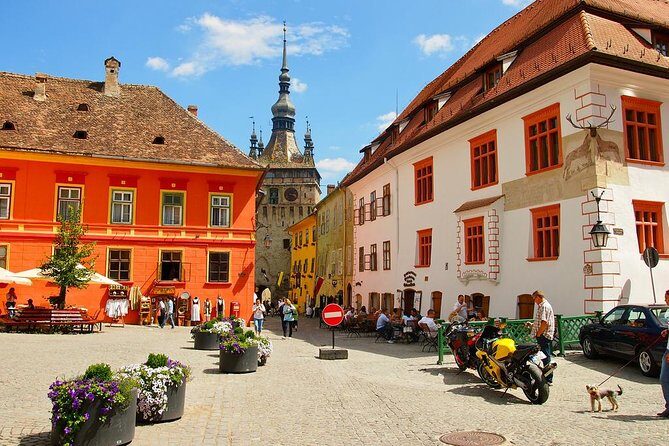
Day two is about towns that each tell a different part of Transylvania’s story. You start with Sighisoara’s Clock Tower and a UNESCO-protected old center. This citadel is described as the best preserved in Europe and, unusually, it’s still inhabited. That alone changes how you experience it: it’s not only a museum-like stage set.
Sighisoara’s hill church is reachable via a wooden staircase called the schoolchildren’s ladder, which gives you an easy, visual “walk up into history” moment. You’ll also see symbols tied to Hungarian cultural presence, including a statue of Petofi Sandor and nearby references to the Hungarian community, like the Catholic church reserved for them and the shoemakers’ tower.
From there, you pivot to Targu Mures, where baroque architecture takes the lead. The highlighted anchor is the Palace of Culture, framed as the city’s symbol. The tour’s point here is more social than theatrical: the Hungarian community is still numerous, and historic-building architects are described as being Hungarian.
Finally, you reach Bistrita, and the focus tightens on one major monument: a Lutheran church. It’s Gothic from the 14th century, remodeled with Renaissance elements in the second half of the 16th century. That mix is exactly why guided stops help. Without context, you might just see a church. With context, you start spotting layers of time.
A consideration: lunch opportunities can vary by day and location. One lunch option mentioned in Sighisoara (connected to Vlad the Impaler) is not included, so if you want that kind of special meal, plan your spending ahead.
Day 3 in Bucovina: painted monasteries and Marginea black ceramics
If Bucovina is the emotional center of the trip, day three is the reason why. You visit three standout monasteries, each with its own visual identity, and they’re paired with a craft stop that makes the region feel lived-in.
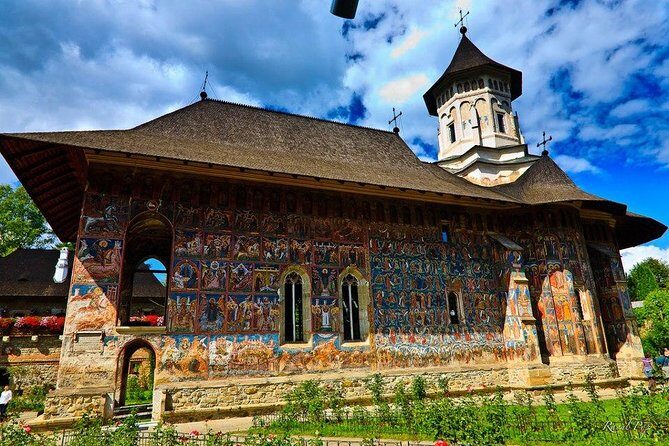
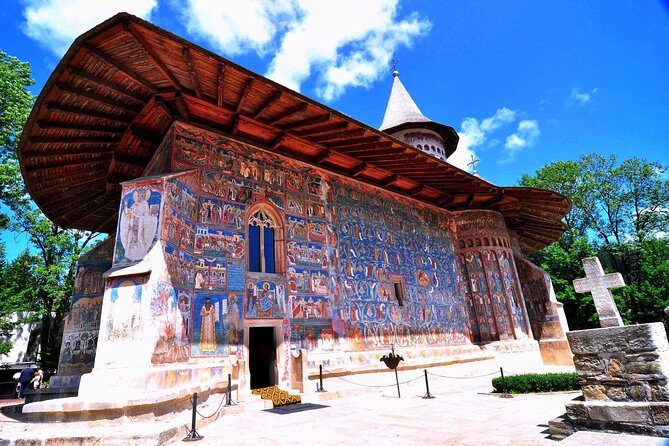
First is Moldovita Monastery, founded in the 16th century by Pietro Rares. The big draw here is the fresco work, both outside and inside. You’re not just looking at old stone. You’re looking at an entire visual program that turns the building into a book.
Next comes Sucevita Monastery, founded by the Movila brothers in the 17th century. This stop is about style-mixing: Gothic and Byzantine elements merge into the Moldovan architectural style. You’ll also learn why certain frescoes remain visible on the northern façade, protected by walls that were never demolished.
Then you switch from church murals to everyday artistry at Ceramica neagra Marginea. Here’s the part I love because it’s not only sightseeing. You can enter a workshop to observe the working phases of Marginea’s famous black ceramics. It’s also where you can buy practical, traditional souvenirs like decorated ceramics and even painted eggs using a traditional Romanian technique.
Finally, you end the day at Manastirea Voronet, often nicknamed the Sistine Chapel of the Carpathians. The emphasis is on its famous blue color, described as inimitable and unique. This is the kind of place where, even if you’ve seen photos, you’ll still be surprised by how the color hits in person.
Possible drawback: several of these monasteries list admission as not included, so this day is where you’ll likely spend more on entrance fees. Keep some cash or card handy.
Day 4 through the Carpathians: Piatra Neamt, Bicaz Gorges, Red Lake, and Miercurea Ciuc
Day four is your change-of-pace day. Instead of mostly churches and old towns, you get Carpathian nature stops with time to breathe and read legends.
You begin with a short stop in Piatra Neamt, described as a ski resort that still has a citadel from the time of Stephen the Great in the 15th century. You’ll also see an 18th-century synagogue there, which adds another layer to how this area developed over time. The setting is framed by mountains that guard lush vegetation.
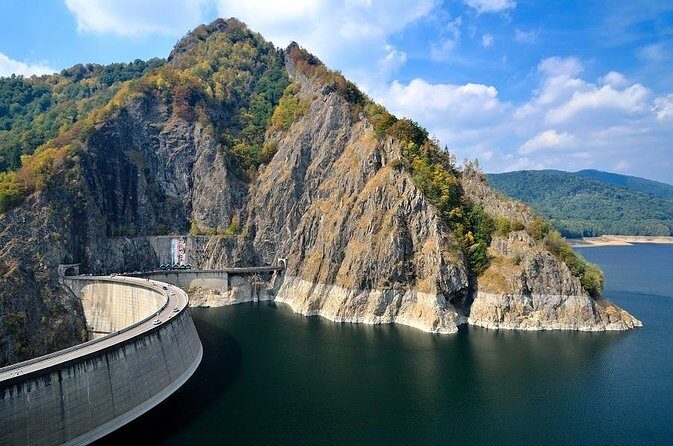
Then the route turns scenic with Bicaz Gorges. This is where the trip leans into dramatic views: a road flanked by a stream, steep cliffs, and a market along the way with typical handicrafts and souvenirs. It’s one of those stops where you don’t need to fill every minute. Even a short walk near viewpoints feels worthwhile.
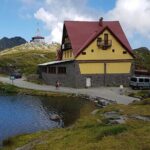
After that comes Red Lake, a barrier lake formed after a landslide. The story detail that makes it special is that trunks of trees are still present in the lake, creating an evocative atmosphere. You’re also guided through legends tied to the name of the lake, so you leave with something to remember besides the scenery.
The day ends with a scenic drive that gives views of the Carpathian chain, then continues toward Miercurea Ciuc, a region nicknamed the Siberia of Romania for its low temperatures and distinctive landscapes.
Practical note: nature stops can mean weather swings. If the day is foggy or rainy, visibility may be less dramatic. A good day’s weather really matters here.
Day 5 Brasov and Bran: fortified town streets and Dracula’s border fortress
On day five, you get two high-recognition names: Brasov and Bran Castle. The trick is that both are more interesting when you treat them as places with real function, not only pop-culture labels.
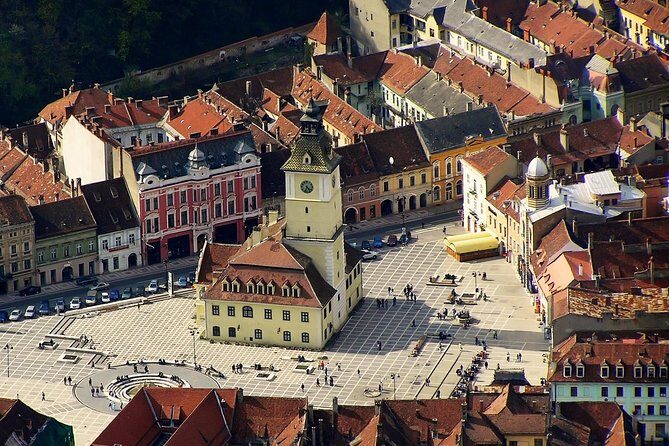
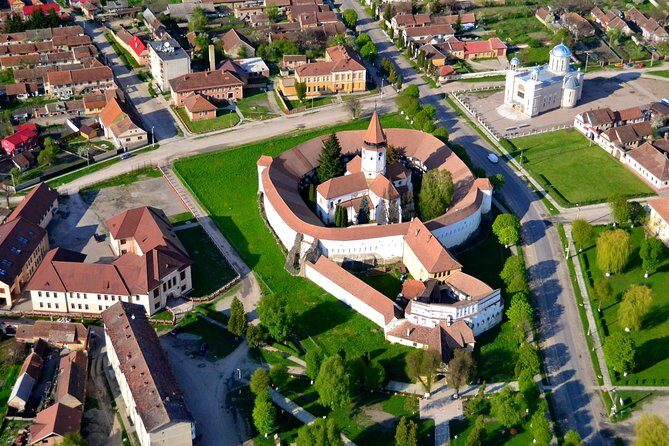
Brasov’s historical center is described as once entirely fortified, and the architecture is strongly German-influenced, with Gothic, Baroque, and Renaissance mixing in the streetscape. You’ll also visit the First Romanian School in the Schei district, which was inhabited exclusively by Romanians. That sets up Brasov as a cultural center, not only a stop between castles.
A highlighted detail is the medieval gate connections, including Catherine’s and Schei Gate. This is the kind of context that helps you understand why the city layout feels the way it does when you walk it.
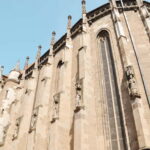
Then there’s the Black Church, which adds a serious note to the day. If you only focused on photo stops, you’d miss how the city carries layers of belief and community history.
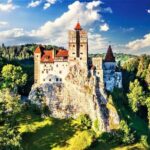
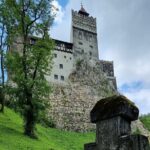
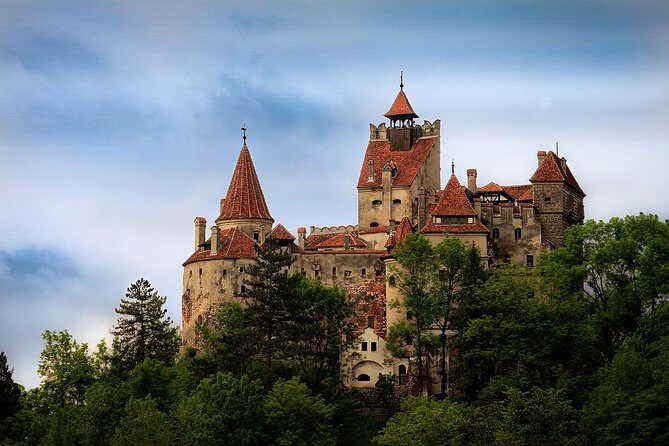
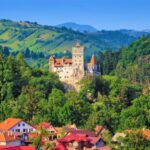
Next up is Bran Castle, known as Dracula’s Castle. Here the tour framing matters: in the Middle Ages, Bran was on the border between Wallachia and Transylvania. That defensive role is why a stronghold existed here and why the people of nearby Brasov needed it. You’re still free to enjoy the Dracula vibe, but you’ll also get the real geopolitical reason the castle was built and preserved.
One drawback to flag: Bran Castle admission is not included, and castle venues often mean more walking and stair steps than you expect. Wear shoes you trust.
Your day finishes with late evening arrival in Sinaia, setting you up for the grand finale.
Day 6 Sinaia’s Peles Castle and Bucharest’s monument tour
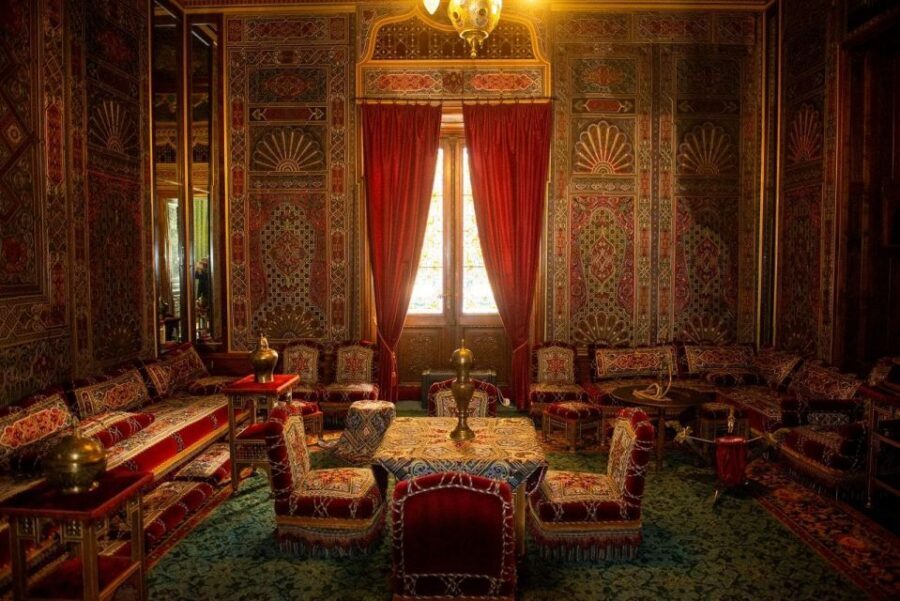
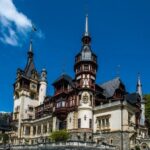
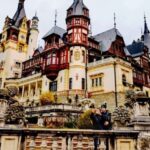
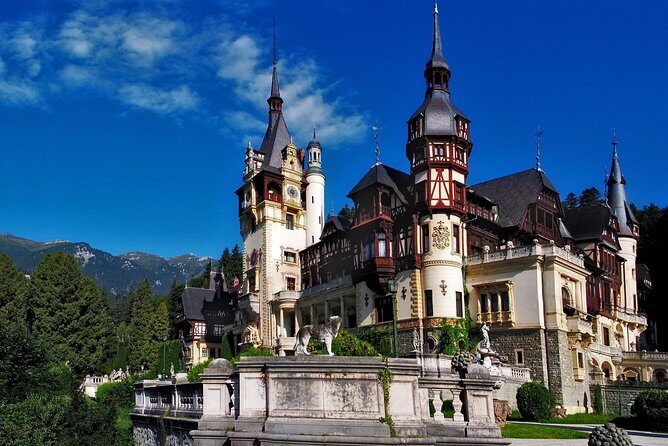
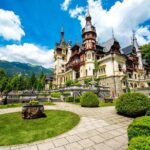
Day six keeps the “big-ticket” energy with Peles Castle. This is described as the summer residence of the first king of Romania, King Charles I of Hohenzollern, and it’s framed as one of the more modern castles in Europe at the time of construction in the 19th and 20th centuries.
The castle’s design gets credit for variety: you’ll see that each room has a different style, described as unique from the others. One room specifically called out is the Florentine room, which gives a recognizable Italian and Renaissance feel.
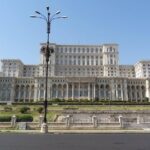
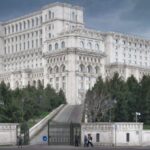
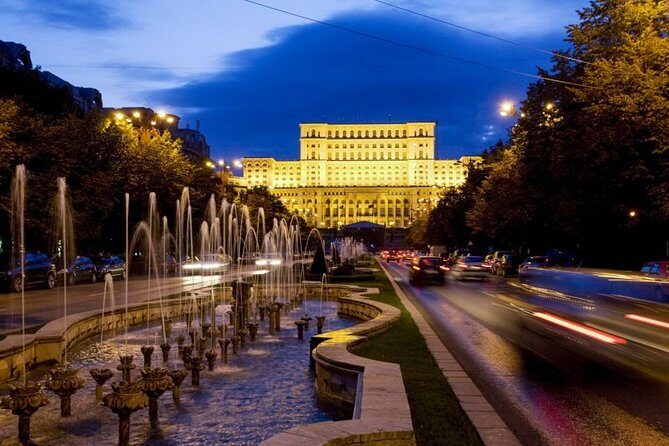
From Sinaia, you head back toward Bucharest for a panoramic tour. You’ll see Bucharest’s Triumph Arch, the Atheneum, Revolution Square, and the Parliament Palace. This kind of overview is useful at the end of a long trip because it helps you place Romania into one country-wide picture after days of regional highlights.
Practical tip: panoramic tours can move quickly, so bring your curiosity. If there’s a monument you want to focus on, ask your guide what to look for, and you’ll get the context while the vehicle is still moving.
Price and value: what your $1,163.56 covers (and what it doesn’t)
At $1,163.56 per person, the price isn’t cheap, so I look for what reduces stress and what’s likely to cost extra anyway. The tour includes a professional licensed guide (also your driver), air-conditioned transport, 3 and 4-star hotel accommodation, and breakfast for five days. There’s also pickup offered and a small group size capped at 7, plus group discounts are mentioned.
That combination is a big part of the value. Driving and guiding isn’t free on a multi-day loop like this, and the route ties together far-apart regions without you needing to plan every transfer.
What’s not included is the predictable stuff: entrance fees, plus tips for the driver and tour guide. If you’re planning your budget, treat entrance fees as a must-carry expense rather than an optional add-on. Several major stops list admission as not included, including Moldovita, Sucevita, Voronet, and castle days like Bran and Peles.
There’s also a single room supplement of 120 euro, paid locally in cash or credit card, if you book solo. If you’re a single traveler, this matters for total cost, so double-check your room type at booking.
Dress code and entrances: how to avoid the most common tour-day headache
Romanian churches can be strict, and this tour explicitly calls out a rule set you should treat seriously. For places of worship and selected museums, you must not wear shorts or sleeveless tops, and your knees and shoulders must be covered. If you don’t follow it, you may be refused entry.
I’d solve this with one small packing strategy: bring a light layer that can cover shoulders quickly and wear pants you’re comfortable walking in for long days. Shoes should be secure, especially for older town streets and castle steps.
Also note the entrance-fee mix. Some stops are listed as free, while others have admission not included. That means your day-to-day spending can vary. If you prefer a smoother wallet experience, carry a payment method that works for entrances in Romania.
Finally, keep the day’s timing flexible in your head. Even when you start with a clear schedule, tours include travel time between sites and can shift with real-world conditions.
Who this tour fits best (and who might want a different option)
This tour fits best if you want a guided introduction to Romania’s Transylvania and Bukovina highlights without doing the navigation work yourself. It’s a good match for history-minded travelers who also enjoy visual art, since the route includes fresco-heavy monasteries and strong architectural contrasts.
I’d also recommend it if you’re traveling solo or want a small group environment. The group size is capped at 7 travelers, which tends to make days feel more personal and less chaotic.
Where it may not be ideal: if your travel style is strictly independent and you hate paying extra for guides, you might prefer DIY routes. Entrance fees are not included, and the dress code is real, so you need to be comfortable meeting those conditions.
Also, the experience requires good weather, which matters most for the Carpathian scenery day and outdoor viewpoints.
Should you book this Transylvania and Bukovina tour?
If you want the region’s highlights in a structured, low-stress way, I think this is a solid choice. The painted monasteries circuit, the contrast between Saxon-influenced cities and Orthodox church art, plus castles placed in their real border context is a smart blend.
Book it if you value: small group touring, a guide who brings stories to life (like George’s line-help and energetic explanations), and an itinerary that keeps you moving between major sights without constantly figuring out logistics.
Skip it or consider a different style if you dislike dress-code rules, you’re trying to keep entrance fees to near zero, or you want maximum freedom over pacing. For most people who want a strong first Romania experience across Transylvania and Bucovina, this tour’s mix is hard to beat.
FAQ
What time does the tour start in the morning?
The start time is 8:00 am.
Is pickup included?
Pickup is offered.
How big is the group?
The tour has a maximum of 7 travelers.
What’s included in the price?
Included are a professional licensed tour guide (who also drives), air-conditioned vehicle, 3/4-star hotel accommodation, small group tour format, and breakfast for 5 days.
Are entrance fees included?
No. Entrance fees are not included.
Is there a dress code?
Yes. For places of worship and selected museums, no shorts or sleeveless tops are allowed. Knees and shoulders MUST be covered, or you may be refused entry.
Is there a single room option?
Yes, but there is a single room supplement of 120 euro paid locally in cash or credit card.
What happens if weather is poor?
The experience requires good weather. If it’s canceled due to poor weather, you’ll be offered a different date or a full refund.