REVIEW · BUCHAREST
Contrasts of Communism – Small Group Walking Tour in Bucharest
Book on Viator →Operated by My nice Romania · Bookable on Viator
Bucharest turns history into street-level reality. This small-group tour (max 8) pairs major 1989 landmarks with quieter places where you can see how the communist era still shapes daily life, and English guiding by Elena helps it all make sense fast. I especially like the first-person storytelling style and the smart mix of walking plus public transport so you cover real neighborhoods, not just postcards.
You also get a clear contrast line: from Revolution Square and the University Square memorial energy, to a working-class area where 1970s housing blocks are getting a second life with street art. The pace feels calm, with time for questions and reflection, plus Elena brings historical photos that make the changes you’re seeing easier to grasp.
One thing to consider: it’s about 3 hours and you’ll be on your feet for most of it, so bring comfortable shoes and plan a solid breakfast. If weather turns bad, the tour may shift or you’ll get a refund option due to the outdoor walking time.
In This Review
- Quick hits: what makes this tour worth your time
- Why this 3-hour walk works better than museum-only history
- Meeting points and logistics that keep the day easy
- Stop 1: Revolution Square and the last speech atmosphere
- Stop 2: University Square, KM0, and the hard meaning of freedom of speech
- Stop 3: Eroii Revoluției and the working-class blocks in transit
- Stop 4: Cimit. Eroilor Revoluției and the quiet weight of memorial paths
- Stop 5: Parcul Carol I, a high viewpoint, and the monument’s uncomfortable context
- Stop 6: Palace of Parliament, the last whim, and why the size hits hard
- Stop 7: Bulevardul Unirii and the dancing fountains ending
- The real value: a local guide who explains impact, not only dates
- How this tour fits your Bucharest plan (and who it’s best for)
- Price and value: $42.05 for context that changes how you see the city
- Quick practical tips before you go
- Should you book Contrasts of Communism in Bucharest?
- FAQ
- How long is the Contrasts of Communism walking tour in Bucharest?
- How much does the tour cost, and is it in English?
- What is the maximum group size?
- Where do we meet and where does the tour end?
- Is the Palace of Parliament admission included?
- Are there admission tickets for the other stops?
- Does the tour use public transportation?
- What happens if weather is bad?
Quick hits: what makes this tour worth your time
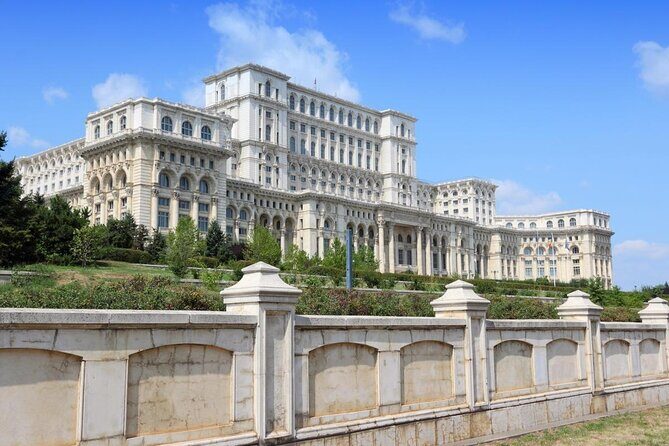
- Revolution Square to the Palace of Parliament: you connect the fall of the regime to the building that symbolized its last breath.
- KM0 of Romanian freedom of speech at University Square, tied to the events of 21 December 1989.
- Working-class neighborhood access using public transportation, then street art views of 1970s communist blocks.
- Memorial Cemetery walking for a quieter, personal layer to the 1989 story.
- Small group size (max 8) that keeps the discussion human, not lecture-only.
- Elena’s photo support: old images help you match what you remember reading to what you’re looking at now.
Why this 3-hour walk works better than museum-only history
Bucharest has a talent for confusing your first-time bearings. Street names and architecture can blur together fast, especially when you’re trying to separate “old town” from the communist years and the revolution afterward. This tour gives you a simple framework: you follow the story in the exact places where it happened and where it left marks.
What I like is the balance between big-signal sites and everyday settings. Revolution Square and the Palace of Parliament are obvious, but you also spend time where people actually lived—then you see how those same areas are changing now.
It’s also a discussion-based style. Elena’s answers don’t feel like memorized slides, and the pace leaves room to ask why something mattered, not just what happened.
You can also read our reviews of more walking tours in Bucharest

Meeting points and logistics that keep the day easy
You meet at boteca13, Strada Boteanu 3, București 010027. The tour ends near Bulevardul Unirii, close to the dancing fountains area, around Bulevardul Unirii 25. That ending is handy because it puts you back in a lively zone where you can keep exploring on your own.
The tour runs in English and uses a mobile ticket. It’s designed for a small group with a maximum of 8 travelers, and it’s near public transportation. You should have moderate physical fitness, since the schedule is built around a lot of walking across multiple areas.
If you’re weighing weather: this is a good-weather type of experience. If conditions are poor, the operator offers a different date or a full refund.
Stop 1: Revolution Square and the last speech atmosphere
You start at Revolution Square, standing where Nicolae Ceaușescu held his last speech in 1989. Even without a script in your head, that location has gravity. It’s one of those places where you naturally slow down, because the space itself helps you understand why the revolution escalated so quickly.
Elena’s explanations focus on the rise and fall of the communist dictatorship, then bring you toward the moment Bucharest shifted. The value here is context: you learn how the system worked before you zoom in on the end.
This stop is about 30 minutes, and it’s long enough to connect the political story to what’s around you now.
Stop 2: University Square, KM0, and the hard meaning of freedom of speech
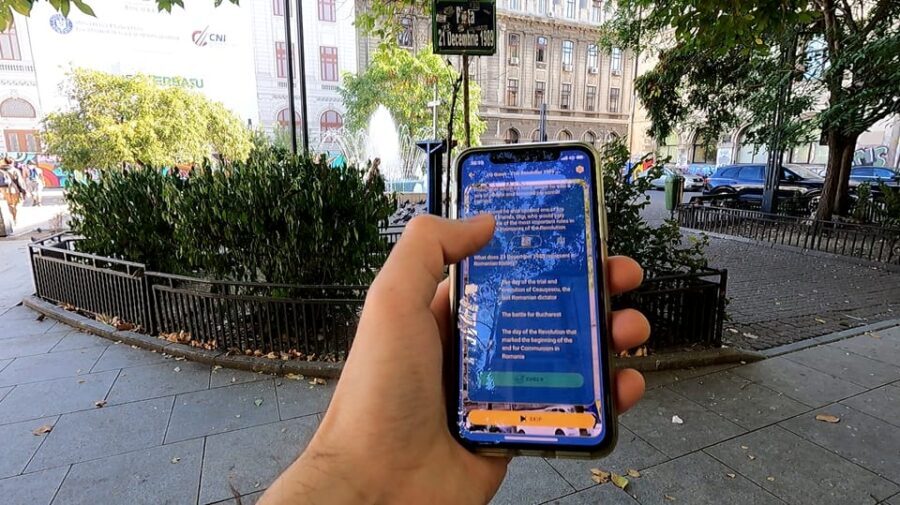
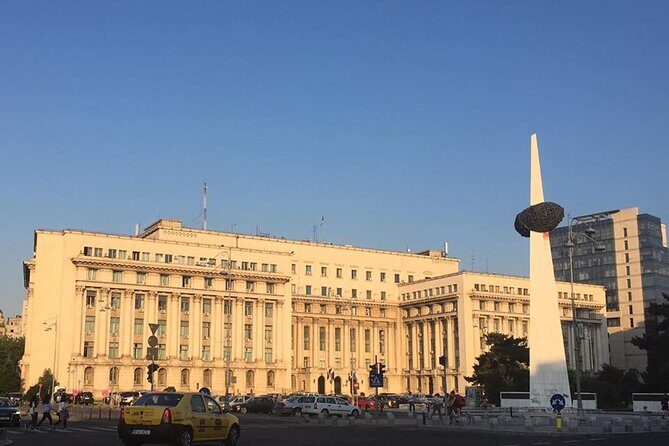
Next is University Square, at the KM0 marker for Romanian freedom of speech. You’ll hear about the first heroes who died for liberty in Bucharest on 21 December 1989, and you’ll also unpack how Romania’s political climate has evolved since then.
This is the stop that made me like the tour’s tone: it avoids turning tragedy into trivia. Instead, it gives you a line of cause and effect—how ideas met risk, and how public pressure changed the national direction.
Plan for about 30 minutes here. It’s a thoughtful pause before the route turns more neighborhood-focused.
Stop 3: Eroii Revoluției and the working-class blocks in transit
Then the tour shifts off the main tourist path. You travel by public transportation to a working-class neighborhood and see the kind of housing many people depended on during communist years.
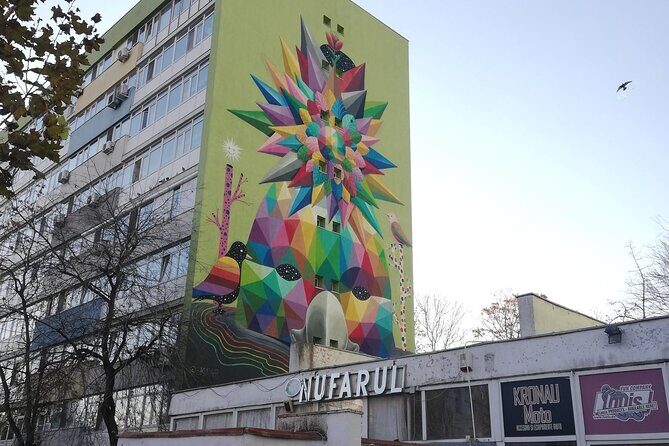
You’ll recognize the 1970s grey apartment blocks, but the story doesn’t stop in the past. Elena points out how the area is getting reinvented with colorful street art, so you can see continuity and change at the same time.
This stop is shorter (about 15 minutes), which works because the point is to get you there fast—then let you absorb what you’re seeing without dragging it out.
If you like tours that show how people live rather than just how places look, this is one of the best segments.
Stop 4: Cimit. Eroilor Revoluției and the quiet weight of memorial paths
Cimit. Eroilor Revoluției is a memorial cemetery dedicated to the Heroes killed in the revolution of 1989. It’s a change of tempo: less street scene, more reflective walking through calm paths.
You learn personal stories here, not just a general timeline. That matters because revolutions can become abstract when you only read about them later. Memorial stops force the human scale back into the picture.
Expect about 30 minutes. It’s long enough to feel the space, ask questions, and let the previous stops settle into something real.
Stop 5: Parcul Carol I, a high viewpoint, and the monument’s uncomfortable context
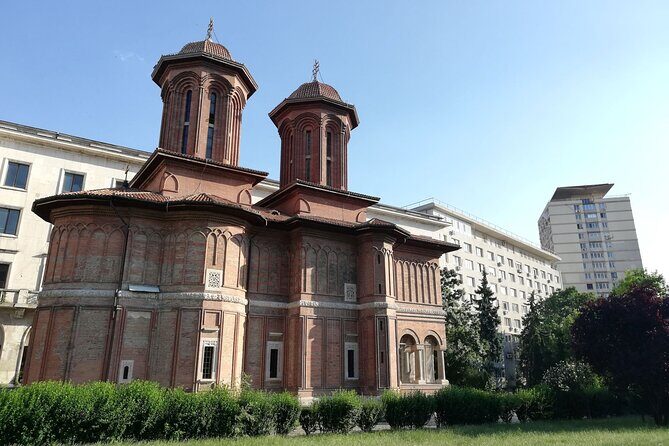
Next, you head to Parcul Carol I, where you get a unique view from one of Bucharest’s highest hills. You’ll also see the Monument of the Heroes for the Freedom of the Motherland, built in honor of communist party leaders.
This is a good moment to notice how monuments can be political even when they look “official” or “ceremonial.” Elena helps you read the symbolism: what was promised, what was controlled, and how the regime wanted itself remembered.
The stop is about 30 minutes. The viewpoint is a practical bonus too. It helps you mentally map the city so earlier sites don’t feel like separate worlds.
Stop 6: Palace of Parliament, the last whim, and why the size hits hard
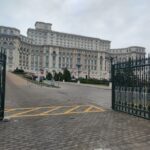
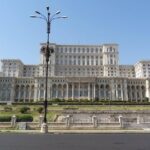
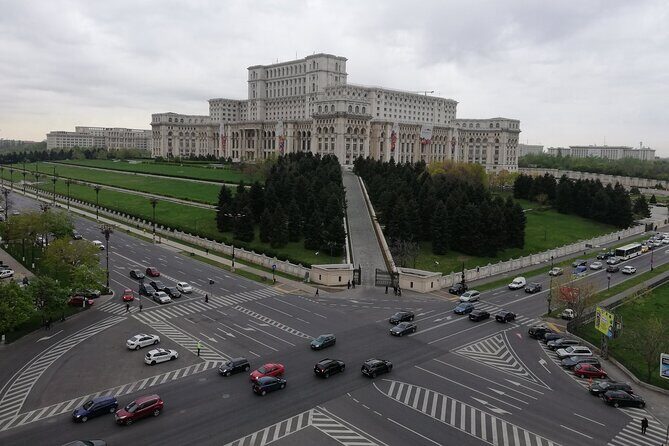
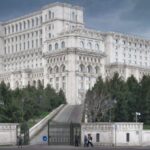
You return toward the city center for the Palace of Parliament, described as the second-largest administrative building in the world. The connection to Nicolae Ceaușescu’s ambitions is the key idea here: the building reads like power made concrete.
Admission is not included for this stop, so you’ll want to plan around that. Even so, the exterior and the explanation give you enough structure to understand why the palace is a symbol, not just a photo spot.
Expect about 30 minutes. If you’re the kind of traveler who likes “what this place represents” more than “how it looks inside,” this stop still delivers.
Stop 7: Bulevardul Unirii and the dancing fountains ending
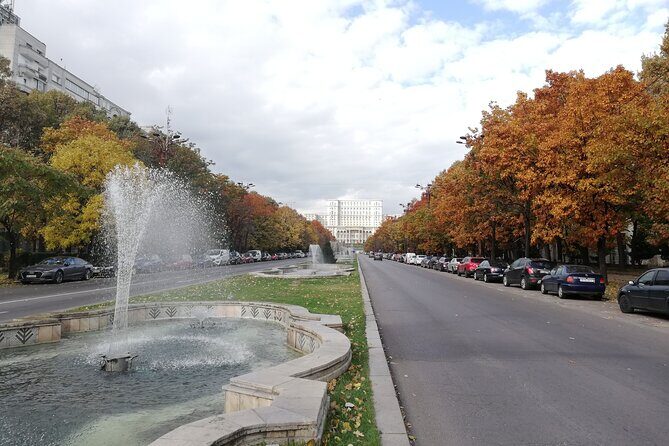
You finish near the dancing fountains on Unirii Boulevard. The tour frames the fountains and boulevard design as a kind of home-court advantage meant to humble visiting world leaders.
That ending works because it doesn’t leave you stuck in the past. You end in an active area where you can keep moving, grab food nearby, and stitch this history into your larger Bucharest day.
The final segment is about 15 minutes, mostly built for a clean wrap and a good location to continue exploring.
The real value: a local guide who explains impact, not only dates
The most praised part of this tour is Elena herself. Across the feedback, the pattern is consistent: she’s friendly, enthusiastic about the subject, and gives behind-the-scenes context that makes the sites feel connected.
You also get a helpful teaching style. Elena uses historical photographs, which helps you “see” the changes over time instead of treating communist-era Bucharest as a static chapter. The effect is practical: once you can match old images to modern streets, the city stops feeling like a confusing collage.
Another strong point is the dialog format. You’re not rushed out the door. Time is built in for questions and reflective talk, and that makes it easier to ask the awkward ones, like how daily life worked under the system or why certain events mattered in the long run.
And since the group is capped at 8, it stays intimate. You don’t need noise-canceling headphones or constant “listen while you hear yourself” energy.
How this tour fits your Bucharest plan (and who it’s best for)
This is a great choice if you want to understand the communist period and the 1989 revolution in a way that feels grounded in actual streets. It’s especially useful for first-timers because it gives you a storyline you can carry through the rest of your trip.
It’s also a good pick if you don’t want a big group. The small size and conversational pace make it easier to connect personally with the material. If you’re a solo traveler, it’s also comforting to know the experience is designed around interaction and question time rather than a head-down march.
Where it might not be the best fit: if you hate walking, or if you’re looking for an architectural tour only. This tour is about politics, memory, and social impact. The buildings matter, but the meaning matters more.
Price and value: $42.05 for context that changes how you see the city
At $42.05 per person for about 3 hours, this is priced like a midrange city experience. The value comes from two things you don’t get with a self-guided plan: a guided narrative and transportation between meaningful areas.
Most stops have admission free tickets, and the only major exception noted is the Palace of Parliament, where the ticket isn’t included. That structure keeps costs predictable and prevents the tour from feeling like a paywall tour at every turn.
If your goal is understanding, not just photos, this price makes sense. If your goal is ticking off famous buildings at maximum speed, you might find it a slower pace than a photo-hunt route.
Still, the combination of sites, local context, and Elena’s way of explaining impact makes it a strong deal for history-minded travelers.
Quick practical tips before you go
- Wear comfortable shoes. You’re walking the bulk of the route and there’s time on varied terrain.
- Eat first. It’s a morning-or-afternoon walk-and-talk style day, and you’ll feel it after a while.
- Bring questions. The tour style rewards curiosity, especially for politics and everyday life under communism.
- Plan for the Palace of Parliament ticket separately since it isn’t included.
Should you book Contrasts of Communism in Bucharest?
Book it if you want Bucharest’s communist story in a human, place-based way. This is the rare kind of tour where major monuments and quiet memorial paths both make sense, and where the guide connects past and present without turning it into a dry lecture.
Skip it only if you’re looking for a light, entertainment-first walk or you strongly prefer mostly indoor sights. Otherwise, the small group size, the English guiding, and Elena’s photo-supported storytelling make this an easy recommendation for anyone who wants to understand Romania beyond the surface.
FAQ
How long is the Contrasts of Communism walking tour in Bucharest?
The tour lasts about 3 hours.
How much does the tour cost, and is it in English?
It costs $42.05 per person, and it is offered in English.
What is the maximum group size?
The tour has a maximum of 8 travelers.
Where do we meet and where does the tour end?
You start at boteca13, Strada Boteanu 3, București 010027. The tour ends near Bulevardul Unirii 25.
Is the Palace of Parliament admission included?
No. The Palace of Parliament stop notes that admission is not included.
Are there admission tickets for the other stops?
The other listed stops have free admission tickets noted for the tour.
Does the tour use public transportation?
Yes. The route includes travel by public transportation to reach areas such as the working-class neighborhood segment.
What happens if weather is bad?
The experience requires good weather. If it’s canceled due to poor weather, you’ll be offered a different date or a full refund.