REVIEW · BUCHAREST
Communism Investigation Private Tour
Book on Viator →Operated by Communism Investigation Tour · Bookable on Viator
Bucharest hides its communist past in plain sight. On this private 4 to 5 hour tour, I like how the guide links sites to the real events of the era and how you get a printed dossier to take notes as you go. I also appreciate the comfort of a spacious, air-conditioned car with high-speed WiFi and pickup from central hotels. One heads-up: admission tickets are not included for the big optional interior stops, especially the Ceausescu Mansion and the Palace of Parliament, depending on opening times.
This is also not just a drive-by photo tour. The guide works in English (and can also work in French/Italian), and the “investigation” format means you’re encouraged to pay attention at multiple moments along the route, not only at the main landmarks. The pace is sensible for most people, but if you’re expecting long time inside museums or deep academic lecturing, you may find it more story-focused than museum-style.
If your interest is the human side of politics—how propaganda, power, and fear shaped daily life—this tour makes a lot of sense. You’ll see the kinds of places that still feel like they have rules even now, and the guide’s narration gives you a map for what you’re looking at.
In This Review
- Key highlights worth knowing before you go
- How Bucharest’s communist landmarks work as a single connected story
- Private transport with WiFi makes the pace feel easy
- Meeting the guide and using the dossier like a field notebook
- Stop 1: Ceausescu Mansion and why the residence hits harder than museums
- Stop 2: Tomb of the Unknown Soldier and the “socialist heroes” framing
- Stop 3: Piaka Revolukiei and the anti-communist spark in the party’s shadow
- Stop 4: Palace of Parliament outside views, with an optional interior choice
- Stop 5: Ministry of Internal Affairs exterior and the machinery behind control
- Value check: what you pay for and what you should budget
- Who this tour fits best (and who might want a different style)
- Practical tips to make your day smoother
- Should you book the Communism Investigation Private Tour?
Key highlights worth knowing before you go

- Private vehicle, pickup included: You ride with just your group and your guide, in an air-conditioned car.
- Marius brings the story to life: The guide is repeatedly praised, including Marius specifically, for clarity and organization.
- Investigation dossier for the day: You get printed handouts to collect as a souvenir and to organize what you learn.
- Audio and video testimonials: You’ll hear and see accounts tied to what life felt like during the communist era.
- Most stops are free: Tomb of the Unknown Soldier, Piaka Revolukiei, and the Ministry of Internal Affairs exterior visits have no admission fee.
How Bucharest’s communist landmarks work as a single connected story
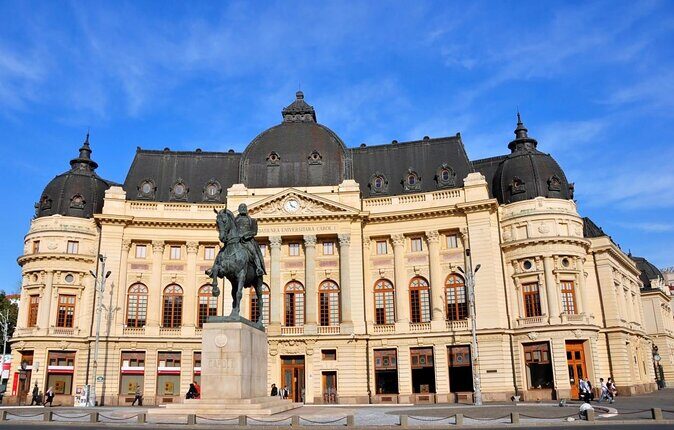
Bucharest can feel like a city of contradictions. You’re walking among grand buildings and wide boulevards, yet the details hint at something more controlled. This tour helps you read those details instead of just admiring architecture. The whole idea is to connect the key power centers—residence, party headquarters, state institutions—so the era stops feeling like random dates.
The “investigation” framing matters. It turns sightseeing into observation. You’re not only hearing what happened; you’re guided to look for clues in what remains: the location, the function, the way space was used. That makes the experience more active, which is handy if you’ve visited other tours where you end up zoning out after the third stop.
You also get a story toolkit beyond the verbal narration. The route includes audio and video testimonials, plus a printed dossier you can use to jot your own takeaways. In practice, that combination helps the facts stick, and it gives you something to revisit later when you’re back home.
You can also read our reviews of more private tours in Bucharest
Private transport with WiFi makes the pace feel easy
One reason this tour works well for a short visit is the logistics are handled. You can be picked up from centrally located hotels or accommodations, and you’ll spend the day in a private vehicle. That means fewer delays than a group bus schedule and less time trying to figure out how to get between sites.
The car is air-conditioned, which matters in summer and spring when Bucharest can be warm and bright. You also get high-speed WiFi on board, so you can check directions, search quick background facts on your own, or just keep things comfortable while the guide sets up the next stop.
Duration is listed as about 4 to 5 hours. That’s long enough for a meaningful route but short enough that you’re still free to have dinner afterward, visit a museum on your own, or walk the streets near your hotel. Just remember that two of the stops can involve admissions that aren’t included, which can affect how much time you spend at the interior options.
Meeting the guide and using the dossier like a field notebook
The guide on this tour is presented as a “Comrade,” and they speak English (with French and Italian options as well). What really stands out is the delivery style. People highlight how organized the narration feels, and how the guide weaves the story of Romania’s communist period into the actual places you’re standing in.
In several accounts, the guide is praised for using more than just words. There are audio and video testimonials, plus narration that’s tied directly to the route. It’s the kind of storytelling that makes you look up from your phone and pay attention to what’s in front of you.
Then there’s the dossier. You get a personal “investigation” sheet for collecting information from each site, and you can take it away as a souvenir. I like this kind of tool because it gives you structure. Instead of leaving with 20 scattered impressions, you end up with notes organized by stop—what you saw, what it meant, and what to remember.
One small caution: the tour title can sound more like a formal detective quest. In reality, it’s still a guided history-and-sites experience. The investigation angle is the format and your take-home dossier, not a lab-style process.
Stop 1: Ceausescu Mansion and why the residence hits harder than museums
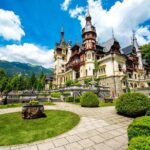
The tour begins at Ceausescu Mansion, described as the dictator’s residence. This is where the story of power becomes personal. A residence isn’t just a building; it’s a clue about habits, comfort, and control. You’ll learn about the dictator’s living style and what that environment was meant to communicate.
You’ll spend about 1 hour here. The important practical detail: the admission ticket is not included. That means you’ll want to plan time and money if you decide to do an optional interior visit, depending on opening times and availability.
This stop can be emotionally heavy if you’re sensitive to propaganda themes. Still, it’s also one of the most useful places on the route, because it frames the rest of the day. Once you understand how one person lived and ruled, the later stops about institutions and party power feel less abstract.
If you’re the kind of visitor who likes to connect buildings to behavior—how leaders shaped spaces—this is a strong opening. If you prefer only exterior viewpoints, it’s still worth going because the guide’s narrative is part of what makes the mansion meaningful.
Stop 2: Tomb of the Unknown Soldier and the “socialist heroes” framing
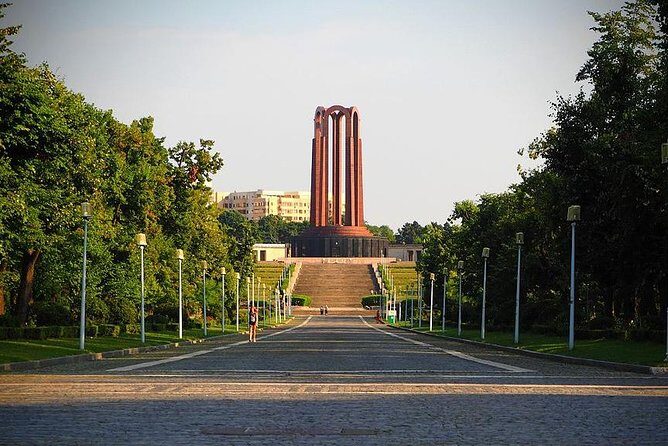
Next is the Tomb of the Unknown Soldier, described as the mausoleum of Socialist Heroes and the fight for the Motherland. It’s a shorter stop, about 30 minutes, and admission is free.
This kind of site works differently than a palace. Instead of one ruler’s personal life, you’re looking at how the state wants you to remember sacrifice. The structure and symbolism aim to create a shared emotional story, and the guide’s explanation helps you understand the political purpose behind the monument style.
Because the stop is brief, you won’t feel stuck. You’ll have time to focus on what matters: the meaning the monument tries to project, and how that fits into the larger communist narrative presented through the day.
If you enjoy short, well-guided stops, this one is a good break point between heavier locations. It’s also free, which is great for value.
Stop 3: Piaka Revolukiei and the anti-communist spark in the party’s shadow

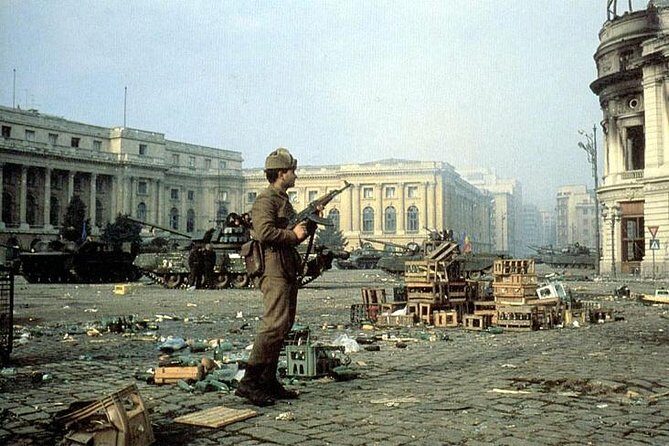
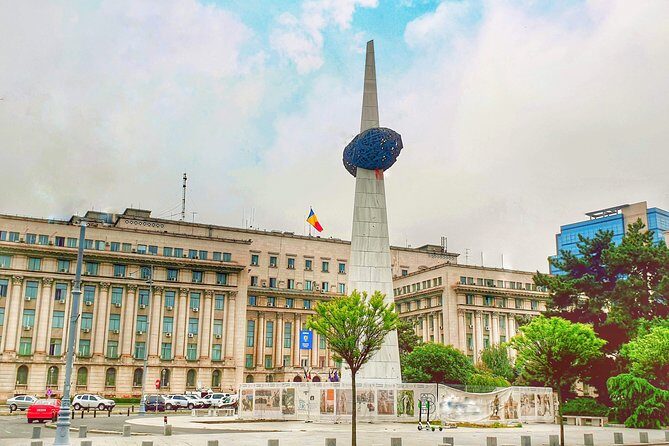
Then comes Piaka Revolukiei. The tour describes this as the Communist Party headquarters hotspot, tied to anti-communist manifestations. You’ll spend about 30 minutes, and admission is free.
This is one of those locations where the surrounding space gives you context you can’t get from a photo. When you understand that this was a party power center and also connected to protests, it changes how you interpret what you’re seeing. The guide’s job here is to slow you down and help you connect the dots between authority and resistance.
Because it’s an event-linked stop, it may feel a bit like street history. You’re moving through the meaning of a place, not just looking at a collection of objects. The “investigation” format can help here, because you’re encouraged to observe and track the storyline as it evolves.
If you’re visiting during a busy time of day, you might want to keep your expectations realistic for photos and walking speed. The big win is how the guide explains why this location matters to the 1989 narrative.
Stop 4: Palace of Parliament outside views, with an optional interior choice
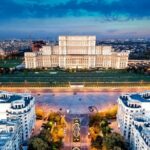
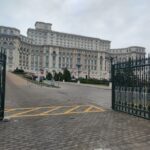
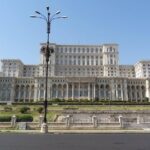
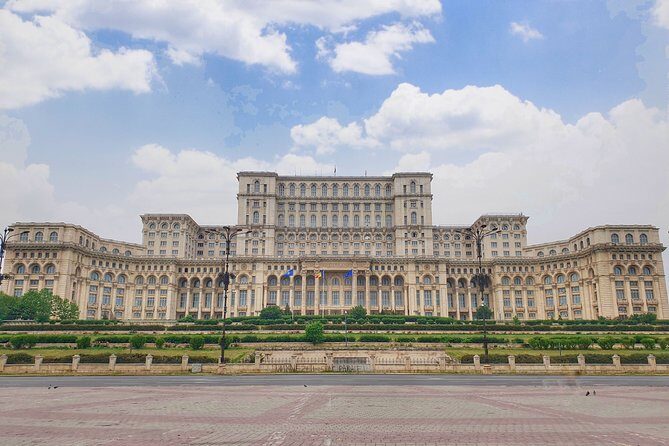
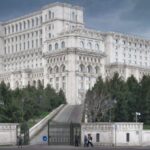
The tour includes the Palace of Parliament as an outside stop. It’s described as the People’s House and the Victory of Socialism Boulevard. Time on this stop is about 25 minutes, and admission is not included.
Here’s the key practical point: there is an optional interior visit depending on opening times. If that’s something you’re interested in, you’ll need to plan for admission costs. If you’re not aiming for interiors, the outside time can still be worthwhile, because the guide’s explanation frames why the building was designed the way it was.
This is a stop where architecture can be a form of messaging. Once you hear the guide’s interpretation, the scale starts to feel intentional, not merely impressive. It’s less about comfort and more about control, spectacle, and permanence.
If you’re short on time or you want a lighter moment before the last institutional stop, you’ll likely appreciate the limited duration. It keeps the day moving without turning it into an all-day museum quest.
Stop 5: Ministry of Internal Affairs exterior and the machinery behind control
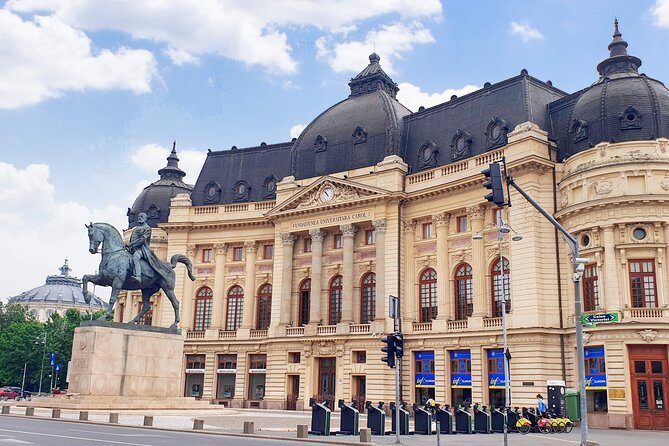
The final landmark stop is the Ministry of Internal Affairs, described as the former headquarters of the Central Committee of the Romanian Communist Party. This is an exterior visit, about 30 minutes, and admission is free.
This kind of stop matters because internal affairs relates to enforcement—how power maintained itself. Even from outside, the building location and the guide’s framing can help you understand the system’s role beyond propaganda posters and grand parades.
You’ll likely leave with a clearer sense of how different parts of the state supported each other. The mansion explains personal authority. The party-site area connects public power. The monument stop adds the state’s emotional narrative. The parliament ties in the message of legitimacy and scale. And the ministry exterior rounds it out by pointing to the machinery.
It’s also a good ending time wise. A 30-minute exterior stop gives you closure without exhausting you. If you still want more afterward, the route sets you up to choose your own follow-up neighborhood walk or another museum visit.
Value check: what you pay for and what you should budget
At $108.14 per person, this tour is priced like a private experience, not a mass-market group bus day. You’re paying for several practical upgrades: pickup from central accommodation, a private air-conditioned vehicle, high-speed WiFi, and an English-speaking guide (with French/Italian options). You also get an investigation dossier and audio/video components, which is more than a basic walking tour script.
For cost planning, remember what’s not included. Admission tickets are not included for the mansion and the parliament interior option. Those decisions can shift what you actually spend on the day. The other sites listed are free: Tomb of the Unknown Soldier, Piaka Revolukiei, and the Ministry of Internal Affairs exterior.
Tipping isn’t included. The tour notes bribe (tips) for the Comrade, so you should plan for a tip if you want to show appreciation. Since the guide is repeatedly praised, it’s a good idea to keep that in mind.
If you’re traveling as a smaller group and you want a guided route with comfort and time efficiency, this offers solid value. If you’re trying to minimize paid admission and you only want exterior views, you might still enjoy it, but you should confirm what optional entries are possible during your dates.
Who this tour fits best (and who might want a different style)
This tour is ideal if you like history that feels connected to real places. You’re not just learning about events; you’re standing near the sites tied to leadership, party power, and political messaging. It’s also a good match if you want a private pace. You can ask questions without feeling like you’re waiting for a big group to catch up.
It’s also a strong fit for the “I want context, not just facts” crowd. The guide doesn’t just list dates. The route is organized so you get a storyline: residence, monuments, political hotspot, parliament messaging, and internal control.
If you dislike anything that feels heavy or politically charged, you should think carefully. The theme is communist power and its consequences. For most visitors, that discomfort is part of the point. For others, it can be draining.
And if you expected a literal formal investigation, you may feel the title sets a higher bar than the format. The structure is still a guided tour with a dossier and observation-based storytelling, not a detective-style activity with evidence collection in a physical sense.
Practical tips to make your day smoother
First, wear shoes you’re comfortable walking in, because you’ll be moving between city sites over a few hours. Build in time for a bit of stop-and-look behavior, since the guide’s style depends on you noticing details.
Second, check the interior options before you go. Admission for Ceausescu Mansion and the Palace of Parliament is not included, and interiors depend on opening times. If you want those interior experiences, plan your budget and be ready for schedule adjustments.
Third, keep weather in mind. The experience notes that it requires good weather. If the day is bad, the tour can be canceled and you’ll be offered a different date or a full refund.
Finally, bring a flexible mindset. This is a tightly guided route, and the value is in the story you’re given and the order you see places. You don’t want to fight the pace.
Should you book the Communism Investigation Private Tour?
I think it’s an easy yes if you want a focused, private way to understand Romania’s communist era through the actual spaces where power and messaging lived. The combination of private transport, a structured route, and the dossier plus audio/video storytelling makes the experience feel more like guided interpretation than a simple checklist.
Book it if you like history presented through place-based narratives and you’re comfortable with a politically serious theme. Also consider it if you appreciate a guide who can keep things organized and clear, like Marius is repeatedly praised for.
Skip or adjust expectations if you only want museum-style time inside major venues or if you’re trying to avoid any extra admission costs. In that case, you might still enjoy the free stops, but you’ll want to be realistic about how much of the big interiors are optional.
If you want Bucharest to make sense quickly—and you want more than photos—this is one of the better ways to do it in a half-day.