REVIEW · BUCHAREST
Bucharest City Tour 4h
Book on GetYourGuide →Operated by Nicolas Experience Tours SRL · Bookable on GetYourGuide
Four hours in Bucharest can change your perspective. This private city tour links Palace of the Parliament with the people and events that shaped modern Romania, all with a guide in your ear and a car that keeps you comfortable.
What I like most is the private, air-conditioned car with Wi-Fi (so you’re not stuck sweating through transfers or juggling directions), and the way Nicolas—an especially friendly, history-focused guide—turns landmark viewing into clear, human-scale stories. One thing to factor in: entrance fees and some photo fees usually add extra cost on top of the tour price.
In This Review
- Key moments that make this tour worth it
- Four Hours, Door-to-Door: Private Car, Licensed Guide, and the Nicolas Factor
- Entering the Palace of Parliament: When Meant-to-Impress Becomes a Warning
- The Dimitrie Gusti National Village Museum: Romanian Life at Human Scale
- Calea Victoriei: A Royal Avenue with Communist Pressure Pressed Into It
- Revolution Square and the December 1989 Story: Why It Changed Everything
- Romanian Athenaeum and the Cultural Face of Bucharest
- Old Town Time: Getting Your Bearings Without Rushing
- Price and Logistics: Is $173 Per Person Good Value?
- Who This Bucharest Tour Fits Best
- Should You Book This Bucharest City Tour?
- FAQ
- How long is the Bucharest City Tour?
- What’s included in the price for this private tour?
- Do I get pickup from my hotel?
- Is this tour private?
- What languages are offered for the guide?
- Which major sights does the tour include?
- Are entrance fees and photo fees included?
- What should I bring?
- Is the tour wheelchair accessible?
- Can I cancel and get a full refund?
Key moments that make this tour worth it
- Palace of the Parliament in a private, timed visit that explains why the building still feels heavy today
- Dimitrie Gusti National Village Museum, where traditional Romanian homes and churches show how communities lived and survived
- Calea Victoriei walkthrough, mixing old royal grandeur with the scars of communist-era power
- Revolution Square and the December 1989 story, with context for what happened and why it mattered
- Romanian Athenaeum and the nearby monuments, so you see Bucharest’s cultural face, not just its political one
- Real flexibility with your guide, including pacing help that can matter if anyone in your group needs a slower rhythm
Four Hours, Door-to-Door: Private Car, Licensed Guide, and the Nicolas Factor
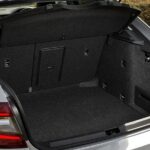
This is a private Bucharest city tour built for people who want the big sights without the stress. You’re picked up from your address in Bucharest (hotel lobby or the sidewalk if you’re in a residential area), and you ride in a private, air-conditioned car with wireless internet. That’s not just comfort—it’s time value. In four hours, every minute you don’t spend locating a bus stop helps you see more, and arrive with more energy.
The tour is guided by a licensed English-speaking guide/driver, and you get undivided attention the whole time. In the real world, that matters for how you experience Bucharest: you’re not stuck with a scripted pace. Nicolas, in particular, comes up in feedback for being professional, friendly, and passionate, and for tailoring explanations to what your group actually cares about. One review even calls out his use of a traditional map for geographical context, which is a small touch that makes the city feel more graspable fast.
A quick practical note: the walking isn’t huge, but it’s real. You’ll spend time on foot around Calea Victoriei, Revolution Square, and the Old Town area. Comfortable shoes are a must.
You can also read our reviews of more city tours in Bucharest


Entering the Palace of Parliament: When Meant-to-Impress Becomes a Warning

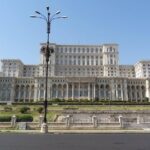
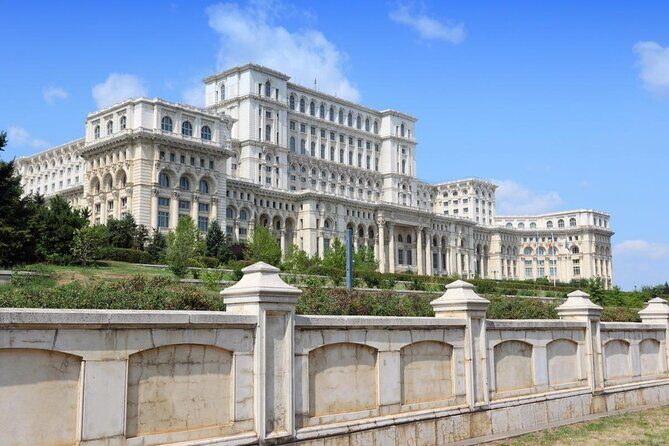
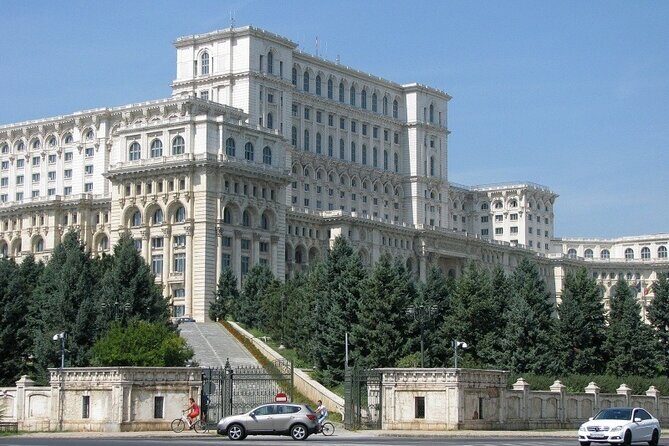
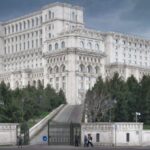
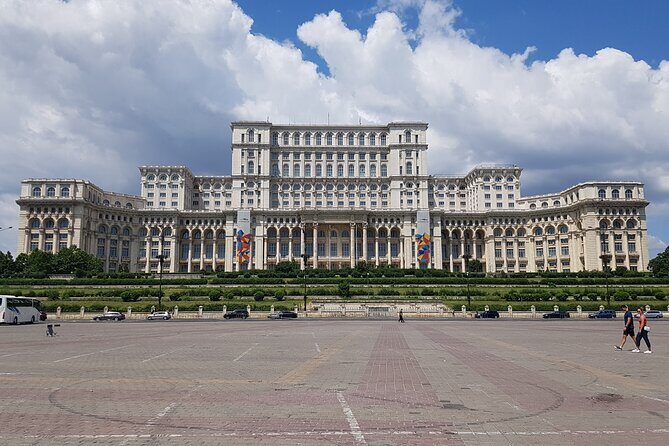
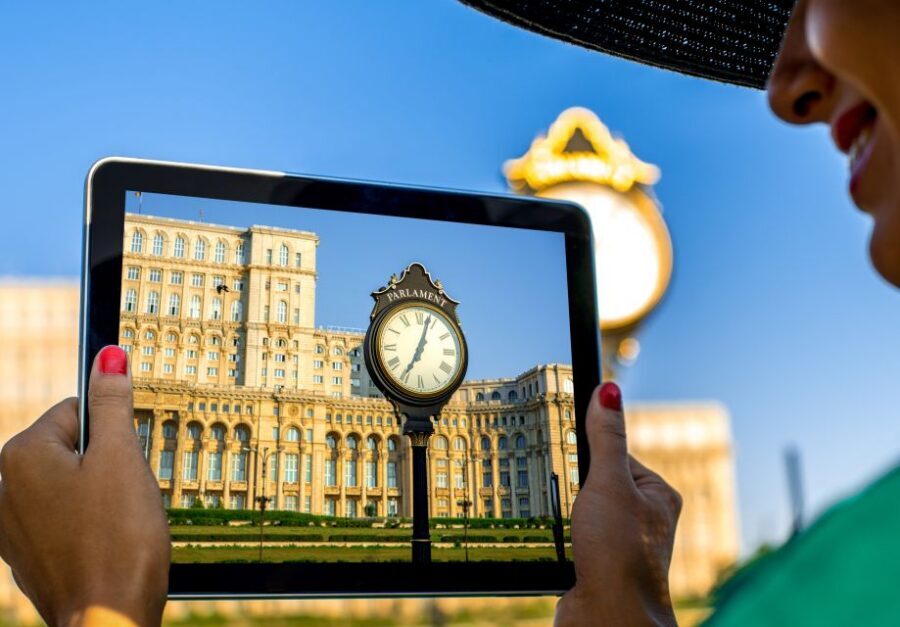
The centerpiece is the Palace of the Parliament (also known historically as the People’s House). You get a guided look and time for sightseeing that lasts about 1.5 hours. This is one of those places where architecture stops being background and becomes a message.
The scale is the hook. This is the world’s second-largest administrative building, and just that fact is enough to make you understand why it was chosen for a communist-era show of power. But the better part of the visit is the explanation you get: how regimes built on fear and control can damage a nation in ways that outlast the leaders. The guide helps you connect the building’s opulence with the politics behind it—why “more” and “bigger” can turn into pure megalomania, and why the public ends up paying the price.
If you prefer meaning over photos, you’ll love this stop. If you’re hoping for an easy, casual stroll, you might find the atmosphere a bit intense. Plan to pay attention, not just look around.
Photo tip: picture fees can apply at some stops. If you take lots of photos, it’s smart to keep a little cash or euros handy just in case.
The Dimitrie Gusti National Village Museum: Romanian Life at Human Scale
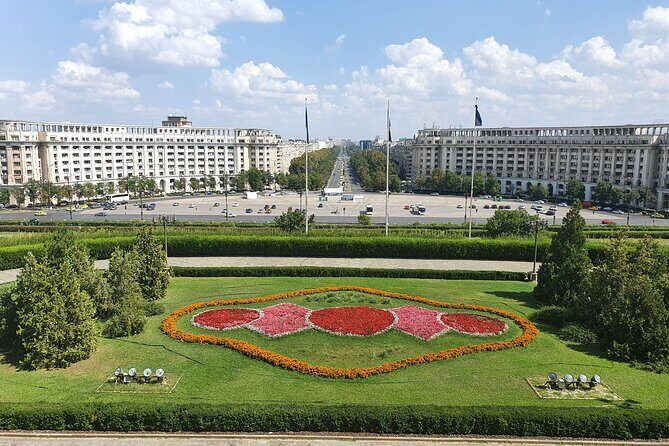
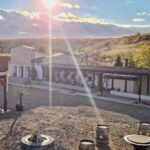
Next comes the Dimitrie Gusti National Village Museum, with about an hour for a guided visit and sightseeing. This is a very different mood from the Parliament—less marble, more everyday life.
Here, the focus is Romanian traditions through buildings and how people lived. You’ll see traditional houses made from materials like wood, adobe, stone, and other local methods, pulled from different parts of the country. Instead of big political speeches, you get practical context: what villagers needed, how they built, and how community and faith shaped daily routines.
One of the most memorable themes is sustainability as a lived reality. You’ll hear how Romanian villagers created an ecological, sustainable environment in their backyard long before the modern buzzwords existed. It’s not just “pretty old houses.” The point is connection: homes, spirituality, and social harmony tied to the land.
The museum also highlights national symbols like a mill and a wooden church. Even if you don’t consider yourself a museum person, this stop is designed to make you feel the logic of place. It’s one of those experiences where the details help you understand the culture without needing a history textbook.
Calea Victoriei: A Royal Avenue with Communist Pressure Pressed Into It
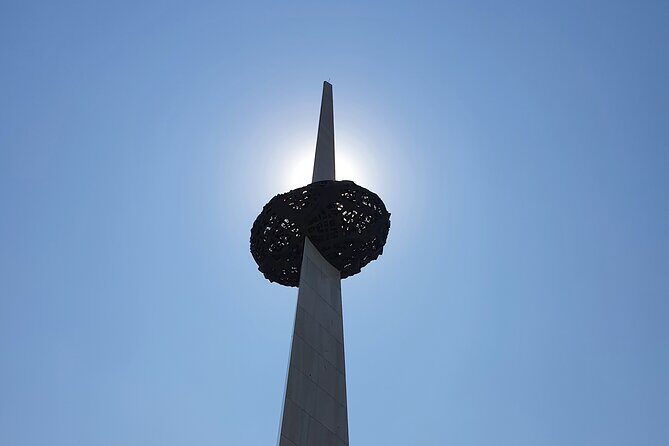
After the museum, you’ll head to Calea Victoriei (Victory Avenue) for about a 30-minute walk with the guide. This street is a timeline you can stroll through.
On one side, you see the elegance tied to the Royal Palace. On the other, you get reminders of the communist power structure and the consequences that followed it. Revolution-era history isn’t limited to a single square here—you feel it in the street-level contrast.
The guide also points out the city’s contradictions. You’ll pass old Orthodox churches with an air of mystery, plus the everyday city mix that makes Bucharest feel like a real place: a music store with a large selection, casinos, bohemian restaurants, museums, theatres, tea shops, retail stores, and souvenir spots.
If you’re a “streets tell stories” person, this part works. If you want only major monuments, you may still appreciate it because it shows how the city keeps moving around the big historical moments.
Revolution Square and the December 1989 Story: Why It Changed Everything
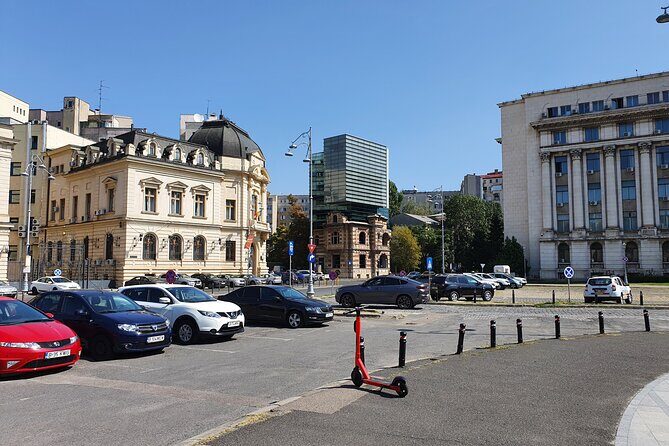
Then it’s Revolution Square, also about a 30-minute guided sightseeing walk. This is the kind of place where the architecture is less important than the event.
You’ll get guided context for the Revolution of December 1989, when Nicolae Ceaușescu was ousted. The guide helps connect the dots between what you see now and what happened then, including the detail that Ceaușescu fled the country by helicopter.
After that, the tour reaches the Senate Palace, where you see the building that used to house the Central Committee of the Romanian Communist Party. The guide ties this site to the start of the revolution, so it doesn’t feel like a stop on a map. It feels like a hinge in the country’s story.
This is also where I’d encourage you to set your phone photos to “camera ready,” not “camera running.” Listen first. The meaning lands faster when you’re not constantly trying to frame everything.
Romanian Athenaeum and the Cultural Face of Bucharest
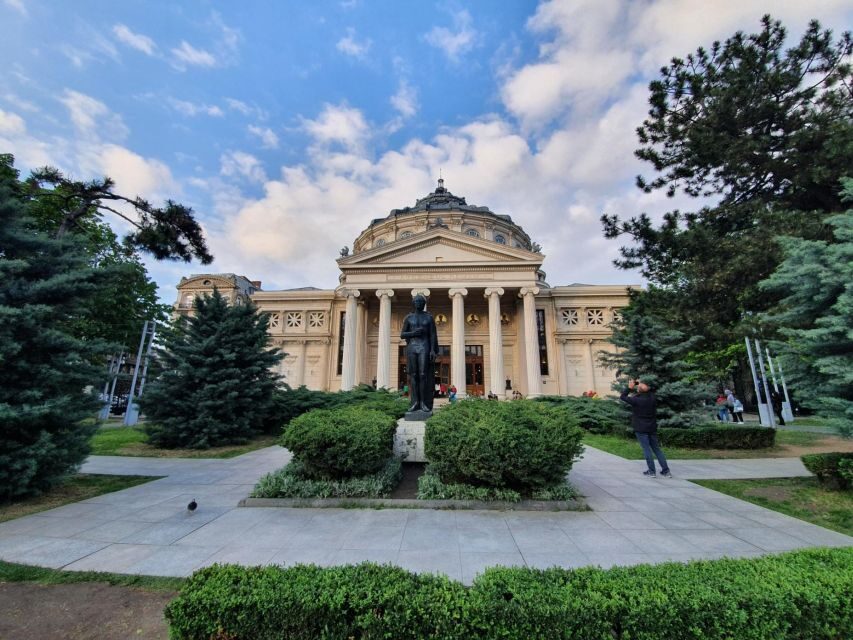
The tour includes a stop at the Romanian Athenaeum, with about a 30-minute visit and guided sightseeing. This is the cultural counterbalance to the heavier political sites.
The Athenaeum matters because it helps you see Bucharest as more than a stage for power. It’s a landmark tied to arts and public life, and the architecture gives the city a different kind of identity—one built on expression rather than control.
You’ll also pass or visit nearby major buildings linked to Bucharest’s modern identity, including the National History Museum and the CEC Palace area. The guide’s job here is to connect the dots: how a city can look grand while hiding serious social fractures, and how the same streets can host both cultural pride and political fear.
If you like walking away from a tour feeling like you understand how a city thinks, this is the section that delivers that.
Old Town Time: Getting Your Bearings Without Rushing
The tour ends with time in the Old Town area, with roughly 30 minutes for guided sightseeing. This is where you get a chance to connect the dots between the big civic landmarks and the parts of the city that feel more lived-in.
There’s also a planned break and photo time before you wrap up, around the 30-minute mark near the end of the experience. That matters because four hours can feel short until you’re actually doing it. A break helps you absorb everything rather than turning the whole thing into a blur.
One smart way to use this part: ask your guide for one or two practical next steps. With a private tour, you can usually get advice on what to do after the formal stop—like where to wander next on foot while the city is still fresh in your mind.
Price and Logistics: Is $173 Per Person Good Value?
At $173 per person for a 4-hour private tour, the value depends on what you compare it to.
If you’re traveling as a group and want to see the major landmarks without waiting on public transport or hiring separate guides for each stop, this price can feel fair. You get:
- pickup and drop-off from your address
- a private car that includes air-conditioning and Wi-Fi
- a licensed guide with your group’s attention
- flexibility to adjust the day’s plan after it starts
- fuel, parking, and road tolls included in the tour price
Where costs can creep up is the optional stuff you might pay for inside specific sites. Entrance fees are not included, and photo fees can apply at some sights (often around €2 or €3 per sight). If you’re budgeting carefully, I’d expect those add-ons to be your main variable expense.
Bottom line: for a short, intense highlights tour with a guide who explains the why—not just the what—the structure feels like good use of time.
Who This Bucharest Tour Fits Best
I think this tour is ideal if you:
- want the biggest Bucharest landmarks in one compact package
- appreciate guided context, especially around communism and its impact
- prefer private transport and a car that actually keeps you comfortable
- like having time to ask questions and adjust pacing
It also seems like a strong option for older visitors when someone needs the route made manageable—there’s specific feedback about Nicolas helping make the day easier for elderly parents. If you need to move slower, a private format usually helps more than you’d think.
If you’re traveling with very young kids who can’t handle museum-type environments or longer indoor spaces, you might want to consider whether the Parliament and guided stops match your family pace.
Should You Book This Bucharest City Tour?
Yes, if you want a guided, meaningful highlights tour that explains why Bucharest looks the way it does today. The combination of Palace of the Parliament, the National Village Museum, Calea Victoriei, and the Revolution Square sites gives you both the political spine and the human side of Romania.
Book it especially if you value comfort and clarity: the private car, Wi-Fi, pickup convenience, and the undivided attention from Nicolas (including his map-style explanations) make the time feel productive, not rushed.
Pass or consider alternatives if you’re trying to keep total costs ultra-low, since entrance and photo fees are not included, and you’ll likely be paying a bit more once inside certain places. Also, it’s not suitable for wheelchair users.
If you want Bucharest in one clear arc—power, resilience, and culture—this is a solid way to get it done in four hours.
FAQ
How long is the Bucharest City Tour?
The tour lasts 4 hours.
What’s included in the price for this private tour?
It includes pickup and drop-off from your address, a private air-conditioned car with Wi-Fi, a licensed English-speaking guide/driver, and fuel, parking, road tolls, and all taxes.
Do I get pickup from my hotel?
Yes. You’ll be picked up from your address in Bucharest (hotel lobby or sidewalk for residential addresses). If you land at the airport and need pickup, a representative waits at the Info Desk at Arrivals with a placard with your name.
Is this tour private?
Yes. It’s a private group, so you get undivided attention from your guide.
What languages are offered for the guide?
The tour is available with a live guide in English, Italian, Romanian, Spanish, and French.
Which major sights does the tour include?
You’ll see the Palace of the Parliament, the Dimitrie Gusti National Village Museum, Calea Victoriei, Revolution Square, the Romanian Athenaeum, and also the Old Town area. The tour also includes stops connected to the Central Committee of the Romanian Communist Party and the Senate Palace area.
Are entrance fees and photo fees included?
Entrance fees are not included. Photo fees may also apply at some sights, usually around €2 or €3 per sight.
What should I bring?
Wear comfortable shoes.
Is the tour wheelchair accessible?
No, it is not suitable for wheelchair users.
Can I cancel and get a full refund?
Yes. You can cancel up to 24 hours in advance for a full refund.