REVIEW · BUCHAREST
2-Hours Private Bucharest City Tour
Book on Viator →Operated by Romania Driver and Guide · Bookable on Viator
Bucharest gets political fast, and this private 2-hour tour is built for seeing the big sights without the stress of figuring out transport. I love the round-trip hotel pickup, because it keeps your day simple. I also like that you can tailor the order to your interests while the guide handles the moves and costs. The main drawback is time: with only about two hours, you’ll get meaningful stops and context, but not long museum-style wandering at every point.
This is a small, just-your-group format with a licensed English-speaking guide/driver, and it’s designed to feel like a quick, local explanation of how modern Bucharest formed. One small plus: the tour includes car expenses and taxes, so you’re not hunting for ticket counters and surprise fees mid-day.
In This Review
- Key highlights you’ll feel right away
- Why this 2-hour private format works in Bucharest
- Palace of Parliament and People’s House: size, symbolism, and the human lesson
- National Village Museum: Romanian homes and the idea of living lightly
- Revolution and the Ceaușescu story: what happened, and why it mattered
- Ceaușescu Mansion: opulence behind closed doors
- Triumph Arch and Romanian symbols: seeing history through exhibits
- Romanian Athenaeum and the Old Center sights you’ll recognize
- Price and logistics: what $140.58 buys you
- Who should book this tour, and who might prefer to do it differently
- Should you book it?
- FAQ
- FAQ
- How long is the private Bucharest city tour?
- Is pickup from my Bucharest hotel included?
- Is the tour private or shared?
- What language is the guide?
- Can you customize the itinerary?
- Are transport and entry-related costs included?
- Do I need to pay anything on the spot?
- What if I need to cancel?
- Is the tour suitable for everyone?
Key highlights you’ll feel right away
- Private car just for you: no sharing rides with strangers, and all transport fees are covered
- Hotel pickup and drop-off: saves you time and keeps the schedule tight
- Customizable route: you can tweak the order based on what you care about most
- Big-ticket stops in a short window: People’s House, Senate/Central Committee area, Ceaușescu sites
- Culture and tradition in one sweep: Romanian Village Museum plus the Romanian Athenaeum
- English guide with city context: built for getting your bearings fast and understanding the why
Why this 2-hour private format works in Bucharest
Bucharest can feel like a city of opposites: grand monuments, layered history, and neighborhoods that show different eras side by side. When you only have a couple hours, the trick is picking a route that gives meaning, not just photos.
That’s where this tour is strong. You’re paying for an efficient flow: hotel pickup, a private car, and an English-speaking guide who can explain what you’re seeing while you’re actually there. At around 2 hours, you don’t have to cram a whole day to cover the essentials, and you don’t lose time to logistics.
You’ll also get flexibility. If you’re more into architecture, revolution history, or Romanian folk tradition, you can adjust the itinerary. The key is that the guide is already planning the major stops; you’re just steering the emphasis.
You can also read our reviews of more city tours in Bucharest

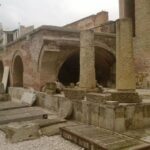

Palace of Parliament and People’s House: size, symbolism, and the human lesson

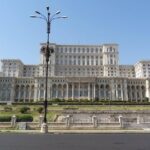
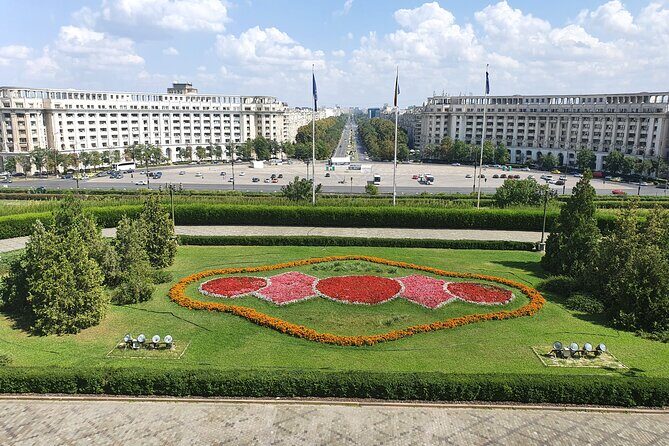
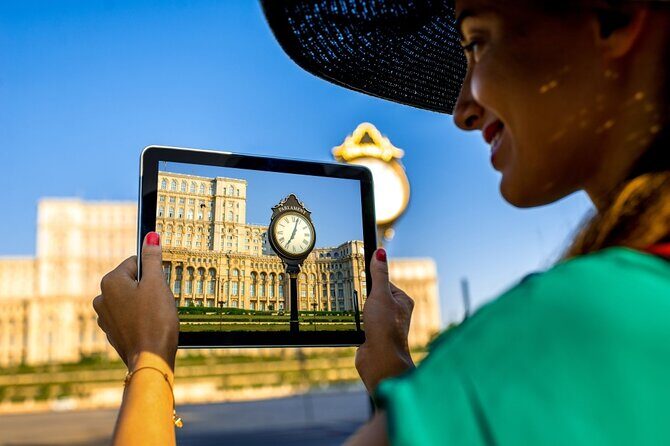
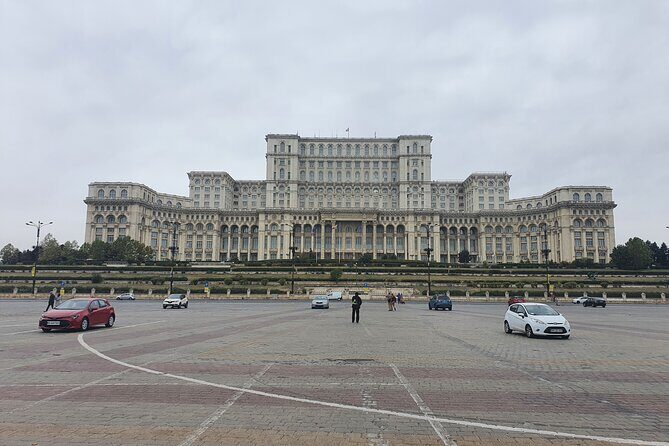
Most Bucharest first-timers hear about the Palace of Parliament, but the tour helps you see it with context. You’ll stop at the Palace of Parliament, also known as the People’s House, and the guide frames it as a lesson about how a totalitarian system can harm a nation.
Here’s what to expect at this stop:
- You’ll learn why the regime’s “statement buildings” are more than just impressive shapes.
- You’ll hear how this kind of power becomes damaging and dangerous, not just expensive.
- You’ll stand in a place that’s described as the second-largest administrative building in the world after the Pentagon.
It’s hard to feel small in Bucharest. But standing in a building designed to dwarf the individual can do it. The tour’s approach is straightforward: it ties the building’s scale to the cost in human terms.
Practical consideration: this topic is heavy. If you prefer light sightseeing, you might want to pace yourself and save your museum energy for later. Also, with only about two hours total, you won’t be there forever. That’s not bad if you go in ready to absorb the big idea.
National Village Museum: Romanian homes and the idea of living lightly
Next you’ll visit the National Village Museum, where Romanian tradition is shown through a collection of traditional houses from across the country. This stop changes the tone of the tour in a good way: from political power to everyday life.
What makes this stop special is that it’s not just architecture. The guide explains what it meant for villagers to build an ecological and sustainable environment in their backyard, along with the simple lifestyle that leaned toward social and spiritual harmony.
You’ll be able to see how homes were built with different materials depending on the region, including wood and adobe, and also stone. The tour also points out national symbols you might notice on site, such as a mill and a wooden church.
What to watch for during your visit:
- Construction details: how materials shape the look and function of a house
- The layout idea: these aren’t random buildings; they’re grouped to show how people lived
- The symbols: the guide helps you connect them to identity and continuity
A small drawback: if you’re the kind of person who loves long museum time, you might feel the stop is short. Still, as part of a compact tour, it hits a useful balance. It gives you Romania beyond politics—how people actually built homes and communities.
Revolution and the Ceaușescu story: what happened, and why it mattered
One of the tour’s core strengths is that it treats the Ceaușescu era and the December 1989 revolution as part of one connected story, not isolated facts. You’ll be transported back in time to the moment Nicolae Ceaușescu was ousted, and the guide mentions the backdrop of secrets of a great fortune and controversies surrounding the state security service and offshore accounts.
Even if you already know the headline version of the revolution, this stop helps you place the events into the geography of the city. Bucharest becomes a map of power shifts.
You’ll also see the Senate Palace area as a major historical landmark. The guide explains that this is where the Central Committee of the Romanian Communist Party was housed, and that the Revolution of December 1989 started here—resulting in Ceausescu being removed from power through human force and sacrifice.
If you’re sensitive to the emotional weight of history, this part can feel intense, but it’s not sensationalized. It’s more like standing at the stage where history played out and being helped to understand the stakes.
Ceaușescu Mansion: opulence behind closed doors
After the revolution context, you’ll move to the Ceaușescu Mansion, the private residence of Nicolae and Elena Ceaușescu and their children Nicu, Zoia, and Valentin. The tour notes that it was their home for a quarter of a century, from 1965 to 1989.
This stop is a sharp contrast with the Village Museum. One place shows how people lived with modest means. The other shows how power can create private worlds.
What I think you’ll get most from this stop is the way it ties together the theme running through the whole tour:
- Power builds massive structures.
- Power turns into luxury and isolation.
- Then power collapses, leaving behind questions, claims, and consequences.
Because the tour is short, you won’t have a long time here. But even a brief stop can land if you’ve been paying attention to the story the guide is building.
You can also read our reviews of more private tours in Bucharest



Triumph Arch and Romanian symbols: seeing history through exhibits
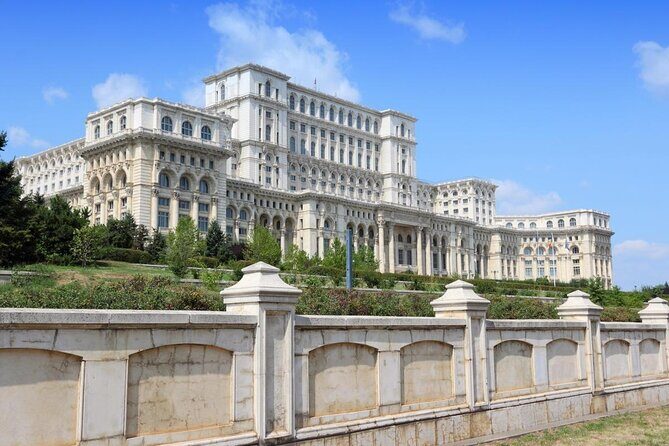
Next you’ll visit the Arch of Triumph, a monument with a design described as most similar to the Arc de Triomphe in Paris. It’s about 27 meters tall—roughly 16 times a person’s average height—and that scale matters here too. It’s a monument meant to be seen from far enough away that it becomes part of how the city remembers itself.
The tour frames the arch as a symbol of the fight for freedom. And here’s where the experience becomes a bit unpredictable in a good way: with some luck, you may be able to admire four exhibits, including:
- The Great War for the Unification of Romania (photography and film)
- The Heraldry of the Great Boyar Families (bronze effigies and photographs)
- The Arch of Triumph in Pictures (photographs and scale models)
- The Great Union of 1918
That “with some luck” line is important. It means the tour’s promise is about access and opportunity, not a guarantee you’ll catch every display. For planning, I’d go in expecting the monument and the main exhibits concept, and treat the details as a bonus if you’re there when they’re accessible.
Practical tip: if exhibits matter to you, ask the guide during the tour whether anything inside is currently available. You’re on a live schedule, and you’ll get better odds with a quick question.
Romanian Athenaeum and the Old Center sights you’ll recognize

You’ll also stop at the Romanian Athenaeum, often considered one of the most representative symbols of Romanian culture, and frequently linked with Bucharest as well. Even if you don’t catch a performance, seeing it helps you feel the city’s artistic identity.
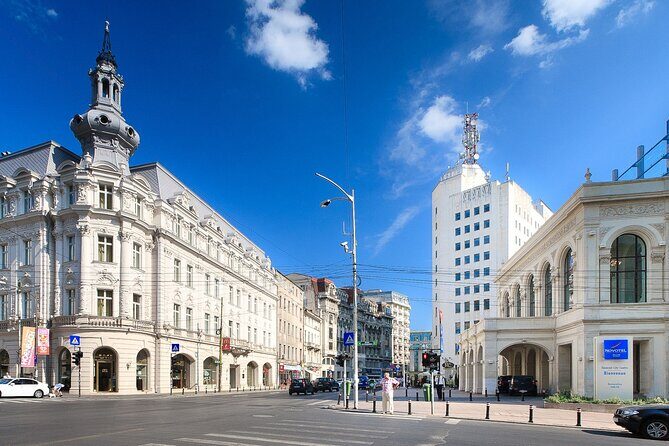
After that, you’ll see Bucharest’s central area as a kind of “great overview” zone: boyar houses, churches, luxury stores, restaurants, cafes, inns, museums, casinos, state institutions, and statues—plus the places you can’t forget once you’ve been pointed toward them.
Some of the specific landmarks the tour mentions include:
- Royal Palace
- Senate Palace / Central Committee area connected to Ceausescu’s flight during the Revolution
- National History Museum (formerly the Post Palace)
- Lady’s Church
- CEC Palace (CEC headquarters)
- Palace of the National Military Circle
- Cantacuzino Palace
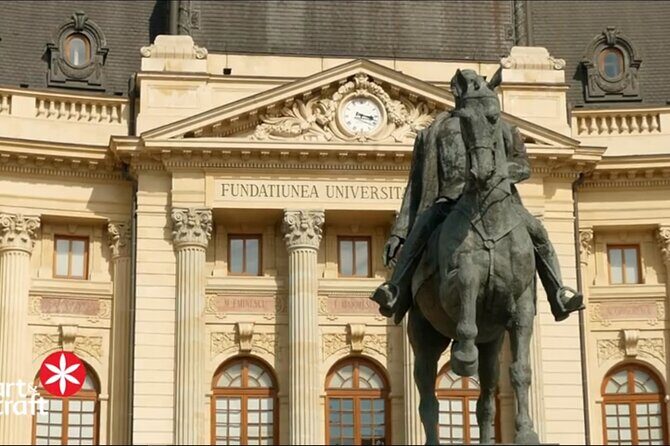
- Central University Library
- And many others you’ll spot as the guide routes you around
This part works best when you treat it as orientation. The guide helps you connect buildings to eras, and you’ll come away with a mental map for future wandering. If you want to later walk around on your own, this tour can give you the “why” behind what you see—so your self-guided time feels easier.
Price and logistics: what $140.58 buys you
At $140.58 per person for about two hours, you’re not paying for a long day. You’re paying for a package of time, access, and simplicity:
- A private car for just your group (friends and family format)
- Round-trip transfers from your Bucharest hotel
- An English-speaking licensed guide/driver available throughout
- All car expenses like gasoline, parking, and road tolls
- All taxes included
That matters because Bucharest sightseeing can quickly turn into “who pays for what” moments if you’re not careful. Here, the tour is set up to keep costs predictable. You won’t be asked to cover transport fees on the spot as part of the plan.
You should also know what you’re not getting: food and drinks are not included. For a tour that’s roughly two hours, that usually means you’ll either eat before or after. If you’re doing this mid-day, grab a snack beforehand or plan a proper meal right after.
Value check: if you’re comparing this to taking multiple public rides, the cost can feel high. But if you’re avoiding hassles and want a human explanation of key sites in a short window, the price starts to make sense—especially in a group where private transport isn’t shared with strangers.
Who should book this tour, and who might prefer to do it differently
This tour is a great fit if you:
- Want a focused introduction to Bucharest’s major themes: power, revolution, tradition, and culture
- Prefer not to manage transport yourself
- Like historical context more than random photo stops
- Travel with friends or family and want a private format
It may not be the best choice if you:
- Want long time inside museums or deep reading time at each stop
- Prefer lighter, less political sightseeing today
- Are trying to fit in a full lunch during the same two-hour window (food isn’t included)
If you’re the type who loves a short guided overview and then continues on your own, this tour can set you up nicely. You’ll know what to target next and what to skip.
Should you book it?
I’d book it if your goal is clarity. In just about two hours, you get a structured route through some of Bucharest’s most talked-about places, plus the Romanian Village Museum side that balances the heaviness with everyday cultural identity.
I’d hesitate only if you truly hate political history or you need lots of time inside sites. If you’re okay with a fast, guided “see and understand” format, this private tour is a strong way to get your bearings and walk away with real context.
FAQ
FAQ
How long is the private Bucharest city tour?
It runs for about 2 hours.
Is pickup from my Bucharest hotel included?
Yes. The tour offers pickup, and you’ll also get round-trip transfers back to your hotel.
Is the tour private or shared?
It’s private. Only your group participates.
What language is the guide?
The tour includes a private licensed English-speaking guide/driver.
Can you customize the itinerary?
Yes. The tour notes flexibility for changes to the daily itinerary based on your interests.
Are transport and entry-related costs included?
The tour includes a private car and all car expenses such as gasoline, parking, and road tolls, plus all taxes. Food and drinks are not included.
Do I need to pay anything on the spot?
The plan includes transport fees, and taxes are covered. Food and drinks are the main items not included, so you’ll likely pay for meals separately.
What if I need to cancel?
You can cancel for a full refund if you cancel at least 24 hours in advance. Changes within 24 hours aren’t accepted.
Is the tour suitable for everyone?
The tour indicates that most travelers can participate, allows service animals, and is near public transportation.