REVIEW · BUCHAREST
Private Day Trip to Medieval Bulgaria from Bucharest
Book on GetYourGuide →Operated by EASTERN EUROPEAN EXPERIENCE · Bookable on GetYourGuide
A rock-church day from Romania to Bulgaria. This private 12-hour trip stitches together UNESCO Ivanovo Rock Churches and medieval Veliko Tarnovo/Tsarevets with artisan streets and a calm river-town stop in Ruse. I especially love the way the day balances big-picture history with hands-on craft culture at Samovodene. A heads-up: it’s a long day with moderate walking and uneven surfaces, so comfortable shoes matter.
In other words, you’re not just checking boxes. You get a private guide, hotel pickup/drop-off, and a smooth border-crossing plan so you can focus on the places themselves. The tour’s value is strongest if you want an efficient one-day taste of northern Bulgaria without fighting logistics.
In This Review
- Key points to know before you go
- Crossing Into Bulgaria From Bucharest: The Real Start of the Day
- Ivanovo Rock Churches: UNESCO Frescoes Carved Into Living Rock
- Veliko Tarnovo and Tsarevets Hill: Medieval Power, in Stone and Views
- Samovodene Artisans Street: Real Crafts, Family Traditions, Working Spaces
- Arbanassi Village and a Typical House Interior
- Ruse in the Late Day: A Different Side of Bulgaria
- Price and What You’re Actually Getting for $272
- Timing, Walking Pace, and Where a Long Day Can Catch You
- Should You Book This Medieval Bulgaria Day Trip?
- FAQ
- FAQ
- How long is the private day trip?
- Do I need a passport for this tour?
- What’s included in the price?
- Is lunch included?
- Is this a private group or shared group?
- Is it suitable for people with mobility impairments?
Key points to know before you go
- UNESCO Ivanovo Rock Churches: carved rock churches with some of the best-preserved frescoes in the region
- Tsarevets fortress hill: 12th-century remains and viewpoints over Veliko Tarnovo
- Samovodene Artisans Street: workshops where trades are carried through multiple generations
- Arbanassi village: time to slow down and see a typical house interior from the inside
- Ruse city center: a history-focused stroll that runs from Roman times to modernity
- Private, A/C transport: hotel pickup/drop-off plus skip-the-line entry and bottled water
Crossing Into Bulgaria From Bucharest: The Real Start of the Day
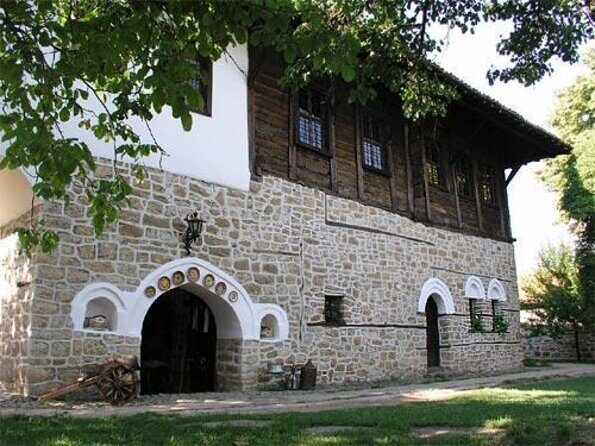
This is a true day trip across borders, so the first mental shift is simple: your morning is about travel time and paperwork, not sightseeing. You’ll start in Bucharest-Ilfov and head over to Bulgaria with your guide and transport. Bring your passport, and keep it handy—this kind of trip depends on a smooth border crossing.
Why I like this setup for you: it turns what could be a stressful transit day into a managed experience. You’re not juggling routes, parking, or timing between distant sites. Instead, you can treat the border as just the first step toward the medieval parts.
The vehicle is modern and air-conditioned. You also get bottled water and free Wi‑Fi in all vehicles, which is a small thing that makes a long day feel less like a chore.
You can also read our reviews of more private tours in Bucharest
Ivanovo Rock Churches: UNESCO Frescoes Carved Into Living Rock
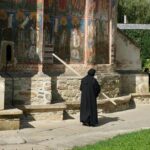
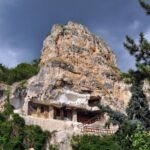
Your first major stop is the Ivanovo Rock Churches, a UNESCO World Heritage site. These churches aren’t built on land and then decorated. They’re literally carved into the rock, with frescoes that are among the best preserved.
That matters more than it sounds. Frescoes are fragile. Time, humidity, and exposure can ruin them. When a site keeps that artwork in strong condition, you get to see not just shapes and silhouettes, but the visual story the painters left behind.
Here’s what makes this stop feel special on a private day trip: you can take your time. You’ll have a guide to help connect the art you’re seeing with the broader medieval story happening across northern Bulgaria. And because it’s a private tour, you’re not stuck waiting for a group to move at everyone else’s pace.
One practical note: rock sites often mean uneven footing and steps. The tour involves walking on varied terrain, so good traction shoes are a smart move.
Veliko Tarnovo and Tsarevets Hill: Medieval Power, in Stone and Views
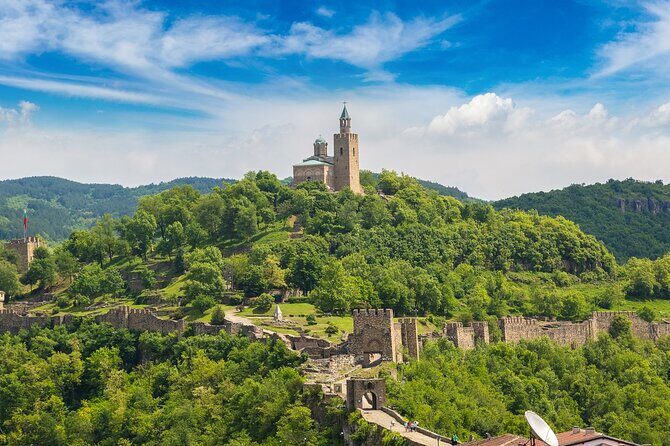
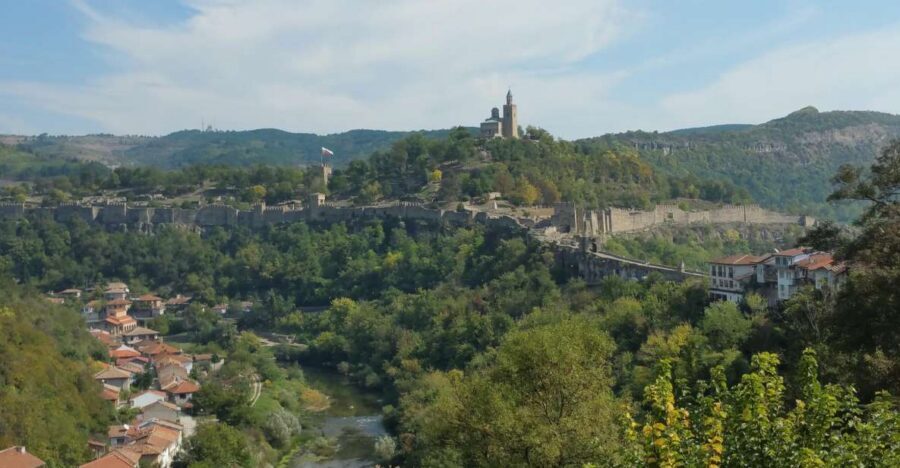
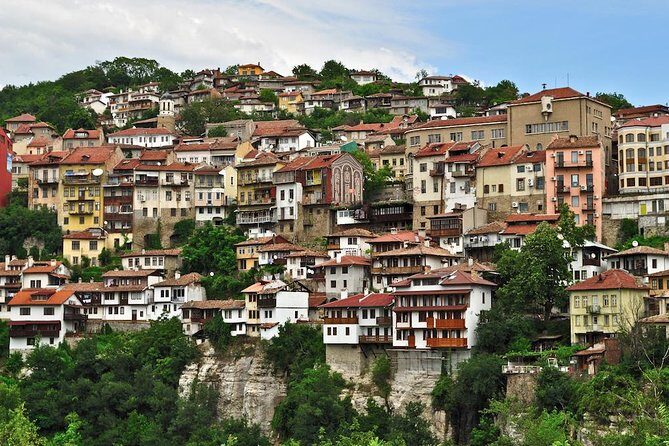
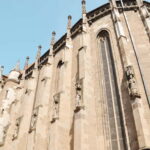
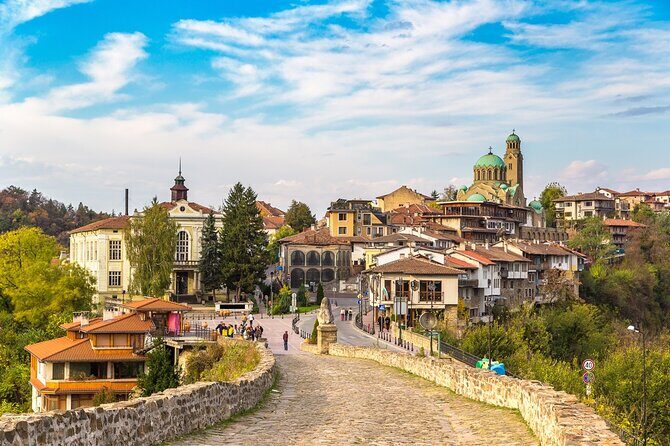
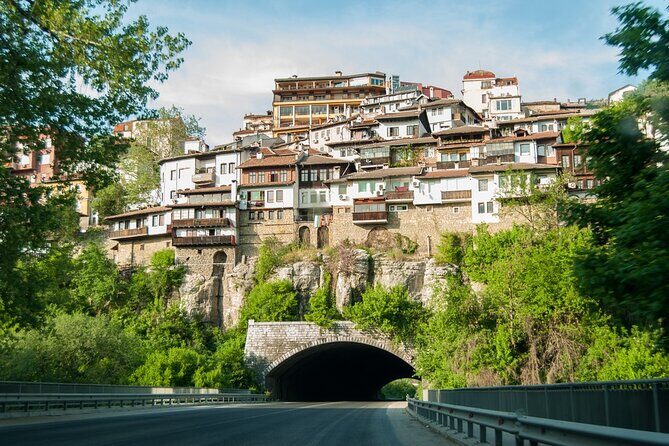
After Ivanovo, you head to Veliko Tarnovo, once the capital of the Second Bulgarian Empire. This is the kind of place where the landscape helps you understand the history. The city is tied to height, fortification, and control—so when you arrive at the main hill area, the setting clicks.
The standout on this side is Tsarevets fortress, dating back to the 12th century. You’ll see the remains of the castle and the church of the Bulgarian Kings. Even in ruins, Tsarevets does two things well:
- It shows how power was built into geography.
- It gives you viewpoint moments where you can read the city’s shape.
What I like for you here is the guided context. The guide can frame why this hill mattered and how it fits into the larger medieval narrative. One review specifically praised the way guides weave history and personal storytelling, and that kind of interpretation really helps when you’re looking at stone remnants rather than a fully restored palace.
If you’re a history buff, this is your main “wow” stop. If you’re not, it still works because ruins + views are engaging even when you don’t memorize dates.
Samovodene Artisans Street: Real Crafts, Family Traditions, Working Spaces
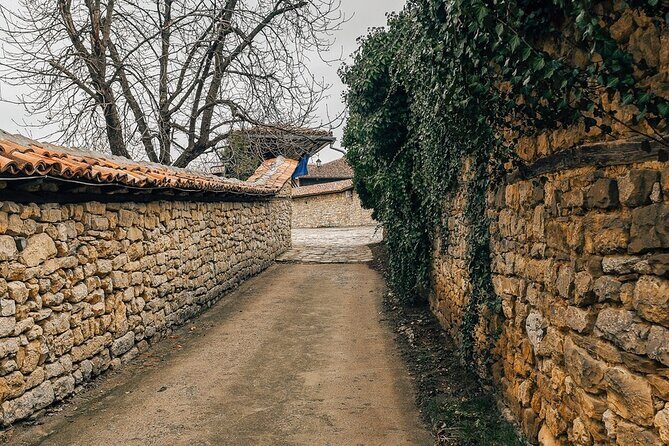
Next comes Samovodene Artisans Street, a lined walkway of workshops where you can see trades in action. This isn’t just a theme street with souvenirs. It’s the kind of place where you’ll find craft work like a coppersmith, silversmith, and icon painter, among others.
What makes this stop valuable is the family continuity. Many of these workshops have been operating for three to four generations. That’s a big deal in a region where modern life has changed a lot. It means you’re watching skills that survived through time, not just a short-term tourism setup.
Also, artisan streets reward curiosity. If you like materials and process—how metal is shaped, how images are made, how icons are treated with care—this is a satisfying break from fortress-and-fresco intensity.
What to expect in practice: you’ll walk the street at a comfortable pace with a guide who can explain what you’re seeing. You may spot small details you would miss on your own, especially if you’re not sure what you’re looking for.
Arbanassi Village and a Typical House Interior
Then you’ll head to Arbanassi, a village known for its preserved domestic atmosphere. Compared to fortress hills, this is a calmer chapter of the day.
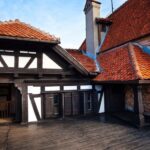
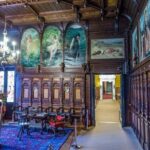
You’ll have an included visit to a house interior inside a typical local home. The goal here isn’t luxury sightseeing. It’s to see how people lived—how rooms worked, how space was used, and how everyday life connected with the wider wealth and religion of the region.
Why this stop helps the whole day: the medieval sites focus on power and symbolism. Arbanassi brings it down to scale. You get a more complete picture of society: not only what rulers built, but how people actually lived inside those eras.
One caution: interiors can still involve stairs or uneven flooring depending on the property. If mobility is an issue for you, double-check your comfort level before committing to a full day.
You can also read our reviews of more tours and experiences in Bucharest
Ruse in the Late Day: A Different Side of Bulgaria
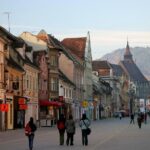
Before heading back to Romania, you’ll visit Ruse, a smaller town with a beautiful main square and pedestrian areas. This stop feels like a reset after medieval intensity.
With your local guide, you’ll take in the city’s charm and learn about its history—from Roman times to modernity. That time span is part of why Ruse works. You’re not stuck only in medieval Bulgaria. You see how cultures layered over centuries in a river-town setting.
It’s also a nice way to end your day. You’re likely tired by then, and an open square with a slower walking pace is easier to enjoy than another fortress climb.
The practical takeaway: use this time to recharge. Don’t pack it full of extra sightseeing. Let Ruse be the landing pad.
Price and What You’re Actually Getting for $272
At $272 per person for a private day trip, the headline price is only half the story. The value comes from what’s bundled and what the private format protects you from.
Included items you’re effectively paying for:
- Hotel pickup and drop-off (no self-driving stress)
- A professional guide in English
- Transport by modern A/C private vehicle
- Entrance fees
- Guaranteed skip-the-line
- Bottled water and free Wi‑Fi
Not included:
- Lunch
- Photo fees (so plan for some extra charges if you plan to photograph inside where rules apply)
When this price feels fair: if you’d otherwise need multiple tickets, private transport, and local guidance to connect everything. Ivanovo + Veliko Tarnovo/Tsarevets + artisan street + Arbanassi + Ruse in one day is not something you’d casually stitch together without losing time.
When it might feel less ideal: if you only care about one or two sites and don’t want a packed schedule. This trip is designed as an efficient “best of” cross-border day. That’s great for travelers who want momentum. If you prefer a slower pace, be ready for a full itinerary.
Timing, Walking Pace, and Where a Long Day Can Catch You
This is a 12-hour experience. That length is the trade-off for seeing multiple regions in one go. You’ll have moments of free time balanced with guided learning time, which helps keep the day from turning into nonstop lectures.
Still, keep expectations realistic:
- The pace is brisk because the stops are far apart.
- Uneven surfaces are possible, especially at rock churches and historical sites.
- It’s not recommended for people with walking disabilities or for wheelchair users.
One more practical tip: eat before you get hungry. Since lunch isn’t included, you’ll want to use your guide’s timing to find a good meal break without losing momentum. A review note highlighted a traditional lunch stop as a plus, so expect you’ll have an opportunity to eat somewhere along the route—just be ready to pay for it yourself.
Should You Book This Medieval Bulgaria Day Trip?
I’d book this trip if you want a strong one-day overview of northern Bulgaria and you value private guiding. It’s built for travelers who like:
- UNESCO sites and preserved art
- medieval fortresses and ruins with context
- craft culture you can see up close
- an ending that feels less frantic than another hilltop
Skip it—or choose a different format—if you need a low-walking day or you’re sensitive to uneven ground. This route is packed into one shot, and your comfort matters.
If you’re choosing between going on your own and doing a private tour, the biggest advantage here is the “friction removal”: pickup, A/C transport, entrance fees handled, and line-skipping. That’s what turns a tough cross-border plan into a smooth sightseeing day.
FAQ
FAQ
How long is the private day trip?
It’s listed as 12 hours. Starting times depend on availability.
Do I need a passport for this tour?
Yes. Since you cross the border into Bulgaria, bring your passport.
What’s included in the price?
The tour includes hotel pickup and drop-off, a professional guide (English), entrance fees, bottled water, free Wi‑Fi in vehicles, guaranteed skip-the-long-lines, and transport in a modern A/C private vehicle.
Is lunch included?
No. Lunch is not included.
Is this a private group or shared group?
It’s a private group.
Is it suitable for people with mobility impairments?
No. The tour is not recommended for those with walking disabilities or using a wheelchair, and it’s marked as not suitable for people with mobility impairments.