REVIEW · BUCHAREST
Transfagarasan Road & Balea Lake – Private Tour from Bucharest
Book on Viator →Operated by Day Trip Romania · Bookable on Viator
Romania’s mountain roads hit hard. This private 12-hour day from Bucharest stitches together Dracula-connected Poienari, the big Vidraru Dam, and the wild Transfăgărășan road up toward Bâlea Lake, with pickup and onboard Wi-Fi.
I also like the way the Vlad Tepes story is tied to what you see on the ground at Poienari Fortress. One possible drawback: it’s a long day, and the main stops are time-limited, so plan to move briskly rather than linger.
In This Review
- Key highlights to know before you go
- The drive format: private, long, and built for mountain views
- Poienari Castle: where the Dracula story gets physical
- Vidraru Dam: power, sacrifice, and the lake you can play on
- Transfăgărășan Highway: 90 km of communist-era ambition
- Capra Waterfall on DN7C: quick stop, strong payoff
- Price and logistics: does $215.54 per person make sense?
- How to plan your day on Transfăgărășan like a pro
- Who this private tour fits best (and who should reconsider)
- Should you book the Transfăgărășan & Bâlea Lake private day trip?
- FAQ
- How long is the Transfăgărășan Road & Balea Lake private tour?
- Is pickup and drop-off included?
- What stops are included in the tour?
- Is this tour private?
- Is lunch included?
- Is Wi-Fi available during the drive?
- What language is the tour offered in?
- Do I receive a mobile ticket?
- What is the cancellation policy?
Key highlights to know before you go
- Vlad Tepes meets real cliffside ruins at Poienari Fortress above the Argeș River
- Vidraru Dam is a true engineering story from the 1960s, with recreation on the lake today
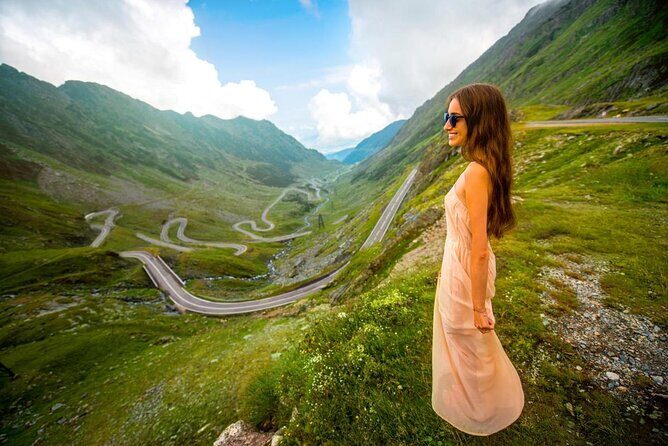
- Transfăgărășan Highway is the headline drive: 90 km of switchbacks up to 2,042 meters near Bâlea Lake
- You get a private experience with flexibility in pace and itinerary
- Capra Waterfall is a quick but memorable stop on DN7C (about 35 m high)
The drive format: private, long, and built for mountain views
This is a classic Romania road trip day, but with one big advantage: you’re not waiting around with strangers. It’s private, so your group follows the pace you’re given, and you can expect the guide to steer the day based on what you want to prioritize.
Pickup and drop-off from your accommodation matter more than you think for a 12-hour itinerary. Instead of stitching together buses and taxis to reach the Carpathians, you’re handed the whole plan in air-conditioned cars or mini-vans, and you keep going without gaps.
Also, the onboard Wi-Fi is practical. If your phone battery usually dies halfway through scenic drives, you’ll be glad you can still check maps, coordinate with your group, or simply keep the day easy. One thing I took from the guide experience shared by Alin: in wintery conditions, confidence matters, and he handled unexpectedly snowy roads with calm skill.
You can also read our reviews of more private tours in Bucharest

Poienari Castle: where the Dracula story gets physical
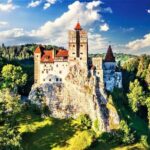
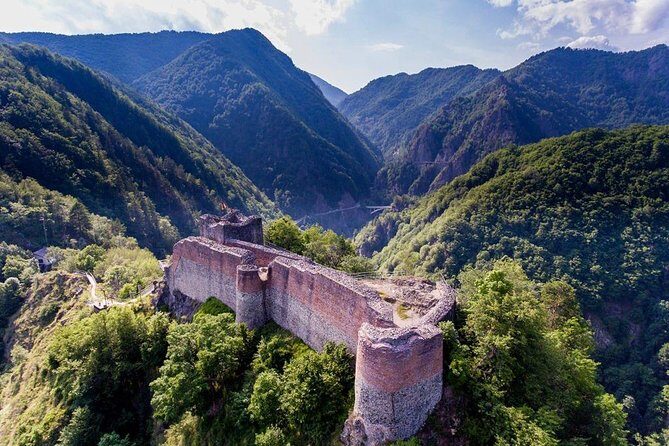
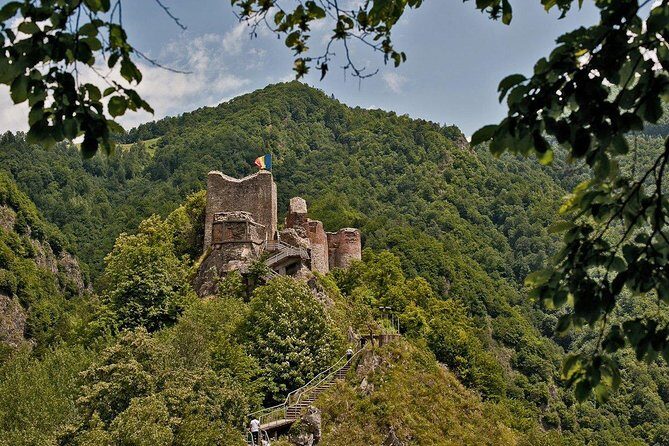
Poienari Fortress sits high on a cliff over the Argeș River, at the foothills of the Carpathians. The place looks like a ruin because it is one—but the story behind it is anything but vague. Built at the beginning of the 13th century by the first Wallachian rulers, it went through name and residency changes over the years before becoming abandoned and left to decay.
Then comes Vlad Tepes, the Vlad the Impaler people associate with Dracula. The idea here isn’t just spooky branding. You get the specifics: once Vlad took the throne, he ordered the structure repaired and consolidated so it could function as one of his main fortresses. When the Turks attacked and captured the castle in 1462, Vlad escaped via a secret passageway that led north through the mountains.
Even after Vlad died in 1476, the fortress kept being used for a while. Eventually, it was abandoned again in the first half of the 16th century, and time finished the job—weather and the years left it in ruins. One more real-world twist: in 1888, a landslide brought down part of the castle, which crashed into the river far below.
What you should expect on the ground: a dramatic cliffside setting and a short window to take it in. The visit time is 15 minutes, so wear shoes you trust and keep moving. If you like absorbing history through scenery, this is the stop where the day feels most connected.
Vidraru Dam: power, sacrifice, and the lake you can play on
Vidraru Dam and Lake are pure scale. The dam was built between 1960 and 1966 for electricity production, irrigation, and flood prevention. Today, that same reservoir is also a recreation hub, with sports like bungee jumping mentioned as a local thrill.
The engineering facts here are the kind that change how you see the landscape—not because they’re flashy, but because they show what humans did to redirect water and energy. At completion, the dam’s height placed it in 8th position in Europe and 20th in the world. Construction relied on underground galleries totaling about 42 km, excavation of roughly one million cubic meters of rock, and almost one million cubic meters of concrete.
And then there’s the human cost: the work required sacrifices, with over 80 lives lost. That’s not a detail you gloss over. It adds weight to the visit, making the structure feel less like a photo backdrop and more like a real chapter in Romania’s development story.
The lake itself is equally specific. Water gathers from multiple rivers, including Capra and Buda, plus tributaries like Raul Doamnei, Cernatul, Valsan, Topologul, Valea lui Stan, and Limpedea. The lake’s surface is 893 hectares, it stretches about 10.3 km long, and it reaches a maximum width around 2.2 km in the Valea Lupului–Călugărița area. Depth is listed at up to 155 meters, and the dam is curved, with a height around 166 meters and a crest length of 307 meters. Volume is given as about 465 million cubic meters, with a normal retention level near 830 meters above sea level.
Your practical takeaway: you’re not just viewing a dam. You’re stepping into a system that powers and manages water across the region. The visit is about 30 minutes, so focus on the big picture: dam structure, the lake’s scale, and the views from where the car pauses.
Transfăgărășan Highway: 90 km of communist-era ambition
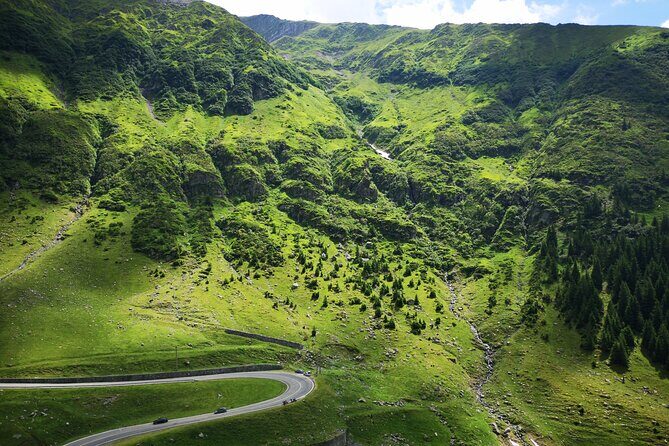
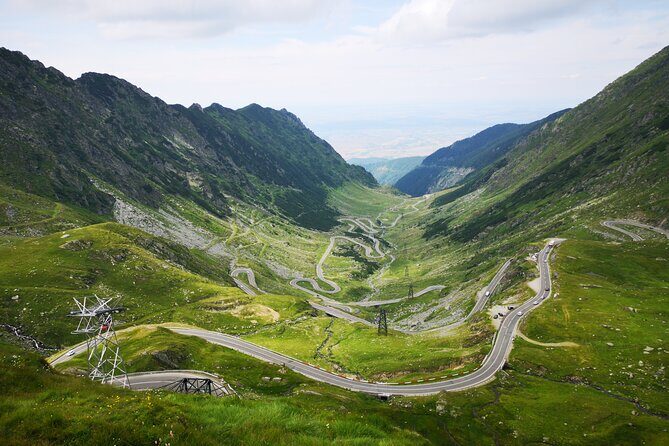
If you like roads that feel like they’re built for drama, this is the main event. Transfăgărășan connects the south of Romania with Transylvania and runs about 90 km through the Făgăraș Mountains.
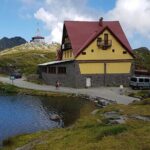
This road became famous in part because of the sheer driving experience. Jeremy Clarkson mentioned it in a Top Gear episode as the best road in the world, but the reason it earns that reputation is bigger than celebrity talk. The route reaches its highest altitude near Bâlea Lake at 2,042 meters, making it the second-highest road in Romania after Transalpina (2,145 meters).
The origin story also matters. The road was created under the communist regime, tied to an obsession with oversized infrastructure projects. The numbers are almost absurd: 6,500 tons of dynamite were used to break through the mountain. That kind of effort doesn’t happen quietly.
In plain terms, what you’ll feel on the day is a steady climb, frequent viewpoint moments, and the sensation of being in the high country. This is where the time is generous: you spend about 3 hours on the Transfăgărășan segment. That’s long enough to catch the road at different moments and to let the curves and altitude sink in.
One real-world note from the guide experience shared: snowy roads can happen unexpectedly. If that’s a possibility where your dates fall, you want a guide who drives with patience. It’s also smart to dress for cold at higher altitude. Even when Bucharest is mild, the road can remind you you’re in the mountains.
Capra Waterfall on DN7C: quick stop, strong payoff
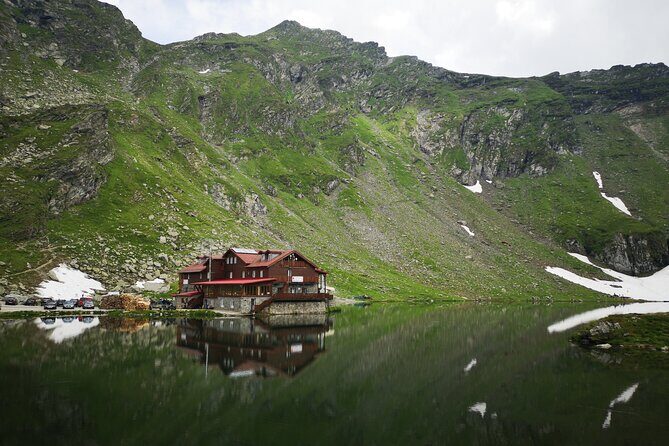
After all that driving and history, Capra Waterfall is the reset. It’s alongside the Transfăgărășan road on DN7C, described as a landmark along the way. The views are called spectacular, and the numbers help you understand why: the waterfall sits at an altitude around 1,650 meters and is about 35 meters high.
The stop is short—about 15 minutes—so don’t treat it like a long hike. Treat it like a stop you hit at the right angle and move on. If you’re someone who likes photos and a fast look, you’ll be happy here.
Also, think of this as a palate cleanser. Poienari brings cliffside history, Vidraru brings industrial scale, and Transfăgărășan brings pure road drama. Capra Waterfall is nature in a more compact form.


Price and logistics: does $215.54 per person make sense?
At $215.54 per person for an approximately 12-hour private tour, the value comes down to how much you want the day packaged for you.
Here’s what you get for the money, based on what’s included:
- Pickup and drop-off from your accommodation
- Air-conditioned transport by car or mini-van
- Free onboard Wi-Fi
- A private setup where only your group participates
- Flexibility around pace and itinerary
The biggest value lever is the private format. For this route, where getting from Bucharest into the Carpathians takes time, a door-to-door service can save energy and reduce stress. The second lever is time. You’re spending hours on Transfăgărășan itself, not wasting time figuring out connections.
Lunch is not included, so you’ll need to manage meals yourself. That doesn’t automatically make it poor value, but it does mean you should plan ahead. If you’re hoping the tour will cover everything from start to finish, this is one gap to factor in.
As for admissions: the schedule lists admission tickets as free for the stops. That helps keep the day from turning into an add-on expense day.
In short: this price feels most fair if you want a stress-free, private, full-day mountain hit with a guide who can connect the dots between history and the roads.
How to plan your day on Transfăgărășan like a pro
This is a mountain day. That sounds obvious, but it affects real choices: clothing, timing, and expectations.
First, dress for temperature changes. Transfăgărășan reaches 2,042 meters near Bâlea Lake, and higher altitude can mean colder air and changing weather. Bring layers even if Bucharest feels warm. Alin’s handling of unexpectedly snowy roads is a reminder that conditions can shift.
Second, bring your own food strategy. Since lunch isn’t included, you have two sensible options: pack something simple before the tour starts, or plan to buy something during the day if you prefer hot food. Either way, having a plan keeps you from feeling hungry during the long driving stretches.
Third, don’t expect each stop to be an all-day museum visit. Poienari is 15 minutes, Vidraru is 30 minutes, Capra Waterfall is 15 minutes, and Transfăgărășan is where time is concentrated. So your best results come from enjoying each place at the pace you’re given, not trying to squeeze in extra wandering.
Finally, use the Wi-Fi. It’s there to keep you connected, but it can also help you find your bearings fast when the day turns into a blur of curves and viewpoints. Short stops work best when you spend less time figuring out where you are and more time soaking in what you came for.
Who this private tour fits best (and who should reconsider)
This tour is a great fit if you want:
- A private day trip with pickup and drop-off
- Dracula-related context tied to real sites, including Poienari and Vlad Tepes
- A full driving experience on Transfăgărășan, with serious time on the road
- A guide who can handle wintery roads and keep the day feeling smooth
You might reconsider if you need long, slow visits at ruins and waterfalls. The stops are brief by design, and the day is packed. If your ideal day is hours of strolling and deep time at each location, you may want a slower plan.
Should you book the Transfăgărășan & Bâlea Lake private day trip?
I’d book this if you want one hit of Romania that combines myth and machinery: Vlad Tepes at Poienari, an enormous 1960s dam story at Vidraru, then the high-altitude road drama of Transfăgărășan toward Bâlea Lake. The private format, pickup, and onboard Wi-Fi make the day feel manageable even when the itinerary is full.
The main reason not to book is also the simplest: it’s a long day with short stop times. If you’re the kind of person who needs extended time on-site, pick a different approach.
FAQ
How long is the Transfăgărășan Road & Balea Lake private tour?
The tour lasts about 12 hours.
Is pickup and drop-off included?
Yes. Pickup and drop-off from your accommodation are included.
What stops are included in the tour?
The tour includes Poienari Castle, Vidraru Dam, the Transfăgărășan Highway, and Capra Waterfall.
Is this tour private?
Yes. It’s private, and only your group participates.
Is lunch included?
No. Lunch is not included.
Is Wi-Fi available during the drive?
Yes. Free onboard Wi-Fi is included.
What language is the tour offered in?
The tour is offered in English.
Do I receive a mobile ticket?
Yes. A mobile ticket is included.
What is the cancellation policy?
Free cancellation is available up to 24 hours in advance for a full refund.