REVIEW · BUCHAREST
Bucharest: Communism, Revolution & City Highlights Tour
Book on GetYourGuide →Operated by Unveil Romania Travel Planner · Bookable on GetYourGuide
Bucharest has a split personality, and this tour explains the why in plain human terms. I especially like the way Revolution Square is treated like a real turning point, not a textbook date, and I also appreciate how Mihai connects architecture to everyday fear. One thing to think about first: you’ll see major government sites mainly from the outside, with limited options to enter.
The good news is that the route is designed to help you “read” Bucharest: elegant 19th-century landmarks sit a short walk away from Soviet-style planning and Ceaușescu’s big, cold statements. It’s a slow, photo-friendly walk with a total distance of less than 2 miles (3 km), so you’re not punished for learning. And because it’s private, your guide can adjust pace and questions on the spot.
In This Review
- Quick highlights worth centering in your plan
- Bucharest’s real story: Belle Époque elegance versus Ceaușescu’s concrete
- Starting in the right place: Athenaeum, Royal Palace, and Rebirth symbolism
- Revolution Square: where history turns loud
- University Square and student resistance under pressure
- Old Town as a contrast lesson, not just pretty streets
- Victory Avenue vibes: palaces, embassies, and leftover communist angles
- Palace of Parliament exterior: the world’s heaviest building, and the people it displaced
- What “private” changes: pace, questions, and a guide who can steer
- Price and value: why $90 can make sense for Bucharest
- What you won’t do: no interiors, and the Parliament entry reality
- How to get the most out of the 4 hours
- Should you book this Bucharest communism and revolution tour?
Quick highlights worth centering in your plan
- Revolution Square stopping point where Ceaușescu delivered his final speech in 1989
- Belle Époque vs communist design contrast made visible district by district
- Old Town to Civic Center shift so you can feel the city’s change in mood and scale
- Palace of Parliament exterior plus the context behind the world’s heaviest-building claim
- Licensed English-speaking guide (Mihai) who keeps the story moving for the full 4 hours
- Photo stops built in across major landmarks, not just one or two “quick hits”
Bucharest’s real story: Belle Époque elegance versus Ceaușescu’s concrete
If you come to Bucharest expecting one vibe, you’ll get surprised—in a good way. The city has the look of a former “Little Paris” with grand 19th-century architecture, yet its later chapters are written in massive, imposed planning. Walking this route helps you see how power reshapes a place down to the street level.
What I like most is the cause-and-effect approach. You’re not just shown buildings—you’re taught why they look the way they do, and what they cost people. That’s what makes this tour more than a highlights loop.
You also get an honest rhythm to the experience. It’s structured around key symbols—royal grandeur, student unrest, the 1989 turning point, then the monumental communist plan—and each stop comes with a clear takeaway.
You can also read our reviews of more city tours in Bucharest

Starting in the right place: Athenaeum, Royal Palace, and Rebirth symbolism
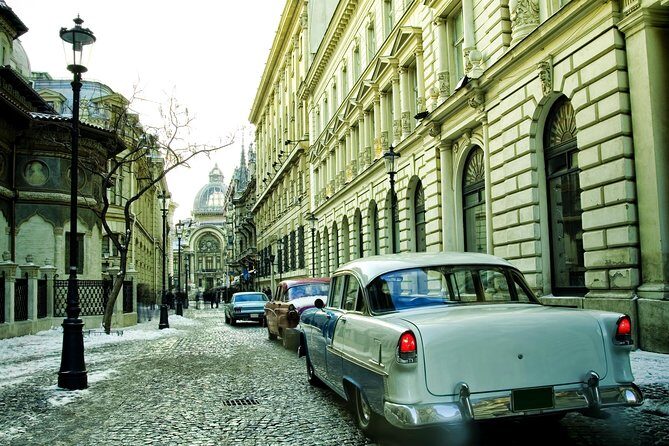
Your tour begins with free hotel pickup in Bucharest, and then you head toward the city’s classic landmarks. The first stops are quick photo and sight windows, so you can get your bearings early without feeling like you’re racing. It’s also a smart way to set a contrast before the darker material starts.
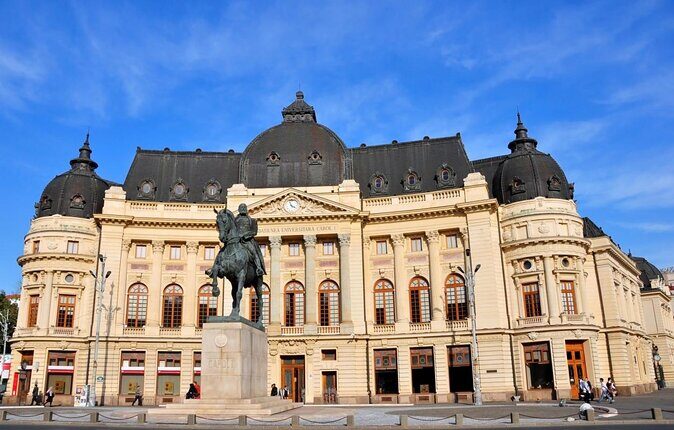
At the Romanian Athenaeum, you’re mostly getting the “where are we in Bucharest’s identity” moment. Even when you don’t go inside, the building helps frame the city as cultured and confident—before the later reshaping. It’s a useful warm-up for understanding why the communist era felt so violent to the urban fabric.
Next, you’ll see the Royal Palace of Bucharest area from the outside. The idea here isn’t nostalgia for its own sake; it’s context. You’re seeing the kind of authority Romania once represented, which makes the later imagery of Ceaușescu’s regime hit harder.
Then comes the Memorial of Rebirth, a stop that shifts the emotional register. Rebirth sounds hopeful, but in Bucharest it’s tangled with revolution, collapse, and the country’s break from a system that controlled daily life. Even as a photo stop, it sets up the next big event with the right mood.
Revolution Square: where history turns loud
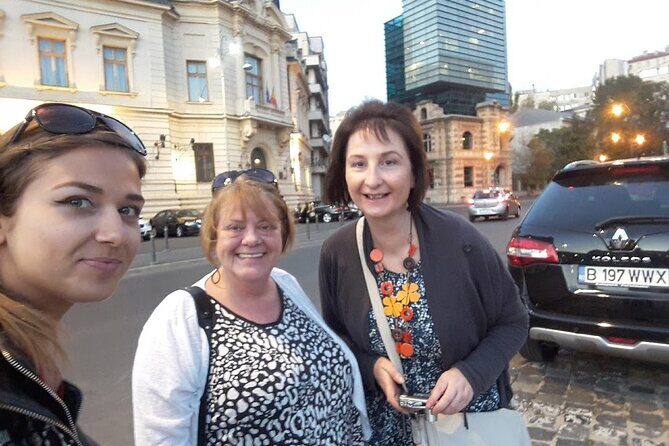
Revolution Square is the centerpiece for most people’s curiosity, and it earns that role. You’ll stand at a site tied directly to the endgame of Nicolae Ceaușescu’s rule, where his final speech in 1989 is part of the story of how the communist system fell. This is one of those locations where the power isn’t abstract.
The guide’s job is to make you understand what the speech meant in real political terms. Ceaușescu is often described as Europe’s last communist dictator, but the point on this walk is how his control tightened and then snapped. You’ll hear how public messaging, fear, and forced unity worked—until people could no longer tolerate it.
The stop also helps you connect street geography to political strategy. The square and surrounding approaches matter because mass rallies, protests, and government messaging depended on visible, controllable space. Even without going inside anything, you’ll start seeing the square like a stage.
After this, the tour keeps momentum with another nearby viewpoint stop at the National Military Circle area. It’s not the headline like Revolution Square, but it contributes to the larger theme: how institutions, security, and state power show up in architecture and city planning.
University Square and student resistance under pressure
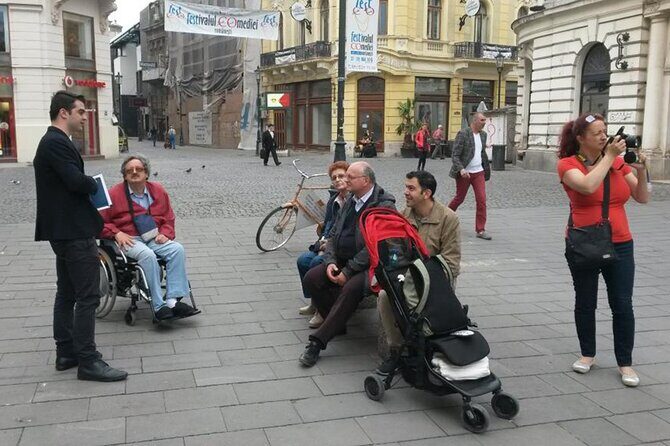
From Revolution Square, the narrative turns toward a quieter but equally important form of opposition: students. At University Square, you’ll get the story of uprisings and the pressure of Cold War-era oppression—plus the everyday reality of surveillance.
This is where the tour starts to feel practical. If you’ve ever wondered how a regime stays in power beyond weapons, you’ll get the answer here: control of information, fear of consequences, and constant monitoring. The guide ties those pressures to the growth of resistance, showing how people moved from frustration to action.
You’ll also have some extra time here compared to the other quick stops, which helps because the topic isn’t “one-minute trivia.” A 30-minute window means you can ask questions and let the timeline click into place.
Old Town as a contrast lesson, not just pretty streets
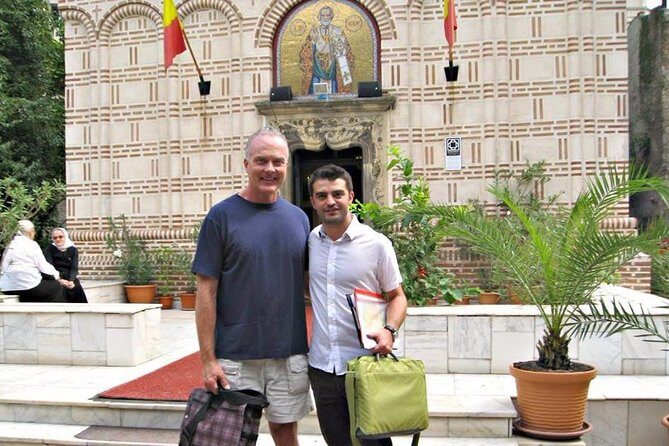
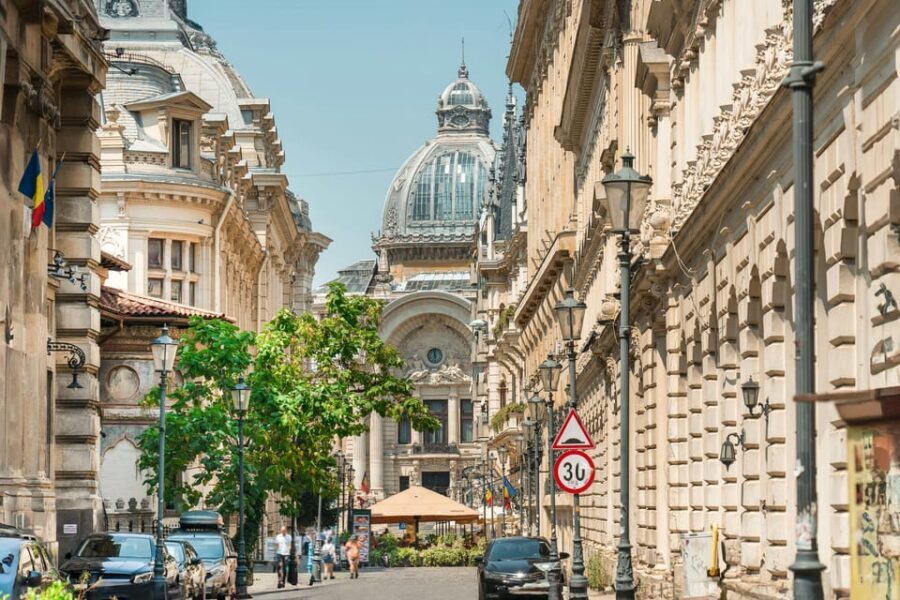
Now comes one of my favorite parts: the shift into Old Town, with cobblestones and restored mansions. You’ll get a short break time and photo time, which matters because after Revolution Square and the pressure-cooker theme at University Square, your brain needs a breather. This pause also sets up the next step: what you’re seeing in Old Town isn’t an accident of preservation.
Then you get a guided Old Town walk for about 75 minutes. The guide uses this time to connect architecture to the reality of Ceaușescu’s rule—how early reforms and defiance of the Soviet Union gave way to austerity, tight control, and punishment for dissent. You’ll hear about the human cost behind the city’s makeover.
This is also where stories about propaganda and rationing become concrete. Food rationing isn’t just a line in a history book when you’re walking near neighborhoods that changed under policy. The tour frames 1989 as something driven not only by ideology, but also by daily suffering and the abuse of human rights.
One practical tip: wear shoes you trust on cobblestones. You’re not doing long-distance hiking, but the surface can still be annoying if your soles are slick or thin.
Victory Avenue vibes: palaces, embassies, and leftover communist angles
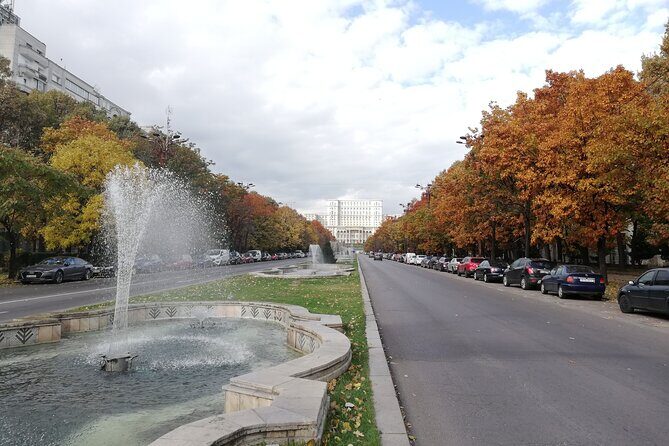
As you move through the central corridor—often described as the shift from aristocratic Bucharest toward an embassy-lined city—you’ll notice a built-in contradiction. Elegant palaces and embassies appear alongside communist-era buildings, so the city reads like two governments trying to share the same page.
Even if you only catch glimpses from the sidewalk, the guide points out what the mix means. It’s not just “old versus new.” It’s the result of where power decided to place prestige and where it decided to erase or replace local neighborhoods.
This section is helpful if you’re doing Bucharest for the first time. It gives you a map in your head: where the city wants to look polished, where it looks imposed, and how those choices affect what you see during the rest of your trip.
Palace of Parliament exterior: the world’s heaviest building, and the people it displaced

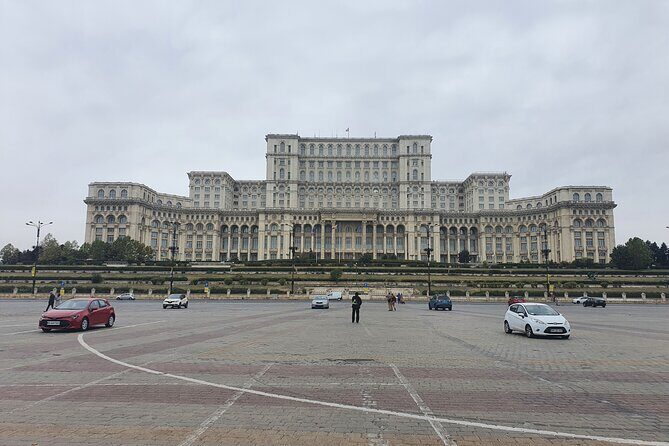
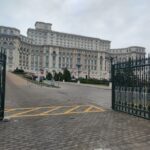
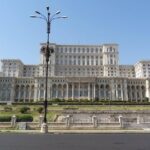
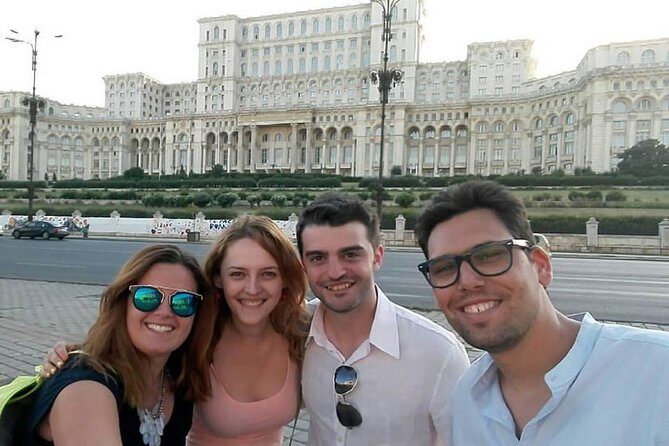
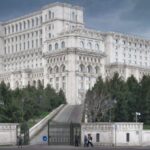
The final major moment is the Palace of the Parliament, shown from the outside. The building is famous for being the world’s heaviest building, but the tour focuses on the more uncomfortable side: the political vision behind it and the displacement it caused—about 40,000 residents removed, neighborhoods erased, and a long-term social scar left behind.
You’ll admire the scale and the starkness of the design, but the guide keeps it anchored to purpose. Ceaușescu’s “grand vision” wasn’t meant to be just impressive. It was meant to symbolize a socialist utopia, and it did so with brute physical force.
If you’re the type who likes photos, this is where your camera roll starts filling up fast. The stop is a short photo moment, then you move on, so it’s easy to capture the building without turning the day into a waiting game.
After the Parliament exterior, you’ll do a short on-foot segment—about 10 minutes—and then finish at the Palace of the Deposits and Consignments area. The good part is where you land: you’re back in the Old Town zone, where most hotels, restaurants, museums, and shops are centered.
What “private” changes: pace, questions, and a guide who can steer
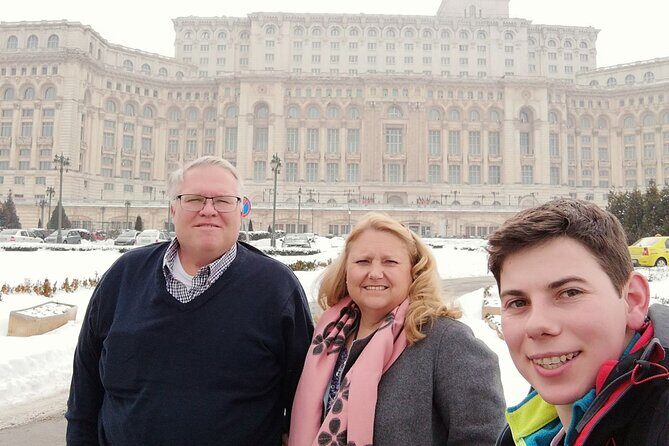
Because this is a private group tour, it doesn’t feel like you’re trapped in someone else’s pace. You get a licensed English-speaking guide, and the guide can adapt the walking speed and keep answering your questions as you go. That matters for this kind of topic, because people ask different things—about dates, about daily life, about how surveillance worked, or about the meaning of specific places.
Mihai is specifically cited as exceptional in how he keeps people engaged for the full stretch. That’s not a small deal in a 4-hour format, especially in winter weather. One of the best practical takeaways from that experience: good guides manage logistics, so the walk stays focused instead of turning into “where do we go next?” stress.
Also, the tour is wheelchair accessible. You still need to be prepared for a walking route, but the format is designed to work for mobility needs within the tour’s moderate distance.
Price and value: why $90 can make sense for Bucharest
At $90 per person for 4 hours, this isn’t a budget “quick photo” add-on. It’s priced more like a guided experience that includes the most expensive part—your guide’s time—plus free hotel pickup. In a city where you can easily spend hours bouncing between landmarks without context, the value is in interpretation.
You’re getting:
- A licensed guide with specialized focus on communism and revolution
- Private pacing (not shared group timing)
- Free pickup, so you don’t lose energy navigating from your hotel
- A route that pairs architectural contrasts with political meaning
If you’re traveling with a friend, remember private tours can still feel expensive per person—yet split across two people, the price often starts to feel more reasonable than you’d expect. And because the tour ends back in Old Town, you’re set up to keep exploring afterward without a big commute.
For solo travelers: this style of tour can be a fast way to build a solid mental map of Bucharest early, so the rest of your days make more sense.
What you won’t do: no interiors, and the Parliament entry reality
This tour is a walking format and does not include access inside public or government buildings like Parliament, museums, or universities. You’re there for context and exterior views, and that’s intentional.
The Parliament note is important. The building is accessible only by phone reservation one day prior, and availability is limited; it can also be closed due to conferences. If you want to try for interior access, the guide can assist you with the reservation, but you should plan around the possibility that you’ll only see the exterior.
So if your top goal is to go inside big-ticket institutions, don’t book this expecting that. Book it for the story, the contrast, and the way the walk turns Bucharest’s streets into a timeline.
How to get the most out of the 4 hours
This is not a sprint. The pace is slow with several photo and rest pauses, and the total walking distance is less than 2 miles (3 km). Still, it helps to come ready with a few basics.
Bring:
- Weather-appropriate layers (Bucharest conditions can change fast)
- Comfortable shoes for cobblestones and sidewalks
- A question or two you actually care about (I love asking about how surveillance shaped daily life)
Also, don’t treat the tour like a checklist. Treat it like a guided way to decode the city. When the guide points out how a building choice relates to control or propaganda, you’ll start seeing those cues everywhere you walk later.
Should you book this Bucharest communism and revolution tour?
Book it if you want Bucharest to feel understandable fast—especially if you care about politics, architecture, and how ordinary people lived under 20th-century power. The route is short, the pace is manageable, and the focus on contrasts makes the city more than a photo stop.
Skip it only if you’re mainly interested in museum interiors or you’re specifically chasing timed entry inside big government buildings. In that case, you might prefer a plan that includes interior access every time.
If you’re a first-timer, or if you want a strong foundation before you start exploring Old Town and the wider city on your own, this private walking tour is a smart way to get there.