REVIEW · BUCHAREST
Best of Romania in 10 Days
Book on Viator →Operated by Rolandia · Bookable on Viator
Romania in 10 days is a big ask. This one works because it runs on efficient routing and a small group size, hitting the kind of places you’d otherwise struggle to combine in one trip. You start in Bucharest, then fan out across Wallachia, Transylvania, and Bucovina.
I really like the way this tour balances famous sights with UNESCO-level detail, from the painted monasteries of Bucovina to the fortified churches of Transylvania. Two things stand out to me: the maximum group size of eight (so you’re not stuck in a loud crowd), and the all-in transportation plan with entrance fees and centrally located hotel nights.
One thing to consider: the itinerary is packed. You’ll be spending long stretches on the road between stops, so you’ll get the most from it if you’re comfortable with a fast pace and lots of walking at each site.
In This Review
- Key moments worth planning for
- The rhythm of a Best of Romania route (and why small groups matter)
- Day 1: Curtea de Argeș, Manole legend, and Transfăgărășan Highway views
- Day 2: Corvin Castle, Alba Iulia’s fortress walls, and a Salt Mine day
- Day 3: Bistrita stops and Voronet’s UNESCO Blue in Bucovina
- Day 4: Moldovita and Sucevita monasteries, then Iasi’s city center
- Day 5: Neamț Fortress and Piatra Neamț cable-car views
- Day 6: Bicaz Gorges, the Red Lake, pottery in Corund, and fortified Biertan
- Day 7: Viscri’s village life, then Brasov’s medieval streets
- Day 8: Bran Castle Dracula storytelling and Peles Castle’s electrified luxury
- Day 9: Bucharest Palace of the Parliament and the Village Museum
- Day 10: OTP airport transfer, because you want your last day to be easy
- Price and value: what your $2,907.69 is really buying
- Who should book this Best of Romania in 10 Days?
- Should you book it?
- FAQ
- FAQ
- Where does the tour pick you up in Bucharest?
- What time does the tour start?
- How long is the tour?
- How big is the group?
- Is the tour guided in English?
- How many nights of accommodation are included?
- Are entrance fees included?
- What meals are included?
- Do I pay extra for a single room?
- Can I cancel for a full refund?
Key moments worth planning for
- Small group of up to 8 people, which makes questions and photo stops easier
- 9 nights in centrally located hotels, so you’re not constantly changing bases
- Bucovina’s UNESCO Painted Monasteries, including Voronet with its signature color
- Transfăgărășan Highway for big mountain views early in the trip
- Fortified churches and Saxon towns like Biertan and Sighisoara
- A standout guide experience, with Emil singled out for history, local traditions, and driving
The rhythm of a Best of Romania route (and why small groups matter)
This tour is designed for one goal: maximize limited vacation time without turning the trip into a daily scramble. With pickup from any Bucharest hotel and a modern vehicle throughout, you’re mostly doing what you came to do—see places—rather than hunting down schedules, ticket lines, and connections.
The small group size (max eight) isn’t a marketing line. It changes how your day feels. In big buses, you lose momentum and you lose your place. Here, you’re more likely to keep up, hear the guide clearly, and adjust on the fly when timing gets tight.
Price-wise, the big thing to notice is what’s bundled. You’re paying for transportation, accommodation nights, breakfast, entrance fees, and an included dinner, not just sightseeing. That matters in Romania because entrance fees add up fast once you start stacking castles, fortresses, and UNESCO sites.
You can also read our reviews of more tours and experiences in Bucharest.
Day 1: Curtea de Argeș, Manole legend, and Transfăgărășan Highway views
You start with a hotel pickup and then head to Curtea de Argeș, a historic capital of Wallachia. The centerpiece is Curtea de Argeș Monastery, built in the early 1500s. It’s not just an old church stop. The site carries the legend of Manole, tied to a Romanian myth about sacrifice for something lasting—exactly the kind of story that makes architecture feel human instead of distant.
Then comes the dramatic road segment: the Transfăgărășan Highway. This drive takes you through the Southern Carpathians, with peaks reaching about 2,042 meters. Even if you’re not a “car photo” person, you’ll appreciate the landscape because the highway is famous for constant mountain panoramas and frequent chances to pause and look.
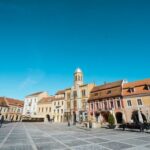
By the afternoon/evening you reach Sibiu and do a walking tour in the old historical center. Sibiu’s charm is its compact medieval core and the way the city shifts mood by season—tourism programming in summer and an impressive Christmas market when winter arrives. After the walk, you check in for the night in included accommodation.
Practical note: this day sets the tone—some travel time, then real walking. Comfortable shoes help more than you think.
Day 2: Corvin Castle, Alba Iulia’s fortress walls, and a Salt Mine day
Hunedoara is first up with a stop at Castelul Corvinilor (Corvin Castle). It’s one of Romania’s most distinctive castles, associated with John Hunyadi. What makes it worth your time is the sense of scale and detail; castles are often about one big viewpoint, but this one feels like a whole world of walls and towers.
Next you go to Alba Iulia, tied to a key event in Romanian history: the union of Transylvania with Romania. You’ll visit the Alba Carolina Fortress, built between 1715 and 1738 in the Vauban style. If you like the “why cities were built this way” side of travel, this stop gives context fast—fortress design shows how power, defense, and geography were thought through.
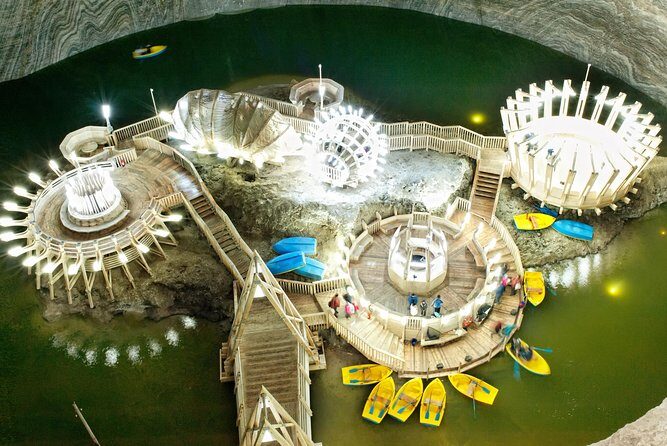
Then the itinerary gets fun underground: Salina Turda in Turda, with multiple underground floors and a mix of attractions that includes a Ferris wheel and even mini-golf. You’re basically switching from stone fortress history to an underground entertainment setup, which keeps the day from feeling one-note.
You finish in Cluj-Napoca, walking the Old City Center with some free time afterward. The free time is important. After castles and forts, you’ll want a simple break to reset and grab a coffee or casual meal near the hotel.
Potential drawback to plan for: it’s a lot of sites. If you’re the kind of person who needs a slow museum pace, you may find this day mentally full. If you like momentum, you’ll likely love it.
Day 3: Bistrita stops and Voronet’s UNESCO Blue in Bucovina
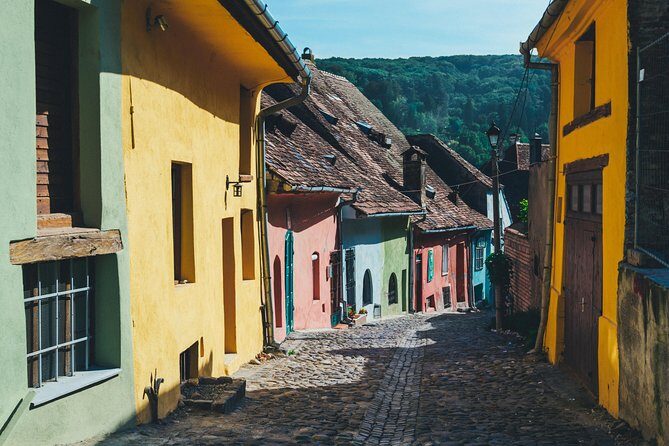
Your route heads toward Bucovina, and it starts with a stop in Bistrita. The stop here is short, but it gives you cultural flavor and ties the area into pop-culture history by referencing the fictional Dracula connection through Bram Stoker’s character Jonathan Harker.
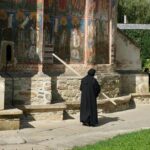
Then you reach Voronet Monastery, one of the UNESCO Painted Monasteries of Bucovina. The big thing to look for is the famous shade of blue—often called the Blue of Voronet. This is where you slow down a bit, because painted architecture asks you to notice layers: color, symbolism, and the way the monastery looks both sturdy and delicate at the same time.
Dinner is included this evening, and it’s a chance to try a traditional Romanian meal without hunting. After dinner, you check in at the hotel, which helps you recharge before the next monastic day.
Tip: bring something for the weather. Monasteries are often best in good light, and Bucovina can shift conditions quickly.
Day 4: Moldovita and Sucevita monasteries, then Iasi’s city center
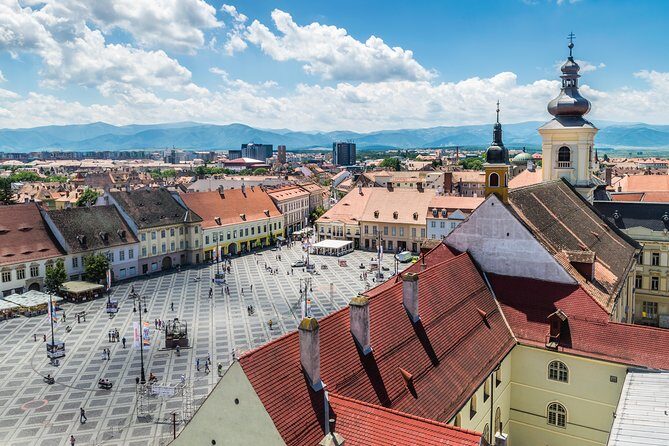
Today is about more painted monasteries—two major UNESCO stops.
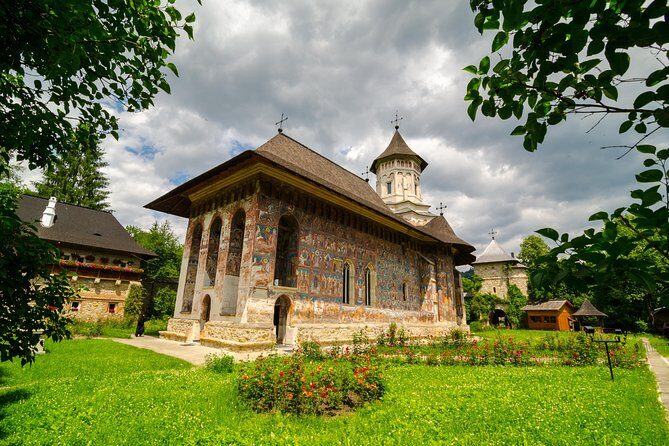
First is Moldovita Monastery, built between 1532 and 1537, with UNESCO recognition in 1993. This is one of those stops where you get the full effect if you pay attention to the decorative program, not just the building outline.
Next is Sucevita Monastery. Built in 1585, it comes with a legend about materials carried for construction by a woman using a cart pulled by oxen to redeem her sins. Legends like this can sound like frosting—until you realize they tell you what people believed about faith, labor, and moral consequences.
In the evening, you reach Iasi, Romania’s second-largest city, and do a short tour of the historic center before checking into your hotel. This is a good transition from monastery quiet to a larger urban rhythm.
What I like about this design: it prevents burnout. You get two intense art-and-religion stops, then a city night where you can explore at a more human pace.
Day 5: Neamț Fortress and Piatra Neamț cable-car views
From Iasi you head to Targu Neamt, stopping at the Neamț Citadel area, built during the reign of Peter I. Citadel stops can feel repetitive if you’ve already seen big fortresses earlier, but Neamț has a different mood: more vertical drama and a stronger sense of where people lived and defended.
Then you reach Piatra Neamt in the evening. Here you take a cable car ride, and that’s a meaningful inclusion because it changes how you view the region. Instead of only seeing from ground level, you get a wider perspective that helps the landscape make sense.
You check in afterward. This is one of the nicer days to feel like you’re catching your breath, even if the itinerary is still moving.
Day 6: Bicaz Gorges, the Red Lake, pottery in Corund, and fortified Biertan
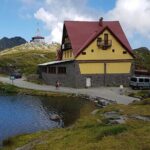
Your day starts with travel through the Bicaz Gorges, famous for raw rock scenery. Then you hit the Red Lake, formed in 1837 when storms fractured Mount Ucigasu, blocking streams. The reddish color comes from river deposits. It’s the kind of natural story that makes you stop and look instead of just taking a photo and moving on.
Next is Corund, known as a major pottery center in Transylvania. The stop is about local craft: pottery, woodworking, and clay taken from nearby streams. If you care about how people live (not just what people built), this is your moment.
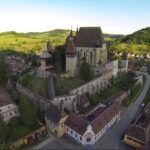
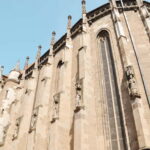
Then you reach Biertan, a UNESCO village with fortified churches. Saxon colonists settled here starting in the 13th century, and winemaking plays a role in why the area developed the way it did. Fortified churches are fascinating because they show how religion, defense, and community life overlapped.
Finally, you end the day in Sighisoara for a city-center walk. Sighisoara is famous for being the last inhabited citadel in Europe, with a UNESCO listing and a compact medieval core.
Keep expectations realistic: Sighisoara’s charm is best enjoyed when you’re not rushing. This tour is still busy, but it’s the kind of town where you’ll want to linger between scheduled points.
Day 7: Viscri’s village life, then Brasov’s medieval streets
You start in Viscri, a village connected to Prince Charles through its reputation for preserved traditions and simplicity. Here you visit Viscri Church and you also get the chance to meet women known across the region for cooking skills. That’s more than a quick cultural nod; it’s a reminder that traditions are lived, not only displayed.
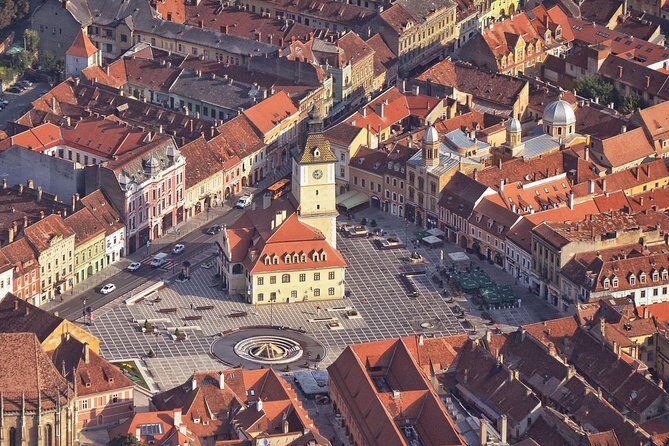
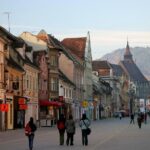
Then you go to Brasov, where you do a short walking tour. Brasov is one of the most enjoyable base cities in Romania because it blends medieval streets with a lively present-day feel. For many people, it’s the first place where you feel you can slow down and choose what to do.
This “village to city” shift is smart. It keeps your brain from repeating the same theme all week.
Day 8: Bran Castle Dracula storytelling and Peles Castle’s electrified luxury
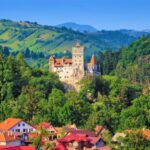
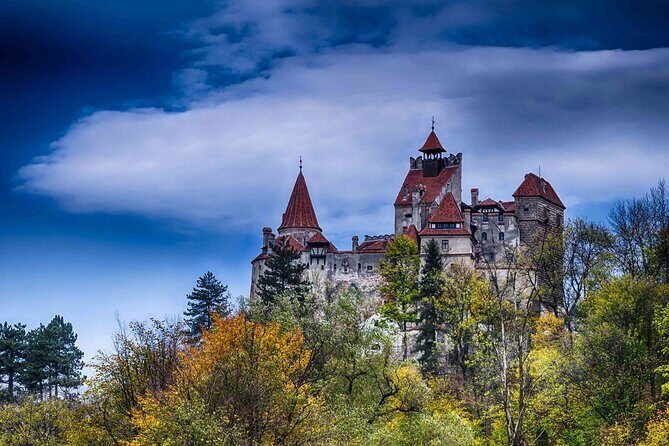
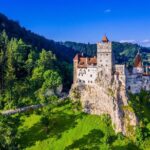
The day begins near Brasov with Bran Castle, a small village stop that’s famous worldwide as Dracula’s Castle. It also has a real historical spine because the connection focuses on Vlad the Impaler and how Bram Stoker’s Dracula took inspiration. Even if you’re not deep into the myth, it’s still a good way to understand how stories travel across borders and centuries.
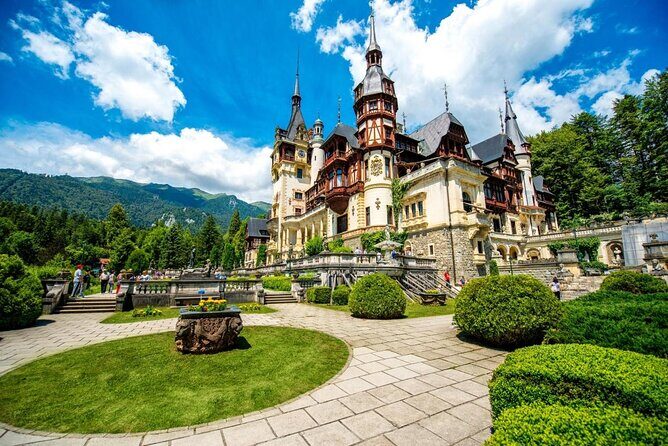
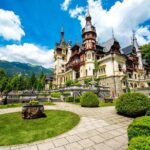
Then you head to Sinaia for Peles Castle. The standout detail here is that it was the first fully electrified castle in Europe. It’s also packed with collections, including over 4,000 pieces of European and Oriental weaponry, plus a large painting collection. If you like ornate interiors and the feel of “old power” in a more refined package, this is a highlight day.
At night you head back to Bucharest. That return matters because it prevents you from having to sleep somewhere too small for your next day’s big city schedule.
Practical takeaway: after castles, you’ll want dinner that isn’t too heavy. With a city evening planned, plan for a more relaxed night.
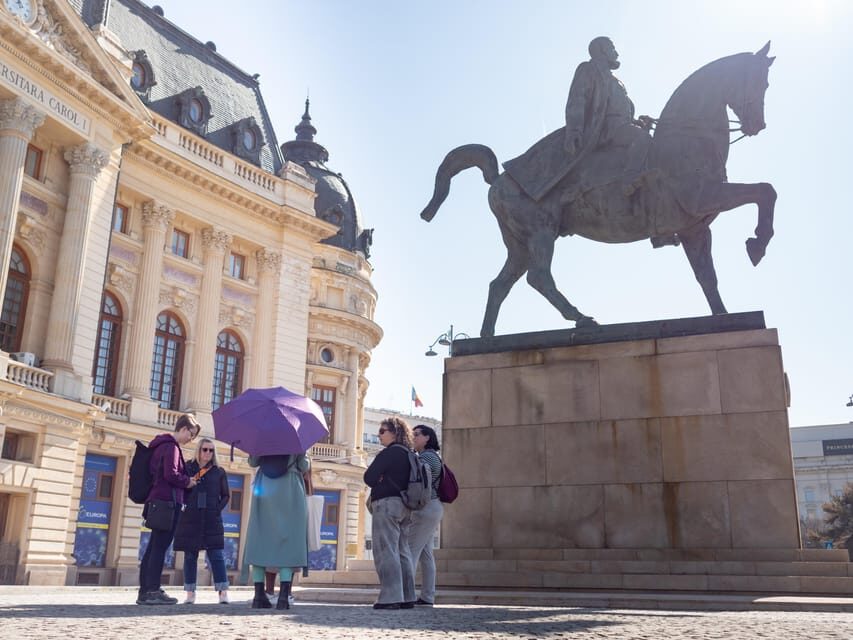
Day 9: Bucharest Palace of the Parliament and the Village Museum
Your final full day is Bucharest at full throttle.
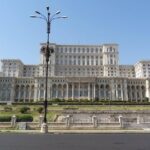
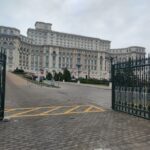
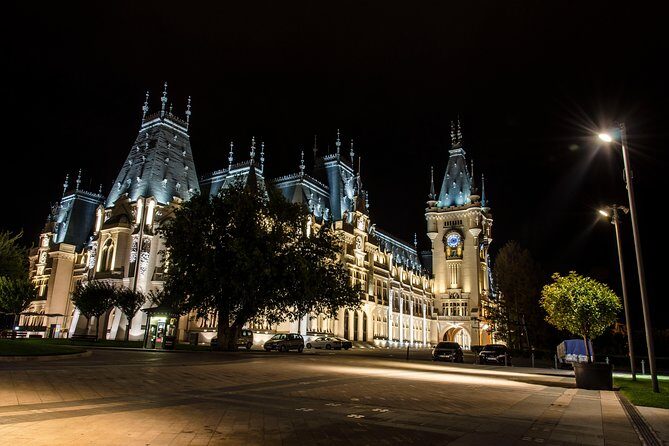
First stop is the Palace of the Parliament, the People’s House created during Nicolae Ceaușescu’s communist era. The tour focuses on both scale and purpose: it was designed to house state organs and described as a safe house able to withstand earthquakes and nuclear attacks. This kind of building is more than architecture—it’s politics made concrete.
After the Palace visit, you head to Bucharest Old Town for free time, including lunch on your own. That free block is useful because it lets you find the city rhythm rather than treating everything as a checklist.
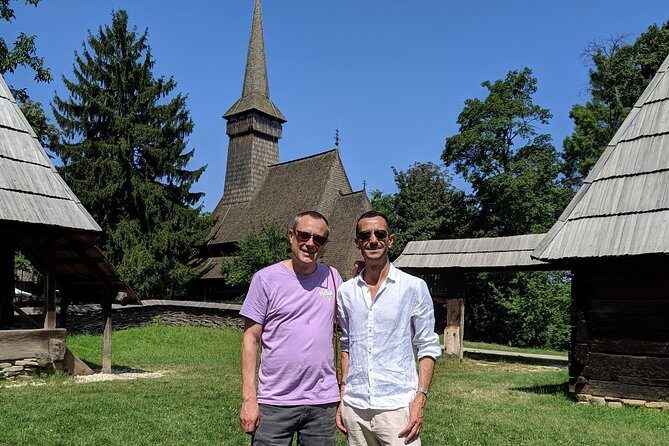
Then you visit the Bucharest Village Museum. It opened in 1936 and spreads over about 14 hectares with 380 monuments, 60,000 traditional objects, and over 250,000 archived documents tied to traditional Romanian life. This is where you connect earlier monastery and village themes to everyday culture: homes, tools, and objects that show what people actually used.
Day 10: OTP airport transfer, because you want your last day to be easy
On the last day, you get transferred to the airport based on your flight schedule. That’s a small detail that pays off. After 9 days of moving, the easiest ending is the one where your transport is handled.
Price and value: what your $2,907.69 is really buying
At about $2,907.69 per person, this tour isn’t trying to be a budget deal. It’s aiming for comfort and coverage.
Here’s what you’re paying for that you’d otherwise need to manage:
- 9 nights in centrally located hotels
- Breakfast included on 9 mornings
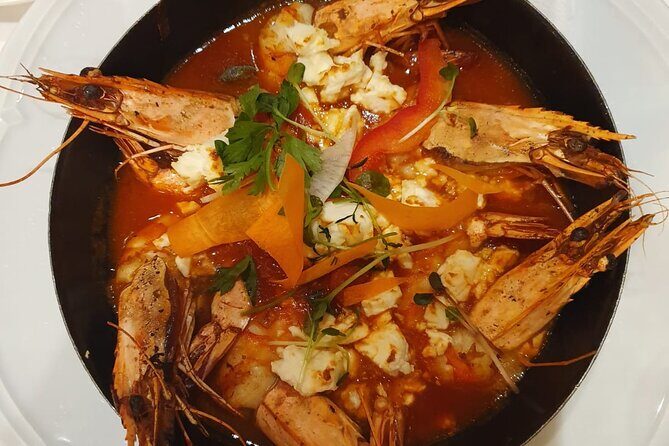
- Dinner included (with a traditional Romanian dinner during the Bucovina portion)
- A professional English-speaking guide
- Modern vehicle transportation for the route
- Airport pickup and drop-off
- Entrance fees for the listed sights
So the cost makes sense when you think about time and stress. If you planned this yourself, you’d likely spend extra time coordinating hotels across multiple regions and paying separate entrance fees without a guide to connect stories. The guide part matters most. One name that’s been highlighted is Emil, praised for history knowledge, local traditions, and even local jokes, plus excellent driving.
Is it expensive? Yes. But you’re not just buying “tickets.” You’re buying a plan that reduces decision fatigue and speeds you through Romania’s biggest highlights.
Who should book this Best of Romania in 10 Days?
This tour is a strong match if:
- you want to see Wallachia, Transylvania, and Bucovina in one trip
- you like guided context so the stops connect into one story
- you prefer a small group over a large bus day
- you’re okay with a busy schedule and long road days
It might not be for you if:
- you hate moving every day
- you want slow, freeform time in each city
- you need lots of down time built into the schedule
Should you book it?
I’d book this if your goal is simple: maximize Romania in 10 days without turning your trip into logistics. The small group, included transportation and entrance fees, and the mix of monasteries, castles, fortresses, and city stops create a route that’s hard to beat for efficiency.
If you’re excited by stories and architecture, especially with the UNESCO sites and the Transfăgărășan views, this is the kind of trip that makes the country feel connected rather than random.
FAQ
FAQ
Where does the tour pick you up in Bucharest?
Pickup is from any hotel in Bucharest.
What time does the tour start?
The tour start time is 9:00 am.
How long is the tour?
It runs for 10 days (approximately).
How big is the group?
The maximum group size is 8 travelers.
Is the tour guided in English?
Yes, it’s offered with a professional English-speaking guide.
How many nights of accommodation are included?
You get 9 nights of accommodation included.
Are entrance fees included?
Yes, entrance fees are included.
What meals are included?
Breakfast is included for 9 days, and dinner is included. Meals other than those listed are not included.
Do I pay extra for a single room?
Yes. The price is based on 2 people sharing a double room, and single room travelers must pay a single supplement fee.
Can I cancel for a full refund?
You can cancel up to 24 hours in advance of the experience for a full refund. If you cancel less than 24 hours before the start time, the amount you paid is not refunded.