REVIEW · BUCHAREST
5-Day Private Dracula’s Legends Tour from Bucharest
Book on Viator →Operated by Trip2Ro · Bookable on Viator
Vlad’s story routes you through real places. I love the private guide who explains how legends connect to real buildings, and I love the pickup-and-drop-off style that keeps your day stress-free.
This is a classic Transylvania circuit built for comfort: you’re in a minivan with air-conditioning, you sleep included for four nights, and each morning starts with breakfast so you can actually enjoy the scenery.
One thing to plan for: some of the biggest stops have entrance fees, so budget extra once you’re on the ground.
In This Review
- Key Highlights You’ll Care About
- Dracula Legends With a Private Guide: What You’re Buying
- Door-to-Door Comfort From Bucharest (Minivan, Pickup, Breakfast)
- Târgoviște and Curtea de Argeș: Vlad’s World Before the Myths
- Târgoviște: Vlad’s political backdrop
- Curtea de Argeș: monastery beauty with serious gravitas
- Sibiu: Medieval Streets and Culture-Capital Energy
- Castelul Corvinilor and Alba Iulia: Fortress Power in Two Styles
- Hunedoara region and Castelul Corvinilor
- Alba Iulia: Roman, Catholic, Orthodox, and Habsburg layers
- Salt Mine Wonder and City Mood: Turda, Cluj, and Bistrița
- Salina Turda: a salt mine you’ll actually remember
- Cluj-Napoca: university town with creative momentum
- Bistrița: the Dracula-linked city stop
- Târgu Mureș to Sighișoara: From Rose Avenue to UNESCO Old Town
- Târgu Mureș: Austro-Hungarian secessionist charm
- Sighișoara: UNESCO center and the Vlad birthplace claim
- Brasov’s historic center: a classic finishing city
- Bran Castle, Peliș Castle, and the Dracula Mood Switch
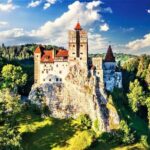
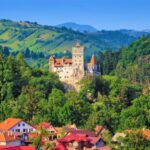
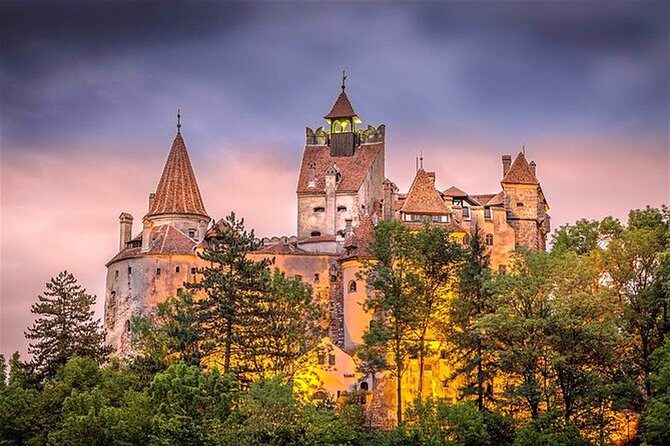
- Bran Castle (Dracula’s Castle): Gothic on a rock
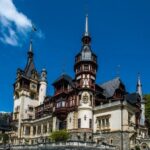
- Peliș Castle: royal summer residence with a modern-at-the-time story
- Snagov Monastery Near Bucharest: A Quiet Ending With a Big Claim
- Price and Logistics: Value, Tickets, and Realistic Planning
- Who Should Book This Private Dracula Legends Tour?
- Should You Book This Tour?
- FAQ
- What’s the meeting time for the tour?
- Is hotel pickup and drop-off included?
- Are breakfast and accommodation included?
- Are entrance tickets included for castles and attractions?
- Do I need to pay extra for a single room?
- Is this tour private?
- Is the tour dependent on weather?
Key Highlights You’ll Care About
- Private, end-to-end service: your guide handles the route and context, not you.
- Door-to-door transport from Bucharest with an air-conditioned minivan.
- Breakfast included for four days, so you start tours fueled.
- Dracula-linked sights across multiple towns, from fortress cities to castle interiors.
- Guides who handle real-world issues like weather and traffic calmly (Mathias and Paul are mentioned by name).
- Most core landmarks are free to view, with tickets mainly for a few major attractions.
Dracula Legends With a Private Guide: What You’re Buying
Transylvania can feel like a legend-meets-map puzzle when you travel on your own. This tour solves that by giving you a guide who can put Vlad III and the surrounding lore into plain context—who mattered, what was built when, and why certain places became part of the story.
You’re also paying for time. A private route through the Vlad-linked towns is a lot to coordinate—driving, spacing, and knowing what’s worth your feet. Here, you get a driver/guide, transportation by air-conditioned minivan, and hotel pickup and drop-off.
Best of all, the pacing feels designed for seeing cities and stepping into the right rooms without racing. The tour is private, so you won’t be squeezed into someone else’s idea of fun.
You can also read our reviews of more private tours in Bucharest
Door-to-Door Comfort From Bucharest (Minivan, Pickup, Breakfast)
You start at 9:00 a.m. with departure from your hotel. That’s a real win in Bucharest, where getting across town can eat a surprising chunk of your day. You’ll ride in an air-conditioned minivan between regions—useful when the weather turns moody or the roads get slow.
Breakfast is included for four mornings, which matters more than it sounds. When you’re touring castles, fortresses, and monasteries, you don’t want the “where do we eat now?” scramble. You’ll have a dependable start, then your guide can steer you toward the right timing for each stop.
If you like a tour where you can ask quick questions on the move—about Vlad III, the politics behind the legends, or why a building looks the way it does—this setup is built for that.
Târgoviște and Curtea de Argeș: Vlad’s World Before the Myths
Day 1 focuses on Valachia’s power center and the kind of religious architecture that gives the region its mood.
Târgoviște: Vlad’s political backdrop
Târgoviște is presented as the capital of Valachia, tied directly to the princely residence associated with Vlad the Impaler. You’re not just looking at a single site—you’re seeing the layered story of rule and fortification. The tour points out that early walls were built by Vlad’s grandfather, Mircea the Oldest (Prince of Valachia), and it also spotlights Vlad’s work: the Chindia Tower, built in the 15th century and described as perfectly preserved.
What I like here for a first Dracula trip: it reframes the legend as something rooted in real leadership and real architecture. You can still enjoy the spooky angle, but the place has weight beyond costumes and bats.
Curtea de Argeș: monastery beauty with serious gravitas
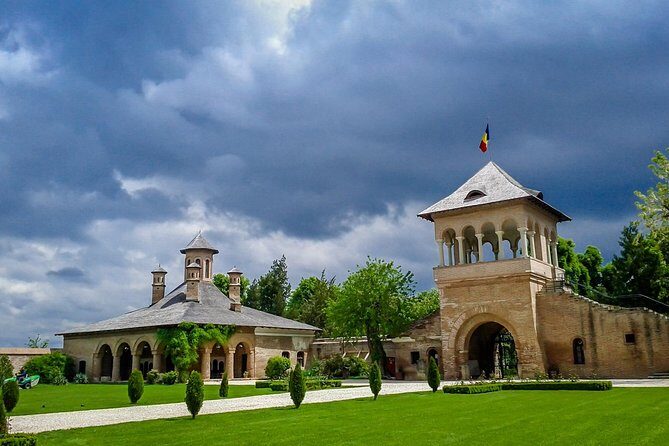
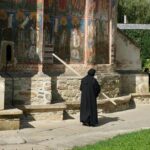
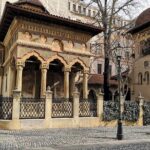
Next comes Curtea de Argeș, with a stop at one of the most beautiful monasteries in southern Romania. The key detail is that it’s an Orthodox worship site tied to Romanian reigns being buried. You’ll also see notes about its oriental decoration and its four towers—exactly the sort of visual detail you want on day one.
Potential drawback: monastery stops can be calmer, quieter, and sometimes less visually dramatic than castles. If you only want the big-ticket “Dracula moments,” you might find this more atmospheric than theatrical.
You can also read our reviews of more tours and experiences in Bucharest

Sibiu: Medieval Streets and Culture-Capital Energy
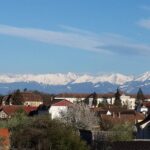
Later on day 1 you reach Sibiu, highlighted as the European Capital of Culture in 2007. This matters because Sibiu is one of those towns where art, preservation, and medieval planning are all part of the same experience.
The tour frames Sibiu as one of the most beautiful medieval cities in Transylvania, and your time there is paced as a proper block—about three hours—so you’re not stuck doing a quick photo sprint.
I like Sibiu in this type of Dracula route because it gives you “normal life” texture: markets, street scale, and that particular Transylvanian mix of styles. It makes the legend feel like part of a living region, not a theme park.
Castelul Corvinilor and Alba Iulia: Fortress Power in Two Styles
Day 2 goes from imposing architecture to an important Habsburg-era stronghold.
Hunedoara region and Castelul Corvinilor
At Castelul Corvinilor, also known as Hunyad Castle, you get a Dracula-adjacent story: it’s believed Vlad Tepes was imprisoned here before being deposed in 1462, with John Hunyadi named as the regent who held him as a hostage for seven years.
The architecture is described as Gothic with Renaissance elements, and the tour emphasizes it as the most imposing and resplendent castle in Transylvania. Expect about 1.5 hours for this stop.
Important budgeting note: the castle’s admission is not included. If you’re the type who hates surprise add-ons, check your planned spending early so you don’t end up skipping because the line item feels too big.
Alba Iulia: Roman, Catholic, Orthodox, and Habsburg layers
Next is Cetatea Alba Iulia—the Habsburg citadel and one of the most impressive in Europe, according to the tour notes. Here you’re invited to stroll along the wide, tree-lined streets and explore standout sites like:
- the Roman Catholic Cathedral (oldest and most valuable architectural monument in Transylvania, as described)
- the Batthyaneum Library
- the Orthodox Cathedral of the Reunification
- the Babilon Building housing the National Museum of Unification
- plus additional landmarks such as the Union Hall, Apor Palace, Princely Palace, and University of Alba Iulia
This is less “Dracula” and more “why stories like Dracula make sense here.” Multi-faith, multi-empire architecture creates a believable setting for legends that travel across borders and languages.
Salt Mine Wonder and City Mood: Turda, Cluj, and Bistrița
Day 3 shifts the vibe from castles to underground spectacle and then into city energy.
Salina Turda: a salt mine you’ll actually remember
You’ll visit Turda’s salt mine (Salina Turda), with a highlight of going down about 400 feet. The tour calls the underground world “submerged” once you reach the site, and the features listed are straight-up fun:
- an amphitheater
- a bowling alley
- an underground lake with paddle and row boats
- even a Ferris wheel
That combination is rare in Romania’s “big attraction” category, and it’s why this stop often feels like the day’s reset button. It also breaks up the castle rhythm: instead of towers and walls, you’re surrounded by rock and salt.
Admission is not included, so again, budget a bit. Still, if you want one non-Dracula anchor attraction in the middle of a legend-focused trip, this is a strong candidate.
Cluj-Napoca: university town with creative momentum
After Turda, you’ll reach Cluj-Napoca, described as Romania’s second largest city and a university hub with creative energy. The tour gives a “young-hearted” feel and points you to a mix of medieval landmarks and architectural jewels plus modern hangouts.
You’ll have about 1 hour here. That’s enough to get oriented, spot key streets, and enjoy the vibe without exhausting yourself.
Bistrița: the Dracula-linked city stop
Next is Bistrița, presented as one of the seven fortified cities and described as the true land of Dracula. The tour also connects it to Bram Stoker’s Dracula by noting that Jonathan Harker stayed overnight here in the book.
This is the kind of stop where a guide helps you avoid going numb on facts. Even if the legend is fictional, the city’s history and fortification story helps the book feel grounded.
You’ll spend around 2 hours, which is a good pace for walking and then taking a breath.
Târgu Mureș to Sighișoara: From Rose Avenue to UNESCO Old Town
Day 4 takes you to two places that feel very different on the surface—until you notice the shared theme of fortified life.
Târgu Mureș: Austro-Hungarian secessionist charm
You’ll head to Târgu Mureș, described as a Romanian-Hungarian city with secessionist (Austro-Hungarian period) architecture. The important practical detail is the timing window the tour gives: building styles begin in 1867 and end in 1918, and many of the buildings line up along what’s called Rose Avenue—once a great craft market.
If you like architecture and city form, this stop gives you texture beyond castles. You’re not only chasing Vlad; you’re also seeing what life looked like in Transylvania when it had a different political chapter.
Sighișoara: UNESCO center and the Vlad birthplace claim
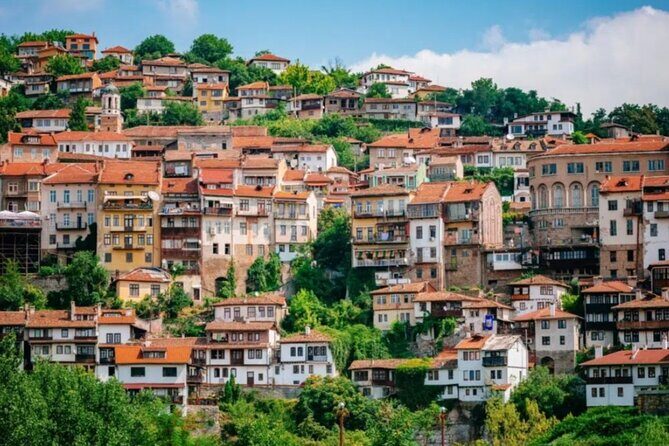
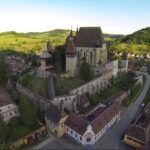
Next is Centrul Istoric Sighișoara, a fortified town whose historic center is UNESCO heritage. You’ll see the Clock Tower, colorful houses, and streets and churches described as belonging to different cultures—so the town comes across as multicultural and multi-confessional.
The tour also claims that Vlad Dracula was born in 1431 here. Whether you’re a die-hard Dracula fan or more of a “history first” person, the birthplace claim gives the stop extra charge. The streets and layout help you imagine the story moving through real daily life.
You’ll have about 3 hours—good for both wandering and catching the best views without feeling rushed.
Brasov’s historic center: a classic finishing city
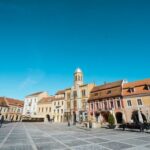
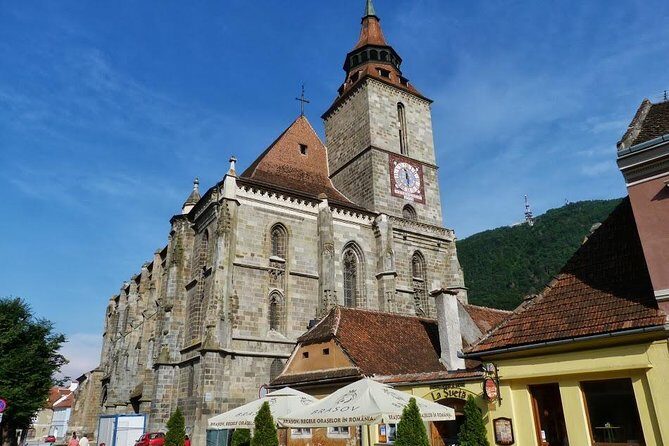
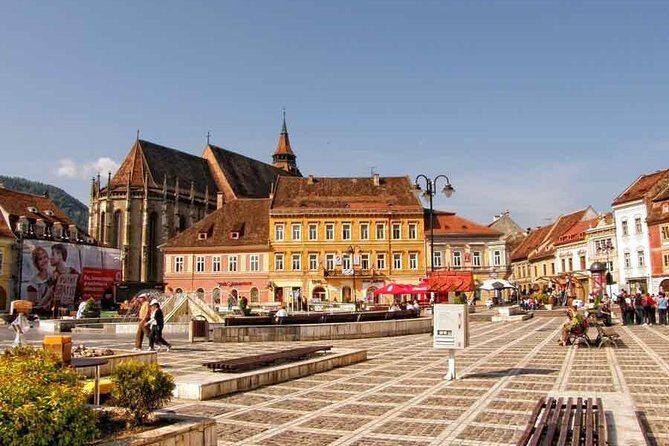
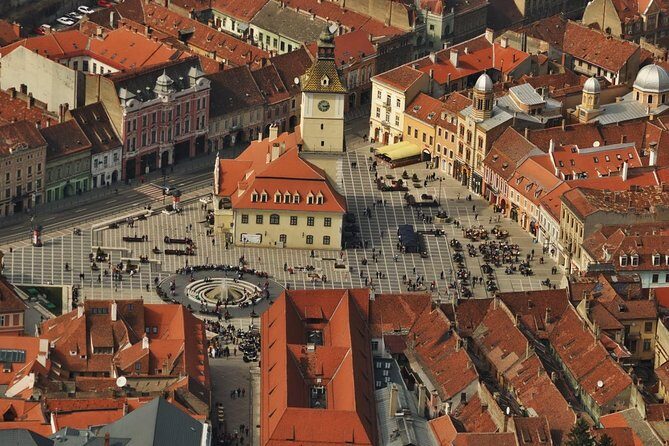
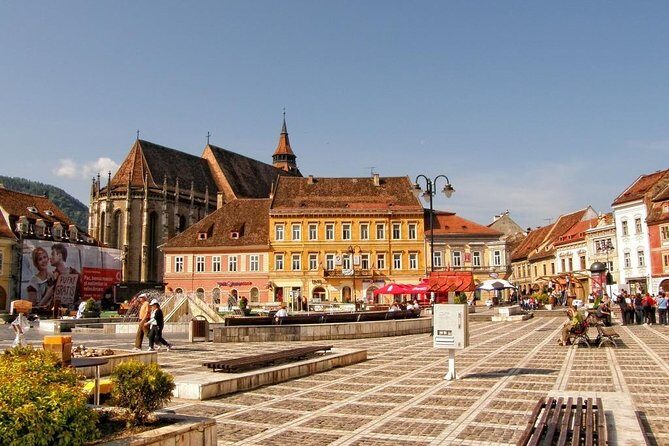
Finally, you reach Brasov (also known by the German name Kronstadt) with time in its historic center. You’ll focus on Council Square, plus an interesting neighborhood where the Gate Ecaterina (16th century) and Gate Schei (19th century) are located.
Admission is listed as not included for this stop, which is a reminder: some of the “walking towns” still involve ticketed museum areas, depending on what you choose inside.
Bran Castle, Peliș Castle, and the Dracula Mood Switch
Day 5 is where the tour leans hardest into the legend.
Bran Castle (Dracula’s Castle): Gothic on a rock
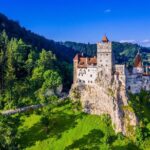
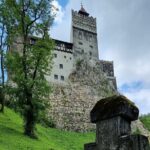
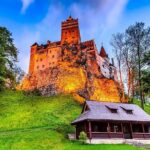
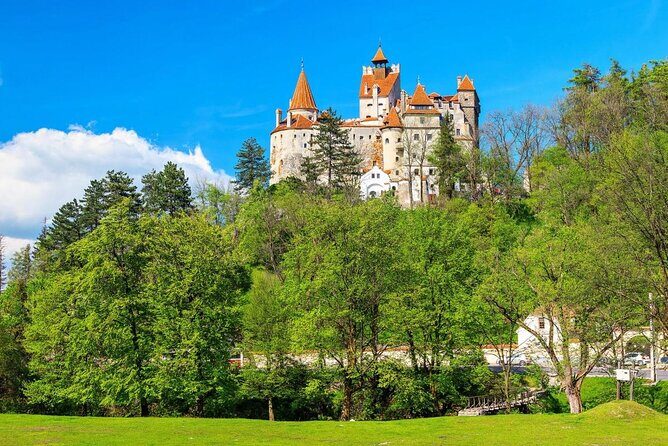
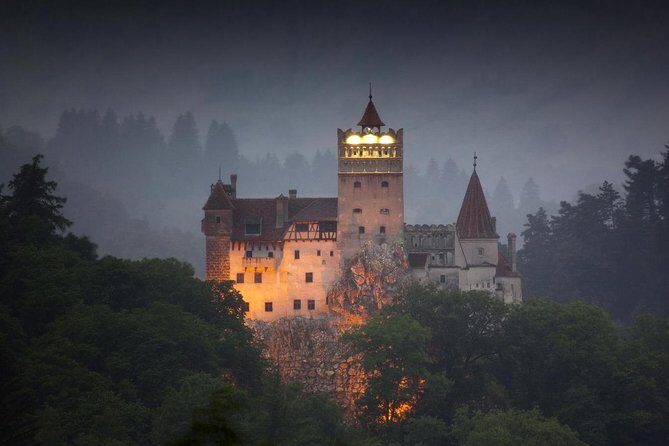
You depart in the morning to Bran, where you visit the famous castle known as Dracula’s Castle. The tour highlights a 14th-century Gothic-style castle built over a large rock covering a hill.
It also gives a very specific detail that helps you picture the place: the castle is described as having modest and refined interiors chosen by Queen Mary in the 1920s when she received the castle.
Bran is often the most photographed stop on a Dracula itinerary, but the practical value of having a guide here is knowing what to prioritize inside, so you don’t spend your visit reading only posters and missing the structural details.
Admission is not included here.
Peliș Castle: royal summer residence with a modern-at-the-time story
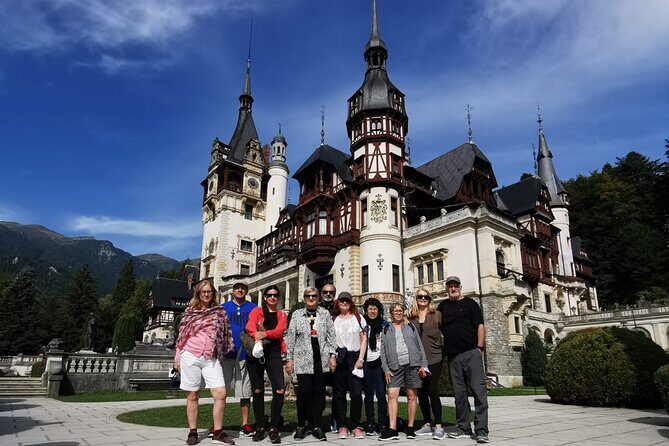
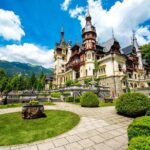
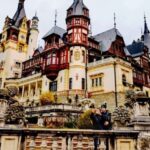
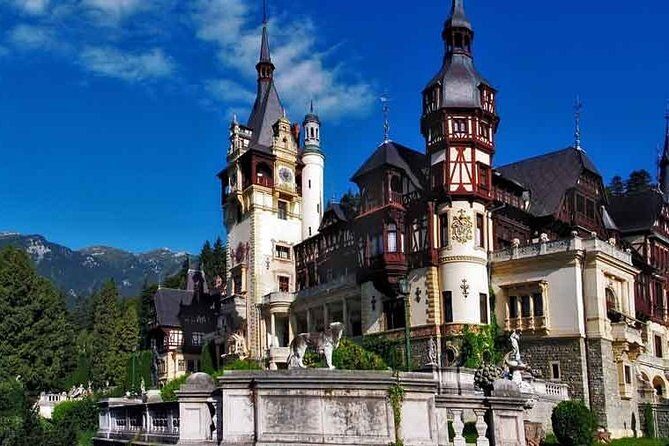
After Bran, you go to Peliș Castle, described as the fabulous summer residence of King Charles I of Romania, with German origins. You’ll also learn that a Czech architect shaped it, and the tour emphasizes that it was unusually modern for Europe when it was built between the 19th and 20th centuries.
Expect different rooms with different styles, with a callout to the Florentine room, said to give a typically Italian Renaissance atmosphere. This is a big contrast from Bran. If Bran puts you in legend mode, Peliș shifts you into “wow, royalty liked comfort too.”
Admission is also not included.
What to watch for: both castles can be physically busy. You’ll likely do a fair amount of walking and stair climbing, so pack for it and take breaks when your feet ask for them.
Snagov Monastery Near Bucharest: A Quiet Ending With a Big Claim
On the final day, you stop at Lake Snagov near Bucharest, where there’s a small monastery on a small island. The tour notes that Dracula was buried there in 1476.
This stop is shorter—about one hour—and it’s best taken as a mood shift. After castles, it feels calmer and more reflective. You’ll still get the Dracula connection, but the experience is less about crowds and more about the setting.
Admission is not included, so plan for that too if you decide to go in.
Price and Logistics: Value, Tickets, and Realistic Planning
At $1,331.24 per person for a 5-day private tour, you’re not just paying for sights. You’re paying for a bundle:
- Private guide/driver
- Air-conditioned minivan
- Hotel pickup and drop-off
- 4 nights accommodation
- Breakfast included for 4 days
- and a route that stitches together multiple Dracula-linked towns
That’s where the value lives. If you were to DIY this, you’d likely spend money on transportation and hotels, and you’d still be left with the “what should I see in each town” question.
Where you need to be smart is admissions. The tour lists several places where tickets are not included: Castelul Corvinilor, Salina Turda, parts of Brasov, and both Bran and Peliș castles, plus the Snagov monastery stop. Many other stops are marked as free.
So here’s the practical move: set aside a daily cushion for entry fees and keep some cash or a card handy for local payments. There’s also a single room supplement of 120 euro payable locally if you’re booking solo.
Lastly, the tour depends on good weather. If skies are ugly, your experience may be adjusted, but the provider indicates you’ll get offered another date or a full refund if poor weather cancels it.
Who Should Book This Private Dracula Legends Tour?
This tour fits you if you want:
- a first-time Transylvania trip with the heavy hitters and Dracula connections
- a private guide so you can ask questions and keep the story straight
- comfortable transportation between distant towns
- hotel nights and breakfast taken care of
It may not fit if you want zero ticket surprises or you hate spending time in museums/castle interiors. Also, the tour notes a moderate physical fitness level, so keep that in mind if stairs and walking long stretches don’t work for you.
If you’re traveling as a couple or a small group, private tours are often where the value pops, because the cost spreads while you still keep personal attention.
Should You Book This Tour?
I’d book it if you want Dracula beyond vibes. This route gives you Dracula-linked places across multiple towns, and the private guide approach helps you connect the dots between legend and built environment. The added comfort—air-conditioned minivan, door-to-door pickup, and breakfast—means you spend your energy enjoying scenes instead of solving logistics.
I’d also book it if your priority is the people factor. The guide names Mathias and Paul show up in top reviews tied to safety, flexibility, and straightforward friendliness, including handling bad weather and traffic without losing momentum.
One final check before you commit: look at the ticketed stops (especially Castelul Corvinilor, Salina Turda, Bran, and Peliș) and plan a little budget buffer. Do that, and you’ll get a trip that feels like a story you can walk through.
FAQ
What’s the meeting time for the tour?
The tour starts at 9:00 a.m., with departure from your hotel.
Is hotel pickup and drop-off included?
Yes. Hotel pickup and drop-off are included.
Are breakfast and accommodation included?
Yes. The tour includes 4 nights of accommodation and breakfast for 4 days.
Are entrance tickets included for castles and attractions?
No. Entrance tickets to museums and the ticketed attractions are not included. Some stops are listed as free, while others are not.
Do I need to pay extra for a single room?
If you want a single room, there is a supplement of 120 euro, payable locally with cash or credit card.
Is this tour private?
Yes. It’s a private tour, meaning only your group participates.
Is the tour dependent on weather?
Yes. The experience requires good weather. If it’s canceled due to poor weather, you’ll be offered a different date or a full refund.