REVIEW · BUCHAREST
Your rendez-vous with Europe’s past: time-travel to Maramures, Transylvania
Book on Viator →Operated by Transylvanian Tours · Bookable on Viator
Romania hits different when you’re moving with a local plan. This private, week-long route turns Maramures and Transylvania into a real story, with UNESCO wooden churches and Saxon fortified churches plus big-name stops like Bran Castle and Peles Castle.
I especially like that you’re not left to figure out logistics or tickets. Admissions are arranged for key sights, and you’ll get a real guided walkthrough instead of wandering. I also like the built-in flexibility: it’s private, so the itinerary can be adjusted to your pace and interests.
One thing to consider: the days are packed with stops, so you’ll spend a good chunk traveling by car between regions—worth it, but plan for long drives and comfy shoes.
In This Review
- Key things to know before you go
- What You’re Really Buying: A Guided “Time-Travel” Route
- Day 1: Cozia Monastery and Sibiu’s Medieval Squares
- Day 2: Alba Iulia Fortress and Cluj-Napoca’s Royal Footprints
- Day 3: UNESCO Surdesti Wooden Church and Village Time in Breb
- Day 4: Barsana Monastery, Sapanta’s Merry Cemetery, and the Sighet Prison Memorial
- Day 5: Maramures to Transylvania via Ieud, Biertan, and Sighișoara
- Day 6: Viscri Fortified Church, Prince Charles’ Blue House, Saschiz, and Brasov
- Day 7: Bran Castle to Peles Castle, then Bucharest’s Stavropoleos
- Price and Value: Is This $2,185.67 a Good Deal?
- Pace, Comfort, and Photo Reality on This Route
- Who Should Book This Maramures and Transylvania Tour
- Should You Book It?
- FAQ
- What’s the duration of this tour?
- Where does the tour start?
- Is this a private tour?
- Are admissions included?
- What meals are included?
- What’s included in the price?
- What isn’t included?
- What’s the daily tour time window?
- Can I bring a service animal?
- What if I need to cancel or change the dates?
- What if you’re okay with walking?
Key things to know before you go
- UNESCO wooden churches across Maramures: Surdesti, Desesti, and the churches of Ieud
- Fortified Saxon towns and churches: Biertan, plus Viscri and Saschiz in the same day flow
- Big guided city time without the stress: Sibiu and Brasov old centers, with famous squares and landmarks
- History that goes beyond castles: the Sighet prison memorial brings a darker side into the trip
- Private driver plus pickup from Bucharest: you start with convenience and move efficiently
What You’re Really Buying: A Guided “Time-Travel” Route
This tour isn’t just a list of sights. It’s built around two big themes—Romania’s layered medieval past and the cultural world of the Maramures countryside—linked by smart, day-to-day movement.
You’re in a private setup with an air-conditioned vehicle and a guide who can explain context as you go. That matters in this part of the world, where walls, churches, fortresses, and town layouts look similar at first glance, but each one has its own story. The best part is how the route keeps switching gears: medieval towns, then rural wooden architecture, then Saxon fortifications, then castle legend country.
You’ll also get the practical win of organized access. Many stops include entry tickets, and the schedule is built so you’re not burning time hunting down where to buy what.
You can also read our reviews of more tours and experiences in Bucharest.

Day 1: Cozia Monastery and Sibiu’s Medieval Squares
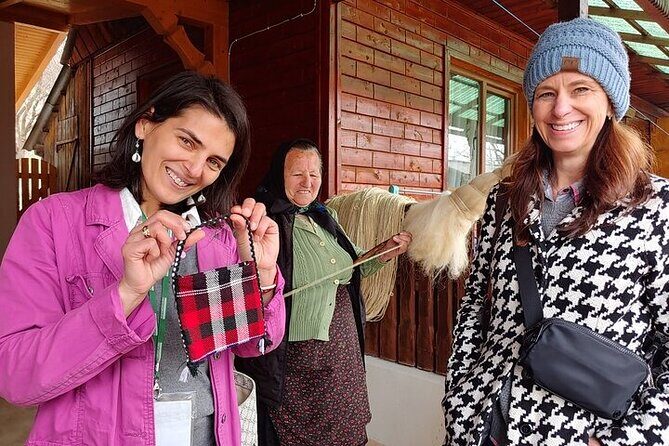
You start with pickup in Bucharest (hotel or airport) and immediately slide into the Olt River’s valley scenery. The first stop is Cozia Monastery, founded in 1388 by Mircea the Elder, a Wallachian prince often connected to the Vlad the Impaler family story. Even if Dracula lore isn’t your thing, this is Romania’s medieval voice in stone—calm, old, and specific.
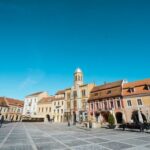
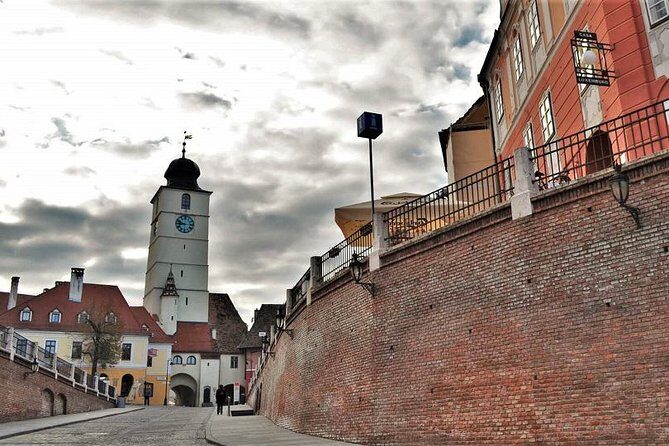
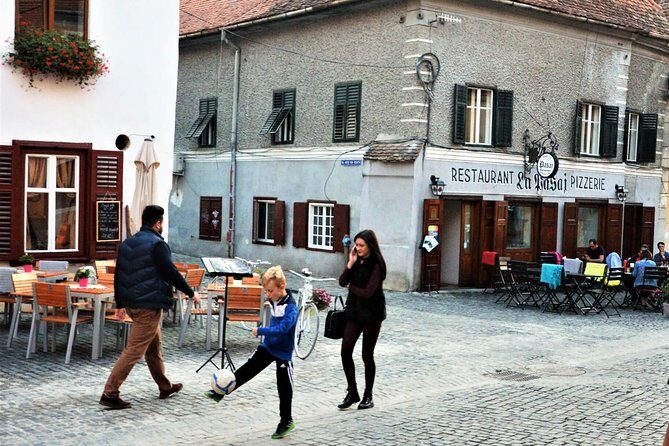
Next comes Sibiu, a city that rewards slow walking. You’ll tour the old town and climb the medieval stairs to the Council Tower view. Then you’ll move through major squares: the Grand Square, Small Square, and Albert Huet Square (dating from the 12th century). Your guide also brings the religious architecture into focus, including the Orthodox Cathedral (with design similarities to Constantinople’s Saint Sofia) and the Evangelical Church.
Why I like this start: it puts architecture and history front and center, without rushing you into castle-ticket chaos.
Possible drawback: Sibiu involves walking and stairs. If you’re sensitive to steps, wear supportive shoes and take breaks when you need them.
Day 2: Alba Iulia Fortress and Cluj-Napoca’s Royal Footprints
Day two centers on power—military, political, and religious—plus a quick city stop that keeps the pace lively.
You’ll visit Cetatea Alba Iulia (Alba Carolina), tied to John Hunyadi (Corvin) and his son, King Matthias Corvinus. Inside, you see the fortress setting and the Saint Michael Cathedral, where John Hunyadi is laid to rest. The cathedral’s construction started in 1004, which gives you a real sense of how long this place has mattered. You’ll also visit the Orthodox Coronation Cathedral and ruins connected to the Roman castrum of the elite 13th Gemina Roman Legion.
Then it’s on to Cluj-Napoca for a short guided look at the city. The tour route is designed to end near places connected to Matthias Rex, the son of John Hunyadi, where he was born. Even though the city time is shorter here, the guide’s framing helps you notice what’s worth returning to later.
What makes this day valuable: it anchors the later Transylvania era to the broader medieval Central European storyline. The towns feel less like random stops and more like chapters.
Day 3: UNESCO Surdesti Wooden Church and Village Time in Breb
Now you shift from fortresses to something Romania does unusually well: wooden church architecture.
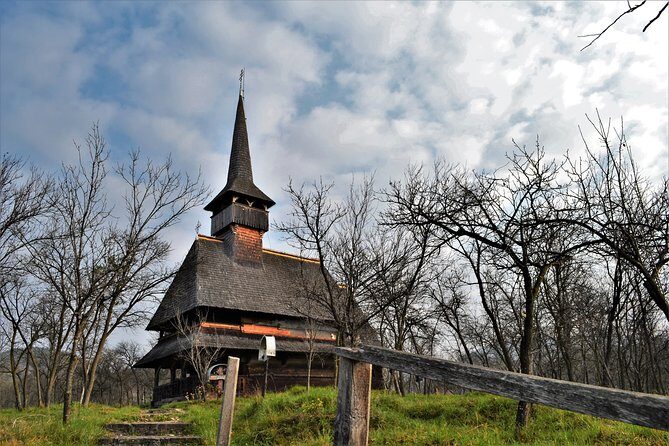
From Cluj-Napoca you head north toward Maramures, stopping at Surdesti for the wooden church. This UNESCO World Heritage site dates from 1766 and is a Greek-Catholic church. It used to be the tallest wooden church in the world, and that alone makes it worth a careful look. Your guide’s explanations make the form and details click—why it’s built the way it is, and what the church meant in the life of the village.
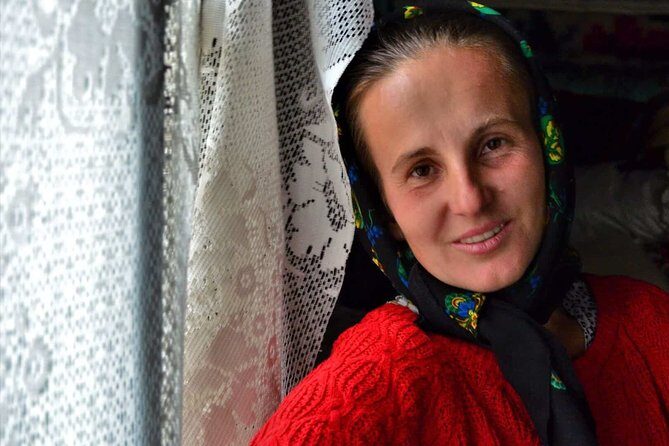
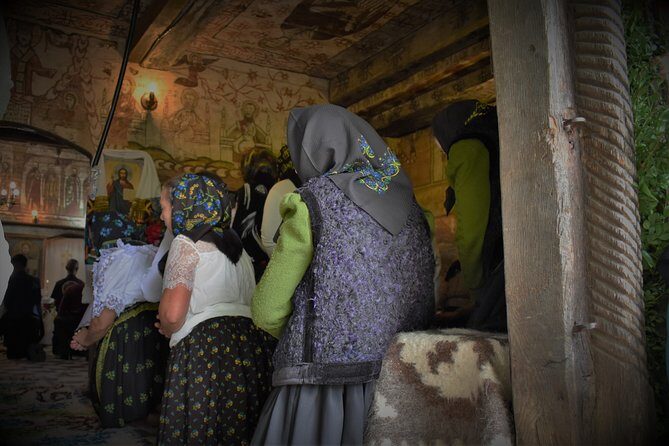
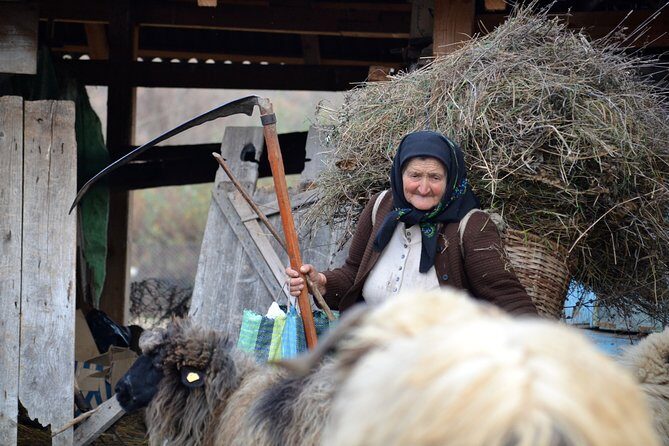
After that, you check in at a traditional cottage in the village of Breb. This is the day where the trip slows down on purpose. You settle in and have an afternoon with traditional food from your hosts, with plenty of time to breathe and get used to rural pace.
Why this part works: Maramures isn’t only scenery. It’s a living culture, and spending the night in the village setup helps you feel the rhythm rather than just pass through for photos.
Day 4: Barsana Monastery, Sapanta’s Merry Cemetery, and the Sighet Prison Memorial
Day four is the emotional swing of the whole trip: beauty, then humor, then something heavy.
First you visit Barsana Monastery, an Orthodox monastic complex built in the early 1990s. It’s modern in construction, yet the design ties deeply to local tradition. If you’re expecting “old and medieval only,” this offers a reminder that living culture can still look like a continuation of the past.
Next comes Sapanta’s Merry Cemetery. The cemetery’s wooden crosses are carved and painted with vivid color, and each one includes an ironic epitaph. The tone is playful—dark humor with a wink—turning grief into storytelling. One epitaph even jokes about a mother-in-law who would keep talking if she had just a few more days. It’s not the kind of place you forget quickly.
Then you go to Sighet, at the Memorial of the Victims of Communism and of the Resistance. This site is connected to the communist prison of Sighet, which the regime used to target political, religious, academic, and cultural elites. You learn about the years 1950 to 1955, when many important Romanian figures—statesmen, intellectuals, academy members, bishops and priests—were imprisoned in brutal conditions.
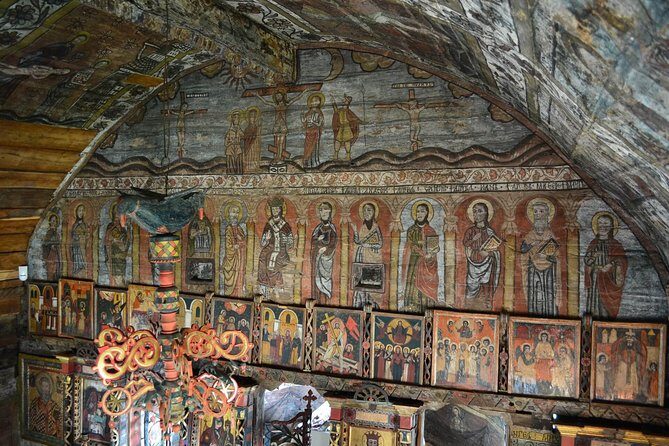
Finally, you stop at Desesti for another UNESCO wooden church, known for its well-preserved naive old painting. It’s a return to visual beauty and local craft after the heaviness of the memorial.
My practical take: this day is mentally demanding. If you’re the kind of person who absorbs details slowly, you’ll do fine—but build in time to pause, especially after Sighet.


Day 5: Maramures to Transylvania via Ieud, Biertan, and Sighișoara
This is one of the best “transition days” on the route: you move from the core of Maramures south toward Transylvania’s Saxon heartland.
You stop in Ieud. The village has two wooden churches, and the contrast is the point. The church on the hill is Orthodox and dates to the 17th century. The church in the valley is Greek-Catholic, famous for its proportions and known as The Wooden Cathedral. It was erected in 1718 after the last invasion of the Tartars in Maramures, and it’s known for having no painted surface—yet it holds a rich collection of glass icons.
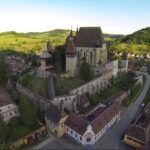
Then you head to Biertan, home to a UNESCO fortified church built between 1486 and 1524. This one feels like architecture with a purpose: defense walls, a strong nave ceiling, and tombstones of bishops and notable figures. Even if you’re not a fortress person, the defensive layout makes sense quickly once your guide points it out.
You finish in Sighișoara, visiting the historic citadel area and enjoying late afternoon and evening. This UNESCO site is tied to Vlad the Impaler’s birthplace, and night lighting in the medieval core makes the story feel more real.
Why this day is worth it: it connects two worlds—Maramures village culture and Saxon fortified survival—without making you “choose one type of sightseeing.”
Day 6: Viscri Fortified Church, Prince Charles’ Blue House, Saschiz, and Brasov
Day six is about Saxon Transylvania’s fortified church landscape, plus a strong finish in a city.
You spend time in the fortified church zone that includes Viscri and Saschiz, both tied to UNESCO. En route, you’ll also see the Rupea fortress, described as one of the oldest fortifications in Romania, built over earlier Roman and Dacian fortresses.
In Viscri, the story has a modern footnote: Prince Charles is connected to the village because he bought an old Saxon household there—number 163, a blue house built in 1753—and visited for time riding horses and staying connected to the place. You’ll have lunch time in Viscri, which helps break up the driving and gives you a more local-feeling experience than a quick photo stop.
Then you reach Brasov. After check-in, you tour the historic center and take in major landmarks: the Black Church (a 14th-century Gothic monument), plus medieval fortifications, bastions, and towers. Your walk also includes Rope Street, known for being among the narrowest streets in Europe.
This day is great if you like “systems of defense”—how communities protected themselves, not just how castles look.
One consideration: you’ll cover several stops in a single day. If you don’t love driving days, this is the one where you’ll feel it most.
Day 7: Bran Castle to Peles Castle, then Bucharest’s Stavropoleos
The last day mixes Dracula legend with real royal architecture and ends in Bucharest.
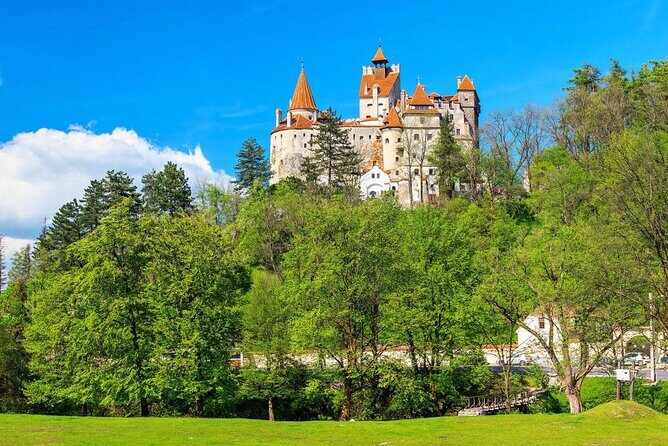
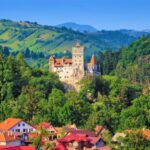
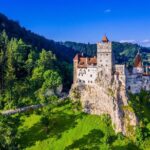
First up is Bran Castle, widely tied to Dracula stories. Even if you treat the legend as fun marketing, the setting matters. You’ll also see Bran Pass scenery over the Piatra Craiului and Bucegi mountains, which gives you that classic Transylvania feeling of rugged, dramatic terrain.
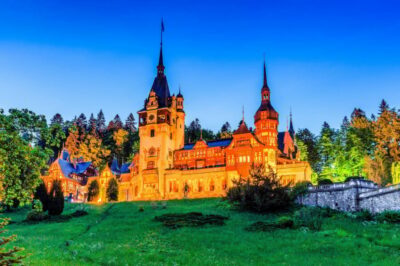
Next is Peles Castle in Sinaia. This palace was built in the late 19th century and is known for being flamboyant, especially compared with its founder: King Carol I, described as German-origin and personally more sober in contrast to the castle style. You’ll have about two hours to visit, which is enough for highlights without turning it into a marathon.
Then you return to Bucharest for Stavropoleos Monastery in the evening—an elegant church built in 1724. It’s a neat way to land back in the city while keeping your mind on history.
Price and Value: Is This $2,185.67 a Good Deal?
At $2,185.67 per person for about 7 days, you’re paying for more than sightseeing. You’re paying for:
- Private transportation in an air-conditioned vehicle
- 7 nights in 3-star superior hotels and guesthouses, double occupancy, with breakfast included
- Organized admission/tickets for many key sights
- Two lunches and two dinners included
- All fees and taxes included
When this is good value: it’s especially worth it if you want guided meaning rather than DIY navigation. In Romania, distances between regions can be the hidden cost of independent travel—time, planning, and decision fatigue. Here, the driving is handled, and the schedule is designed so the stops connect thematically.
When it might not be worth it: if you’re the type who only wants a few icons (say, only castles) and you’d rather control everything yourself, the per-person price may feel steep.
My honest bottom line: for a private, multi-region route that combines UNESCO wooden churches, fortified churches, and two major castles, the price can make sense—especially if you’d otherwise spend money on cars, tickets, hotels, and private guide time separately.
Pace, Comfort, and Photo Reality on This Route
This is a “see a lot” tour, built around day-to-day movement. You’ll be in the vehicle between Maramures and Transylvania, and you’ll do multiple major sites in some days. For comfort, bring:
- Good walking shoes (stairs in Sibiu, uneven ground near old sites)
- A layer (churches and castles can feel cooler)
- A small day bag for tickets and water
Photo tip I’d follow: don’t just shoot the front of churches and fortresses. Spend a few minutes on details—wood joinery on wooden churches, defensive wall lines at fortified sites, and the way squares and streets open up in cities like Sibiu and Brasov. Those are the things that make the trip feel real later.
Also, this tour ends each day with time to settle in where possible—especially after rural village stays and on the Bucharest finish—so you’re not always rushing to the next thing.
Who Should Book This Maramures and Transylvania Tour
This fits you well if:
- You want guided context, not just photos
- You like UNESCO-style architecture (wooden churches and fortified churches)
- You want famous stops and countryside culture, not only Dracula and castles
- You’re open to both lighter moments (like Sapanta’s humor in the cemetery) and heavier history (Sighet memorial)
It’s also a good choice if you prefer a private setup: you only share the tour with your group, and it can be tailored.
Should You Book It?
If you want a one-week plan that connects Maramures rural tradition to Transylvania’s Saxon fortified era—and you also want the big-ticket landmarks like Bran and Peles—this is a strong fit. The private transport, organized admissions, and included stays and breakfasts reduce a lot of friction.
I’d pass if you dislike packed days or you only care about two or three headline attractions. In that case, you might be happier with a shorter, simpler route.
If you do book, go in with the right mindset: this trip is about how different communities survived and expressed faith and power, not just where to stand for a perfect castle selfie.
FAQ
What’s the duration of this tour?
It runs for about 7 days.
Where does the tour start?
It starts in Bucharest, with pickup offered either at your hotel or at the airport.
Is this a private tour?
Yes. It’s a private tour/activity, and only your group participates.
Are admissions included?
For several stops, admission tickets are included, and the tour description also notes that fees and taxes are covered.
What meals are included?
Breakfast is included each morning. The tour also includes 2 lunches and 2 dinners.
What’s included in the price?
The price includes air-conditioned vehicle, private transportation, all fees and taxes, 7 nights of accommodation (double occupancy) in 3-star superior hotels/guesthouses with breakfast, plus the included lunches and dinners.
What isn’t included?
Meals beyond what’s listed, photo fees, and flight tickets are not included.
What’s the daily tour time window?
Service hours are listed as Monday to Sunday from 8:00 AM to 8:00 PM.
Can I bring a service animal?
Service animals are allowed.
What if I need to cancel or change the dates?
The experience is non-refundable and cannot be changed for any reason.
What if you’re okay with walking?
Most travelers can participate, but the route includes multiple church and town visits, so comfortable walking shoes are a smart idea.